Winter Spices: Using Holiday Flavors Year-Round
Last Updated: February 2026
 You bought nutmeg for the eggnog. Cloves for the mulled cider. Allspice for the holiday cookies. Now January is over, and you’re staring at a spice drawer full of jars that are nine-tenths full, wondering what to do with them. Here’s the good news: every one of those winter spices is far more useful than one season of baking lets on. According to a 2023 survey by the American Spice Trade Association, the average American household uses fewer than 25% of the spices they own on a regular basis a statistic that reflects just how much flavor most cooks are leaving on the table.
This guide breaks down the five core winter spices nutmeg, allspice, cinnamon, cloves, and ginger and shows you exactly how to use them beyond holiday baking. From weeknight dinners to slow-braised meats to savory sauces, these spices belong in your cooking all year long.
What Are Winter Spices and Why Do They Work So Well Together?
Winter spices are the aromatic, warming spices that define cold-weather cooking in cuisines from Europe to the Middle East to the Caribbean. They share a common flavor chemistry: each contains high concentrations of phenylpropanoid compounds, the organic molecules responsible for warm, woody, spicy aromatic profiles (National Institute of Health, 2022). That shared chemistry is why they taste so natural together in blends and why each one also works independently across such a wide range of dishes.
The five most common winter spices found in holiday cooking are nutmeg, allspice, cinnamon, cloves, and ginger. Together, they form the backbone of everything from American pumpkin pie to Jamaican jerk to Indian garam masala. Understanding each one separately gives you the knowledge to use them confidently, creatively, and well beyond December.
If you want to go deeper on individual spices, Spice Station’s spices collection includes whole and ground options for all of these, sourced from their regions of origin.
Nutmeg: The Cream Sauce’s Best Friend
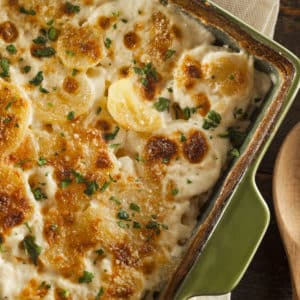
Nutmeg is the winter spice most people underuse because they only think of it in sweet contexts. That’s a mistake. Nutmeg shines equally in savory cooking, particularly in any dish that involves cream, butter, or dairy. Classical French cooking has known this for centuries — a pinch of nutmeg is a standard component of béchamel sauce, the foundational white sauce used in lasagna, croque monsieur, and gratins of every kind.
According to McGee’s On Food and Cooking, nutmeg’s primary flavor compound, myristicin, has a particular affinity for fat-based preparations because the compound is fat-soluble, meaning it releases more fully into cream and butter than into water-based cooking. That science explains why a small amount of nutmeg in a potato gratin or a creamed spinach suddenly makes the whole dish taste more complex.
Savory uses for nutmeg beyond baking:
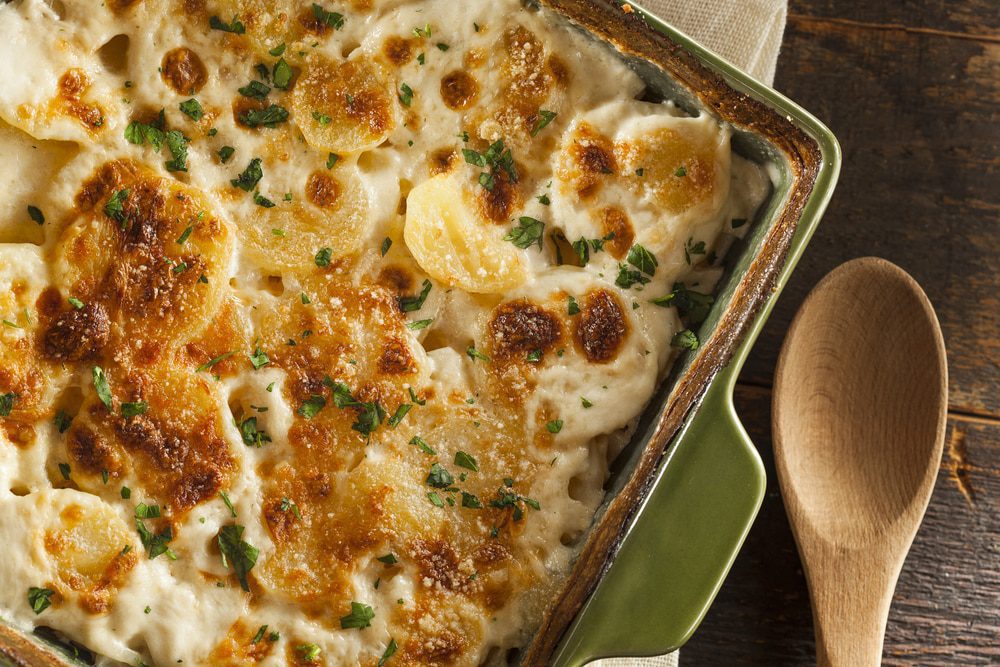
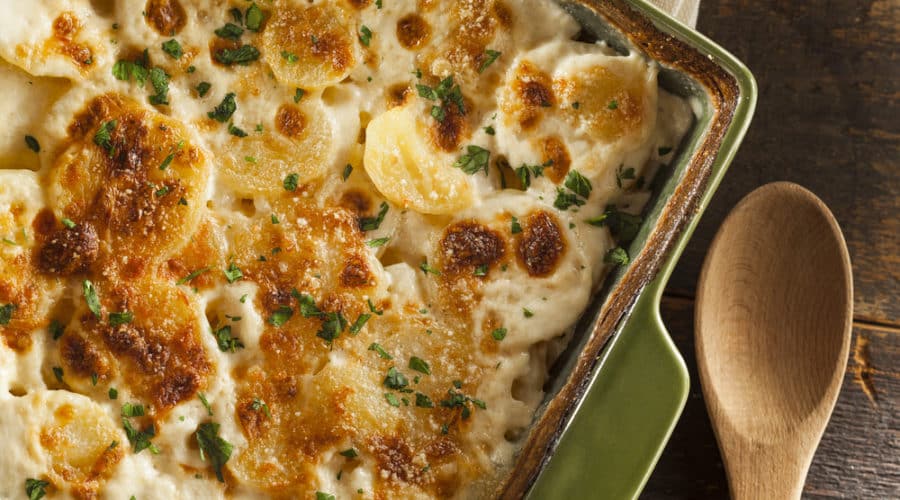
- Potatoes au gratin or scalloped potatoes grate fresh nutmeg directly over the cream before layering
- Classic béchamel for baked pasta or lasagna
- Braised lamb shoulder with garlic, nutmeg, and garam masala for a Middle Eastern-inspired preparation
- Creamed greens (spinach, kale, Swiss chard) half a teaspoon in the cream sauce makes a significant difference
- Fresh pasta dough a traditional Italian addition, especially for stuffed pasta like tortellini or ravioli
For the best flavor, buy whole nutmeg and grate it fresh as needed. Pre-ground nutmeg loses its volatile oils quickly; within six months, the flavor drops considerably. Spice Station’s nutmeg category has both whole and ground options.
Allspice: The Caribbean and Middle East’s Secret Weapon
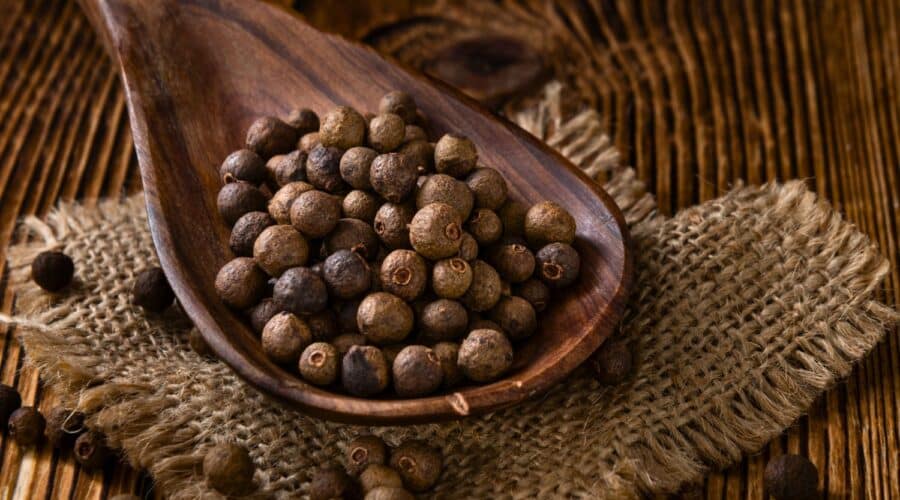
Allspice is perhaps the most misunderstood spice in the winter drawer. Its name causes confusion people assume it is a blend rather than a single spice. Allspice is actually the dried berry of the Pimenta dioica tree, native to Jamaica and Central America. Its flavor genuinely does suggest a combination of cloves, cinnamon, and nutmeg, which is why it earned the name. But it is entirely its own ingredient, with a depth that neither of those spices achieves alone.
In Jamaican cooking, allspice is the backbone of jerk seasoning, used in substantial quantities alongside Scotch bonnet pepper, thyme, and garlic. In Middle Eastern cuisines, particularly Lebanese and Syrian cooking, allspice (called bahar) appears in kibbeh, kafta, and slow-cooked lamb dishes. According to the Oxford Companion to Food, allspice is one of the only spices in the world that is grown commercially almost exclusively in the Americas but became central to the cooking traditions of the Middle East through the Ottoman spice trade.
How to use allspice year-round:
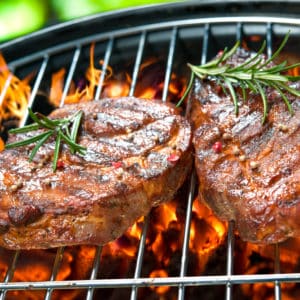
- Jamaican jerk chicken or pork — allspice is non-negotiable in an authentic preparation; explore Spice Station’s Caribbean regional spices for complete jerk blends
- Middle Eastern ground lamb preparations: mix allspice with cinnamon and cumin for kafta or kofte
- Braised short ribs — add a few whole allspice berries to the braising liquid with bay leaf and black pepper
- Pickling brines for vegetables — allspice berries are a traditional component of many European and American pickle recipes
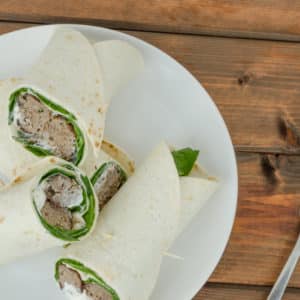
- Swedish meatballs — the classic recipe uses allspice in the meat mixture, not just in the cream sauce
The flavor of allspice is assertive but not sharp. It rounds out meat dishes the way a good stock does — adding body and warmth without announcing itself too loudly.
Cinnamon: Far More Than Apple Pie
Cinnamon is probably the most familiar spice in any American kitchen, and also the one most people limit unnecessarily to sweet applications. In much of the world across North Africa, the Middle East, India, and Mexico cinnamon is a core savory ingredient used in meat braises, rice dishes, and stews.
Two main types of cinnamon exist: Ceylon cinnamon (Cinnamomum verum), sometimes called “true” cinnamon, which is lighter, more delicate, and slightly floral; and Cassia cinnamon (Cinnamomum aromaticum), the variety most commonly sold in American supermarkets, which is sharper and more intense. For a detailed breakdown of the differences, Spice Station’s guide to Ceylon cinnamon is worth reading before you buy.
According to a 2021 study published in the journal Food Chemistry, cinnamon contains more than 80 volatile flavor compounds, with cinnamaldehyde comprising 55-90% of its essential oil depending on variety and origin. That complexity is why cinnamon pairs so naturally with both sweetness and meat it has enough range to work across very different flavor contexts.
Savory cinnamon applications:
- Roasted pork loin with apple juice and halved red apples dusted with cinnamon — a simple preparation with genuinely impressive results
- Moroccan lamb tagine, where cinnamon is a defining spice alongside cumin and preserved lemon
- Persian-style rice with cinnamon, dried fruit, and saffron — the cinnamon adds warmth without sweetness when used in the right amount
- Mexican mole sauce — cinnamon is one of the foundational spices in a proper mole negro
- Greek ground meat dishes (pastitsio, moussaka) — cinnamon in the meat sauce is what distinguishes these from Italian preparations
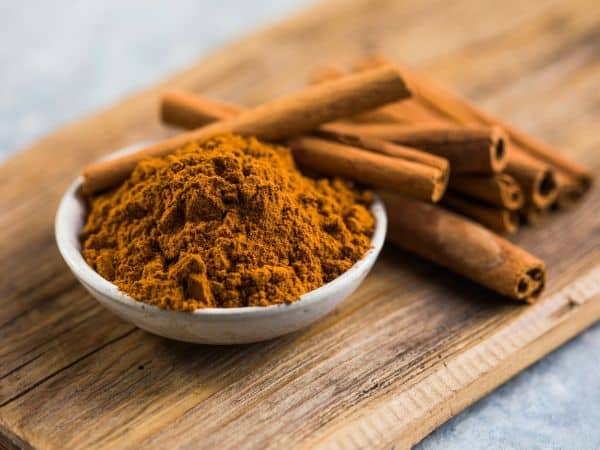
Cinnamon also performs beautifully in winter drinks beyond eggnog. A stick added to mulled wine, hot apple cider, or even black coffee adds an aromatic warmth that the powdered version can’t match. See Spice Station’s cinnamon category for stick and ground varieties.
Cloves: Intense, Medicinal, and More Versatile Than You Think
Cloves are the most potent of the winter spices. A little goes a long way too much clove overwhelms everything else in a dish. But used carefully, cloves add a depth that nothing else quite replaces. The word “clove” itself comes from the Latin clavus, meaning nail, which describes both the shape of the dried flower bud and the way the flavor seems to nail itself into whatever it touches.
Cloves are high in eugenol, the same compound found in bay leaves and allspice. Eugenol has strong antimicrobial properties, which is why cloves historically played a role in food preservation and why they were among the most valuable commodities in the medieval spice trade. According to the Spice Trade history maintained by the British Museum, cloves were once worth more than gold by weight, grown exclusively in the Maluku Islands of Indonesia before the Dutch East India Company established a monopoly on their trade in the 17th century.
Beyond the glazed ham — how to use cloves year-round:
 Add 2-3 whole cloves to chicken or beef stock as it simmers they add an almost imperceptible but meaningful depth to the background flavor
- French onion soup benefits from a whole clove or two tucked into a halved onion during the long caramelization process
- Biryani and Indian rice dishes use whole cloves alongside cardamom and bay leaf in the initial tempering step
- In Spice Station’s B’s Biryani blend, cloves work alongside cinnamon, cardamom, and star anise to build the foundational spiced rice flavor
- Clove-studded oranges (pomanders) are a traditional home fragrance that lasts for months entirely unrelated to cooking but worth knowing
One practical note: whole cloves are much more forgiving than ground cloves. When you add whole cloves to a braise or stock, you control the intensity by leaving them in longer or pulling them earlier. Ground cloves release all their eugenol immediately, making it very easy to use too much.
Ginger: The Spice That Bridges Sweet and Heat
Fresh ginger and dried ground ginger behave very differently in cooking, and understanding that distinction changes how you use both. Fresh ginger contains gingerol, a pungent, bright compound that gives raw and lightly cooked ginger its sharp bite. When ginger is dried and ground, gingerol converts into shogaol, a different molecule that is actually spicier but also warmer and less sharp more suitable for long-cooked dishes and baking.
This chemistry explains why a gingerbread recipe calls for ground ginger (you want that warm, baked spice quality) while a ginger stir-fry calls for fresh ginger (you want the brightness). According to research published in the Journal of Agricultural and Food Chemistry, shogaol is roughly twice as potent as gingerol by weight, which is why dried ginger should be used in smaller amounts than fresh.
Year-round applications for ground ginger:
- Ginger in savory rubs for pork, chicken, and fish — it pairs naturally with garlic and sesame for an Asian-influenced preparation; see Spice Station’s Asian-Japanese regional spices for complementary ingredients
- Carrot ginger soup — ground ginger in the base, fresh ginger stirred in at the end for layers of flavor
- Ginger-spiced lentils with turmeric and cumin — a simple, warming weeknight meal that uses pantry staples
- Spiced lamb stew using ground ginger alongside coriander and cumin, common across North African cooking
- Homemade ginger simple syrup for cocktails, lemonades, and sparkling water — dissolve ground ginger in equal parts sugar and water, simmer for five minutes, strain
The spices for desserts article on the Spice Station blog goes into more depth on ginger and its role in baked goods if you’re specifically interested in sweet applications.
How to Use Multiple Winter Spices Together
The real power of these five spices comes out when you combine them thoughtfully. Many of the world’s great spice blends — garam masala, pumpkin pie spice, Chinese five spice, baharat are built from variations of the same warm, phenylpropanoid-rich spices.
The key principle is balance. Think of each spice as filling a different role:
| Spice | Role | Intensity |
|---|---|---|
| Cinnamon | Backbone warmth | Medium |
| Nutmeg | Creamy depth | Low-medium |
| Allspice | Complexity and body | Medium |
| Cloves | Sharp, penetrating warmth | High (use less) |
| Ginger | Brightness and heat | Medium-high |
When building a blend, start with cinnamon as the base, add allspice for body, introduce smaller amounts of nutmeg for creaminess, use cloves very sparingly, and adjust ginger to control how much forward heat you want.
This framework applies directly to meat rubs, braises, mulled drinks, cookie doughs, and spiced sauces. For pre-made versions that demonstrate these principles in action, explore Spice Station’s spice blends collection — many of the 182 available blends are built on this exact foundation.
Storing Winter Spices to Get the Most from Them
Proper storage extends spice life significantly, which matters especially for the potent essential oils in winter spices. According to the American Spice Trade Association, properly stored whole spices retain full flavor for 3-5 years, while ground spices are best within 2-3 years. Most home cooks are using spices well past that window.
A few practical guidelines:
- Store in airtight containers away from heat, light, and moisture — not near the stove
- Whole spices (cinnamon sticks, whole cloves, whole nutmeg, allspice berries) last significantly longer than their ground counterparts
- To test whether a ground spice is still potent, rub a small amount between your fingers and smell it — if the aroma is faint, the flavor will be too
- Buy smaller quantities more frequently rather than large containers that sit unused; Spice Station’s pricing model makes this practical at affordable prices across multiple formats
For a full breakdown on keeping your spice collection in peak condition, Spice Station’s guide on how to keep spices fresh covers storage containers, shelf life by spice type, and when to restock.
Frequently Asked Questions
What are winter spices?
Winter spices are a group of warm, aromatic spices traditionally associated with cold-weather and holiday cooking. The core five are nutmeg, allspice, cinnamon, cloves, and ginger. They share a common flavor chemistry based on phenylpropanoid compounds, which give them their warm, woody, aromatic quality. Most originated in tropical regions Southeast Asia, the Caribbean, and South Asia — and spread globally through historical spice trade routes.
Can winter spices be used in savory dishes?
Yes. Most winter spices are actually more widely used in savory contexts globally than in sweet baking. Allspice is central to Jamaican jerk and Lebanese kafta. Cinnamon appears in Moroccan tagines and Greek meat sauces. Nutmeg is a classical component of French béchamel. Cloves flavor Indian biryanis and French stocks. Only in American and northern European baking traditions are these spices treated primarily as dessert ingredients.
How long do winter spices last?
Whole winter spices (cinnamon sticks, whole cloves, whole nutmeg, allspice berries) retain good flavor for 3-5 years when stored properly in airtight containers away from heat and light. Ground spices are best used within 2-3 years. The simplest freshness test: rub the spice between your fingers and smell it. Strong aroma means good flavor; faint aroma means it’s time to replace.
What is the difference between allspice and mixed spice?
Allspice is a single spice — the dried berry of the Pimenta dioica tree that naturally tastes like a combination of cloves, cinnamon, and nutmeg. Mixed spice is an actual blend, typically including allspice, cinnamon, nutmeg, and cloves combined together. You can substitute one for the other in many recipes but the flavor intensity and balance will differ.
Which winter spice goes best with meat?
Allspice is arguably the most versatile winter spice for meat dishes, working in everything from Caribbean jerk preparations to Middle Eastern lamb dishes to Scandinavian meatballs. Cinnamon is essential in North African, Greek, and Persian meat preparations. Cloves add depth to braises and stocks. All three work together in garam masala-style preparations for Indian cooking.
Can I make my own winter spice blend at home?
 Yes. A simple, all-purpose warm spice blend can be made from: 3 parts cinnamon, 2 parts allspice, 1 part nutmeg, 1 part ginger, and 1/4 part cloves. This ratio works for both sweet baking and savory applications. Adjust the cloves downward if the blend will be used primarily for savory cooking. Spice Station’s spice blends include many professionally balanced versions if you prefer a ready-made option.
The Bottom Line
Winter spices are not seasonal ingredients they’re year-round tools that happen to peak in visibility during the holidays. Nutmeg belongs in cream sauces and gratins. Allspice belongs in jerk preparations and braised lamb. Cinnamon belongs in Moroccan tagines and pork roasts. Cloves belong in stocks and biryanis. Ginger belongs in rubs, soups, and syrups.
The spice drawer full of nine-tenths-full jars isn’t a problem it’s an opportunity. If you want to restock or branch out into new territory, contact Spice Station or browse the full collection at spicestationsilverlake.com.