How to Make Saffron Extract: The Technique That Gets Everything Out of the World’s Most Expensive Spic
Making saffron extract grinding threads with sugar and steeping in hot water is the technique that gets full color, aroma, and flavor from the world’s most expensive spice. Complete guide with method, applications, quality tips, and storage.
How to Make Saffron Extract: Maximize Every Drop of This Precious Spice
Last Updated: March 2026
Saffron is the most expensive spice on earth by weight, and most people use it wrong. They drop a few threads into a pot of hot liquid, stir once, and wonder why the flavor and color never quite distribute the way they expected. Making a saffron extract by grinding the threads with sugar, steeping them in hot water, and storing the liquid solves this completely. It takes ten minutes, keeps for a week, and changes how every dish made with saffron looks and tastes.
This guide covers what saffron is, why it commands its price, the complete extract-making technique with detailed steps, a full breakdown of how to use the extract across savory cooking, rice, tea, and desserts, how to spot quality saffron before you buy, and how to store it correctly so none of it goes to waste.
What Is Saffron and Why Is It So Expensive?
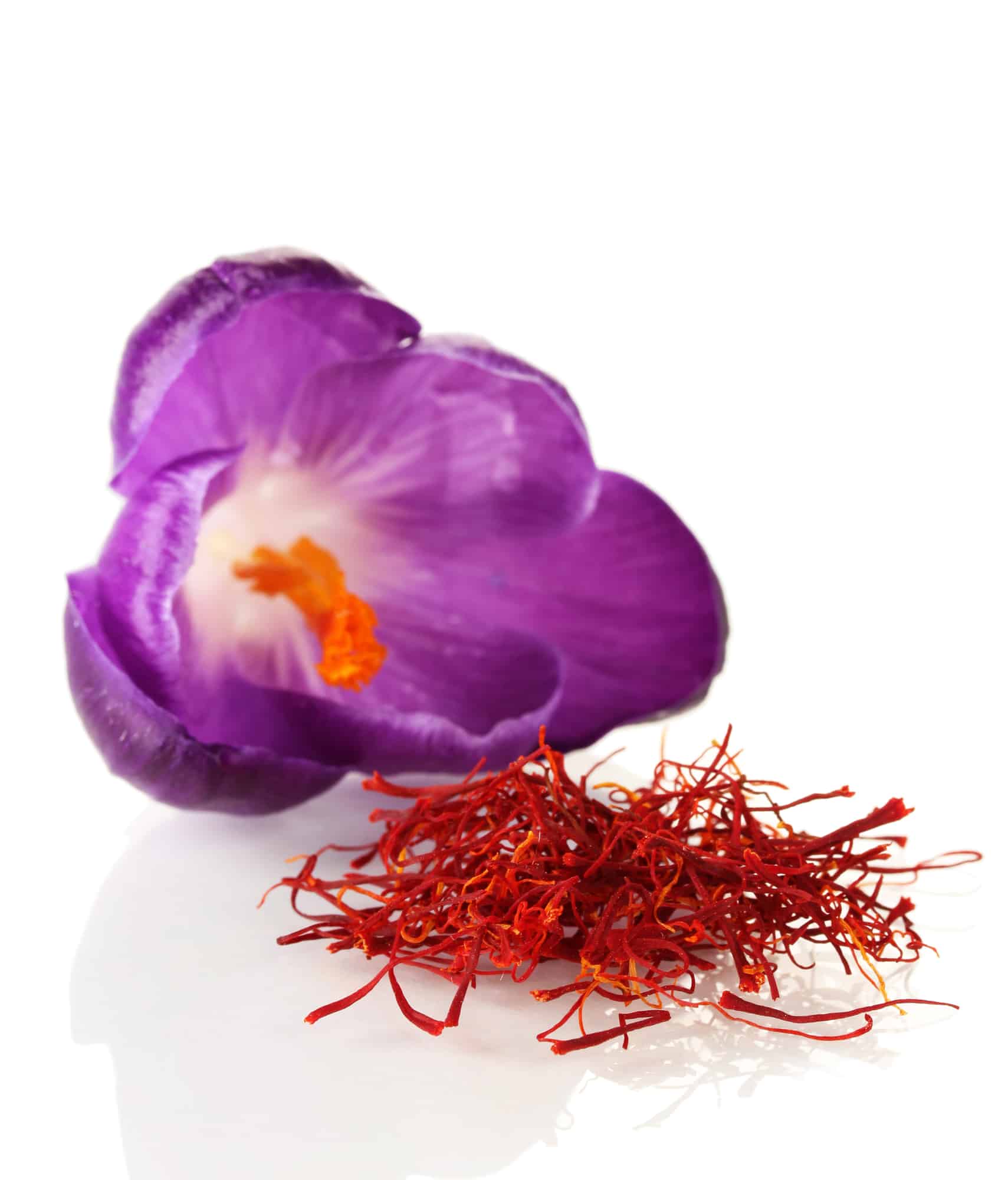
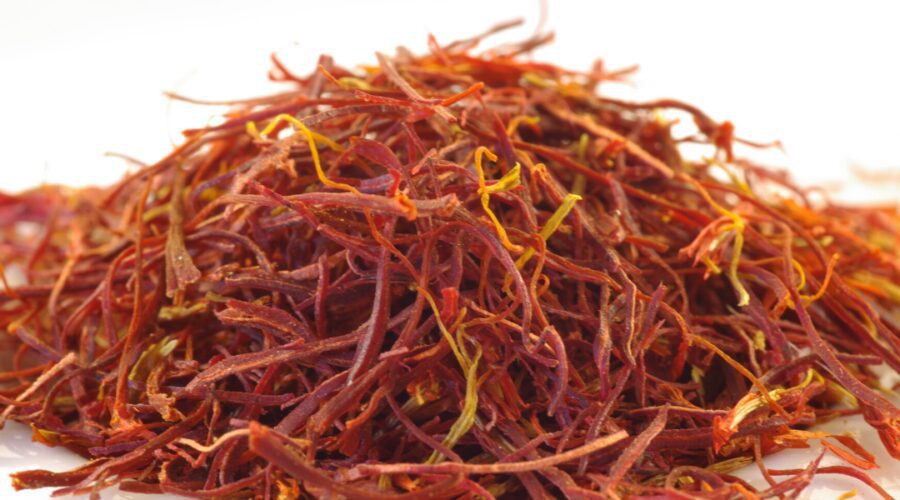
Saffron comes from the dried stigmas of Crocus sativus, a small purple-flowering crocus that blooms for only two or three weeks each autumn. Each flower produces exactly three stigmas, the thin, thread-like structures that catch pollen at the center of the bloom. Those three stigmas, once hand-harvested and dried, are what you buy as saffron threads.
It takes approximately 75,000 flowers to produce a single pound of saffron. The harvest window is narrow, the labor is entirely manual, and each flower must be picked in the morning before the sun can degrade the volatile aromatic compounds in the stigmas. According to the Food and Agriculture Organization of the United Nations, Iran produces roughly 90% of the world’s saffron supply, primarily in the Khorasan region, where the dry climate and well-drained soil produce threads with exceptionally high concentrations of the three key compounds that define quality saffron: crocin (color), safranal (aroma), and picrocrocin (flavor).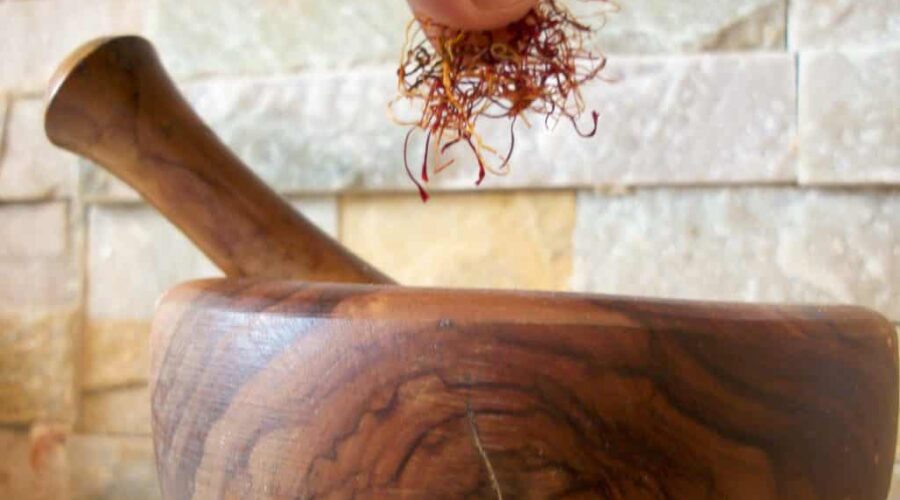
Spain’s La Mancha region produces the other widely celebrated variety, Coupe-grade saffron with deep red threads and intense aroma, while Kashmir and Afghanistan contribute smaller quantities of highly prized single-origin product. Each growing region produces saffron with subtly different flavor profiles, the way wine regions produce grapes with distinct character.
The price reflects the labor-intensive reality of production. Retail saffron typically sells for $10 to $15 per gram at specialty retailers. A gram doesn’t look like much in the hand, maybe 30 to 50 threads, but used correctly, it flavors a remarkable number of dishes. The extraction technique described in this article is specifically designed to stretch that value as far as possible while improving results at the same time. For a broader view of why saffron holds such special status across culinary and cultural history, it’s a story worth knowing before you cook with it.
Saffron’s History: The Spice That Traveled Everywhere
Saffron’s documented history stretches back over 3,500 years. Ancient Egyptians used it medicinally and as a dye. Greek and Roman texts reference it as a luxury perfume ingredient, a culinary spice, and a treatment for a range of ailments. Alexander the Great reportedly bathed in saffron-infused water to treat wounds. Medieval European monks grew crocus for saffron in monastery gardens.
The spice moved along the same trade routes that carried pepper, cinnamon, and silk between East and West a reminder that the global spice trade has shaped human civilization, economics, and cuisine for millennia. Saffron’s bright yellow color, crocin, is one of the most potent natural food colorants known, making it a symbol of wealth and royalty across Persian, Mughal, Spanish, and French court cultures simultaneously.
Today, saffron appears in the defining dishes of a remarkable range of culinary traditions: Persian tahdig and ghormeh sabzi, Spanish paella, Italian risotto Milanese, Indian biryani, Moroccan tagine, Swedish lussekatter buns, French bouillabaisse, and Greek Easter bread. No other spice has earned such central roles in so many geographically distinct cuisines. That breadth speaks to something genuinely irreplaceable in its flavor, the warm, honeyed, slightly metallic, deeply aromatic quality that no other ingredient in the world fully replicates.
What Is Saffron Extract and Why Make It?
Saffron extract is simply saffron threads that have been ground and steeped in hot water to create a concentrated, pre-dissolved liquid. Making it before cooking solves three problems that arise when saffron threads are added directly to a dish.
Problem one: Uneven distribution. Whole saffron threads release their color and flavor unevenly. One spoonful of rice gets an intensely golden bite while the next spoonful is nearly untouched. The extract distributes color and flavor through liquid, which then moves evenly through the entire dish.
Problem two: Incomplete extraction. Saffron’s key compounds are water-soluble, but the cell walls of the dried threads release them slowly. Research published in food science literature confirms that grinding saffron before steeping increases the extracted concentration of crocin and safranal significantly compared to steeping whole threads for the same amount of time. You get more from less.
Problem three: Timing. Whole threads need 10 to 15 minutes to steep adequately in hot liquid before adding to a dish. With pre-made extract, the work is already done; you add a tablespoon and move on. For dishes with tight cooking windows, this is genuinely practical.
 The technique adds one small preparation step in exchange for better results, less waste, and a week’s worth of flexible, ready-to-use saffron liquid. Once you make it this way, going back to dropping whole threads directly into a pot feels like leaving money on the cutting board.
How to Make Saffron Extract: Complete Method
Makes: Approximately ¼ cup of saffron extract. Keeps: Up to 1 week refrigerated
Ingredients
- ½ gram saffron threads (approximately 1 teaspoon loosely packed, or about 30 to 40 threads)
- 1 to 2 pinches of granulated white sugar
- ¼ cup (60ml) very hot water between 160°F and 170°F, well below boiling
Equipment
- Small mortar and pestle (a clean spice grinder also works)
- Small glass jar or bottle with a tight lid
- Measuring cup
Step-by-Step Instructions
Step 1: Toast the threads (optional but recommended). Place the saffron threads in a completely dry skillet over low heat for 30 to 60 seconds, just until they become slightly more brittle and fragrant. Do not let them brown or scorch. This brief, dry heat makes the threads easier to grind and gently opens the cell walls, improving extraction. Remove from heat immediately and let cool for one minute.
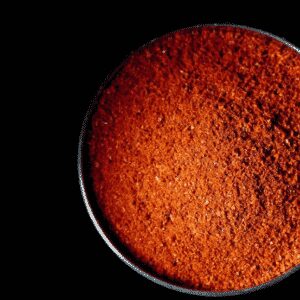
Step 2: Grind with sugar. Place the saffron threads and the sugar into a clean, dry mortar. The sugar acts as an abrasive that helps break down the threads more efficiently than grinding alone, and it prevents the threads from clumping and sticking to the mortar. Grind with steady, circular pressure until the mixture becomes a fine, deep orange-red powder with no visible thread fragments remaining. This takes about 2 minutes of patient grinding.
Step 3: Use the right water temperature. Boiling water (212°F) actually degrades saffron’s volatile aromatic compounds, particularly safranal, which is responsible for the distinctive honey-hay aroma. Very hot but not boiling water, around 160°F to 170°F, extracts the color and flavor compounds effectively while preserving the aromatics. A kettle that has just boiled and then rested for 3 to 4 minutes reaches this range.
Step 4: Steep. Pour the hot water over the saffron-sugar powder in a small glass jar. Stir briefly, then leave undisturbed for 10 minutes. Watch the liquid transform it will turn from pale yellow to a deep, vivid amber-gold as the crocin dissolves fully. The aroma should be pronounced and distinctly saffron-like: warm, honeyed, slightly earthy.
Step 5: Store correctly. Cap the jar and refrigerate immediately once it has reached room temperature. The extract keeps for up to one week in the refrigerator. Label the jar with the date. Use within that window for full potency; the color holds longer than the aroma, so use it sooner rather than later for dishes where the fragrance matters most.
How to Use Saffron Extract
In Rice Dishes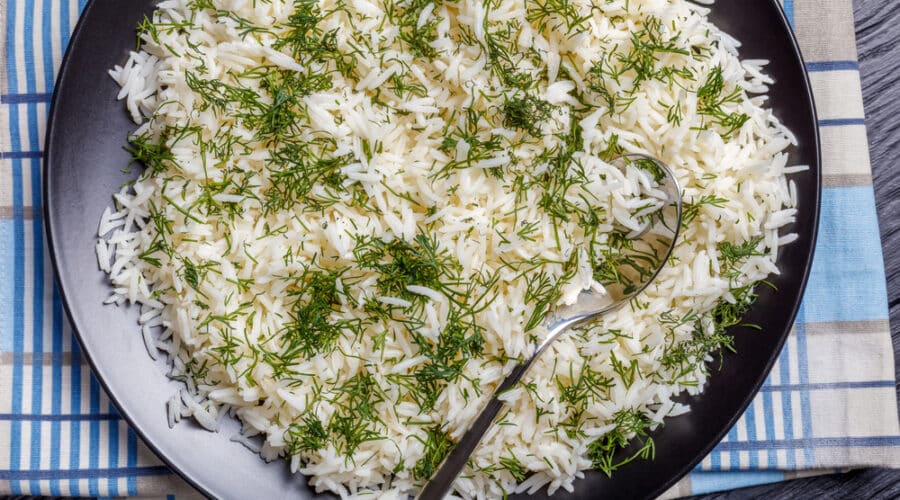
Rice is saffron’s most celebrated partner across several world cuisines, and the extract method works beautifully here because it distributes color and flavor through every grain rather than concentrating it around a few threads.
For plain saffron rice, add 1 tablespoon of extract per cup of dry rice to the cooking water before bringing to a boil. For a more pronounced saffron presence appropriate for a biryani or a Persian chelo where the saffron is the defining flavor note, add another ½ tablespoon over the top of the cooked rice just before covering to rest. The Persian steamed rice with saffron tahdig is one of the world’s great rice preparations and relies entirely on this kind of careful saffron application for its iconic golden crust and fragrant steam. For a full exploration of Persian cooking’s approach to saffron and layered spice, the guide to Persian cooking traditions covers the technique and context in depth.
In Tea
Saffron tea is one of the simplest and most ancient preparations for the spice. Brew your tea of choice first, green tea, black tea, or plain hot water base, all work, then add ¼ to ½ teaspoon of saffron extract to the cup. The extract integrates instantly and tints the liquid a warm gold. The flavor is delicate, honeyed, and slightly floral in a way that makes saffron tea feel genuinely luxurious with almost no effort.
For a warming, spiced variation, add a small pinch of ground cardamom to the cup alongside the saffron extract. Cardamom and saffron are two of the great flavor pairings in Persian and South Asian tea traditions. The floral warmth of cardamom amplifies the honeyed character of saffron without competing with it. A thin slice of dried ginger and a drizzle of honey round this out into a genuinely restorative drink.
In Savory Dishes
Beyond rice, saffron extract belongs in a wide range of savory preparations where the spice’s color, aroma, and gentle flavor add complexity without sharpness.
Soups and broths. Add 1 to 2 teaspoons of extract to any light-colored broth, chicken, seafood, or vegetable. The golden color transforms the visual appeal of the dish, and the saffron flavor adds depth that plain seasoning cannot replicate. Classic French bouillabaisse and Spanish caldo de mariscos both rely on this principle.
Cream sauces and risotto. Stir 1 tablespoon of extract into a risotto at the midpoint of cooking when the rice has absorbed most of its first addition of stock but hasn’t yet become thick. The extract distributes evenly through the risotto as it finishes cooking, producing the even, deep gold of a proper risotto alla Milanese rather than patchy yellow from unevenly distributed threads.
Tagines and slow-cooked meats. Saffron is a foundational ingredient in Moroccan and Middle Eastern cuisines, where it appears in spiced lamb preparations, chicken tagines with preserved lemon, and seafood dishes. Add 2 tablespoons of extract to the braising liquid at the start of cooking. The long, slow heat gives the saffron plenty of time to perfume the entire dish.
Seafood. Saffron and seafood have a deep affinity across Mediterranean cooking traditions. A tablespoon of extract added to a seafood pasta sauce, a clam preparation, or a shrimp sauté adds the color and fragrance that make these dishes recognizably Mediterranean rather than generically spiced.
In Desserts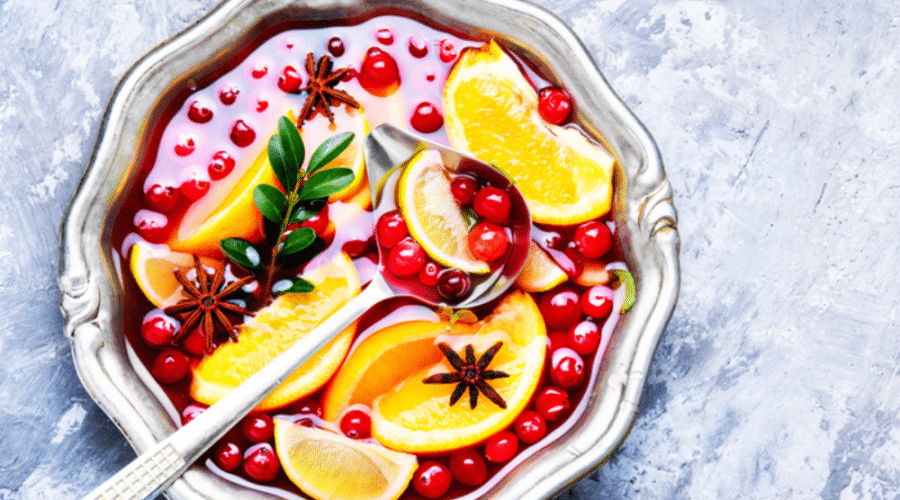
Saffron in sweet applications is one of the most rewarding uses of the spice for home cooks who haven’t tried it before. The floral, honeyed character pairs with dairy richly and works naturally with fruit and pastry.
Ice cream and custards. Add 2 teaspoons of extract to the base before churning (for ice cream) or before tempering eggs (for custard or panna cotta). The result is a dessert with a pale golden color and a perfumed warmth that stands alone as an extraordinary flavor experience.
Cakes and cookies. Substitute the extract for an equal volume of the liquid called for in the recipe — milk, water, or a portion of oil. Saffron pound cake, saffron shortbread, and saffron madeleines all work on this principle. The flavor is subtle in baked goods, but the color is reliably striking.
Rice pudding and semolina desserts. Stir 1 tablespoon of extract into rice pudding during the last ten minutes of cooking. Persian sholeh zard, a saffron rice pudding with rose water and cinnamon, is one of the most beautiful expressions of this combination.
Swedish lussekatter buns. These traditional Advent buns get their distinctive golden color from saffron. The extract method distributes the color more evenly through the dough than crushed threads and produces a more uniform golden crumb.
Panna cotta and milk-based sweets. Turkish delight, milk fudge (barfi), and honey-based confections all accept saffron extract gracefully. The dairy carries the color beautifully, and the sweetness amplifies the honey notes in the saffron.
How to Identify Quality Saffron Before You Buy
Most people who’ve had disappointing results with saffron were working with a low-quality product. The difference between good saffron and poor saffron is not subtle; it shows in the color, the aroma, and the depth of flavor a tiny quantity produces.
Thread color. High-quality saffron has deep, vivid red threads that may have a slight orange-yellow tip. The red color is crocin. Pale, yellowish, or uniformly orange threads indicate a lower concentration of the key compound or, in worst cases, an adulterated product. Threads that are entirely yellow or orange often include style (the white-green part of the stigma that carries no flavor), which legitimate producers remove before packaging.
Aroma. Quality saffron has an assertive, immediately recognizable smell, warm, honeyed, slightly medicinal, with a gentle floral sweetness. Weak or almost nonexistent aroma means the safranal has degraded, most likely from improper storage, age, or low-grade harvest. The aroma test is the fastest quality check you can do.
The water test. Drop a few threads into cold water. High-quality saffron will slowly release a golden-yellow color over 5 to 10 minutes. Fake or adulterated saffron releases color immediately — usually an unnatural bright orange or red, from added dye, or doesn’t release meaningful color at all.
Price as a signal. Genuine high-quality saffron is not cheap. Retail pricing of $5 or less per gram should prompt skepticism. The labor economics of saffron production make a very cheap product almost certainly an indication of either poor quality or adulteration.
Buying spices from a trusted source with transparent sourcing information is the most reliable protection against adulterated saffron. Spice Station sources and labels products by origin, which is the starting point for any quality evaluation.
How to Store Saffron Correctly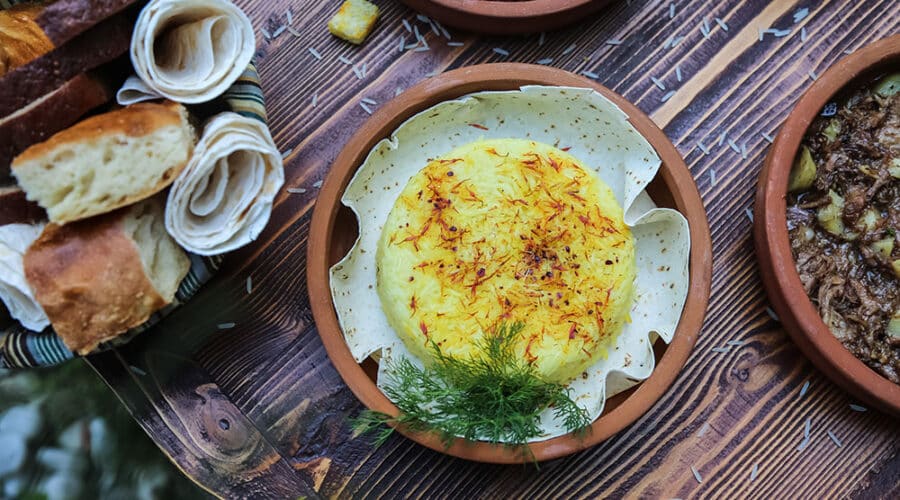
Saffron is shelf-stable but sensitive to three conditions that accelerate degradation: light, heat, and moisture. Each one attacks different compounds, light and heat degrade crocin (color) and safranal (aroma), while moisture promotes mold.
Store whole saffron threads in a small, airtight container. Glass is better than plastic, which can absorb and off-gas odors. Keep the container in a cool, dark place away from the stove and oven. A kitchen cabinet that doesn’t sit above a heat source is ideal. The refrigerator is also a good option if the container seals tightly enough to prevent moisture infiltration.
Stored correctly, whole saffron threads retain quality for two to four years. After that, the color begins to fade, and the aroma weakens, though the spice doesn’t become unsafe to use. For broader guidance on preserving your entire spice collection, the complete guide to keeping spices fresh covers the principles in detail, and do spices expire addresses the question of when and how spices change over time.
Pre-made saffron extract, once refrigerated in a sealed glass jar, lasts up to one week. The color holds longer than the aroma. Use it within the first few days for dishes where the fragrance matters as much as the color.
Saffron Across World Cuisines: A Brief Map
Understanding where saffron fits culturally helps clarify how to use it. These are the culinary traditions that have built saffron into their foundational recipes.
Persian cuisine is saffron’s heartland. It appears in rice (polo), slow-braised stews (khoresh), grilled meats, tea, and sweets. The Persian cooking tradition treats saffron with a reverence that reflects both its cultural significance and its expense, a small pinch used with precision to perfume an entire dish.
Indian cuisine, particularly from the Mughal-influenced north, uses saffron in biryani, kheer (rice pudding), lassi, and royal-style meat preparations. The saffron strands in a properly made Hyderabadi biryani, visibly scattered across the top layer of rice, are both a flavor element and a signal of quality. Exploring Indian cuisine’s spice traditions reveals how central saffron is to the region’s celebratory cooking.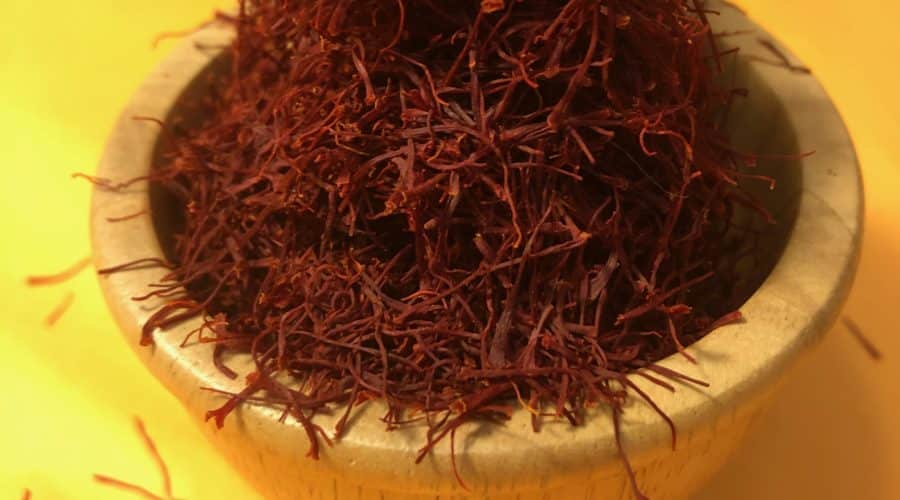
Spanish cuisine relies on saffron as the essential ingredient in paella and arroz con bogavante (lobster rice). Spanish Azafrán de La Mancha carries a PDO (Protected Designation of Origin) designation, similar to Champagne or Parmesan, acknowledging its specific regional character.
Italian cuisine uses saffron in one of the world’s most celebrated rice dishes, risotto alla Milanese, which was specifically developed to showcase the spice’s color and fragrance. The dish was historically the centerpiece at Milanese weddings.
Mediterranean and Middle Eastern cuisines across Morocco, Greece, Turkey, and the Levant incorporate saffron into fish dishes, meat braises, pastries, and confections.
Frequently Asked Questions
How much saffron do I need to make an extract?
The standard ratio is ½ gram of saffron (approximately 1 teaspoon of loosely packed threads) to ¼ cup of hot water. This produces a deeply colored extract suitable for most applications. If you want a more concentrated extract for dishes where color and flavor need to be particularly prominent, a large pot of paella, for instance, use the same amount of water with a full gram of saffron.
Why add sugar when grinding saffron?
Sugar acts as a mechanical abrasive that helps break down the saffron threads more efficiently than grinding alone. The crystalline structure of the sugar particles grinds against the threads, breaking open cell walls and releasing more of the compounds inside. It also prevents the sticky threads from clumping together during grinding. The small amount of sugar used (a pinch or two) is not enough to sweeten the extract meaningfully.
Can I use the extract in place of whole saffron threads in any recipe?
Yes, in virtually all cases. Use approximately 1 tablespoon of extract for every ¼ teaspoon of whole threads called for in a recipe. For recipes that rely on the visual appearance of whole threads floating in the dish (a presentation biryani, for example), you can add a few reserved whole threads as a garnish after using the extract for the primary flavoring.
What’s the difference between saffron from Iran, Spain, and Kashmir?
The three leading origins produce saffron with genuinely distinct character. Iranian saffron — particularly from Khorasan is the most widely available, with deep red threads and a robustly earthy, slightly medicinal aroma. Spanish La Mancha saffron tends to be more floral and slightly less intense, prized for paella and Spanish rice dishes. Kashmiri saffron (Mongra grade) is considered among the finest in the world, thick, intensely aromatic threads with a distinctly sweet, floral quality, but supply is limited, and authenticity is difficult to verify without a trusted source.
Does the quality of water matter when making saffron extract?
Yes, noticeably. Filtered or mineral water produces a cleaner, purer saffron flavor than heavily chlorinated tap water. The flavor compounds in saffron are delicate enough that off-notes in water will show through in the final extract, particularly in applications like saffron tea, where the extract is the dominant flavor.
Is saffron worth the price for home cooks?
Absolutely, especially when used correctly through extraction. A ½ gram of quality saffron, the amount in one extract batch, flavors a risotto for six, a large pot of rice, a batch of ice cream, or a week’s worth of tea additions. At roughly $5 to $7 for that quantity from a quality source, the per-serving cost is genuinely modest. The people who feel saffron isn’t worth it are usually working with low-quality product used incorrectly, and both problems are solved by sourcing well and making an extract.
Where can I buy quality saffron?
Spice Station Silver Lake carries saffron in the online shop, sourced with the same attention to origin and quality that runs through the entire spices collection. If you have questions about current sourcing, grading, or how to use saffron in a specific dish, reach out through the contact page. It’s exactly the kind of spice conversation the team enjoys.