Spice Station on Santa Monica City TV: The Story Behind the Segment

Spread the love

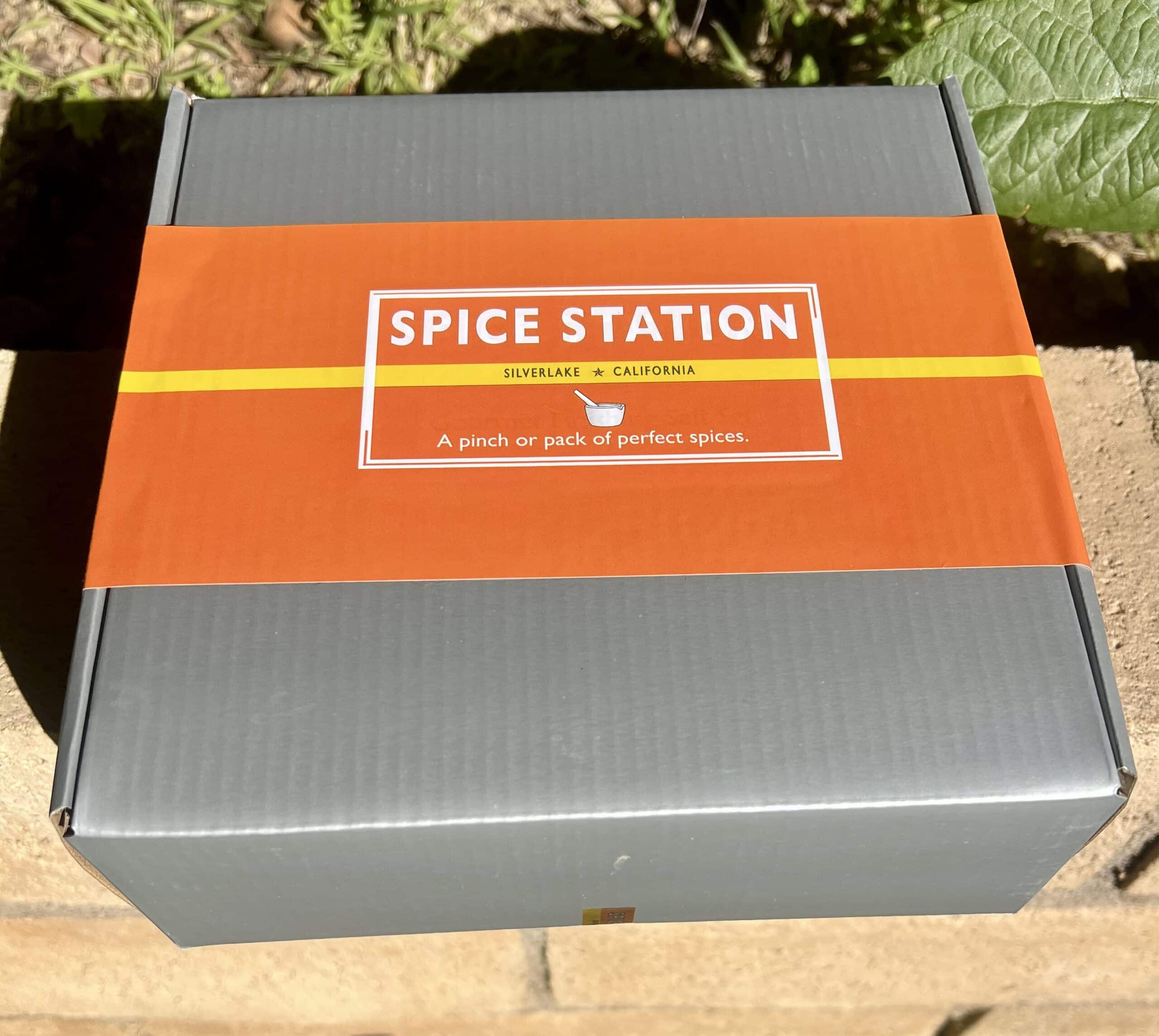
Spice Station Silver Lake grew from a Silver Lake courtyard shop into one of LA’s most trusted spice sources, supplying acclaimed restaurants and home cooks alike. Here’s the full story, from the Santa Monica City TV appearance to the online shop today.
holidaysSpices
Spread the love

Last Updated: March 2026

Spice Station Silver Lake started as a one-man operation in a courtyard off Sunset Boulevard, grew into one of Los Angeles’s most celebrated specialty food shops, and earned national press attention before most people had heard of it. Its appearance on Santa Monica City TV was just one moment in a much longer story  one that says something worth paying attention to about what happens when a passionate person decides their neighborhood deserves better ingredients.

This is that story.

The Shop That Silver Lake Didn’t Know It Was Missing

Peter Bahlawanian opened Spice Station in December 2009. He wasn’t trying to build a brand. He was an entertainment producer who loved food, spent too much money on mediocre spices at the grocery store, and figured Silver Lake deserved something better. So he did something about it. the art of spice pairing
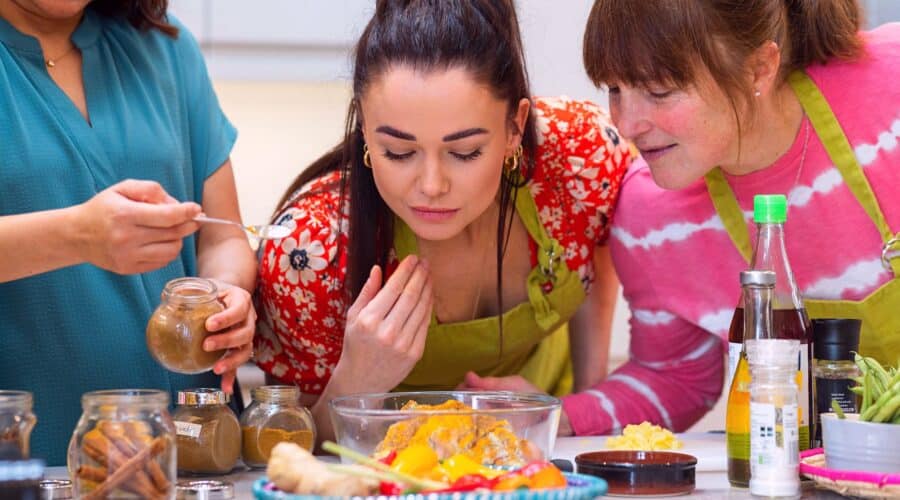
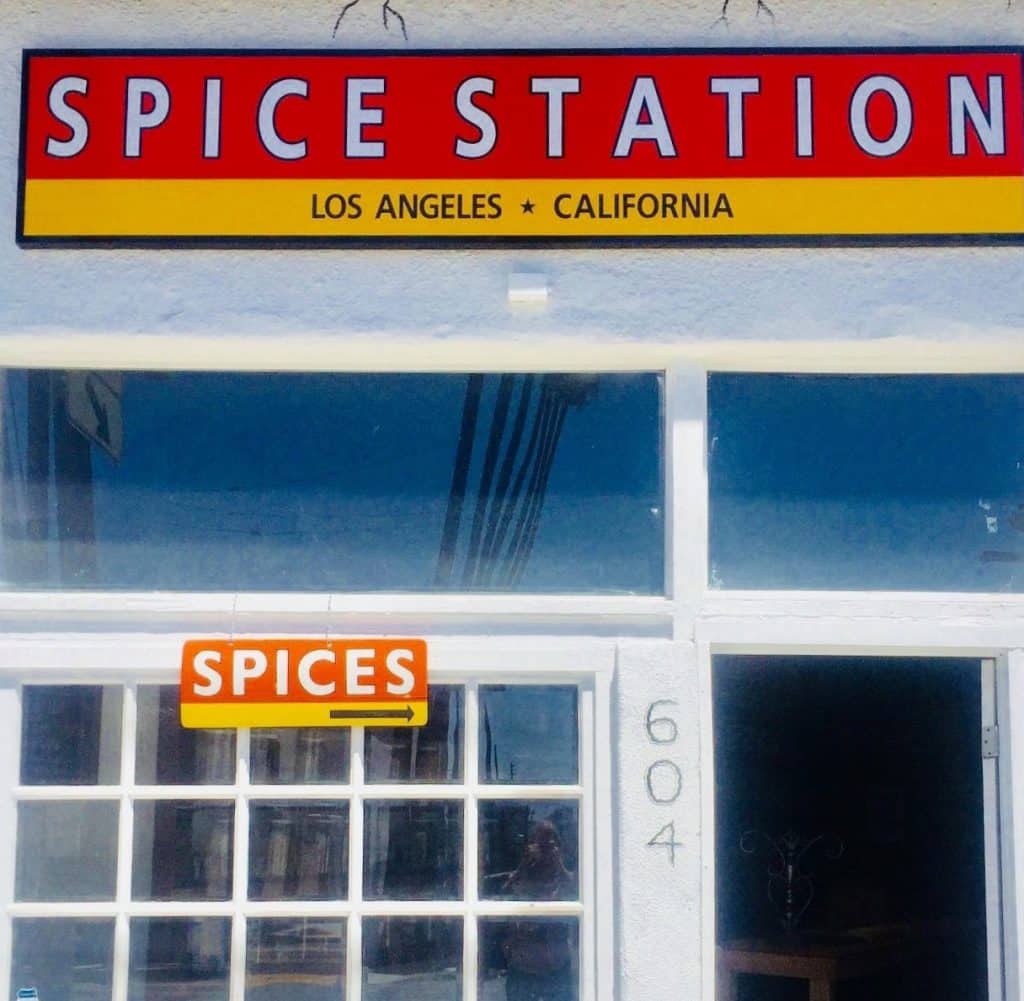
The shop itself was memorable before a single jar was opened. Customers walked down a brick path into a courtyard with a pergola and a fountain, then stepped into a small room lined floor to ceiling with glass jars of bulk spices from around the world. You could buy whole or ground, in whatever quantity you needed. And the prices  as LA Weekly pointed out at the time  were noticeably lower than grocery store equivalents. That’s because at most supermarkets, you’re largely paying for the container.

What Peter was selling was the actual spice. Where it came from. What it tasted like. Why it mattered.

Word spread fast. Local chefs started showing up. Foodies made detours to Silver Lake just for the shop. Food critic Jonathan Gold, whose “Gold List” carried serious weight in the LA food world, became a frequent visitor and featured Spice Station regularly. Coverage followed in The New York Times, The Wall Street Journal, and Food & Wine Magazine. For a shop that opened quietly with no advertising, the attention was earned entirely through quality and personality.

Santa Monica City TV and What Local Coverage Really Means

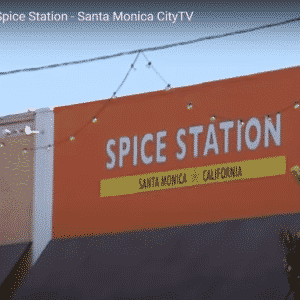
The Get Out! segment on Santa Monica City TV captured something the print features couldn’t quite replicate: Peter talking about spices on camera, surrounded by his jars, in real time. There’s a difference between reading that someone is passionate about their work and actually watching it. Local television does that. It puts a face and a voice to a name, and for a shop built entirely on the owner’s personality and knowledge, that mattered.

This wasn’t a national broadcast. Santa Monica City TV reached a local audience  the exact people Spice Station was built for. According to BrightLocal’s consumer research, 98% of people use the internet to find local businesses, but trust in a business often begins somewhere more grounded: a friend’s recommendation, a community feature, a segment that plays while you’re making dinner and makes you think, “I should check that out.” That’s exactly what this appearance did.

The shop Peter built was genuinely telegenic. A courtyard spice emporium with hundreds of global ingredients, a founder who could speak fluently about the difference between Ceylon and Korintje cinnamon, and a simple mission that resonated with anyone who had ever paid $8 for a tiny bottle of oregano at the grocery store  this was a story worth telling on screen.

A Mission Rooted in Accessibility, Not Exclusivity

The thing that set Spice Station apart from other specialty food shops wasn’t the rarity of what it carried, though it did carry genuinely hard-to-find items. It was the philosophy behind the pricing and the presentation. Peter never positioned his shop as a destination for professional chefs or serious food people only. The tagline he’s used since the beginning says it plainly: “Every neighborhood should have access to purchasing the highest quality herbs and spices at affordable prices.”

That idea shows up in everything from the pricing structure to the way the Spice Station blog is written. Articles explain the history of an ingredient before they explain how to use it. Beginner cooks are treated as capable people who simply haven’t encountered these flavors yet. The content answers questions people are actually asking, like what spices go well with eggs, how to keep spices fresh, and whether dried herbs work as well as fresh ones.

That commitment to education over gatekeeping is a direct extension of the shop’s original identity. It’s also what made Spice Station the kind of place that television segments get made about.

The Clients Who Trusted Spice Station’s Blends

Peter didn’t just sell individual spices — he built a library of over 300 custom spice blends, each mixed by hand. That body of work attracted a remarkable roster of restaurant clients across Los Angeles. Among those who have sourced from Spice Station:

Wolfgang Puck, Trois Familia, INK, Baco Mercat, Bestia, Bavel, Orsa & Winston, Bar Ama, Kooshi Gourmet, Forage, Blue Bottle Coffee, The Wing, Proof Bakery, Muddy Paws Coffee, Little Dom’s, Howlin’ Ray’s, Sqirl, Stella’s, Smalltown, Petit Trois, Beer Belly.Must-Have Spices For Vegan Cooking
These aren’t obscure names. Several of these restaurants have been among the most critically acclaimed in Los Angeles. The fact that their kitchens chose to source from a Silver Lake spice operation run by one man says a great deal about the quality of what Peter produces. Chefs at this level have no reason to use inferior ingredients, and every reason to seek out sourcing they can trust.

It also speaks to what serious cooks understand and home cooks are starting to figure out: the spice is where a significant portion of a dish’s character lives. Using fresh, properly sourced cumin tastes nothing like the dusty jar that’s been sitting in a cabinet for three years. Using Aleppo pepper from Syria rather than a generic crushed red pepper changes the flavor profile of an entire dish. These differences are real, and they’re accessible to anyone who knows where to shop.

How Spice Station Survived the Storefront Closing

In 2017, Spice Station closed its Silver Lake retail location. Rising rents — a reality that forced dozens of independent businesses out of the neighborhood around that time — made the physical shop unsustainable. This was a genuine loss for Silver Lake regulars who had come to rely on the courtyard shop as part of their cooking routine.

But Spice Station didn’t fold. It adapted.

The business shifted to a wholesale and direct-to-consumer model, building out an online shop with over 700 products that ships anywhere. The shift actually made Spice Station’s inventory more accessible than ever — a cook in Pasadena, Sacramento, or outside California entirely could now order the same finishing salts, global spice blends, and hard-to-find dried herbs that Silver Lake chefs had been picking up in person.

The farmers market presence continued too — Echo Park on Fridays, Pasadena on Saturdays, Silver Lake on Tuesdays, Smorgasburg LA on Sundays — keeping the face-to-face, educational shopping experience alive for those who wanted it.

Wholesale relationships deepened as well. Spice Station now supplies restaurants, specialty grocers, and food professionals who want consistent quality without navigating complicated import logistics. Local retail partners including Joe Barkeeper in Silver Lake and Larchmont Village Wine, Spirits & Cheese carry the brand for customers who prefer to shop in person.

What Spice Station Carries Today

The current online catalog covers the full range of what a well-stocked kitchen could need, and then some:

  • Over 129 individual spices sourced from named origins worldwide
  • 182 custom spice blends, including 29 salt-free blends and 7 Chef D. Harmon signature blends
  • 55 chile varieties — from mild Ancho to the intensely hot Bird’s Eye from Madagascar
  • 53 dried herbs
  • 58 specialty salts, including smoked, finishing, and regional varieties
  • 76 teas across black, green, herbal, rooibos, and more
  • 38 curated gift sets for cooks at every level
  • 39 distilling and brewing botanicals for craft beverage makers

Products are organized by type and by regional cuisine, so you can shop by ingredient category or by the style of cooking you’re doing. The regional organization — African, Caribbean, Chinese, French, Indian, Israeli, Italian, Japanese, Mediterranean, Middle Eastern, South American, Southern US — reflects the same global curiosity that made the original shop worth visiting.

Free shipping applies to orders over $35.

Why This Story Is Still Worth Telling

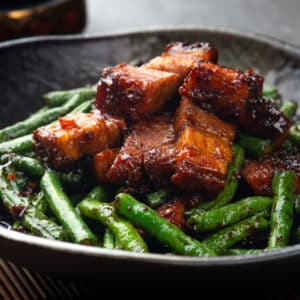
Spicy Pork Stir Fry with Green Beans - A Sichuan Classic

A segment on Santa Monica City TV from over a decade ago might seem like minor history. But it represents something that gets harder to come by as retail keeps consolidating: a local business earning community recognition through genuine quality, personal knowledge, and a straightforward commitment to its customers.

Peter Bahlawanian set out to give Silver Lake access to great spices at honest prices. He spent years building relationships with suppliers, developing blends that serious restaurants trusted, educating customers who walked through his door, and earning press coverage that no PR campaign could have manufactured. The television segment was a natural result of that work, not a cause of it.

The physical shop is gone, but the operation it built  the blends, the sourcing, the philosophy, the practical cooking content, the online shop serving customers across the country  is still here. That’s what good businesses do when the ground shifts under them. They find a way to keep going.

If you’ve never cooked with properly sourced spices, start with something familiar. Order the cinnamon you already use and taste the difference. Then try a blend you’ve never heard of. The shop is built for exactly that kind of discovery  and it always has been.

Frequently Asked Questions

What was Spice Station Silver Lake’s original shop like?

The original Silver Lake retail shop operated from December 2009 until 2017 in a courtyard space off Sunset Boulevard. Customers walked a brick path to reach it. The walls were lined with glass jars of bulk spices that could be purchased whole or freshly ground, in sizes ranging from small bags to larger quantities. Prices were notably lower than grocery store equivalents. The shop closed due to rising Silver Lake rents but the business continues online and through wholesale.

Why did Spice Station close its retail store?

Rising rents in Silver Lake made the physical storefront unsustainable. This was part of a broader wave of independent business closures that affected the neighborhood through the mid-2010s. Rather than fold, founder Peter Bahlawanian transitioned Spice Station to a wholesale model and expanded the online shop, making the products available to a wider audience than the single retail location ever could.

Who are some of Spice Station’s restaurant clients?

Spice Station’s wholesale clients include some of the most acclaimed restaurants in Los Angeles, among them Wolfgang Puck operations, Bestia, Bavel, Petit Trois, Howlin’ Ray’s, Sqirl, Proof Bakery, Blue Bottle Coffee, and others. These relationships reflect the trust professional kitchens place in the quality and consistency of Peter Bahlawanian’s sourcing and custom blends.

Can home cooks order from Spice Station online?

Yes. The online shop at spicestationsilverlake.com carries over 700 products including individual spices, custom blends, herbs, chiles, salts, sugars, teas, and gift sets. Free shipping is available on orders over $35. Products ship nationwide.

What makes Spice Station’s custom blends different from grocery store options?

Peter Bahlawanian mixes all 300+ blends by hand, drawing on direct knowledge of individual ingredients and global flavor traditions. Each blend reflects a specific culinary purpose — not a generic formula. The sourcing for the component spices is also more specific, with ingredients drawn from named regions rather than undifferentiated bulk supply.

Does Spice Station offer options for people new to cooking with spices?

Yes. The shop’s content and product organization actively supports beginner cooks. The Spice Talk blog covers foundational topics like how to store spices, which spices work for different cooking methods, and how to build flavor in everyday cooking. Products are organized by cuisine type and ingredient category, making it easy to start exploring without being overwhelmed.

Where can Spice Station products be found in person in Los Angeles?
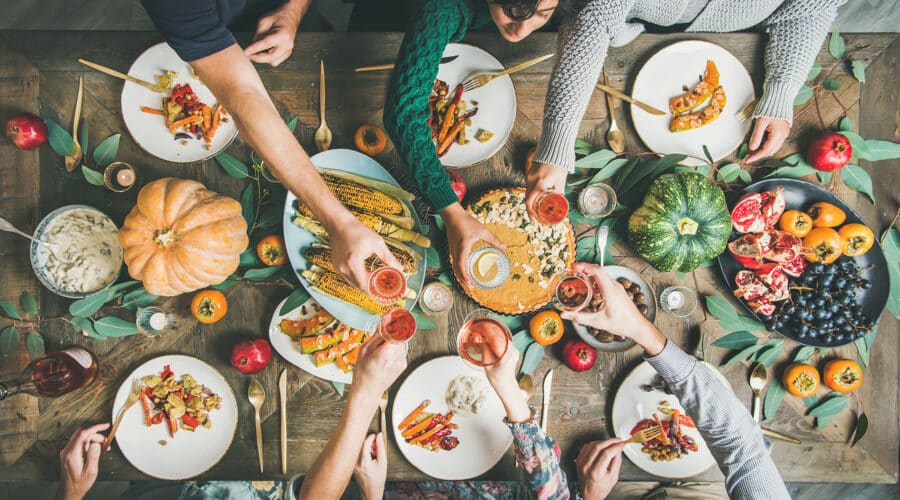
Happy Vegetarian Thanksgiving

In addition to the online shop, Spice Station products have been available at several Los Angeles farmers markets including Echo Park (Fridays), Pasadena (Saturdays), Silver Lake (Tuesdays), and Smorgasburg LA (Sundays). Local retail partners including Joe Barkeeper in Silver Lake and Larchmont Village Wine, Spirits & Cheese have also carried the brand.

Have questions about Spice Station’s products or wholesale program? Reach out through the contact page  Peter and his team are genuinely happy to talk spices.

Tags: best place to buy spices online, buy spices online Los Angeles, custom spice blends LA, gourmet spices Silver Lake, Peter Bahlawanian spices, Santa Monica City TV spice station, Silver Lake spice shop, spice shop Silver Lake, spice station silver lake, wholesale spices Los Angeles
Previous Post
Spice Station Silver Lake Hit the Screen on Santa Monica City TV : Here’s Why It Mattered
Next Post
Medicinal Plants: The Healing History Behind Your Everyday Spices
Spread the love

Last Updated: March 2026

Spice Station Silver Lake started as a one-man operation in a courtyard off Sunset Boulevard, grew into one of Los Angeles’s most celebrated specialty food shops, and earned national press attention before most people had heard of it. Its appearance on Santa Monica City TV was just one moment in a much longer story  one that says something worth paying attention to about what happens when a passionate person decides their neighborhood deserves better ingredients.

This is that story.

The Shop That Silver Lake Didn’t Know It Was Missing

Peter Bahlawanian opened Spice Station in December 2009. He wasn’t trying to build a brand. He was an entertainment producer who loved food, spent too much money on mediocre spices at the grocery store, and figured Silver Lake deserved something better. So he did something about it. the art of spice pairing

The shop itself was memorable before a single jar was opened. Customers walked down a brick path into a courtyard with a pergola and a fountain, then stepped into a small room lined floor to ceiling with glass jars of bulk spices from around the world. You could buy whole or ground, in whatever quantity you needed. And the prices  as LA Weekly pointed out at the time  were noticeably lower than grocery store equivalents. That’s because at most supermarkets, you’re largely paying for the container.

What Peter was selling was the actual spice. Where it came from. What it tasted like. Why it mattered.

Word spread fast. Local chefs started showing up. Foodies made detours to Silver Lake just for the shop. Food critic Jonathan Gold, whose “Gold List” carried serious weight in the LA food world, became a frequent visitor and featured Spice Station regularly. Coverage followed in The New York Times, The Wall Street Journal, and Food & Wine Magazine. For a shop that opened quietly with no advertising, the attention was earned entirely through quality and personality.

Santa Monica City TV and What Local Coverage Really Means

The Get Out! segment on Santa Monica City TV captured something the print features couldn’t quite replicate: Peter talking about spices on camera, surrounded by his jars, in real time. There’s a difference between reading that someone is passionate about their work and actually watching it. Local television does that. It puts a face and a voice to a name, and for a shop built entirely on the owner’s personality and knowledge, that mattered.

This wasn’t a national broadcast. Santa Monica City TV reached a local audience  the exact people Spice Station was built for. According to BrightLocal’s consumer research, 98% of people use the internet to find local businesses, but trust in a business often begins somewhere more grounded: a friend’s recommendation, a community feature, a segment that plays while you’re making dinner and makes you think, “I should check that out.” That’s exactly what this appearance did.

The shop Peter built was genuinely telegenic. A courtyard spice emporium with hundreds of global ingredients, a founder who could speak fluently about the difference between Ceylon and Korintje cinnamon, and a simple mission that resonated with anyone who had ever paid $8 for a tiny bottle of oregano at the grocery store  this was a story worth telling on screen.

A Mission Rooted in Accessibility, Not Exclusivity

The thing that set Spice Station apart from other specialty food shops wasn’t the rarity of what it carried, though it did carry genuinely hard-to-find items. It was the philosophy behind the pricing and the presentation. Peter never positioned his shop as a destination for professional chefs or serious food people only. The tagline he’s used since the beginning says it plainly: “Every neighborhood should have access to purchasing the highest quality herbs and spices at affordable prices.”

That idea shows up in everything from the pricing structure to the way the Spice Station blog is written. Articles explain the history of an ingredient before they explain how to use it. Beginner cooks are treated as capable people who simply haven’t encountered these flavors yet. The content answers questions people are actually asking, like what spices go well with eggs, how to keep spices fresh, and whether dried herbs work as well as fresh ones.

That commitment to education over gatekeeping is a direct extension of the shop’s original identity. It’s also what made Spice Station the kind of place that television segments get made about.

The Clients Who Trusted Spice Station’s Blends

Peter didn’t just sell individual spices — he built a library of over 300 custom spice blends, each mixed by hand. That body of work attracted a remarkable roster of restaurant clients across Los Angeles. Among those who have sourced from Spice Station:

Wolfgang Puck, Trois Familia, INK, Baco Mercat, Bestia, Bavel, Orsa & Winston, Bar Ama, Kooshi Gourmet, Forage, Blue Bottle Coffee, The Wing, Proof Bakery, Muddy Paws Coffee, Little Dom’s, Howlin’ Ray’s, Sqirl, Stella’s, Smalltown, Petit Trois, Beer Belly.Must-Have Spices For Vegan Cooking

These aren’t obscure names. Several of these restaurants have been among the most critically acclaimed in Los Angeles. The fact that their kitchens chose to source from a Silver Lake spice operation run by one man says a great deal about the quality of what Peter produces. Chefs at this level have no reason to use inferior ingredients, and every reason to seek out sourcing they can trust.

It also speaks to what serious cooks understand and home cooks are starting to figure out: the spice is where a significant portion of a dish’s character lives. Using fresh, properly sourced cumin tastes nothing like the dusty jar that’s been sitting in a cabinet for three years. Using Aleppo pepper from Syria rather than a generic crushed red pepper changes the flavor profile of an entire dish. These differences are real, and they’re accessible to anyone who knows where to shop.

How Spice Station Survived the Storefront Closing

In 2017, Spice Station closed its Silver Lake retail location. Rising rents — a reality that forced dozens of independent businesses out of the neighborhood around that time — made the physical shop unsustainable. This was a genuine loss for Silver Lake regulars who had come to rely on the courtyard shop as part of their cooking routine.

But Spice Station didn’t fold. It adapted.

The business shifted to a wholesale and direct-to-consumer model, building out an online shop with over 700 products that ships anywhere. The shift actually made Spice Station’s inventory more accessible than ever — a cook in Pasadena, Sacramento, or outside California entirely could now order the same finishing salts, global spice blends, and hard-to-find dried herbs that Silver Lake chefs had been picking up in person.

The farmers market presence continued too — Echo Park on Fridays, Pasadena on Saturdays, Silver Lake on Tuesdays, Smorgasburg LA on Sundays — keeping the face-to-face, educational shopping experience alive for those who wanted it.

Wholesale relationships deepened as well. Spice Station now supplies restaurants, specialty grocers, and food professionals who want consistent quality without navigating complicated import logistics. Local retail partners including Joe Barkeeper in Silver Lake and Larchmont Village Wine, Spirits & Cheese carry the brand for customers who prefer to shop in person.

What Spice Station Carries Today

The current online catalog covers the full range of what a well-stocked kitchen could need, and then some:

  • Over 129 individual spices sourced from named origins worldwide
  • 182 custom spice blends, including 29 salt-free blends and 7 Chef D. Harmon signature blends
  • 55 chile varieties — from mild Ancho to the intensely hot Bird’s Eye from Madagascar
  • 53 dried herbs
  • 58 specialty salts, including smoked, finishing, and regional varieties
  • 76 teas across black, green, herbal, rooibos, and more
  • 38 curated gift sets for cooks at every level
  • 39 distilling and brewing botanicals for craft beverage makers

Products are organized by type and by regional cuisine, so you can shop by ingredient category or by the style of cooking you’re doing. The regional organization — African, Caribbean, Chinese, French, Indian, Israeli, Italian, Japanese, Mediterranean, Middle Eastern, South American, Southern US — reflects the same global curiosity that made the original shop worth visiting.

Free shipping applies to orders over $35.

Why This Story Is Still Worth Telling

Spicy Pork Stir Fry with Green Beans - A Sichuan Classic

A segment on Santa Monica City TV from over a decade ago might seem like minor history. But it represents something that gets harder to come by as retail keeps consolidating: a local business earning community recognition through genuine quality, personal knowledge, and a straightforward commitment to its customers.

Peter Bahlawanian set out to give Silver Lake access to great spices at honest prices. He spent years building relationships with suppliers, developing blends that serious restaurants trusted, educating customers who walked through his door, and earning press coverage that no PR campaign could have manufactured. The television segment was a natural result of that work, not a cause of it.

The physical shop is gone, but the operation it built  the blends, the sourcing, the philosophy, the practical cooking content, the online shop serving customers across the country  is still here. That’s what good businesses do when the ground shifts under them. They find a way to keep going.

If you’ve never cooked with properly sourced spices, start with something familiar. Order the cinnamon you already use and taste the difference. Then try a blend you’ve never heard of. The shop is built for exactly that kind of discovery  and it always has been.

Frequently Asked Questions

What was Spice Station Silver Lake’s original shop like?

The original Silver Lake retail shop operated from December 2009 until 2017 in a courtyard space off Sunset Boulevard. Customers walked a brick path to reach it. The walls were lined with glass jars of bulk spices that could be purchased whole or freshly ground, in sizes ranging from small bags to larger quantities. Prices were notably lower than grocery store equivalents. The shop closed due to rising Silver Lake rents but the business continues online and through wholesale.

Why did Spice Station close its retail store?

Rising rents in Silver Lake made the physical storefront unsustainable. This was part of a broader wave of independent business closures that affected the neighborhood through the mid-2010s. Rather than fold, founder Peter Bahlawanian transitioned Spice Station to a wholesale model and expanded the online shop, making the products available to a wider audience than the single retail location ever could.

Who are some of Spice Station’s restaurant clients?

Spice Station’s wholesale clients include some of the most acclaimed restaurants in Los Angeles, among them Wolfgang Puck operations, Bestia, Bavel, Petit Trois, Howlin’ Ray’s, Sqirl, Proof Bakery, Blue Bottle Coffee, and others. These relationships reflect the trust professional kitchens place in the quality and consistency of Peter Bahlawanian’s sourcing and custom blends.

Can home cooks order from Spice Station online?

Yes. The online shop at spicestationsilverlake.com carries over 700 products including individual spices, custom blends, herbs, chiles, salts, sugars, teas, and gift sets. Free shipping is available on orders over $35. Products ship nationwide.

What makes Spice Station’s custom blends different from grocery store options?

Peter Bahlawanian mixes all 300+ blends by hand, drawing on direct knowledge of individual ingredients and global flavor traditions. Each blend reflects a specific culinary purpose — not a generic formula. The sourcing for the component spices is also more specific, with ingredients drawn from named regions rather than undifferentiated bulk supply.

Does Spice Station offer options for people new to cooking with spices?

Yes. The shop’s content and product organization actively supports beginner cooks. The Spice Talk blog covers foundational topics like how to store spices, which spices work for different cooking methods, and how to build flavor in everyday cooking. Products are organized by cuisine type and ingredient category, making it easy to start exploring without being overwhelmed.

Where can Spice Station products be found in person in Los Angeles?

Happy Vegetarian Thanksgiving

In addition to the online shop, Spice Station products have been available at several Los Angeles farmers markets including Echo Park (Fridays), Pasadena (Saturdays), Silver Lake (Tuesdays), and Smorgasburg LA (Sundays). Local retail partners including Joe Barkeeper in Silver Lake and Larchmont Village Wine, Spirits & Cheese have also carried the brand.

Have questions about Spice Station’s products or wholesale program? Reach out through the contact page  Peter and his team are genuinely happy to talk spices.
Tags: best place to buy spices online, buy spices online Los Angeles, custom spice blends LA, gourmet spices Silver Lake, Peter Bahlawanian spices, Santa Monica City TV spice station, Silver Lake spice shop, spice shop Silver Lake, spice station silver lake, wholesale spices Los Angeles
Previous Post
Dried Herbs: A Complete Guide to Buying, Using, and Storing Them
Next Post
Medicinal Plants: The Healing History Behind Your Everyday Spices