Herbes de Provence: The Complete French Herb Blend Guide
Last Updated: March 2026
Herbes de Provence is the smell of summer in the south of France. Open a jar of a good blend, and you get lavender and thyme, oregano and savory, dried rosemary and marjoram, an aromatic combination that immediately conjures the lavender fields of the Var, the sun-baked hillsides of the Luberon, and the grilled lamb and roasted vegetables of Provençal cooking.
It’s one of the most immediately recognizable herb blends in the world and one of the most misunderstood. The lavender that has become synonymous with commercial versions of herbes in North America is a relatively recent addition, popularized in the 1970s. Traditional Provençal cooking used a more fluid combination of local herbs, none of which required a fixed recipe. The blend that now carries the name is partly culinary tradition and partly a tourist industry invention. Knowing the difference helps you use it better.
According to a 2023 report by the French Ministry of Agriculture, Provence-Alpes-Côte d’Azur produces approximately 75% of France’s commercial lavender and lavandin, which explains why lavender became central to the export identity of Provençal herbs, even if home cooks in the region don’t always use it in daily cooking. The lavender-forward blend you see in small ceramic pots at airport gift shops is an international version of a domestic tradition that was always more improvisational.
This guide covers all of it: what’s in herbes de Provence, where the blend comes from, how to cook with it well, and how to tell a quality blend from a generic one.
What Is Herbes de Provence?
Herbes is a dried herb blend originating from the Provence region of southeastern France, the area bounded roughly by the Rhône River to the west, the Alps to the north, the Mediterranean to the south, and the Italian border to the east. The name “Provence” itself derives from the Latin provincia, because the region was one of Rome’s first formal provinces outside Italy, which also explains why the herb traditions there are among the oldest documented in Europe.
The core herbs in any traditional version of the blend include thyme, rosemary, savory, marjoram, and oregano. Variations may include basil, fennel seed, tarragon, sage, and bay leaf. Modern commercial versions, particularly those made for export, frequently add lavender flowers, which contribute a distinctive floral note that has become the identifying characteristic for most international buyers.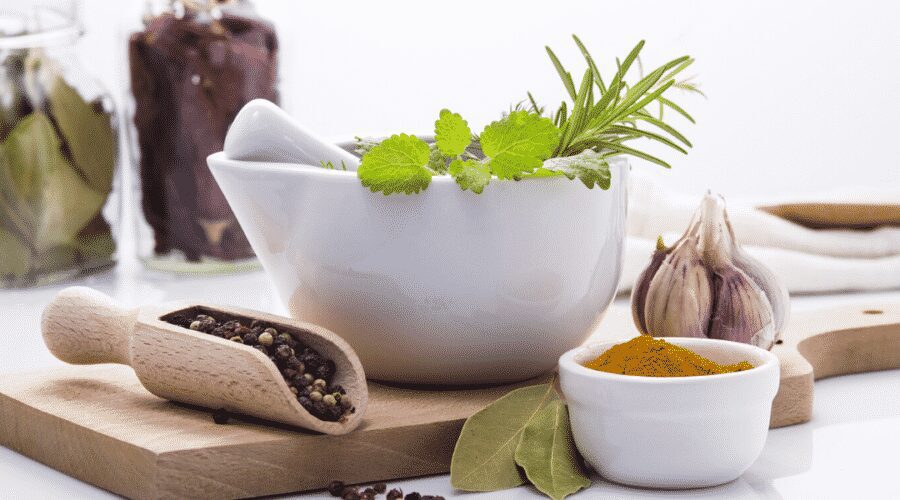
There is no single legally defined recipe for herbes de Provence. Unlike some protected designation of origin products (such as Champagne or Roquefort), “herbes de Provence” is not a geographically protected designation, which means any producer can use the name regardless of where the herbs are sourced. Quality varies enormously as a result. Buying from a named-origin spice specialist matters more for this blend than for many others, because the name alone tells you very little about what you’re actually getting.
What’s in Herbes de Provence? A Herb-by-Herb Breakdown
Understanding the individual herbs helps you cook with the blend more intelligently and gives you the knowledge to adjust or supplement it for specific dishes.
Thyme
Thyme is the backbone of herbes and the most essential herb in Provençal cooking generally. Thymus vulgaris in its cultivated form and the wild thyme (Thymus serpyllum) that grows across the garrigue, the dry, rocky scrubland of southern France, provide the warm, slightly medicinal, earthy base that anchors the blend. Thyme holds up extremely well to long cooking, which makes it valuable in braises, roasted meats, and slow-cooked vegetables where other delicate herbs would fade.
The volatile thymol compounds in thyme that give it its characteristic warmth are also strongly antimicrobial, which is part of why thyme is so prominent in the cooking of Mediterranean climates, where food preservation was historically challenging. According to a 2019 review in the journal Foods, thyme essential oil demonstrates documented antimicrobial activity against a range of bacteria, consistent with its longstanding traditional use.
Savory
Savory is less well known outside European cooking but arguably as important as thyme in authentic Provençal cooking. There are two types: summer savory (Satureja hortensis) and winter savory (Satureja montana). Summer savory is more delicate with a flavor close to thyme and pepper. Winter savory is more intense, slightly bitter, and more resinous. Herbes de Provence traditionally uses summer savory, which has a long history in Mediterranean cuisine as a legume and meat herb. It earned the nickname “the bean herb” in France and Germany for its affinity with dried and fresh beans of all kinds.
Rosemary
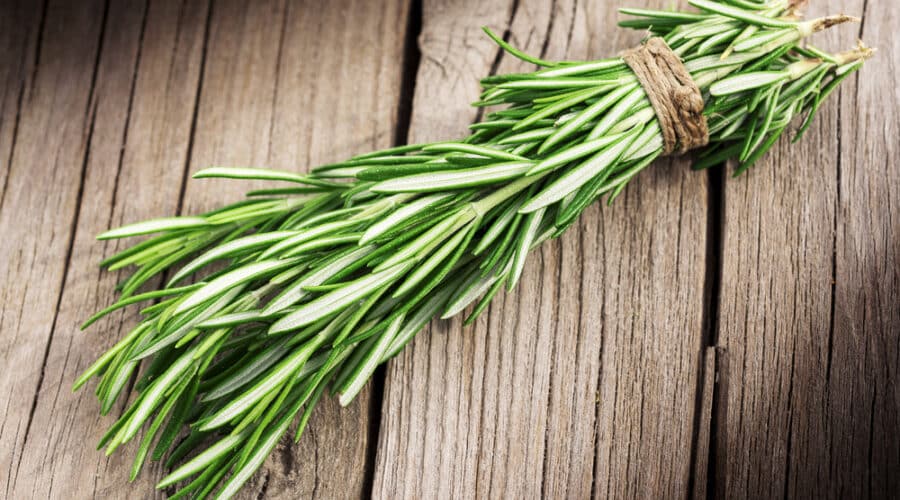
Rosemary brings a piney, resinous intensity that gives herbes de Provence its distinctive brightness and makes it particularly effective on lamb and poultry. It’s one of the herbs that holds up best to high heat, making it ideal for grilling and roasting. Rosemary’s intensity means it contributes noticeably even in small quantities, which is why commercial blends often include it in moderation. Too much rosemary tips a blend from aromatic to medicinal.
Marjoram
Marjoram (Origanum majorana) is a gentler, sweeter relative of oregano with floral undertones and a more delicate flavor that brings softness to the blend. It’s more heat-sensitive than thyme or rosemary, contributing best when the blend is added in the final stages of cooking or used in preparations that don’t spend long at high heat. Marjoram’s sweetness balances rosemary’s resinous edge and savory’s mild bitterness.
Oregano
Mediterranean oregano (Origanum vulgare) adds a warm, slightly peppery herbal note familiar from Italian cooking, though the Provençal version tends toward a milder character than the more assertive oregano used in Greek and Southern Italian cuisine. Like thyme, it holds up well to heat and is a reliable workhorse in the blend. The full range of oregano varieties and how they differ from each other is worth understanding if you cook from multiple culinary traditions. Mediterranean and Mexican oregano, for instance, taste quite different from each other.
Lavender
Lavender (Lavandula angustifolia) is the controversial addition. In traditional Provençal cooking, culinary lavender is used sparingly and in specific contexts, such as floral desserts, certain lamb preparations, and some regional honey dishes. In the export-facing herbes that became popular internationally in the 1970s and 1980s, lavender became a primary ingredient, partly because it made the blend distinctive and partly because Provence’s lavender production was a major commercial and tourism driver.
Culinary lavender adds a floral, slightly sweet note that works beautifully in the right context but can easily tip into soapy if overdone. Blends where lavender dominates tend to work better in desserts and delicate savory applications than in robust grilling and roasting contexts. A well-balanced herbes de Provence uses lavender as a background note, not the lead instrument.
The History of Herbes de Provence
The herbs that compose herbes have been growing wild in the garrigue of southern France for millennia. Roman writers documented the use of thyme, savory, and rosemary in Provençal cooking, and medieval herbalists from the region described the same herb combination in preparation after preparation for meat, game, and grilled fish.
The modern standardized blend as a commercial product began taking shape in the mid-20th century, when French regional cuisine started being codified and exported internationally. The food writer Julia Child, whose foundational Mastering the Art of French Cooking (1961) introduced American audiences to French regional cuisine, brought Provençal cooking into mainstream American awareness and created demand for the spice. Commercial producers responded by creating a packaged blend that carried the regional identity.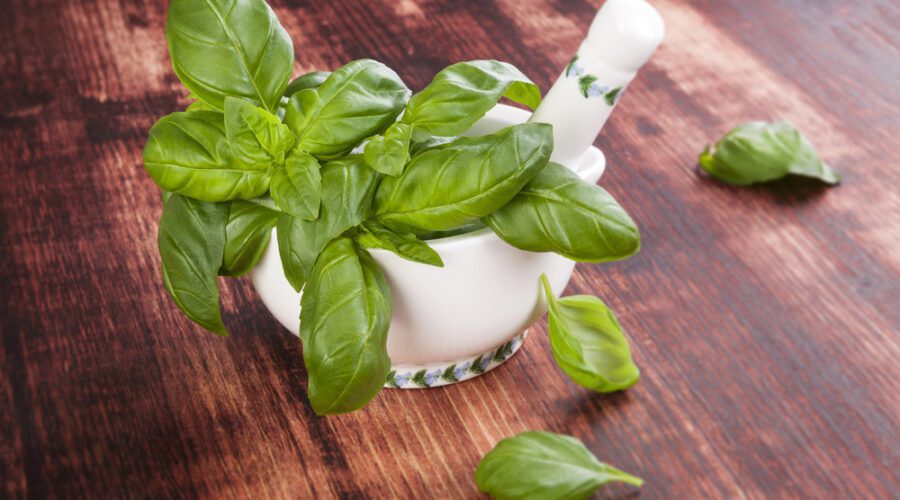
The lavender-heavy version proliferated because it was visually distinctive those purple flowers made the blend immediately identifiable on store shelves and at markets and because Provence’s lavender export infrastructure was already well-developed. Whether the lavender-forward commercial blend accurately represents how people actually cook in Provence is a question worth asking, and the answer is nuanced. Lavender appears in Provençal cooking, but not always prominently, and not always dried in a mixed herb blend.
Understanding this history helps explain why different producers’ versions of herbes de Provence can taste remarkably different from each other. The broader tradition of how regional herb and spice blends develop and travel across cultures and commercial contexts is one of the more interesting threads in culinary history.
How to Cook with Herbes de Provence
The Fundamental Technique: Herb Crust and Aromatic Coating
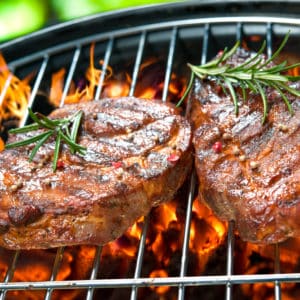
The signature use of herbes de Provence in French cooking is as an aromatic coating for proteins before roasting or grilling. The technique is simple: rub the meat or poultry generously with olive oil, press a generous amount of the herb blend into the surface, and cook. The fat in the oil carries the herb aromas into the meat while the outer layer creates a fragrant crust.
This works best on:
- Leg of lamb: The classic Provençal preparation. Press herbes into a leg of lamb alongside garlic slivers, drizzle generously with olive oil, and roast slowly. The lamb’s fat renders and carries the herb flavors throughout the meat.
- Whole chicken: Rub under the skin and over the outside for a bird that perfumes the entire kitchen. Let it sit for at least an hour before cooking.
- Pork loin or tenderloin: The sweetness of pork complements the floral and herbal notes of the blend particularly well.
- Salmon and firm fish: A lighter hand is needed than with meat, but herbes de Provence on fish before roasting or grilling creates a genuinely Provençal result.
For maximum flavor from dry herb rubs in general, applying the blend ahead of time and allowing the proteins time to absorb the aromatics dramatically improves the result over applying immediately before cooking.
Roasted Vegetables
Herbs transform roasted vegetables. Toss cut zucchini, eggplant, bell peppers, cherry tomatoes, and fennel with olive oil, salt, and a tablespoon or two of the blend. Roast at high heat until caramelized and tender. This is essentially the spice component of ratatouille, and it works on virtually any vegetable combination.
Root vegetables, particularly carrots, parsnips, and potatoes, carry herbs beautifully. The earthy base notes of the herbs amplify the natural sweetness of root vegetables during roasting in a way that is hard to achieve with individual herbs. For spicing vegetables for the grill specifically, herbs mixed with olive oil and pressed onto the vegetable surfaces before grilling give results that taste sophisticated with minimal effort.
Soups, Stews, and Braises
Added at the beginning of a long braise or soup, herbes provides a deep, round herbal note that integrates through extended cooking. It works particularly well in:
- Bouillabaisse: The classic Provençal fish stew includes a bouquet garni of the region’s herbs in every traditional preparation.
- Daube provençale: The slow-braised Provençal beef stew uses herbes alongside orange zest, wine, and olives.
- Lentil soup: A tablespoon stirred into lentil soup midway through cooking adds herbal depth that complements the legumes naturally.
- Bean dishes: Following the tradition of savory as “the bean herb,” herbes de Provence belong in any slow-cooked bean preparation.
For vegan and plant-based cooking specifically, herbes is one of the most effective ways to add complexity to grain and vegetable dishes without relying on animal-based stock or protein. The aromatic density of the blend provides the flavor infrastructure that makes plant-forward dishes feel complete.
Bread, Focaccia, and Savory Baking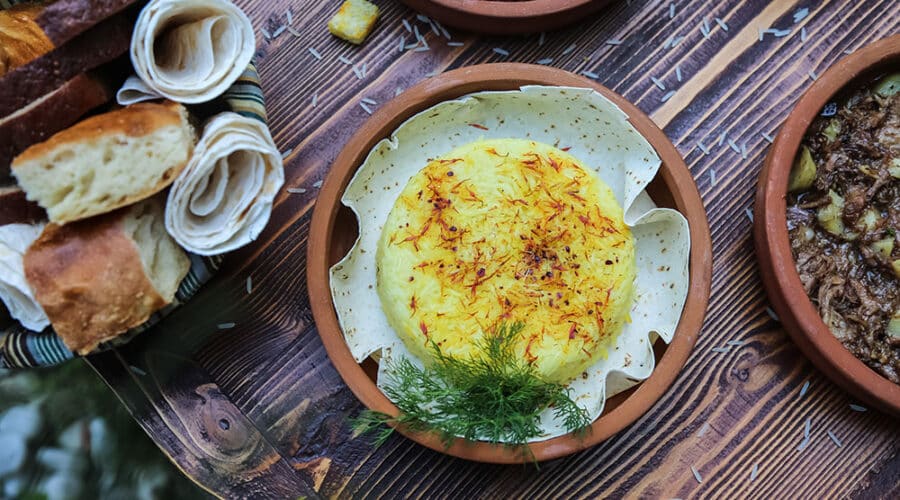
Pressed into focaccia dough alongside good olive oil, herbs produce one of the simplest and most impressive preparations in the French-Italian baking crossover. The herbs soften during baking and release their oils into the bread, creating a fragrant, golden flatbread. The same approach works in savory shortbreads, crackers, and cheese straws. Herbes de Provence stirred into compound butter creates a versatile finishing component for grilled meats and steamed vegetables.
Dessert and Sweet Applications
The lavender component of herbes makes it work in sweet contexts in ways that most other savory herb blends don’t. Infused into cream for a crème brûlée, steep a teaspoon of the blend in warm cream for 20 minutes, then strain before proceeding with the custard. The result carries floral herbal notes that are subtle and surprising. The same approach works with panna cotta, ice cream bases, and shortbread cookies.
For those interested in how aromatic herbs and warm spices work in dessert applications, herbes de Provence sits at an interesting intersection — it bridges culinary savory and sweet in a way that rosemary or thyme alone sometimes doesn’t.
Herbes de Provence vs. Italian Seasoning: What’s the Difference?
This is one of the most common questions about the blend, and it’s worth answering directly.
| Herbes de Provence | Italian Seasoning | |
| Origin | Provence, France | American commercial blend (not traditional Italian) |
| Defining herbs | Thyme, savory, rosemary, marjoram, oregano + optional lavender | Oregano, basil, rosemary, thyme, marjoram |
| Distinguishing feature | Savory, often lavender | Basil-forward, no lavender |
| Flavor character | Floral, resinous, earthy | Herbaceous, basil-forward, more assertive |
| Best with | Lamb, chicken, Provençal vegetables | Tomato-based dishes, pizza, pasta, Italian-style proteins |
The two blends share many herbs and can substitute for each other in a pinch, but they produce noticeably different results. Herbes is more floral and complex; Italian seasoning is more herbaceous and tomato-friendly. If you want a deeper understanding of how regional herb blends differ by culinary tradition, the same principle of geographic herb culture applies from the French Midi to the Levant to South Asia.
How to Buy and Store Herbes de Provence
What to Look For
A quality herb should smell immediately aromatic when the container is opened, a rush of thyme and rosemary, some floral lavender if it’s included, and the warm supporting notes of savory and marjoram. If you open a jar and the aroma is faint or dusty, the herbs are stale.
The visual appearance tells you something, too. Good-quality dried herb blends have visible intact herb structure: you should be able to identify leaves and fragments of different herbs by color and shape. A blend that looks uniformly brown and powdery has usually been processed too aggressively or is old.
Avoid blends where the ingredients list doesn’t specify actual herbs or includes vague terms like “spices” without elaboration. Named herb lists with identifiable provenance represent better sourcing practices. Spice Station’s blends collection specifies blend composition and sourcing with the transparency that distinguishes a serious spice supplier from a generic packer.
Storage
Dried herb blends store well when kept in airtight containers away from heat, light, and moisture. The stove-adjacent cabinet that many kitchens use for spice storage is actually one of the worst places for them — the heat from cooking degrades volatile aromatic compounds quickly. A cool, dark pantry shelf extends shelf life significantly. Herbs kept under good conditions retain full character for 12 to 18 months. Protecting the freshness of all your dried herbs and spices with proper storage practices is the single most impactful maintenance step in a well-stocked kitchen.
Making Your Own Herbes de Provence
If you have access to quality individual dried herbs, making your own blend gives you control over proportions and freshness. A reliable starting point for a classic version:
- 2 tablespoons dried thyme
- 2 tablespoons dried marjoram or oregano
- 1 tablespoon dried savory
- 1 tablespoon dried rosemary (crumbled)
- 1 teaspoon dried lavender flowers (optional, for the Provençal-export version)
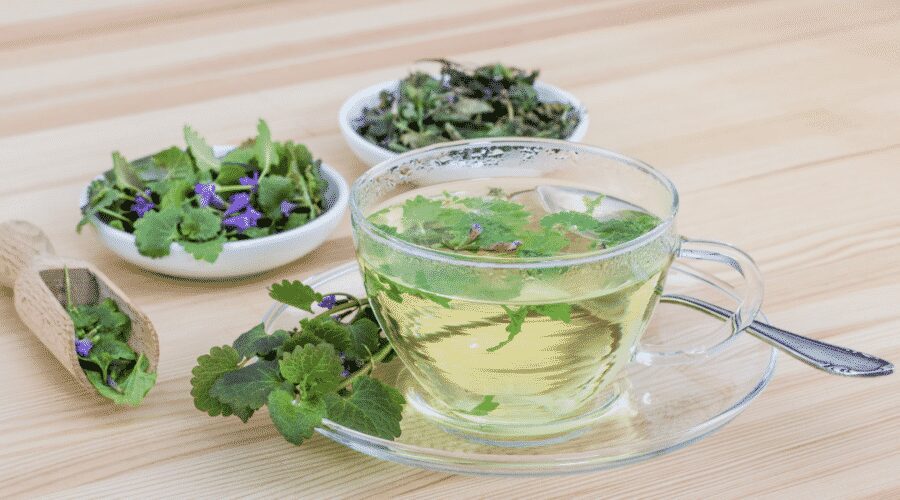
Adjust the ratios to your preference. If you use the blend primarily for grilling, more thyme and rosemary give a bolder result. If you prefer the floral character for dessert applications or delicate roasted vegetables, increase the lavender and marjoram while reducing the rosemary.
Spice Station carries all of these individual herbs, which makes it practical to build a custom blend from high-quality components. The herbs category covers the individual herbs needed, including both summer savory and the oregano and thyme varieties that make the most difference in a Provençal blend.
Frequently Asked Questions
What can I substitute for herbes de Provence?
Italian seasoning is the closest available substitute, though it lacks savory and lavender and is typically more basil-forward. A combination of dried thyme, rosemary, and oregano covers the essential character if the others aren’t available. For a single-herb substitution in most recipes, dried thyme captures the most essential element of the blend’s flavor profile.
How many herbs should I use?
For a protein serving 4 people, 1 to 2 tablespoons of the blend rubbed over the surface gives a clear herbal result. For roasted vegetables serving 4, 1 tablespoon tossed with olive oil and the vegetables before roasting is a good starting point. In soups and stews, add 1 to 2 teaspoons per 4-6 servings and adjust to taste after cooking. The blend blooms in fat, so applying it with olive oil amplifies its contribution compared to adding it dry.
Can I use herbes de Provence in sweet dishes?
Yes, particularly if the blend includes lavender. Infuse into warm cream or milk for custards, ice cream bases, and panna cotta. Press into shortbread dough. Stir into honey for a floral herbal drizzle. The key is using it in small amounts so the herbal character reads as aromatic rather than savory typically half the quantity you’d use in a savory application.
Herbes de Provence is one of the most evocative blends in the world because it carries a specific place and season in its aroma. Used well on a leg of lamb, over roasted vegetables in high summer, or stirred into a slow braise on a winter evening, it delivers a kind of flavor shorthand for a whole regional cuisine. Start with the traditional core herbs, add lavender if the dish calls for it, and let the blend do what it’s been doing in southern France for centuries.