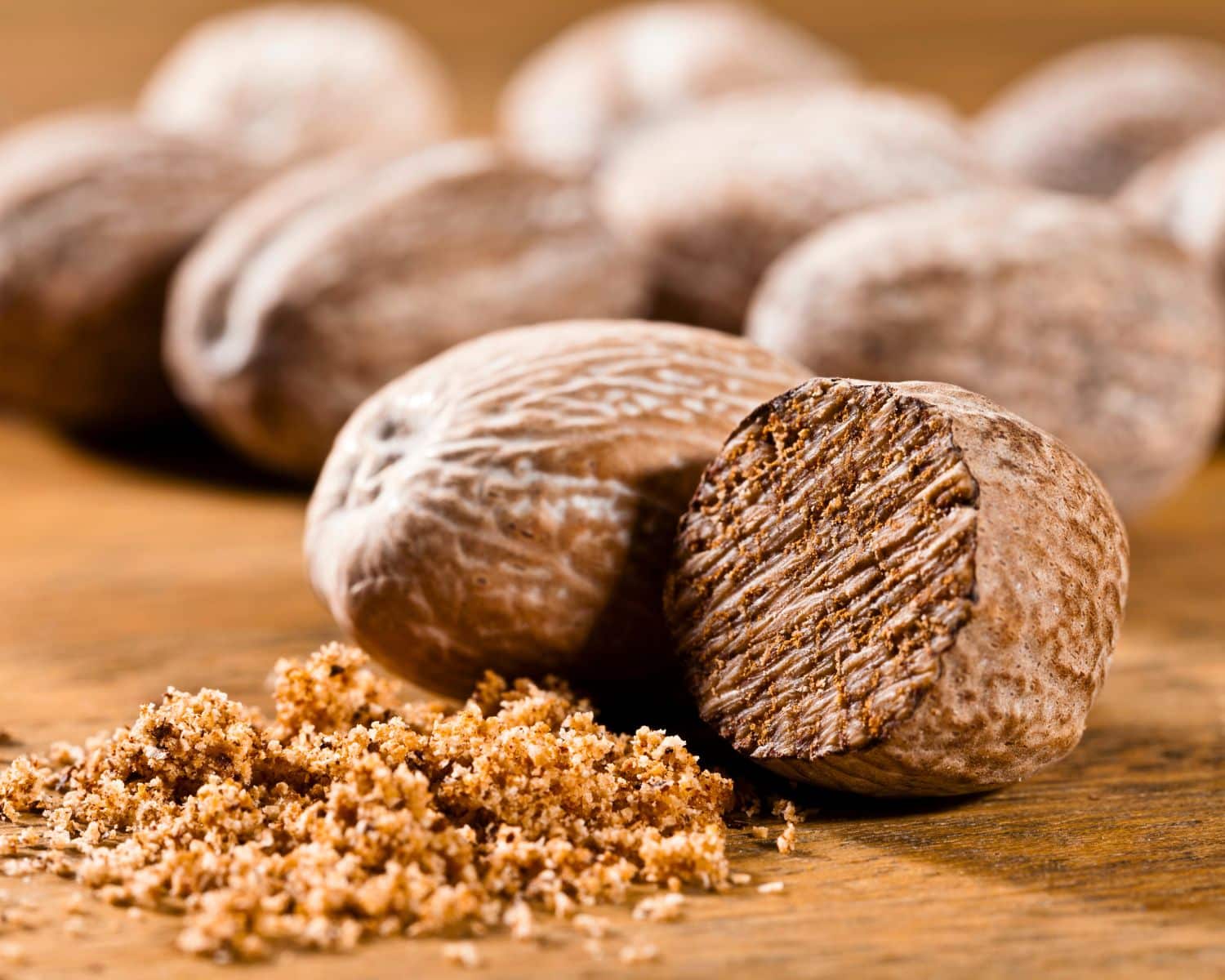
Nutmeg: The Complete Guide to One of the World’s Most Storied Spices

Spread the love

The complete guide to nutmeg what it is, whole vs. ground differences, mace vs. nutmeg, how to grate and store it, and how to use it across sweet and savory cooking.

NutmegSpices
Nutmeg
Spread the love

Last Updated: March 2026

Nutmeg is the spice that changed world history. In the 17th century, it was so valuable that the Dutch traded the island of Manhattan to the British in exchange for Run, a tiny Indonesian island that produced it. Wars were fought over it. Monopolies were built on it. Entire colonial systems were constructed to control its supply. Today, you can buy a jar of nutmeg for a few dollars at any grocery store, but the spice itself has lost none of what made it so coveted: a warm, deeply aromatic, faintly sweet flavor unlike anything else in the spice cabinet.

Most home cooks use nutmeg in one of two ways: grated into béchamel sauce, or shaken from a supermarket jar into pumpkin pie filling. Both are fine applications. But nutmeg’s range is far wider than that, and the difference between freshly grated whole nutmeg and the pre-ground powder sitting in most kitchen drawers is dramatic enough to justify understanding this spice properly. According to a 2021 analysis in the Journal of Food Chemistry, whole nutmeg retains its primary volatile aromatic compounds (myristicin, elemicin, and safrole) significantly better than ground nutmeg, with pre-ground product losing up to 60% of volatile content within six months of grinding.

This guide covers everything: what nutmeg is, where it comes from, how it differs from mace (its close botanical relative), how to buy and store it, and how to cook with it across both sweet and savory applications.

What Is Nutmeg?
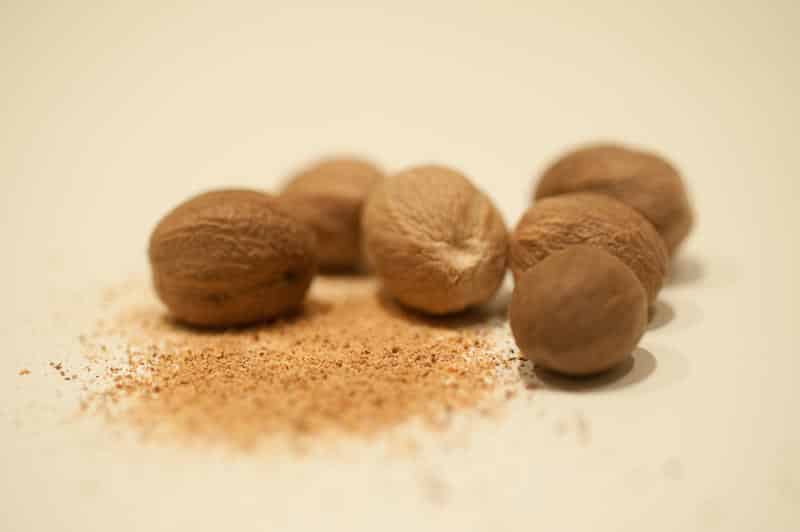
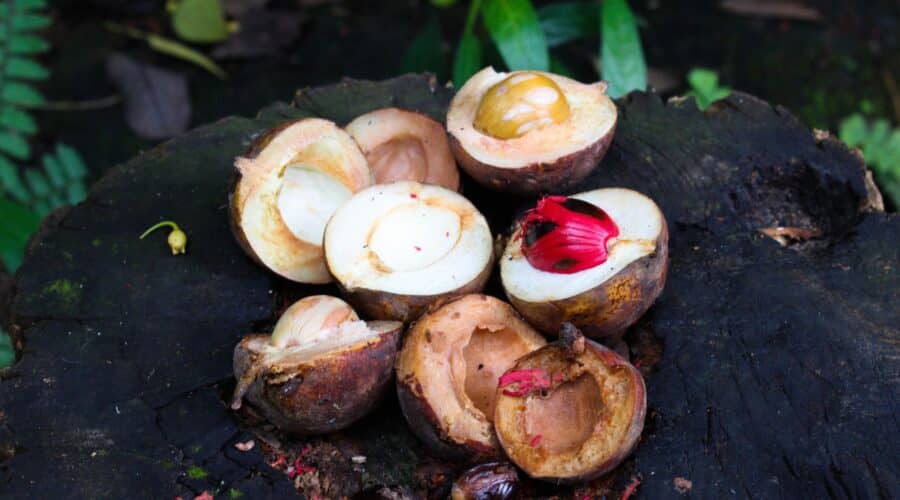
Nutmeg is the seed of Myristica fragrans, a tropical evergreen tree native to the Banda Islands of Indonesia, historically known as the Spice Islands. The tree produces a fruit that looks like a peach when ripe. Inside that fruit is a seed encased in a lacy red membrane called an aril. That red aril is dried and sold as mace. The hard inner seed, once dried, is nutmeg.

One tree produces both spices, which is why mace and nutmeg share aromatic similarities while tasting distinctly different. Nutmeg is the more commonly used of the two; mace is subtler, more floral, and typically more expensive. Understanding this botanical relationship matters practically: they can substitute for each other in small quantities in many recipes, though with different results.

Today, the primary nutmeg producers are Indonesia and Grenada, which is why Grenada appears on its national flag. Grenada produces approximately 20% of the world’s nutmeg supply and takes the spice seriously enough to feature it on the nation’s flag. Indonesian nutmeg tends to have a slightly higher oil content, while Grenadian nutmeg is often described as having a more refined, less pungent character.

Nutmeg vs. Mace: Understanding the Difference

This is the most important comparison to clarify before going further.

Nutmeg Mace
Plant part Dried inner seed Dried red aril (membrane) surrounding the seed
Color Brown, tan Orange-red when fresh, dull orange-tan dried
Flavor Warm, sweet, slightly earthy, complex Lighter, more delicate, more floral than nutmeg
Intensity Stronger Milder
Common form Whole seeds, ground powder Ground powder, whole “blades”
Best uses Baked goods, dairy sauces, hearty dishes Delicate sauces, custards, light-colored dishes where brown color is undesirable
Price Moderate Higher (lower yield per fruit)

The flavor difference is real but not dramatic. In most recipes, you can substitute mace for nutmeg at roughly a 1:1 ratio, though the result will be slightly more delicate. Nutmeg substituted for mace will be bolder and slightly earthier.

For pure culinary purposes, nutmeg is the more versatile and accessible of the two. Mace is worth seeking out for applications where its more refined flavor and lighter color matter, such as white sauces, creamy chowders, and delicate pastries. Spice Station carries both, and the full spices collection covers each in the forms most useful for cooking.

The History of Nutmeg: From the Spice Islands to Your Kitchen

The Banda Islands of Indonesia were, for centuries, the only place on earth where nutmeg grew. Arab traders who controlled the spice routes between Asia and Europe kept the origins secret, creating elaborate myths about where nutmeg came from to prevent European powers from finding the source directly. When Portuguese navigators finally reached the Banda Islands in 1512, they established the first European foothold in what became the most violently contested spice trade in history.

The Dutch ultimately seized control of the Banda Islands in the early 17th century and created one of the first modern monopolies, controlling virtually all of the world’s nutmeg supply. They were famously ruthless in defending it: the Dutch systematically destroyed nutmeg trees on any island outside their direct control and massacred the indigenous Bandanese people in the process. The 1667 Treaty of Breda, which ended the Second Anglo-Dutch War, included an exchange that gave the Dutch full control of Run Island (nutmeg producing) in exchange for New Amsterdam the settlement that became New York City.

Nutmeg’s value has since normalized as cultivation spread to other tropical regions, but its history explains why it appears in such a wide range of culinary traditions. Every major spice-trading culture from medieval Europe to the Arab world to South and Southeast Asia incorporated nutmeg into its cooking once access became possible. The global spice trade and its culinary legacy is one of the most interesting threads in food history, and nutmeg sits at the center of it.

What Does Nutmeg Taste Like?What is Nutmeg
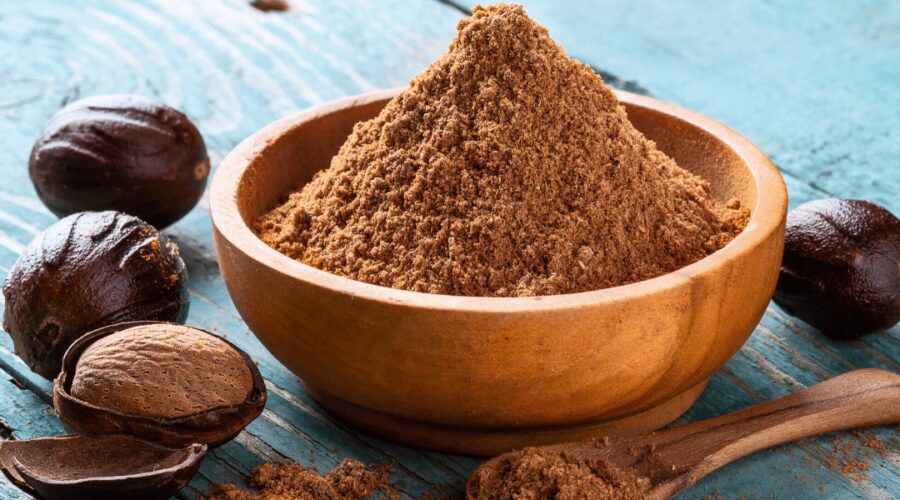
Nutmeg has a warm, slightly sweet, and deeply aromatic flavor with notes of wood, earth, and what many people describe as a faint spiciness that is different from chile heat. The aroma is powerful and distinctive: richly sweet and warm without being cloying.

Fresh-grated nutmeg is noticeably more complex than pre-ground. The volatile oils that carry most of the flavor are released when the cell structure is broken, and those oils begin degrading almost immediately after grinding. What you get from freshly grated nutmeg is a fuller, more balanced character with a brightness that ground nutmeg has typically lost. The difference is most apparent in applications where nutmeg is a prominent flavor rather than a background note.

Nutmeg is a “threshold” spice, meaning it performs best in small quantities. The warm aromatic complexity comes through most clearly at modest doses — a quarter to half teaspoon in most recipes. At higher concentrations, the camphor-like quality of some of its constituent compounds becomes unpleasant, and very large amounts (multiple tablespoons) can cause genuine toxicity through myristicin. Normal culinary use is entirely safe; the concern is only at doses far above anything a recipe would call for.

Whole Nutmeg vs. Ground Nutmeg: Which Should You Buy?

This is one of the clearest cases in the entire spice world for buying whole over ground.

Whole nutmeg lasts dramatically longer than ground, retaining full flavor for 4 to 6 years when properly stored. It grates easily on a Microplane or dedicated nutmeg grater and produces a noticeably superior flavor in virtually every application. One whole nutmeg seed is enough for several months of regular cooking for most households. The slight inconvenience of grating is paid back many times over in flavor quality.

Ground nutmeg is convenient but typically stale by the time it reaches most home kitchens. Commercial grinding, packaging, shipping, and warehouse time mean that pre-ground nutmeg often has only a fraction of the volatile oil content of freshly grated whole nutmeg. If you’re already using pre-ground and find nutmeg’s contribution to recipes underwhelming, switching to whole and grating fresh is likely the explanation for what’s been missing.

The practical recommendation: buy whole nutmeg seeds, keep a Microplane grater near your spice storage, and grate directly over dishes as needed. The amount a recipe calls for in ground form translates directly to freshly grated. Storing whole nutmeg properly in an airtight container away from heat and light keeps it at full potency for years.

How to Use Nutmeg in Cooking

Sweet Applications: Baked Goods and Desserts

Nutmeg has the longest and deepest history in sweet applications in Western cooking. Medieval European bakers used it extensively, and its presence in holiday baking from Christmas cookies to eggnog to apple pie represents centuries of accumulated culinary tradition.

Pumpkin and winter squash dishes: Nutmeg is virtually required in pumpkin pie, and with good reason — its warmth complements the earthiness of winter squash in a way that few other spices match. Add freshly grated nutmeg alongside cinnamon, ginger, and cloves in any pumpkin preparation.

Custards and cream desserts: Crème brûlée, panna cotta, rice pudding, and bread pudding all benefit from a light touch of nutmeg grated directly over the top before serving or stirred into the base. Nutmeg’s affinity for dairy is well established — it bridges cream and egg in a way that creates a more cohesive flavor.whole nutmeg
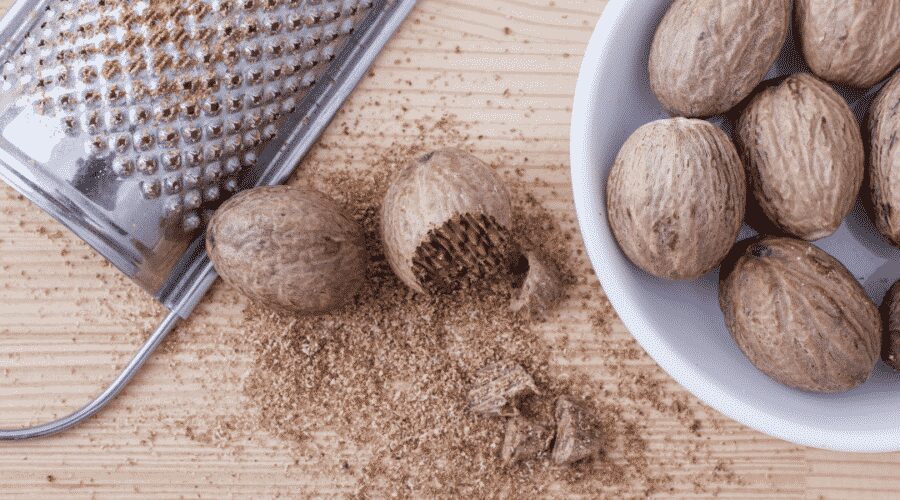
Eggnog and warm beverages: The classic holiday eggnog is unrecognizable without fresh nutmeg grated over the top at the moment of serving. The volatile oils released by fresh grating contribute an aromatic quality that pre-ground simply can’t replicate. Hot mulled cider and warm spiced wine both benefit from a whole nutmeg or a small amount of freshly grated.

Baked goods: Spiced cookies, muffins, quick breads, and cakes all carry nutmeg well when used as part of a warm spice combination. It’s a natural partner to cinnamon and cardamom, where it adds depth without competing. Understanding how spices layer in baking explains why nutmeg so rarely appears alone and almost always works in ensemble.

Savory Applications: Where Nutmeg Truly Shines

Nutmeg’s savory applications are less celebrated but arguably more important. The spice’s capacity to round and deepen dairy-based sauces is irreplaceable.

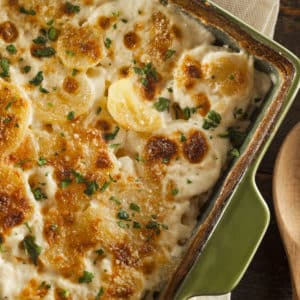
Béchamel and cream sauces: Classical French cooking includes nutmeg as one of the essential seasonings for béchamel, the foundational white sauce. A tiny grating of nutmeg  typically less than a quarter teaspoon per cup of sauce  adds a warmth and complexity that makes the difference between a sauce that tastes flat and one that tastes finished. The same principle applies to cream-based pasta sauces, gratins, and cheese sauces for mac and cheese.

Spinach and leafy greens: Nutmeg has a particular affinity for spinach that has been recognized across multiple culinary traditions, from Italian sautéed spinach to Indian creamed spinach (palak) to French spinach gratins. Add a light grating of nutmeg to any sautéed or creamed green vegetable for immediate depth.

Mashed potatoes and root vegetable preparations: A small amount of freshly grated nutmeg stirred into mashed potatoes alongside butter and cream adds a warm aromatic quality that complements the earthy sweetness of the potato. The same applies to mashed sweet potato, parsnip, or celeriac.

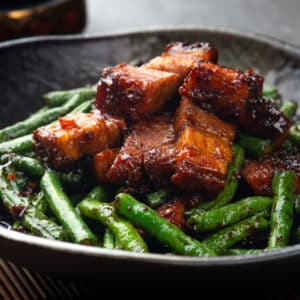
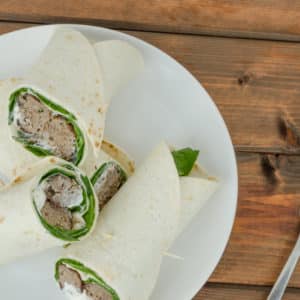
Meat and sausage: Italian sausage recipes frequently include nutmeg, as do many German and Scandinavian meat preparations. It appears in meatballs across multiple European traditions and adds a subtle warmth that reads as complexity rather than identifiable spice. In the context of spice rubs for grilling or roasting, nutmeg appears most often in blends targeting pork and lamb, where its sweetness complements the fat.

Cheese and egg dishes: Nutmeg in a cheese soufflé, a frittata, or a quiche filling adds dimension that most tasters notice as “something special” without being able to identify the spice. It makes savory egg dishes taste more rounded and complete.

Nutmeg in Global Cuisines

While nutmeg is most associated with European cooking in the Western imagination, its use extends much further:

Indian cooking: Nutmeg appears in garam masala and many regional spice blends, where it contributes warmth alongside cardamom and cloves. The Indian spice blend tradition uses nutmeg as one of the “warming” spices that provide depth without heat.

Middle Eastern cooking: Ras el hanout, the complex Moroccan spice blend, typically includes nutmeg as one of its 10 to 30 ingredients. Baharat, the all-purpose Levantine blend, includes it in many regional variations. Understanding Middle Eastern spice blends in their full complexity reveals how often nutmeg contributes as a supporting character.

Indonesian cooking: Nutmeg’s homeland uses it in savory dishes, particularly in regional cuisines from the Maluku Islands where the spice originated. Dishes from Ternate and Tidore, the original Banda Islands neighbors, still feature nutmeg in ways that are closer to its culinary birthplace than any European application.

Caribbean cooking: Grenada’s nutmeg heritage shows up in Caribbean cuisine, where it appears in spiced rum drinks, jerk seasoning variations, and savory stews alongside allspice and cinnamon.

Dosage Guide: How Much Nutmeg to Use
nutmeg spice

Nutmeg is potent. More than most spices, using the right amount matters, because the pleasant warmth and complexity of appropriate dosing tips into an unpleasant medicinal or soapy quality at higher concentrations. As a general guide:

  • In baked goods and desserts: ¼ to ½ teaspoon per recipe serving 6 to 8 people
  • In cream sauces: ⅛ to ¼ teaspoon per cup of sauce
  • In spinach or vegetable preparations: A few strokes of a Microplane over the finished dish
  • As a finishing spice over drinks: A small grating directly over the surface of eggnog, hot chocolate, or lattes
  • In spice blends and rubs: Typically 1 part nutmeg to 4 to 6 parts other spices; rarely the dominant flavor

When in doubt, start low. You can always add a bit more after tasting. Nutmeg’s warmth builds as it sits in a dish, so what seems mild immediately after adding can read as more intense after a few minutes of simmering.

Buying and Storing Nutmeg

What to Look for When Buying Whole Nutmeg

Good whole nutmeg should be plump, heavy for its size, and fragrant when scratched lightly with a fingernail. Shriveled, lightweight, or scentless nutmegs are typically old stock that has dried beyond usability. The outer surface should be smooth with a slight sheen from the natural oils.

Origin specificity matters here as it does with most specialty spices. Indonesian nutmeg and Grenadian nutmeg have distinct but equally excellent characters. Spice Station sources its nutmeg with origin transparency, giving you the ability to understand what you’re buying rather than working with generic commodity product. Buying specialty spices from a named-origin source is especially important for spices where flavor intensity varies significantly by provenance.

Storage
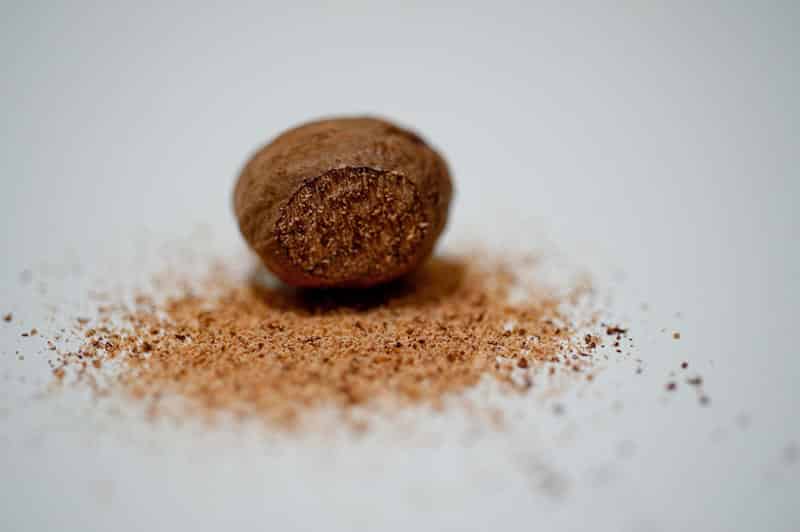
Whole nutmeg is one of the most storage-forgiving spices you can own. Kept in an airtight container away from heat and light, whole seeds retain full flavor for 4 to 6 years. Ground nutmeg degrades much faster, typically losing significant potency within 6 to 12 months of grinding. If you’re committed to using pre-ground, buy in small quantities and replace annually. For whole seeds, a small glass jar in a cool cabinet is ideal. Spice Station’s guide to keeping spices fresh covers storage best practices for all forms of all spices.

Frequently Asked Questions About Nutmeg

What does nutmeg taste like?

Nutmeg has a warm, sweet, and slightly woody flavor with an aromatic complexity that’s difficult to compare to other spices. Fresh-grated nutmeg carries distinct notes of earth, sweetness, and a faint spiciness without any chile heat. It has a rich, enveloping warmth that makes it a natural partner for dairy, cream, and sweet winter spices like cinnamon and cloves.

What is the difference between nutmeg and mace?

Nutmeg and mace come from the same fruit of Myristica fragrans: nutmeg is the dried seed, and mace is the dried red aril (membrane) surrounding it. Mace has a more delicate, floral flavor than nutmeg and is slightly lighter in color, making it preferable for white or cream-colored dishes where nutmeg’s browning effect would be visible. Both are substitutable for each other at roughly 1:1, though the flavor result will differ slightly.

Is freshly grated nutmeg really better than pre-ground?

Yes, substantially. Research published in the Journal of Food Chemistry found that ground nutmeg loses up to 60% of its volatile aromatic compounds within six months of grinding. The primary flavor compounds in nutmeg are volatile oils that begin degrading immediately after the cell structure is broken by grinding. Freshly grated nutmeg releases those oils at the moment of use, delivering the full flavor profile the spice is capable of.

Can nutmeg be used in savory dishes?

Absolutely, and this is one of the most underused applications in home cooking. Nutmeg is essential in classical béchamel sauce, excellent in cream-based pasta dishes, and has a particular affinity for spinach and other leafy greens. It appears in sausage, meatball, and meatloaf recipes across European traditions and as a component in global spice blends from Indian garam masala to Moroccan ras el hanout.

How should I grate whole nutmeg?

A Microplane is the most efficient tool, producing a fine, fluffy grate that incorporates easily into dishes. Dedicated nutmeg graters also work well. Hold the seed over a small bowl or directly over the dish and grate with short strokes. A single whole nutmeg yields several tablespoons of ground nutmeg and will last most households for months. The partially used seed stores well in an airtight container.

How long does nutmeg last?

Whole nutmeg seeds, stored properly in an airtight container away from heat and light, retain full flavor for 4 to 6 years. Ground nutmeg is best replaced every 12 months for optimal flavor, though it remains safe to use significantly longer. The practical test: scratch or grate a small amount and smell it. If the aroma is muted or absent, the nutmeg has lost most of its useful flavor.

What can I substitute for nutmeg?

Mace is the closest substitute, sharing the same botanical origin and similar aromatic profile at roughly a 1:1 ratio. Allspice provides a similar warming quality with a slightly different flavor. Cinnamon can work in sweet applications where only a small amount of nutmeg was called for. In most recipes, a combination of cinnamon and a small amount of allspice comes closest to the full character of nutmeg when it genuinely isn’t available. For savory applications like béchamel, there’s no perfect substitute — white pepper adds some warmth, but the aromatic character is quite different.

From its origins on a handful of Indonesian islands that reshaped global history to the small but irreplaceable role it plays in a béchamel sauce or a properly made eggnog, nutmeg rewards the cook who takes the time to understand it. Buying whole seeds and grating fresh is the single biggest upgrade most kitchens can make with this spice. Spice Station carries whole nutmeg sourced with origin transparency, available in the online shop alongside the full range of spices and blends.
Tags: buy whole nutmeg online, fresh grated nutmeg, how to use nutmeg, nutmeg guide, nutmeg in cooking, nutmeg savory dishes, nutmeg spice Silver Lake Los Angeles, nutmeg vs mace, whole nutmeg vs ground
Previous Post
Chinese Five Spice: The Ultimate Guide to Wu Xiang Fen
Next Post
Beyond Curry: Three Indian Spice Blends Every Home Cook Should Know

Leave a Reply

Your email address will not be published. Required fields are marked *

Fill out this field
Fill out this field
Please enter a valid email address.

Nutmeg
Spread the love

Last Updated: March 2026

Nutmeg is the spice that changed world history. In the 17th century, it was so valuable that the Dutch traded the island of Manhattan to the British in exchange for Run, a tiny Indonesian island that produced it. Wars were fought over it. Monopolies were built on it. Entire colonial systems were constructed to control its supply. Today, you can buy a jar of nutmeg for a few dollars at any grocery store, but the spice itself has lost none of what made it so coveted: a warm, deeply aromatic, faintly sweet flavor unlike anything else in the spice cabinet.

Most home cooks use nutmeg in one of two ways: grated into béchamel sauce, or shaken from a supermarket jar into pumpkin pie filling. Both are fine applications. But nutmeg’s range is far wider than that, and the difference between freshly grated whole nutmeg and the pre-ground powder sitting in most kitchen drawers is dramatic enough to justify understanding this spice properly. According to a 2021 analysis in the Journal of Food Chemistry, whole nutmeg retains its primary volatile aromatic compounds (myristicin, elemicin, and safrole) significantly better than ground nutmeg, with pre-ground product losing up to 60% of volatile content within six months of grinding.

This guide covers everything: what nutmeg is, where it comes from, how it differs from mace (its close botanical relative), how to buy and store it, and how to cook with it across both sweet and savory applications.

What Is Nutmeg?

Nutmeg is the seed of Myristica fragrans, a tropical evergreen tree native to the Banda Islands of Indonesia, historically known as the Spice Islands. The tree produces a fruit that looks like a peach when ripe. Inside that fruit is a seed encased in a lacy red membrane called an aril. That red aril is dried and sold as mace. The hard inner seed, once dried, is nutmeg.

One tree produces both spices, which is why mace and nutmeg share aromatic similarities while tasting distinctly different. Nutmeg is the more commonly used of the two; mace is subtler, more floral, and typically more expensive. Understanding this botanical relationship matters practically: they can substitute for each other in small quantities in many recipes, though with different results.

Today, the primary nutmeg producers are Indonesia and Grenada, which is why Grenada appears on its national flag. Grenada produces approximately 20% of the world’s nutmeg supply and takes the spice seriously enough to feature it on the nation’s flag. Indonesian nutmeg tends to have a slightly higher oil content, while Grenadian nutmeg is often described as having a more refined, less pungent character.

Nutmeg vs. Mace: Understanding the Difference

This is the most important comparison to clarify before going further.

Nutmeg Mace
Plant part Dried inner seed Dried red aril (membrane) surrounding the seed
Color Brown, tan Orange-red when fresh, dull orange-tan dried
Flavor Warm, sweet, slightly earthy, complex Lighter, more delicate, more floral than nutmeg
Intensity Stronger Milder
Common form Whole seeds, ground powder Ground powder, whole “blades”
Best uses Baked goods, dairy sauces, hearty dishes Delicate sauces, custards, light-colored dishes where brown color is undesirable
Price Moderate Higher (lower yield per fruit)

The flavor difference is real but not dramatic. In most recipes, you can substitute mace for nutmeg at roughly a 1:1 ratio, though the result will be slightly more delicate. Nutmeg substituted for mace will be bolder and slightly earthier.

For pure culinary purposes, nutmeg is the more versatile and accessible of the two. Mace is worth seeking out for applications where its more refined flavor and lighter color matter, such as white sauces, creamy chowders, and delicate pastries. Spice Station carries both, and the full spices collection covers each in the forms most useful for cooking.

The History of Nutmeg: From the Spice Islands to Your Kitchen

The Banda Islands of Indonesia were, for centuries, the only place on earth where nutmeg grew. Arab traders who controlled the spice routes between Asia and Europe kept the origins secret, creating elaborate myths about where nutmeg came from to prevent European powers from finding the source directly. When Portuguese navigators finally reached the Banda Islands in 1512, they established the first European foothold in what became the most violently contested spice trade in history.

The Dutch ultimately seized control of the Banda Islands in the early 17th century and created one of the first modern monopolies, controlling virtually all of the world’s nutmeg supply. They were famously ruthless in defending it: the Dutch systematically destroyed nutmeg trees on any island outside their direct control and massacred the indigenous Bandanese people in the process. The 1667 Treaty of Breda, which ended the Second Anglo-Dutch War, included an exchange that gave the Dutch full control of Run Island (nutmeg producing) in exchange for New Amsterdam the settlement that became New York City.

Nutmeg’s value has since normalized as cultivation spread to other tropical regions, but its history explains why it appears in such a wide range of culinary traditions. Every major spice-trading culture from medieval Europe to the Arab world to South and Southeast Asia incorporated nutmeg into its cooking once access became possible. The global spice trade and its culinary legacy is one of the most interesting threads in food history, and nutmeg sits at the center of it.

What Does Nutmeg Taste Like?What is Nutmeg

Nutmeg has a warm, slightly sweet, and deeply aromatic flavor with notes of wood, earth, and what many people describe as a faint spiciness that is different from chile heat. The aroma is powerful and distinctive: richly sweet and warm without being cloying.

Fresh-grated nutmeg is noticeably more complex than pre-ground. The volatile oils that carry most of the flavor are released when the cell structure is broken, and those oils begin degrading almost immediately after grinding. What you get from freshly grated nutmeg is a fuller, more balanced character with a brightness that ground nutmeg has typically lost. The difference is most apparent in applications where nutmeg is a prominent flavor rather than a background note.

Nutmeg is a “threshold” spice, meaning it performs best in small quantities. The warm aromatic complexity comes through most clearly at modest doses — a quarter to half teaspoon in most recipes. At higher concentrations, the camphor-like quality of some of its constituent compounds becomes unpleasant, and very large amounts (multiple tablespoons) can cause genuine toxicity through myristicin. Normal culinary use is entirely safe; the concern is only at doses far above anything a recipe would call for.

Whole Nutmeg vs. Ground Nutmeg: Which Should You Buy?

This is one of the clearest cases in the entire spice world for buying whole over ground.

Whole nutmeg lasts dramatically longer than ground, retaining full flavor for 4 to 6 years when properly stored. It grates easily on a Microplane or dedicated nutmeg grater and produces a noticeably superior flavor in virtually every application. One whole nutmeg seed is enough for several months of regular cooking for most households. The slight inconvenience of grating is paid back many times over in flavor quality.

Ground nutmeg is convenient but typically stale by the time it reaches most home kitchens. Commercial grinding, packaging, shipping, and warehouse time mean that pre-ground nutmeg often has only a fraction of the volatile oil content of freshly grated whole nutmeg. If you’re already using pre-ground and find nutmeg’s contribution to recipes underwhelming, switching to whole and grating fresh is likely the explanation for what’s been missing.

The practical recommendation: buy whole nutmeg seeds, keep a Microplane grater near your spice storage, and grate directly over dishes as needed. The amount a recipe calls for in ground form translates directly to freshly grated. Storing whole nutmeg properly in an airtight container away from heat and light keeps it at full potency for years.

How to Use Nutmeg in Cooking

Sweet Applications: Baked Goods and Desserts

Nutmeg has the longest and deepest history in sweet applications in Western cooking. Medieval European bakers used it extensively, and its presence in holiday baking from Christmas cookies to eggnog to apple pie represents centuries of accumulated culinary tradition.

Pumpkin and winter squash dishes: Nutmeg is virtually required in pumpkin pie, and with good reason — its warmth complements the earthiness of winter squash in a way that few other spices match. Add freshly grated nutmeg alongside cinnamon, ginger, and cloves in any pumpkin preparation.

Custards and cream desserts: Crème brûlée, panna cotta, rice pudding, and bread pudding all benefit from a light touch of nutmeg grated directly over the top before serving or stirred into the base. Nutmeg’s affinity for dairy is well established — it bridges cream and egg in a way that creates a more cohesive flavor.whole nutmeg

Eggnog and warm beverages: The classic holiday eggnog is unrecognizable without fresh nutmeg grated over the top at the moment of serving. The volatile oils released by fresh grating contribute an aromatic quality that pre-ground simply can’t replicate. Hot mulled cider and warm spiced wine both benefit from a whole nutmeg or a small amount of freshly grated.

Baked goods: Spiced cookies, muffins, quick breads, and cakes all carry nutmeg well when used as part of a warm spice combination. It’s a natural partner to cinnamon and cardamom, where it adds depth without competing. Understanding how spices layer in baking explains why nutmeg so rarely appears alone and almost always works in ensemble.

Savory Applications: Where Nutmeg Truly Shines

Nutmeg’s savory applications are less celebrated but arguably more important. The spice’s capacity to round and deepen dairy-based sauces is irreplaceable.

Béchamel and cream sauces: Classical French cooking includes nutmeg as one of the essential seasonings for béchamel, the foundational white sauce. A tiny grating of nutmeg  typically less than a quarter teaspoon per cup of sauce  adds a warmth and complexity that makes the difference between a sauce that tastes flat and one that tastes finished. The same principle applies to cream-based pasta sauces, gratins, and cheese sauces for mac and cheese.

Spinach and leafy greens: Nutmeg has a particular affinity for spinach that has been recognized across multiple culinary traditions, from Italian sautéed spinach to Indian creamed spinach (palak) to French spinach gratins. Add a light grating of nutmeg to any sautéed or creamed green vegetable for immediate depth.

Mashed potatoes and root vegetable preparations: A small amount of freshly grated nutmeg stirred into mashed potatoes alongside butter and cream adds a warm aromatic quality that complements the earthy sweetness of the potato. The same applies to mashed sweet potato, parsnip, or celeriac.

Meat and sausage: Italian sausage recipes frequently include nutmeg, as do many German and Scandinavian meat preparations. It appears in meatballs across multiple European traditions and adds a subtle warmth that reads as complexity rather than identifiable spice. In the context of spice rubs for grilling or roasting, nutmeg appears most often in blends targeting pork and lamb, where its sweetness complements the fat.

Cheese and egg dishes: Nutmeg in a cheese soufflé, a frittata, or a quiche filling adds dimension that most tasters notice as “something special” without being able to identify the spice. It makes savory egg dishes taste more rounded and complete.

Nutmeg in Global Cuisines

While nutmeg is most associated with European cooking in the Western imagination, its use extends much further:

Indian cooking: Nutmeg appears in garam masala and many regional spice blends, where it contributes warmth alongside cardamom and cloves. The Indian spice blend tradition uses nutmeg as one of the “warming” spices that provide depth without heat.

Middle Eastern cooking: Ras el hanout, the complex Moroccan spice blend, typically includes nutmeg as one of its 10 to 30 ingredients. Baharat, the all-purpose Levantine blend, includes it in many regional variations. Understanding Middle Eastern spice blends in their full complexity reveals how often nutmeg contributes as a supporting character.

Indonesian cooking: Nutmeg’s homeland uses it in savory dishes, particularly in regional cuisines from the Maluku Islands where the spice originated. Dishes from Ternate and Tidore, the original Banda Islands neighbors, still feature nutmeg in ways that are closer to its culinary birthplace than any European application.

Caribbean cooking: Grenada’s nutmeg heritage shows up in Caribbean cuisine, where it appears in spiced rum drinks, jerk seasoning variations, and savory stews alongside allspice and cinnamon.

Dosage Guide: How Much Nutmeg to Use

nutmeg spice

Nutmeg is potent. More than most spices, using the right amount matters, because the pleasant warmth and complexity of appropriate dosing tips into an unpleasant medicinal or soapy quality at higher concentrations. As a general guide:

  • In baked goods and desserts: ¼ to ½ teaspoon per recipe serving 6 to 8 people
  • In cream sauces: ⅛ to ¼ teaspoon per cup of sauce
  • In spinach or vegetable preparations: A few strokes of a Microplane over the finished dish
  • As a finishing spice over drinks: A small grating directly over the surface of eggnog, hot chocolate, or lattes
  • In spice blends and rubs: Typically 1 part nutmeg to 4 to 6 parts other spices; rarely the dominant flavor

When in doubt, start low. You can always add a bit more after tasting. Nutmeg’s warmth builds as it sits in a dish, so what seems mild immediately after adding can read as more intense after a few minutes of simmering.

Buying and Storing Nutmeg

What to Look for When Buying Whole Nutmeg

Good whole nutmeg should be plump, heavy for its size, and fragrant when scratched lightly with a fingernail. Shriveled, lightweight, or scentless nutmegs are typically old stock that has dried beyond usability. The outer surface should be smooth with a slight sheen from the natural oils.

Origin specificity matters here as it does with most specialty spices. Indonesian nutmeg and Grenadian nutmeg have distinct but equally excellent characters. Spice Station sources its nutmeg with origin transparency, giving you the ability to understand what you’re buying rather than working with generic commodity product. Buying specialty spices from a named-origin source is especially important for spices where flavor intensity varies significantly by provenance.

Storage

Whole nutmeg is one of the most storage-forgiving spices you can own. Kept in an airtight container away from heat and light, whole seeds retain full flavor for 4 to 6 years. Ground nutmeg degrades much faster, typically losing significant potency within 6 to 12 months of grinding. If you’re committed to using pre-ground, buy in small quantities and replace annually. For whole seeds, a small glass jar in a cool cabinet is ideal. Spice Station’s guide to keeping spices fresh covers storage best practices for all forms of all spices.

Frequently Asked Questions About Nutmeg

What does nutmeg taste like?

Nutmeg has a warm, sweet, and slightly woody flavor with an aromatic complexity that’s difficult to compare to other spices. Fresh-grated nutmeg carries distinct notes of earth, sweetness, and a faint spiciness without any chile heat. It has a rich, enveloping warmth that makes it a natural partner for dairy, cream, and sweet winter spices like cinnamon and cloves.

What is the difference between nutmeg and mace?

Nutmeg and mace come from the same fruit of Myristica fragrans: nutmeg is the dried seed, and mace is the dried red aril (membrane) surrounding it. Mace has a more delicate, floral flavor than nutmeg and is slightly lighter in color, making it preferable for white or cream-colored dishes where nutmeg’s browning effect would be visible. Both are substitutable for each other at roughly 1:1, though the flavor result will differ slightly.

Is freshly grated nutmeg really better than pre-ground?

Yes, substantially. Research published in the Journal of Food Chemistry found that ground nutmeg loses up to 60% of its volatile aromatic compounds within six months of grinding. The primary flavor compounds in nutmeg are volatile oils that begin degrading immediately after the cell structure is broken by grinding. Freshly grated nutmeg releases those oils at the moment of use, delivering the full flavor profile the spice is capable of.

Can nutmeg be used in savory dishes?

Absolutely, and this is one of the most underused applications in home cooking. Nutmeg is essential in classical béchamel sauce, excellent in cream-based pasta dishes, and has a particular affinity for spinach and other leafy greens. It appears in sausage, meatball, and meatloaf recipes across European traditions and as a component in global spice blends from Indian garam masala to Moroccan ras el hanout.

How should I grate whole nutmeg?

A Microplane is the most efficient tool, producing a fine, fluffy grate that incorporates easily into dishes. Dedicated nutmeg graters also work well. Hold the seed over a small bowl or directly over the dish and grate with short strokes. A single whole nutmeg yields several tablespoons of ground nutmeg and will last most households for months. The partially used seed stores well in an airtight container.

How long does nutmeg last?

Whole nutmeg seeds, stored properly in an airtight container away from heat and light, retain full flavor for 4 to 6 years. Ground nutmeg is best replaced every 12 months for optimal flavor, though it remains safe to use significantly longer. The practical test: scratch or grate a small amount and smell it. If the aroma is muted or absent, the nutmeg has lost most of its useful flavor.

What can I substitute for nutmeg?

Mace is the closest substitute, sharing the same botanical origin and similar aromatic profile at roughly a 1:1 ratio. Allspice provides a similar warming quality with a slightly different flavor. Cinnamon can work in sweet applications where only a small amount of nutmeg was called for. In most recipes, a combination of cinnamon and a small amount of allspice comes closest to the full character of nutmeg when it genuinely isn’t available. For savory applications like béchamel, there’s no perfect substitute — white pepper adds some warmth, but the aromatic character is quite different.

From its origins on a handful of Indonesian islands that reshaped global history to the small but irreplaceable role it plays in a béchamel sauce or a properly made eggnog, nutmeg rewards the cook who takes the time to understand it. Buying whole seeds and grating fresh is the single biggest upgrade most kitchens can make with this spice. Spice Station carries whole nutmeg sourced with origin transparency, available in the online shop alongside the full range of spices and blends.
Tags: buy whole nutmeg online, fresh grated nutmeg, how to use nutmeg, nutmeg guide, nutmeg in cooking, nutmeg savory dishes, nutmeg spice Silver Lake Los Angeles, nutmeg vs mace, whole nutmeg vs ground
Previous Post
Panch Pooran Potatoes: The Bengali Five-Spice Technique That Changes How You Cook Vegetables
Next Post
Beyond Curry: Three Indian Spice Blends Every Home Cook Should Know

Leave a Reply

Your email address will not be published. Required fields are marked *

Fill out this field
Fill out this field
Please enter a valid email address.