Aleppo Pepper: Syria’s Ancient Spice, a Disrupted Supply Chain, and How to Cook with It Today

Spread the love

Aleppo pepper is Syria’s most celebrated spice — fruity, gently hot, and deeply tied to one of the world’s oldest agricultural regions. Learn its flavor profile, how the Syrian conflict disrupted its supply, the best substitutes, and how to cook with it today.
Aleppo PepperSpices
Syrian War - Aleppo Pepper
Spread the love

Last Updated: March 2026

Aleppo pepper is one of the most flavorful dried chiles in the world  fruity, gently hot, slightly salty, with an oily texture that sets it apart from any other red pepper on the shelf. For centuries it was grown almost exclusively in and around the Syrian city of Aleppo, one of the oldest continuously inhabited cities on earth. Then conflict tore through the region, and the supply chain that connected those ancient farms to kitchens around the world was severed almost overnight.

This article covers what Aleppo pepper is, why it matters, what happened to its supply, and how to cook with it  whether you’re working with authentic Syrian-grown pepper or one of the quality alternatives that have emerged in its absence.

What Is Aleppo Pepper?

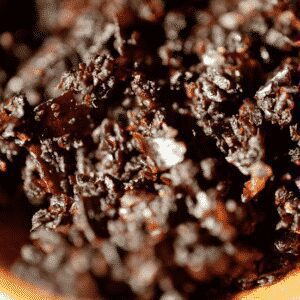
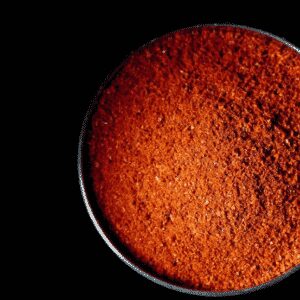
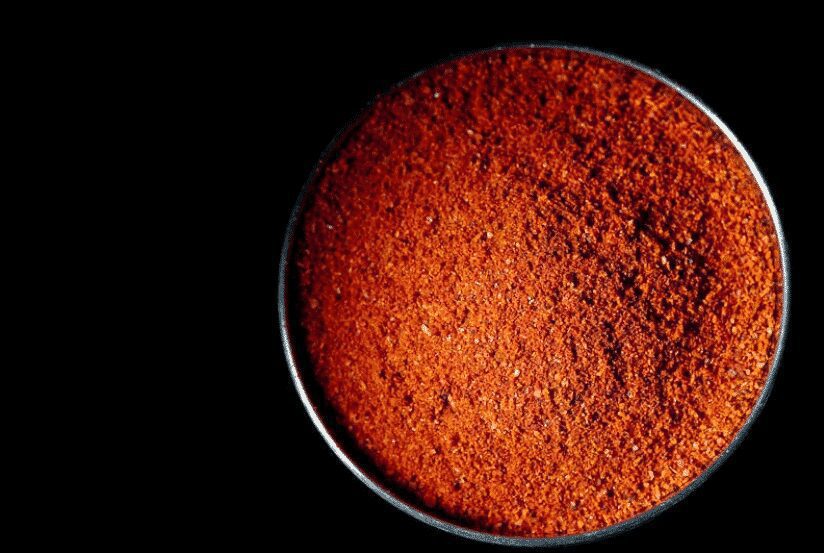
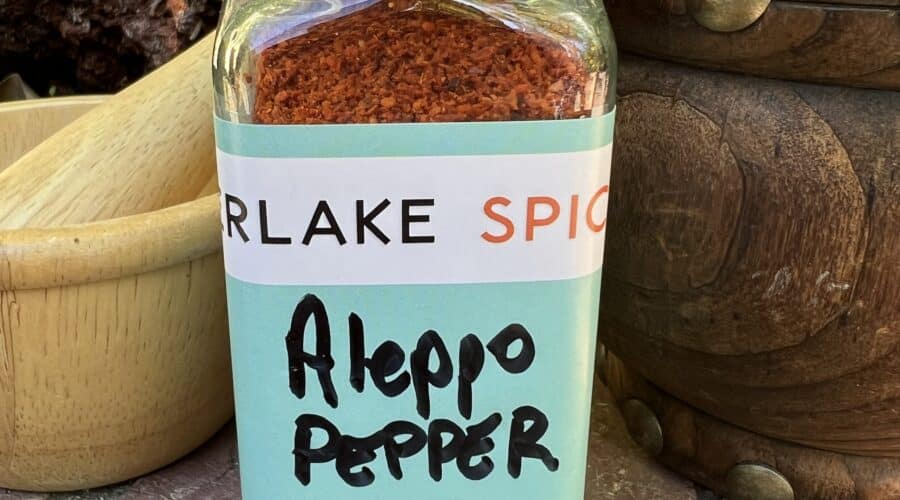
Aleppo pepper  known in Arabic as filfil halabi, meaning “pepper of Aleppo”  is a variety of Capsicum annuum grown in the fertile agricultural lands of northern Syria and parts of southern Turkey. The pepper is harvested in late summer, seeded to reduce bitterness, then slow-dried and coarsely crushed before being packed with a small amount of salt and olive oil. That last step is what gives it the characteristic moist, clumping texture that distinguishes it immediately from ordinary dried chili flakes. Aleppo Pepper
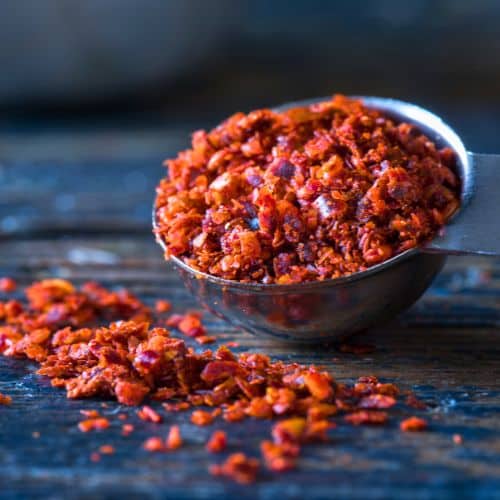
On the Scoville scale, Aleppo pepper registers between 10,000 and 12,000 heat units  moderately warm, noticeably present, but never aggressive. The heat arrives gently and fades cleanly. What makes it truly distinctive is everything else: a bright, fruity character with notes of sun-dried tomato and mild tobacco, a faint natural saltiness from the curing process, and an oily richness that helps it distribute evenly through whatever you’re cooking.

It belongs to the broader family of Middle Eastern cuisine spices that have shaped cooking across Syria, Lebanon, Turkey, and the eastern Mediterranean for thousands of years. Among that family, it holds a particular place  specific to a region, shaped by a particular terroir and a particular craft, and genuinely irreplaceable in its precise form.

Syria’s Agricultural and Culinary Heritage

To understand why Aleppo pepper’s supply disruption matters, it helps to understand what Syria represented as an agricultural nation before the conflict began.

Syria sits at one of the most historically significant crossroads in the world. The Fertile Crescent, which stretches across parts of modern Syria, Iraq, and Turkey, is widely credited as one of the original cradles of agriculture. Humans have been farming this land for at least 10,000 years. The soils are rich, the climate warm and dry, and the agricultural traditions run extraordinarily deep.

Before the civil war, Syria was a meaningful producer of a range of globally traded spices: cumin, coriander, sumac, za’atar, anise, and of course the pepper that carried Aleppo’s name to kitchens across Europe, the United States, and beyond. These weren’t commodity crops grown on industrial farms. They were smallholder productions, often family-run, drawing on generational knowledge of when to plant, how to harvest, and how to process each ingredient correctly.

Aleppo itself  officially known as Halab in Arabic  was one of the ancient world’s great trading cities. It sat at the end of the Silk Road, a marketplace where spices, textiles, and goods from East and West changed hands for centuries. The pepper that bears its name was part of that long commercial identity. When chefs and food writers in the West began rediscovering Aleppo pepper in the 1990s and early 2000s, they were encountering something that had been significant in that region for far longer than anyone in a California kitchen could easily imagine.

How the Syrian Conflict Disrupted the Spice Trade

The Syrian civil war began in 2011 and became one of the most devastating conflicts of the modern era. According to the United Nations, by the mid-2020s the war had displaced more than 13 million people  roughly half the country’s pre-war population — and caused destruction on a scale that reshaped entire cities and agricultural regions.

Aleppo was among the hardest-hit areas. The city experienced years of siege, bombardment, and fighting before government forces recaptured it in late 2016. By that point, the agricultural infrastructure that had supported the pepper trade for generations  the farms, the processing facilities, the trade networks, the farming families themselves  had been devastated or scattered.

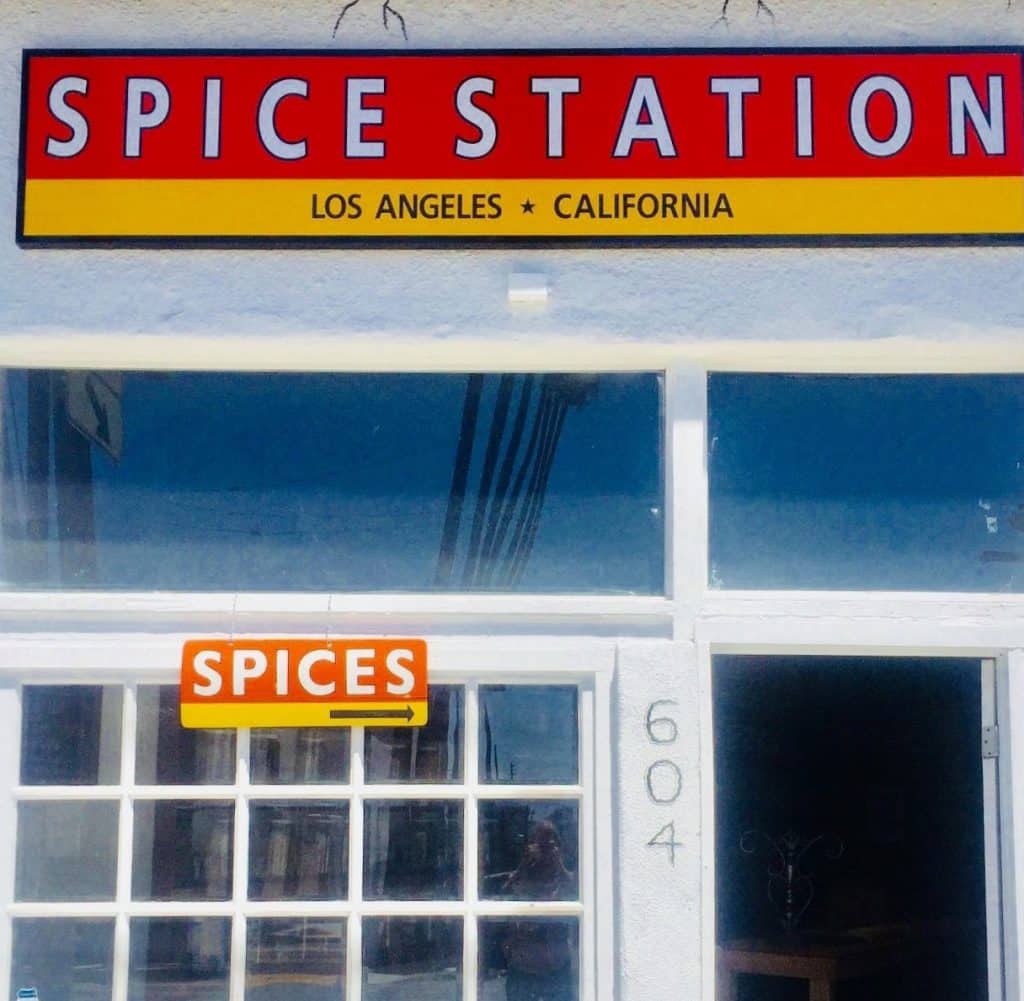
For specialty spice suppliers like Spice Station, the impact was direct and immediate. Authentic Syrian Aleppo pepper became difficult and then nearly impossible to source. Other Syrian ingredients that Spice Station had carried  Syrian sumac, Syrian cumin, Syrian za’atar herbs  were similarly affected, though alternative sources could be found for those more common ingredients. Aleppo pepper, tied so specifically to its growing region, had no perfect substitute waiting in the wings.

This is one of the realities of origin-specific sourcing that most grocery store shoppers never encounter. When you buy a generic jar of crushed red pepper, the supply chain is diffuse enough to absorb regional disruptions. When you buy a pepper that is genuinely tied to one valley, one climate, one farming tradition  a conflict in that region changes what you can put on your table.

What Happened Next: Alternative Sources and Substitutes
Aleppo Pepper

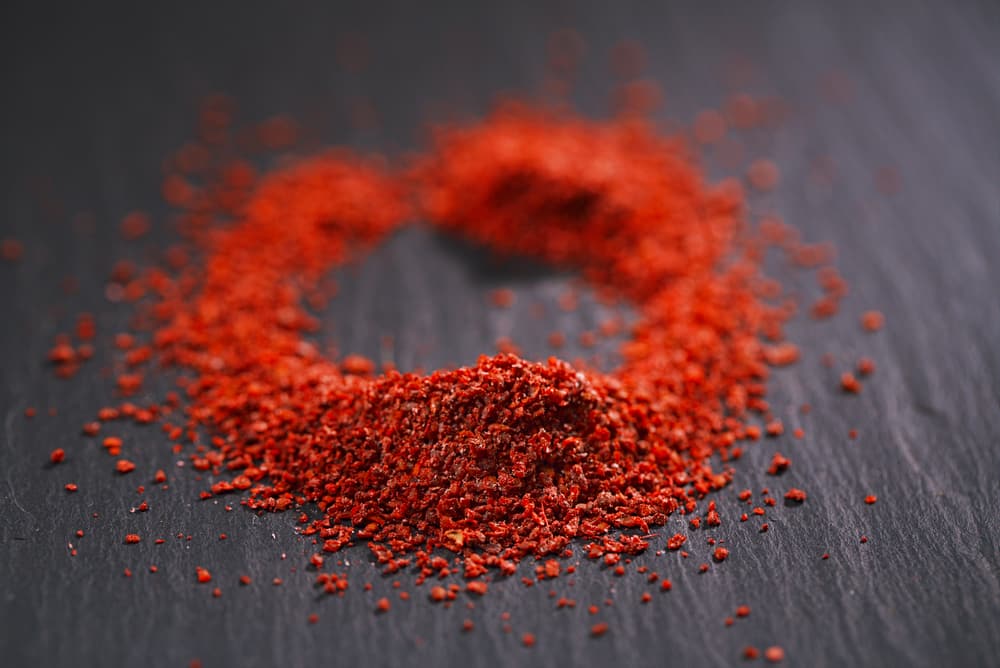
The demand for Aleppo pepper didn’t disappear when the Syrian supply dried up. If anything, the disruption increased awareness of the pepper among chefs and food media who reported on it as a culinary casualty of the conflict. That attention pushed producers in neighboring Turkey to expand cultivation of similar pepper varieties, and it pushed domestic growers in California and elsewhere to experiment with growing Aleppo-type peppers outside their original region.

Several alternatives have emerged that are worth knowing:

Marash Pepper (Maras Biber)

Grown in the Kahramanmaraş region of southeastern Turkey, Marash pepper is the closest cultivated relative of authentic Aleppo. The climate and soil conditions are similar, the processing method is comparable, and the flavor profile  fruity, moderately hot, oily — is genuinely close. It’s the most recommended substitute among chefs who know both peppers well. If you’ve been cooking with Aleppo pepper for years and need to adapt, Marash is the place to start.

Antebi Pepper

Another Turkish variety, Antebi pepper takes its name from Antep (now Gaziantep), the Turkish city just north of the Syrian border. It tends to be slightly hotter than Aleppo and somewhat less fruity, but it carries a similar character and works well in the same applications. Both Marash and Antebi sit within the broader spectrum of specialty chiles that Spice Station carries.

California Organic Aleppo Pepper

Some domestic growers have successfully cultivated Aleppo-type pepper in California’s warm, dry growing regions. California organic Aleppo pepper captures much of the original flavor profile and offers the added assurance of certified organic cultivation. Spice Station carries this option for customers who want the distinctive Aleppo character without importing from a conflict zone.

What Doesn’t Substitute Well

Standard grocery store crushed red pepper flakes are not a meaningful substitute. They are typically made from a blend of hotter, less complex peppers, lack the natural oils of properly processed Aleppo, and deliver straightforward heat without any of the fruity, Mediterranean character that makes Aleppo pepper worth seeking out in the first place. If you’re looking for where to understand the deeper differences between fresh and dried chiles, that distinction matters here too.

How to Cook with Aleppo Pepper

Aleppo pepper is one of the most versatile spices for everyday cooking precisely because its heat is moderate and its flavor is complex without being dominating. It shows up naturally in many of the same places other dried chiles do, but it contributes something richer.

Eggs

This is arguably Aleppo pepper’s best and most accessible application. Sprinkle it over fried eggs, fold it into scrambled eggs, or stir it into shakshuka. The fruity heat works beautifully against the richness of the yolk. It’s the kind of small upgrade that changes a breakfast routine permanently once you’ve tried it.

Roasted Vegetables
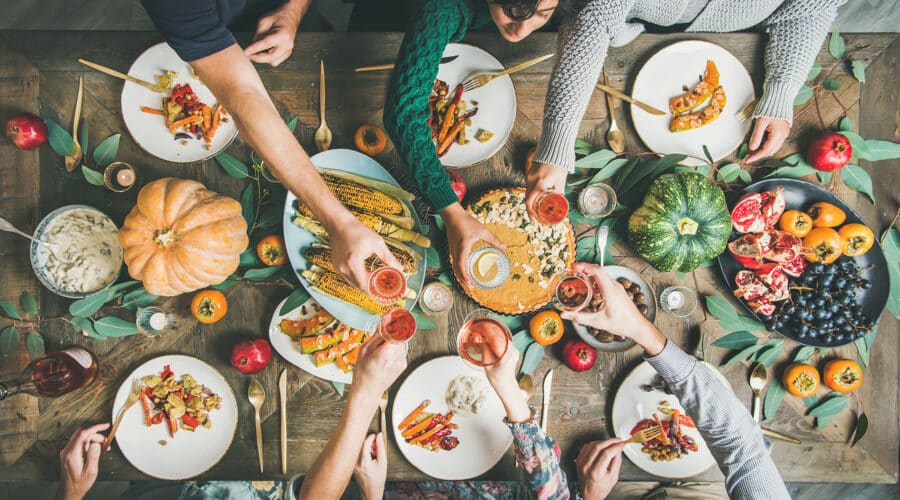
Happy Vegetarian Thanksgiving

Toss cauliflower, carrots, eggplant, or sweet potato in olive oil and Aleppo pepper before roasting. The oil in the pepper blooms during cooking and coats the vegetables with even, distributed heat and flavor. Paired with a tahini drizzle or yogurt sauce, this is a straightforward dish that tastes like considerably more effort than it requires.

Grilled Meats

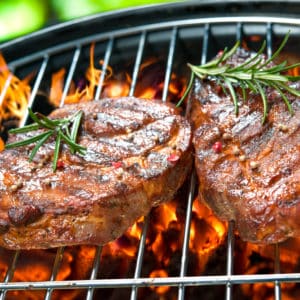
Aleppo pepper belongs in any serious outdoor cooking toolkit. It works on lamb, chicken, beef, and fish — either as part of a dry rub or stirred into a marinade. For a full approach to building spice rubs that perform at the grill, the guide to all about spice rubs covers the technique in detail. Aleppo pairs particularly well with cumin, coriander, and garlic in any Middle Eastern-inflected preparation.

Flatbreads and Pizza

Mix Aleppo pepper into olive oil and brush it over flatbread before baking, or use it in place of standard red pepper flakes on pizza. The deeper flavor complexity reads as more sophisticated without being harder to make.

Dips and Spreads

Stir Aleppo pepper into hummus, labneh, or whipped feta. It integrates smoothly thanks to the natural oil content and adds visual appeal with its deep brick-red color. A bowl of hummus finished with a swirl of good olive oil and a generous pinch of Aleppo pepper is the kind of thing that disappears at a party.

Finishing Spice Spices for Sweets
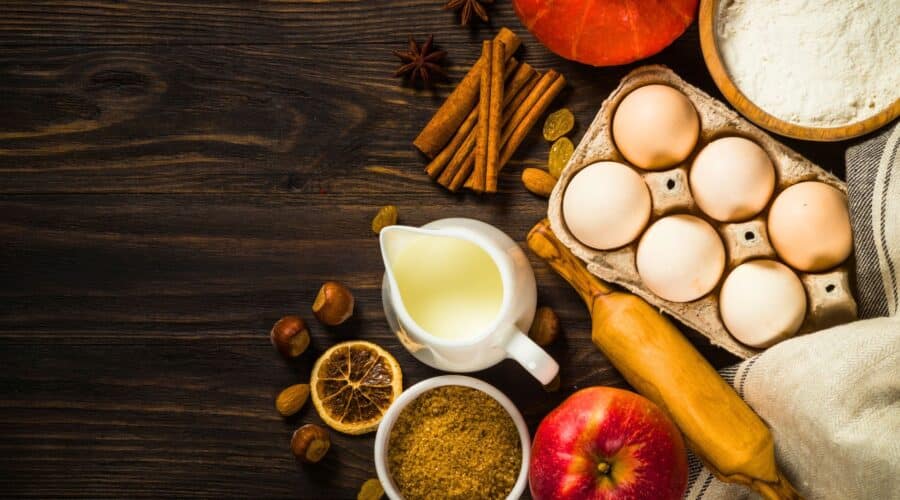
One of Aleppo’s best uses is as a finishing sprinkle applied just before serving. On soup, roasted chicken, grain bowls, or grilled fish — a pinch at the end adds color, warmth, and a flash of fruit that doesn’t cook off. Keep it within easy reach of the stove and you’ll use it constantly.

The Broader Lesson: Why Origin Matters in Spices

The Aleppo pepper story illustrates something important about specialty ingredients that generic spice shopping obscures entirely: where a spice comes from is part of what it is.

The flavor of Aleppo pepper as grown in the Syrian highlands reflects the specific soil, the specific climate, the specific pepper variety, and the specific processing traditions of that region. None of those can be fully replicated elsewhere. The California and Turkish alternatives are excellent and genuinely useful  but they are alternatives, not duplicates. That distinction is what buying spices online from a trusted source actually protects: the knowledge that what’s in the bag is what it says it is, sourced from somewhere real and specific.

This is why Spice Station lists country and region of origin for products wherever possible. It’s not decoration. It’s part of the flavor information. A cook who knows their Aleppo pepper came from California can make different decisions about how to use it than a cook who thinks origin is irrelevant. And a cook who understands the difference between unusual spices worth seeking out and their generic supermarket alternatives is going to cook better food.

Syrian Spices Beyond Aleppo Pepper

Aleppo pepper received the most attention during the supply disruptions, but it wasn’t the only Syrian ingredient affected. A brief overview of the others:

Syrian Sumac — A tart, burgundy-colored ground berry used heavily in Middle Eastern cooking as a souring agent and finishing spice. Syria was a primary producer. Alternative sources in Turkey and Iran are available but vary in intensity.
Syrian Cumin — Syrian cumin is prized for its warm, earthy, slightly floral character. The full story of cumin as a globally traded spice stretches back thousands of years, and Syria was one of its significant modern sources. Alternative production continues in India, Iran, and Turkey.

Za’atar Herbs — Za’atar as a blend draws on dried thyme, sumac, sesame, and often Syrian wild oregano (Origanum syriacum), which has a more intense, slightly savory character than common Mediterranean oregano. The Syrian variety remains difficult to source in its pure form.

Frequently Asked Questions

Is authentic Syrian Aleppo pepper still available?

Authentic Syrian-grown Aleppo pepper has become significantly harder to source since the civil war began in 2011 and particularly since the fighting reached Aleppo city in 2012 through 2016. Limited quantities have become available as some agricultural regions have stabilized, but supply remains inconsistent. Spice Station sources Aleppo pepper from the best available origin at any given time, including California-grown organic and Turkish-grown varieties, and labels origin clearly.

What is the best substitute for Aleppo pepper?

Marash pepper from the Kahramanmaraş region of Turkey is the closest substitute in terms of flavor, heat level, and texture. It carries a similar fruity-oily profile and performs comparably in most recipes. Antebi pepper from Gaziantep, Turkey is another good option, running slightly hotter. California organic Aleppo-type pepper is the best domestic alternative. Standard grocery store red pepper flakes are not a meaningful substitute.

How hot is Aleppo pepper compared to other chiles?

Aleppo pepper registers between 10,000 and 12,000 Scoville heat units. For context, jalapeños run 2,500 to 8,000 Scoville and cayenne runs 30,000 to 50,000. Aleppo is warm and present but not aggressive  it’s mild enough for most people who consider themselves sensitive to heat, while still delivering genuine warmth to a dish.

What did the Syrian conflict do to the global spice trade more broadly?

Beyond Aleppo pepper, the Syrian conflict disrupted supply of Syrian sumac, cumin, za’atar herbs, and other regionally specific ingredients. These supply chain disruptions are part of a longer pattern  the global spice trade has always been sensitive to conflict, climate, and political instability. For specialty ingredient suppliers, this is an ongoing sourcing challenge rather than a one-time event.

How should Aleppo pepper be stored?

Because of its natural oil content from the curing process, Aleppo pepper is more susceptible to going stale than fully dry spices. Store it in a sealed container away from heat and light. Refrigeration extends shelf life. For broader guidance on getting the most from your spice collection, the Spice Station guide to spice management covers storage, measuring, and mixing in detail. If you’re ever unsure whether a spice is still good, the do spices expire article answers that question directly.

Can I use Aleppo pepper in sweet dishes?

Yes, though it’s less common in this application than urfa biber. The fruity character of Aleppo pepper can work in chocolate-based desserts and spiced caramels, but its brightness makes it better suited to savory cooking in most kitchens. For a broader look at how to use chiles and warm spices in desserts, spices for sweets is a good resource.

Where can I buy quality Aleppo pepper today?

Spice Station Silver Lake carries Aleppo pepper in multiple formats  including California-grown organic and Turkish-grown varieties  in its online shop. Products are labeled by origin so you know exactly what you’re buying. If you have questions about current sourcing or want a recommendation based on how you plan to cook with it, reach out through the contact page  the team is always happy to talk spices.

The people of Aleppo and the Syrian farming families who cultivated these ingredients for generations deserve recognition in any conversation about this pepper. The agricultural knowledge and food culture of the region are irreplaceable. We hope for continued rebuilding and peace.
Tags: Aleppo pepper, Aleppo pepper flavor, Aleppo pepper Silver Lake, Aleppo pepper substitute, Aleppo pepper vs red pepper flakes, buy Aleppo pepper online, Marash pepper, Syrian spice shortage, Syrian spices, what is Aleppo pepper
Previous Post
Urfa Biber: The Turkish Pepper with Chocolate, Smoke, and Slow-Building Heat
Next Post
Tourtière: The Québécois Spiced Meat Pie That Belongs on Every Holiday Table
Syrian War - Aleppo Pepper
Spread the love

Last Updated: March 2026

Aleppo pepper is one of the most flavorful dried chiles in the world  fruity, gently hot, slightly salty, with an oily texture that sets it apart from any other red pepper on the shelf. For centuries it was grown almost exclusively in and around the Syrian city of Aleppo, one of the oldest continuously inhabited cities on earth. Then conflict tore through the region, and the supply chain that connected those ancient farms to kitchens around the world was severed almost overnight.

This article covers what Aleppo pepper is, why it matters, what happened to its supply, and how to cook with it  whether you’re working with authentic Syrian-grown pepper or one of the quality alternatives that have emerged in its absence.

What Is Aleppo Pepper?

Aleppo pepper  known in Arabic as filfil halabi, meaning “pepper of Aleppo”  is a variety of Capsicum annuum grown in the fertile agricultural lands of northern Syria and parts of southern Turkey. The pepper is harvested in late summer, seeded to reduce bitterness, then slow-dried and coarsely crushed before being packed with a small amount of salt and olive oil. That last step is what gives it the characteristic moist, clumping texture that distinguishes it immediately from ordinary dried chili flakes. Aleppo Pepper

On the Scoville scale, Aleppo pepper registers between 10,000 and 12,000 heat units  moderately warm, noticeably present, but never aggressive. The heat arrives gently and fades cleanly. What makes it truly distinctive is everything else: a bright, fruity character with notes of sun-dried tomato and mild tobacco, a faint natural saltiness from the curing process, and an oily richness that helps it distribute evenly through whatever you’re cooking.

It belongs to the broader family of Middle Eastern cuisine spices that have shaped cooking across Syria, Lebanon, Turkey, and the eastern Mediterranean for thousands of years. Among that family, it holds a particular place  specific to a region, shaped by a particular terroir and a particular craft, and genuinely irreplaceable in its precise form.

Syria’s Agricultural and Culinary Heritage

To understand why Aleppo pepper’s supply disruption matters, it helps to understand what Syria represented as an agricultural nation before the conflict began.

Syria sits at one of the most historically significant crossroads in the world. The Fertile Crescent, which stretches across parts of modern Syria, Iraq, and Turkey, is widely credited as one of the original cradles of agriculture. Humans have been farming this land for at least 10,000 years. The soils are rich, the climate warm and dry, and the agricultural traditions run extraordinarily deep.

Before the civil war, Syria was a meaningful producer of a range of globally traded spices: cumin, coriander, sumac, za’atar, anise, and of course the pepper that carried Aleppo’s name to kitchens across Europe, the United States, and beyond. These weren’t commodity crops grown on industrial farms. They were smallholder productions, often family-run, drawing on generational knowledge of when to plant, how to harvest, and how to process each ingredient correctly.

Aleppo itself  officially known as Halab in Arabic  was one of the ancient world’s great trading cities. It sat at the end of the Silk Road, a marketplace where spices, textiles, and goods from East and West changed hands for centuries. The pepper that bears its name was part of that long commercial identity. When chefs and food writers in the West began rediscovering Aleppo pepper in the 1990s and early 2000s, they were encountering something that had been significant in that region for far longer than anyone in a California kitchen could easily imagine.

How the Syrian Conflict Disrupted the Spice Trade

The Syrian civil war began in 2011 and became one of the most devastating conflicts of the modern era. According to the United Nations, by the mid-2020s the war had displaced more than 13 million people  roughly half the country’s pre-war population — and caused destruction on a scale that reshaped entire cities and agricultural regions.

Aleppo was among the hardest-hit areas. The city experienced years of siege, bombardment, and fighting before government forces recaptured it in late 2016. By that point, the agricultural infrastructure that had supported the pepper trade for generations  the farms, the processing facilities, the trade networks, the farming families themselves  had been devastated or scattered.

For specialty spice suppliers like Spice Station, the impact was direct and immediate. Authentic Syrian Aleppo pepper became difficult and then nearly impossible to source. Other Syrian ingredients that Spice Station had carried  Syrian sumac, Syrian cumin, Syrian za’atar herbs  were similarly affected, though alternative sources could be found for those more common ingredients. Aleppo pepper, tied so specifically to its growing region, had no perfect substitute waiting in the wings.

This is one of the realities of origin-specific sourcing that most grocery store shoppers never encounter. When you buy a generic jar of crushed red pepper, the supply chain is diffuse enough to absorb regional disruptions. When you buy a pepper that is genuinely tied to one valley, one climate, one farming tradition  a conflict in that region changes what you can put on your table.

What Happened Next: Alternative Sources and Substitutes

Aleppo Pepper

The demand for Aleppo pepper didn’t disappear when the Syrian supply dried up. If anything, the disruption increased awareness of the pepper among chefs and food media who reported on it as a culinary casualty of the conflict. That attention pushed producers in neighboring Turkey to expand cultivation of similar pepper varieties, and it pushed domestic growers in California and elsewhere to experiment with growing Aleppo-type peppers outside their original region.

Several alternatives have emerged that are worth knowing:

Marash Pepper (Maras Biber)

Grown in the Kahramanmaraş region of southeastern Turkey, Marash pepper is the closest cultivated relative of authentic Aleppo. The climate and soil conditions are similar, the processing method is comparable, and the flavor profile  fruity, moderately hot, oily — is genuinely close. It’s the most recommended substitute among chefs who know both peppers well. If you’ve been cooking with Aleppo pepper for years and need to adapt, Marash is the place to start.

Antebi Pepper

Another Turkish variety, Antebi pepper takes its name from Antep (now Gaziantep), the Turkish city just north of the Syrian border. It tends to be slightly hotter than Aleppo and somewhat less fruity, but it carries a similar character and works well in the same applications. Both Marash and Antebi sit within the broader spectrum of specialty chiles that Spice Station carries.

California Organic Aleppo Pepper

Some domestic growers have successfully cultivated Aleppo-type pepper in California’s warm, dry growing regions. California organic Aleppo pepper captures much of the original flavor profile and offers the added assurance of certified organic cultivation. Spice Station carries this option for customers who want the distinctive Aleppo character without importing from a conflict zone.

What Doesn’t Substitute Well

Standard grocery store crushed red pepper flakes are not a meaningful substitute. They are typically made from a blend of hotter, less complex peppers, lack the natural oils of properly processed Aleppo, and deliver straightforward heat without any of the fruity, Mediterranean character that makes Aleppo pepper worth seeking out in the first place. If you’re looking for where to understand the deeper differences between fresh and dried chiles, that distinction matters here too.

How to Cook with Aleppo Pepper

Aleppo pepper is one of the most versatile spices for everyday cooking precisely because its heat is moderate and its flavor is complex without being dominating. It shows up naturally in many of the same places other dried chiles do, but it contributes something richer.

Eggs

This is arguably Aleppo pepper’s best and most accessible application. Sprinkle it over fried eggs, fold it into scrambled eggs, or stir it into shakshuka. The fruity heat works beautifully against the richness of the yolk. It’s the kind of small upgrade that changes a breakfast routine permanently once you’ve tried it.

Roasted Vegetables

Happy Vegetarian Thanksgiving

Toss cauliflower, carrots, eggplant, or sweet potato in olive oil and Aleppo pepper before roasting. The oil in the pepper blooms during cooking and coats the vegetables with even, distributed heat and flavor. Paired with a tahini drizzle or yogurt sauce, this is a straightforward dish that tastes like considerably more effort than it requires.

Grilled Meats

Aleppo pepper belongs in any serious outdoor cooking toolkit. It works on lamb, chicken, beef, and fish — either as part of a dry rub or stirred into a marinade. For a full approach to building spice rubs that perform at the grill, the guide to all about spice rubs covers the technique in detail. Aleppo pairs particularly well with cumin, coriander, and garlic in any Middle Eastern-inflected preparation.

Flatbreads and Pizza

Mix Aleppo pepper into olive oil and brush it over flatbread before baking, or use it in place of standard red pepper flakes on pizza. The deeper flavor complexity reads as more sophisticated without being harder to make.

Dips and Spreads

Stir Aleppo pepper into hummus, labneh, or whipped feta. It integrates smoothly thanks to the natural oil content and adds visual appeal with its deep brick-red color. A bowl of hummus finished with a swirl of good olive oil and a generous pinch of Aleppo pepper is the kind of thing that disappears at a party.

Finishing Spice Spices for Sweets

One of Aleppo’s best uses is as a finishing sprinkle applied just before serving. On soup, roasted chicken, grain bowls, or grilled fish — a pinch at the end adds color, warmth, and a flash of fruit that doesn’t cook off. Keep it within easy reach of the stove and you’ll use it constantly.

The Broader Lesson: Why Origin Matters in Spices

The Aleppo pepper story illustrates something important about specialty ingredients that generic spice shopping obscures entirely: where a spice comes from is part of what it is.

The flavor of Aleppo pepper as grown in the Syrian highlands reflects the specific soil, the specific climate, the specific pepper variety, and the specific processing traditions of that region. None of those can be fully replicated elsewhere. The California and Turkish alternatives are excellent and genuinely useful  but they are alternatives, not duplicates. That distinction is what buying spices online from a trusted source actually protects: the knowledge that what’s in the bag is what it says it is, sourced from somewhere real and specific.

This is why Spice Station lists country and region of origin for products wherever possible. It’s not decoration. It’s part of the flavor information. A cook who knows their Aleppo pepper came from California can make different decisions about how to use it than a cook who thinks origin is irrelevant. And a cook who understands the difference between unusual spices worth seeking out and their generic supermarket alternatives is going to cook better food.

Syrian Spices Beyond Aleppo Pepper

Aleppo pepper received the most attention during the supply disruptions, but it wasn’t the only Syrian ingredient affected. A brief overview of the others:

Syrian Sumac — A tart, burgundy-colored ground berry used heavily in Middle Eastern cooking as a souring agent and finishing spice. Syria was a primary producer. Alternative sources in Turkey and Iran are available but vary in intensity.

Syrian Cumin — Syrian cumin is prized for its warm, earthy, slightly floral character. The full story of cumin as a globally traded spice stretches back thousands of years, and Syria was one of its significant modern sources. Alternative production continues in India, Iran, and Turkey.

Za’atar Herbs — Za’atar as a blend draws on dried thyme, sumac, sesame, and often Syrian wild oregano (Origanum syriacum), which has a more intense, slightly savory character than common Mediterranean oregano. The Syrian variety remains difficult to source in its pure form.

Frequently Asked Questions

Is authentic Syrian Aleppo pepper still available?

Authentic Syrian-grown Aleppo pepper has become significantly harder to source since the civil war began in 2011 and particularly since the fighting reached Aleppo city in 2012 through 2016. Limited quantities have become available as some agricultural regions have stabilized, but supply remains inconsistent. Spice Station sources Aleppo pepper from the best available origin at any given time, including California-grown organic and Turkish-grown varieties, and labels origin clearly.

What is the best substitute for Aleppo pepper?

Marash pepper from the Kahramanmaraş region of Turkey is the closest substitute in terms of flavor, heat level, and texture. It carries a similar fruity-oily profile and performs comparably in most recipes. Antebi pepper from Gaziantep, Turkey is another good option, running slightly hotter. California organic Aleppo-type pepper is the best domestic alternative. Standard grocery store red pepper flakes are not a meaningful substitute.

How hot is Aleppo pepper compared to other chiles?

Aleppo pepper registers between 10,000 and 12,000 Scoville heat units. For context, jalapeños run 2,500 to 8,000 Scoville and cayenne runs 30,000 to 50,000. Aleppo is warm and present but not aggressive  it’s mild enough for most people who consider themselves sensitive to heat, while still delivering genuine warmth to a dish.

What did the Syrian conflict do to the global spice trade more broadly?

Beyond Aleppo pepper, the Syrian conflict disrupted supply of Syrian sumac, cumin, za’atar herbs, and other regionally specific ingredients. These supply chain disruptions are part of a longer pattern  the global spice trade has always been sensitive to conflict, climate, and political instability. For specialty ingredient suppliers, this is an ongoing sourcing challenge rather than a one-time event.

How should Aleppo pepper be stored?

Because of its natural oil content from the curing process, Aleppo pepper is more susceptible to going stale than fully dry spices. Store it in a sealed container away from heat and light. Refrigeration extends shelf life. For broader guidance on getting the most from your spice collection, the Spice Station guide to spice management covers storage, measuring, and mixing in detail. If you’re ever unsure whether a spice is still good, the do spices expire article answers that question directly.

Can I use Aleppo pepper in sweet dishes?

Yes, though it’s less common in this application than urfa biber. The fruity character of Aleppo pepper can work in chocolate-based desserts and spiced caramels, but its brightness makes it better suited to savory cooking in most kitchens. For a broader look at how to use chiles and warm spices in desserts, spices for sweets is a good resource.

Where can I buy quality Aleppo pepper today?

Spice Station Silver Lake carries Aleppo pepper in multiple formats  including California-grown organic and Turkish-grown varieties  in its online shop. Products are labeled by origin so you know exactly what you’re buying. If you have questions about current sourcing or want a recommendation based on how you plan to cook with it, reach out through the contact page  the team is always happy to talk spices.

The people of Aleppo and the Syrian farming families who cultivated these ingredients for generations deserve recognition in any conversation about this pepper. The agricultural knowledge and food culture of the region are irreplaceable. We hope for continued rebuilding and peace.
Tags: Aleppo pepper, Aleppo pepper flavor, Aleppo pepper Silver Lake, Aleppo pepper substitute, Aleppo pepper vs red pepper flakes, buy Aleppo pepper online, Marash pepper, Syrian spice shortage, Syrian spices, what is Aleppo pepper
Previous Post
Urfa Biber: The Dark, Smoky Turkish Chile That Changes Everything
Next Post
True Cinnamon: The Complete Guide to Ceylon Cinnamon and Why It Matters