Hangover Spices: What Your Kitchen Cabinet Can Actually Do the Morning After

Spread the love

Discover which spices actually help with hangover symptoms, from ginger and turmeric to chamomile and cardamom, plus the science behind Fernet Branca’s legendary herb-packed formula.

gingerHealthSpicesTumeric
Spice Pairing
Spread the love

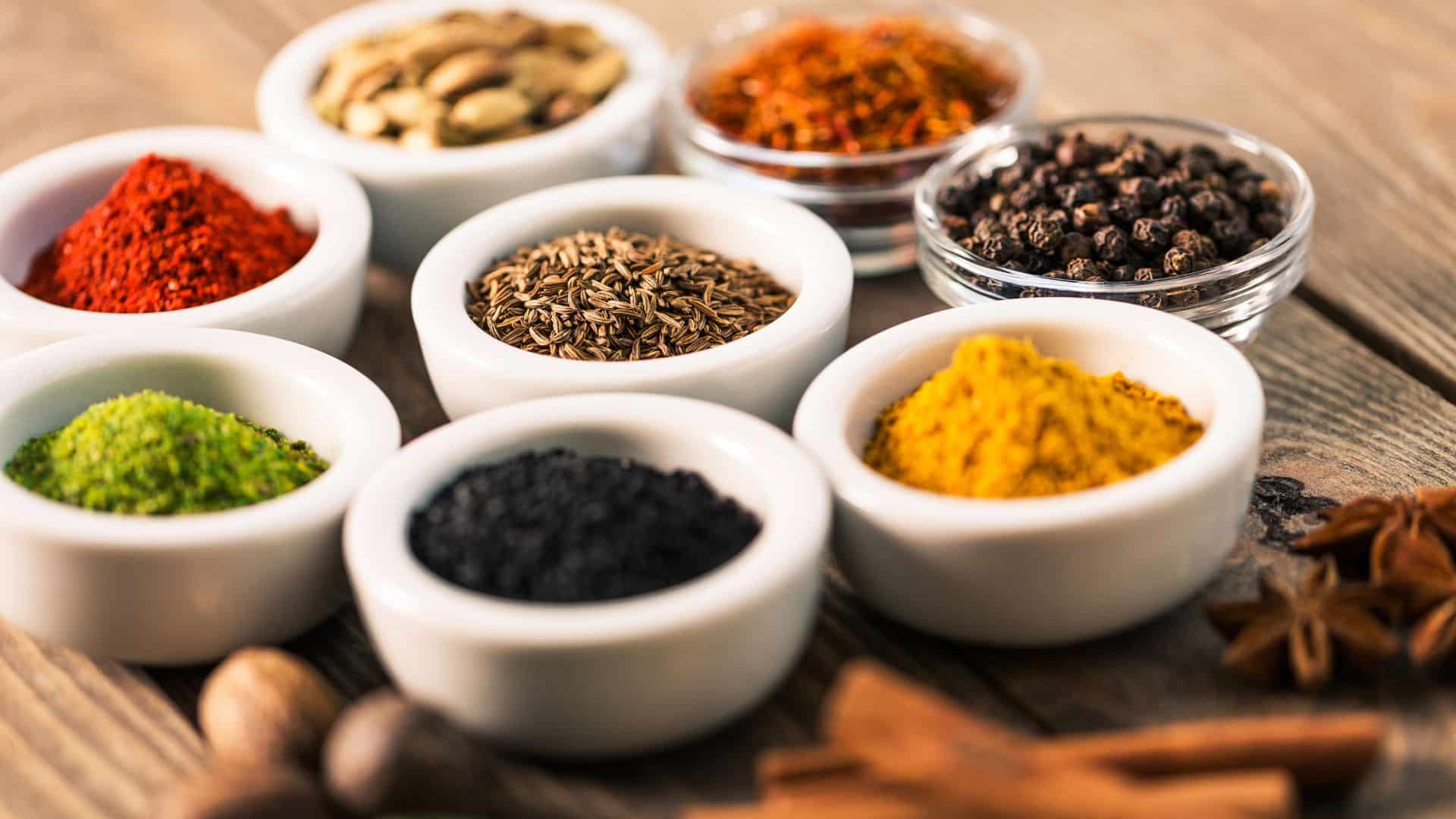
The morning after a big night out, most people reach for ibuprofen and a greasy breakfast. But your spice rack holds something worth considering. Ginger, turmeric, chamomile, cardamom, and a handful of other herbs and spices contain active compounds that target the specific biological processes behind hangover symptoms. Whether you use them on their own or as part of a storied herbal liqueur, spices have a legitimate place in any post-celebration recovery plan.

This guide covers the science behind why spices work, which ones to reach for first, how to use them, and what the legendary herb-packed spirit Fernet Branca has to do with all of it.

Why Hangovers Happen (And Where Spices Come In) Hangover Spices
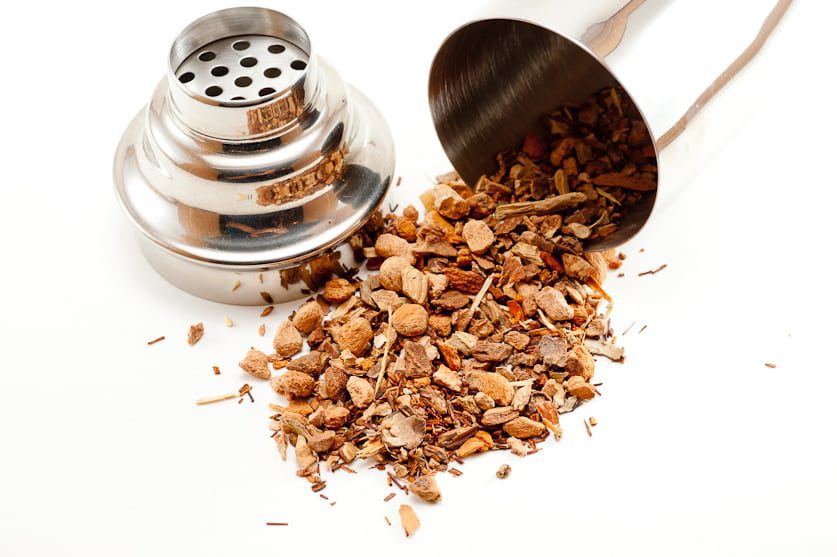
A hangover is not just dehydration. Alcohol triggers at least three overlapping problems in the body. It acts as a diuretic, causing you to lose water and electrolytes faster than you replace them. It also breaks down in the liver into a toxic compound called acetaldehyde, which causes widespread inflammation. On top of that, alcohol irritates the stomach lining directly, leading to nausea, cramping, and that hollow, unsettled feeling.

Dehydration, inflammation, and low blood sugar all contribute to common symptoms like headaches, nausea, and fatigue, and alcohol also irritates the stomach lining and disrupts sleep, making recovery more difficult. Certain herbs and spices address each of these issues specifically, which is exactly why traditional medicine systems around the world developed herbal hangover remedies long before modern pharmacology arrived on the scene.

The 6 Best Hangover Spices in Your Kitchen

1. Ginger: The Nausea Specialist

Ginger is the most immediately useful spice for a hangover, and the science backs it up. The active compounds in ginger root, called gingerols, work directly on the digestive tract to calm nausea and reduce inflammation. Ginger relieves nausea and digestive discomfort, and can also clear up brain fog, fight fatigue, and provide pain relief through its anti-inflammatory and antioxidant properties.

You can steep a few slices of fresh ginger in hot water for a simple tea, add ginger powder to warm broth, or stir it into plain rice for something easy on a sore stomach. Ginger pairs well with a squeeze of lemon and a little honey, which adds some blood sugar support without overloading your system. If you stock dried ginger root in your pantry, a morning tea takes about five minutes to make and starts working quickly.

2. Turmeric: The Anti-Inflammatory Workhorse

Turmeric’s active compound, curcumin, is one of the most studied anti-inflammatory agents in the plant world. Since alcohol triggers systemic inflammation throughout the body, turmeric has an obvious application. Curcumin’s potent anti-inflammatory properties can help reduce alcohol-related inflammation and its related discomforts, and turmeric has been used for centuries in Ayurvedic medicine for this reason.

One practical note: curcumin absorbs much better when paired with black pepper. If you’re making a turmeric tea or golden milk the morning after a big night, add a pinch of black pepper to your mug. Turmeric teams well with aniseed, fennel, and cardamom, botanicals championed by Ayurvedic tradition. You can read more about turmeric’s full range of wellness applications on the Spice Station blog. Best Practices for Storing Spices
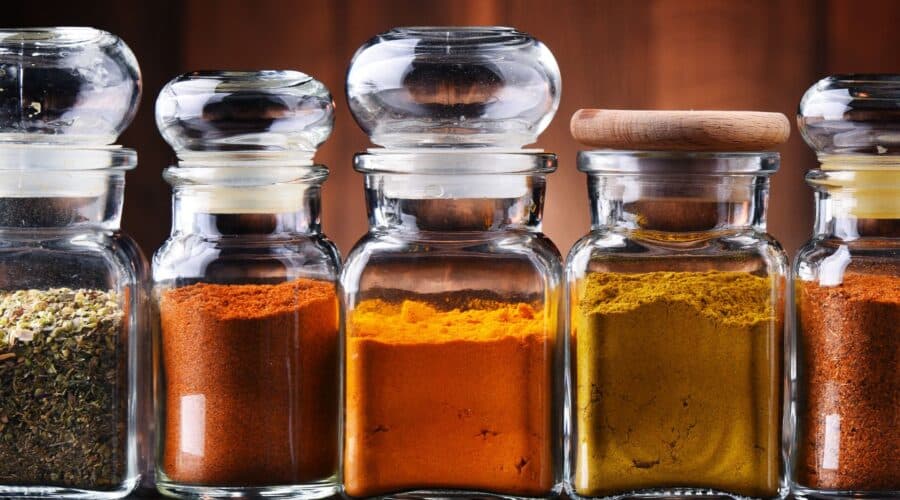
Simple morning turmeric tea:

  • 1 teaspoon turmeric powder
  • 1/4 teaspoon black pepper
  • 1/2 teaspoon ginger powder or 3-4 fresh slices
  • 1 cup hot water or warm oat milk
  • Honey to taste

3. Chamomile: The Calming Herb

Chamomile works on both the nervous system and the digestive tract, which makes it useful for the anxiety, head tension, and stomach upset that often accompany a rough morning. Chamomile contains apigenin, an anti-inflammatory compound that can help provide relief from hangover headaches and muscle aches, and it is also known for its ability to calm the digestive system by relaxing stomach muscles and easing cramps, bloating, and queasiness.

If you didn’t sleep well after drinking, which is common since alcohol disrupts sleep architecture, chamomile tea early in the morning can help settle your nervous system back down. Spice Station carries a selection of herbal teas that include chamomile blends worth keeping on hand for exactly this kind of morning.

4. Cardamom: The Digestive Soother

Cardamom has been used in Ayurvedic and traditional Middle Eastern medicine as a digestive aid for centuries. Its aromatic compounds help stimulate digestive enzymes and ease nausea. As part of a warming spiced tea or golden milk blend, cardamom works alongside ginger and turmeric to address the stomach irritation alcohol leaves behind.

It’s one of the key spices in chai-style blends, which makes a well-spiced masala chai a surprisingly practical hangover drink, especially when made with warming Middle Eastern spices and ginger. The combination of caffeine, digestive spices, and warmth covers several hangover symptoms at once.

5. Saffron: The Mood-Lifting SpiceSaffron is special
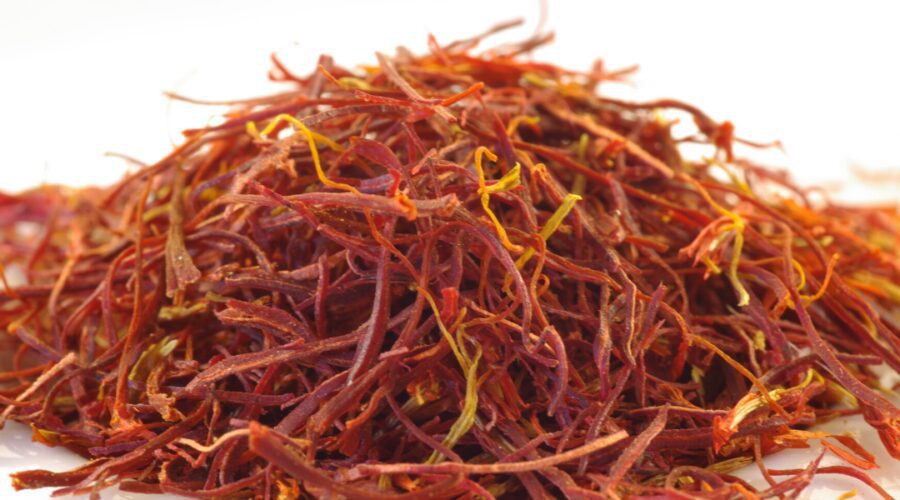
Saffron shows up in the traditional formula for Fernet Branca and other amaro-style digestive bitters for good reason. Beyond its culinary uses, saffron has been studied for its effects on mood regulation. Alcohol depletes serotonin levels the next day, contributing to the classic post-drinking anxiety or low mood many people experience.

Saffron’s active compounds, crocin and safranal, have demonstrated mood-supporting properties in preliminary research. A small pinch steeped in warm water makes a fragrant tea that provides both hydration and some psychological lift. You’ll find quality saffron in Spice Station’s spice collection if your pantry supply has run low.

6. Myrrh and Rhubarb: The Bitter Compounds

These two appear in the Fernet Branca formula and have long histories in traditional medicine. Bitter compounds generally stimulate digestive secretions and liver function, which is exactly what you need when your liver has spent the night processing acetaldehyde. While most home cooks don’t have myrrh in the kitchen, this is where a well-made amaro comes in.

The Fernet Branca Angle: A 180-Year-Old Spice Formula

Fernet Branca is an Italian amaro, a bitter herbal liqueur, that the Branca family first produced in Milan in 1845 as a medicinal preparation. The formula, still kept secret, is known to include myrrh, rhubarb, chamomile, cardamom, aloe, saffron, and a base of grape spirit. These are almost all the same spices that traditional herbalists recommended independently for digestive complaints, inflammation, and liver support.

What makes Fernet interesting from a food science standpoint is the combination of bitter compounds and digestive spices working together. The bitters stimulate liver enzymes and digestive secretions, the cardamom and chamomile calm the stomach, and the saffron provides that faintly mood-lifting quality. The alcohol base is low enough to deliver these compounds without adding significantly to the previous night’s load.

The classic way to drink it: a shot of Fernet over ice in a glass of cola. The Argentinians have been doing this for generations, and the combination of herbs, bitters, caffeine, and sugar hits several hangover targets simultaneously. It tastes like nothing else, which is part of the experience.

Fernet has developed a devoted following in San Francisco in particular, where certain neighborhoods consume it in remarkable quantities. Whatever the cultural explanation, the herbal formula is the real story.

Hangover Spice Teas: Three Recipes Worth Trying

Recovery Ginger Tea cold and flu
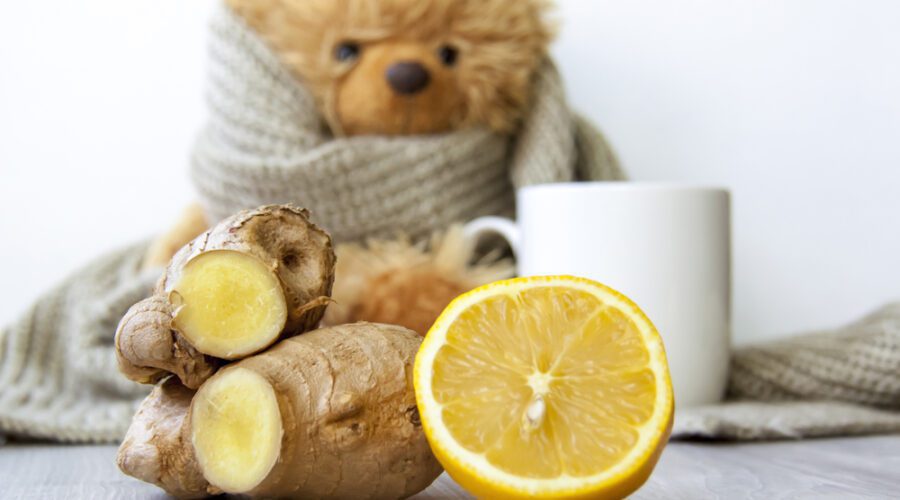
Add 5-6 slices of fresh ginger (or 1 teaspoon dried ginger) to 2 cups of simmering water. Let steep for 10 minutes. Add lemon and honey. Drink slowly with plain crackers or toast. This is the simplest, most accessible hangover tea and works well within 30 minutes for nausea.

Golden Milk Recovery Blend

Warm 1 cup of oat milk (not dairy, which can feel heavy). Add 1 teaspoon turmeric, 1/4 teaspoon black pepper, 1/4 teaspoon cinnamon, 1/4 teaspoon cardamom, and a drizzle of honey. Whisk together and sip slowly. This gives you anti-inflammatory curcumin, digestive cardamom, and the warming comfort of cinnamon all at once. Find quality cinnamon and cardamom at Spice Station for blending your own version.

Chamomile Calm Tea

Steep 2 chamomile tea bags (or a tablespoon of loose chamomile) in just-boiled water for 7 minutes. Add a slice of ginger and a small pinch of cardamom. This works best mid-morning when you need to settle your nervous system and ease stomach discomfort. Pair with something plain to eat.

What Actually Helps vs. What Doesn’t

It’s worth being direct here: no spice or herb cures a hangover. Time, sleep, and hydration are the only true remedies. What herbs and spices do is address specific symptoms while your body handles the underlying chemistry.

Symptom Helpful Spices Why
Nausea Ginger, chamomile, cardamom Digestive anti-spasm compounds
Headache Turmeric, chamomile Anti-inflammatory effects
Stomach pain Ginger, cardamom, fennel Smooth muscle relaxation
Fatigue Cinnamon, black pepper Circulation and mild stimulation
Low mood Saffron Crocin and safranal compounds
Liver support Turmeric, milk thistle tea Supports processing and bile production

The “hair of the dog” approach, drinking more alcohol to manage withdrawal symptoms, delays the inevitable and generally makes the following day worse. The spice-based approach works with your body’s recovery rather than postponing it.

Smart Pantry Prep: The Hangover Spice Kit

If you regularly host gatherings or know that certain holidays tend to produce rough mornings, having a small collection of these spices on hand makes recovery much faster.

A practical recovery pantry includes dried ginger, turmeric, cardamom, chamomile tea, whole black peppercorns for activating curcumin, cinnamon sticks, and a bottle of Fernet for the more committed approach. For storage guidance, check Spice Station’s post on how to keep spices fresh so your recovery kit actually works when you need it.

Spice Station also carries several spice blends that incorporate ginger, turmeric, and warming spices together, which simplifies the morning-after preparation considerably when you’re not at your sharpest.

Frequently Asked Questions

What spices actually help with hangover symptoms?

Ginger, turmeric, chamomile, cardamom, and saffron are the most evidence-supported options. Ginger targets nausea directly through its gingerol compounds. Turmeric’s curcumin reduces the systemic inflammation alcohol causes. Chamomile calms both the digestive system and the nervous system. Cardamom soothes the stomach and aids digestion. Saffron has mood-supporting properties that may help with post-alcohol low mood.

Does ginger really help with nausea after drinking?

Yes, with some caveats. Ginger is one of the best-studied natural remedies for nausea and works by interacting directly with the digestive tract. It doesn’t address the root causes of a hangover, but it reliably helps with the stomach symptoms. A strong ginger tea is usually one of the fastest and most accessible hangover remedies you can make at home.

What is Fernet Branca and why does it help with hangovers?

Fernet Branca is an Italian herbal liqueur made from a secret formula of spices and herbs including chamomile, cardamom, saffron, myrrh, rhubarb, and aloe. It was originally marketed as a medicine in the 1800s. The combination of bitter compounds and digestive spices stimulates liver function and digestive secretions, which helps the body process alcohol’s aftermath more efficiently. The classic Argentine preparation mixes it with cola over ice.

Should I drink turmeric tea before or after drinking?

Both have merit. Taking turmeric before drinking may help reduce inflammation preemptively. Drinking a turmeric-based tea the morning after is more common and practical. Always pair turmeric with black pepper, which increases curcumin absorption by up to 2,000% according to research published in Planta Medica.

Are there spices that make hangovers worse?

Very spicy foods, including chiles, can further irritate an already inflamed stomach lining. Hot sauce on hangover eggs is a personal choice, but go carefully if your stomach is sensitive. Overly acidic foods and drinks can also aggravate stomach irritation.

What’s the fastest spice-based hangover remedy?

Fresh ginger tea, made by steeping sliced ginger in hot water for 5-10 minutes with a little honey, is probably the fastest to make and one of the most reliably effective for nausea. The golden milk blend (turmeric, black pepper, cardamom in warm milk) takes a few more minutes but covers more symptoms simultaneously.

Can chamomile tea help with hangover anxiety?

Yes. Chamomile contains apigenin, which binds to GABA receptors in the brain and has a mild calming effect. Post-drinking anxiety, sometimes called “hangxiety,” is partly the result of your nervous system rebounding from alcohol’s sedative effect. Chamomile tea won’t eliminate this rebound, but it can take the edge off while your system restores balance.

The Bottom Line restricted diet
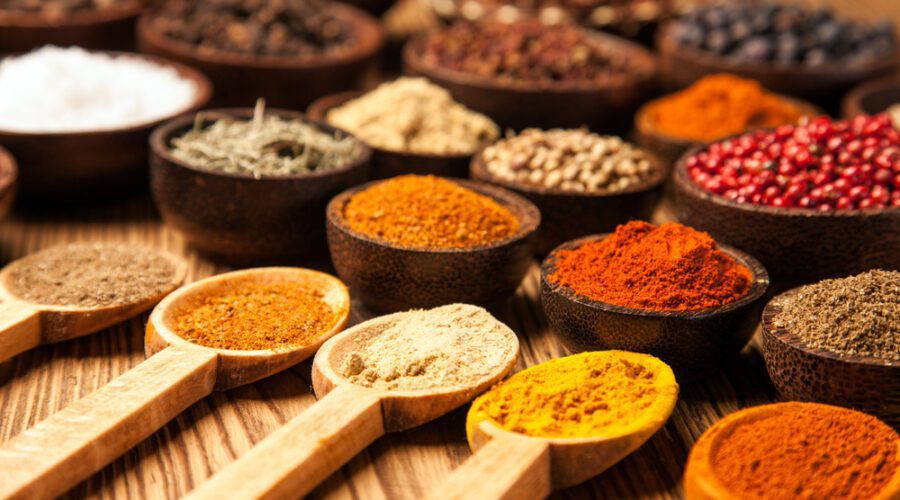
Spices won’t undo a big night, but they can meaningfully improve how you feel the morning after. Ginger, turmeric, chamomile, and cardamom each address specific biological problems caused by alcohol, and they’ve been doing so in traditional medicine systems around the world for centuries. Fernet Branca is essentially a concentrated version of this same idea, packaged in a 180-year-old Italian formula that still works.

Keep a small recovery kit in your pantry. When you need it, you’ll be glad it’s there.

Explore Spice Station’s full collection of herbs and spices and herbal teas to build your own recovery shelf.

Tags: cardamom digestion, chamomile hangover tea, Fernet Branca spices, ginger for hangover, hangover herbs, hangover spices, herbal hangover remedies, spice station silver lake, spices for nausea, turmeric hangover relief
Previous Post
The Complete Guide to Anise: Star Anise vs. Anise Seed — Types, Uses, and Everything You Need to Know
Next Post
African Spices: A Regional Guide to the Flavors of the Continent
Spice Pairing
Spread the love

The morning after a big night out, most people reach for ibuprofen and a greasy breakfast. But your spice rack holds something worth considering. Ginger, turmeric, chamomile, cardamom, and a handful of other herbs and spices contain active compounds that target the specific biological processes behind hangover symptoms. Whether you use them on their own or as part of a storied herbal liqueur, spices have a legitimate place in any post-celebration recovery plan.

This guide covers the science behind why spices work, which ones to reach for first, how to use them, and what the legendary herb-packed spirit Fernet Branca has to do with all of it.

Why Hangovers Happen (And Where Spices Come In) Hangover Spices

A hangover is not just dehydration. Alcohol triggers at least three overlapping problems in the body. It acts as a diuretic, causing you to lose water and electrolytes faster than you replace them. It also breaks down in the liver into a toxic compound called acetaldehyde, which causes widespread inflammation. On top of that, alcohol irritates the stomach lining directly, leading to nausea, cramping, and that hollow, unsettled feeling.

Dehydration, inflammation, and low blood sugar all contribute to common symptoms like headaches, nausea, and fatigue, and alcohol also irritates the stomach lining and disrupts sleep, making recovery more difficult. Certain herbs and spices address each of these issues specifically, which is exactly why traditional medicine systems around the world developed herbal hangover remedies long before modern pharmacology arrived on the scene.

The 6 Best Hangover Spices in Your Kitchen

1. Ginger: The Nausea Specialist

Ginger is the most immediately useful spice for a hangover, and the science backs it up. The active compounds in ginger root, called gingerols, work directly on the digestive tract to calm nausea and reduce inflammation. Ginger relieves nausea and digestive discomfort, and can also clear up brain fog, fight fatigue, and provide pain relief through its anti-inflammatory and antioxidant properties.

You can steep a few slices of fresh ginger in hot water for a simple tea, add ginger powder to warm broth, or stir it into plain rice for something easy on a sore stomach. Ginger pairs well with a squeeze of lemon and a little honey, which adds some blood sugar support without overloading your system. If you stock dried ginger root in your pantry, a morning tea takes about five minutes to make and starts working quickly.

2. Turmeric: The Anti-Inflammatory Workhorse

Turmeric’s active compound, curcumin, is one of the most studied anti-inflammatory agents in the plant world. Since alcohol triggers systemic inflammation throughout the body, turmeric has an obvious application. Curcumin’s potent anti-inflammatory properties can help reduce alcohol-related inflammation and its related discomforts, and turmeric has been used for centuries in Ayurvedic medicine for this reason.

One practical note: curcumin absorbs much better when paired with black pepper. If you’re making a turmeric tea or golden milk the morning after a big night, add a pinch of black pepper to your mug. Turmeric teams well with aniseed, fennel, and cardamom, botanicals championed by Ayurvedic tradition. You can read more about turmeric’s full range of wellness applications on the Spice Station blog. Best Practices for Storing Spices

Simple morning turmeric tea:

  • 1 teaspoon turmeric powder
  • 1/4 teaspoon black pepper
  • 1/2 teaspoon ginger powder or 3-4 fresh slices
  • 1 cup hot water or warm oat milk
  • Honey to taste

3. Chamomile: The Calming Herb

Chamomile works on both the nervous system and the digestive tract, which makes it useful for the anxiety, head tension, and stomach upset that often accompany a rough morning. Chamomile contains apigenin, an anti-inflammatory compound that can help provide relief from hangover headaches and muscle aches, and it is also known for its ability to calm the digestive system by relaxing stomach muscles and easing cramps, bloating, and queasiness.

If you didn’t sleep well after drinking, which is common since alcohol disrupts sleep architecture, chamomile tea early in the morning can help settle your nervous system back down. Spice Station carries a selection of herbal teas that include chamomile blends worth keeping on hand for exactly this kind of morning.

4. Cardamom: The Digestive Soother

Cardamom has been used in Ayurvedic and traditional Middle Eastern medicine as a digestive aid for centuries. Its aromatic compounds help stimulate digestive enzymes and ease nausea. As part of a warming spiced tea or golden milk blend, cardamom works alongside ginger and turmeric to address the stomach irritation alcohol leaves behind.

It’s one of the key spices in chai-style blends, which makes a well-spiced masala chai a surprisingly practical hangover drink, especially when made with warming Middle Eastern spices and ginger. The combination of caffeine, digestive spices, and warmth covers several hangover symptoms at once.

5. Saffron: The Mood-Lifting SpiceSaffron is special

Saffron shows up in the traditional formula for Fernet Branca and other amaro-style digestive bitters for good reason. Beyond its culinary uses, saffron has been studied for its effects on mood regulation. Alcohol depletes serotonin levels the next day, contributing to the classic post-drinking anxiety or low mood many people experience.

Saffron’s active compounds, crocin and safranal, have demonstrated mood-supporting properties in preliminary research. A small pinch steeped in warm water makes a fragrant tea that provides both hydration and some psychological lift. You’ll find quality saffron in Spice Station’s spice collection if your pantry supply has run low.

6. Myrrh and Rhubarb: The Bitter Compounds

These two appear in the Fernet Branca formula and have long histories in traditional medicine. Bitter compounds generally stimulate digestive secretions and liver function, which is exactly what you need when your liver has spent the night processing acetaldehyde. While most home cooks don’t have myrrh in the kitchen, this is where a well-made amaro comes in.

The Fernet Branca Angle: A 180-Year-Old Spice Formula

Fernet Branca is an Italian amaro, a bitter herbal liqueur, that the Branca family first produced in Milan in 1845 as a medicinal preparation. The formula, still kept secret, is known to include myrrh, rhubarb, chamomile, cardamom, aloe, saffron, and a base of grape spirit. These are almost all the same spices that traditional herbalists recommended independently for digestive complaints, inflammation, and liver support.

What makes Fernet interesting from a food science standpoint is the combination of bitter compounds and digestive spices working together. The bitters stimulate liver enzymes and digestive secretions, the cardamom and chamomile calm the stomach, and the saffron provides that faintly mood-lifting quality. The alcohol base is low enough to deliver these compounds without adding significantly to the previous night’s load.

The classic way to drink it: a shot of Fernet over ice in a glass of cola. The Argentinians have been doing this for generations, and the combination of herbs, bitters, caffeine, and sugar hits several hangover targets simultaneously. It tastes like nothing else, which is part of the experience.

Fernet has developed a devoted following in San Francisco in particular, where certain neighborhoods consume it in remarkable quantities. Whatever the cultural explanation, the herbal formula is the real story.

Hangover Spice Teas: Three Recipes Worth Trying

Recovery Ginger Tea cold and flu

Add 5-6 slices of fresh ginger (or 1 teaspoon dried ginger) to 2 cups of simmering water. Let steep for 10 minutes. Add lemon and honey. Drink slowly with plain crackers or toast. This is the simplest, most accessible hangover tea and works well within 30 minutes for nausea.

Golden Milk Recovery Blend

Warm 1 cup of oat milk (not dairy, which can feel heavy). Add 1 teaspoon turmeric, 1/4 teaspoon black pepper, 1/4 teaspoon cinnamon, 1/4 teaspoon cardamom, and a drizzle of honey. Whisk together and sip slowly. This gives you anti-inflammatory curcumin, digestive cardamom, and the warming comfort of cinnamon all at once. Find quality cinnamon and cardamom at Spice Station for blending your own version.

Chamomile Calm Tea

Steep 2 chamomile tea bags (or a tablespoon of loose chamomile) in just-boiled water for 7 minutes. Add a slice of ginger and a small pinch of cardamom. This works best mid-morning when you need to settle your nervous system and ease stomach discomfort. Pair with something plain to eat.

What Actually Helps vs. What Doesn’t

It’s worth being direct here: no spice or herb cures a hangover. Time, sleep, and hydration are the only true remedies. What herbs and spices do is address specific symptoms while your body handles the underlying chemistry.

Symptom Helpful Spices Why
Nausea Ginger, chamomile, cardamom Digestive anti-spasm compounds
Headache Turmeric, chamomile Anti-inflammatory effects
Stomach pain Ginger, cardamom, fennel Smooth muscle relaxation
Fatigue Cinnamon, black pepper Circulation and mild stimulation
Low mood Saffron Crocin and safranal compounds
Liver support Turmeric, milk thistle tea Supports processing and bile production

The “hair of the dog” approach, drinking more alcohol to manage withdrawal symptoms, delays the inevitable and generally makes the following day worse. The spice-based approach works with your body’s recovery rather than postponing it.

Smart Pantry Prep: The Hangover Spice Kit

If you regularly host gatherings or know that certain holidays tend to produce rough mornings, having a small collection of these spices on hand makes recovery much faster.

A practical recovery pantry includes dried ginger, turmeric, cardamom, chamomile tea, whole black peppercorns for activating curcumin, cinnamon sticks, and a bottle of Fernet for the more committed approach. For storage guidance, check Spice Station’s post on how to keep spices fresh so your recovery kit actually works when you need it.

Spice Station also carries several spice blends that incorporate ginger, turmeric, and warming spices together, which simplifies the morning-after preparation considerably when you’re not at your sharpest.

Frequently Asked Questions

What spices actually help with hangover symptoms?

Ginger, turmeric, chamomile, cardamom, and saffron are the most evidence-supported options. Ginger targets nausea directly through its gingerol compounds. Turmeric’s curcumin reduces the systemic inflammation alcohol causes. Chamomile calms both the digestive system and the nervous system. Cardamom soothes the stomach and aids digestion. Saffron has mood-supporting properties that may help with post-alcohol low mood.

Does ginger really help with nausea after drinking?

Yes, with some caveats. Ginger is one of the best-studied natural remedies for nausea and works by interacting directly with the digestive tract. It doesn’t address the root causes of a hangover, but it reliably helps with the stomach symptoms. A strong ginger tea is usually one of the fastest and most accessible hangover remedies you can make at home.

What is Fernet Branca and why does it help with hangovers?

Fernet Branca is an Italian herbal liqueur made from a secret formula of spices and herbs including chamomile, cardamom, saffron, myrrh, rhubarb, and aloe. It was originally marketed as a medicine in the 1800s. The combination of bitter compounds and digestive spices stimulates liver function and digestive secretions, which helps the body process alcohol’s aftermath more efficiently. The classic Argentine preparation mixes it with cola over ice.

Should I drink turmeric tea before or after drinking?

Both have merit. Taking turmeric before drinking may help reduce inflammation preemptively. Drinking a turmeric-based tea the morning after is more common and practical. Always pair turmeric with black pepper, which increases curcumin absorption by up to 2,000% according to research published in Planta Medica.

Are there spices that make hangovers worse?

Very spicy foods, including chiles, can further irritate an already inflamed stomach lining. Hot sauce on hangover eggs is a personal choice, but go carefully if your stomach is sensitive. Overly acidic foods and drinks can also aggravate stomach irritation.

What’s the fastest spice-based hangover remedy?

Fresh ginger tea, made by steeping sliced ginger in hot water for 5-10 minutes with a little honey, is probably the fastest to make and one of the most reliably effective for nausea. The golden milk blend (turmeric, black pepper, cardamom in warm milk) takes a few more minutes but covers more symptoms simultaneously.

Can chamomile tea help with hangover anxiety?

Yes. Chamomile contains apigenin, which binds to GABA receptors in the brain and has a mild calming effect. Post-drinking anxiety, sometimes called “hangxiety,” is partly the result of your nervous system rebounding from alcohol’s sedative effect. Chamomile tea won’t eliminate this rebound, but it can take the edge off while your system restores balance.

The Bottom Line restricted diet

Spices won’t undo a big night, but they can meaningfully improve how you feel the morning after. Ginger, turmeric, chamomile, and cardamom each address specific biological problems caused by alcohol, and they’ve been doing so in traditional medicine systems around the world for centuries. Fernet Branca is essentially a concentrated version of this same idea, packaged in a 180-year-old Italian formula that still works.

Keep a small recovery kit in your pantry. When you need it, you’ll be glad it’s there.

Explore Spice Station’s full collection of herbs and spices and herbal teas to build your own recovery shelf.
Tags: cardamom digestion, chamomile hangover tea, Fernet Branca spices, ginger for hangover, hangover herbs, hangover spices, herbal hangover remedies, spice station silver lake, spices for nausea, turmeric hangover relief
Previous Post
The Complete Guide to Anise: Star Anise vs. Anise Seed — Types, Uses, and Everything You Need to Know
Next Post
African Spices: A Regional Guide to the Flavors of the Continent