The Complete Guide to Anise: Star Anise vs. Anise Seed — Types, Uses, and Everything You Need to Know

Spread the love

Learn the real difference between star anise and anise seed — two completely different spices with similar flavors. This complete guide covers flavor profiles, cooking uses, substitutions, storage, and where to buy quality anise.
HealthType of Dish
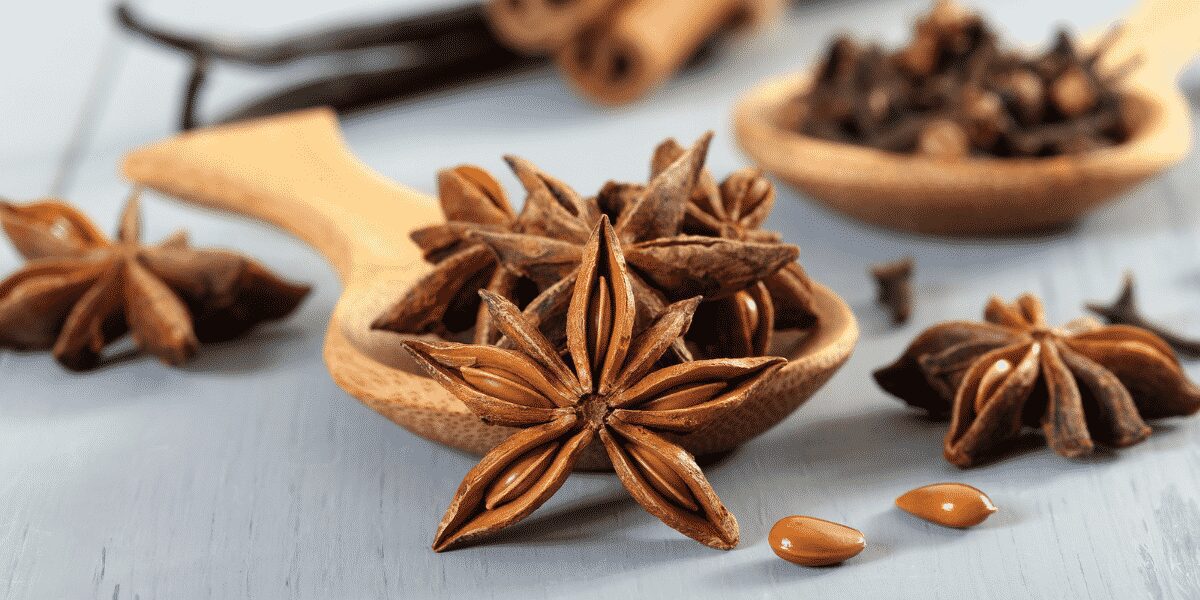
Star anise the beautiful spice
Spread the love

Anise refers to two completely different spices that share a distinct licorice-like flavor: anise seed (Pimpinella anisum), a small grayish-brown seed from a Mediterranean flowering herb, and star anise (Illicium verum), the dried star-shaped fruit of an evergreen tree native to southern China and Vietnam. Despite their similar flavor — both contain the essential oil anethole — they come from entirely different plants, different continents, and have very different culinary applications. Knowing which one to reach for can make a real difference in the kitchen.

This guide covers everything you need to know about both, from botanical origins to cooking techniques, substitution ratios, storage, and where to buy quality versions of each.

What Is Anise? Understanding the Basics Star Anise
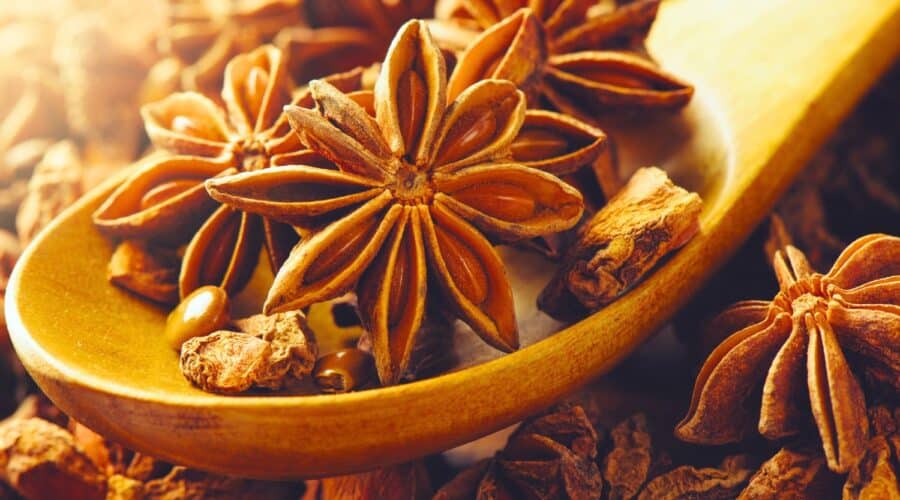
The name “anise” causes confusion because it applies to two botanically unrelated plants that happen to produce a similar aromatic compound. That compound, anethole, is responsible for the sweet, warm, licorice-like aroma both spices share. Beyond that shared characteristic, however, they are quite different in intensity, appearance, and culinary tradition.

Anise has been prized since antiquity. According to research published in the Journal of Ethnopharmacology, anise seed (Pimpinella anisum) has been cultivated in the Mediterranean region for at least 4,000 years, making it one of the oldest known spice crops in human history. Ancient Egyptians, Romans, and Greeks used it both as a flavoring and for its digestive properties. Star anise, meanwhile, has been central to Chinese cooking and traditional medicine for over 3,000 years, eventually spreading westward through trade routes to reach European kitchens.

Both spices earned their place in kitchens worldwide — just very different kitchens, for very different purposes.

Star Anise vs. Anise Seed: Clearing Up the Confusion

This is the question people ask most often: are they the same thing? The short answer is no. Here is a clear breakdown.

Botanical Differences

Star anise (Illicium verum) grows on an evergreen tree in the subtropical forests of southern China and northern Vietnam. The spice is the dried, star-shaped fruit of that tree, harvested just before ripening, then sun-dried until hard and brown. Each point of the star contains a small seed, but the star-shaped pod itself carries most of the flavor.

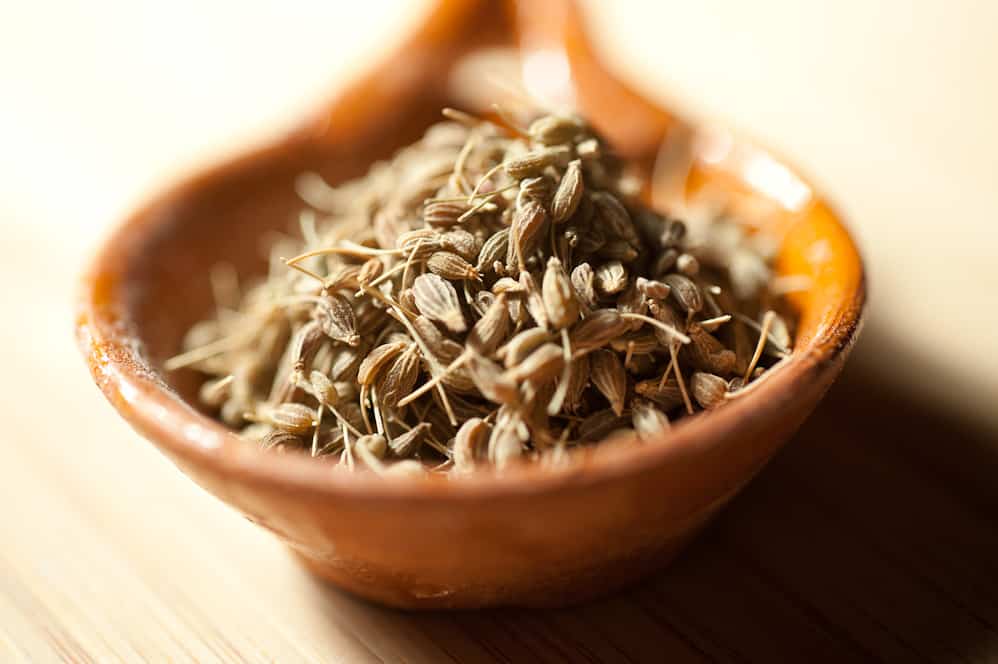
Anise seed (Pimpinella anisum) comes from a flowering herb in the same botanical family as carrot, dill, and fennel. It grows roughly two to three feet tall, produces small white flowers, and is cultivated mainly in Spain, Turkey, Egypt, and Syria. What we call “anise seed” is technically the tiny dried fruit of this plant, oblong and grayish-brown, similar in appearance to fennel seed but smaller.

Both plants produce anethole as their primary aromatic compound, which explains their overlapping flavor. According to research published in Food Chemistry, star anise contains 80–90% anethole by essential oil content, while anise seed ranges from 80–95%. The intensity level differs significantly in practice, though — star anise carries a bolder, more medicinal edge, while anise seed tends toward a softer, sweeter impression.

Flavor Profile Comparison

Anise Seed Star Anise
Origin Mediterranean / Southwest Asia Southern China / Vietnam
Plant Pimpinella anisum (herb) Illicium verum (tree)
Appearance Small, grayish-brown oval seeds Brown star-shaped pods
Flavor Soft, sweet, mildly licorice Bold, warm, intensely aromatic
Common Uses Baking, Italian/Greek/Middle Eastern cuisine Chinese, Vietnamese, Indian cooking
Form Whole seed or ground Whole pods or ground
Intensity Moderate High

When to Use Star Anise

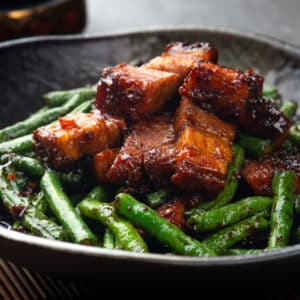
Star anise works best in long-cooked savory dishes where its bold, almost medicinal depth has time to mellow and integrate. Think Vietnamese pho, Chinese red-braised pork belly, duck braises, and mulled wine. It is a cornerstone of Chinese five spice powder, one of the world’s most recognizable spice blends, alongside cinnamon, cloves, Sichuan peppercorns, and fennel seeds.

In Western baking, whole star anise pods appear in poached fruit recipes, spiced syrups, and holiday drinks. Ground star anise finds its way into spiced cookies and cakes, though at smaller quantities than anise seed.

When to Use Anise Seed

Anise seed is the go-to choice in baking traditions that span Southern Europe and the Middle East. Italian biscotti, German springerle cookies, Greek ouzo-flavored pastries, Middle Eastern ka’ak biscuits — anise seed is at the heart of all of them. Its softer sweetness is better suited to delicate doughs, where star anise’s intensity might overwhelm.

Anise seed also goes well in Mediterranean fish dishes, sausage-making (Italian fennel sausage often substitutes or complements it), and in digestive teas and liqueurs like Sambuca and Pernod.

Can You Substitute One for the Other?

Yes, with adjustments. Because star anise is more intense, use roughly half the amount when swapping it for anise seed in a recipe. If a recipe calls for 1 teaspoon of anise seed, use about ½ teaspoon of ground star anise. The flavor will be bolder and slightly different in character, but workable.

For the reverse swap — using anise seed when star anise is called for — double the amount and consider the context. Anise seed won’t provide the same visual appeal of whole star pods in a braise, but ground anise seed can work in a pinch for flavor.

Fennel seed is another reasonable substitute for anise seed at a 1:1 ratio. It shares the anethole base note but skews slightly sweeter and less intense.

Anise Seed: The Mediterranean Spice

What Is Anise Seed and Where Does It Come From?

Anise seed has been cultivated in the Mediterranean and Middle East for millennia. Today, the primary producing countries are Spain, Turkey, Egypt, and Mexico. Spanish anise from Alicante and Turkish anise are particularly prized for their clean, balanced flavor.

The plant grows best in dry, sunny climates with well-drained soil — the same conditions that favor many Mediterranean herbs. It takes about 120 days to reach maturity, and the tiny seeds are harvested by hand or machine when the plants begin to turn brown.

Anise Seed in European Baking

Anise seed has shaped the baking traditions of at least a dozen cultures. In Italy, it is essential in biscotti, pizzelle, and anise-flavored liqueur cakes. In Germany, springerle cookies — those elegant embossed butter cookies — get their distinct flavor entirely from anise seed. In France, anise seed shows up in pain d’anis, a traditional bread from the Burgundy region.

According to the Oxford Companion to Food, anise seed was one of the most widely traded spices in medieval Europe, frequently used to flavor both sweet and savory dishes before sugar became widely affordable and cooks began associating it primarily with sweets.

In Middle Eastern baking, anise seed flavors ka’ak, a hard ring-shaped cookie eaten at Easter and religious celebrations across Lebanon, Syria, and Palestine. These connect directly to ancient Roman anise-flavored cakes that were shared at weddings and celebrations as a digestive.

Anise Seed in Beverages and Savory Cooking

Beyond baking, anise seed flavors some of the world’s most beloved liqueurs. Sambuca (Italy), Pastis (France), Ouzo (Greece), Arak (Lebanon and Syria), and Pernod all derive their signature flavor from anise. The characteristic louche effect — the way these drinks turn milky white when water is added — comes from anethole emulsifying in water.

In savory cooking, anise seed works well with fatty fish like mackerel and salmon, pork sausage, lamb, and root vegetables. It pairs naturally with fennel, dill, tarragon, and citrus zest — flavors in the same aromatic family.

Star Anise: The Chinese Spicechinese five spice blend
What Is Star Anise and Where Does It Come From?

Star anise (Illicium verum) grows on evergreen trees in the subtropical forests of Guangxi province in southern China and in northern Vietnam. The trees take about six years to begin fruiting, but once they do, they produce for up to 100 years, making them a long-term agricultural investment.

China produces roughly 90% of the world’s star anise supply. According to the Food and Agriculture Organization of the United Nations (FAO), global star anise production exceeds 100,000 metric tons annually, with demand driven partly by culinary use and partly by pharmaceutical demand for shikimic acid — a compound in star anise used in the synthesis of the antiviral medication Tamiflu.

Star Anise in Chinese and Southeast Asian Cooking

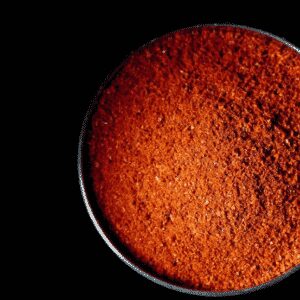
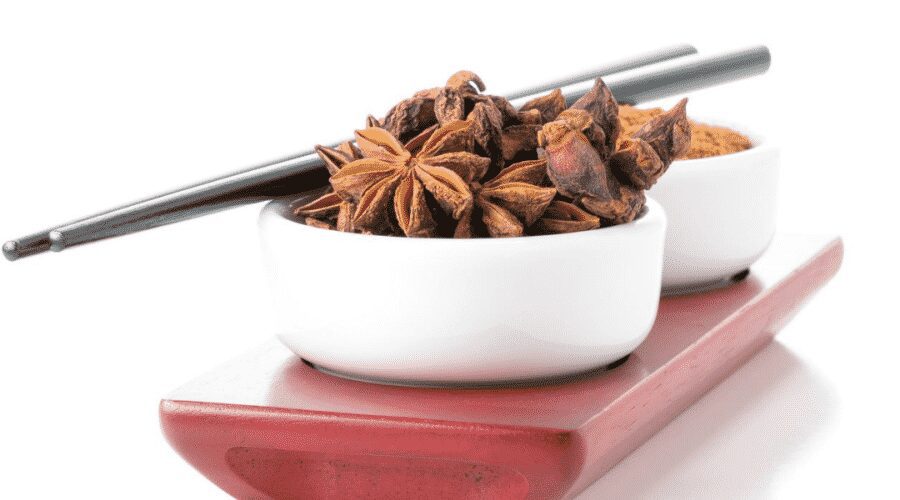
Star anise is irreplaceable in Chinese cuisine. It forms the backbone of Chinese five spice, the blend Peter features at Spice Station that combines star anise with cinnamon, cloves, Sichuan peppercorns, and fennel seeds — a blend designed according to traditional Chinese five-flavor philosophy to balance sweet, sour, bitter, salty, and umami.

In Cantonese cooking, star anise appears in red-braising liquids that flavor pork belly, beef shank, and hard-boiled eggs for hours until the meat becomes deeply aromatic and silky. It shows up in master sauces — concentrated braising bases that are saved and replenished over years, accumulating flavor with every use.

In Vietnamese cooking, star anise is one of the defining spices in pho, the iconic noodle soup. Two or three whole pods go into the broth alongside charred ginger and onion, cinnamon, cloves, and cardamom, simmering for hours to create that unmistakable depth. Without star anise, pho is technically not pho.

Star anise also appears in Indian garam masala, biryani, and some Kerala-style curries, demonstrating how thoroughly this spice has crossed culinary borders over centuries of trade.

Whole vs. Ground Star Anise

Whole star anise pods are ideal for long cooking — braises, stocks, poaching liquids, and mulled drinks — where they slowly release flavor and can be removed before serving. They are visually striking and often used as a garnish.

Ground star anise is best for baked goods, spice blends, and any dish where you want the flavor distributed throughout without the texture of the pod. It loses potency faster once ground, so buy ground star anise in smaller quantities and replenish regularly.

How to Cook with Anise: Practical Applications

Anise in Sweet Dishes

Both forms of anise work beautifully in baking and desserts, though in different ways and different traditions.

For anise seed in baking, the standard ratio is 1 to 2 teaspoons per standard cookie recipe. Anise pairs well with honey, orange zest, almonds, chocolate, and vanilla. Classic applications include:

  • Italian biscotti — twice-baked with a satisfying crunch and gentle licorice sweetness
  • Pfeffernüsse — German spiced Christmas cookies with anise, black pepper, and cinnamon
  • Springerle — embossed butter cookies where anise seed is the dominant flavor
  • Anise sugar — crush seeds with granulated sugar and use to dust pastries

For star anise in desserts, infuse whole pods into cream or custard base before straining — this is how pastry chefs incorporate its flavor without any textural issues. Star anise pairs beautifully with pears, plums, chocolate, cinnamon, and caramel. Spiced poached pears with a whole star anise in the poaching syrup is one of the most elegant and simple desserts you can make.

Peter’s Bakers Gift Set at Spice Station includes several spices that pair naturally with both forms of anise in holiday and everyday baking.

Anise in Savory Dishes

Star anise excels in slow-cooked, fatty meats. Drop two whole pods into a pork shoulder braise alongside soy sauce, ginger, and Shaoxing wine. Add one to a lamb stew with tomatoes and chickpeas for a North African accent. Crack one pod and add to the liquid when cooking octopus or braised short ribs.

Anise seed in savory cooking works best with fish and pork. Rub whole seeds onto salmon before pan-searing. Mix ground anise seed into homemade sausage for an Italian-style flavoring. Add a pinch to roasted carrots or parsnips — the sweetness of the vegetable and the warmth of anise are natural companions.

For all savory applications, start conservatively. You can always add more; you cannot take it back. One whole star anise pod or ½ teaspoon of anise seed is usually sufficient for a dish serving four people.

Anise in Beverages

Star anise shines in hot drinks. Add one pod to mulled wine or apple cider along with cinnamon sticks and cloves. Steep a pod in chai tea for an exotic depth that complements the cardamom and black pepper. It also works beautifully in a simple hot toddy — honey, lemon, whiskey, and a single star anise pod create something genuinely warming on a cold night.

Anise seed is the basis for anise tea, a gentle herbal tisane widely consumed in the Middle East and Mediterranean for its digestive properties. Steep one teaspoon of whole seeds in hot water for eight to ten minutes, strain, and sweeten with honey. It is traditionally offered after heavy meals in Greece, Turkey, and Lebanon.

Health Benefits and Traditional Uses

Both spices have long histories in traditional medicine, and contemporary research supports some of these traditional uses — though always with the caveat that culinary quantities are not the same as medicinal doses, and neither spice should replace medical care.

Digestive support is the most consistent traditional use for both. Anise seed has been used across Mediterranean and Middle Eastern cultures for centuries as a carminative — a substance that relieves gas and bloating. According to a review published in Evidence-Based Complementary and Alternative Medicine, anise seed shows antimicrobial and antifungal activity in laboratory studies.

Star anise’s most significant pharmaceutical connection is shikimic acid, a compound in the pods that serves as a starting material in the synthesis of Tamiflu (oseltamivir), an antiviral medication. This does not mean eating star anise treats influenza, but it does explain the global pharmaceutical demand for the spice. Research also supports star anise as a traditional digestive and its potential antimicrobial properties.

Both spices are rich in antioxidants. According to a 2020 study in Antioxidants journal, phenolic compounds in star anise show significant free-radical scavenging activity in laboratory conditions.

A note on safety: Anise seed in normal culinary quantities is safe for most people. Those who are pregnant should use culinary amounts (small quantities in cooking) rather than concentrated preparations. Star anise sold for culinary use is safe; however, Japanese star anise (Illicium anisatum) is a toxic look-alike — this is why buying from a reputable source matters. Quality retailers source genuine Illicium verum from verified suppliers.

Buying, Storing, and Freshness: Getting the Most from Both Spices

What to Look for When Buying

For star anise: Look for whole, intact pods with all or most of their points intact. Fresh pods should be dark reddish-brown with a noticeable, sweet-spicy aroma. Pale or yellowish pods suggest age. Broken and crumbled pods are acceptable for cooking and are often sold at a lower price — fine for grinding, but not ideal for presentations or whole-pod braises.

For anise seed: Good anise seed should be greenish-brown with a bright, clean licorice aroma. Dull, grayish seeds with a faint smell have lost their potency. The difference between fresh and old anise seed is dramatic in baking — fresh seeds perfume a cookie noticeably, while stale seeds contribute almost nothing.

Buying from a specialty spice retailer rather than a grocery store makes a real difference. Grocery store spices often sit on shelves for months or years. At Spice Station, whole spices and seeds are sourced and rotated for freshness, and you can order in quantities that match actual use.

Whole vs. Ground: Which Form to Buy

Buy whole whenever possible and grind only what you need. Whole star anise pods hold their essential oils far longer than ground star anise — six months to a year in an airtight container versus two to three months for ground. Whole anise seeds similarly outlast their ground counterpart by a significant margin.

For grinding star anise, a dedicated spice grinder or a mortar and pestle works well. The pods grind easily once you break them into pieces. For anise seed, a mortar works for small quantities; a spice grinder handles larger volumes.

Storage Guidelines

As with all spices, heat, light, and air are the enemies of flavor. Store both star anise and anise seed in airtight containers away from the stove, in a cool, dark cupboard or drawer. For more detailed guidance on keeping your spices at peak freshness, Spice Station has a dedicated guide.

Form Storage Life (Peak Flavor)
Whole star anise pods 12–18 months
Ground star anise 2–3 months
Whole anise seed 12–18 months
Ground anise seed 2–3 months

The sniff test is your best guide. If the aroma is faint, the flavor will be too — time to restock.

Unusual Spices That Pair Well with Anise Fall Spice Blend
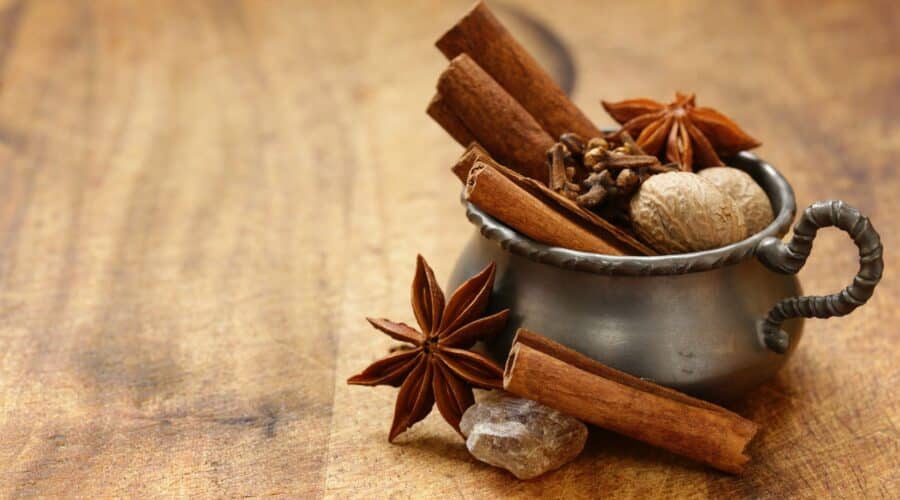
If you like anise, you’re likely drawn to spices in the same aromatic family or that complement its flavor. A few worth exploring:

Fennel seed is the closest flavor relative to anise seed. The two are often used together in Italian sausage and Mediterranean cooking. Fennel brings more sweetness and less of the herbal edge.

Cardamom pairs beautifully with star anise in both chai and savory braises. The citrus-floral notes of cardamom contrast the warm, resinous depth of star anise in a pleasing way.

Cinnamon is one of star anise’s most natural companions — they appear together in Chinese five spice, pho, and countless mulled drink recipes.

Grains of paradise — one of the more unusual spices worth exploring — offer a different kind of warmth that can complement anise in creative spice blends.

Frequently Asked Questions

Is anise the same thing as licorice?

No — though they taste similar. Anise (both anise seed and star anise) contains anethole, the same compound responsible for the flavor of licorice root. True licorice comes from the root of Glycyrrhiza glabra, a different plant entirely. Many “licorice-flavored” candies are actually flavored with anise seed oil rather than actual licorice root.

What does anise taste like?

Both forms taste primarily of warm, sweet licorice with a slightly herbal edge. Anise seed is softer and more delicate. Star anise is bolder, slightly more resinous, with a warming quality that intensifies in cooked dishes. Neither is as intensely sweet as candy licorice — in culinary applications, the flavor is more complex and aromatic.

Is star anise the same as anise seed?

No. They are completely different plants from different parts of the world that happen to share a similar flavor compound (anethole). Star anise is a fruit from a Chinese evergreen tree (Illicium verum); anise seed comes from a Mediterranean herb (Pimpinella anisum). They are used in different culinary traditions and at different intensities.

What can I substitute for anise?

For anise seed: fennel seed at a 1:1 ratio works well. For star anise: Chinese five spice (use sparingly) or anise seed in roughly double the quantity. If neither is available in a baking recipe, caraway seed provides a different but equally interesting flavor in a similar direction.

How do I use whole star anise pods?

Add them whole to liquids — braises, stocks, mulled drinks, poaching syrups — and simmer with the dish. Remove before serving. For a more intense flavor in shorter cooking times, lightly crack the pods with the flat of a knife to expose the seeds inside. Never eat the pods whole.

Where can I buy quality anise?

Specialty spice retailers are your best option. At Spice Station, both star anise and anise seed are sourced for freshness and purity. The difference between fresh specialty-store spices and aging grocery-store versions is immediately noticeable — especially in baking, where anise is often the primary flavor.

Is anise safe for everyone?

In normal culinary quantities, both spices are safe for most people. Those with known sensitivities to plants in the carrot family (which includes anise seed, fennel, dill, and parsley) should exercise caution with anise seed specifically. Pregnant women should stick to small culinary amounts rather than concentrated preparations or supplements. If you have specific health concerns, consult your doctor before using either spice in large quantities.

Can I use anise in drinks?

Yes — both forms work beautifully in beverages. Star anise is excellent in mulled wine, hot cider, chai, and hot toddies. Anise seed makes a gentle herbal tea and is the base flavor for numerous classic liqueurs including Sambuca, Ouzo, Arak, Pastis, and Pernod.

Final Thoughts
Anise and star anise are two of the spice world’s most fascinating cases of convergent evolution — unrelated plants that arrived at similar flavor compounds through entirely different biological pathways, then found their way into entirely different culinary traditions across the globe. Knowing which one you’re working with, and when to use each, opens up a significant range of cooking possibilities.

For baking in the European and Mediterranean tradition: reach for anise seed. For slow-cooked Asian and Middle Eastern dishes, braises, and broths: reach for star anise. Both are worth keeping in your spice collection, and both reward a little experimentation.

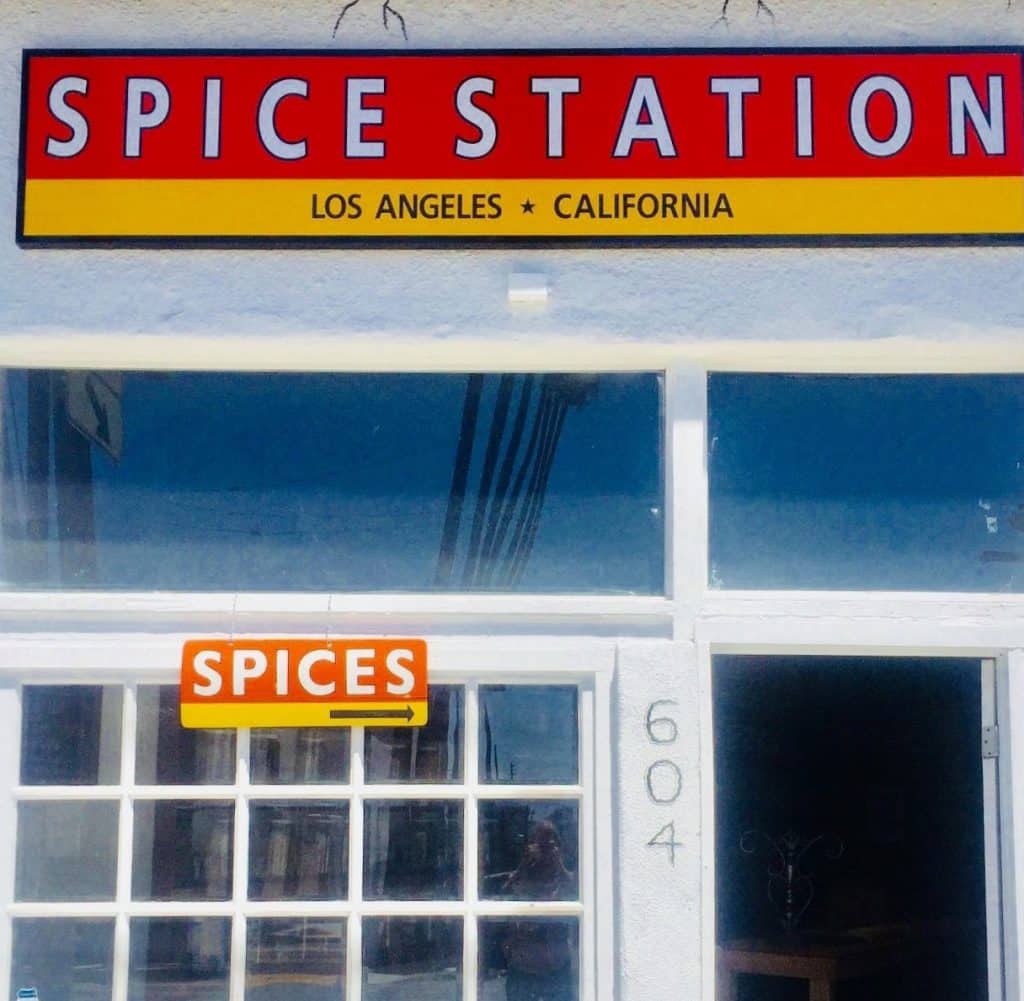
Spice Station carries both in whole and ground forms. Visit the Spice Station shop to pick up fresh star anise pods and anise seed — or explore the full range of spices, herbs, and custom blends that make this Silver Lake institution a go-to resource for home cooks across Los Angeles and beyond.
Tags: 8anise, anise in cooking, anise seed, anise spice, anise substitutes Los Angeles, buy anise online, Chinese Five Spice, how to use star anise, specialty spices Silver Lake, star anise, star anise vs anise seed, what is anise
Previous Post
Spices, Herbs and American Pizza
Next Post
Hangover Spices: What Your Kitchen Cabinet Can Actually Do the Morning After
Star anise the beautiful spice
Spread the love

Anise refers to two completely different spices that share a distinct licorice-like flavor: anise seed (Pimpinella anisum), a small grayish-brown seed from a Mediterranean flowering herb, and star anise (Illicium verum), the dried star-shaped fruit of an evergreen tree native to southern China and Vietnam. Despite their similar flavor — both contain the essential oil anethole — they come from entirely different plants, different continents, and have very different culinary applications. Knowing which one to reach for can make a real difference in the kitchen.

This guide covers everything you need to know about both, from botanical origins to cooking techniques, substitution ratios, storage, and where to buy quality versions of each.

What Is Anise? Understanding the Basics Star Anise

The name “anise” causes confusion because it applies to two botanically unrelated plants that happen to produce a similar aromatic compound. That compound, anethole, is responsible for the sweet, warm, licorice-like aroma both spices share. Beyond that shared characteristic, however, they are quite different in intensity, appearance, and culinary tradition.

Anise has been prized since antiquity. According to research published in the Journal of Ethnopharmacology, anise seed (Pimpinella anisum) has been cultivated in the Mediterranean region for at least 4,000 years, making it one of the oldest known spice crops in human history. Ancient Egyptians, Romans, and Greeks used it both as a flavoring and for its digestive properties. Star anise, meanwhile, has been central to Chinese cooking and traditional medicine for over 3,000 years, eventually spreading westward through trade routes to reach European kitchens.

Both spices earned their place in kitchens worldwide — just very different kitchens, for very different purposes.

Star Anise vs. Anise Seed: Clearing Up the Confusion

This is the question people ask most often: are they the same thing? The short answer is no. Here is a clear breakdown.

Botanical Differences

Star anise (Illicium verum) grows on an evergreen tree in the subtropical forests of southern China and northern Vietnam. The spice is the dried, star-shaped fruit of that tree, harvested just before ripening, then sun-dried until hard and brown. Each point of the star contains a small seed, but the star-shaped pod itself carries most of the flavor.

Anise seed (Pimpinella anisum) comes from a flowering herb in the same botanical family as carrot, dill, and fennel. It grows roughly two to three feet tall, produces small white flowers, and is cultivated mainly in Spain, Turkey, Egypt, and Syria. What we call “anise seed” is technically the tiny dried fruit of this plant, oblong and grayish-brown, similar in appearance to fennel seed but smaller.

Both plants produce anethole as their primary aromatic compound, which explains their overlapping flavor. According to research published in Food Chemistry, star anise contains 80–90% anethole by essential oil content, while anise seed ranges from 80–95%. The intensity level differs significantly in practice, though — star anise carries a bolder, more medicinal edge, while anise seed tends toward a softer, sweeter impression.

Flavor Profile Comparison

Anise Seed Star Anise
Origin Mediterranean / Southwest Asia Southern China / Vietnam
Plant Pimpinella anisum (herb) Illicium verum (tree)
Appearance Small, grayish-brown oval seeds Brown star-shaped pods
Flavor Soft, sweet, mildly licorice Bold, warm, intensely aromatic
Common Uses Baking, Italian/Greek/Middle Eastern cuisine Chinese, Vietnamese, Indian cooking
Form Whole seed or ground Whole pods or ground
Intensity Moderate High

When to Use Star Anise

Star anise works best in long-cooked savory dishes where its bold, almost medicinal depth has time to mellow and integrate. Think Vietnamese pho, Chinese red-braised pork belly, duck braises, and mulled wine. It is a cornerstone of Chinese five spice powder, one of the world’s most recognizable spice blends, alongside cinnamon, cloves, Sichuan peppercorns, and fennel seeds.

In Western baking, whole star anise pods appear in poached fruit recipes, spiced syrups, and holiday drinks. Ground star anise finds its way into spiced cookies and cakes, though at smaller quantities than anise seed.

When to Use Anise Seed

Anise seed is the go-to choice in baking traditions that span Southern Europe and the Middle East. Italian biscotti, German springerle cookies, Greek ouzo-flavored pastries, Middle Eastern ka’ak biscuits — anise seed is at the heart of all of them. Its softer sweetness is better suited to delicate doughs, where star anise’s intensity might overwhelm.

Anise seed also goes well in Mediterranean fish dishes, sausage-making (Italian fennel sausage often substitutes or complements it), and in digestive teas and liqueurs like Sambuca and Pernod.

Can You Substitute One for the Other?

Yes, with adjustments. Because star anise is more intense, use roughly half the amount when swapping it for anise seed in a recipe. If a recipe calls for 1 teaspoon of anise seed, use about ½ teaspoon of ground star anise. The flavor will be bolder and slightly different in character, but workable.

For the reverse swap — using anise seed when star anise is called for — double the amount and consider the context. Anise seed won’t provide the same visual appeal of whole star pods in a braise, but ground anise seed can work in a pinch for flavor.

Fennel seed is another reasonable substitute for anise seed at a 1:1 ratio. It shares the anethole base note but skews slightly sweeter and less intense.

Anise Seed: The Mediterranean Spice

What Is Anise Seed and Where Does It Come From?

Anise seed has been cultivated in the Mediterranean and Middle East for millennia. Today, the primary producing countries are Spain, Turkey, Egypt, and Mexico. Spanish anise from Alicante and Turkish anise are particularly prized for their clean, balanced flavor.

The plant grows best in dry, sunny climates with well-drained soil — the same conditions that favor many Mediterranean herbs. It takes about 120 days to reach maturity, and the tiny seeds are harvested by hand or machine when the plants begin to turn brown.

Anise Seed in European Baking

Anise seed has shaped the baking traditions of at least a dozen cultures. In Italy, it is essential in biscotti, pizzelle, and anise-flavored liqueur cakes. In Germany, springerle cookies — those elegant embossed butter cookies — get their distinct flavor entirely from anise seed. In France, anise seed shows up in pain d’anis, a traditional bread from the Burgundy region.

According to the Oxford Companion to Food, anise seed was one of the most widely traded spices in medieval Europe, frequently used to flavor both sweet and savory dishes before sugar became widely affordable and cooks began associating it primarily with sweets.

In Middle Eastern baking, anise seed flavors ka’ak, a hard ring-shaped cookie eaten at Easter and religious celebrations across Lebanon, Syria, and Palestine. These connect directly to ancient Roman anise-flavored cakes that were shared at weddings and celebrations as a digestive.

Anise Seed in Beverages and Savory Cooking

Beyond baking, anise seed flavors some of the world’s most beloved liqueurs. Sambuca (Italy), Pastis (France), Ouzo (Greece), Arak (Lebanon and Syria), and Pernod all derive their signature flavor from anise. The characteristic louche effect — the way these drinks turn milky white when water is added — comes from anethole emulsifying in water.

In savory cooking, anise seed works well with fatty fish like mackerel and salmon, pork sausage, lamb, and root vegetables. It pairs naturally with fennel, dill, tarragon, and citrus zest — flavors in the same aromatic family.

Star Anise: The Chinese Spicechinese five spice blend

What Is Star Anise and Where Does It Come From?

Star anise (Illicium verum) grows on evergreen trees in the subtropical forests of Guangxi province in southern China and in northern Vietnam. The trees take about six years to begin fruiting, but once they do, they produce for up to 100 years, making them a long-term agricultural investment.

China produces roughly 90% of the world’s star anise supply. According to the Food and Agriculture Organization of the United Nations (FAO), global star anise production exceeds 100,000 metric tons annually, with demand driven partly by culinary use and partly by pharmaceutical demand for shikimic acid — a compound in star anise used in the synthesis of the antiviral medication Tamiflu.

Star Anise in Chinese and Southeast Asian Cooking

Star anise is irreplaceable in Chinese cuisine. It forms the backbone of Chinese five spice, the blend Peter features at Spice Station that combines star anise with cinnamon, cloves, Sichuan peppercorns, and fennel seeds — a blend designed according to traditional Chinese five-flavor philosophy to balance sweet, sour, bitter, salty, and umami.

In Cantonese cooking, star anise appears in red-braising liquids that flavor pork belly, beef shank, and hard-boiled eggs for hours until the meat becomes deeply aromatic and silky. It shows up in master sauces — concentrated braising bases that are saved and replenished over years, accumulating flavor with every use.

In Vietnamese cooking, star anise is one of the defining spices in pho, the iconic noodle soup. Two or three whole pods go into the broth alongside charred ginger and onion, cinnamon, cloves, and cardamom, simmering for hours to create that unmistakable depth. Without star anise, pho is technically not pho.

Star anise also appears in Indian garam masala, biryani, and some Kerala-style curries, demonstrating how thoroughly this spice has crossed culinary borders over centuries of trade.

Whole vs. Ground Star Anise

Whole star anise pods are ideal for long cooking — braises, stocks, poaching liquids, and mulled drinks — where they slowly release flavor and can be removed before serving. They are visually striking and often used as a garnish.

Ground star anise is best for baked goods, spice blends, and any dish where you want the flavor distributed throughout without the texture of the pod. It loses potency faster once ground, so buy ground star anise in smaller quantities and replenish regularly.

How to Cook with Anise: Practical Applications

Anise in Sweet Dishes

Both forms of anise work beautifully in baking and desserts, though in different ways and different traditions.

For anise seed in baking, the standard ratio is 1 to 2 teaspoons per standard cookie recipe. Anise pairs well with honey, orange zest, almonds, chocolate, and vanilla. Classic applications include:

  • Italian biscotti — twice-baked with a satisfying crunch and gentle licorice sweetness
  • Pfeffernüsse — German spiced Christmas cookies with anise, black pepper, and cinnamon
  • Springerle — embossed butter cookies where anise seed is the dominant flavor
  • Anise sugar — crush seeds with granulated sugar and use to dust pastries

For star anise in desserts, infuse whole pods into cream or custard base before straining — this is how pastry chefs incorporate its flavor without any textural issues. Star anise pairs beautifully with pears, plums, chocolate, cinnamon, and caramel. Spiced poached pears with a whole star anise in the poaching syrup is one of the most elegant and simple desserts you can make.

Peter’s Bakers Gift Set at Spice Station includes several spices that pair naturally with both forms of anise in holiday and everyday baking.

Anise in Savory Dishes

Star anise excels in slow-cooked, fatty meats. Drop two whole pods into a pork shoulder braise alongside soy sauce, ginger, and Shaoxing wine. Add one to a lamb stew with tomatoes and chickpeas for a North African accent. Crack one pod and add to the liquid when cooking octopus or braised short ribs.

Anise seed in savory cooking works best with fish and pork. Rub whole seeds onto salmon before pan-searing. Mix ground anise seed into homemade sausage for an Italian-style flavoring. Add a pinch to roasted carrots or parsnips — the sweetness of the vegetable and the warmth of anise are natural companions.

For all savory applications, start conservatively. You can always add more; you cannot take it back. One whole star anise pod or ½ teaspoon of anise seed is usually sufficient for a dish serving four people.

Anise in Beverages

Star anise shines in hot drinks. Add one pod to mulled wine or apple cider along with cinnamon sticks and cloves. Steep a pod in chai tea for an exotic depth that complements the cardamom and black pepper. It also works beautifully in a simple hot toddy — honey, lemon, whiskey, and a single star anise pod create something genuinely warming on a cold night.

Anise seed is the basis for anise tea, a gentle herbal tisane widely consumed in the Middle East and Mediterranean for its digestive properties. Steep one teaspoon of whole seeds in hot water for eight to ten minutes, strain, and sweeten with honey. It is traditionally offered after heavy meals in Greece, Turkey, and Lebanon.

Health Benefits and Traditional Uses

Both spices have long histories in traditional medicine, and contemporary research supports some of these traditional uses — though always with the caveat that culinary quantities are not the same as medicinal doses, and neither spice should replace medical care.

Digestive support is the most consistent traditional use for both. Anise seed has been used across Mediterranean and Middle Eastern cultures for centuries as a carminative — a substance that relieves gas and bloating. According to a review published in Evidence-Based Complementary and Alternative Medicine, anise seed shows antimicrobial and antifungal activity in laboratory studies.

Star anise’s most significant pharmaceutical connection is shikimic acid, a compound in the pods that serves as a starting material in the synthesis of Tamiflu (oseltamivir), an antiviral medication. This does not mean eating star anise treats influenza, but it does explain the global pharmaceutical demand for the spice. Research also supports star anise as a traditional digestive and its potential antimicrobial properties.

Both spices are rich in antioxidants. According to a 2020 study in Antioxidants journal, phenolic compounds in star anise show significant free-radical scavenging activity in laboratory conditions.

A note on safety: Anise seed in normal culinary quantities is safe for most people. Those who are pregnant should use culinary amounts (small quantities in cooking) rather than concentrated preparations. Star anise sold for culinary use is safe; however, Japanese star anise (Illicium anisatum) is a toxic look-alike — this is why buying from a reputable source matters. Quality retailers source genuine Illicium verum from verified suppliers.

Buying, Storing, and Freshness: Getting the Most from Both Spices

What to Look for When Buying

For star anise: Look for whole, intact pods with all or most of their points intact. Fresh pods should be dark reddish-brown with a noticeable, sweet-spicy aroma. Pale or yellowish pods suggest age. Broken and crumbled pods are acceptable for cooking and are often sold at a lower price — fine for grinding, but not ideal for presentations or whole-pod braises.

For anise seed: Good anise seed should be greenish-brown with a bright, clean licorice aroma. Dull, grayish seeds with a faint smell have lost their potency. The difference between fresh and old anise seed is dramatic in baking — fresh seeds perfume a cookie noticeably, while stale seeds contribute almost nothing.

Buying from a specialty spice retailer rather than a grocery store makes a real difference. Grocery store spices often sit on shelves for months or years. At Spice Station, whole spices and seeds are sourced and rotated for freshness, and you can order in quantities that match actual use.

Whole vs. Ground: Which Form to Buy

Buy whole whenever possible and grind only what you need. Whole star anise pods hold their essential oils far longer than ground star anise — six months to a year in an airtight container versus two to three months for ground. Whole anise seeds similarly outlast their ground counterpart by a significant margin.

For grinding star anise, a dedicated spice grinder or a mortar and pestle works well. The pods grind easily once you break them into pieces. For anise seed, a mortar works for small quantities; a spice grinder handles larger volumes.

Storage Guidelines

As with all spices, heat, light, and air are the enemies of flavor. Store both star anise and anise seed in airtight containers away from the stove, in a cool, dark cupboard or drawer. For more detailed guidance on keeping your spices at peak freshness, Spice Station has a dedicated guide.

Form Storage Life (Peak Flavor)
Whole star anise pods 12–18 months
Ground star anise 2–3 months
Whole anise seed 12–18 months
Ground anise seed 2–3 months

The sniff test is your best guide. If the aroma is faint, the flavor will be too — time to restock.

Unusual Spices That Pair Well with Anise Fall Spice Blend

If you like anise, you’re likely drawn to spices in the same aromatic family or that complement its flavor. A few worth exploring:

Fennel seed is the closest flavor relative to anise seed. The two are often used together in Italian sausage and Mediterranean cooking. Fennel brings more sweetness and less of the herbal edge.

Cardamom pairs beautifully with star anise in both chai and savory braises. The citrus-floral notes of cardamom contrast the warm, resinous depth of star anise in a pleasing way.

Cinnamon is one of star anise’s most natural companions — they appear together in Chinese five spice, pho, and countless mulled drink recipes.

Grains of paradise — one of the more unusual spices worth exploring — offer a different kind of warmth that can complement anise in creative spice blends.

Frequently Asked Questions

Is anise the same thing as licorice?

No — though they taste similar. Anise (both anise seed and star anise) contains anethole, the same compound responsible for the flavor of licorice root. True licorice comes from the root of Glycyrrhiza glabra, a different plant entirely. Many “licorice-flavored” candies are actually flavored with anise seed oil rather than actual licorice root.

What does anise taste like?

Both forms taste primarily of warm, sweet licorice with a slightly herbal edge. Anise seed is softer and more delicate. Star anise is bolder, slightly more resinous, with a warming quality that intensifies in cooked dishes. Neither is as intensely sweet as candy licorice — in culinary applications, the flavor is more complex and aromatic.

Is star anise the same as anise seed?

No. They are completely different plants from different parts of the world that happen to share a similar flavor compound (anethole). Star anise is a fruit from a Chinese evergreen tree (Illicium verum); anise seed comes from a Mediterranean herb (Pimpinella anisum). They are used in different culinary traditions and at different intensities.

What can I substitute for anise?

For anise seed: fennel seed at a 1:1 ratio works well. For star anise: Chinese five spice (use sparingly) or anise seed in roughly double the quantity. If neither is available in a baking recipe, caraway seed provides a different but equally interesting flavor in a similar direction.

How do I use whole star anise pods?

Add them whole to liquids — braises, stocks, mulled drinks, poaching syrups — and simmer with the dish. Remove before serving. For a more intense flavor in shorter cooking times, lightly crack the pods with the flat of a knife to expose the seeds inside. Never eat the pods whole.

Where can I buy quality anise?

Specialty spice retailers are your best option. At Spice Station, both star anise and anise seed are sourced for freshness and purity. The difference between fresh specialty-store spices and aging grocery-store versions is immediately noticeable — especially in baking, where anise is often the primary flavor.

Is anise safe for everyone?

In normal culinary quantities, both spices are safe for most people. Those with known sensitivities to plants in the carrot family (which includes anise seed, fennel, dill, and parsley) should exercise caution with anise seed specifically. Pregnant women should stick to small culinary amounts rather than concentrated preparations or supplements. If you have specific health concerns, consult your doctor before using either spice in large quantities.

Can I use anise in drinks?

Yes — both forms work beautifully in beverages. Star anise is excellent in mulled wine, hot cider, chai, and hot toddies. Anise seed makes a gentle herbal tea and is the base flavor for numerous classic liqueurs including Sambuca, Ouzo, Arak, Pastis, and Pernod.

Final Thoughts

Anise and star anise are two of the spice world’s most fascinating cases of convergent evolution — unrelated plants that arrived at similar flavor compounds through entirely different biological pathways, then found their way into entirely different culinary traditions across the globe. Knowing which one you’re working with, and when to use each, opens up a significant range of cooking possibilities.

For baking in the European and Mediterranean tradition: reach for anise seed. For slow-cooked Asian and Middle Eastern dishes, braises, and broths: reach for star anise. Both are worth keeping in your spice collection, and both reward a little experimentation.

Spice Station carries both in whole and ground forms. Visit the Spice Station shop to pick up fresh star anise pods and anise seed — or explore the full range of spices, herbs, and custom blends that make this Silver Lake institution a go-to resource for home cooks across Los Angeles and beyond.
Tags: 8anise, anise in cooking, anise seed, anise spice, anise substitutes Los Angeles, buy anise online, Chinese Five Spice, how to use star anise, specialty spices Silver Lake, star anise, star anise vs anise seed, what is anise
Previous Post
Winter Spices: A Complete Guide to Using Holiday Spices All Year Long
Next Post
Hangover Spices: What Your Kitchen Cabinet Can Actually Do the Morning After