Turmeric Health Benefits That Make This Golden Spice Essential
Spread the love
turmeric health benefits

Key Takeaways

Turmeric offers powerful anti-inflammatory compounds, digestive support, and antioxidant properties that have made it a cornerstone of traditional medicine for over 4,000 years.

  • Curcumin, turmeric’s active compound, provides potent anti-inflammatory effects
  • Golden milk and curry dishes maximize turmeric’s bioavailability when paired with black pepper
  • Fresh turmeric root and high-quality powder offer different flavor profiles and benefits
  • Traditional Ayurvedic and Chinese medicine have long recognized turmeric’s healing properties
  • Daily culinary use provides a delicious way to incorporate this healthful spice

The Golden Spice That Built Civilizations

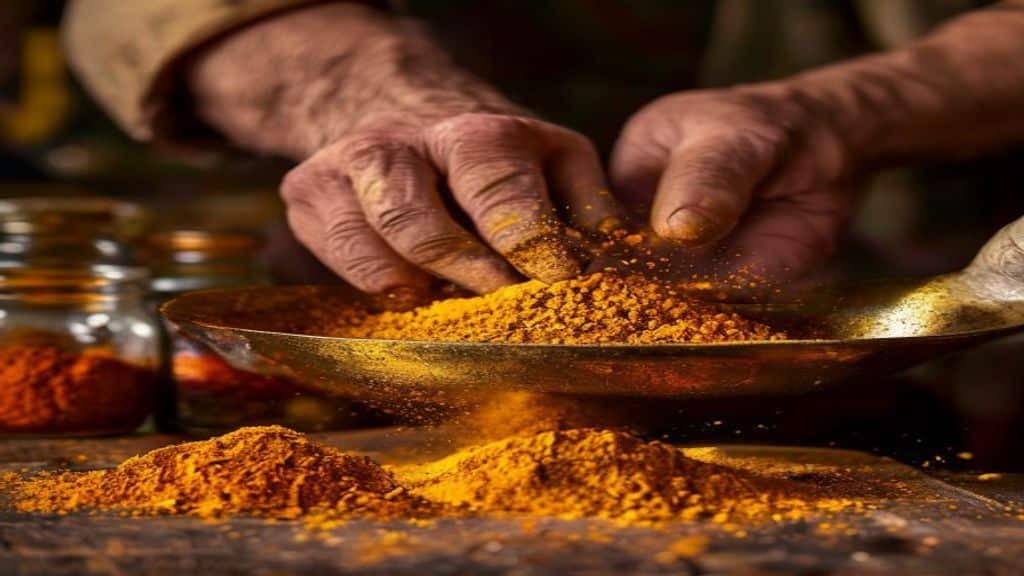
Walk through any spice market in India, and you’ll see mountains of golden turmeric powder glowing like captured sunlight. This rhizome, scientifically known as Curcuma longa, has colored curries, stained fingers, and supported human health for millennia. What makes turmeric extraordinary isn’t just its earthy, slightly bitter flavor with hints of ginger and orange—it’s the remarkable compound called curcumin that gives turmeric both its vibrant hue and its health-supporting properties. Ancient healers in India and China understood something profound about this root long before modern science caught up. They wove turmeric into daily cooking not just for taste, but for the vitality it brought to their communities.
turmeric health benefits

Anti-Inflammatory Power in Every Golden Grain

Curcumin, which comprises about 2-8% of most turmeric, acts as nature’s own anti-inflammatory agent. According to the National Center for Complementary and Integrative Health, curcumin may help reduce inflammation markers in the body. This matters because chronic inflammation underlies many modern health concerns. Traditional Indian cooking wisdom pairs turmeric with black pepper in nearly every curry—and science now shows why this combination works so beautifully. Piperine, the compound that makes black pepper sharp, increases curcumin absorption by up to 2000%. When you toast whole turmeric with freshly cracked black pepper before grinding, you’re not just building flavor layers—you’re creating a synergy that maximizes the spice’s beneficial properties.

How Curcumin Works in Your Body

Research published in the Journal of Medicinal Food demonstrates that curcumin inhibits several inflammatory pathways at the cellular level. Unlike synthetic anti-inflammatory compounds, curcumin works gently and naturally. The key lies in regular consumption rather than massive doses. A daily teaspoon of quality turmeric powder in your cooking provides a steady supply of these beneficial compounds. Fresh turmeric root, with its bright orange flesh and intensely aromatic oils, offers an even more potent experience—though it requires careful handling since those golden stains are nearly permanent.

Digestive Wellness Through Ancient Wisdom

Traditional Ayurvedic medicine considers turmeric a digestive fire enhancer, and modern research supports this ancient understanding. According to studies from the University of Maryland Medical Center, turmeric stimulates bile production, which aids in breaking down dietary fats. This explains why turmeric appears in so many rich, fatty dishes across South and Southeast Asian cuisines. That golden dal simmering with ghee and turmeric isn’t just comfort food—it’s digestive medicine disguised as dinner. The warming quality of turmeric also explains its presence in traditional digestive teas and the famous golden milk that has become popular in wellness circles worldwide.

Supporting Your Daily Digestion

Incorporating turmeric into your daily routine doesn’t require dramatic lifestyle changes. A pinch in your morning scrambled eggs, a teaspoon stirred into rice while cooking, or a dash in your evening soup all provide digestive benefits. The key is consistency rather than intensity. Many people find that starting their day with warm water, a teaspoon of turmeric, a crack of black pepper, and a squeeze of lemon creates a gentle digestive wake-up call that sets the tone for comfortable eating throughout the day.

Antioxidant Protection from Kitchen to Body

Beyond its anti-inflammatory properties, turmeric functions as a powerful antioxidant. Research from Tufts University shows that curcumin neutralizes free radicals while simultaneously boosting the body’s own antioxidant enzymes. This dual action makes turmeric particularly valuable in our modern world of environmental stressors. The same compounds that keep turmeric’s color vibrant and prevent it from going rancid work similarly in your body, protecting cells from oxidative damage. This is why properly stored, high-quality turmeric maintains its potency—those antioxidant compounds are remarkably stable when kept away from light and moisture.

Choosing and Using Quality Turmeric

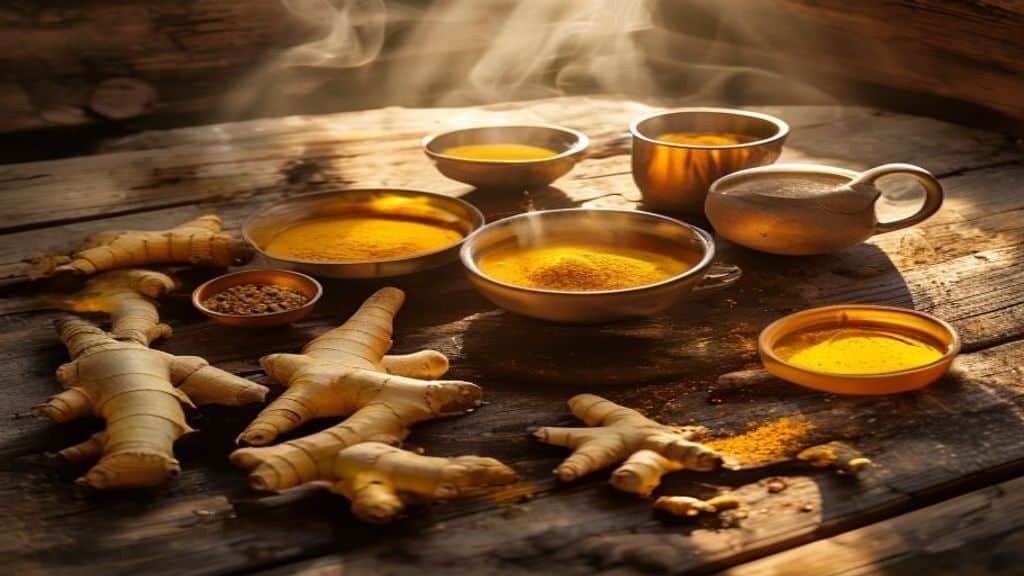
Not all turmeric delivers equal benefits. Look for powder with a deep golden color and a fresh, earthy aroma. Avoid turmeric that smells musty or appears dull yellow—these are signs of age or poor storage. Fresh turmeric root, when available, should feel firm and heavy, with smooth skin and a bright orange interior. Store powder in airtight containers away from heat and light. Fresh root keeps in the refrigerator for several weeks when wrapped in paper towels inside a plastic bag.

Traditional Preparations That Maximize Benefits

Golden milk represents perhaps the most famous traditional turmeric preparation outside of curry. This warming beverage combines turmeric with milk (dairy or plant-based), black pepper, ginger, and often cinnamon and cardamom. According to Ayurvedic principles, consuming this mixture before bed supports both digestion and restful sleep. The fat in milk helps dissolve curcumin, while the warming spices create synergy that enhances absorption. Many traditional recipes call for briefly cooking the spices in ghee or oil before adding milk—this step activates the compounds and creates a richer, more therapeutic drink.

Beyond Golden Milk

Turmeric paste, made by simmering turmeric powder with water and a pinch of black pepper until thick, serves as a versatile base for many traditional preparations. This paste keeps in the refrigerator for a week and can be stirred into soups, mixed into marinades, or simply taken by the spoonful. Traditional healing systems often combine turmeric paste with raw honey for throat comfort or mix it with warm oil for external applications. These time-tested methods remind us that turmeric’s benefits extend far beyond what we can measure in laboratories.

Frequently Asked Questions

How much turmeric should I consume daily for health benefits?

Traditional culinary use suggests 1-3 grams daily, roughly equivalent to a teaspoon of powder. Start with smaller amounts and increase gradually, as some people experience stomach sensitivity with large doses. Regular moderate use provides better long-term benefits than occasional large amounts.

Does cooking destroy turmeric’s beneficial compounds?

Brief cooking actually enhances curcumin availability by breaking down plant cell walls. However, prolonged high heat can degrade some compounds. Adding turmeric toward the end of cooking or using gentle heat preserves maximum potency while still providing the flavor benefits.

Why do some recipes recommend combining turmeric with black pepper?

Piperine in black pepper dramatically increases curcumin absorption by inhibiting enzymes that break it down in the liver. Even a small pinch of black pepper can increase bioavailability by up to 2000%, making the combination far more effective than turmeric alone.

Can I use fresh turmeric root instead of powder?

Fresh root offers more volatile oils and a brighter flavor, though it contains lower concentrations of curcumin than quality powder. Use about three times as much fresh root as powder in recipes. Grate it finely or blend it into smoothies for best results.

Are there any foods that enhance turmeric absorption?

Fats like coconut oil, ghee, or olive oil help dissolve curcumin for better absorption. Warming spices like ginger and black pepper create synergistic effects. Traditional preparations often combine all these elements for maximum benefit.

How should I store turmeric to preserve its potency?

Keep powder in airtight containers away from light, heat, and moisture. Properly stored turmeric maintains potency for 2-3 years. Fresh root should be refrigerated and used within a few weeks. Avoid storing near the stove or in direct sunlight.

What’s the difference between turmeric and curcumin supplements?

Whole turmeric contains many beneficial compounds beyond curcumin, including volatile oils and other curcuminoids. Food-based turmeric provides a complete profile of nutrients, while supplements isolate specific compounds. Traditional food use offers a gentler, more balanced approach.

Can turmeric stain my teeth or kitchen surfaces?

Yes, turmeric stains almost everything it touches. Use wooden or stainless steel utensils, clean spills immediately, and consider drinking turmeric beverages through a straw. The staining indicates the presence of active compounds, so embrace it as a sign of quality.

Transform Your Daily Cooking with Golden Wellness

Every time you reach for turmeric, you’re connecting with thousands of years of culinary wisdom that understood food as medicine. Whether you’re stirring it into morning rice, blending golden milk for evening comfort, or building the base for a fragrant curry, you’re participating in a tradition that spans continents and centuries. The beautiful thing about turmeric’s health benefits is that they come wrapped in some of the world’s most delicious flavors. You don’t need to choose between wellness and taste—turmeric delivers both with every golden spoonful. Shop the Collection


Leave a Reply

Your email address will not be published. Required fields are marked *

Fill out this field
Fill out this field
Please enter a valid email address.

Related Articles

Spread the love
turmeric health benefits

Key Takeaways

Turmeric offers powerful anti-inflammatory compounds, digestive support, and antioxidant properties that have made it a cornerstone of traditional medicine for over 4,000 years.

  • Curcumin, turmeric’s active compound, provides potent anti-inflammatory effects
  • Golden milk and curry dishes maximize turmeric’s bioavailability when paired with black pepper
  • Fresh turmeric root and high-quality powder offer different flavor profiles and benefits
  • Traditional Ayurvedic and Chinese medicine have long recognized turmeric’s healing properties
  • Daily culinary use provides a delicious way to incorporate this healthful spice

The Golden Spice That Built Civilizations

Walk through any spice market in India, and you’ll see mountains of golden turmeric powder glowing like captured sunlight. This rhizome, scientifically known as Curcuma longa, has colored curries, stained fingers, and supported human health for millennia. What makes turmeric extraordinary isn’t just its earthy, slightly bitter flavor with hints of ginger and orange—it’s the remarkable compound called curcumin that gives turmeric both its vibrant hue and its health-supporting properties. Ancient healers in India and China understood something profound about this root long before modern science caught up. They wove turmeric into daily cooking not just for taste, but for the vitality it brought to their communities.

turmeric health benefits

Anti-Inflammatory Power in Every Golden Grain

Curcumin, which comprises about 2-8% of most turmeric, acts as nature’s own anti-inflammatory agent. According to the National Center for Complementary and Integrative Health, curcumin may help reduce inflammation markers in the body. This matters because chronic inflammation underlies many modern health concerns. Traditional Indian cooking wisdom pairs turmeric with black pepper in nearly every curry—and science now shows why this combination works so beautifully. Piperine, the compound that makes black pepper sharp, increases curcumin absorption by up to 2000%. When you toast whole turmeric with freshly cracked black pepper before grinding, you’re not just building flavor layers—you’re creating a synergy that maximizes the spice’s beneficial properties.

How Curcumin Works in Your Body

Research published in the Journal of Medicinal Food demonstrates that curcumin inhibits several inflammatory pathways at the cellular level. Unlike synthetic anti-inflammatory compounds, curcumin works gently and naturally. The key lies in regular consumption rather than massive doses. A daily teaspoon of quality turmeric powder in your cooking provides a steady supply of these beneficial compounds. Fresh turmeric root, with its bright orange flesh and intensely aromatic oils, offers an even more potent experience—though it requires careful handling since those golden stains are nearly permanent.

Digestive Wellness Through Ancient Wisdom

Traditional Ayurvedic medicine considers turmeric a digestive fire enhancer, and modern research supports this ancient understanding. According to studies from the University of Maryland Medical Center, turmeric stimulates bile production, which aids in breaking down dietary fats. This explains why turmeric appears in so many rich, fatty dishes across South and Southeast Asian cuisines. That golden dal simmering with ghee and turmeric isn’t just comfort food—it’s digestive medicine disguised as dinner. The warming quality of turmeric also explains its presence in traditional digestive teas and the famous golden milk that has become popular in wellness circles worldwide.

Supporting Your Daily Digestion

Incorporating turmeric into your daily routine doesn’t require dramatic lifestyle changes. A pinch in your morning scrambled eggs, a teaspoon stirred into rice while cooking, or a dash in your evening soup all provide digestive benefits. The key is consistency rather than intensity. Many people find that starting their day with warm water, a teaspoon of turmeric, a crack of black pepper, and a squeeze of lemon creates a gentle digestive wake-up call that sets the tone for comfortable eating throughout the day.

Antioxidant Protection from Kitchen to Body

Beyond its anti-inflammatory properties, turmeric functions as a powerful antioxidant. Research from Tufts University shows that curcumin neutralizes free radicals while simultaneously boosting the body’s own antioxidant enzymes. This dual action makes turmeric particularly valuable in our modern world of environmental stressors. The same compounds that keep turmeric’s color vibrant and prevent it from going rancid work similarly in your body, protecting cells from oxidative damage. This is why properly stored, high-quality turmeric maintains its potency—those antioxidant compounds are remarkably stable when kept away from light and moisture.

Choosing and Using Quality Turmeric

Not all turmeric delivers equal benefits. Look for powder with a deep golden color and a fresh, earthy aroma. Avoid turmeric that smells musty or appears dull yellow—these are signs of age or poor storage. Fresh turmeric root, when available, should feel firm and heavy, with smooth skin and a bright orange interior. Store powder in airtight containers away from heat and light. Fresh root keeps in the refrigerator for several weeks when wrapped in paper towels inside a plastic bag.

Traditional Preparations That Maximize Benefits

Golden milk represents perhaps the most famous traditional turmeric preparation outside of curry. This warming beverage combines turmeric with milk (dairy or plant-based), black pepper, ginger, and often cinnamon and cardamom. According to Ayurvedic principles, consuming this mixture before bed supports both digestion and restful sleep. The fat in milk helps dissolve curcumin, while the warming spices create synergy that enhances absorption. Many traditional recipes call for briefly cooking the spices in ghee or oil before adding milk—this step activates the compounds and creates a richer, more therapeutic drink.

Beyond Golden Milk

Turmeric paste, made by simmering turmeric powder with water and a pinch of black pepper until thick, serves as a versatile base for many traditional preparations. This paste keeps in the refrigerator for a week and can be stirred into soups, mixed into marinades, or simply taken by the spoonful. Traditional healing systems often combine turmeric paste with raw honey for throat comfort or mix it with warm oil for external applications. These time-tested methods remind us that turmeric’s benefits extend far beyond what we can measure in laboratories.

Frequently Asked Questions

How much turmeric should I consume daily for health benefits?

Traditional culinary use suggests 1-3 grams daily, roughly equivalent to a teaspoon of powder. Start with smaller amounts and increase gradually, as some people experience stomach sensitivity with large doses. Regular moderate use provides better long-term benefits than occasional large amounts.

Does cooking destroy turmeric’s beneficial compounds?

Brief cooking actually enhances curcumin availability by breaking down plant cell walls. However, prolonged high heat can degrade some compounds. Adding turmeric toward the end of cooking or using gentle heat preserves maximum potency while still providing the flavor benefits.

Why do some recipes recommend combining turmeric with black pepper?

Piperine in black pepper dramatically increases curcumin absorption by inhibiting enzymes that break it down in the liver. Even a small pinch of black pepper can increase bioavailability by up to 2000%, making the combination far more effective than turmeric alone.

Can I use fresh turmeric root instead of powder?

Fresh root offers more volatile oils and a brighter flavor, though it contains lower concentrations of curcumin than quality powder. Use about three times as much fresh root as powder in recipes. Grate it finely or blend it into smoothies for best results.

Are there any foods that enhance turmeric absorption?

Fats like coconut oil, ghee, or olive oil help dissolve curcumin for better absorption. Warming spices like ginger and black pepper create synergistic effects. Traditional preparations often combine all these elements for maximum benefit.

How should I store turmeric to preserve its potency?

Keep powder in airtight containers away from light, heat, and moisture. Properly stored turmeric maintains potency for 2-3 years. Fresh root should be refrigerated and used within a few weeks. Avoid storing near the stove or in direct sunlight.

What’s the difference between turmeric and curcumin supplements?

Whole turmeric contains many beneficial compounds beyond curcumin, including volatile oils and other curcuminoids. Food-based turmeric provides a complete profile of nutrients, while supplements isolate specific compounds. Traditional food use offers a gentler, more balanced approach.

Can turmeric stain my teeth or kitchen surfaces?

Yes, turmeric stains almost everything it touches. Use wooden or stainless steel utensils, clean spills immediately, and consider drinking turmeric beverages through a straw. The staining indicates the presence of active compounds, so embrace it as a sign of quality.

Transform Your Daily Cooking with Golden Wellness

Every time you reach for turmeric, you’re connecting with thousands of years of culinary wisdom that understood food as medicine. Whether you’re stirring it into morning rice, blending golden milk for evening comfort, or building the base for a fragrant curry, you’re participating in a tradition that spans continents and centuries. The beautiful thing about turmeric’s health benefits is that they come wrapped in some of the world’s most delicious flavors. You don’t need to choose between wellness and taste—turmeric delivers both with every golden spoonful. Shop the Collection

Previous Post
Aleppo Pepper: The Ultimate Guide to the Mediterranean’s Most Versatile Chile

Leave a Reply

Your email address will not be published. Required fields are marked *

Fill out this field
Fill out this field
Please enter a valid email address.

Related Articles