Middle Eastern Spice Blends: The Complete Guide to the Region’s Essential Seasonings
The complete guide to Middle Eastern spice blends including za’atar, baharat, ras el hanout, sumac, dukkah, harissa, and advieh what’s in each, where it comes from, and how to cook with it.
Middle Eastern Spice Blends: Essential Seasonings Guide
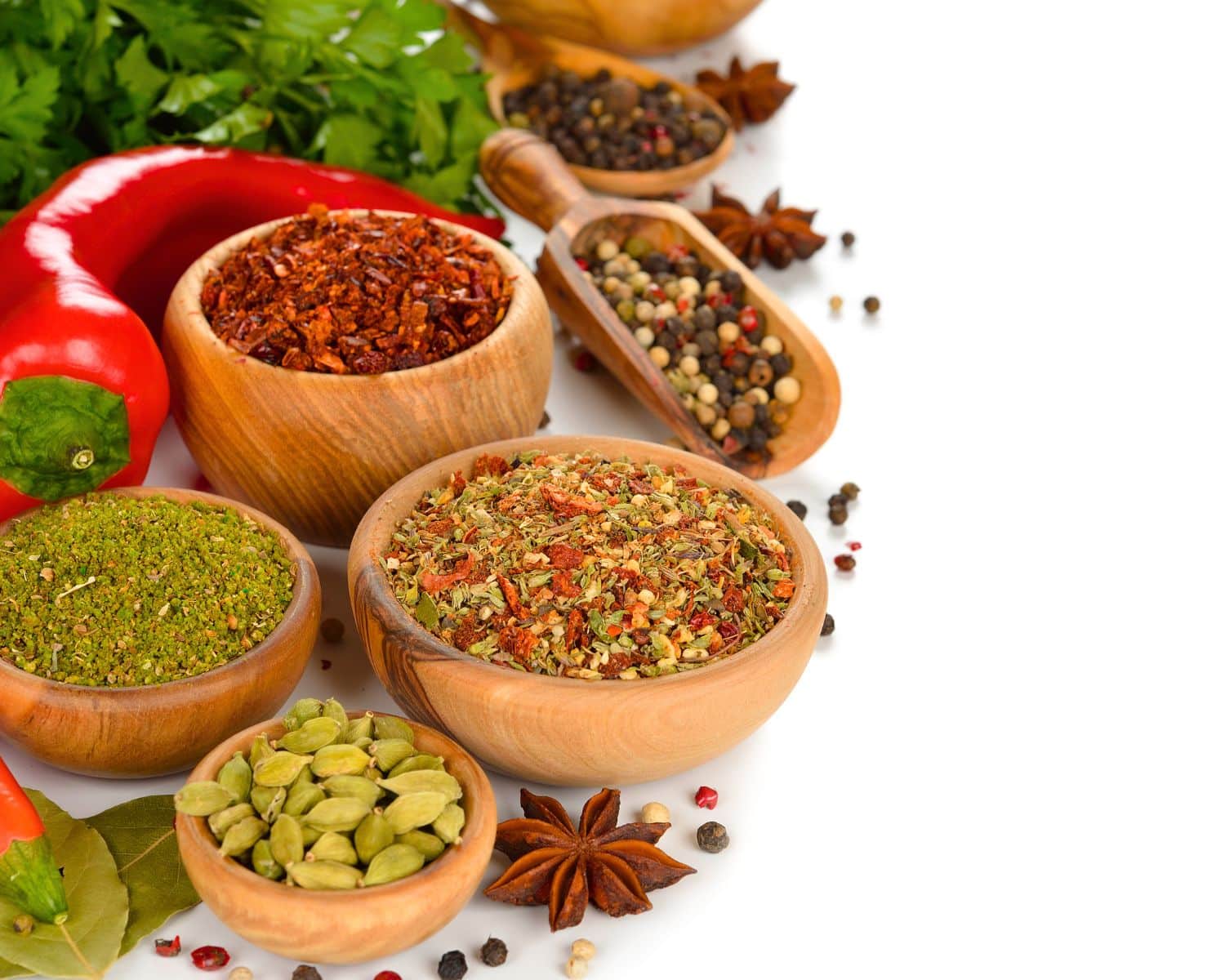
Middle Eastern cooking is built on spice blends. Not single spices used in isolation, but carefully constructed combinations that have evolved over centuries into something greater than their individual parts. Za’atar balances dried herbs with sesame and sumac into a blend that works on flatbread, chicken, and yogurt with equal ease. Baharat brings together seven warm spices into the aromatic foundation of kebabs and rice dishes across a dozen countries. Ras el hanout might contain anywhere from ten to thirty ingredients, tuned to the hand of whoever mixed it.
These blends are not interchangeable, and they’re not random. Each one represents a distinct culinary tradition rooted in a specific geography and culture. According to a 2023 report by Mintel on global flavor trends, Middle Eastern spice profiles saw the highest rate of menu adoption growth of any global cuisine category in the United States for the second consecutive year, driven in part by consumer interest in complex, layered seasoning. Learning to use these blends well is one of the most efficient ways to expand your cooking range.
This guide covers the essential Middle Eastern spice blends, what’s in them, where they come from, and exactly how to use each one in your kitchen.
What Makes Middle Eastern Spice Blends Distinctive?
Middle Eastern spice blends share a foundational approach: they prioritize warmth and aromatic complexity over heat. While chiles and pepper are present in some blends, they’re rarely the dominant note. The flavor architecture leans instead on warm spices like cumin, coriander, cinnamon, and allspice, brightened by tart elements like sumac and dried citrus, earthed by herbs, and deepened by roasted seeds.
This approach reflects the region’s position at the center of ancient spice trade routes. For thousands of years, the Middle East was the crossroads where Indian, African, and Mediterranean spices met and were combined by cooks who had access to an extraordinary range of ingredients. The blends that emerged from that confluence are among the most sophisticated in the world.
According to ethnobotanist Gary Paul Nabhan’s research on Middle Eastern food history, the spice trade through the Levant dates back at least 4,000 years, with archaeological evidence of cumin, coriander, and cinnamon use across the region from Egypt to Mesopotamia. The spice blends in use today carry that history forward in their ingredient lists. For a broader view of how these spices traveled the globe and shaped culinary traditions across continents, Spice Station’s exploration of world spice traditions provides useful context.
Za’atar: The Herb and Sesame Blend of the Levant
Za’atar is the most widely used spice blend across the Levant, appearing in Palestinian, Lebanese, Syrian, Jordanian, and Israeli cooking in slightly different forms but with a consistent character. The blend combines dried thyme (or a related wild herb also called za’atar in Arabic), toasted sesame seeds, sumac, and salt. Some regional versions add dried oregano, marjoram, or cumin.
The word “za’atar” refers simultaneously to the herb (a wild thyme native to the Levant) and to the blend made from it, which creates some confusion. When you see za’atar on a product label at a spice shop, you’re almost certainly looking at the blend rather than the single herb.
Flavor Profile and What It Tastes Like
Za’atar is earthy, nutty, and tart. The dried herbs provide a herbal backbone, the sesame seeds add richness and subtle bitterness, and the sumac provides a bright, lemony acidity that lifts the whole blend. There’s no heat. The overall effect is savory and complex without being aggressive.
How to Use Za’atar
The classic application is the za’atar manouche: mix the blend generously with olive oil to form a paste, spread it on flatbread, and bake or grill until fragrant. This is breakfast food across the Levant and makes a compelling case for za’atar as a pantry staple. Beyond flatbread, za’atar works beautifully in these applications:
- Stirred into labneh or Greek yogurt as a dip or spread
- Rubbed over chicken thighs before roasting
- Mixed into olive oil as a dressing for roasted vegetables
- Sprinkled over hummus, avocado, or eggs as a finishing spice
- Folded into butter for bread or corn on the cob
Spice Station has published a detailed guide covering 15 ways to cook with za’atar that goes deep on applications for both classic and creative uses. If za’atar is new to your kitchen, that’s the best place to start.
Baharat: The Seven-Spice Foundation Blend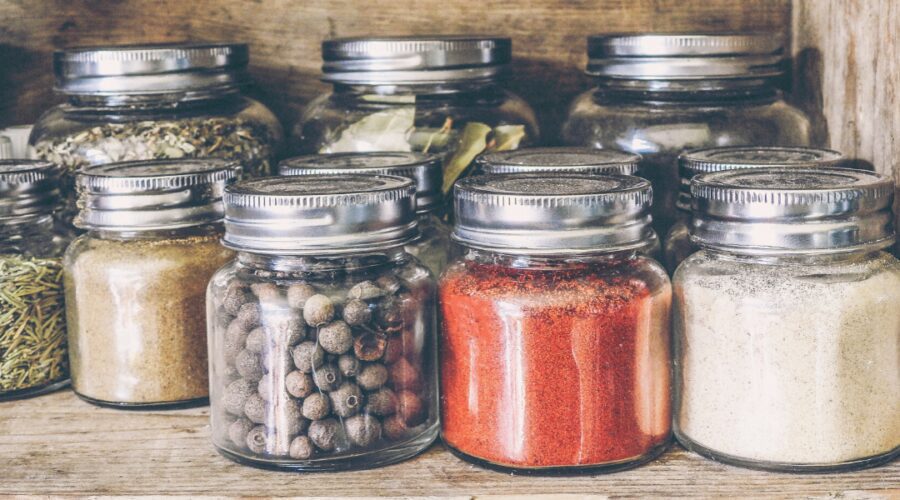
Baharat is Arabic for “spices,” and the name says everything about how central this blend is to Middle Eastern cooking. It’s the go-to all-purpose seasoning blend used across Turkey, Lebanon, Syria, Iraq, and the Gulf states, with regional variations that reflect each area’s culinary preferences.
The classic composition typically includes black pepper, coriander, cumin, cinnamon, cloves, nutmeg, and paprika or allspice, though the exact ratio and specific inclusions vary. Turkish baharat tends toward more allspice and black pepper. Lebanese baharat often includes more cinnamon. Gulf versions may add dried lime (loomi) or rose petals.
Flavor Profile and What It Tastes Like
Baharat is warm, earthy, and aromatic with a slightly sweet undertone from the cinnamon and allspice. It has depth rather than sharpness. The heat is mild and comes from black pepper rather than chiles. The overall effect is complex and savory in a way that’s difficult to replicate by adding single spices separately.
How to Use Baharat
In its home territory, baharat is the seasoning for ground meat dishes (kofta, kebabs, meatballs), rice pilafs, and slow-cooked lamb and chicken stews. It goes into the meat before cooking and into the braising liquid during cooking, layering flavor at multiple stages. Outside of traditional applications, it works extremely well in these uses:
- Mixed into ground lamb or beef for burgers or meatballs
- Stirred into tomato-based sauces for pasta or braised vegetables
- Used as a dry rub for chicken, lamb chops, or whole fish before roasting
- Added to lentil soups with a pinch of cinnamon for depth
- Mixed into rice with butter before adding liquid
Dosage guidance: baharat is potent. One to two teaspoons per pound of protein is a good starting point. In soups and stews, start with one teaspoon per four servings and adjust. A little goes further than you’d expect given how rounded the flavor is.
Ras el Hanout: Morocco’s Complex King of Blends
Ras el hanout translates from Arabic as “top of the shop,” referring to the best spices a merchant had to offer. It’s the most complex spice blend in North African cooking, containing anywhere from 10 to 30 ingredients depending on the maker, and it represents the pinnacle of the spice blender’s art.
A typical ras el hanout includes cumin, coriander, cinnamon, ginger, turmeric, black pepper, allspice, cloves, nutmeg, cardamom, and rose petals or buds. More elaborate versions add dried lavender, mace, dried galangal, orris root, Monk’s pepper, and other esoteric ingredients. No two recipes are exactly alike, and the best versions are blended by hand by someone who has spent years learning the proportions.
Flavor Profile and What It Tastes Like
Ras el hanout is warm, fragrant, and floral. The spices blend into something that feels rounded and balanced rather than dominated by any single note. The rose petals, if present, add a subtle floral quality that’s unmistakable and sets it apart from every other spice blend. The heat is mild. The complexity is extraordinary.
How to Use Ras el Hanout
Ras el hanout is the defining seasoning of Moroccan tagines, the slow-cooked stews made in cone-shaped clay vessels. It goes into lamb with prunes and almonds, chicken with preserved lemon and olives, vegetable tagines with chickpeas, and couscous dishes across North Africa. Beyond traditional applications: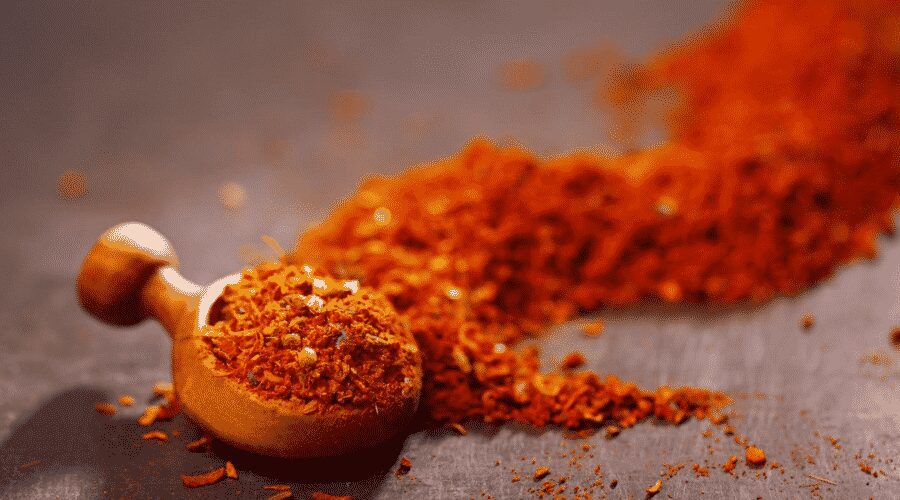
- Rubbed over whole chicken or leg of lamb before roasting
- Stirred into couscous with golden raisins and toasted almonds
- Mixed into a marinade for grilled shrimp or fish
- Stirred into yogurt-based sauces for dipping
- Added to roasted carrots or sweet potatoes with honey and olive oil
The floral character of good ras el hanout makes it surprisingly effective in dessert and baking applications as well, particularly in spiced cookies and honey cakes where a warm, aromatic note is wanted.
Sumac: The Tart, Fruity Finishing Spice
Sumac occupies a unique position in the Middle Eastern spice pantry. It’s not a blend but a single spice that functions like a blend through its complexity. Ground from the dried berries of Rhus coriaria, a shrub native to the Levant and parts of the Mediterranean, sumac delivers a bright, fruity acidity that acts as a souring agent in cooking.
In terms of flavor function, sumac does what lemon juice does, but drier, fruitier, and with more dimension. Its tart, berry-like quality adds lift and brightness to dishes the way acid always does, but without adding liquid and with additional aromatic complexity that lemon doesn’t provide.
How to Use Sumac
Sumac shines as a finishing spice. It goes on after cooking rather than into the heat, preserving its bright character. Classic applications include:
- Generous dusting over hummus and labneh
- Sprinkled over fattoush salad and tabbouleh
- Finished over grilled or roasted chicken and lamb
- Mixed with onion as a topping for shawarma and wraps
- Stirred into vinaigrettes for Middle Eastern-inspired salads
Sumac is also a key ingredient in both za’atar and dukkah, connecting it structurally to the broader Middle Eastern spice blend tradition. Spice Station’s post on unusual and hard-to-find spices including sumac covers its flavor profile and uses in more depth if you want to understand what makes it unlike any other souring ingredient.
Dukkah: The Egyptian Nut and Spice Mixture
Dukkah (also spelled duqqa) is an Egyptian blend that occupies an unusual category: it’s somewhere between a spice blend and a condiment. The base is toasted nuts, typically hazelnuts, almonds, or peanuts, ground coarsely with toasted sesame seeds, cumin, coriander, and salt. The result has a crumbly, slightly oily texture unlike any other spice blend.
The name comes from the Arabic word for “to pound,” reflecting the traditional preparation method of grinding the ingredients in a mortar. In Egypt, dukkah is eaten for breakfast: good olive oil in a shallow dish, bread torn and dipped in the oil, then pressed into the dukkah to pick up the nut and spice mixture.
How to Use Dukkah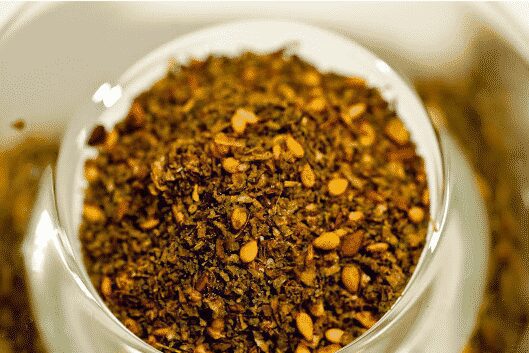
The bread-and-oil method is the starting point, but dukkah has broader uses:
- Pressed into goat cheese or labneh rolled into a log as a crust
- Sprinkled over roasted vegetables, particularly cauliflower and carrots
- Scattered over avocado or eggs on toast
- Used as a crust for fish or chicken before pan-searing
- Stirred into pasta with olive oil and Parmesan for a North African twist
Because of its nut content, dukkah has a shorter shelf life than most spice blends and should be stored in the refrigerator once opened. The oils in the nuts go rancid more quickly than dried spice compounds. Proper storage of high-oil spice products is especially important for dukkah.
Chermoula: The Herb-and-Spice Paste of North Africa
Chermoula is a Moroccan and North African spice paste rather than a dry blend, combining fresh herbs (cilantro and parsley) with garlic, cumin, paprika, preserved lemon, and olive oil. It functions more like a marinade and sauce than a dry seasoning, and it’s one of the most versatile preparations in North African cooking.
In Morocco, chermoula is primarily used for fish and seafood. The herb-spice combination complements the delicate flavor of white fish and shrimp without overwhelming them. It works both as a marinade applied before cooking and as a sauce served alongside the finished dish.
How to Use Chermoula
- Marinate fish fillets for 30 minutes before grilling or baking
- Toss with shrimp before skewering and grilling
- Use as a sauce for grilled chicken or lamb
- Stir through roasted vegetables, particularly carrots and potatoes
- Serve as a dip alongside flatbread
Because chermoula contains fresh herbs and olive oil, it’s best made fresh or consumed within a few days of preparation. Spice Station carries the dry components, particularly cumin, paprika, and preserved lemon, needed to build a chermoula paste at home.
Advieh: Persian Rice and Stew Spice Blend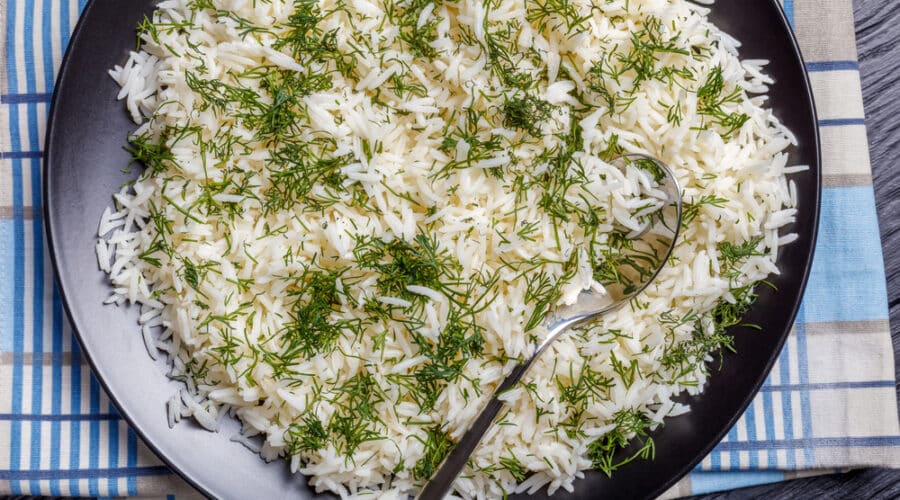
Advieh is the Persian counterpart to baharat, the spice blend used to season rice dishes and meat stews in Iranian cooking. The composition differs from its Levantine relatives in a way that reflects Persia’s distinct culinary tradition: advieh typically includes cinnamon, cardamom, cumin, rose petals, dried lime (limu omani), and sometimes nutmeg or turmeric.
The inclusion of rose petals and dried lime sets advieh apart from every other Middle Eastern blend. These additions give it a floral, citrusy character that works particularly well in Persian rice dishes like jeweled rice (morasa polo) and herb rice (sabzi polo). The dried lime brings a distinct sourness with earthy, slightly fermented overtones that are immediately recognizable in Persian cooking.
How to Use Advieh
- Stirred into butter before adding basmati rice for cooking
- Mixed into lamb or chicken marinades
- Added to lentil soup or bean stew in the last 10 minutes of cooking
- Combined with saffron in Persian-style rice dishes
- Used in Persian meatball (koofteh) preparations
Understanding how advieh relates to Persian saffron and barberry-based cooking connects it to the broader Persian spice tradition covered in Spice Station’s content on Persian spice traditions and cooking. For vegan cooking specifically, advieh opens up an entirely new register of flavor for grain and legume dishes.
Harissa: The North African Chile Paste
Harissa is the heat in North African cooking. A paste rather than a dry blend, it combines dried red chiles with garlic, caraway, cumin, coriander, and olive oil. Tunisian harissa is the most widely known version, using smoky dried chiles and a significant amount of garlic. Moroccan harissa tends to be milder. Rose harissa adds dried roses for a floral quality.
As North African and Middle Eastern food has become more mainstream in the West, harissa has followed. It appears now as a sandwich spread, pizza sauce base, and grilling marinade well outside its original culinary context, which is testament to how well its combination of heat, smokiness, and savory depth translates across cuisines.
How to Use Harissa
- Stirred into couscous or grain bowls
- Mixed with yogurt as a dipping sauce or sandwich spread
- Used as a marinade for chicken or lamb before grilling
- Added to tomato-based pasta sauces for smoky heat
- Swirled through hummus or labneh
The heat level in harissa varies significantly by brand and region. Tunisian versions are substantially hotter than Moroccan ones. When cooking for mixed-heat-tolerance groups, add harissa to individual servings rather than the whole pot. Spice Station carries a full range of chiles used in North African cooking, including the dried varieties that form the base of traditional harissa.
How to Build a Middle Eastern Spice Blend Pantry
Getting started with Middle Eastern spice blends doesn’t require buying everything at once. A logical sequence:
Start here: Za’atar and sumac. These two give you immediate range across Levantine cooking and work together and separately in ways that immediately expand what you can do with vegetables, proteins, and bread.
Add next: Baharat. With this one blend, you can cook authentically across Turkish, Lebanese, and Gulf cuisines in meat dishes, rice, and stews.
Then round out with: Ras el hanout for Moroccan cooking, harissa for heat and North African depth.
The specialist additions: Advieh for Persian cooking, dukkah for Egyptian-inspired applications, chermoula for fish and seafood.
One principle applies across all of them: quality of ingredients determines the quality of the blend. A baharat made from freshly ground named-origin spices tastes categorically different from one made from generic commodity spices that have been sitting in a warehouse. Spice Station’s full collection of blends includes Middle Eastern blends formulated by founder Peter Bahlawanian, who has spent years developing the right proportions and sourcing the right origin-specific components for each one.
If you’re exploring a new regional cuisine and want to understand how these blends fit into the broader global picture of spice traditions, the Asian spice guide and African spice guide cover adjacent traditions that share some of the same foundational spices. And if you want to understand how spice rubs, which share structural similarities with dry blend cooking, work as a broader cooking technique, Spice Station’s guide to spice rubs covers the methodology in practical detail.
For anyone who wants to start with a curated introduction to the category, Spice Station’s gift sets collection includes regionally organized sets that give you a coherent starting point rather than having to research and purchase each blend individually.
Frequently Asked Questions About Middle Eastern Spice Blends
What is the most commonly used spice blend in Middle Eastern cooking?
Za’atar is the most ubiquitous spice blend across the Levant, used daily in Palestinian, Lebanese, Syrian, Jordanian, and Israeli cooking. Baharat is the most versatile all-purpose seasoning blend, used across a broader range of countries from Turkey through the Gulf states. Both are foundational to understanding the category.
Are Middle Eastern spice blends spicy hot?
Most are not. Za’atar, baharat, advieh, ras el hanout, and dukkah are all mild in terms of chile heat, focused instead on warm aromatics like cinnamon, cumin, and coriander. Harissa is the primary exception, as it’s built around dried chiles. Even harissa is more complex than simply hot, with smokiness and savory depth alongside the heat.
What is the difference between za’atar and baharat?
Za’atar is an herb-and-seed blend based on dried thyme, sesame, and sumac, primarily used as a finishing condiment and for flatbreads. Baharat is a warm-spice blend based on black pepper, cumin, coriander, cinnamon, and cloves, primarily used as a cooking seasoning for meat, rice, and stews. They’re used in different ways and rarely interchangeable in recipes.
Can I make Middle Eastern spice blends at home?
Yes, and the results are excellent if you start with quality individual spices. The most practically DIY-friendly blends are baharat and za’atar. Ras el hanout is more complex and benefits from the expertise of an experienced blender given the large number of ingredients involved. For the best results, buying a professionally formulated blend from a named-origin spice specialist gives you consistency and the benefit of the blender’s expertise in proportions.
How long do Middle Eastern spice blends last?
Dry blends like za’atar, baharat, and ras el hanout typically last 12 to 18 months when stored in airtight containers away from heat and light. Dukkah, which contains nuts with higher oil content, should be stored in the refrigerator and used within 3 to 4 months. Wet pastes like harissa and chermoula last 2 to 4 weeks refrigerated after opening. Proper spice storage maintains both flavor and potency significantly longer than poor storage.
What is the difference between ras el hanout and baharat?
Ras el hanout is a Moroccan blend that can contain 10 to 30 ingredients including rose petals, lavender, and other floral elements alongside warm spices. It’s more complex and floral than baharat. Baharat is a Levantine and Turkish blend of 6 to 9 warm spices without floral additions. Ras el hanout is primarily used in Moroccan and North African cooking; baharat anchors Levantine, Turkish, and Gulf cuisine.
Where can I buy authentic Middle Eastern spice blends?
Named-origin specialty spice shops are the most reliable source for authentic blends formulated with quality-origin ingredients. Spice Station carries a curated range of Middle Eastern blends including za’atar, baharat, sumac, ras el hanout, and others, all available through the online shop. When buying, look for shops that specify blend origins and ingredient sourcing rather than generic labeling.
Middle Eastern spice blends reward the cook who takes the time to understand them individually rather than treating the category as a single exotic thing. Za’atar is not baharat is not ras el hanout, and knowing the difference, where each comes from, what’s in it, and how it behaves in a dish, turns these blends from specialty items into reliable tools. Start with one, cook with it consistently until it feels natural, and then add the next. The pantry builds itself from there.