
Persian Rice (Tahdig): Traditional Cooking Methods and Spice Combinations
Learn how to make authentic Persian rice (tahdig) with the right spices, step-by-step technique, and regional variations like zereshk polo and morasa polo. Discover why saffron quality changes everything.
Persian Rice (Tahdig): Traditional Cooking Methods and Spices
Last Updated: February 2026
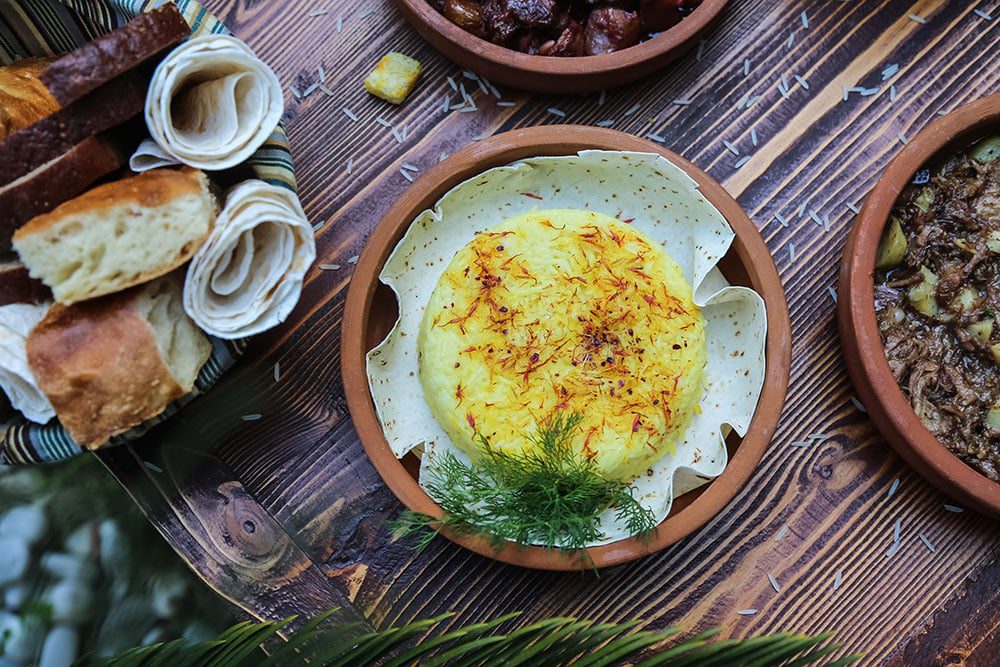
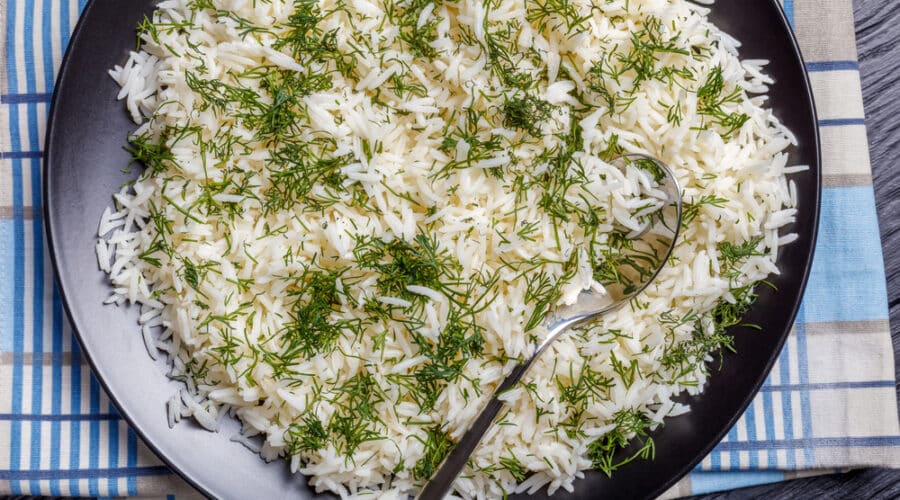 Persian rice (chelow) is defined by two things: long, fluffy, completely separate grains and a golden, crispy bottom layer called tahdig. The essential spices are high-quality saffron, barberries (zereshk), and sometimes turmeric, cumin, or cardamom, depending on the regional variation. Getting both the texture and the spice right is what separates a good Persian rice from one guests talk about for years.
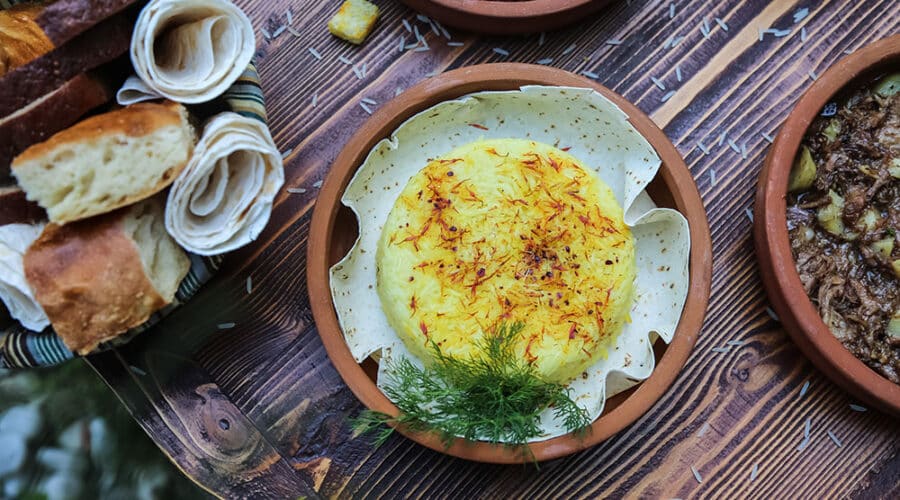
There’s a moment every Persian home cook chases: the sound of a golden, crackling crust releasing cleanly from the pot, revealing a dome of perfectly steamed rice underneath. That moment is tahdig (pronounced “tah-DEEG”), and it’s the reason Persian rice has a reputation as some of the most refined grain cookery in the world.
This guide covers everything from essential spice selection to step-by-step technique, regional dish variations, and why the quality of your saffron matters more than any other single ingredient. With Nowruz, the Persian New Year, falling on March 20, there’s no better time to add this to your cooking repertoire.
What Makes Persian Rice Special?
Most rice traditions aim for a single texture. Persian cooking pursues something more specific. Grains should be fully separate, each one cooked through but never mushy, with a clean, distinct bite. Below all of it sits tahdig, the prized crust that guests at a Persian dinner table will reach for first.
The Tahdig: The Prized Golden Crust
Tahdig forms when fat, whether butter, oil, or a yogurt mixture, meets the bottom of the pot and the rice steams slowly above it. That fat crisps the bottom layer over low heat while the grains above cook through steam. Get the heat right, and you have a golden, perfectly intact crust. Too high, and it burns. Too low, it never forms.
According to food scholars, Persian rice technique dates back more than 2,500 years, making it one of the oldest and most refined grain preparations in culinary history. The two-stage cooking method, parboil then steam, is what makes the texture possible.
The Role of Spices in Persian Rice
Here’s something most recipes miss: the spices used in Persian rice are not background flavor. They are the identity of the dish. Saffron gives chelow its signature golden color and floral depth. Barberry (zereshk) contributes a sharp, fruity tartness that cuts through the richness of the rice and the fat. Cardamom, turmeric, and cumin appear in regional variations, each shifting the dish in a distinct direction.
Without quality spices, Persian rice tastes flat, regardless of how perfect your technique is.
Essential Spices for Authentic Persian Rice
Saffron: The Star of Persian Rice
Saffron is not optional. And not all saffron performs equally, which is where most home cooks unknowingly undercut their results. If you have ever made Persian rice that looked slightly yellow rather than deeply golden, and tasted mild rather than floral and complex, low-grade saffron is usually the reason.
Persian saffron, particularly from Iran’s Khorasan region, contains the highest concentration of crocin (the pigment compound) and safranal (the aroma compound) of any saffron in the world. According to the International Organization for Standardization (ISO), top-grade saffron should register a coloring strength above 190 ISO units. Much of the saffron sold in grocery stores falls well below that threshold.
How to prepare saffron correctly for Persian rice:
- Grind a pinch of threads with a small amount of sugar using a mortar and pestle
- Add 2 tablespoons of hot (not boiling) water
- Steep for 10 minutes until the liquid turns deep amber
- Drizzle over the finished rice for color and fragrance
Never drop dry threads directly onto hot rice. The water-extraction process is what releases the aromatic compounds that give the dish its character.
How much to use: a pinch of high-quality threads (roughly 1/4 teaspoon) is enough for 2 cups of dry rice.
Barberries (Zereshk): The Tart Counterpoint
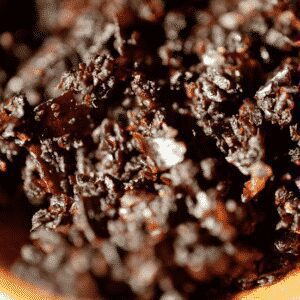
Authentic Iranian barberries are small, brick-red, intensely tart dried berries that appear in zereshk polo, the most iconic of all Persian rice dishes. They are not cranberries. Many recipes suggest substituting dried cranberries, and while the color is similar, the flavor profile is completely different. Barberries have a sharper, more citrusy acidity without any sweetness.
Before using, rinse barberries briefly and sauté in butter with a pinch of sugar, just 30 seconds over medium heat. This softens them and balances their sourness without eliminating it. Fold them through the finished rice in the final layering step.
Turmeric, Cumin, and Cardamom Variations
Beyond saffron, turmeric appears in several Persian rice dishes, particularly those with legumes or root vegetables. It adds a warm, earthy base note and a yellow tint that complements rather than competes with saffron.
Cumin (see our cumin guide) appears most often in rice dishes from southern Iran and pairs well with lamb and herb-heavy preparations. Cardamom shows up in jeweled rice (morasa polo) and celebratory dishes, adding a floral, citrus warmth that makes those preparations feel festive and aromatic.
Traditional Persian Rice Cooking Method
This is the two-stage technique that creates both fluffy grains and a proper tahdig.
Step 1: Soaking and Parboiling
Start with long-grain basmati rice. Iranian basmati, if you can find it, produces the longest, most elegant grains. Rinse the rice under cold water until the water runs clear, then soak in generously salted water for at least 30 minutes, up to 2 hours.
Bring a large pot of well-salted water to a rolling boil. Add the soaked, drained rice and cook for 6 to 7 minutes, until the grains are about 70% cooked. They should still have a firm, slightly chalky center. Drain immediately.
Step 2: Creating the Tahdig Layer
Return the pot to medium-high heat. Add 3 tablespoons of butter or neutral oil and a splash of water. Once the fat shimmers, you have a few options for your tahdig layer:
- Plain butter tahdig: add a thin, even layer of par-cooked rice directly
- Flatbread (naan) tahdig: lay a piece of thin flatbread across the bottom for an extra-crispy base
- Yogurt tahdig: mix 1/4 cup of plain yogurt with 1/2 cup of par-cooked rice and spread in an even layer for a creamy, golden crust
Each produces a different texture. The flatbread version is especially satisfying because it holds together in one dramatic slab when you flip the pot.
Step 3: Steaming to Perfection
Mound the remaining par-cooked rice on top of your tahdig layer in a loose pyramid, leaving some space between the rice and the pot walls so steam can circulate. Make a few holes down through the rice with the handle of a wooden spoon. These allow steam to rise evenly.
Drape a clean kitchen towel or paper towels under the pot lid to absorb excess moisture. Cook on medium-high heat for 3 minutes until you can hear gentle sizzling from the bottom, then reduce to the lowest possible heat and steam for 35 to 45 minutes.
According to a study in the Journal of Food Science and Technology (2019), the Maillard reaction at the base of the pot, which is what produces the golden color and toasted flavor, begins optimally around 140-165°C (285-330°F). Managing heat at this stage is the whole game.
Step 4: The Big Reveal
Remove the pot from heat and let it rest for 5 minutes. Then comes the moment every cook waits for. Place a large, flat serving platter over the pot, hold both firmly, and flip in one confident motion. Lift the pot. If your tahdig formed correctly, it should release cleanly as a golden, crackling disc on top of the rice.
Alternatively, spoon the rice onto a platter and use a spatula to lift the tahdig out in pieces. Either approach works. The important thing is not to rush the reveal.
Regional Variations in Persian Rice Dishes
Persian rice is not one dish. It is a category, and each variation has its own spice identity.
Zereshk Polo (Barberry Rice)
The most recognized Persian rice dish outside Iran. Barberries are sautéed in butter with sugar and saffron, then folded through the rice in alternating layers before steaming. It is traditionally paired with roasted chicken (morgh). The combination of golden saffron rice, tart barberries, and crispy tahdig is the benchmark Persian rice dish.
Morasa Polo (Jeweled Rice)
The celebratory showpiece. Morasa polo is layered with saffron, barberries, orange peel, slivered almonds, pistachios, and sometimes raisins or dried apricots. Cardamom and rose water appear in some versions. It was historically served at royal banquets during the Qajar dynasty (1789-1925) and remains a centerpiece dish for Nowruz and weddings today.
Sabzi Polo (Herb Rice)
The traditional Nowruz dish, served with white fish on Persian New Year’s Eve. Fresh or dried herbs, including dill, parsley, fenugreek leaves, and chives, are mixed through the rice. Fenugreek adds a slightly bitter, maple-like depth that balances the bright green herbs. Sabzi polo is the dish that signals the arrival of spring.
Baghali Polo (Dill and Lima Bean Rice)
Dill and lima beans are layered through the rice before steaming, often alongside lamb shank. This combination is beloved in Iranian home cooking, especially in northern provinces. The dill here does the work that saffron does in zereshk polo: it perfumes the entire dish. Turmeric often seasons the lamb that accompanies this preparation.
Tips for Perfect Persian Rice Every Time
 Choosing the Right Rice
Long-grain basmati is non-negotiable. The long grain is what allows chelow to achieve that signature fluffy, separate texture. Medium or short-grain rice will clump. Within basmati, aged rice is preferred because it has lower moisture content and produces a more delicate, elongated grain once cooked.
Troubleshooting Common Tahdig Problems
| Problem | Likely Cause | Fix |
|---|---|---|
| No crust formed | Heat too low, or not enough fat | Increase initial heat, add more butter |
| Crust burned | Heat too high | Use a heat diffuser, reduce to lowest flame |
| Tahdig sticks and breaks | Not enough fat, or rushed flip | Add more oil at start; let pot rest before flipping |
| Rice is mushy | Over-parboiled | Reduce parboil time by 1-2 minutes |
| Grains are sticky | Under-rinsed | Rinse rice until water runs completely clear |
Storing Persian Rice
Persian rice is best eaten fresh, but leftovers reheat well with a splash of water in a covered pan over low heat. Storing spices properly matters too: saffron should be kept in an airtight container away from light and heat, where it holds its potency for up to 2 years. Whole cardamom pods last longer than ground, so buy whole and grind as needed.
Sourcing Authentic Persian Spices
Why Saffron Quality Is Worth the Investment
It’s tempting to buy the least expensive saffron available, especially when a small jar at the grocery store looks identical to premium threads. The difference is in the chemistry. According to the European Spice Association, saffron from Iran accounts for roughly 90% of the world’s supply, but significant variation in quality exists even within Iranian saffron depending on harvest region, handling, and processing.
Real saffron threads should be deep red with slightly orange-gold tips. They should smell intensely floral and slightly metallic. If your saffron threads are uniformly bright orange, or have no discernible smell, they likely have little flavor value.
Finding Real Barberries
Dried Iranian barberries are available through specialty Middle Eastern retailers and online spice shops. Look for berries that are small (about the size of a grain of rice), deep brick-red, and slightly flexible rather than rock-hard. They should taste intensely sour. If they taste mildly tart or sweet, they are likely a substitute or a poor-quality product.
Spice Station carries authentic Middle Eastern spices sourced specifically for this kind of cooking. If you are building out a Persian pantry, start with high-quality saffron, barberries, and dried rose petals, and you will have the foundation for almost every variation of chelow and polo.
Frequently Asked Questions
What rice is best for Persian rice?
Long-grain basmati, preferably aged, is the standard choice for Persian rice. The length of the grain and its lower moisture content after aging are what allow chelow to achieve its signature texture: fully separate grains that are tender but never sticky. Iranian basmati is considered the premium option; Indian basmati also works well.
How do I know if my saffron is real?
Place a few threads in a cup of warm water. High-quality saffron will slowly release a deep golden-orange color over several minutes and the water will smell distinctly floral and complex. Fake or low-grade saffron releases color instantly (indicating added dye) or produces little to no color at all. The threads themselves should remain intact; they should not dissolve.
Can I make tahdig without saffron?
Yes. A plain butter or oil tahdig, or a flatbread tahdig, requires no saffron at all. The crust itself comes from fat and heat, not spice. Saffron is added to the rice for flavor and color, not to create the crust. That said, Persian rice without saffron loses a significant part of its identity.
Why didn’t my tahdig form properly?
The three most common reasons are insufficient fat at the bottom of the pot, heat that is too low throughout the steaming stage, or flipping before the pot has rested. Let the pot come to temperature with the fat before adding the tahdig layer, ensure you hear gentle sizzling within the first few minutes, and let the finished pot rest off heat for at least 5 minutes before attempting the flip.
How long does Persian rice take to make?
From soaking to serving, plan on about 90 minutes total: 30 to 60 minutes of soaking, 10 minutes of parboiling and draining, and 40 to 50 minutes of steaming. The active work is minimal, but the process rewards patience. Rushing any stage, especially the steaming, will affect the final texture.
Is Persian rice different from regular steamed rice?
Significantly. Unlike standard boiled or steamed rice, Persian chelow uses a two-stage method where the rice is first parboiled until partially cooked, then steamed in a fat-lined pot. This combination produces grain separation and a crispy bottom layer that no other single-stage cooking method can replicate.
Ready to Cook?
Persian rice rewards good ingredients more than almost any other dish. The technique takes a few tries to feel confident with, but once it clicks, it becomes one of those recipes you return to again and again. Start with high-quality Persian saffron, real barberries, and aged basmati, and the dish will show you exactly what it’s capable of.
Explore our full collection of Middle Eastern spices and blends for more Persian and global inspiration. If you have questions about sourcing or spice selection, contact us and we are glad to help.

:+Traditional+Cooking+Methods+and+Spice+Combinations)