Aleppo Pepper: The Ultimate Guide to the Mediterranean’s Most Versatile Chile
Aleppo pepper is a fruity, mildly hot Syrian chile with 10,000-12,000 Scoville units and a complex flavor profile unlike any other dried chile. The complete guide covers flavor, heat, cooking uses, substitutes, buying tips, and storage.
Aleppo Pepper: The Ultimate Guide to This Versatile Chile
Last Updated: March 2026
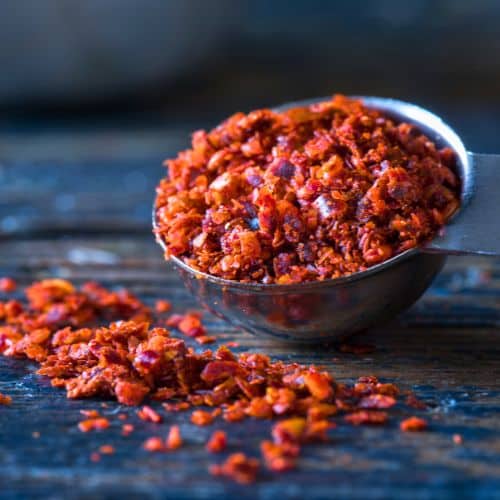
Aleppo pepper is a semi-dried, oil-cured chile from northern Syria with a fruity, mildly hot, and slightly salty flavor that puts standard crushed red pepper flakes to shame. It registers between 10,000 and 12,000 on the Scoville scale, warm and present without being aggressive, and carries complex flavor notes of sun-dried tomato, mild tobacco, and ripe fruit that no other dried chile in the world quite replicates. If there is one spice upgrade that home cooks consistently say changes how they cook, this is it.
This is the complete guide: what Aleppo pepper is, where it comes from, how it is made, exactly how to use it across eggs, meats, vegetables, pasta, and dips, how it compares to every similar chile, and what to do when you need a substitute.
What Is Aleppo Pepper?
Aleppo pepper, known in Arabic as filfil halabi, meaning “pepper of Aleppo,” is a variety of Capsicum annuum grown primarily in the northern Syrian region surrounding the city of Aleppo and in parts of southeastern Turkey. It is one of the defining ingredients of Middle Eastern cuisine and has been central to cooking across the Levant and eastern Mediterranean for centuries.
What separates Aleppo from generic dried chiles is its production method. After harvest in late summer, the peppers are seeded, a step that removes the internal membrane where most of the sharp heat concentrates, then slow-dried and coarsely crushed before being packed with a small amount of salt and olive oil. That final step is critical. The olive oil preserves moisture, giving pepper its characteristic semi-moist, slightly oily texture and allowing it to distribute flavor more evenly through food than any dry-packed chile can.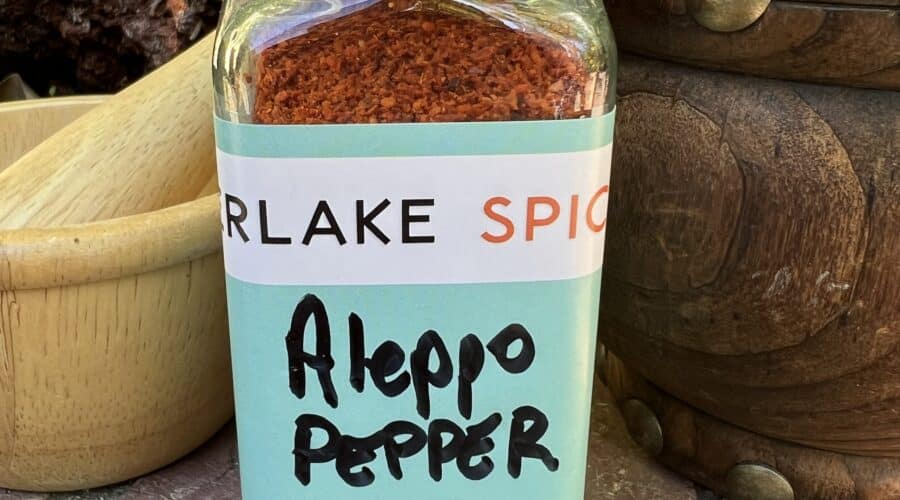
According to the American Spice Trade Association, the global specialty spice market has grown at roughly 6% annually over the past five years, driven largely by home cooks expanding beyond basic pantry staples into regional and artisan ingredients. Pepper is one of the clearest examples of that shift, a spice that professional chefs and food writers have used for decades, now finding a much wider audience among curious home cooks.
The Flavor Profile: What Aleppo Actually Tastes Like
Aleppo flavor is best understood in contrast to what it is not. It is not simply hot. It is not the sharp, one-dimensional burn of cayenne or the smoky punch of chipotle. The flavor builds in layers, and the layering is what makes it useful across such a wide range of dishes.
The first impression is fruity and bright, a sun-ripened quality with mild tobacco notes that emerge immediately. Then a gentle warmth develops, sitting between 10,000 and 12,000 Scoville heat units, which puts it in the range of a mild jalapeño. A subtle natural saltiness follows, a result of the salt added during processing. The finish is clean and slightly oily, with no harsh afterburn. According to Ahrefs keyword data showing 4,200-plus monthly searches for “Aleppo pepper,” this is a spice that a meaningful number of people are actively looking to understand and use, and for good reason.
This complexity means pepper performs well as both a cooking spice (added early, bloomed in fat) and a finishing spice (sprinkled over finished food at the table). Very few chiles can make that claim with equal credibility.
The History and Cultural Roots
The city of Aleppo, officially Halab in Arabic, is one of the oldest continuously inhabited cities in the world, with settlements dating back at least 8,000 years. It sat at the terminus of the ancient Silk Road and was one of the great trading hubs of the medieval world, a marketplace where goods from China, Persia, India, and Europe changed hands. The pepper that carries its name is part of that long commercial and culinary identity.
The global spice trade has always been sensitive to political disruption, and Aleppo pepper is a direct example. The Syrian civil war, which began in 2011 and devastated the city of Aleppo and its surrounding agricultural regions, severely disrupted the supply chain that had brought this pepper to kitchens around the world for generations. Syrian sumac, cumin, and za’atar were affected as well, though alternative sources could be found for those more common ingredients. pepper, with its specific regional terroir and distinctive processing method, was harder to replicate.
Today, the authentic Syrian-grown Aleppo supply remains inconsistent. Turkish-grown versions from the Kahramanmaraş and Gaziantep regions produce the most similar results, and some California growers have successfully cultivated Aleppo-type peppers in comparable dry climates. Spice Station sources Aleppo pepper from the best available origin at any given time and labels the origin clearly, which is the minimum standard any specialty spice retailer should meet.
How Pepper Is Made: The Curing Process
Understanding how Aleppo is produced helps explain why it tastes the way it does and why quality varies so significantly between sources.
The peppers are harvested in late summer when fully ripe, a deep, rich red. They are then split and seeded, removing the membrane and most of the aggressive capsaicin concentration that would otherwise make the pepper hotter and less complex. After seeding, the peppers are sun-dried for several days until they reach the right moisture level, not bone-dry, but leathery and pliable. They are then coarsely chopped or crushed and packed with salt and olive oil, which arrests further drying and preserves the natural oils and aromatic compounds.
The seeding step is what makes Aleppo pepper genuinely mild relative to its fruity, complex flavor. Capsaicin, the compound responsible for chili heat, concentrates in the seeds and internal membrane more than in the flesh itself. Remove those, and you keep the pepper’s fruit character while dramatically reducing the heat. The same principle explains why a fresh jalapeño with seeds removed is noticeably milder than one left whole. For more on how capsaicin works and why it matters in cooking, the health benefits of chile peppers cover the science in accessible detail.
How to Cook with Aleppo: Complete Applications
Eggs and Breakfast Dishes
This is arguably where pepper earns its most devoted fans. The fruity warmth complements the richness of egg yolks in a way that black pepper and standard red flakes simply do not. The heat builds slowly rather than hitting the front of the tongue, and the fruit notes make the egg taste more of itself rather than adding a competing flavor.
Use it on fried eggs, stirred through scrambled eggs in the last 30 seconds of cooking, mixed into shakshuka, or folded into an omelet with feta and herbs. A generous pinch of labneh over a bowl with a drizzle of olive oil served alongside warm flatbread is one of the simplest and best breakfast applications anywhere in Middle Eastern cooking. For a complete guide to which spices pair best with eggs, what spices go well with eggs covers this territory in full.
Grilled and Roasted Meats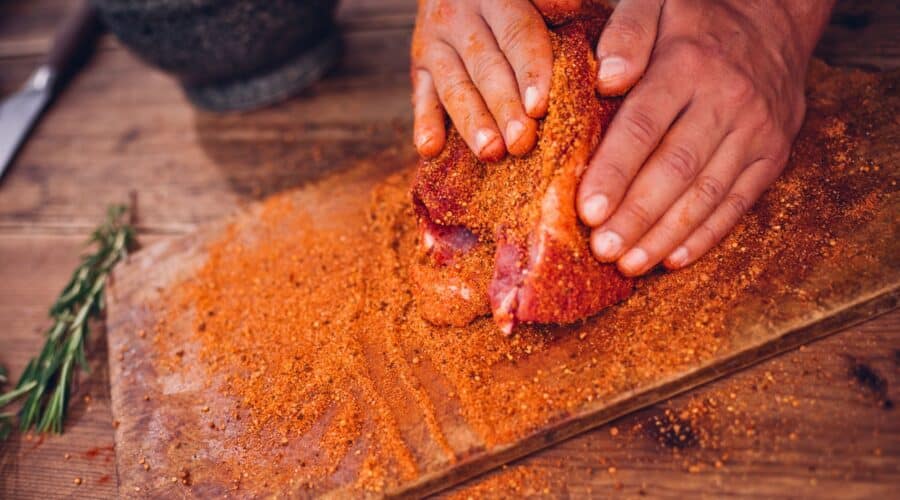
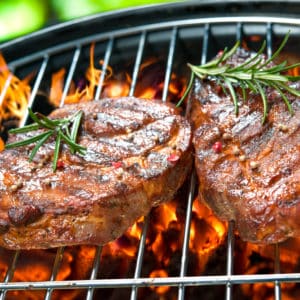
Aleppo pepper performs exceptionally in meat applications, both as a rub ingredient and as a finishing garnish. Its oil content helps it adhere to protein surfaces without requiring additional fat as a binder. For grilled lamb, the fruity-smoky notes create a natural flavor bridge with the animal’s richness. For chicken, it adds complexity without the harsh edge of cayenne.
As a dry rub component, combine Aleppo pepper with cumin, coriander, garlic powder, and salt for a straightforward Middle Eastern-inflected seasoning that works on everything from chicken thighs to flank steak. The guide to all about spice rubs covers technique in detail. The same logic applies here, with Aleppo doing the work that generic paprika and red pepper would do in a less interesting rub. For grilling specifically, it belongs in your permanent outdoor spice kit alongside the other essential grilling spices.
Roasted Vegetables
Aleppo and roasted vegetables are a natural match, particularly for vegetables with natural sweetness, such as cauliflower, sweet potato, carrots, and Brussels sprouts, all of which respond well. Toss prepared vegetables in olive oil and Aleppo before roasting. The oil in the chile blooms during the high heat of the oven and distributes an even, fragrant coating across every surface.
According to a 2024 consumer food trend report by Mintel, roasted vegetables have become a permanent fixture of American home cooking across income and age demographics, with spice experimentation cited as the primary way home cooks personalize these dishes. Aleppo pepper is one of the spices most frequently cited by food writers as a gateway ingredient for exactly this reason.
Dips, Spreads, and Dairy
Stir Aleppo pepper into hummus, labneh, whipped feta, or cream cheese. The natural oil content integrates smoothly, distributing color and flavor evenly through the dairy base. A bowl of hummus finished with a swirl of olive oil and a generous pinch of Aleppo is visually striking and considerably more interesting than hummus topped with standard paprika.
This application also works with yogurt-based sauces. The Mango Mukwas Raita offers a different cultural frame for the same principle: spice stirred into yogurt as a finishing layer. Aleppo’s saltier, fruitier profile makes it a natural candidate for Mediterranean yogurt dips served alongside grilled meats or flatbreads.
Pasta, Pizza, and Flatbreads
Aleppo substitutes directly for red pepper flakes in pasta sauces, pizza, and flatbread preparations, but what you get is a noticeably more nuanced result. Mix it into olive oil with garlic and toss with pasta. Add it to a tomato sauce in place of crushed red pepper. Scatter it over pizza before or after baking. Press it lightly into flatbread dough.
The difference is most obvious in simple preparations where the chile is the primary seasoning. A pasta dish built around Aleppo pepper, olive oil, garlic, and Parmesan tastes like a considered recipe. The same dish made with standard red flakes tastes like a last-minute addition.
As a Finishing Spice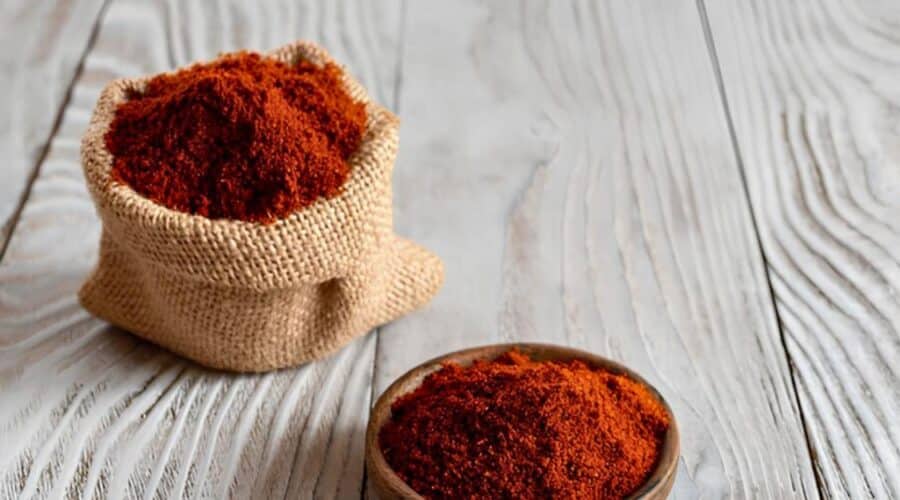
One of pepper’s most underused applications is as a table condiment set out alongside salt and black pepper for guests to add directly to their own food. The fruity heat works on virtually anything savory: soup, grain bowls, roasted chicken, grilled fish, avocado toast. A dedicated dish of Aleppo pepper on the table changes how a meal feels without any additional cooking.
Aleppo Pepper vs. Other Chiles: Complete Comparison
Understanding how Aleppo compares to similar options helps you make confident substitution decisions and understand when it performs best.
| Chile | Heat (Scoville) | Flavor Notes | Texture | Best For |
| Aleppo Pepper | 10,000–12,000 | Fruity, sun-dried tomato, mild tobacco, slightly salty | Semi-moist, oily flakes | Eggs, meats, dips, finishing |
| Urfa Biber | 7,000–8,000 | Dark chocolate, raisin, and smoke | Very oily, semi-moist | Lamb, chocolate desserts, stews |
| Marash Pepper | 7,000–8,000 | Fruity, mildly hot, earthy | Oily flakes | Closest substitute for Aleppo |
| Crushed Red Flakes | 30,000–50,000 | Sharp, one-dimensional heat | Dry | Pizza, pasta (generic heat) |
| Ancho Chile | 1,000–2,000 | Raisin, mild chocolate, earthy | Dried, leathery | Moles, stews, and sauces |
| Chipotle | 2,500–8,000 | Deep smoke, earthy, moderate heat | Dried or in adobo | BBQ, Mexican dishes, marinades |
| Cayenne | 30,000–50,000 | Clean, sharp heat | Fine powder | Adding raw heat without flavor |
| Paprika (Sweet) | 100–500 | Mild, slightly sweet, bell pepper | Fine powder | Color, mild flavor base |
As the table shows, Aleppo pepper occupies a distinct position — enough heat to register clearly, but far less than most common alternatives, with a flavor complexity that rivals considerably more expensive specialty chiles. For a deep dive into the pepper that most closely resembles it, the complete Urfa Biber guide covers the differences in full.
Substitutes for Aleppo: What Works and What Doesn’t
When Aleppo pepper isn’t available, these are the substitutes ranked by how closely they approximate the original.
Best Substitutes
Marash Pepper (Maras Biber): The single best substitute. Grown in the Kahramanmaraş region of Turkey with a similar climate and comparable curing method, Marash is slightly less fruity but very close in heat level and oil content. Use it in a 1:1 ratio.
Urfa Biber: A slightly different flavor profile, darker, smokier, and with a distinct chocolate-raisin character, but comparable heat and the same semi-moist, oily texture. Use at 1:1. The flavor will shift the dish in a different direction, but not an unwelcome one for most applications. Both are part of Spice Station’s chile collection.
Antebi Pepper: Another Turkish variety from Gaziantep, slightly hotter than Aleppo but with a comparable fruity depth. Use at 1:1 with the expectation of slightly more heat.
Mild Paprika Plus Cayenne: For a dry approximation, combine 1 teaspoon of sweet paprika with a pinch of cayenne (about ⅛ teaspoon) to replicate Aleppo’s mild heat and color. You won’t get the fruitiness or the oil content, but the heat ratio is close.
What Doesn’t Work
Standard crushed red pepper flakes are the most common suggested substitute, but they are three to four times hotter, completely dry, and deliver none of Aleppo’s fruity complexity. Using them in a 1:1 substitution will produce an aggressively hot, one-dimensional result. If crushed red flakes are the only option, use about one-quarter of the called-for Aleppo amount.
Buying Pepper: What to Look For
Color: Deep, rich brick-red with an orange-red hue. Pale, faded flakes have lost their crocin content (the pigment compound) through age or poor storage. Avoid anything that looks dusty, brownish, or uniformly orange.
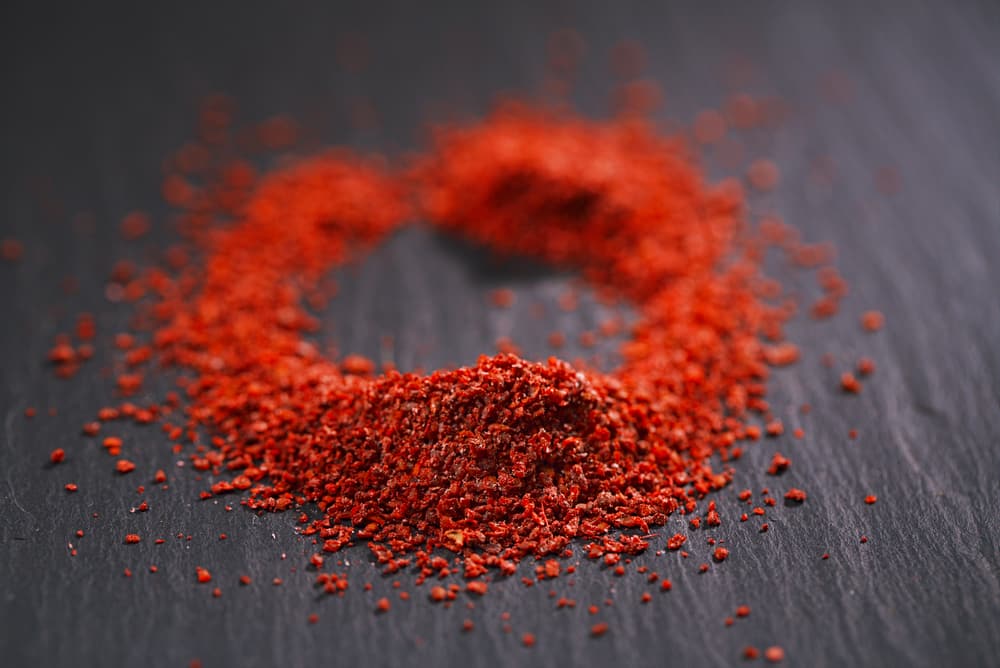
Texture: Aleppo pepper should clump slightly when you pinch it; that’s the olive oil at work. Completely dry, free-flowing flakes indicate either an inferior product or one that has dried out with age and lost its characteristic oiliness.
Aroma: Fresh, quality pepper smells fruity and faintly smoky when you open the container, with a clear, identifiable aroma that hits immediately. Weak or absent aroma means the volatile compounds have degraded.
Origin labeling: Quality suppliers list the country and region of origin. “Aleppo-style” or “Aleppo-type” on a label usually indicates a non-Syrian product, which is not necessarily inferior to Turkish-grown versions from named regions; they are excellent, but the labeling should tell you what you’re buying. Buying spices from a trusted online source with transparent sourcing information is the most reliable protection here.
Price: Authentic, high-quality pepper at retail typically runs $4 to $8 for a standard 2-ounce jar or bag. A significantly cheaper product usually reflects lower quality, older stock, or adulteration.
How to Store Aleppo Correctly
Because Aleppo pepper contains natural olive oil, it is more susceptible to rancidity than fully dry spices. Proper storage makes a significant difference in shelf life and flavor preservation.
Store in a sealed glass or ceramic container rather than plastic, which can absorb and impart odors. Keep away from heat, light, and moisture. A cool, dark kitchen cabinet away from the stove is ideal. Refrigeration is a good option for extending shelf life beyond three months, provided the container seals tightly enough to prevent moisture from entering.
Stored correctly at room temperature, quality Aleppo stays fresh for three to four months. Refrigerated in a well-sealed container, it holds its character for up to six months. After that, the color fades, and the oil can turn rancid. The smell will tell you clearly when this has happened.
For the complete picture on keeping your entire spice collection at peak quality, the guide to keeping spices fresh covers containers, temperature, light exposure, and how to evaluate freshness across different spice types. And if you’ve ever wondered whether a spice is still usable after sitting in the cabinet for a year or more, do spices expire answers that question directly.
Complete Spice Collection
Aleppo pepper is the kind of ingredient that earns a permanent spot in serious cooking once you understand how it works. It doesn’t replace other chiles; it fills a specific niche that nothing else quite covers: moderate heat, high flavor complexity, oily texture, and the ability to function equally well during cooking and at the table.
It belongs alongside unusual spices worth exploring in any kitchen serious about flavor, and it represents exactly what Spice Station has always been about: making genuinely excellent ingredients accessible to home cooks at prices that make sense. Browse the full Middle Eastern spice collection to see what it pairs with naturally, or the chiles category for a broader view of the specialty pepper landscape.
Frequently Asked Questions
Can I use pepper in sweet dishes?
Yes, though it’s less common in this application than Urfa Biber, which has a more pronounced chocolate character. Aleppo’s bright fruitiness can work in chocolate-based preparations and spiced caramels. Start with a very small quantity, a quarter teaspoon per batch, and the warmth should register as a pleasant background note rather than a foreground heat. For a broader guide to using spices in desserts, Spices for Sweets covers the full range of options.
What is the best substitute for pepper?
Marash pepper (Maras biber) from Turkey is the closest available substitute, sharing a similar heat level, oily texture, and fruity depth. Use it in a 1:1 ratio. Urfa biber works well at 1:1 but will shift the dish toward darker, smokier notes. For a dry approximation, 1 teaspoon of sweet paprika combined with ⅛ teaspoon of cayenne replicates the heat level but not the fruitiness or oil content.
Has the Syrian conflict permanently ended Aleppo pepper production?
Not permanently. Some agricultural production has resumed in parts of Syria as certain regions have stabilized, though supply remains inconsistent. Turkish-grown alternatives from named regions (Kahramanmaraş, Gaziantep) have substantially filled the gap and produce excellent results. California growers have also cultivated Aleppo-type peppers successfully. The full story of Aleppo pepper’s supply disruption and how the spice industry adapted to it is worth reading for the broader context.