Urfa Biber: The Dark, Smoky Turkish Chile That Changes Everything

Spread the love

Learn everything about urfa biber, the dark, smoky Turkish chile pepper from Şanlıurfa. Covers flavor profile, heat level, how to cook with it, substitutes, and buying tips.
ChiligingerHealthOreganourfa biber
Urfa Biber: The Complete Guide to Turkey’s Dark, Smoky Chile Pepper
Spread the love

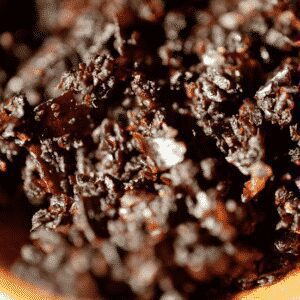
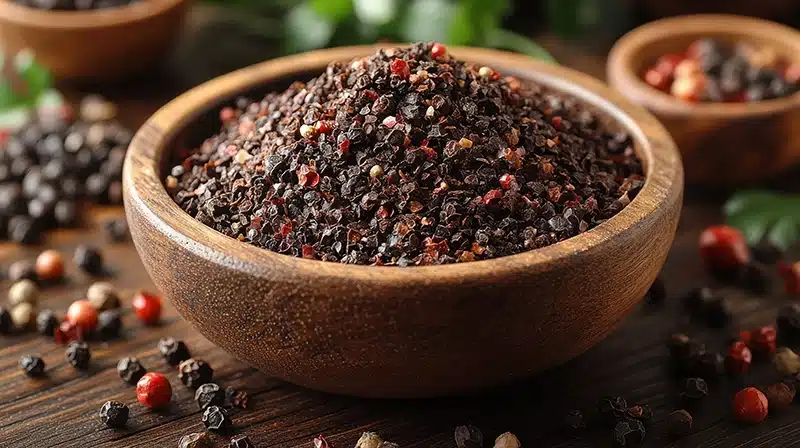
Urfa biber is one of those spices that tends to stop cooks in their tracks the first time they use it. The color alone is striking: a deep, oily, almost black-red. The aroma is richer than any standard chile powder, closer to dried fruit and dark chocolate than to anything you’d expect from a pepper. And the flavor, once it hits food, is unlike anything in the typical Western spice cabinet. It’s smoky and savory, with a slow-building warmth and a distinct raisin-like sweetness that lingers long after the heat fades.

Urfa biber has been a staple of Turkish cooking for centuries, particularly in the cuisine of southeastern Anatolia. According to the International Pepper Community, Turkish-origin dried chile products, including urfa and Aleppo-style peppers, have seen a 40% increase in import volume to the United States over the past five years, driven by growing interest in Middle Eastern and Mediterranean cooking. Despite that momentum, most home cooks outside of Turkish-American communities are only just discovering it.

This is the guide that changes that. Whether you’ve seen it mentioned in a recipe and had no idea what it was, or you’ve already tried it and want to understand it better, what follows covers everything, from how it’s made to how to use it to what to reach for when you can’t find it.

What Is Urfa Biber?

Urfa biber (also spelled “urfa biber” or called “isot pepper” in Turkey) is a dried, coarsely ground chile pepper originating from the city of Urfa, officially known as Şanlıurfa, in southeastern Turkey near the Syrian border. The word “biber” simply means “pepper” in Turkish. “Isot” is the local name for this specific variety, and both terms refer to the same thing.
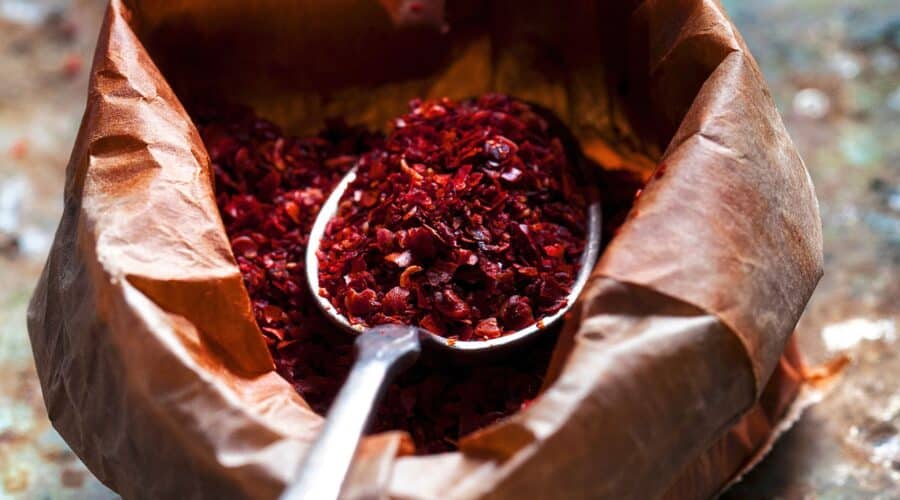
What makes urfa biber distinct from other dried chiles isn’t just the pepper itself. It’s the processing method. According to a 2019 report in the Journal of Food Science and Technology, urfa biber undergoes a two-stage drying process: the peppers are sun-dried during the day to reduce moisture, then wrapped in cloth at night to sweat and ferment slightly. This cycle is repeated over several weeks. The repeated sweating stage is what develops the characteristic dark color and the complex, earthy, almost wine-like depth that sets this pepper apart from every other dried chile.

The Heat Level and Flavor Profile

Urfa biber registers between 30,000 and 50,000 Scoville Heat Units, placing it in medium-heat territory, comparable to a cayenne pepper at the lower end but significantly more complex in flavor. The heat itself is slow-building and lingering rather than sharp or immediate. You feel it at the back of the throat after the initial flavor develops, which makes it particularly satisfying for cooks who want warmth without the aggressive front-end burn of hotter chiles.

The flavor profile is the real story. Most people describe urfa biber as smoky, earthy, and slightly sweet, with distinct notes of dried fruit (particularly raisins and prunes), dark chocolate, and a subtle coffee-like bitterness. There’s also an oily, almost buttery texture to good-quality urfa biber flakes, which comes from the oils released during the sweating process. This textural quality is part of what makes it so satisfying as a finishing spice sprinkled directly over food.

Urfa Biber vs. Aleppo Pepper: Understanding the Difference

The most common question about urfa biber involves its relationship to Aleppo pepper, another celebrated chile from the same region of the world. Both are Turkish/Syrian in origin, both are coarsely ground with a moderate heat level, and both are fundamentally different from commodity hot pepper flakes. But they’re distinctly different spices.

Aleppo pepper is brighter and fruitier, with more of a tomato-like, sun-dried character and a heat that comes through more quickly. Urfa biber is darker, smokier, and more complex, with the raisin and chocolate notes that come from its unique drying process. As a rough comparison, Aleppo is like a good fruity olive oil and urfa biber is like aged balsamic vinegar: related in spirit, completely different in character. Spice Station carries Aleppo pepper in multiple forms alongside urfa biber, and having both in your cabinet gives you far more range than either alone.

Similarly, Marash pepper, another Turkish dried chile named for the city of Kahramanmaraş, sits between the two in flavor profile but leans closer to Aleppo than to urfa biber. Spice Station also carries Marash pepper for those wanting to explore the full range of Turkish chile varieties.

The History and Origins of Urfa Biber

Urfa sits at the crossroads of some of the oldest agricultural land in the world. The city is located in upper Mesopotamia, a region that has been continuously cultivated for over 10,000 years. Chiles arrived in the area via trade routes following the Columbian Exchange in the 16th century, but they were adopted so thoroughly into Anatolian cooking that it’s hard to imagine the cuisine without them today.

The specific technique used to process urfa biber, that nighttime sweating and daytime drying cycle, appears to have developed over generations as local producers discovered that the fermentation-adjacent process created a more complex product than simple sun-drying alone. Southeastern Turkish cooking, which is closely related to Syrian and Lebanese culinary traditions across the nearby border, has long placed particular value on depth and layering of flavor. Urfa biber is a product of that culinary philosophy made literal: the same pepper, processed with more patience and attention, producing something categorically richer.

The region around Şanlıurfa is also home to some of the oldest known human settlements, including Göbekli Tepe, the 12,000-year-old temple complex. That historical depth feels relevant when you’re cooking with a spice that reflects such a particular, evolved relationship between a place and its food culture. The global tradition of distinctive regional spice blends and chiles is one of the most compelling threads in culinary history, and urfa biber is one of its finer examples.

How to Use Urfa Biber in Cooking

Urfa biber’s combination of moderate heat, deep flavor, and oily texture makes it one of the most versatile finishing spices in the Turkish and Middle Eastern culinary tradition. It works beautifully across an enormous range of applications, and it’s almost impossible to overuse in the way that, say, cayenne or black pepper might become overwhelming.

Eggs and Breakfast Dishes
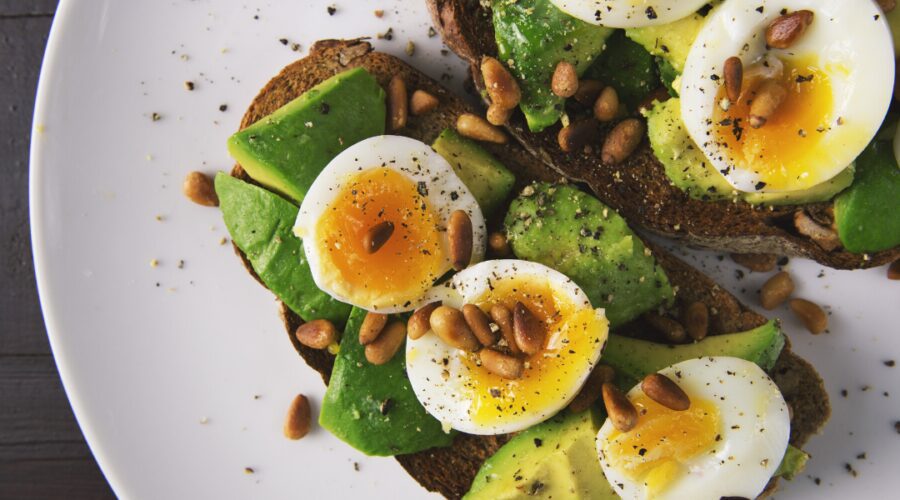
One of the most beloved applications for urfa biber in Turkish cooking is simply over eggs. A fried egg finished with a generous pinch of urfa biber flakes and a drizzle of good olive oil is one of those combinations that feels inexplicably greater than the sum of its parts. The richness of the yolk, the fruitiness of the oil, and the smoky sweetness of the pepper create a complete flavor experience. The same approach works equally well with scrambled eggs or baked egg dishes, where urfa biber’s slow-building warmth threads through the entire dish.

Meat, Kebabs, and Grilled Proteins

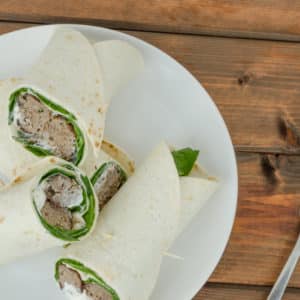
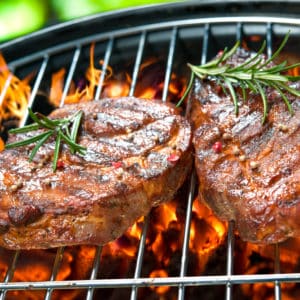
In its home region, urfa biber is most associated with grilled and roasted meats. Urfa kebab, the classic preparation from Şanlıurfa, uses the spice directly in the ground meat mixture alongside cumin and garlic before cooking. The result has a deeply savory, slightly sweet character with warmth that builds as you eat. The same principle applies to lamb chops, chicken thighs, and beef: mix urfa biber into a dry rub alongside cumin, garlic powder, and salt, apply generously, and let the meat rest before grilling or roasting.

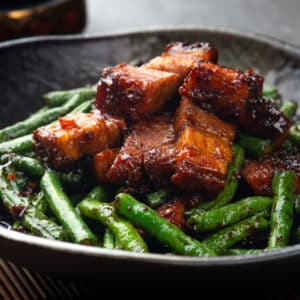
Urfa biber’s oily texture means it doesn’t burn as quickly as finer-ground chiles, making it particularly forgiving on the grill. If you want to understand how urfa biber fits into the broader world of spice rubs and grilling seasonings, Spice Station’s complete guide to spice rubs covers the technique in practical detail. It’s also excellent rubbed directly onto chicken before roasting, where it creates a beautifully dark, caramelized crust. For those who enjoy cooking spiced chicken thighs specifically, swapping in urfa biber where a recipe calls for paprika or cayenne is a simple way to introduce this flavor.

Vegetables and Plant-Based Cooking

Urfa biber belongs in any plant-forward kitchen. Its depth and richness do the flavor work that meat often provides in other dishes, making it particularly valuable for vegan and vegetarian cooking. Roasted cauliflower, sweet potatoes, eggplant, and chickpeas all respond beautifully to urfa biber. Toss with olive oil and a generous pinch before roasting at high heat. The sugars in root vegetables caramelize alongside the pepper’s own slight sweetness for an intensely savory result.

It’s also excellent stirred into hummus or labneh, where a tablespoon of urfa biber flakes swirled through the top of the dip adds visual drama and a smoky depth that store-bought hummus can only aspire to. On roasted vegetables as a finishing spice after they come out of the oven, it gives a brightness and color that no other spice quite matches. For spicing vegetables on the grill specifically, urfa biber works as both a marinade component and a post-grill finisher.

Pasta, Grains, and Legumes Arrabbiata Pasta
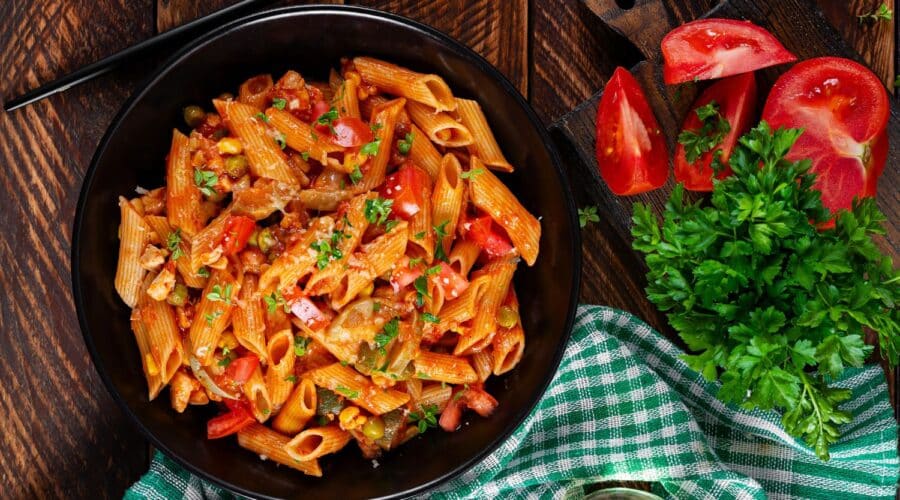
Turkish cooking uses urfa biber generously in grain and legume dishes, where its earthy sweetness complements the starchiness of the base ingredient. Stirred into butter or olive oil with a pinch of urfa biber, then tossed with pasta, this creates a simple sauce with real complexity. Lentil soups benefit from a tablespoon stirred in at the end. Red beans, chickpeas, and farro all carry urfa biber well.

In fusion applications, urfa biber has become popular in Western kitchens as a pizza topping spice, a pasta sauce finisher, and a cheese board accompaniment, applications that make complete sense once you understand its chocolate and dried-fruit flavor profile.

As a Finishing Spice

Perhaps the most straightforward use is also the most impactful: simply sprinkle urfa biber over finished dishes the way you might use finishing salt or red pepper flakes. Over pizza, over avocado toast, over burrata with olive oil, over flatbread, over roasted nuts, over chocolate desserts. Its combination of visual impact (those dark, oily flakes) and flavor depth makes it one of those additions that makes people immediately ask what you did differently.

Urfa Biber Substitutes: When You’re In a Pinch

If a recipe calls for urfa biber and you don’t have it on hand, no single substitute perfectly replicates its combination of moderate heat, smokiness, and raisin-like sweetness. That said, the best approach is to combine two ingredients to approximate the overall profile:

Closest single substitute: Aleppo pepper. It lacks urfa biber’s dark, smoky depth but shares the oily texture, moderate heat, and fruity character. Use a 1:1 ratio.

For the smoky element: A blend of smoked paprika and regular red pepper flakes captures the smokiness, though not the fruity sweetness. Use half smoked paprika and half mild chile flakes.

For depth without too much heat: Ancho chile powder mixed with a small amount of smoked paprika gets closer to urfa biber’s dried-fruit character than most alternatives.

The honest answer is that urfa biber is worth keeping in the cabinet as a permanent fixture rather than a specialty item. Once you’ve used it regularly, the combination of smoky sweetness and slow-building heat becomes something your cooking genuinely misses when it isn’t there. Ordering specialty spices online from a source that carries named-origin products is the most reliable way to ensure you’re getting genuine urfa biber rather than a generic “Turkish chile” substitute.

Buying and Storing Urfa Biber

What to Look for When Buying
Urfa Biber Scoville Rating

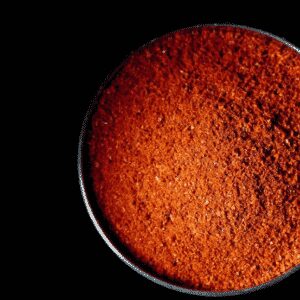
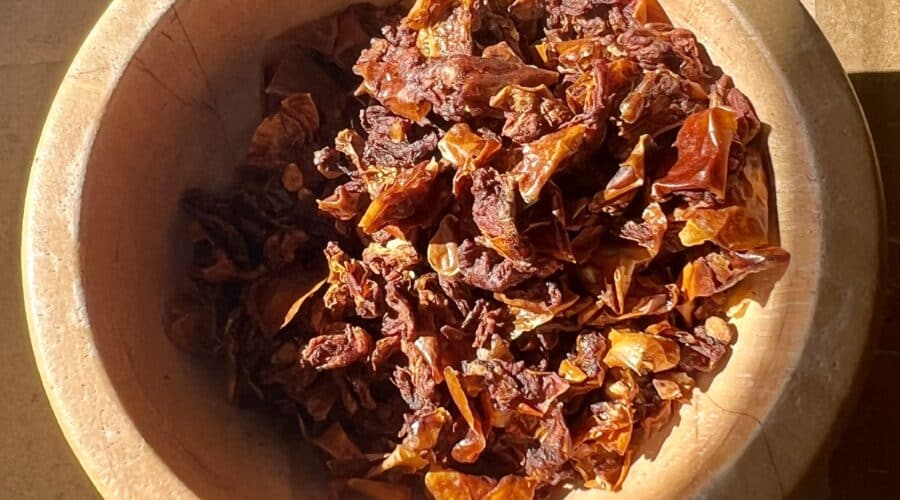
Quality urfa biber should have a distinctly dark appearance, ranging from deep burgundy to almost black. The flakes should look slightly oily, not dry or powdery. A dry, pale appearance is a sign of either inferior processing or a product that has gone stale. The aroma should be rich, with the characteristic raisin and chocolate notes immediately apparent when you open the container.

Coarsely ground flakes are the traditional form and generally preferred over finely ground powder, which loses the textural quality and visual impact that makes urfa biber so distinctive as a finishing spice. Both forms work in dry rubs and cooked applications, but for anything where the spice is applied near the end of cooking, flakes are the better choice.

Origin matters here as it does with most specialty spices. Genuine urfa biber from the Şanlıurfa region undergoes that specific two-stage drying process. Generic “Turkish chile” products sold under different names may not. Spice Station’s commitment to sourcing named-origin spices means you can be confident you’re getting a product that reflects the actual tradition.

Storage Tips for Maximum Shelf Life

Urfa biber’s high oil content makes it more susceptible to going rancid than drier spices if stored improperly. Heat, light, and oxygen are the enemies. Store in an airtight container away from the stove and out of direct sunlight. A cool pantry or cabinet shelf is ideal. Under good conditions, quality urfa biber will retain its full character for 12 to 18 months. For everything you need to know about keeping spices at peak freshness, proper storage is the single most impactful thing you can do to protect your investment in quality spices.

Some cooks store urfa biber in the refrigerator to extend its shelf life, particularly in warm climates. If you do this, bring it to room temperature before using, as cold dulls its aroma.

Urfa Biber in the Context of Turkish and Middle Eastern Spice Culture

Urfa biber sits within a rich tradition of distinctive regional chiles and spice blends from the intersection of Turkish, Syrian, and Levantine cooking. Understanding where it fits helps you cook with it more confidently and connects it to a broader pantry of flavors that work beautifully together.
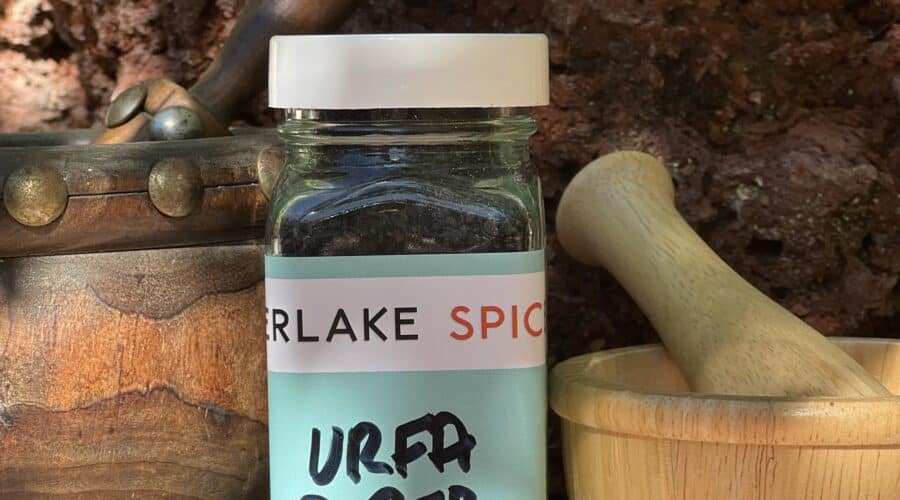
Za’atar, the herb and sesame blend used across the Levant, pairs naturally with urfa biber in grain bowls, flatbreads, and roasted vegetables. Cumin, a spice deeply embedded in both Turkish and Middle Eastern traditions, is urfa biber’s most natural companion in meat and legume dishes. Sumac’s bright, tart fruitiness provides contrast to urfa biber’s deep, smoky sweetness. These are spices that have evolved alongside each other in the same culinary tradition, which is why they instinctively work together.

Spice Station’s exploration of unusual and hard-to-find spices covers several that share urfa biber’s quality of being transformative once you know how to use them. And for those who want to go deeper on the broader world of global spice blends, the connections between regional flavor traditions become one of the most engaging parts of expanding your spice cabinet.

You can find Spice Station’s urfa biber in the chiles category alongside Aleppo, Marash, and a full range of dried chile varieties from around the world. The full online shop is the best starting point if you want to explore the broader collection that complements it.

Frequently Asked Questions About Urfa Biber

What does urfa biber taste like?

Urfa biber tastes smoky and earthy, with distinct notes of dried fruit, particularly raisins and prunes, alongside a subtle dark chocolate bitterness. The heat is moderate (30,000 to 50,000 SHU) and slow-building, arriving at the back of the throat rather than hitting immediately. The overall effect is deeply savory with a slight sweetness that makes it unusually versatile across both sweet and savory applications.

How hot is urfa biber compared to other chiles?

Urfa biber registers 30,000 to 50,000 Scoville Heat Units, placing it in the medium range. It’s hotter than paprika or Aleppo pepper (both typically under 10,000 SHU) but significantly milder than cayenne (30,000 to 100,000 SHU at the high end) and nowhere near habanero territory (100,000 to 350,000 SHU). Most people find the heat very manageable, especially given how slowly it builds.

Is urfa biber the same as Aleppo pepper?

No. Both are coarsely ground dried chiles from the same region of the world, but they’re different varieties with distinctly different flavor profiles. Aleppo pepper is brighter and fruitier, with a faster-building heat. Urfa biber is darker, smokier, and sweeter, with its characteristic raisin and chocolate notes coming from a unique two-stage drying and sweating process. They make excellent companions in the spice cabinet rather than substitutes for each other.

Can I use urfa biber in sweet dishes?

Yes, and it’s worth trying. Urfa biber’s chocolate and dried-fruit notes make it a natural companion to dark chocolate, spiced cookies, and warm desserts. A pinch over vanilla ice cream with olive oil is a classic Turkish-inspired combination. It pairs beautifully with honey, dates, and figs. For those interested in how warm and smoky spices work in sweet applications, urfa biber is worth experimenting with wherever a recipe calls for smoked paprika or chili in a sweet context.

How much urfa biber should I use in a recipe?

As a finishing spice, a half to one teaspoon sprinkled over a single serving is typically enough. In dry rubs and spice blends, one to two tablespoons per pound of protein is a good starting point. In cooked dishes like lentil soup or pasta sauce, a tablespoon stirred in near the end gives a noticeable but not overwhelming contribution. The good news is that urfa biber is difficult to overuse in the way sharper chiles can be, because its heat builds slowly and its other flavor elements are so pleasant.

Where does urfa biber come from?

Urfa biber comes from the city of Şanlıurfa in southeastern Turkey, near the Syrian border. The pepper variety is grown and processed there using a traditional two-stage technique: sun-dried during the day and wrapped to sweat and ferment slightly overnight, over several weeks. This process is what creates the distinctive dark color and complex flavor that can’t be replicated by simply drying the same pepper variety under different conditions. Authentic urfa biber is genuinely regional, and the origin matters.

Is urfa biber easy to find?

Urfa biber can be difficult to source in standard grocery stores, though it’s more widely available now than it was even five years ago. Specialty spice retailers, Middle Eastern markets, and online spice shops are the most reliable sources. When buying online, look for products that specify Şanlıurfa as the origin and that describe the flakes as oily or coarse rather than finely ground. Spice Station carries authentic urfa biber sourced to its origin region, available through the online shop. Urfa Biber Scoville Rating: How Hot Is It Really?
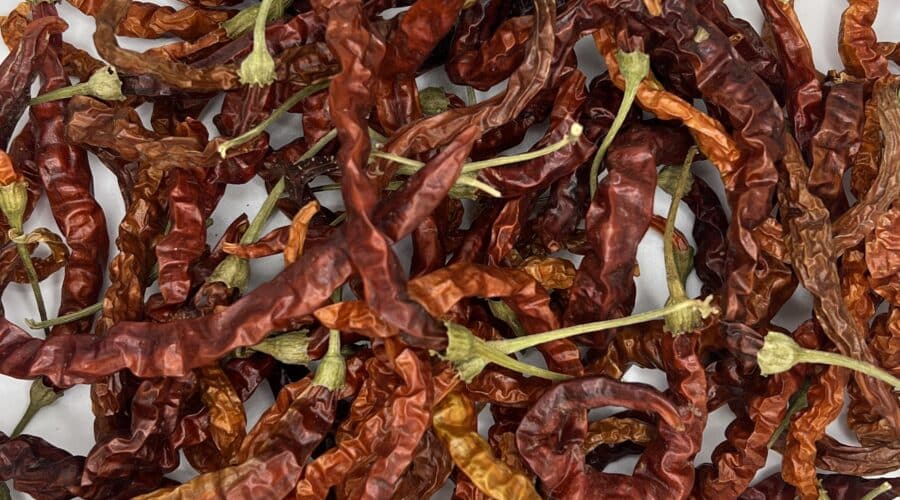
Urfa biber rewards the cook who takes the time to understand it. Its dark, smoky complexity, slow heat, and extraordinary range across savory, sweet, and everything in between make it one of the more exciting additions you can make to a serious spice cabinet. Start with eggs and olive oil if you want the simplest possible introduction, and go from there. The more you cook with it, the more you’ll find yourself reaching for it first.
Tags: buy urfa biber online, how to use urfa biber, isot pepper, middle eastern chile spices, smoky turkish spice, turkish chile pepper, urfa biber, urfa biber Los Angeles, urfa biber vs aleppo pepper, urfa pepper guide
Previous Post
Urfa Biber: The Turkish Pepper with Chocolate, Smoke, and Slow-Building Heat
Next Post
Tomato Cucumber Salad with Chaat Masala: A Simple Salad Made Extraordinary by India’s Most Exciting Finishing Spice
Urfa Biber: The Complete Guide to Turkey’s Dark, Smoky Chile Pepper
Spread the love

Urfa biber is one of those spices that tends to stop cooks in their tracks the first time they use it. The color alone is striking: a deep, oily, almost black-red. The aroma is richer than any standard chile powder, closer to dried fruit and dark chocolate than to anything you’d expect from a pepper. And the flavor, once it hits food, is unlike anything in the typical Western spice cabinet. It’s smoky and savory, with a slow-building warmth and a distinct raisin-like sweetness that lingers long after the heat fades.

Urfa biber has been a staple of Turkish cooking for centuries, particularly in the cuisine of southeastern Anatolia. According to the International Pepper Community, Turkish-origin dried chile products, including urfa and Aleppo-style peppers, have seen a 40% increase in import volume to the United States over the past five years, driven by growing interest in Middle Eastern and Mediterranean cooking. Despite that momentum, most home cooks outside of Turkish-American communities are only just discovering it.

This is the guide that changes that. Whether you’ve seen it mentioned in a recipe and had no idea what it was, or you’ve already tried it and want to understand it better, what follows covers everything, from how it’s made to how to use it to what to reach for when you can’t find it.

What Is Urfa Biber?

Urfa biber (also spelled “urfa biber” or called “isot pepper” in Turkey) is a dried, coarsely ground chile pepper originating from the city of Urfa, officially known as Şanlıurfa, in southeastern Turkey near the Syrian border. The word “biber” simply means “pepper” in Turkish. “Isot” is the local name for this specific variety, and both terms refer to the same thing.

What makes urfa biber distinct from other dried chiles isn’t just the pepper itself. It’s the processing method. According to a 2019 report in the Journal of Food Science and Technology, urfa biber undergoes a two-stage drying process: the peppers are sun-dried during the day to reduce moisture, then wrapped in cloth at night to sweat and ferment slightly. This cycle is repeated over several weeks. The repeated sweating stage is what develops the characteristic dark color and the complex, earthy, almost wine-like depth that sets this pepper apart from every other dried chile.

The Heat Level and Flavor Profile

Urfa biber registers between 30,000 and 50,000 Scoville Heat Units, placing it in medium-heat territory, comparable to a cayenne pepper at the lower end but significantly more complex in flavor. The heat itself is slow-building and lingering rather than sharp or immediate. You feel it at the back of the throat after the initial flavor develops, which makes it particularly satisfying for cooks who want warmth without the aggressive front-end burn of hotter chiles.

The flavor profile is the real story. Most people describe urfa biber as smoky, earthy, and slightly sweet, with distinct notes of dried fruit (particularly raisins and prunes), dark chocolate, and a subtle coffee-like bitterness. There’s also an oily, almost buttery texture to good-quality urfa biber flakes, which comes from the oils released during the sweating process. This textural quality is part of what makes it so satisfying as a finishing spice sprinkled directly over food.

Urfa Biber vs. Aleppo Pepper: Understanding the Difference

The most common question about urfa biber involves its relationship to Aleppo pepper, another celebrated chile from the same region of the world. Both are Turkish/Syrian in origin, both are coarsely ground with a moderate heat level, and both are fundamentally different from commodity hot pepper flakes. But they’re distinctly different spices.

Aleppo pepper is brighter and fruitier, with more of a tomato-like, sun-dried character and a heat that comes through more quickly. Urfa biber is darker, smokier, and more complex, with the raisin and chocolate notes that come from its unique drying process. As a rough comparison, Aleppo is like a good fruity olive oil and urfa biber is like aged balsamic vinegar: related in spirit, completely different in character. Spice Station carries Aleppo pepper in multiple forms alongside urfa biber, and having both in your cabinet gives you far more range than either alone.

Similarly, Marash pepper, another Turkish dried chile named for the city of Kahramanmaraş, sits between the two in flavor profile but leans closer to Aleppo than to urfa biber. Spice Station also carries Marash pepper for those wanting to explore the full range of Turkish chile varieties.

The History and Origins of Urfa Biber

Urfa sits at the crossroads of some of the oldest agricultural land in the world. The city is located in upper Mesopotamia, a region that has been continuously cultivated for over 10,000 years. Chiles arrived in the area via trade routes following the Columbian Exchange in the 16th century, but they were adopted so thoroughly into Anatolian cooking that it’s hard to imagine the cuisine without them today.

The specific technique used to process urfa biber, that nighttime sweating and daytime drying cycle, appears to have developed over generations as local producers discovered that the fermentation-adjacent process created a more complex product than simple sun-drying alone. Southeastern Turkish cooking, which is closely related to Syrian and Lebanese culinary traditions across the nearby border, has long placed particular value on depth and layering of flavor. Urfa biber is a product of that culinary philosophy made literal: the same pepper, processed with more patience and attention, producing something categorically richer.

The region around Şanlıurfa is also home to some of the oldest known human settlements, including Göbekli Tepe, the 12,000-year-old temple complex. That historical depth feels relevant when you’re cooking with a spice that reflects such a particular, evolved relationship between a place and its food culture. The global tradition of distinctive regional spice blends and chiles is one of the most compelling threads in culinary history, and urfa biber is one of its finer examples.

How to Use Urfa Biber in Cooking

Urfa biber’s combination of moderate heat, deep flavor, and oily texture makes it one of the most versatile finishing spices in the Turkish and Middle Eastern culinary tradition. It works beautifully across an enormous range of applications, and it’s almost impossible to overuse in the way that, say, cayenne or black pepper might become overwhelming.

Eggs and Breakfast Dishes

One of the most beloved applications for urfa biber in Turkish cooking is simply over eggs. A fried egg finished with a generous pinch of urfa biber flakes and a drizzle of good olive oil is one of those combinations that feels inexplicably greater than the sum of its parts. The richness of the yolk, the fruitiness of the oil, and the smoky sweetness of the pepper create a complete flavor experience. The same approach works equally well with scrambled eggs or baked egg dishes, where urfa biber’s slow-building warmth threads through the entire dish.

Meat, Kebabs, and Grilled Proteins

In its home region, urfa biber is most associated with grilled and roasted meats. Urfa kebab, the classic preparation from Şanlıurfa, uses the spice directly in the ground meat mixture alongside cumin and garlic before cooking. The result has a deeply savory, slightly sweet character with warmth that builds as you eat. The same principle applies to lamb chops, chicken thighs, and beef: mix urfa biber into a dry rub alongside cumin, garlic powder, and salt, apply generously, and let the meat rest before grilling or roasting.

Urfa biber’s oily texture means it doesn’t burn as quickly as finer-ground chiles, making it particularly forgiving on the grill. If you want to understand how urfa biber fits into the broader world of spice rubs and grilling seasonings, Spice Station’s complete guide to spice rubs covers the technique in practical detail. It’s also excellent rubbed directly onto chicken before roasting, where it creates a beautifully dark, caramelized crust. For those who enjoy cooking spiced chicken thighs specifically, swapping in urfa biber where a recipe calls for paprika or cayenne is a simple way to introduce this flavor.

Vegetables and Plant-Based Cooking

Urfa biber belongs in any plant-forward kitchen. Its depth and richness do the flavor work that meat often provides in other dishes, making it particularly valuable for vegan and vegetarian cooking. Roasted cauliflower, sweet potatoes, eggplant, and chickpeas all respond beautifully to urfa biber. Toss with olive oil and a generous pinch before roasting at high heat. The sugars in root vegetables caramelize alongside the pepper’s own slight sweetness for an intensely savory result.

It’s also excellent stirred into hummus or labneh, where a tablespoon of urfa biber flakes swirled through the top of the dip adds visual drama and a smoky depth that store-bought hummus can only aspire to. On roasted vegetables as a finishing spice after they come out of the oven, it gives a brightness and color that no other spice quite matches. For spicing vegetables on the grill specifically, urfa biber works as both a marinade component and a post-grill finisher.

Pasta, Grains, and Legumes Arrabbiata Pasta

Turkish cooking uses urfa biber generously in grain and legume dishes, where its earthy sweetness complements the starchiness of the base ingredient. Stirred into butter or olive oil with a pinch of urfa biber, then tossed with pasta, this creates a simple sauce with real complexity. Lentil soups benefit from a tablespoon stirred in at the end. Red beans, chickpeas, and farro all carry urfa biber well.

In fusion applications, urfa biber has become popular in Western kitchens as a pizza topping spice, a pasta sauce finisher, and a cheese board accompaniment, applications that make complete sense once you understand its chocolate and dried-fruit flavor profile.

As a Finishing Spice

Perhaps the most straightforward use is also the most impactful: simply sprinkle urfa biber over finished dishes the way you might use finishing salt or red pepper flakes. Over pizza, over avocado toast, over burrata with olive oil, over flatbread, over roasted nuts, over chocolate desserts. Its combination of visual impact (those dark, oily flakes) and flavor depth makes it one of those additions that makes people immediately ask what you did differently.

Urfa Biber Substitutes: When You’re In a Pinch

If a recipe calls for urfa biber and you don’t have it on hand, no single substitute perfectly replicates its combination of moderate heat, smokiness, and raisin-like sweetness. That said, the best approach is to combine two ingredients to approximate the overall profile:

Closest single substitute: Aleppo pepper. It lacks urfa biber’s dark, smoky depth but shares the oily texture, moderate heat, and fruity character. Use a 1:1 ratio.

For the smoky element: A blend of smoked paprika and regular red pepper flakes captures the smokiness, though not the fruity sweetness. Use half smoked paprika and half mild chile flakes.

For depth without too much heat: Ancho chile powder mixed with a small amount of smoked paprika gets closer to urfa biber’s dried-fruit character than most alternatives.

The honest answer is that urfa biber is worth keeping in the cabinet as a permanent fixture rather than a specialty item. Once you’ve used it regularly, the combination of smoky sweetness and slow-building heat becomes something your cooking genuinely misses when it isn’t there. Ordering specialty spices online from a source that carries named-origin products is the most reliable way to ensure you’re getting genuine urfa biber rather than a generic “Turkish chile” substitute.

Buying and Storing Urfa Biber

What to Look for When Buying

Urfa Biber Scoville Rating

Quality urfa biber should have a distinctly dark appearance, ranging from deep burgundy to almost black. The flakes should look slightly oily, not dry or powdery. A dry, pale appearance is a sign of either inferior processing or a product that has gone stale. The aroma should be rich, with the characteristic raisin and chocolate notes immediately apparent when you open the container.

Coarsely ground flakes are the traditional form and generally preferred over finely ground powder, which loses the textural quality and visual impact that makes urfa biber so distinctive as a finishing spice. Both forms work in dry rubs and cooked applications, but for anything where the spice is applied near the end of cooking, flakes are the better choice.

Origin matters here as it does with most specialty spices. Genuine urfa biber from the Şanlıurfa region undergoes that specific two-stage drying process. Generic “Turkish chile” products sold under different names may not. Spice Station’s commitment to sourcing named-origin spices means you can be confident you’re getting a product that reflects the actual tradition.

Storage Tips for Maximum Shelf Life

Urfa biber’s high oil content makes it more susceptible to going rancid than drier spices if stored improperly. Heat, light, and oxygen are the enemies. Store in an airtight container away from the stove and out of direct sunlight. A cool pantry or cabinet shelf is ideal. Under good conditions, quality urfa biber will retain its full character for 12 to 18 months. For everything you need to know about keeping spices at peak freshness, proper storage is the single most impactful thing you can do to protect your investment in quality spices.

Some cooks store urfa biber in the refrigerator to extend its shelf life, particularly in warm climates. If you do this, bring it to room temperature before using, as cold dulls its aroma.

Urfa Biber in the Context of Turkish and Middle Eastern Spice Culture

Urfa biber sits within a rich tradition of distinctive regional chiles and spice blends from the intersection of Turkish, Syrian, and Levantine cooking. Understanding where it fits helps you cook with it more confidently and connects it to a broader pantry of flavors that work beautifully together.

Za’atar, the herb and sesame blend used across the Levant, pairs naturally with urfa biber in grain bowls, flatbreads, and roasted vegetables. Cumin, a spice deeply embedded in both Turkish and Middle Eastern traditions, is urfa biber’s most natural companion in meat and legume dishes. Sumac’s bright, tart fruitiness provides contrast to urfa biber’s deep, smoky sweetness. These are spices that have evolved alongside each other in the same culinary tradition, which is why they instinctively work together.

Spice Station’s exploration of unusual and hard-to-find spices covers several that share urfa biber’s quality of being transformative once you know how to use them. And for those who want to go deeper on the broader world of global spice blends, the connections between regional flavor traditions become one of the most engaging parts of expanding your spice cabinet.

You can find Spice Station’s urfa biber in the chiles category alongside Aleppo, Marash, and a full range of dried chile varieties from around the world. The full online shop is the best starting point if you want to explore the broader collection that complements it.

Frequently Asked Questions About Urfa Biber

What does urfa biber taste like?

Urfa biber tastes smoky and earthy, with distinct notes of dried fruit, particularly raisins and prunes, alongside a subtle dark chocolate bitterness. The heat is moderate (30,000 to 50,000 SHU) and slow-building, arriving at the back of the throat rather than hitting immediately. The overall effect is deeply savory with a slight sweetness that makes it unusually versatile across both sweet and savory applications.

How hot is urfa biber compared to other chiles?

Urfa biber registers 30,000 to 50,000 Scoville Heat Units, placing it in the medium range. It’s hotter than paprika or Aleppo pepper (both typically under 10,000 SHU) but significantly milder than cayenne (30,000 to 100,000 SHU at the high end) and nowhere near habanero territory (100,000 to 350,000 SHU). Most people find the heat very manageable, especially given how slowly it builds.

Is urfa biber the same as Aleppo pepper?

No. Both are coarsely ground dried chiles from the same region of the world, but they’re different varieties with distinctly different flavor profiles. Aleppo pepper is brighter and fruitier, with a faster-building heat. Urfa biber is darker, smokier, and sweeter, with its characteristic raisin and chocolate notes coming from a unique two-stage drying and sweating process. They make excellent companions in the spice cabinet rather than substitutes for each other.

Can I use urfa biber in sweet dishes?

Yes, and it’s worth trying. Urfa biber’s chocolate and dried-fruit notes make it a natural companion to dark chocolate, spiced cookies, and warm desserts. A pinch over vanilla ice cream with olive oil is a classic Turkish-inspired combination. It pairs beautifully with honey, dates, and figs. For those interested in how warm and smoky spices work in sweet applications, urfa biber is worth experimenting with wherever a recipe calls for smoked paprika or chili in a sweet context.

How much urfa biber should I use in a recipe?

As a finishing spice, a half to one teaspoon sprinkled over a single serving is typically enough. In dry rubs and spice blends, one to two tablespoons per pound of protein is a good starting point. In cooked dishes like lentil soup or pasta sauce, a tablespoon stirred in near the end gives a noticeable but not overwhelming contribution. The good news is that urfa biber is difficult to overuse in the way sharper chiles can be, because its heat builds slowly and its other flavor elements are so pleasant.

Where does urfa biber come from?

Urfa biber comes from the city of Şanlıurfa in southeastern Turkey, near the Syrian border. The pepper variety is grown and processed there using a traditional two-stage technique: sun-dried during the day and wrapped to sweat and ferment slightly overnight, over several weeks. This process is what creates the distinctive dark color and complex flavor that can’t be replicated by simply drying the same pepper variety under different conditions. Authentic urfa biber is genuinely regional, and the origin matters.

Is urfa biber easy to find?

Urfa biber can be difficult to source in standard grocery stores, though it’s more widely available now than it was even five years ago. Specialty spice retailers, Middle Eastern markets, and online spice shops are the most reliable sources. When buying online, look for products that specify Şanlıurfa as the origin and that describe the flakes as oily or coarse rather than finely ground. Spice Station carries authentic urfa biber sourced to its origin region, available through the online shop. Urfa Biber Scoville Rating: How Hot Is It Really?

Urfa biber rewards the cook who takes the time to understand it. Its dark, smoky complexity, slow heat, and extraordinary range across savory, sweet, and everything in between make it one of the more exciting additions you can make to a serious spice cabinet. Start with eggs and olive oil if you want the simplest possible introduction, and go from there. The more you cook with it, the more you’ll find yourself reaching for it first.
Tags: buy urfa biber online, how to use urfa biber, isot pepper, middle eastern chile spices, smoky turkish spice, turkish chile pepper, urfa biber, urfa biber Los Angeles, urfa biber vs aleppo pepper, urfa pepper guide
Previous Post
Urfa Biber: The Turkish Pepper with Chocolate, Smoke, and Slow-Building Heat
Next Post
Aleppo Pepper: Syria’s Ancient Spice, a Disrupted Supply Chain, and How to Cook with It Today