Dried Herbs: A Complete Guide to Buying, Using, and Storing Them

Spread the love

Learn everything about dried herbs: the best varieties for cooking, how to use and store them properly, dried vs. fresh conversions, and buying tips from Spice Station Silver Lake.
Dried HerbsOregano
Herbes de Provence
Spread the love

Last Updated: March 2026

Dried herbs are the quiet workhorses of any well-stocked kitchen. They deliver concentrated flavor year-round, cost far less than fresh, and last months when stored correctly. Whether you’re reaching for oregano on a Tuesday night or building a complex spice rub for the weekend grill, knowing how to choose and use dried herbs well changes everything about how your food tastes.

This guide covers the essential dried herbs, how they compare to fresh, when to use each one, and how to store them so nothing goes to waste.

What Are Dried Herbs and Why Do They Matter?

Dried herbs are the leaves, flowers, or stems of culinary plants that have had their moisture removed, either through air drying, oven drying, or freeze-drying. Removing water concentrates the plant’s essential oils, which are responsible for flavor and aroma. According to the American Spice Trade Association, Americans purchase over 85 million pounds of herbs and spices per year, with dried herbs making up the majority of home pantry staples. Fresh vs. Dried
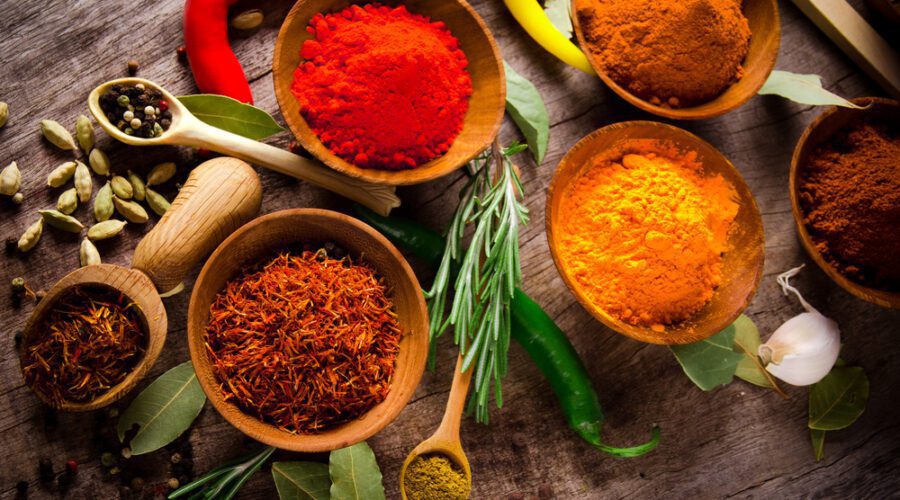
That concentration of flavor is what makes dried herbs so powerful. A teaspoon of dried thyme delivers roughly the same aromatic punch as a tablespoon of fresh. Understanding that ratio helps you cook more confidently and waste less.

If you want to go deeper on the distinction between herbs and spices in general, our post on the difference between spices and herbs is a good starting point.

Dried Herbs vs. Fresh Herbs: Which Should You Use?

The honest answer is that both have their place, and knowing when to reach for which one is a skill worth building. A 2022 survey by the Specialty Food Association found that 74% of home cooks keep dried herbs on hand consistently, compared to only 42% who regularly buy fresh.

Use dried herbs when:

  • The herb will cook for more than 10-15 minutes (soups, stews, braises, roasted meats)
  • You need shelf stability and convenience
  • The recipe calls for blending into marinades, rubs, or sauces
  • Fresh versions aren’t in season or aren’t available

Use fresh herbs when:

  • The herb is finishing a dish or added raw (basil on pizza, mint in a cocktail)
  • Delicate flavor is the point (fresh tarragon in a vinaigrette)
  • The recipe explicitly benefits from bright, grassy notes

For a detailed look at how these two forms behave differently in real cooking situations, check out our post on fresh vs. dried herbs and spices.

The Conversion Rule

As a general rule: 1 teaspoon dried = 1 tablespoon fresh. This 1:3 ratio applies to most culinary herbs. The exception is bay leaves, where one dried leaf equals one fresh leaf since the drying process intensifies bay significantly.

The Essential Dried Herbs Every Kitchen Needs

Oregano Mexican Oregano
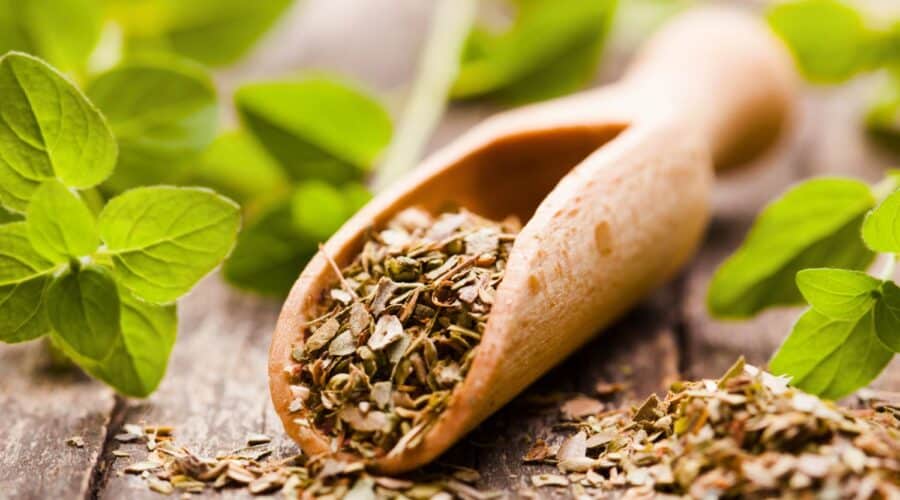
Oregano is arguably the most important dried herb in Mediterranean cooking. It actually gets better when dried, because the heat of drying mellows its sharper, more astringent notes and brings out a warm, earthy depth. Greek and Turkish oregano varieties are particularly robust, making them excellent for tomato sauces, lamb dishes, and pizza.

Mediterranean oregano and Mexican oregano are different plants with distinctly different flavor profiles. Mexican oregano has citrusy, slightly floral notes and pairs better with chiles and cumin. For Italian cooking, always reach for Mediterranean. Our post on what oregano is used for covers these varieties in more detail.

Best for: Tomato sauce, pizza, roasted vegetables, lamb, Greek salads, bean dishes

Thyme

Thyme dries beautifully, retaining most of its woodsy, slightly minty character. It’s one of the most versatile dried herbs you’ll own, fitting comfortably into French cooking, Caribbean jerk seasoning, and everything in between. According to research published in the Journal of Agricultural and Food Chemistry, thyme contains high levels of thymol, a compound responsible for both its flavor and its long history of use in traditional medicine.

Best for: Roasted chicken, soups and stocks, mushroom dishes, roasted root vegetables, compound butters

Rosemary

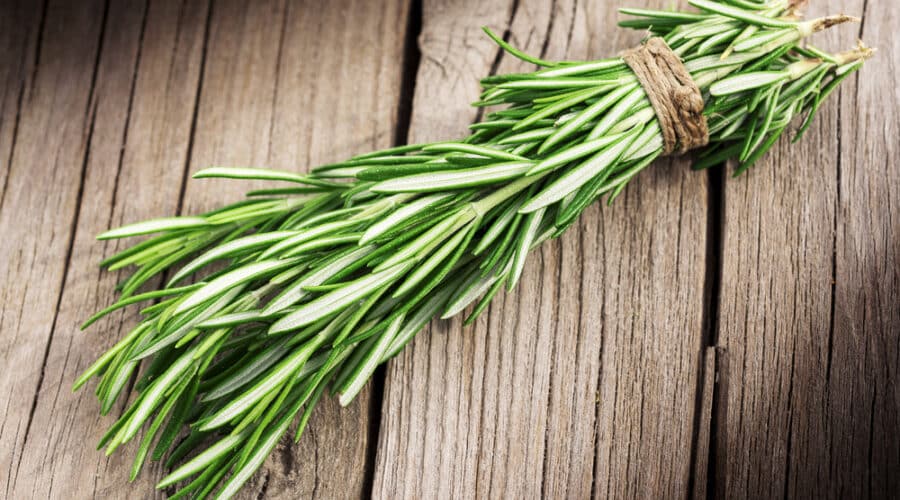
Rosemary holds up to long cooking times exceptionally well. Its piney, resinous flavor is a natural match for fatty proteins like lamb and pork, and it works well in bread doughs and focaccia. Use it sparingly at first since dried rosemary is intense. Crushing the leaves between your fingers before adding them releases more of the essential oils.

Best for: Roasted lamb and pork, focaccia, potato dishes, hearty stews, marinades
Basil

Basil is one of the few herbs that loses significant flavor when dried. The volatile aromatic compounds that give fresh basil its bright, clove-like character largely evaporate during the drying process. That said, dried basil still delivers a pleasant background note in cooked applications. Reserve fresh basil for finishing and raw uses, and use dried basil in longer-cooked sauces where its quieter flavor still contributes.

Best for: Tomato-based pasta sauces, pizza sauce, Italian spice blends, soups

For a deeper look at Italian culinary herb combinations, our piece on Italian spices and how to use them is worth reading.

Tarragon

Tarragon has an anise-forward flavor profile that feels elegant without being aggressive. It’s a foundational herb in French cooking, appearing in béarnaise sauce, fines herbes blends, and classic chicken preparations. French tarragon is the preferred variety for cooking. Russian tarragon grows more vigorously but has far less flavor.

Best for: Chicken, fish, egg dishes, French sauces, herb vinaigrettes

Sage

Dried sage has a more assertive, slightly earthy and camphor-like quality than fresh. It works particularly well with fatty, rich ingredients: brown butter, pork, duck, winter squash. A little goes a long way. It’s a classic addition to stuffing and poultry seasoning blends, and it shines in simple pasta preparations when crisped in butter.

Best for: Brown butter pasta, stuffing, pork chops, butternut squash, poultry seasoning

Bay Leaves

Bay leaves are typically used whole and removed before serving. They add a background complexity to braised dishes, stocks, and bean soups that’s hard to put your finger on but noticeable by its absence. Turkish bay leaves (the standard in American kitchens) have a milder, more herbal flavor than Californian bay, which can be quite intense. According to a study in the journal Food Chemistry, bay leaves contain significant levels of eugenol and other aromatic compounds that contribute to their characteristic depth.

Best for: Stocks and broths, braises, bean soups, tomato sauce, pickling

Dill
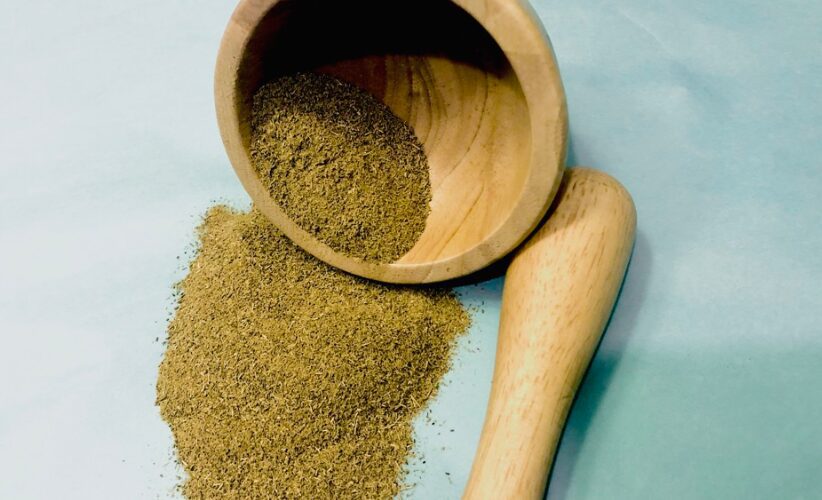
Dried dill weed (the feathery leaves, as opposed to dill seed, which is a spice) brings a bright, slightly anise-like freshness to dishes. It’s a cornerstone of Eastern European, Scandinavian, and Middle Eastern cooking. Dill pairs beautifully with fish, cucumbers, yogurt-based sauces, and cream cheese.

Best for: Salmon, cucumber dishes, tzatziki, potato salad, pickling brines, egg dishes

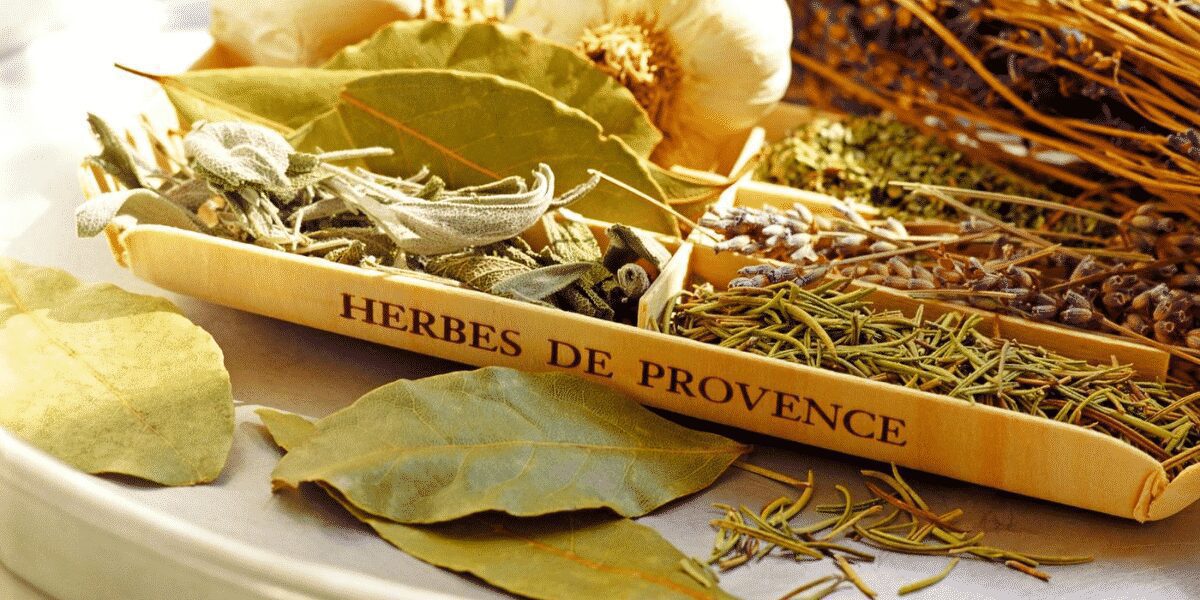
Herbes de Provence

While technically a blend rather than a single herb, herbes de Provence deserves a spot on this list because it illustrates perfectly how dried herbs can work together. The classic blend combines thyme, rosemary, savory, marjoram, and sometimes lavender, creating a fragrant mix that captures the flavor of southern French cooking. Our post on aromatic herbes de Provence breaks down the blend and its best uses.

Best for: Roasted chicken, grilled vegetables, lamb, ratatouille, anything cooked over an open flame

How to Use Dried Herbs: Techniques That Actually Make a Difference

Add Them Early

Unlike fresh herbs, dried herbs need time and heat to fully release their flavor. Add them at the beginning of cooking or when you build your base aromatics with oil and garlic. Blooming dried herbs in a little fat activates their essential oils and distributes flavor throughout the dish more effectively than adding them at the end.

Crush Them First

Before adding dried herbs to a dish, rub them between your palms or crush them lightly with your fingers. This physical action breaks open the dried plant cells and releases the aromatic compounds locked inside. It takes three seconds and makes a real difference, especially with robust herbs like rosemary, thyme, and oregano.

Build Your Own Blends basil
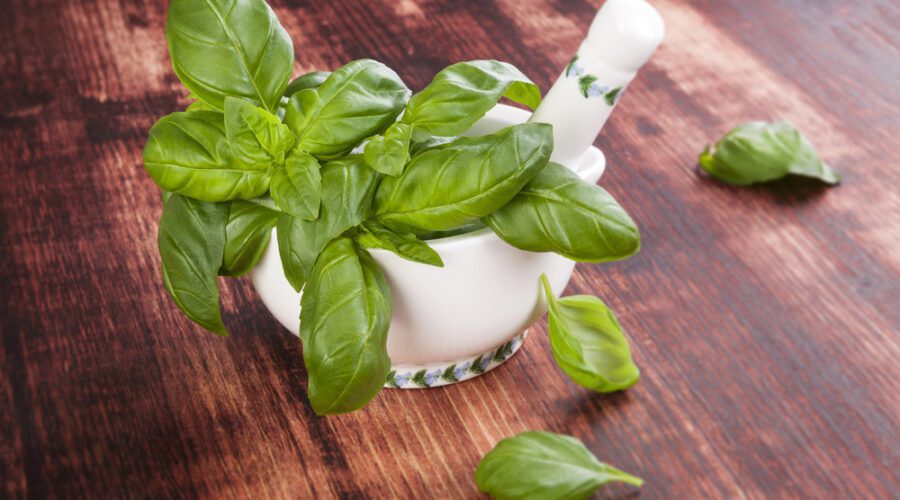
One of the most rewarding things you can do with a collection of quality dried herbs is mix your own blends. A simple Italian blend of oregano, basil, thyme, and rosemary takes about two minutes to put together and elevates pasta dishes immediately. Our guide on DIY seasoning blends walks through the process of building your own custom combinations.

Pair Them Strategically

Some herbs are natural partners. Rosemary and thyme belong together on roasted meats. Dill and parsley brighten up fish and vegetables. Oregano and basil are the backbone of Italian cooking. Sage and thyme combine beautifully in poultry preparations. Thinking about herbs in complementary pairs rather than as individual additions makes your cooking more cohesive.

How to Store Dried Herbs the Right Way

This is where most home cooks lose money without realizing it. A 2021 consumer survey found that approximately 40% of dried herbs purchased for home cooking are discarded unused because they’ve lost potency. Proper storage solves this problem.

The four enemies of dried herbs are light, heat, moisture, and air. Keep these four things away from your herbs and they’ll stay potent for 1-3 years.

Here’s what that looks like in practice:

  • Store in sealed, airtight containers. Glass jars with tight-fitting lids are ideal.
  • Keep containers away from the stove and oven. The heat and steam from cooking degrade herbs quickly.
  • Avoid storing near windows or in bright spots. Light breaks down the aromatic compounds over time.
  • Keep lids closed when not in use. Every time a container is opened, moisture and air get in.

The best test for potency isn’t the expiration date on the label. Rub a small amount between your fingers and smell it. If the aroma is strong and recognizable, the herb is still good. If it smells faint or dusty, it’s time to replace it. For a full breakdown of shelf life and storage by spice type, our post on how to keep spices fresh has everything you need.

You can also learn about when spices expire and what to do with older herbs rather than throwing them away.

The Best Dried Herbs for Specific Cooking Styles

For Mediterranean and Middle Eastern Cooking

Oregano, thyme, rosemary, sumac (technically a spice but worth mentioning), and za’atar blends are the foundation. These herbs appear in everything from roasted lamb to mezze spreads to grilled fish. For more on Mediterranean flavor building, our guide on spices around the world covers regional approaches in depth.

For Vegan and Plant-Based Cooking

Dried herbs do extraordinary work in vegan cooking by adding complexity that might otherwise come from meat or dairy. Smoked paprika, cumin, and dried thyme transform a pot of beans. Rosemary and sage give roasted vegetables a satisfying depth. Our post on must-have spices for vegan cooking offers a full list of pantry essentials.

For Holiday and Winter Cookingsummer herbs and spices
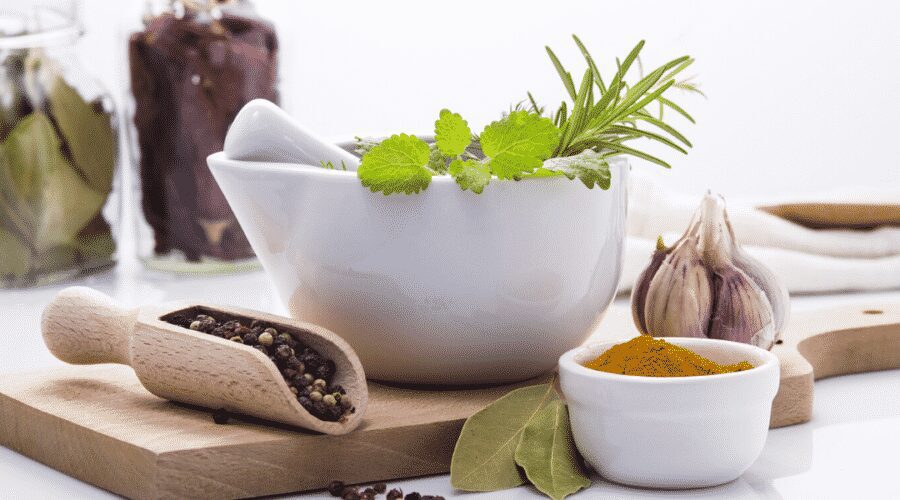
Sage, thyme, and bay leaves are the workhorses of cold-weather cooking. They appear in stuffing, braises, stocks, and roasted meats throughout the fall and winter season. Our guide to essential herbs and spices for the holiday season is a useful companion resource.

For Grilling and Summer Cooking

Dried rosemary, thyme, and oregano hold up beautifully on the grill. They’re the base of most dry rubs and Mediterranean marinades. Our piece on spices for grilling covers the full grilling herb and spice toolkit.

Buying Dried Herbs: What to Look For

Quality matters more than most people realize. The herbs sitting on a grocery store shelf may have been there for months, and the packaging is designed to look appealing rather than to protect the product. According to a report from Consumer Reports, name-brand grocery store spices and herbs routinely test lower in volatile oil content than specialty retailers, which translates directly to less flavor in your cooking.

When buying dried herbs, look for:

  • Bright, true color (not faded or grayish, which indicates age or poor storage)
  • Strong, recognizable aroma when you open the container
  • Clear origin labeling (knowing where a herb comes from tells you something about how it was grown and handled)
  • A clear pack or purchase date

Our post on tips for buying spices online has practical guidance on what to look for when ordering herbs and spices from specialty retailers.

You can also explore the full herbs collection at Spice Station to find high-quality dried herbs sourced from around the world.

Frequently Asked Questions About Dried Herbs

How long do dried herbs last?

Most dried herbs retain good flavor for 1-2 years when stored in airtight containers away from heat and light. After that, they won’t make you sick, but the flavor will be noticeably weaker. The smell test is the most reliable indicator of freshness. If the herb smells faint or like nothing, it’s time to replace it.

Can I make my own dried herbs at home?

Yes, and it’s straightforward. The simplest method is to tie fresh herb bunches together and hang them upside down in a warm, dry spot with good airflow for 1-2 weeks. Alternatively, spread individual leaves on a baking sheet and dry them in an oven set to the lowest temperature (around 170-200°F) for 1-2 hours. Our post on how to make your own dried herbs and spices walks through both methods in detail.

What is the dried herb to fresh herb conversion?

The standard ratio is 1 teaspoon dried for every 1 tablespoon fresh. Since dried herbs are concentrated, you need less of them to achieve the same flavor level. The exception is bay leaves, which follow a 1:1 ratio.

Which dried herbs are best for beginners?

Oregano, thyme, rosemary, and bay leaves are the most forgiving and versatile starting points. They’re used across dozens of cooking traditions, hold up well to heat, and pair naturally with a wide variety of proteins and vegetables. If you’re building a pantry from scratch, our guide on spices for beginner cooks offers a broader starter list.

Are dried herbs as nutritious as fresh?

The drying process does reduce some heat-sensitive nutrients like vitamin C, but many of the antioxidant compounds found in herbs (particularly polyphenols and flavonoids) remain stable or even concentrate when dried. Herbs like oregano, thyme, and sage are notable sources of antioxidants in either form.

Why do some dried herbs taste bitter or harsh?

This usually happens for one of two reasons: the herbs are old and their pleasant volatile compounds have degraded while the harsher ones remain, or they were added at the wrong point in cooking without enough time to properly mellow. Old herbs should be replaced. Harsh-tasting herbs added at the end can sometimes be helped by adding a small amount of fat (butter or olive oil) to soften the edge.

Should I store dried herbs in the refrigerator?

No. The refrigerator introduces moisture every time it’s opened, which degrades dried herbs faster. Room temperature storage in a cool, dark location (like a pantry or a closed cabinet away from the stove) is ideal.

Building Your Dried Herb Collection Herbs De Provence
You don’t need every herb at once. Start with the ones that match how you already cook and expand from there.

A practical starter set for most kitchens covers eight herbs: oregano, thyme, rosemary, sage, bay leaves, dill, basil, and tarragon. From those eight, you can handle Italian, French, Mediterranean, and American cooking without reaching for anything unusual. As your cooking expands to other cuisines, your herb collection naturally follows.

The most important thing is buying quality herbs from a source you trust, storing them properly, and actually using them before they lose their punch. Good dried herbs bought and used well will do more for your cooking than any piece of equipment.

Spice Station’s herbs collection carries high-quality dried herbs sourced from specific growing regions, so you know what you’re getting. If you want to explore further, the spice management guide covers how to organize, store, and rotate your whole spice and herb collection

Tags: best dried herbs, buy dried herbs online, cooking with herbs, dried herb guide, dried herbs, dried herbs for cooking, dried herbs vs fresh herbs, herbs and spices Silver Lake, how to use dried herbs, storing dried herbs
Previous Post
Let’s Get Grilling: The Ultimate Guide to Epic Backyard Barbecues
Next Post
Urfa Biber: The Dark, Smoky Turkish Chile That Changes Everything

Related Articles

Herbes de Provence
Spread the love

Last Updated: March 2026

Dried herbs are the quiet workhorses of any well-stocked kitchen. They deliver concentrated flavor year-round, cost far less than fresh, and last months when stored correctly. Whether you’re reaching for oregano on a Tuesday night or building a complex spice rub for the weekend grill, knowing how to choose and use dried herbs well changes everything about how your food tastes.

This guide covers the essential dried herbs, how they compare to fresh, when to use each one, and how to store them so nothing goes to waste.

What Are Dried Herbs and Why Do They Matter?

Dried herbs are the leaves, flowers, or stems of culinary plants that have had their moisture removed, either through air drying, oven drying, or freeze-drying. Removing water concentrates the plant’s essential oils, which are responsible for flavor and aroma. According to the American Spice Trade Association, Americans purchase over 85 million pounds of herbs and spices per year, with dried herbs making up the majority of home pantry staples. Fresh vs. Dried

That concentration of flavor is what makes dried herbs so powerful. A teaspoon of dried thyme delivers roughly the same aromatic punch as a tablespoon of fresh. Understanding that ratio helps you cook more confidently and waste less.

If you want to go deeper on the distinction between herbs and spices in general, our post on the difference between spices and herbs is a good starting point.

Dried Herbs vs. Fresh Herbs: Which Should You Use?

The honest answer is that both have their place, and knowing when to reach for which one is a skill worth building. A 2022 survey by the Specialty Food Association found that 74% of home cooks keep dried herbs on hand consistently, compared to only 42% who regularly buy fresh.

Use dried herbs when:

  • The herb will cook for more than 10-15 minutes (soups, stews, braises, roasted meats)
  • You need shelf stability and convenience
  • The recipe calls for blending into marinades, rubs, or sauces
  • Fresh versions aren’t in season or aren’t available

Use fresh herbs when:

  • The herb is finishing a dish or added raw (basil on pizza, mint in a cocktail)
  • Delicate flavor is the point (fresh tarragon in a vinaigrette)
  • The recipe explicitly benefits from bright, grassy notes

For a detailed look at how these two forms behave differently in real cooking situations, check out our post on fresh vs. dried herbs and spices.

The Conversion Rule

As a general rule: 1 teaspoon dried = 1 tablespoon fresh. This 1:3 ratio applies to most culinary herbs. The exception is bay leaves, where one dried leaf equals one fresh leaf since the drying process intensifies bay significantly.

The Essential Dried Herbs Every Kitchen Needs

Oregano Mexican Oregano

Oregano is arguably the most important dried herb in Mediterranean cooking. It actually gets better when dried, because the heat of drying mellows its sharper, more astringent notes and brings out a warm, earthy depth. Greek and Turkish oregano varieties are particularly robust, making them excellent for tomato sauces, lamb dishes, and pizza.

Mediterranean oregano and Mexican oregano are different plants with distinctly different flavor profiles. Mexican oregano has citrusy, slightly floral notes and pairs better with chiles and cumin. For Italian cooking, always reach for Mediterranean. Our post on what oregano is used for covers these varieties in more detail.

Best for: Tomato sauce, pizza, roasted vegetables, lamb, Greek salads, bean dishes

Thyme

Thyme dries beautifully, retaining most of its woodsy, slightly minty character. It’s one of the most versatile dried herbs you’ll own, fitting comfortably into French cooking, Caribbean jerk seasoning, and everything in between. According to research published in the Journal of Agricultural and Food Chemistry, thyme contains high levels of thymol, a compound responsible for both its flavor and its long history of use in traditional medicine.

Best for: Roasted chicken, soups and stocks, mushroom dishes, roasted root vegetables, compound butters

Rosemary

Rosemary holds up to long cooking times exceptionally well. Its piney, resinous flavor is a natural match for fatty proteins like lamb and pork, and it works well in bread doughs and focaccia. Use it sparingly at first since dried rosemary is intense. Crushing the leaves between your fingers before adding them releases more of the essential oils.

Best for: Roasted lamb and pork, focaccia, potato dishes, hearty stews, marinades

Basil

Basil is one of the few herbs that loses significant flavor when dried. The volatile aromatic compounds that give fresh basil its bright, clove-like character largely evaporate during the drying process. That said, dried basil still delivers a pleasant background note in cooked applications. Reserve fresh basil for finishing and raw uses, and use dried basil in longer-cooked sauces where its quieter flavor still contributes.

Best for: Tomato-based pasta sauces, pizza sauce, Italian spice blends, soups

For a deeper look at Italian culinary herb combinations, our piece on Italian spices and how to use them is worth reading.

Tarragon

Tarragon has an anise-forward flavor profile that feels elegant without being aggressive. It’s a foundational herb in French cooking, appearing in béarnaise sauce, fines herbes blends, and classic chicken preparations. French tarragon is the preferred variety for cooking. Russian tarragon grows more vigorously but has far less flavor.

Best for: Chicken, fish, egg dishes, French sauces, herb vinaigrettes

Sage

Dried sage has a more assertive, slightly earthy and camphor-like quality than fresh. It works particularly well with fatty, rich ingredients: brown butter, pork, duck, winter squash. A little goes a long way. It’s a classic addition to stuffing and poultry seasoning blends, and it shines in simple pasta preparations when crisped in butter.

Best for: Brown butter pasta, stuffing, pork chops, butternut squash, poultry seasoning

Bay Leaves

Bay leaves are typically used whole and removed before serving. They add a background complexity to braised dishes, stocks, and bean soups that’s hard to put your finger on but noticeable by its absence. Turkish bay leaves (the standard in American kitchens) have a milder, more herbal flavor than Californian bay, which can be quite intense. According to a study in the journal Food Chemistry, bay leaves contain significant levels of eugenol and other aromatic compounds that contribute to their characteristic depth.

Best for: Stocks and broths, braises, bean soups, tomato sauce, pickling

Dill

Dried dill weed (the feathery leaves, as opposed to dill seed, which is a spice) brings a bright, slightly anise-like freshness to dishes. It’s a cornerstone of Eastern European, Scandinavian, and Middle Eastern cooking. Dill pairs beautifully with fish, cucumbers, yogurt-based sauces, and cream cheese.

Best for: Salmon, cucumber dishes, tzatziki, potato salad, pickling brines, egg dishes

Herbes de Provence

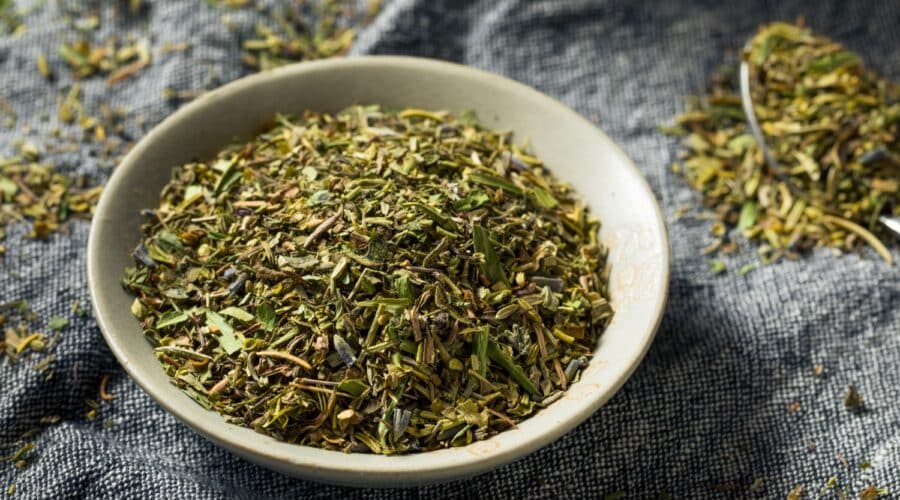
While technically a blend rather than a single herb, herbes de Provence deserves a spot on this list because it illustrates perfectly how dried herbs can work together. The classic blend combines thyme, rosemary, savory, marjoram, and sometimes lavender, creating a fragrant mix that captures the flavor of southern French cooking. Our post on aromatic herbes de Provence breaks down the blend and its best uses.

Best for: Roasted chicken, grilled vegetables, lamb, ratatouille, anything cooked over an open flame

How to Use Dried Herbs: Techniques That Actually Make a Difference

Add Them Early

Unlike fresh herbs, dried herbs need time and heat to fully release their flavor. Add them at the beginning of cooking or when you build your base aromatics with oil and garlic. Blooming dried herbs in a little fat activates their essential oils and distributes flavor throughout the dish more effectively than adding them at the end.

Crush Them First

Before adding dried herbs to a dish, rub them between your palms or crush them lightly with your fingers. This physical action breaks open the dried plant cells and releases the aromatic compounds locked inside. It takes three seconds and makes a real difference, especially with robust herbs like rosemary, thyme, and oregano.

Build Your Own Blends basil

One of the most rewarding things you can do with a collection of quality dried herbs is mix your own blends. A simple Italian blend of oregano, basil, thyme, and rosemary takes about two minutes to put together and elevates pasta dishes immediately. Our guide on DIY seasoning blends walks through the process of building your own custom combinations.

Pair Them Strategically

Some herbs are natural partners. Rosemary and thyme belong together on roasted meats. Dill and parsley brighten up fish and vegetables. Oregano and basil are the backbone of Italian cooking. Sage and thyme combine beautifully in poultry preparations. Thinking about herbs in complementary pairs rather than as individual additions makes your cooking more cohesive.

How to Store Dried Herbs the Right Way

This is where most home cooks lose money without realizing it. A 2021 consumer survey found that approximately 40% of dried herbs purchased for home cooking are discarded unused because they’ve lost potency. Proper storage solves this problem.

The four enemies of dried herbs are light, heat, moisture, and air. Keep these four things away from your herbs and they’ll stay potent for 1-3 years.

Here’s what that looks like in practice:

  • Store in sealed, airtight containers. Glass jars with tight-fitting lids are ideal.
  • Keep containers away from the stove and oven. The heat and steam from cooking degrade herbs quickly.
  • Avoid storing near windows or in bright spots. Light breaks down the aromatic compounds over time.
  • Keep lids closed when not in use. Every time a container is opened, moisture and air get in.

The best test for potency isn’t the expiration date on the label. Rub a small amount between your fingers and smell it. If the aroma is strong and recognizable, the herb is still good. If it smells faint or dusty, it’s time to replace it. For a full breakdown of shelf life and storage by spice type, our post on how to keep spices fresh has everything you need.

You can also learn about when spices expire and what to do with older herbs rather than throwing them away.

The Best Dried Herbs for Specific Cooking Styles

For Mediterranean and Middle Eastern Cooking

Oregano, thyme, rosemary, sumac (technically a spice but worth mentioning), and za’atar blends are the foundation. These herbs appear in everything from roasted lamb to mezze spreads to grilled fish. For more on Mediterranean flavor building, our guide on spices around the world covers regional approaches in depth.

For Vegan and Plant-Based Cooking

Dried herbs do extraordinary work in vegan cooking by adding complexity that might otherwise come from meat or dairy. Smoked paprika, cumin, and dried thyme transform a pot of beans. Rosemary and sage give roasted vegetables a satisfying depth. Our post on must-have spices for vegan cooking offers a full list of pantry essentials.

For Holiday and Winter Cookingsummer herbs and spices

Sage, thyme, and bay leaves are the workhorses of cold-weather cooking. They appear in stuffing, braises, stocks, and roasted meats throughout the fall and winter season. Our guide to essential herbs and spices for the holiday season is a useful companion resource.

For Grilling and Summer Cooking

Dried rosemary, thyme, and oregano hold up beautifully on the grill. They’re the base of most dry rubs and Mediterranean marinades. Our piece on spices for grilling covers the full grilling herb and spice toolkit.

Buying Dried Herbs: What to Look For

Quality matters more than most people realize. The herbs sitting on a grocery store shelf may have been there for months, and the packaging is designed to look appealing rather than to protect the product. According to a report from Consumer Reports, name-brand grocery store spices and herbs routinely test lower in volatile oil content than specialty retailers, which translates directly to less flavor in your cooking.

When buying dried herbs, look for:

  • Bright, true color (not faded or grayish, which indicates age or poor storage)
  • Strong, recognizable aroma when you open the container
  • Clear origin labeling (knowing where a herb comes from tells you something about how it was grown and handled)
  • A clear pack or purchase date

Our post on tips for buying spices online has practical guidance on what to look for when ordering herbs and spices from specialty retailers.

You can also explore the full herbs collection at Spice Station to find high-quality dried herbs sourced from around the world.

Frequently Asked Questions About Dried Herbs

How long do dried herbs last?

Most dried herbs retain good flavor for 1-2 years when stored in airtight containers away from heat and light. After that, they won’t make you sick, but the flavor will be noticeably weaker. The smell test is the most reliable indicator of freshness. If the herb smells faint or like nothing, it’s time to replace it.

Can I make my own dried herbs at home?

Yes, and it’s straightforward. The simplest method is to tie fresh herb bunches together and hang them upside down in a warm, dry spot with good airflow for 1-2 weeks. Alternatively, spread individual leaves on a baking sheet and dry them in an oven set to the lowest temperature (around 170-200°F) for 1-2 hours. Our post on how to make your own dried herbs and spices walks through both methods in detail.

What is the dried herb to fresh herb conversion?

The standard ratio is 1 teaspoon dried for every 1 tablespoon fresh. Since dried herbs are concentrated, you need less of them to achieve the same flavor level. The exception is bay leaves, which follow a 1:1 ratio.

Which dried herbs are best for beginners?

Oregano, thyme, rosemary, and bay leaves are the most forgiving and versatile starting points. They’re used across dozens of cooking traditions, hold up well to heat, and pair naturally with a wide variety of proteins and vegetables. If you’re building a pantry from scratch, our guide on spices for beginner cooks offers a broader starter list.

Are dried herbs as nutritious as fresh?

The drying process does reduce some heat-sensitive nutrients like vitamin C, but many of the antioxidant compounds found in herbs (particularly polyphenols and flavonoids) remain stable or even concentrate when dried. Herbs like oregano, thyme, and sage are notable sources of antioxidants in either form.

Why do some dried herbs taste bitter or harsh?

This usually happens for one of two reasons: the herbs are old and their pleasant volatile compounds have degraded while the harsher ones remain, or they were added at the wrong point in cooking without enough time to properly mellow. Old herbs should be replaced. Harsh-tasting herbs added at the end can sometimes be helped by adding a small amount of fat (butter or olive oil) to soften the edge.

Should I store dried herbs in the refrigerator?

No. The refrigerator introduces moisture every time it’s opened, which degrades dried herbs faster. Room temperature storage in a cool, dark location (like a pantry or a closed cabinet away from the stove) is ideal.

Building Your Dried Herb Collection Herbs De Provence

You don’t need every herb at once. Start with the ones that match how you already cook and expand from there.

A practical starter set for most kitchens covers eight herbs: oregano, thyme, rosemary, sage, bay leaves, dill, basil, and tarragon. From those eight, you can handle Italian, French, Mediterranean, and American cooking without reaching for anything unusual. As your cooking expands to other cuisines, your herb collection naturally follows.

The most important thing is buying quality herbs from a source you trust, storing them properly, and actually using them before they lose their punch. Good dried herbs bought and used well will do more for your cooking than any piece of equipment.

Spice Station’s herbs collection carries high-quality dried herbs sourced from specific growing regions, so you know what you’re getting. If you want to explore further, the spice management guide covers how to organize, store, and rotate your whole spice and herb collection
Tags: best dried herbs, buy dried herbs online, cooking with herbs, dried herb guide, dried herbs, dried herbs for cooking, dried herbs vs fresh herbs, herbs and spices Silver Lake, how to use dried herbs, storing dried herbs
Previous Post
Spice Station Silver Lake Hit the Screen on Santa Monica City TV : Here’s Why It Mattered
Next Post
Spice Station on Santa Monica City TV: The Story Behind the Segment