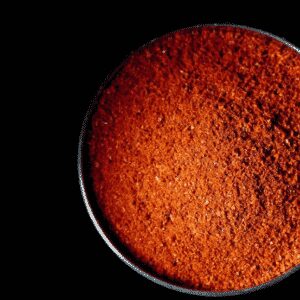
Urfa Biber: The Turkish Pepper with Chocolate, Smoke, and Slow-Building Heat

Spread the love

Urfa biber is a Turkish dried chili pepper with a deep chocolate, raisin, and smoke flavor profile and gentle slow-building heat. Learn where it comes from, how to cook with it, and why it belongs in every serious spice collection.
Aleppo PepperGrilled Corn on the Coburfa biber
Urfa Biber
Spread the love

Last Updated: March 2026

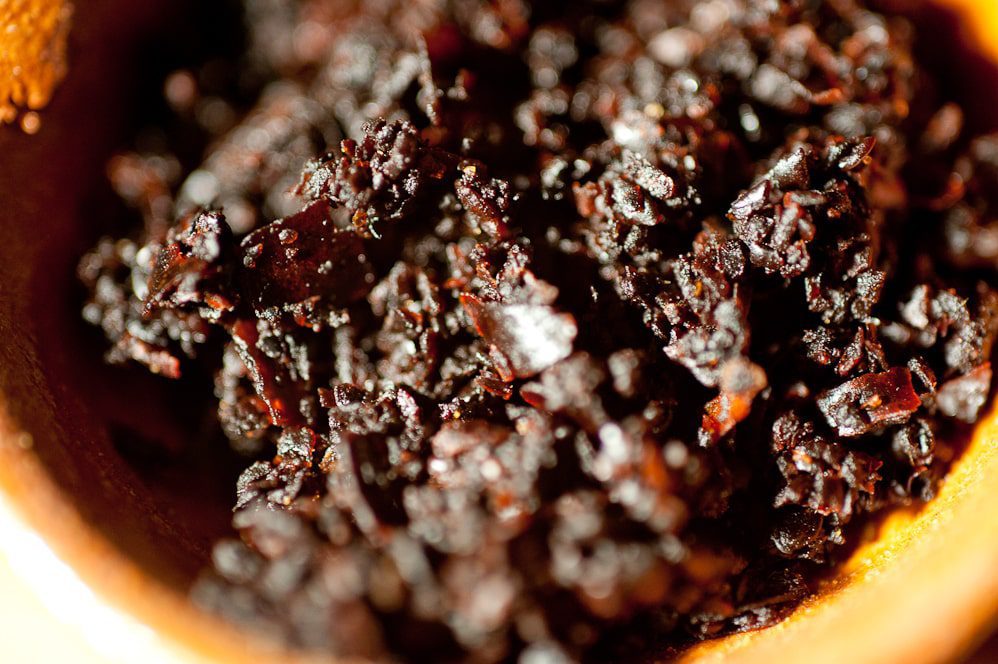
Urfa biber is a sun-dried Turkish chili pepper with a deep purple-black color, an aroma that reads like a combination of dark chocolate and dried fruit, and a heat that builds slowly and lingers warmly without overwhelming the palate. It comes from the Şanlıurfa region of southeastern Turkey, and once you cook with it, the generic crushed red pepper in the back of your cabinet starts to feel like a disappointing substitute.

This is the spice worth knowing.

What Is Urfa Biber?

Urfa biber is a variety of dried chili pepper native to the Şanlıurfa province of southeastern Turkey. The word biber simply means “pepper” in Turkish, and the Urfa designation tells you exactly where it was grown. The pepper is harvested in late summer, then put through a distinctive two-step curing process that sets it apart from any other dried chile in the world.

During the day, the peppers are laid out to dry under the intense southern Turkish sun. At night, they’re wrapped tightly in cloth or plastic to “sweat”  a controlled moisture-trapping process that prevents the peppers from drying out completely. This cycle repeats over the course of several days, and the result is a pepper that retains natural oils and a semi-moist texture uncommon among dried chiles. Those oils are a significant part of what makes urfa biber so aromatic and flavorful.

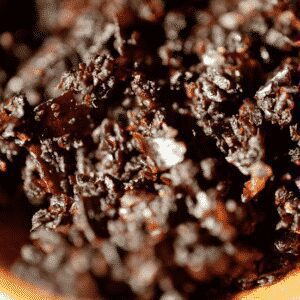
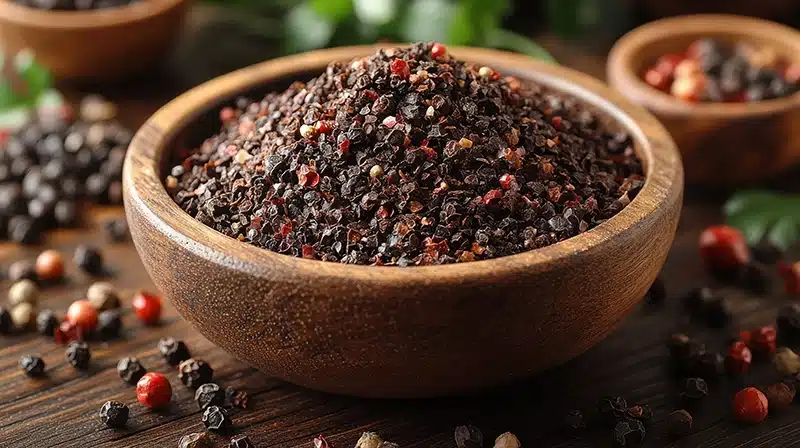
The finished product looks like coarsely crumbled dark flakes  almost black-purple  and feels slightly oily between the fingers. That moisture is a sign of quality. It means the pepper was cured correctly and hasn’t been sitting in a warehouse losing character for months.

The Flavor Profile: What Urfa Biber Actually Tastes Like
Urfa Biber: The Complete Guide to Turkey’s Dark, Smoky Chile Pepper

Most people who encounter urfa biber for the first time describe the same surprise: it doesn’t taste like a standard dried chili pepper. The flavor is complex in a way that catches you off guard.

The initial impression is fruity and slightly sweet, with strong notes of dark chocolate and raisins. Then comes a smoky, earthy depth  almost like a whisper of tobacco or leather  followed by a slow, gentle heat that sits at the back of the mouth rather than hitting the front of the tongue. Urfa biber registers between 7,000 and 8,000 Scoville heat units, placing it well below cayenne (which runs 30,000 to 50,000) and in roughly the same territory as a mild Aleppo pepper. The heat is present, but it’s patient. It builds, lingers, and fades without aggression.

This layered quality  sweet, smoky, chocolatey, gently hot  is what makes urfa biber so versatile across sweet and savory cooking. Understanding a spice’s flavor profile is the first step toward using it well, and if you want to build that kind of intuition more broadly, the Spice Station blog covers dozens of ingredients with the same level of detail.

Urfa Biber’s Place in Turkish Cuisine

In the Şanlıurfa region where it originates, urfa biber is not an exotic ingredient  it’s a kitchen staple as common as black pepper is in most American households. It shows up in kebabs, lentil soups, egg dishes, flatbreads, and the butter-based finishing sauces that get spooned over cooked meats tableside. Şanlıurfa is also one of the oldest continuously inhabited cities in the world, with a culinary tradition stretching back thousands of years. The spices used there carry that depth of history with them.

Urfa biber fits within the broader landscape of Middle Eastern cuisine spices  a family of flavors that tends toward complexity, warmth, and depth rather than sharp, singular heat. It’s a natural companion to sumac, cumin, and coriander, and it appears alongside these spices in many traditional preparations. The global spice trade has made ingredients like urfa biber increasingly accessible to home cooks outside Turkey, but the pepper is still relatively unknown in most American kitchens  which means anyone who cooks with it has a genuine edge.

How to Cook with Urfa Biber

Savory Applications

Urfa biber works across an unusually wide range of savory dishes. Its semi-oily texture means it adheres well to proteins and vegetables without requiring additional fat to bind it. Here are the applications where it performs best:

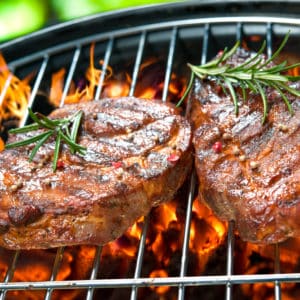
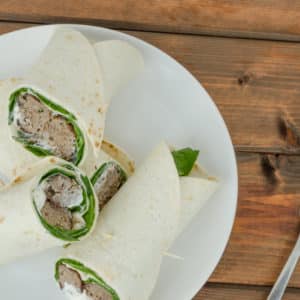
Lamb and beef: This is urfa biber’s home territory. The smoky, fruity notes complement the richness of lamb shoulder, ground lamb kebabs, and beef short ribs. Try it as part of a dry rub before grilling  for technique guidance on building rubs like this, see the complete guide to spice rubs. It also works beautifully in combination with black garlic, which shares that same dark, umami-forward depth.What spice goes well with eggs
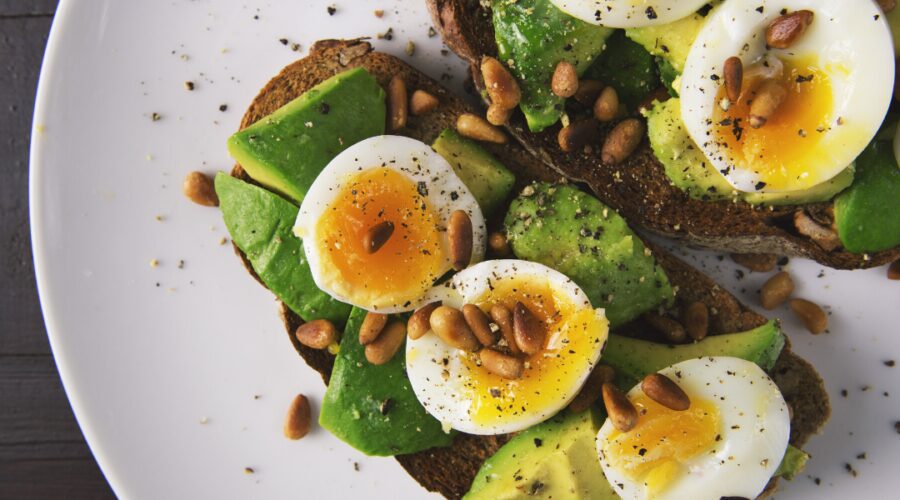
Eggs: Urfa biber on eggs is a revelation. Scrambled, fried, or baked in a skillet   sprinkle it on just before or after cooking. The gentle heat and chocolate-smoke notes complement the richness of eggs in a way that fresh chili or black pepper simply don’t replicate.

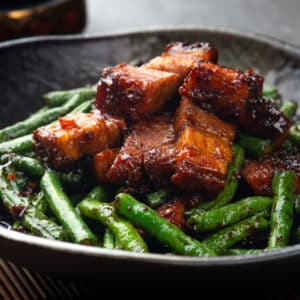
Eggplant and roasted vegetables: Eggplant has a natural affinity for smoky flavors, and urfa biber brings both smokiness and sweetness to the table. Toss eggplant in olive oil, urfa biber, and a pinch of salt before roasting, and you’ll understand why this combination is a classic in southeastern Turkish cooking.

Dips and spreads: Stir it into hummus, yogurt-based sauces, or labneh. The pepper’s oily texture integrates smoothly and the flavor distributes evenly throughout.

Soups and stews: A teaspoon bloomed in olive oil at the start of a lentil soup or slow-braised chicken changes the entire flavor base. It adds warmth and complexity without announcing itself as a pepper.

Grilled meats: If you spend time at the grill, urfa biber deserves a spot in your outdoor spice kit. Pair it with the other essential grilling spices for a complete toolkit that goes well beyond salt and pepper.

Sweet Applications

The chocolate and raisin notes in urfa biber are real enough to function in desserts  not as a novelty, but as a genuine flavor contributor. The same quality that makes chocolate cake and chili powder an interesting combination applies here, but with more elegance. Urfa’s heat is subtler, its fruit notes are more pronounced, and its overall character is less sharp than standard cayenne.

Add a small amount to brownie batter, dark chocolate truffles, or a chocolate ganache glaze and it lifts the chocolate flavor rather than competing with it. For a fuller guide on pairing spices with sweet dishes, the spices for sweets article covers this territory in depth. It also works in spiced ice cream, where the fat in the base tempers the heat while allowing the smoky-fruit character to come through clearly.

The key in all sweet applications is restraint. Start with half a teaspoon per batch, taste, and adjust. Urfa biber in desserts should create a warm, complex background  not a spicy foreground.

Urfa Biber vs. Aleppo Pepper: What’s the Difference? Aleppo Pepper
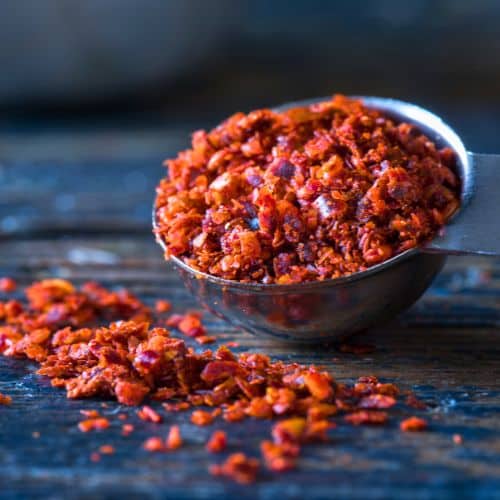
These two peppers are often mentioned together, and for good reason  both come from the same general region of the world, both carry mild-to-moderate heat, and both work well across sweet and savory cooking. But they taste noticeably different.

Urfa Biber Aleppo Pepper
Origin Şanlıurfa, Turkey Aleppo, Syria
Color Dark purple-black Brick red
Heat ~7,000–8,000 Scoville ~10,000 Scoville
Key Notes Chocolate, raisin, smoke Fruity, mild heat, slight saltiness
Texture Semi-moist, oily Oily flakes
Best Uses Lamb, eggs, chocolate, eggplant Eggs, fish, pizza, roasted vegetables

Aleppo tends to be brighter and more overtly fruity. Urfa biber runs deeper and darker, with the chocolate-smoke profile taking the lead. They’re not interchangeable, though they complement each other well when used together. If you’re building out a serious spice collection, both belong in it. You can browse Spice Station’s chile collection to find both, along with dozens of other options from around the world.

Urfa Biber at Spice Station Silver Lake

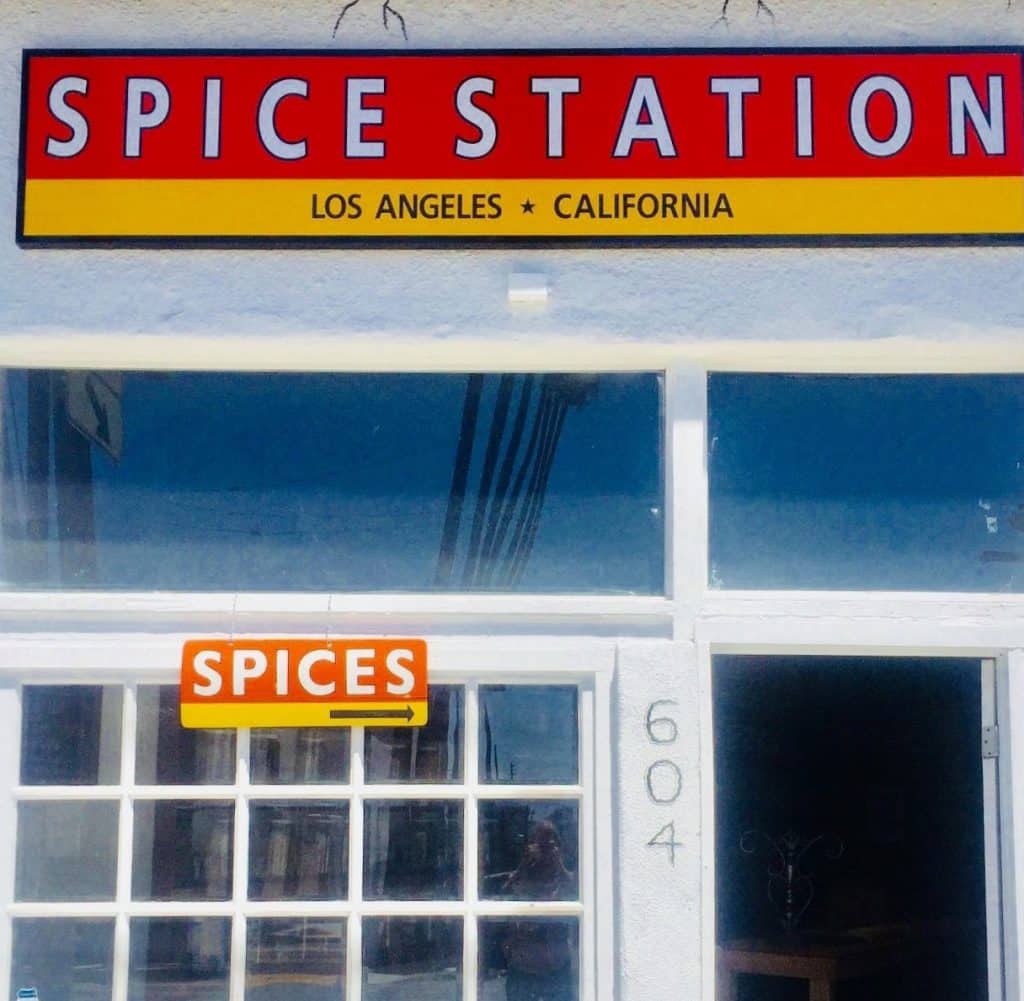
Urfa biber appears in several of Spice Station’s custom blends, including the Sweet Heat blend  a combination of high-quality cocoa powder, urfa biber, and complementary sweet spices. It works as a drinking chocolate that adds gentle warmth, and doubles as an ingredient for icings, truffle fillings, cupcake batters, and mocha toppings. It’s the kind of blend that reveals how much a single well-chosen spice can shift a recipe.

To see what else urfa biber appears in, browse the full blends collection or check out the broader range of individual spices stocked at Spice Station. If you’re new to cooking with less familiar peppers and want to understand how they fit into a broader flavor toolkit, five global spice blends worth knowing is a good starting point.

Health Benefits of Urfa Biber

Like most chili peppers, urfa biber contains capsaicin  the compound responsible for its heat and for a range of studied health properties. Research has explored capsaicin’s role in supporting metabolism, reducing inflammation, and functioning as a source of dietary antioxidants. The natural oils preserved through the sun-drying and sweating process mean that urfa biber also delivers fat-soluble vitamins more readily than fully dried, oil-depleted peppers.

The health benefits associated with chile peppers are well-documented, and urfa biber shares those properties while adding a flavor profile that makes it genuinely pleasurable to eat regularly. The best health habit is the one you actually maintain  and urfa biber is one of those ingredients that makes healthy cooking taste genuinely good rather than virtuous and bland.

Practical Tips for Buying and Storing Urfa Biber

Buy from a source you trust. The quality difference between properly cured urfa biber and a low-grade substitute is significant. Look for dark, oily flakes with a slightly moist texture. Pale, dusty urfa biber has lost most of its character.

Store it away from heat and light. Because of its natural oils, urfa biber is more susceptible to going rancid than fully dried spices. Keep it in a sealed container in a cool, dark spot. Refrigeration is fine for longer storage.
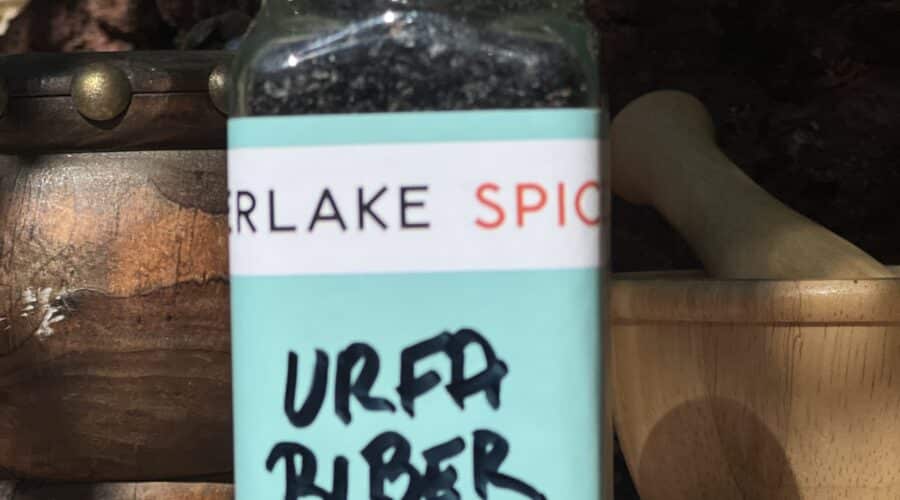
Use it whole, not ground. Unlike some spices that benefit from grinding, urfa biber is already processed to the right coarseness. Grind it further and you lose the texture that makes it interesting.

Bloom it in oil. For maximum flavor in savory cooking, add urfa biber to warm olive oil or butter for 30 to 60 seconds before adding other ingredients. The fat pulls the fat-soluble flavor compounds out of the pepper and distributes them through the entire dish.

For broader guidance on getting the most out of your spice collection, the Spice Station guide to unusual spices covers several other ingredients worth exploring alongside urfa biber.

Frequently Asked Questions

What does urfa biber taste like?

Urfa biber has a complex flavor profile built around dark chocolate, dried fruit (particularly raisins), and smoke, followed by a slow, mild heat that builds gradually and fades gently. It sits between 7,000 and 8,000 Scoville heat units, making it milder than cayenne but with significantly more character. The semi-moist texture from its traditional curing process gives it a richness that most dried chili peppers lack.

How is urfa biber different from regular chili flakes?

Standard crushed red pepper flakes are made from a blend of dried peppers with straightforward heat and little flavor complexity. Urfa biber is a specific variety from a specific region of Turkey, cured through a distinctive sun-drying and sweating process that preserves natural oils and develops a deep, smoky, chocolatey flavor. The two are not meaningfully substitutable in recipes where flavor depth matters.

Can I use urfa biber in desserts?

Yes, and it works particularly well. The chocolate and raisin notes in urfa biber complement dark chocolate desserts  brownies, truffles, ganache, and spiced ice cream are all good candidates. Start with a small amount (half a teaspoon per batch) and adjust to taste. The heat in dessert applications should register as a warm background, not a foreground spice note.

Is urfa biber the same as isot pepper?

Yes. Urfa biber and isot pepper refer to the same ingredient. “Isot” comes from the local Turkish name for the pepper in the Şanlıurfa region, while “urfa biber” uses the city name. You may see it labeled either way depending on the supplier.

How hot is urfa biber?

Urfa biber registers approximately 7,000 to 8,000 Scoville heat units. For context, jalapeños run between 2,500 and 8,000 Scoville, and cayenne runs between 30,000 and 50,000. Urfa biber is mild enough for most people who describe themselves as sensitive to heat, while still delivering enough warmth to function as a genuine spice.

What can I substitute for urfa biber if I can’t find it?

Aleppo pepper is the closest substitute in terms of heat level and oily texture, though its flavor profile is fruitier and less chocolatey. Ancho chile powder offers some of the same dark, fruity depth for recipes where the chocolate-smoke character matters. Neither is a perfect substitute  urfa biber has a distinct personality that’s worth sourcing specifically.

Where can I buy urfa biber?

Spice Station Silver Lake carries urfa biber in its online shop, along with a full range of other specialty chiles and global spices. If you have questions about the product or want a recommendation on how to use it, the team is happy to help  reach out through the contact page.
Tags: buy urfa biber online, isot pepper, Turkish chili pepper, Turkish spice, urfa biber, urfa biber Silver Lake, urfa biber uses, urfa biber vs aleppo pepper, urfa pepper, what is urfa biber
Previous Post
Let’s Get Grilling: The Ultimate Guide to Epic Backyard Barbecues
Next Post
Urfa Biber: The Dark, Smoky Turkish Chile That Changes Everything

Related Articles

Urfa Biber
Spread the love

Last Updated: March 2026

Urfa biber is a sun-dried Turkish chili pepper with a deep purple-black color, an aroma that reads like a combination of dark chocolate and dried fruit, and a heat that builds slowly and lingers warmly without overwhelming the palate. It comes from the Şanlıurfa region of southeastern Turkey, and once you cook with it, the generic crushed red pepper in the back of your cabinet starts to feel like a disappointing substitute.

This is the spice worth knowing.

What Is Urfa Biber?

Urfa biber is a variety of dried chili pepper native to the Şanlıurfa province of southeastern Turkey. The word biber simply means “pepper” in Turkish, and the Urfa designation tells you exactly where it was grown. The pepper is harvested in late summer, then put through a distinctive two-step curing process that sets it apart from any other dried chile in the world.

During the day, the peppers are laid out to dry under the intense southern Turkish sun. At night, they’re wrapped tightly in cloth or plastic to “sweat”  a controlled moisture-trapping process that prevents the peppers from drying out completely. This cycle repeats over the course of several days, and the result is a pepper that retains natural oils and a semi-moist texture uncommon among dried chiles. Those oils are a significant part of what makes urfa biber so aromatic and flavorful.

The finished product looks like coarsely crumbled dark flakes  almost black-purple  and feels slightly oily between the fingers. That moisture is a sign of quality. It means the pepper was cured correctly and hasn’t been sitting in a warehouse losing character for months.

The Flavor Profile: What Urfa Biber Actually Tastes Like

Urfa Biber: The Complete Guide to Turkey’s Dark, Smoky Chile Pepper

Most people who encounter urfa biber for the first time describe the same surprise: it doesn’t taste like a standard dried chili pepper. The flavor is complex in a way that catches you off guard.

The initial impression is fruity and slightly sweet, with strong notes of dark chocolate and raisins. Then comes a smoky, earthy depth  almost like a whisper of tobacco or leather  followed by a slow, gentle heat that sits at the back of the mouth rather than hitting the front of the tongue. Urfa biber registers between 7,000 and 8,000 Scoville heat units, placing it well below cayenne (which runs 30,000 to 50,000) and in roughly the same territory as a mild Aleppo pepper. The heat is present, but it’s patient. It builds, lingers, and fades without aggression.

This layered quality  sweet, smoky, chocolatey, gently hot  is what makes urfa biber so versatile across sweet and savory cooking. Understanding a spice’s flavor profile is the first step toward using it well, and if you want to build that kind of intuition more broadly, the Spice Station blog covers dozens of ingredients with the same level of detail.

Urfa Biber’s Place in Turkish Cuisine

In the Şanlıurfa region where it originates, urfa biber is not an exotic ingredient  it’s a kitchen staple as common as black pepper is in most American households. It shows up in kebabs, lentil soups, egg dishes, flatbreads, and the butter-based finishing sauces that get spooned over cooked meats tableside. Şanlıurfa is also one of the oldest continuously inhabited cities in the world, with a culinary tradition stretching back thousands of years. The spices used there carry that depth of history with them.

Urfa biber fits within the broader landscape of Middle Eastern cuisine spices  a family of flavors that tends toward complexity, warmth, and depth rather than sharp, singular heat. It’s a natural companion to sumac, cumin, and coriander, and it appears alongside these spices in many traditional preparations. The global spice trade has made ingredients like urfa biber increasingly accessible to home cooks outside Turkey, but the pepper is still relatively unknown in most American kitchens  which means anyone who cooks with it has a genuine edge.

How to Cook with Urfa Biber

Savory Applications

Urfa biber works across an unusually wide range of savory dishes. Its semi-oily texture means it adheres well to proteins and vegetables without requiring additional fat to bind it. Here are the applications where it performs best:

Lamb and beef: This is urfa biber’s home territory. The smoky, fruity notes complement the richness of lamb shoulder, ground lamb kebabs, and beef short ribs. Try it as part of a dry rub before grilling  for technique guidance on building rubs like this, see the complete guide to spice rubs. It also works beautifully in combination with black garlic, which shares that same dark, umami-forward depth.What spice goes well with eggs

Eggs: Urfa biber on eggs is a revelation. Scrambled, fried, or baked in a skillet   sprinkle it on just before or after cooking. The gentle heat and chocolate-smoke notes complement the richness of eggs in a way that fresh chili or black pepper simply don’t replicate.

Eggplant and roasted vegetables: Eggplant has a natural affinity for smoky flavors, and urfa biber brings both smokiness and sweetness to the table. Toss eggplant in olive oil, urfa biber, and a pinch of salt before roasting, and you’ll understand why this combination is a classic in southeastern Turkish cooking.

Dips and spreads: Stir it into hummus, yogurt-based sauces, or labneh. The pepper’s oily texture integrates smoothly and the flavor distributes evenly throughout.

Soups and stews: A teaspoon bloomed in olive oil at the start of a lentil soup or slow-braised chicken changes the entire flavor base. It adds warmth and complexity without announcing itself as a pepper.

Grilled meats: If you spend time at the grill, urfa biber deserves a spot in your outdoor spice kit. Pair it with the other essential grilling spices for a complete toolkit that goes well beyond salt and pepper.

Sweet Applications

The chocolate and raisin notes in urfa biber are real enough to function in desserts  not as a novelty, but as a genuine flavor contributor. The same quality that makes chocolate cake and chili powder an interesting combination applies here, but with more elegance. Urfa’s heat is subtler, its fruit notes are more pronounced, and its overall character is less sharp than standard cayenne.

Add a small amount to brownie batter, dark chocolate truffles, or a chocolate ganache glaze and it lifts the chocolate flavor rather than competing with it. For a fuller guide on pairing spices with sweet dishes, the spices for sweets article covers this territory in depth. It also works in spiced ice cream, where the fat in the base tempers the heat while allowing the smoky-fruit character to come through clearly.

The key in all sweet applications is restraint. Start with half a teaspoon per batch, taste, and adjust. Urfa biber in desserts should create a warm, complex background  not a spicy foreground.

Urfa Biber vs. Aleppo Pepper: What’s the Difference? Aleppo Pepper

These two peppers are often mentioned together, and for good reason  both come from the same general region of the world, both carry mild-to-moderate heat, and both work well across sweet and savory cooking. But they taste noticeably different.

Urfa Biber Aleppo Pepper
Origin Şanlıurfa, Turkey Aleppo, Syria
Color Dark purple-black Brick red
Heat ~7,000–8,000 Scoville ~10,000 Scoville
Key Notes Chocolate, raisin, smoke Fruity, mild heat, slight saltiness
Texture Semi-moist, oily Oily flakes
Best Uses Lamb, eggs, chocolate, eggplant Eggs, fish, pizza, roasted vegetables

Aleppo tends to be brighter and more overtly fruity. Urfa biber runs deeper and darker, with the chocolate-smoke profile taking the lead. They’re not interchangeable, though they complement each other well when used together. If you’re building out a serious spice collection, both belong in it. You can browse Spice Station’s chile collection to find both, along with dozens of other options from around the world.

Urfa Biber at Spice Station Silver Lake

Urfa biber appears in several of Spice Station’s custom blends, including the Sweet Heat blend  a combination of high-quality cocoa powder, urfa biber, and complementary sweet spices. It works as a drinking chocolate that adds gentle warmth, and doubles as an ingredient for icings, truffle fillings, cupcake batters, and mocha toppings. It’s the kind of blend that reveals how much a single well-chosen spice can shift a recipe.

To see what else urfa biber appears in, browse the full blends collection or check out the broader range of individual spices stocked at Spice Station. If you’re new to cooking with less familiar peppers and want to understand how they fit into a broader flavor toolkit, five global spice blends worth knowing is a good starting point.

Health Benefits of Urfa Biber

Like most chili peppers, urfa biber contains capsaicin  the compound responsible for its heat and for a range of studied health properties. Research has explored capsaicin’s role in supporting metabolism, reducing inflammation, and functioning as a source of dietary antioxidants. The natural oils preserved through the sun-drying and sweating process mean that urfa biber also delivers fat-soluble vitamins more readily than fully dried, oil-depleted peppers.

The health benefits associated with chile peppers are well-documented, and urfa biber shares those properties while adding a flavor profile that makes it genuinely pleasurable to eat regularly. The best health habit is the one you actually maintain  and urfa biber is one of those ingredients that makes healthy cooking taste genuinely good rather than virtuous and bland.

Practical Tips for Buying and Storing Urfa Biber

Buy from a source you trust. The quality difference between properly cured urfa biber and a low-grade substitute is significant. Look for dark, oily flakes with a slightly moist texture. Pale, dusty urfa biber has lost most of its character.

Store it away from heat and light. Because of its natural oils, urfa biber is more susceptible to going rancid than fully dried spices. Keep it in a sealed container in a cool, dark spot. Refrigeration is fine for longer storage.

Use it whole, not ground. Unlike some spices that benefit from grinding, urfa biber is already processed to the right coarseness. Grind it further and you lose the texture that makes it interesting.

Bloom it in oil. For maximum flavor in savory cooking, add urfa biber to warm olive oil or butter for 30 to 60 seconds before adding other ingredients. The fat pulls the fat-soluble flavor compounds out of the pepper and distributes them through the entire dish.

For broader guidance on getting the most out of your spice collection, the Spice Station guide to unusual spices covers several other ingredients worth exploring alongside urfa biber.

Frequently Asked Questions

What does urfa biber taste like?

Urfa biber has a complex flavor profile built around dark chocolate, dried fruit (particularly raisins), and smoke, followed by a slow, mild heat that builds gradually and fades gently. It sits between 7,000 and 8,000 Scoville heat units, making it milder than cayenne but with significantly more character. The semi-moist texture from its traditional curing process gives it a richness that most dried chili peppers lack.

How is urfa biber different from regular chili flakes?

Standard crushed red pepper flakes are made from a blend of dried peppers with straightforward heat and little flavor complexity. Urfa biber is a specific variety from a specific region of Turkey, cured through a distinctive sun-drying and sweating process that preserves natural oils and develops a deep, smoky, chocolatey flavor. The two are not meaningfully substitutable in recipes where flavor depth matters.

Can I use urfa biber in desserts?

Yes, and it works particularly well. The chocolate and raisin notes in urfa biber complement dark chocolate desserts  brownies, truffles, ganache, and spiced ice cream are all good candidates. Start with a small amount (half a teaspoon per batch) and adjust to taste. The heat in dessert applications should register as a warm background, not a foreground spice note.

Is urfa biber the same as isot pepper?

Yes. Urfa biber and isot pepper refer to the same ingredient. “Isot” comes from the local Turkish name for the pepper in the Şanlıurfa region, while “urfa biber” uses the city name. You may see it labeled either way depending on the supplier.

How hot is urfa biber?

Urfa biber registers approximately 7,000 to 8,000 Scoville heat units. For context, jalapeños run between 2,500 and 8,000 Scoville, and cayenne runs between 30,000 and 50,000. Urfa biber is mild enough for most people who describe themselves as sensitive to heat, while still delivering enough warmth to function as a genuine spice.

What can I substitute for urfa biber if I can’t find it?

Aleppo pepper is the closest substitute in terms of heat level and oily texture, though its flavor profile is fruitier and less chocolatey. Ancho chile powder offers some of the same dark, fruity depth for recipes where the chocolate-smoke character matters. Neither is a perfect substitute  urfa biber has a distinct personality that’s worth sourcing specifically.

Where can I buy urfa biber?

Spice Station Silver Lake carries urfa biber in its online shop, along with a full range of other specialty chiles and global spices. If you have questions about the product or want a recommendation on how to use it, the team is happy to help  reach out through the contact page.
Tags: buy urfa biber online, isot pepper, Turkish chili pepper, Turkish spice, urfa biber, urfa biber Silver Lake, urfa biber uses, urfa biber vs aleppo pepper, urfa pepper, what is urfa biber
Previous Post
Medicinal Plants: The Healing History Behind Your Everyday Spices
Next Post
Urfa Biber: The Dark, Smoky Turkish Chile That Changes Everything