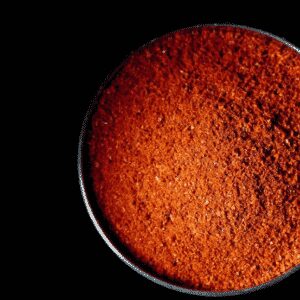
Tomato Cucumber Salad with Chaat Masala: A Simple Salad Made Extraordinary by India’s Most Exciting Finishing Spice

Spread the love

This tomato cucumber salad with chaat masala comes together in five minutes and delivers bold, layered flavor through India’s most exciting finishing spice. Full recipe, variations, chaat masala breakdown, and a guide to using it beyond salad.
Grilled Corn on the CobHealthRecipes
Tomato-Cucumber Salad Recipe with Chaat Masala
Spread the love

Last Updated: March 2026

This tomato cucumber salad takes five minutes to assemble and tastes like nothing you’ve made before — because the ingredient doing the real work is chaat masala, an Indian spice blend built on sour, salty, warm, and spicy notes that hit every part of your palate at once. The vegetables are the canvas. The chaat masala is the reason people ask for the recipe.

This guide covers what chaat masala is, why it works the way it does, the core salad recipe, a breakdown of variations worth trying, and a full rundown of other places chaat masala belongs in your kitchen beyond salad.

What Is Chaat Masala?

Chaat masala is a tangy, pungent spice blend used across Indian cooking as a finishing seasoning — sprinkled over food just before serving rather than cooked into a dish. The word chaat refers to a category of Indian street food: bite-sized savory snacks with bold, contrasting flavors. Masala simply means a spice blend. Chaat masala is the blend that defines those flavors.

What makes it unlike any other spice mix in the world is its dominant ingredient: amchur, or dried green mango powder. Amchur is intensely sour — more concentrated and fruit-forward than lemon juice, with a dusty, almost tannic quality that drives saliva production and makes everything it touches taste brighter. Combined with black salt (kala namak), which carries a distinctive sulfurous, egg-like character, cumin, coriander, black pepper, ginger, and dried chili, chaat masala produces a flavor experience that food writers consistently struggle to describe simply because it doesn’t have a Western equivalent.
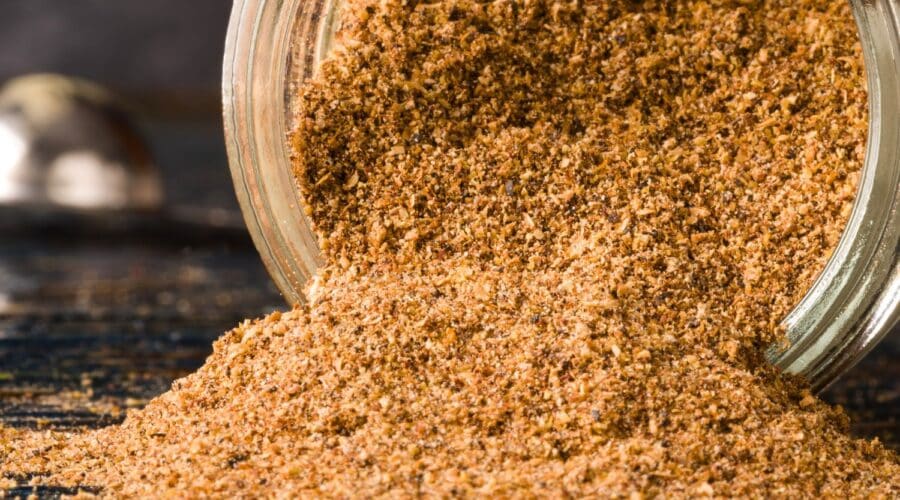
The short version: it’s sour, funky, warm, a little hot, and slightly salty all at once. It makes vegetables taste more like themselves while adding a dimension that no amount of lemon or vinegar can replicate.

Chaat masala belongs to the broader world of Indian spice blends — a culinary tradition that has produced some of the most sophisticated and layered flavor combinations in the world. Unlike garam masala, which is typically stirred into cooking, chaat masala is a finishing spice. It doesn’t get cooked. It lands on the surface of food and stays there, delivering its full, unmodified intensity with every bite.

The Spices Inside Chaat Masala: What Each One Does

Understanding a spice blend means understanding its components. Here’s what’s working inside chaat masala and why each ingredient earns its place.

Amchur (Dried Green Mango Powder)

The anchor of the whole blend. Amchur is made from unripe mangoes that have been sliced, sun-dried, and ground into a fine powder. The result is a concentrated sour agent with a fruity complexity that lemon or lime juice can’t match — partly because it’s dry, and partly because the mango character adds sweetness and tannin that pure citric acid lacks. It’s what makes chaat masala immediately recognizable.

Black Salt (Kala Namak)

This is the ingredient that surprises people most. Black salt is a volcanic rock salt from South Asia with a strong sulfurous aroma — think hard-boiled egg yolk. Sounds odd, tastes transformative. It adds a savory depth that regular salt simply doesn’t provide, and it’s why chaat masala tastes “complete” in a way that other spice blends don’t. It’s used across South Asian cooking as both a seasoning and a digestive aid.

Cumin

Roasted cumin is earthy, smoky, and slightly bitter — the grounding note in the blend that keeps the sour and funky elements from becoming chaotic. The full story of cumin as one of the world’s most historically important spices is worth knowing: it appears in cooking across India, the Middle East, North Africa, and Latin America because it does something no other spice quite replicates — it adds warmth without heat and depth without sweetness.

Coriander Coriander Seed canadian
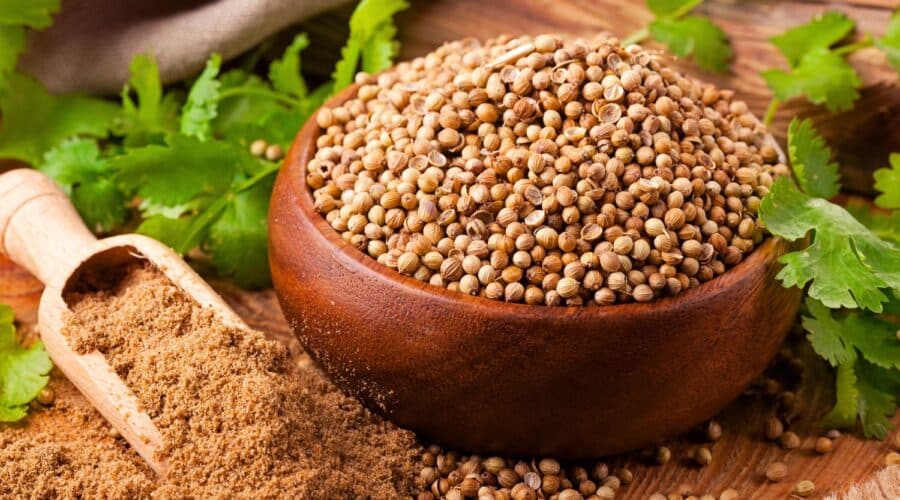
Ground coriander is citrusy and floral, and it softens the sharper edges of the amchur and black salt while adding its own mild sourness. It works as a bridge between the dominant sour notes and the warmer cumin and pepper.

Dried Ginger

Ginger contributes sharpness and a faint heat that lingers after the initial sour burst. It also adds the digestive quality that makes chaat masala a traditional accompaniment to heavier fried street foods in India — ginger has been studied for its role in supporting digestion and reducing nausea.

Dried Chili and Black Pepper

These provide the heat component, though both are restrained enough that chaat masala reads as spiced rather than spicy. Black pepper adds its own piney, floral note that complements the coriander.

Mint (in some versions)

Some regional versions of chaat masala include dried mint, which adds a cooling quality that works particularly well in fresh salads and fruit-based applications. It softens the intensity of the amchur without reducing it.

This full collection of bold, purposeful components is what puts chaat masala in the same category as other great custom spice blends — each ingredient doing specific work, none redundant, the whole greater than the sum of its parts.

The Core Recipe: Tomato Cucumber Salad with Chaat Masala

Serves: 4 as a side Time: 10 minutes

This recipe works because it gives chaat masala the space to do its job. The tomato and cucumber are mild, juicy, and slightly sweet — the perfect backdrop for a finishing spice that is anything but mild. The red onion adds sharpness and crunch. The cilantro adds herbal freshness. The chaat masala ties everything together and adds the dimension that makes the salad taste like it came from somewhere interesting.

Ingredients

  • 2 medium ripe tomatoes, cut into rough 1-inch cubes
  • ½ English cucumber (or 1 small Persian cucumber), cut into large pieces
  • ½ small red onion, very thinly sliced
  • 1 large handful fresh cilantro leaves, roughly chopped
  • 1 to 2 teaspoons chaat masala (start with 1, adjust at the table)
  • Optional: a squeeze of fresh lime juice, a pinch of fine sea salt

Instructions
Shop Spices Online

Step 1: Prep the vegetables. Cut the tomatoes into rough chunks — this is a rustic salad, not a precise one. If your tomatoes are very juicy, you can seed them by cutting them in half and squeezing gently over the sink before cubing. This keeps the salad from getting watery if it sits for more than a few minutes. Cut the cucumber into similar-sized pieces so each bite has a good ratio of both.

Step 2: Soak the red onion (optional but recommended). Raw red onion has a sharp bite that can dominate. If you want its crunch and color without the pungency, submerge the sliced onion in cold water for 5 to 10 minutes, then drain and pat dry. This mellows the flavor significantly while keeping the texture.

Step 3: Combine. Toss the tomatoes, cucumber, red onion, and cilantro together in a serving bowl. Keep it loose — overmixing bruises the tomatoes.

Step 4: Season at the table. This is the defining step. Rather than mixing the chaat masala into the salad in the kitchen, bring the bowl to the table and dust the chaat masala over the top just before serving. This preserves the powder’s texture and aroma — both of which diminish quickly once they contact the moisture of the vegetables. Set extra chaat masala on the table so each person can season to their own preference.

Step 5: Taste and finish. A small squeeze of fresh lime juice brightens the salad further. A pinch of fine sea salt is sometimes needed depending on the sodium content of your chaat masala blend. Taste before adding either.

Why Chaat Masala Works Better Than Lemon and Salt Here

Most tomato cucumber salad recipes reach for lemon juice, olive oil, and sea salt. That combination is delicious. But chaat masala does something different: it adds sourness through a dry agent (amchur) that doesn’t dilute the salad with liquid, it introduces umami and funk through the black salt, and it layers in warm spice notes that lemon juice cannot provide.

The result is a salad where every bite delivers a full flavor experience — not just freshness, but depth. It’s the difference between a well-seasoned dish and one that just tastes like vegetables. This is exactly the kind of transformation that spicing up a salad with the right finishing blend can achieve, and it takes less than a minute to apply.

Variations Worth Trying

The basic recipe is a reliable starting point. Once you understand how chaat masala behaves, these variations are easy to explore.

Add Fruit

Chaat masala is used in India as a finishing spice for fresh fruit as commonly as it’s used on vegetables. Mango slices, sliced apple, watermelon chunks, and pineapple all respond beautifully to a dusting of chaat masala — the sourness amplifies the fruit’s natural sweetness rather than fighting it. Try adding diced mango to the base tomato-cucumber salad for a version that works particularly well alongside grilled fish or chicken.

Add Chickpeas
Urfa Biber Scoville Rating

Stir in a drained can of rinsed chickpeas to turn this side salad into something more substantial. The chickpeas absorb the chaat masala and provide a hearty, protein-rich base. A drizzle of good olive oil and an extra squeeze of lime makes this a satisfying lunch on its own. This is a direct riff on chana chaat, one of the most popular street food preparations in northern India.

Add Avocado

The creamy richness of ripe avocado is an excellent counterbalance to chaat masala’s sharpness. Cube two avocados and fold them in gently at the end. The result is a salad that reads as both Indian-inspired and decidedly California  which fits well for a dish coming out of a Silver Lake kitchen. This variation also makes it more filling as a standalone meal.

Swap Cilantro for Mint

If cilantro isn’t your preference, fresh mint is the most natural substitute in this context  it’s already present in many chaat masala blends and it echoes the cooling note in the spice naturally. A combination of both herbs works particularly well in the fruit-forward versions.

Make It a Raita

Stir the tomato, cucumber, and chaat masala into plain full-fat yogurt to make a spiced raita  the cooling Indian condiment that appears alongside curries, biryanis, and grilled meats. Use about 1 cup of yogurt, dice the vegetables smaller than for the salad, and use just ½ teaspoon of chaat masala to start. The yogurt tempers the intensity of the blend while absorbing all of its flavor complexity. This version goes particularly well alongside Indian cuisine dishes built on warmer, richer spice profiles.

Beyond Salad: Everything Else Chaat Masala Does Well

Once you start keeping chaat masala on the counter rather than in the spice cabinet, you’ll use it constantly. Here’s where it performs best outside of salads.

On roasted vegetables. Toss roasted cauliflower, sweet potato, or brussels sprouts with a pinch of chaat masala while still warm from the oven. The residual heat activates the spice and the sourness cuts through the caramelized sweetness of the vegetables.

On popcorn. This is genuinely one of the best applications. Toss freshly popped corn in a little melted butter or coconut oil, then dust with chaat masala and a pinch of sea salt. The result is tangy, savory, and impossible to stop eating.

On eggs. A pinch of chaat masala over fried or scrambled eggs adds sourness and complexity in exactly the same way Aleppo pepper or za’atar does — it makes the eggs taste more interesting without making them taste Indian. It’s a finishing touch that works at any breakfast.

On grilled corn. The classic Mexican elote preparation (grilled corn with butter, cotija, and chili-lime) has a near-direct parallel in Indian street food, where grilled corn gets brushed with lime juice and chaat masala. Both versions work for the same reason: the sour, salty, spiced seasoning amplifies the sweetness of corn in a way that plain salt and butter simply can’t.

Stirred into yogurt dips. A teaspoon of chaat masala stirred into plain yogurt or store-bought hummus transforms either one into a dip worth building a meal around.

On fruit chaat (fresh fruit salad). This is the most traditional Indian application outside of fried snacks. Any combination of seasonal fruit — mango, banana, apple, pomegranate seeds, citrus segments  dressed with a generous pinch of chaat masala and a squeeze of lime is a standard Indian street dessert. Spicing up fruit is a concept that most Western cooks haven’t fully explored, and chaat masala is the gateway blend for exactly this reason.

Tips for Getting the Most from Chaat Masala
Always use it as a finishing spice. Cooking chaat masala destroys what makes it interesting  the amchur loses its bright sourness under heat, the black salt’s aroma fades, and the whole blend flattens into generic warmth. Apply it cold, just before serving.

Start with less than you think you need. A half teaspoon over a bowl of salad for four people is enough to notice. Add more at the table based on preference. It’s easier to add than to subtract.

Store it away from heat and moisture. The amchur in the blend is hygroscopic  it absorbs moisture from the air  which means chaat masala can clump and lose its powdery texture if stored near the stove or in a humid kitchen. A sealed jar in a cool, dry spot keeps it fresh. For broader guidance on preserving your spice collection, the guide to spice management covers storage in detail, and if you’re ever unsure whether a blend is still good, do spices expire answers that question directly.

Buy from a source with real turnover. The quality difference between fresh chaat masala and a blend that’s been sitting on a shelf for a year is dramatic — amchur oxidizes and loses its punch faster than most dry spices. Buying spices online from a trusted source with genuine product turnover is the best way to guarantee freshness.

Chaat Masala and the Broader Story of Indian Spice Blends

India’s spice blending tradition is one of the oldest and most sophisticated in the world. Blends like garam masala, sambar powder, chana masala, and chaat masala each evolved to serve specific cooking functions  some to build base flavor through cooking, some to add complexity mid-recipe, some to finish dishes tableside. Chaat masala is the clearest expression of that last category: a blend designed purely for the moment of eating, not the moment of cooking.

This functional approach to spice blending  thinking about when in the cooking process a spice does its best work — is something the Spice Station blog returns to regularly. It’s part of why spices from around the world each have something specific to teach about how flavor actually works.

If you’re interested in building out an Indian-inspired spice collection beyond chaat masala, the full range of Indian cuisine spices at Spice Station is a good place to start exploring. And if you’re new to cooking with spice blends in general, the post on must-have spices for vegan cooking covers several Indian staples that naturally fit a plant-forward kitchen.

Frequently Asked Questions

What does chaat masala taste like?

Chaat masala is sour, salty, warm, and slightly spicy all at once. The dominant flavor is the sour tang of amchur (dried mango powder), layered over the funky depth of black salt, earthy cumin, and a gentle heat from dried chili and ginger. It doesn’t taste like any Western spice blend — the combination is uniquely South Asian and designed to hit every part of the palate simultaneously.

Is chaat masala the same as garam masala?

No. These are two completely different blends serving different purposes. Garam masala is a warm, aromatic blend dominated by cinnamon, cardamom, cloves, and cumin — typically added during cooking to build base flavor. Chaat masala is tangy and funky, built around amchur and black salt, and used as a finishing spice after cooking. Substituting one for the other in a recipe would produce dramatically different results.

Can I make my own chaat masala?

Yes, though getting the balance right takes some experimentation. The core components are amchur, kala namak (black salt), roasted cumin powder, coriander, dried ginger, black pepper, and dried chili. The challenge is that each of these ingredients varies in potency by source and freshness, so the ratios need to be adjusted by taste. For most home cooks, a well-made commercial blend from a trusted source is the more practical choice. Spice Station’s Tourtière Blend follows the same principle — why balance four potent spices individually when a calibrated blend does it for you.

How much chaat masala should I use on this salad?

Start with about 1 teaspoon for a salad serving four people. The right amount varies by personal preference and by the specific blend, since potency differs between brands. The best approach is to season lightly in the kitchen, bring the jar to the table, and let everyone add more to their own portion. Chaat masala is intensely flavored — a little always goes further than you expect.

Is chaat masala vegan and gluten-free?

Yes. A standard chaat masala blend contains only dried spices and is naturally vegan and gluten-free. Check the label of your specific blend to confirm no additives are present, but the traditional ingredient list contains nothing from animal sources or gluten-containing grains.

What are the best substitutes for chaat masala if I can’t find it?

There is no direct Western equivalent. The closest approximation would be a combination of amchur powder (available at Indian grocery stores), a small amount of regular salt, and a pinch of cumin and cayenne. The black salt component is the hardest to substitute — without it, you lose the funky depth that makes chaat masala distinctive. If finding the real thing matters, Spice Station’s online shop carries it with national shipping.

Can I use chaat masala in cooked dishes?

You can, though it’s not its best application. The sourness of amchur softens significantly under heat, and the black salt’s aromatic quality fades with prolonged cooking. For cooked applications where you want sour-savory complexity, amchur added toward the end of cooking performs better than a full chaat masala blend. Save the blend itself for the final moment  as a finishing spice, it’s genuinely unrivaled.

Have questions about chaat masala or want a recommendation on how to use it in your cooking? Reach out through the contact page  we’re always glad to talk spices.

Tags: buy chaat masala online, chaat masala recipe, chaat masala salad, chaat masala uses, chaat masala vs garam masala, how to use chaat masala, Indian finishing spice, Indian spice blend Silver Lake, tomato cucumber salad chaat masala, what is chaat masala
Previous Post
Urfa Biber: The Dark, Smoky Turkish Chile That Changes Everything
Next Post
Coriander Leaves vs. Cilantro: The Complete Guide to One Plant with Two Names
Tomato-Cucumber Salad Recipe with Chaat Masala
Spread the love

Last Updated: March 2026

This tomato cucumber salad takes five minutes to assemble and tastes like nothing you’ve made before — because the ingredient doing the real work is chaat masala, an Indian spice blend built on sour, salty, warm, and spicy notes that hit every part of your palate at once. The vegetables are the canvas. The chaat masala is the reason people ask for the recipe.

This guide covers what chaat masala is, why it works the way it does, the core salad recipe, a breakdown of variations worth trying, and a full rundown of other places chaat masala belongs in your kitchen beyond salad.

What Is Chaat Masala?

Chaat masala is a tangy, pungent spice blend used across Indian cooking as a finishing seasoning — sprinkled over food just before serving rather than cooked into a dish. The word chaat refers to a category of Indian street food: bite-sized savory snacks with bold, contrasting flavors. Masala simply means a spice blend. Chaat masala is the blend that defines those flavors.

What makes it unlike any other spice mix in the world is its dominant ingredient: amchur, or dried green mango powder. Amchur is intensely sour — more concentrated and fruit-forward than lemon juice, with a dusty, almost tannic quality that drives saliva production and makes everything it touches taste brighter. Combined with black salt (kala namak), which carries a distinctive sulfurous, egg-like character, cumin, coriander, black pepper, ginger, and dried chili, chaat masala produces a flavor experience that food writers consistently struggle to describe simply because it doesn’t have a Western equivalent.

The short version: it’s sour, funky, warm, a little hot, and slightly salty all at once. It makes vegetables taste more like themselves while adding a dimension that no amount of lemon or vinegar can replicate.

Chaat masala belongs to the broader world of Indian spice blends — a culinary tradition that has produced some of the most sophisticated and layered flavor combinations in the world. Unlike garam masala, which is typically stirred into cooking, chaat masala is a finishing spice. It doesn’t get cooked. It lands on the surface of food and stays there, delivering its full, unmodified intensity with every bite.

The Spices Inside Chaat Masala: What Each One Does

Understanding a spice blend means understanding its components. Here’s what’s working inside chaat masala and why each ingredient earns its place.

Amchur (Dried Green Mango Powder)

The anchor of the whole blend. Amchur is made from unripe mangoes that have been sliced, sun-dried, and ground into a fine powder. The result is a concentrated sour agent with a fruity complexity that lemon or lime juice can’t match — partly because it’s dry, and partly because the mango character adds sweetness and tannin that pure citric acid lacks. It’s what makes chaat masala immediately recognizable.

Black Salt (Kala Namak)

This is the ingredient that surprises people most. Black salt is a volcanic rock salt from South Asia with a strong sulfurous aroma — think hard-boiled egg yolk. Sounds odd, tastes transformative. It adds a savory depth that regular salt simply doesn’t provide, and it’s why chaat masala tastes “complete” in a way that other spice blends don’t. It’s used across South Asian cooking as both a seasoning and a digestive aid.

Cumin

Roasted cumin is earthy, smoky, and slightly bitter — the grounding note in the blend that keeps the sour and funky elements from becoming chaotic. The full story of cumin as one of the world’s most historically important spices is worth knowing: it appears in cooking across India, the Middle East, North Africa, and Latin America because it does something no other spice quite replicates — it adds warmth without heat and depth without sweetness.

Coriander Coriander Seed canadian

Ground coriander is citrusy and floral, and it softens the sharper edges of the amchur and black salt while adding its own mild sourness. It works as a bridge between the dominant sour notes and the warmer cumin and pepper.

Dried Ginger

Ginger contributes sharpness and a faint heat that lingers after the initial sour burst. It also adds the digestive quality that makes chaat masala a traditional accompaniment to heavier fried street foods in India — ginger has been studied for its role in supporting digestion and reducing nausea.

Dried Chili and Black Pepper

These provide the heat component, though both are restrained enough that chaat masala reads as spiced rather than spicy. Black pepper adds its own piney, floral note that complements the coriander.

Mint (in some versions)

Some regional versions of chaat masala include dried mint, which adds a cooling quality that works particularly well in fresh salads and fruit-based applications. It softens the intensity of the amchur without reducing it.

This full collection of bold, purposeful components is what puts chaat masala in the same category as other great custom spice blends — each ingredient doing specific work, none redundant, the whole greater than the sum of its parts.

The Core Recipe: Tomato Cucumber Salad with Chaat Masala

Serves: 4 as a side Time: 10 minutes

This recipe works because it gives chaat masala the space to do its job. The tomato and cucumber are mild, juicy, and slightly sweet — the perfect backdrop for a finishing spice that is anything but mild. The red onion adds sharpness and crunch. The cilantro adds herbal freshness. The chaat masala ties everything together and adds the dimension that makes the salad taste like it came from somewhere interesting.

Ingredients

  • 2 medium ripe tomatoes, cut into rough 1-inch cubes
  • ½ English cucumber (or 1 small Persian cucumber), cut into large pieces
  • ½ small red onion, very thinly sliced
  • 1 large handful fresh cilantro leaves, roughly chopped
  • 1 to 2 teaspoons chaat masala (start with 1, adjust at the table)
  • Optional: a squeeze of fresh lime juice, a pinch of fine sea salt

Instructions

Shop Spices Online

Step 1: Prep the vegetables. Cut the tomatoes into rough chunks — this is a rustic salad, not a precise one. If your tomatoes are very juicy, you can seed them by cutting them in half and squeezing gently over the sink before cubing. This keeps the salad from getting watery if it sits for more than a few minutes. Cut the cucumber into similar-sized pieces so each bite has a good ratio of both.

Step 2: Soak the red onion (optional but recommended). Raw red onion has a sharp bite that can dominate. If you want its crunch and color without the pungency, submerge the sliced onion in cold water for 5 to 10 minutes, then drain and pat dry. This mellows the flavor significantly while keeping the texture.

Step 3: Combine. Toss the tomatoes, cucumber, red onion, and cilantro together in a serving bowl. Keep it loose — overmixing bruises the tomatoes.

Step 4: Season at the table. This is the defining step. Rather than mixing the chaat masala into the salad in the kitchen, bring the bowl to the table and dust the chaat masala over the top just before serving. This preserves the powder’s texture and aroma — both of which diminish quickly once they contact the moisture of the vegetables. Set extra chaat masala on the table so each person can season to their own preference.

Step 5: Taste and finish. A small squeeze of fresh lime juice brightens the salad further. A pinch of fine sea salt is sometimes needed depending on the sodium content of your chaat masala blend. Taste before adding either.

Why Chaat Masala Works Better Than Lemon and Salt Here

Most tomato cucumber salad recipes reach for lemon juice, olive oil, and sea salt. That combination is delicious. But chaat masala does something different: it adds sourness through a dry agent (amchur) that doesn’t dilute the salad with liquid, it introduces umami and funk through the black salt, and it layers in warm spice notes that lemon juice cannot provide.

The result is a salad where every bite delivers a full flavor experience — not just freshness, but depth. It’s the difference between a well-seasoned dish and one that just tastes like vegetables. This is exactly the kind of transformation that spicing up a salad with the right finishing blend can achieve, and it takes less than a minute to apply.

Variations Worth Trying

The basic recipe is a reliable starting point. Once you understand how chaat masala behaves, these variations are easy to explore.

Add Fruit

Chaat masala is used in India as a finishing spice for fresh fruit as commonly as it’s used on vegetables. Mango slices, sliced apple, watermelon chunks, and pineapple all respond beautifully to a dusting of chaat masala — the sourness amplifies the fruit’s natural sweetness rather than fighting it. Try adding diced mango to the base tomato-cucumber salad for a version that works particularly well alongside grilled fish or chicken.

Add Chickpeas

Urfa Biber Scoville Rating

Stir in a drained can of rinsed chickpeas to turn this side salad into something more substantial. The chickpeas absorb the chaat masala and provide a hearty, protein-rich base. A drizzle of good olive oil and an extra squeeze of lime makes this a satisfying lunch on its own. This is a direct riff on chana chaat, one of the most popular street food preparations in northern India.

Add Avocado

The creamy richness of ripe avocado is an excellent counterbalance to chaat masala’s sharpness. Cube two avocados and fold them in gently at the end. The result is a salad that reads as both Indian-inspired and decidedly California  which fits well for a dish coming out of a Silver Lake kitchen. This variation also makes it more filling as a standalone meal.

Swap Cilantro for Mint

If cilantro isn’t your preference, fresh mint is the most natural substitute in this context  it’s already present in many chaat masala blends and it echoes the cooling note in the spice naturally. A combination of both herbs works particularly well in the fruit-forward versions.

Make It a Raita

Stir the tomato, cucumber, and chaat masala into plain full-fat yogurt to make a spiced raita  the cooling Indian condiment that appears alongside curries, biryanis, and grilled meats. Use about 1 cup of yogurt, dice the vegetables smaller than for the salad, and use just ½ teaspoon of chaat masala to start. The yogurt tempers the intensity of the blend while absorbing all of its flavor complexity. This version goes particularly well alongside Indian cuisine dishes built on warmer, richer spice profiles.

Beyond Salad: Everything Else Chaat Masala Does Well

Once you start keeping chaat masala on the counter rather than in the spice cabinet, you’ll use it constantly. Here’s where it performs best outside of salads.

On roasted vegetables. Toss roasted cauliflower, sweet potato, or brussels sprouts with a pinch of chaat masala while still warm from the oven. The residual heat activates the spice and the sourness cuts through the caramelized sweetness of the vegetables.

On popcorn. This is genuinely one of the best applications. Toss freshly popped corn in a little melted butter or coconut oil, then dust with chaat masala and a pinch of sea salt. The result is tangy, savory, and impossible to stop eating.

On eggs. A pinch of chaat masala over fried or scrambled eggs adds sourness and complexity in exactly the same way Aleppo pepper or za’atar does — it makes the eggs taste more interesting without making them taste Indian. It’s a finishing touch that works at any breakfast.

On grilled corn. The classic Mexican elote preparation (grilled corn with butter, cotija, and chili-lime) has a near-direct parallel in Indian street food, where grilled corn gets brushed with lime juice and chaat masala. Both versions work for the same reason: the sour, salty, spiced seasoning amplifies the sweetness of corn in a way that plain salt and butter simply can’t.

Stirred into yogurt dips. A teaspoon of chaat masala stirred into plain yogurt or store-bought hummus transforms either one into a dip worth building a meal around.

On fruit chaat (fresh fruit salad). This is the most traditional Indian application outside of fried snacks. Any combination of seasonal fruit — mango, banana, apple, pomegranate seeds, citrus segments  dressed with a generous pinch of chaat masala and a squeeze of lime is a standard Indian street dessert. Spicing up fruit is a concept that most Western cooks haven’t fully explored, and chaat masala is the gateway blend for exactly this reason.

Tips for Getting the Most from Chaat Masala

Always use it as a finishing spice. Cooking chaat masala destroys what makes it interesting  the amchur loses its bright sourness under heat, the black salt’s aroma fades, and the whole blend flattens into generic warmth. Apply it cold, just before serving.

Start with less than you think you need. A half teaspoon over a bowl of salad for four people is enough to notice. Add more at the table based on preference. It’s easier to add than to subtract.

Store it away from heat and moisture. The amchur in the blend is hygroscopic  it absorbs moisture from the air  which means chaat masala can clump and lose its powdery texture if stored near the stove or in a humid kitchen. A sealed jar in a cool, dry spot keeps it fresh. For broader guidance on preserving your spice collection, the guide to spice management covers storage in detail, and if you’re ever unsure whether a blend is still good, do spices expire answers that question directly.

Buy from a source with real turnover. The quality difference between fresh chaat masala and a blend that’s been sitting on a shelf for a year is dramatic — amchur oxidizes and loses its punch faster than most dry spices. Buying spices online from a trusted source with genuine product turnover is the best way to guarantee freshness.

Chaat Masala and the Broader Story of Indian Spice Blends

India’s spice blending tradition is one of the oldest and most sophisticated in the world. Blends like garam masala, sambar powder, chana masala, and chaat masala each evolved to serve specific cooking functions  some to build base flavor through cooking, some to add complexity mid-recipe, some to finish dishes tableside. Chaat masala is the clearest expression of that last category: a blend designed purely for the moment of eating, not the moment of cooking.

This functional approach to spice blending  thinking about when in the cooking process a spice does its best work — is something the Spice Station blog returns to regularly. It’s part of why spices from around the world each have something specific to teach about how flavor actually works.

If you’re interested in building out an Indian-inspired spice collection beyond chaat masala, the full range of Indian cuisine spices at Spice Station is a good place to start exploring. And if you’re new to cooking with spice blends in general, the post on must-have spices for vegan cooking covers several Indian staples that naturally fit a plant-forward kitchen.

Frequently Asked Questions

What does chaat masala taste like?

Chaat masala is sour, salty, warm, and slightly spicy all at once. The dominant flavor is the sour tang of amchur (dried mango powder), layered over the funky depth of black salt, earthy cumin, and a gentle heat from dried chili and ginger. It doesn’t taste like any Western spice blend — the combination is uniquely South Asian and designed to hit every part of the palate simultaneously.

Is chaat masala the same as garam masala?

No. These are two completely different blends serving different purposes. Garam masala is a warm, aromatic blend dominated by cinnamon, cardamom, cloves, and cumin — typically added during cooking to build base flavor. Chaat masala is tangy and funky, built around amchur and black salt, and used as a finishing spice after cooking. Substituting one for the other in a recipe would produce dramatically different results.

Can I make my own chaat masala?

Yes, though getting the balance right takes some experimentation. The core components are amchur, kala namak (black salt), roasted cumin powder, coriander, dried ginger, black pepper, and dried chili. The challenge is that each of these ingredients varies in potency by source and freshness, so the ratios need to be adjusted by taste. For most home cooks, a well-made commercial blend from a trusted source is the more practical choice. Spice Station’s Tourtière Blend follows the same principle — why balance four potent spices individually when a calibrated blend does it for you.

How much chaat masala should I use on this salad?

Start with about 1 teaspoon for a salad serving four people. The right amount varies by personal preference and by the specific blend, since potency differs between brands. The best approach is to season lightly in the kitchen, bring the jar to the table, and let everyone add more to their own portion. Chaat masala is intensely flavored — a little always goes further than you expect.

Is chaat masala vegan and gluten-free?

Yes. A standard chaat masala blend contains only dried spices and is naturally vegan and gluten-free. Check the label of your specific blend to confirm no additives are present, but the traditional ingredient list contains nothing from animal sources or gluten-containing grains.

What are the best substitutes for chaat masala if I can’t find it?

There is no direct Western equivalent. The closest approximation would be a combination of amchur powder (available at Indian grocery stores), a small amount of regular salt, and a pinch of cumin and cayenne. The black salt component is the hardest to substitute — without it, you lose the funky depth that makes chaat masala distinctive. If finding the real thing matters, Spice Station’s online shop carries it with national shipping.

Can I use chaat masala in cooked dishes?

You can, though it’s not its best application. The sourness of amchur softens significantly under heat, and the black salt’s aromatic quality fades with prolonged cooking. For cooked applications where you want sour-savory complexity, amchur added toward the end of cooking performs better than a full chaat masala blend. Save the blend itself for the final moment  as a finishing spice, it’s genuinely unrivaled.

Have questions about chaat masala or want a recommendation on how to use it in your cooking? Reach out through the contact page  we’re always glad to talk spices.

Tags: buy chaat masala online, chaat masala recipe, chaat masala salad, chaat masala uses, chaat masala vs garam masala, how to use chaat masala, Indian finishing spice, Indian spice blend Silver Lake, tomato cucumber salad chaat masala, what is chaat masala
Previous Post
Middle Eastern Spice Blends: The Complete Guide to the Region’s Essential Seasonings
Next Post
Coriander Leaves vs. Cilantro: The Complete Guide to One Plant with Two Names