Panch Pooran Potatoes: The Bengali Five-Spice Technique That Changes How You Cook Vegetables
Panch Phoron Potatoes: Bengali Five-Spice Magic for Vegetables
Last Updated: March 2026
Panch pooran potatoes are crispy pan-fried potatoes seasoned with a Bengali five-seed blend that pops and crackles in hot oil before the first vegetable ever hits the pan. The result deeply aromatic, slightly bitter at the edges, warm with layered seed notes is a dish that costs almost nothing to make and tastes like it came from a serious kitchen. The technique at the heart of it, called tempering, is one of the most valuable cooking skills to learn from Indian cuisine, and potatoes are the perfect first lesson.
This guide covers what panch pooran is, how the five seeds work together, the complete recipe with detailed technique, regional context, variations, and everything else this blend can do beyond a side dish of potatoes.
What Is Panch Pooran?
Panch pooran (also spelled panch phoron) is a whole-seed spice blend from Bengal — the eastern region of the Indian subcontinent that today spans West Bengal in India and the entirety of Bangladesh. The name comes from the Sanskrit and Bengali words for “five” (panch) and “spice” or “filling” (pooran), making it, literally, a five-spice blend. Unlike Chinese five spice, which is a ground powder, panch pooran is always used whole. The seeds are never ground before cooking.
The five seeds in a traditional panch pooran blend are fenugreek, nigella, cumin, black mustard, and fennel — each present in roughly equal proportions, though home cooks and producers adjust ratios to preference. Together they create a flavor profile that is earthy, slightly bitter, mildly sweet, aromatic, and pleasantly pungent. No single seed dominates. The five work as an ensemble, each contributing something the others don’t have.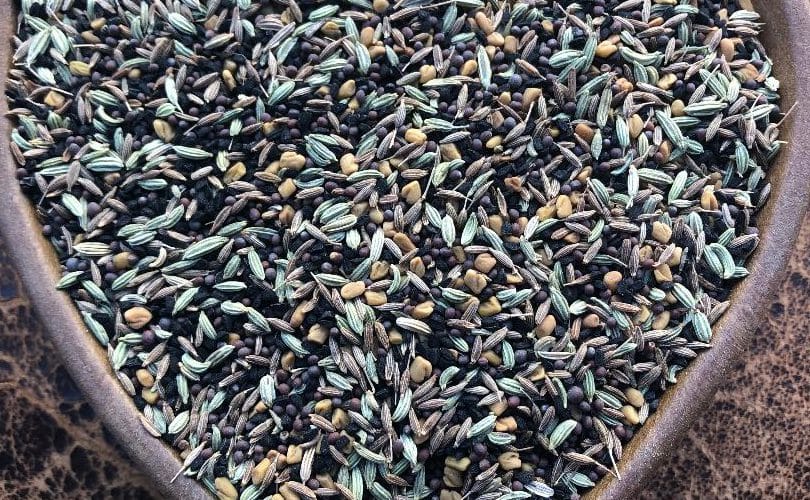
According to food historians, panch pooran has been used in Bengali cooking for at least several centuries, appearing in both Hindu and Muslim culinary traditions across the region. It is one of the foundational flavor bases of Bengali cuisine — the same way mirepoix grounds French cooking or sofrito underpins much of Latin American food — used to start vegetable dishes, lentil preparations, fish curries, pickles, and flatbreads. The fact that it translates so directly to a simple potato dish is part of what makes it such an accessible entry point into Indian spice blends for cooks who haven’t encountered it before.
The Five Seeds: What Each One Brings
Understanding why panch pooran works means understanding what each seed contributes individually. The blend is precise in the way that all great spice combinations are precise — each component earns its place.
Fenugreek Seeds (Methi)
Fenugreek is the most assertive seed in the blend, with a bittersweet, slightly maple-like flavor that becomes more pronounced with heat. It’s the seed most likely to tip the dish toward bitterness if used in excess, which is why panch pooran keeps it in balance with the softer notes of fennel and cumin. The health benefits of fenugreek are well-documented in traditional Ayurvedic medicine — it’s associated with blood sugar regulation and digestive support. In this dish, it adds depth and a slight edge that prevents the other seeds from reading as one-dimensional.
Nigella Seeds (Kalonji)
Nigella seeds are small, matte black, and frequently confused with black sesame — they look similar but taste completely different. The flavor is complex: slightly onion-like, faintly oregano-adjacent, with a peppery finish. They add an aromatic, savory note that distinguishes panch pooran from any other Indian spice blend. Nigella seeds are also found in Middle Eastern spice traditions — scattered over flatbreads and incorporated into cheese — which speaks to their broad appeal across culinary cultures.
Cumin Seeds (Jeera)
Cumin is the most familiar of the five seeds to most Western cooks — earthy, warm, and slightly smoky. In the context of panch pooran, whole cumin seeds add a grounding note that keeps the blend’s more pungent elements in check. When they hit hot oil, they bloom within seconds and fill the pan with one of cooking’s most recognizable aromas. The complete story of cumin as one of the world’s most globally traded spices goes back thousands of years.
Black Mustard Seeds (Rai)
Black mustard seeds are sharp, nutty, and intensely aromatic — particularly when they pop in hot oil, which they do quickly and emphatically. The popping is more than a theatrical moment: it signals that the seed’s outer coat has burst, releasing the volatile compounds responsible for mustard’s distinctive pungency into the cooking fat. From that point, every ingredient added to the pan gets coated in mustard-scented oil. Brown mustard seeds can substitute if black are unavailable; yellow mustard seeds are milder and work in a pinch but change the flavor profile noticeably. For a broader look at the health benefits of various chiles and seeds, mustard seeds share many of the same antioxidant properties.
Fennel Seeds (Saunf)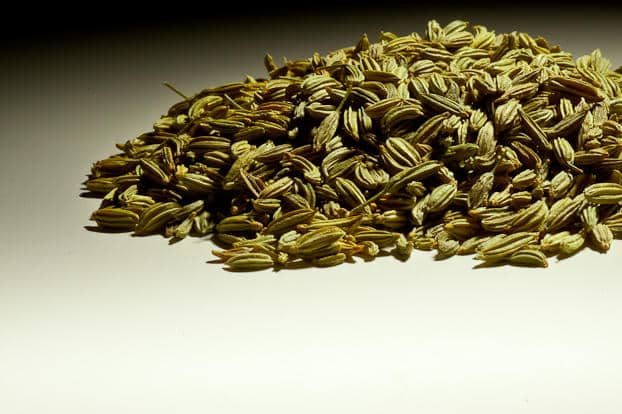
Fennel is the sweetest and most cooling of the five seeds, contributing a mild licorice note that softens the blend’s sharper edges. It’s also the digestive anchor — fennel seeds are one of the most widely used carminatives across Indian, Mediterranean, and Middle Eastern cooking traditions. In panch pooran, fennel keeps the bitterness of fenugreek in check and adds an aromatic sweetness that makes the whole blend feel balanced rather than aggressive.
The Technique: Why Tempering Matters
The most important thing to understand about cooking with panch pooran — and with whole spices in Indian cooking generally — is the technique called tadka or tempering. This is the process of frying whole seeds in hot fat before adding other ingredients, allowing the fat to extract the seeds’ fat-soluble flavor compounds and carry them through the entire dish.
Tempering is why panch pooran potatoes taste the way they do. The seeds don’t just provide flavor where they physically sit in the dish — they infuse the oil itself, and that spiced oil coats every potato wedge and every piece of onion with layered, distributed flavor that no amount of sprinkling dry spice after the fact can replicate.
The technique has a specific visual cue: you add the seeds to hot fat and wait for them to pop, sizzle, and change color. The mustard seeds will pop first — rapid and audible. The fenugreek will darken from pale yellow to golden brown. The cumin seeds will deepen in color and release their characteristic smoke. When most seeds have responded, the oil is fully seasoned and ready for the next ingredients.
Getting this right requires adequate heat and proper attention. Too low, and the seeds sit in warm oil, slowly turning bitter without releasing their aromatics. Too high, and they burn before they bloom, leaving the oil harsh and acrid. Medium-high heat with a watchful eye and the next ingredients close at hand is the reliable approach. This same tempering logic applies across a wide range of Indian cooking techniques — it’s a foundational skill that pays forward into every Indian-influenced dish you cook from this point.
The Complete Recipe: Panch Pooran Potatoes
Serves: 4 as a side dish Time: 35 minutes
Ingredients
- 1 lb (450g) new potatoes or baby potatoes, boiled until just tender and cut into wedges
- 1 medium yellow onion, halved and thinly sliced
- 1 to 2 hot green chilis (such as Thai bird’s eye or serrano), seeds removed and finely chopped — optional, adjust to heat preference
- 1 tablespoon panch pooran blend
- ½ teaspoon fine sea salt or Himalayan pink salt, plus more to taste
- 2 tablespoons ghee or neutral oil (coconut oil also works well)
- Fresh cilantro leaves, for garnish
- Half a lime, for serving
For the spicier variation:
- ½ teaspoon ground turmeric
- ½ teaspoon ground cumin
- Leave the seeds in the chilis for extra heat
Step-by-Step Instructions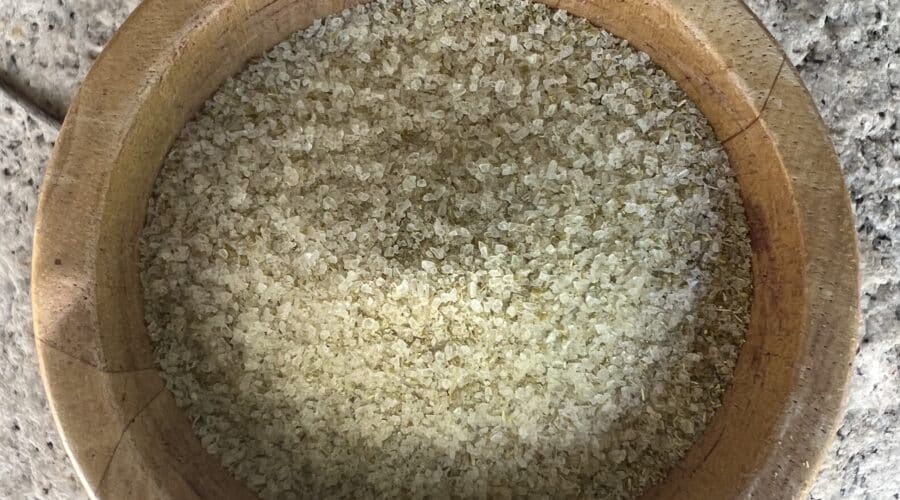
Step 1: Boil and cool the potatoes. Cover the potatoes in cold salted water, bring to a boil, and cook until just tender when pierced with a knife — about 12 to 15 minutes for small new potatoes. You want them cooked through but firm enough to hold their shape during the pan-frying stage. Drain well and let steam dry for five minutes. Cut into wedges. Excess moisture on the potatoes will cause them to stick and steam rather than fry, so allow them to dry fully before they go into the pan.
Step 2: Heat the fat. Add the ghee or oil to a heavy-bottomed skillet or wok over medium-high heat. Ghee is the traditional choice and produces a richer, more complex flavor — its milk solids have already been cooked out, which means it can reach higher temperatures than butter without burning. If using oil, choose something neutral or coconut oil for a complementary flavor. The pan should be hot enough that a single seed dropped in sizzles immediately.
Step 3: Temper the panch pooran. Add the full tablespoon of panch pooran to the hot fat. The mustard seeds will begin to pop within 30 seconds — stand back slightly, as they can spit. Stir gently and watch as the cumin darkens, the fenugreek turns golden, and the fennel becomes fragrant. This takes about 60 to 90 seconds in total. Don’t walk away. Burned seeds produce a bitter, harsh oil that ruins the entire dish.
Step 4: Add onion and chili. Once most seeds have popped and changed color, add the sliced onion and chopped chili (if using). Reduce heat to medium. Stir to coat everything in the spiced fat. Cook, stirring occasionally, for 6 to 8 minutes until the onion is soft, translucent, and beginning to pick up color at the edges. If adding turmeric and ground cumin for the spicier variation, stir them into the onions now and cook for one minute to cook out the raw spice taste.
Step 5: Add potatoes and salt. Add the potato wedges and salt. Toss to coat everything evenly in the spiced onion mixture. Spread into a single layer as much as possible. Cook over medium heat, turning every 3 to 4 minutes, for 10 to 15 minutes total until the potatoes are golden and crisp at the edges. Resist the urge to stir constantly — contact time with the hot pan is what builds the crust.
Step 6: Taste and finish. Taste and adjust salt. If the potatoes need more heat, add a pinch of cayenne or finely sliced fresh chili. Finish with a squeeze of lime juice, which cuts through the richness of the ghee and brightens every seed note in the dish. Scatter fresh cilantro over the top — a generous amount, not a garnish sprinkle.
Ingredient Notes and Substitutions
On ghee: Ghee is clarified butter — butter with the milk solids removed — and it produces a noticeably richer, more aromatic result than plain oil. It also has a higher smoke point (around 450°F) than whole butter, making it ideal for high-heat tempering. If you don’t have ghee, coconut oil is the best alternative for flavor. Neutral vegetable oil works but produces a plainer result. To keep this dish fully vegan, use oil rather than ghee.
On potato variety: New potatoes and baby potatoes have thin skins and waxy flesh that holds up well to the boil-then-fry method. Russets are too starchy and break down during pan-frying. Yukon Golds are an excellent middle ground — sturdy enough to crisp up while absorbing the spiced oil beautifully.
On the chili: Thai bird’s eye chilis are the most authentically Bengali choice for a hot version of this dish. Serrano peppers are a reasonable substitute with similar heat. For a milder version that still carries chili flavor, use a large Anaheim or poblano with seeds removed. For a very mild dish, skip fresh chili entirely and rely on the panch pooran’s natural warmth.
On salt: Himalayan pink salt is the original recipe’s choice and works beautifully here — its mild mineral quality complements the seed flavors without sharpening them. Any good-quality sea salt is a perfectly fine substitute. For a guide to which salt works best in different cooking contexts, the complete guide to specialty salts covers the options in detail.
What to Serve with Panch Pooran Potatoes
This dish earns its place as a versatile side across several different meal contexts.
As part of an Indian spread. Serve alongside dal (spiced lentils), a vegetable curry, rice, and a cooling raita — such as the Mango Mukwas Raita. The panch pooran potatoes bring a crispy, savory element that rounds out a meal built around saucy dishes. A sprinkle of chaat masala over the potatoes just before serving adds an extra layer of tang that works particularly well if the rest of the meal is rich.
As a breakfast or brunch side. Spiced potatoes are a morning staple across South Asia — and these work just as well alongside eggs as they do next to curry. Serve them with fried or poached eggs and a spoonful of yogurt for a breakfast that’s more interesting than a standard hash without being any more work.
As a stand-alone snack. A bowl of panch pooran potatoes with a wedge of lime and a small dish of yogurt for dipping is a completely satisfying snack or light meal on its own. The Indian street food tradition built around spiced potato preparations — aloo chaat, aloo tikki — confirms that potatoes and Indian spices are one of the great culinary partnerships.
Alongside roasted or grilled proteins. The earthy, seed-forward character of panch pooran potatoes pairs naturally with grilled lamb, roasted chicken, or spiced fish. They’re an unusual and welcome substitute for roasted potatoes or mashed potatoes in any setting where you’d normally reach for those.
Beyond Potatoes: Everything Else Panch Pooran Does Well
Once you’ve made this recipe and understood the tempering technique, panch pooran opens up into a remarkably versatile spice blend. These are the applications worth exploring next.
Lentils and dal. This is panch pooran’s most traditional home. A tadka of panch pooran in ghee, poured sizzling over cooked red or yellow lentils just before serving, is one of Bengali cooking’s defining flavor combinations. The seeds float on the surface of the dal in fragrant, shimmering oil and turn an otherwise simple pulse dish into something considerably more complex.
Roasted root vegetables. The same approach as the potato recipe works beautifully with parsnips, carrots, sweet potato, and beets. Toss parboiled chunks in a pan of tempered panch pooran and cook until caramelized. The sweet earthiness of root vegetables and the slightly bitter, aromatic seeds make excellent partners.
Fish and shellfish. Bengali cuisine is built on fish — the region’s rivers and coastline have made it a cornerstone of the local diet for centuries. Panch pooran appears in whole-fish preparations, fish curries, and the Bengali spiced mustard-oil fish dishes that are among the region’s most celebrated recipes. For home cooks, a simple preparation of salmon fillets pan-fried in ghee with a tablespoon of panch pooran tempered first produces an impressive weeknight dinner in about 15 minutes.
Flatbreads and parathas. Sprinkle panch pooran seeds into flatbread dough before cooking, or press them lightly into the surface of paratha before the final fry. The seeds add crunch, aroma, and a savory depth that plain flatbread lacks.
Pickles and preserves. Many Indian pickle recipes call for panch pooran, particularly the Bengali mustard-based pickles (achar) that accompany rice meals. The seeds’ anti-microbial properties — particularly from the mustard and fenugreek — have made them a practical preserving agent across South Asian food culture for centuries, long before refrigeration.
Vegetables of all kinds. Spinach, eggplant, cauliflower, green beans, and cabbage all respond well to the tempering technique. If you want to explore more spiced vegetable preparations, the guide to great spices for vegetables and the post on top spices for veggies cover the broader territory.
Panch Pooran vs. Other Indian Five-Spice Blends
Indian cooking has produced several five-spice combinations, each regional and each distinct. Understanding how panch pooran sits within this broader landscape helps clarify what makes it special.
| Blend | Region | Form | Key Flavor Notes |
|---|---|---|---|
| Panch Pooran | Bengal (East India) | Whole seeds | Earthy, bitter, aromatic, seed-forward |
| Garam Masala | North India (widely) | Ground | Warm, sweet, cinnamon-cardamom dominant |
| Sambar Powder | Tamil Nadu (South India) | Ground | Savory, lentil-forward, tamarin-adjacent |
| Chaat Masala | North India | Ground | Sour, funky, finishing spice |
| Chettinad Masala | Tamil Nadu | Ground | Intensely spiced, complex, kalpasi-forward |
Panch pooran’s defining difference is its whole-seed format and its specific function as a tempering blend rather than an all-purpose seasoning. You wouldn’t substitute it for garam masala in a curry sauce — the applications are different. But used correctly, as the foundation of a dish’s fat-based flavor, panch pooran produces results that no ground blend can replicate.
Frequently Asked Questions
What does panch pooran taste like?
Panch pooran produces a complex, layered flavor — earthy from cumin and fenugreek, slightly bitter and maple-sweet from fenugreek, pungent and nutty from mustard, aromatic and onion-like from nigella, and gently sweet and cooling from fennel. No single seed dominates; the five work together to create a blend that is savory, warming, and distinctly Eastern Indian in character. When tempered in hot fat, the seeds deepen and mellow, losing the raw edge and developing a rounder, more integrated flavor.
Is panch pooran the same as panch phoron?
Yes — these are two alternate romanizations of the same Bengali spice blend. You may also see it spelled panch phoran, panch phoran, or occasionally panch pooran. All refer to the same five-seed mixture from Bengal: fenugreek, nigella, cumin, black mustard, and fennel.
Can I make my own panch pooran at home?
Yes, and it’s straightforward. Combine equal parts whole fenugreek seeds, nigella seeds, cumin seeds, black mustard seeds, and fennel seeds. Mix together and store in a sealed jar. Some recipes call for slightly less fenugreek (which is the most bitter of the five) or slightly more fennel (which is the sweetest) — adjust to your taste preference. The standard equal-parts blend is a reliable starting point. Spice Station carries a ready-made panch pooran blend in the blends collection for those who prefer to skip the mixing step.
Do I have to temper the seeds, or can I just add them directly?
Tempering is the correct technique and produces markedly better results. Adding whole seeds directly to a dish without tempering them in hot fat first means they never fully release their volatile oils. You’ll get crunchy seeds with raw flavor rather than the bloomed, aromatic, fat-infused spicing that makes this dish what it is. The tempering step takes under two minutes and cannot be skipped without changing the dish fundamentally.
What can I substitute for ghee?
Coconut oil is the best flavor substitute. Neutral vegetable oil works but produces a less interesting result. Butter can be used if you keep the heat moderate, though its lower smoke point makes the tempering step slightly trickier. For a fully vegan version, coconut oil is the recommended choice.
How spicy are panch pooran potatoes?
Without added chili, panch pooran potatoes are not spicy they’re savory and aromatic, with a gentle warmth from the mustard seeds and fenugreek but no heat in the chile-pepper sense. The optional chili takes the dish to whatever heat level you prefer. For a genuinely spicy version, use two unseeded bird’s eye chilis and add ground turmeric and cayenne with the spiced onions.
What’s the best way to store leftover panch pooran potatoes?
Refrigerate in a sealed container for up to three days. Reheat in a dry skillet over medium heat rather than the microwave reheating in a pan allows the exterior to re-crisp while the interior warms through. The microwave steams them soft. They also work well at room temperature as part of a larger spread, where the seeds continue to provide textural interest as they cool.
Questions about panch pooran or where to find the blend? Reach out through the contact page the team is always glad to talk through it. You can also browse the full Indian cuisine spice collection and the online shop for everything you need to build this dish and the rest of your Indian spice pantry.