What is Sumac: The Tangy Middle Eastern Spice That Transforms
What is Sumac: The Tangy Middle Eastern Spice
Key Takeaways
Sumac is a deep red, coarsely ground spice made from dried berries of the sumac bush, prized throughout the Middle East for its bright, lemony tartness that adds instant depth to everything from grilled meats to simple salads.
- Sumac delivers intense tartness without added liquid, making it perfect for dry rubs and finishing touches
- The spice contains powerful antioxidants called anthocyanins responsible for its vibrant burgundy color
- Traditional uses span from Lebanese fattoush to Turkish kebabs and Palestinian musakhan
- Quality sumac should taste bright and tangy, never musty or overly salty
- Store in airtight containers away from light to preserve color and potency
The Ancient Spice Behind Middle Eastern Cuisine’s Signature Tang
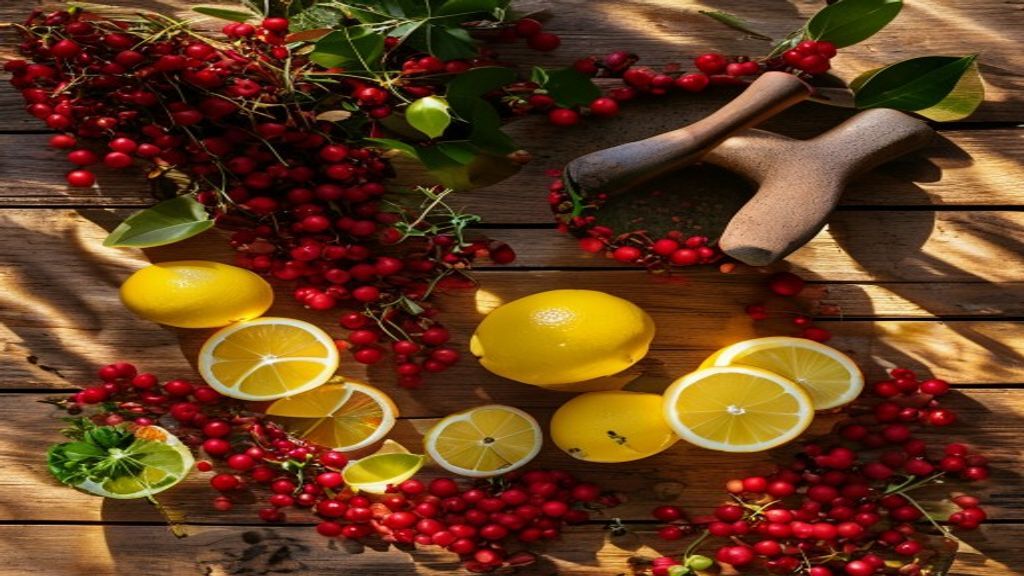
Walk through any Middle Eastern kitchen and you’ll spot sumac’s distinctive burgundy powder scattered across cutting boards, dusting flatbreads, and coating grilled meats. This coarsely ground spice comes from the dried berries of Rhus coriaria, a flowering shrub that grows wild across the Mediterranean hillsides and throughout the Levant. Unlike the toxic sumac found in North America, culinary sumac has been safely harvested for over 2,000 years, with ancient Romans using it as a souring agent before lemons became widely available. The berries are harvested in late summer, dried completely, then ground into the rust-colored powder that delivers an intense, lemony tartness without any liquid. According to research from the University of Jordan, sumac berries contain significant levels of anthocyanins and tannins, compounds that create both the vibrant color and astringent flavor profile that makes this spice irreplaceable in Middle Eastern cooking.
Understanding Sumac’s Unique Flavor Profile
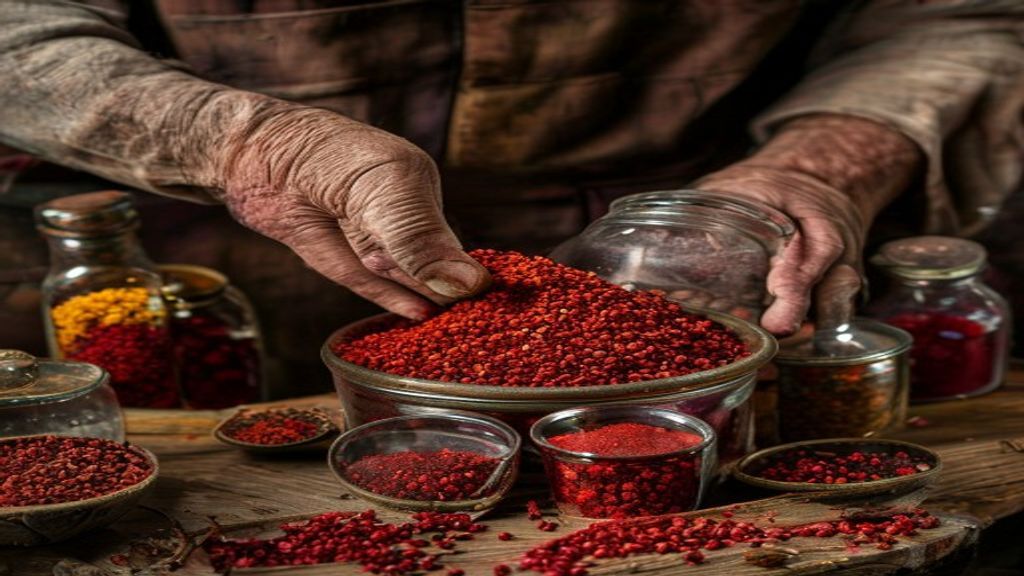
Quality sumac tastes like concentrated lemon with hints of cranberry and a subtle earthiness. The tartness hits immediately, followed by a slight astringency that cleanses the palate. Good sumac should never taste salty, though some commercial blends add salt as a preservative or filler. The spice’s intensity varies by region and processing method. Turkish sumac tends toward deeper, more complex flavors, while Lebanese varieties often present brighter, more citrus-forward notes. According to Food Chemistry research, sumac contains malic acid and citric acid concentrations that can reach up to 12% by weight, explaining its powerful souring ability. When you rub sumac between your fingers, it should release a bright, almost wine-like aroma. Avoid any sumac that smells musty or looks more brown than burgundy, as these indicate oxidation and loss of potency.
Traditional Applications Across Middle Eastern Cuisines
Sumac appears in countless traditional dishes across the Levant, each culture utilizing its tartness differently. In Lebanon, sumac seasons fattoush salad, where its acidity balances rich olive oil and brightens mixed greens and vegetables. Palestinian cooks use sumac extensively in musakhan, rubbing whole chickens with the spice before roasting over caramelized onions and serving on taboon bread. Turkish cuisine features sumac in spice blends for grilled lamb and in rice pilafs where its color creates beautiful contrast. According to culinary historian Claudia Roden, sumac traditionally replaced vinegar or lemon juice in regions where citrus fruits were scarce or expensive. Iranian cuisine incorporates sumac into herb rice dishes and as a garnish for kebabs. The spice also appears in Georgian cuisine, particularly in dishes featuring walnuts and herbs, and throughout the Caucasus region where it seasons both meat and vegetable preparations.
Modern Cooking Applications
Contemporary cooks have expanded sumac’s traditional uses into new territories. The spice excels in dry rubs for grilled vegetables, where its acidity helps caramelize surfaces while adding brightness. Sprinkle sumac over roasted chickpeas for a tangy snack, or mix it into yogurt-based dips and sauces. The spice works particularly well with fatty foods, cutting through richness while adding color and complexity. Many chefs now incorporate sumac into salad dressings, combining it with olive oil and a touch of honey for vinaigrettes that need no additional acid. The spice also enhances simple preparations like roasted potatoes or grilled fish, where a final dusting transforms ordinary dishes into something memorable.
Health Benefits and Nutritional Properties
Research published in the Journal of Ethnopharmacology reveals that sumac contains exceptionally high levels of antioxidants, particularly anthocyanins responsible for its deep red color. These compounds demonstrate anti-inflammatory properties in laboratory studies. According to analysis from Tehran University of Medical Sciences, sumac extract shows antimicrobial activity against several foodborne pathogens. The spice also contains significant amounts of vitamin C, though levels decrease during processing and storage. Traditional Middle Eastern medicine has long used sumac for digestive issues and as a cooling agent during hot weather. Dr. Amjad Alsaadi, a food scientist at the American University of Beirut, notes that “sumac’s high tannin content contributes to its astringent properties, which can help with oral health when used in traditional preparations.” While these traditional uses show promise, more human studies are needed to confirm specific health benefits beyond sumac’s clear nutritional value as a source of antioxidants and vitamin C.
Selecting and Storing Quality Sumac
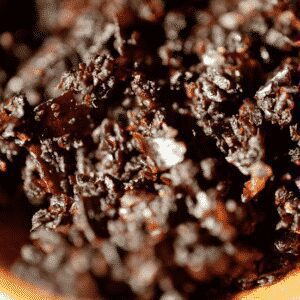
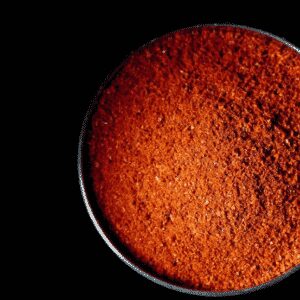
Quality sumac should display a deep burgundy to dark red color with a coarse, almost fluffy texture. The best sumac comes from whole dried berries that are ground shortly before packaging, preserving maximum flavor and color. Avoid sumac that appears dusty, brownish, or too finely powdered, as these indicate age or poor processing. When purchasing sumac, look for suppliers who specify the botanical name Rhus coriaria and provide country of origin information. Turkish and Lebanese sources generally offer superior quality. Store sumac in airtight containers away from direct light and heat. Properly stored sumac maintains its potency for up to two years, though color and flavor begin diminishing after the first year. According to research from the Institute of Food Science and Technology, sumac loses approximately 15% of its anthocyanin content after six months of improper storage in clear containers exposed to light.
Frequently Asked Questions
Is sumac the same as the poisonous plant in North America?
No, culinary sumac comes from Rhus coriaria, a completely different species than North American poison sumac. Culinary sumac has been safely consumed for thousands of years throughout the Middle East and Mediterranean regions.
Can I substitute sumac for lemon juice in recipes?
Sumac provides tartness without liquid, making it perfect for dry applications where lemon juice would add unwanted moisture. Use about 1 teaspoon of sumac to replace the tartness of 1 tablespoon lemon juice.
What does sumac pair well with?
Sumac complements lamb, chicken, fish, yogurt, olive oil, onions, tomatoes, and fresh herbs. It works particularly well with fatty or rich foods that benefit from bright acidity.
How do I use sumac in cooking?
Sprinkle sumac directly over finished dishes, mix it into marinades and rubs, or incorporate it into spice blends. Add it at the end of cooking to preserve its bright flavor and vibrant color.
Does sumac contain any allergens?
Sumac is generally well-tolerated, but people with allergies to cashews, mangoes, or pistachios should exercise caution as these plants belong to the same botanical family as sumac.
Why does my sumac taste salty?
Some commercial sumac blends contain added salt as a preservative or filler. Look for pure sumac without additives for the best flavor experience.
Can I make sumac at home?
While possible, making quality sumac requires access to fresh Rhus coriaria berries and proper drying techniques. Most home cooks achieve better results purchasing from specialty spice suppliers.
How much sumac should I use in dishes?
Start with small amounts, about 1/4 teaspoon per serving, and adjust to taste. Sumac’s intensity varies by source, so taste as you go to avoid overpowering other flavors.
Discover the Bright World of Authentic Middle Eastern Spices
Understanding what sumac brings to your kitchen opens doors to countless flavor possibilities beyond traditional Middle Eastern applications. This remarkable spice transforms simple ingredients into complex, memorable dishes with just a sprinkle of its tangy, burgundy magic. Whether you’re recreating classic fattoush, experimenting with modern fusion recipes, or simply looking to brighten your everyday cooking, quality sumac delivers unmatched versatility and depth. The key lies in sourcing authentic, properly processed sumac that showcases the true character of this ancient spice. Ready to experience the difference that real sumac makes in your cooking? Shop the Collection and bring home the authentic flavors that have defined Middle Eastern cuisine for millennia.