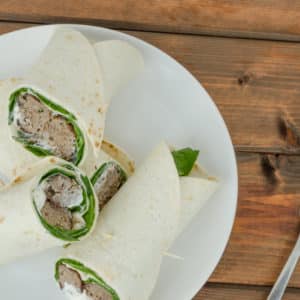
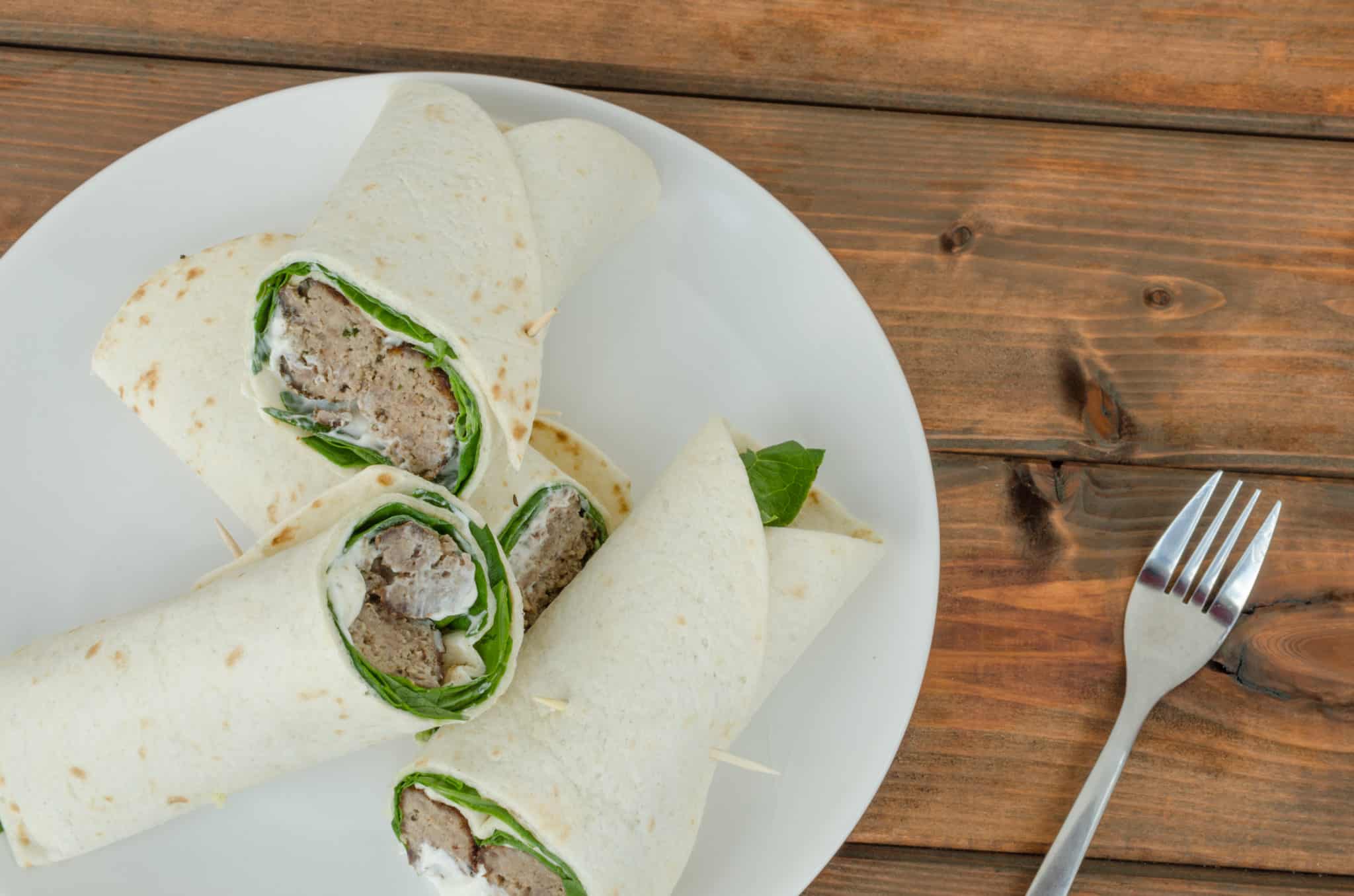
Spicy Pork Tenderloin Wrap with Smoky Rub and Creamy Coleslaw
Last Updated: March 2026
This spicy pork wrap brings together a bold, smoky dry rub, juicy roasted pork tenderloin, and a cool, creamy coleslaw all wrapped up in a warm flour tortilla. It works as a quick weeknight dinner or a crowd-pleasing party dish, and the whole thing comes together in under an hour. The real star is the spice rub: a six-ingredient blend that balances heat, sweetness, and smoke in a way that makes plain pork completely irresistible.
Why This Recipe Works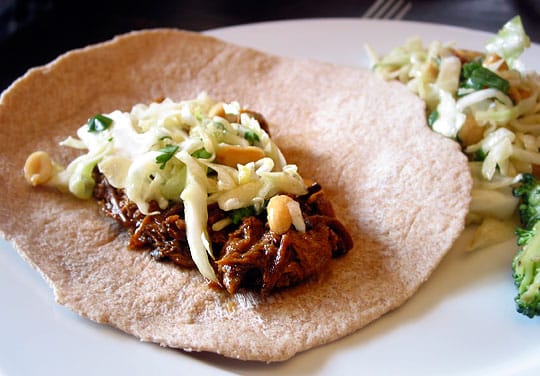
The spice rub is everything here. Brown sugar caramelizes against the pork during roasting, creating a savory-sweet crust. Cayenne and Aleppo pepper deliver heat at two different speeds cayenne hits fast and bright, while Aleppo builds slowly with a subtle fruity warmth that’s milder than you’d expect. Dry mustard adds a sharp, pungent backbone, oregano brings a herby lift, and Salish smoked salt ties the whole rub together with an earthy, wood-fired depth.
According to the National Pork Board, pork tenderloin is one of the leanest cuts available comparable to a skinless chicken breast making it a smart protein choice without sacrificing flavor. When treated right with a well-balanced rub, it punches well above its weight. If you want to understand more about building these kinds of layered flavors, our guide to all about spice rubs breaks down exactly how different rub components interact.
The coleslaw counterbalance is equally important. The buttermilk and mayo dressing keeps things creamy without being heavy, while that pinch of Aleppo in the slaw echoes the flavors in the rub, connecting both components into one cohesive bite.
Understanding the Spices in This Recipe
Before you cook, it’s worth knowing what each spice brings to the table. That knowledge makes you a better cook and means you can adjust confidently to your own heat preference.
Cayenne Pepper
Cayenne comes from dried and ground red chili peppers. On the Scoville scale, it sits between 30,000 and 50,000 heat units significant warmth, but manageable when combined with sweetening agents like brown sugar. It’s the primary heat driver in this rub. The health benefits of chile powder are well-documented: capsaicin, the active compound in cayenne, has been studied for its metabolism-boosting and anti-inflammatory properties.
Aleppo Pepper
Originally from northern Syria, Aleppo pepper has a rich, oily texture and complex flavor part fruity, part mild heat, with a slight saltiness. It registers around 10,000 Scoville units, making it far gentler than cayenne while adding genuine depth. It appears in both the pork rub and the coleslaw dressing in this recipe, serving as a flavor bridge between the two components. Browse Spice Station’s chile collection to see the full range of Aleppo options available, from sweet to spicy organic varieties.
Salish Smoked Salt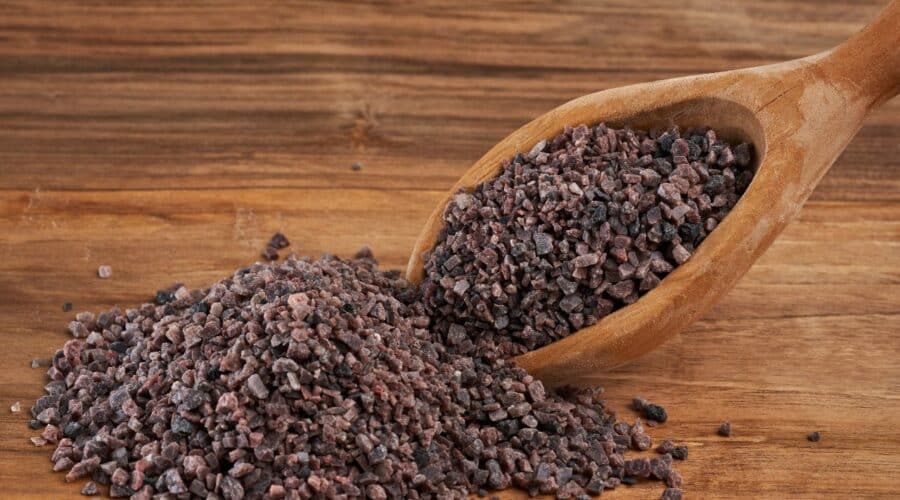
Salish smoked salt is a Pacific Northwest specialty coarse flakes cold-smoked over alder wood, which gives them a pronounced campfire aroma without any actual fire needed in your kitchen. It’s what makes the rub taste like the pork came off a proper smoker. Choosing the right salt for a recipe matters more than most people realize. Our deep dive on what salt should I use walks through the differences between finishing salts, smoked salts, and everyday table salt. You can also explore our full specialty salts collection to find the right match for any dish.
Dry Mustard and Oregano
Dry mustard (ground mustard seed) intensifies when it hits fat and heat — it amplifies the other flavors in the rub rather than competing with them. Oregano, used sparingly here, adds a herbal note that keeps the rub from feeling one-dimensional. It pairs particularly well with pork because it cuts through richness. For more on this herb’s versatility, see what is oregano used for.
The Ingredients
For the Pork Rub
- 2 tbsp light brown sugar
- 1 tbsp chili cayenne
- 2 tsp dry mustard
- 2 tsp Salish smoked salt
- 3/4 tsp dried oregano
- 3/4 tsp Aleppo pepper
- 2 lbs boneless pork tenderloin
- 2 tbsp olive oil
For the Creamy Coleslaw
- 1 head of cabbage (green, red, or a mix), finely shredded
- 1/3 cup buttermilk
- 1/4 cup mayonnaise
- 1/2 tsp Salish smoked salt
- 1/4 tsp Aleppo pepper
For Assembly
- Large flour tortillas (one per person)
- Optional garnishes: fresh cilantro, lime wedges, sliced jalapeño, hot sauce
Step-by-Step Instructions
Step 1: Make the Rub and Prep the Pork
Combine the brown sugar, cayenne, dry mustard, Salish smoked salt, oregano, and Aleppo pepper in a small bowl and mix well. Pat the pork tenderloin dry with paper towels — this step matters because moisture on the surface of the meat will steam rather than sear, and you want a proper crust.
Press the rub firmly into all sides of the tenderloin, covering every surface. Don’t be shy with the application. A generous, even coating ensures flavor in every bite rather than just on the exterior edges.
Let the rubbed pork sit at room temperature for 20 minutes if you have time. This helps the spices begin to adhere and allows the meat to cook more evenly.
Step 2: Sear and Roast
Preheat your oven to 400°F. Heat 2 tablespoons of olive oil in an oven-safe skillet over medium-high heat. When the oil shimmers, add the tenderloin and sear for 2 to 3 minutes per side until the rub forms a dark, fragrant crust on all sides. This is where most of the flavor complexity develops.
Transfer the skillet to the oven (or move the pork to a baking sheet if your pan isn’t oven-safe). Roast until the internal temperature reaches 145°F to 155°F, approximately 20 to 25 minutes depending on thickness. Using a meat thermometer is the only reliable way to nail this — pork tenderloin overcooks quickly, and the window between juicy and dry is narrow.
Step 3: Rest the Meat
Pull the pork from the oven and let it rest, uncovered, for 10 minutes. Resting is non-negotiable. Cutting immediately causes the juices to run out onto the cutting board instead of redistributing through the meat. Those 10 minutes are the difference between a juicy wrap and a dry one.
While the pork rests, warm your flour tortillas in the oven at low heat for 5 minutes, or wrap them in a damp paper towel and microwave for 30 seconds.
Step 4: Make the Coleslaw
Combine the buttermilk, mayonnaise, Salish smoked salt, and Aleppo pepper in a large bowl. Whisk until smooth. Add the shredded cabbage and toss to coat thoroughly. Taste and adjust salt if needed.
For best texture, make the coleslaw while the pork roasts so it has at least 15 to 20 minutes to sit. The cabbage will soften slightly and absorb the dressing, which makes for a creamier, better-integrated result. If you prefer a crunchier slaw, dress it right before serving.
Step 5: Slice and Assemble
Slice the rested pork against the grain into thin strips — aim for pieces that are roughly the same length as your tortilla is wide, so they don’t slide out the end when you bite in.
Lay a warm tortilla flat. Add a generous pile of coleslaw down the center, then arrange the pork strips on top. Add any optional garnishes — a squeeze of lime and a few fresh cilantro leaves make a real difference. Fold the bottom up, roll tightly, and serve immediately.
Tips for Customizing This Recipe
Dial the heat up or down. The cayenne is the easiest lever. Reduce it to 1/2 tbsp for a gentler warmth that works well for family meals with mixed heat tolerances. Add more if you want this wrap to have genuine kick.
Swap the protein. The rub works equally well on chicken thighs, salmon, or even thick slabs of portobello mushroom for a vegetarian version. Adjust cooking times accordingly.
Make it a dry-rub comparison. If you’ve ever wondered how dry rubs compare to wet marinades for texture and crust development, our article on grilling with dry rub vs wet rub covers both methods side by side.
Add a finishing salt. After slicing the pork, a light sprinkle of a flaky finishing salt adds a textural pop and visual appeal. Learn more about your options in the wonderful world of finishing salts.
Try it grilled. This recipe works just as well on an outdoor grill. For more technique and inspiration, check out the ultimate guide to epic backyard barbecues and our roundup of essential grilling spices to build your outdoor cooking pantry.
What to Serve Alongside
This wrap holds up well on its own, but a few pairings make it feel like a complete spread:
- Black beans seasoned with cumin and smoked paprika
- Grilled corn with a chili-lime butter
- Tortilla chips with guacamole or salsa verde
- A simple green salad with a citrus vinaigrette
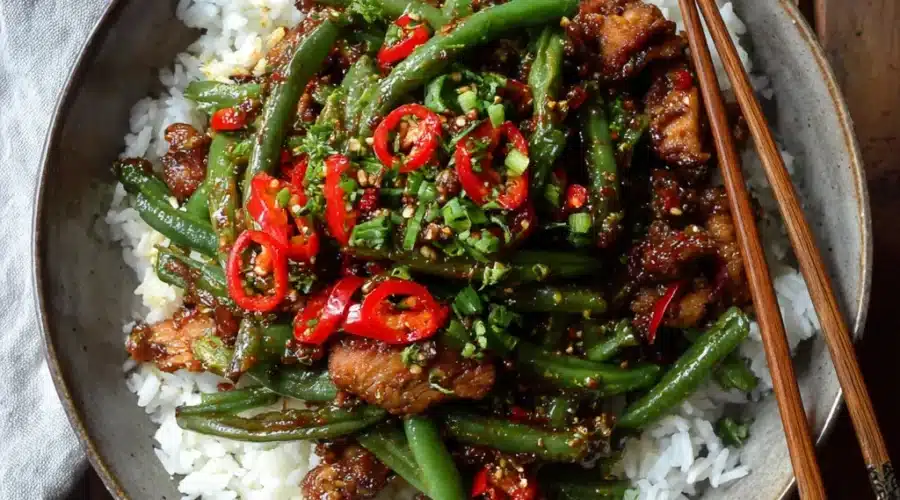
If pork is becoming a regular feature in your kitchen, check out our post on the popularity of pork — it covers the cultural history and versatility of this protein across global cuisines. And if you love this flavor direction, our spicy pork stir fry with green beans takes similar ingredients in a completely different direction.
Spices to Keep in Your Pantry
This recipe uses six spices, and five of them are workhorses that earn their shelf space. If you’re building out a well-stocked spice drawer, Spice Station’s blends collection offers pre-mixed options that can speed up rub prep considerably. Our full range of dried herbs is also worth exploring — oregano is just the beginning when it comes to herbal rub components.
For tips on getting the most out of every spice purchase, see our guide to spices for grilling — it covers storage, freshness, and which spices hold up best under high heat.
Frequently Asked Questions
Can I make this recipe ahead of time?
The pork rub can be applied up to 24 hours in advance and stored in the refrigerator, loosely covered. This actually improves the result — the spices penetrate deeper and the crust develops better during cooking. The coleslaw can be made up to 4 hours ahead. Assemble the wraps right before serving so the tortillas don’t get soggy.
What’s the difference between Aleppo pepper and cayenne in this rub?
Cayenne is a high-heat, clean-burning pepper that hits fast on the palate. Aleppo is lower in heat but far more complex — slightly oily, fruity, and with a mild saltiness. Using both creates a layered heat profile rather than one-dimensional spiciness. If you only have one, cayenne is the more essential of the two in terms of heat, while Aleppo contributes more to flavor depth.
Can I use a different cut of pork?
Yes. Pork loin works well but needs longer in the oven due to its larger diameter. Pork shoulder produces a richer, fattier result and is better suited to slow roasting. Pork chops can be seared and finished quickly in the same pan without oven time. Tenderloin is the leanest and fastest-cooking option, which is why this recipe centers on it.
What if I can’t find Salish smoked salt?
Any smoked salt works as a direct substitute. Alternatively, use a combination of regular sea salt and a small amount of smoked paprika to approximate the same effect. The smokiness is a key flavor note in both the rub and the coleslaw dressing, so don’t skip it entirely.
How do I keep the pork from drying out?
The most common mistake is overcooking. Pork tenderloin is lean, and it goes from juicy to dry quickly above 160°F. Pull it at 145°F to 150°F internal temperature, let it rest for 10 minutes, and it will be pink in the center — which is safe and intentional. The resting period is as important as the cooking temperature for moisture retention.
Can I make this gluten-free?
Yes, simply substitute corn tortillas or large lettuce leaves for the flour tortillas. Everything else in the recipe is naturally gluten-free. Check that your dry mustard and any pre-ground spices don’t have anti-caking agents that contain gluten if sensitivity is a concern.
How spicy is this wrap?
With the amounts listed, it’s moderately spicy — warm and flavorful but not overwhelming for most adults. The creamy coleslaw and flour tortilla temper the heat significantly when assembled. Reduce the cayenne to 1/2 tablespoon for a milder version, or increase it for a bolder kick.
Conclusion
This spicy pork wrap is proof that a handful of well-chosen spices can completely change a simple piece of meat. The rub does the heavy lifting, and the coleslaw keeps everything balanced and bright. Once you’ve made it once, you’ll understand the logic well enough to riff on it freely.
All the spices you need are available at Spice Station Silver Lake’s online shop. If you have a recipe to share or questions about any of the ingredients, we’d love to hear from you — reach out through our contact page.