African Spices: A Regional Guide to the Flavors of the Continent
Explore African spices by region with this comprehensive guide covering North African ras el hanout and harissa, West African grains of paradise and suya spice, East African berbere and mitmita, and Southern African peri-peri and Cape Malay blends.
African Spices: A Regional Guide to Continental Flavors
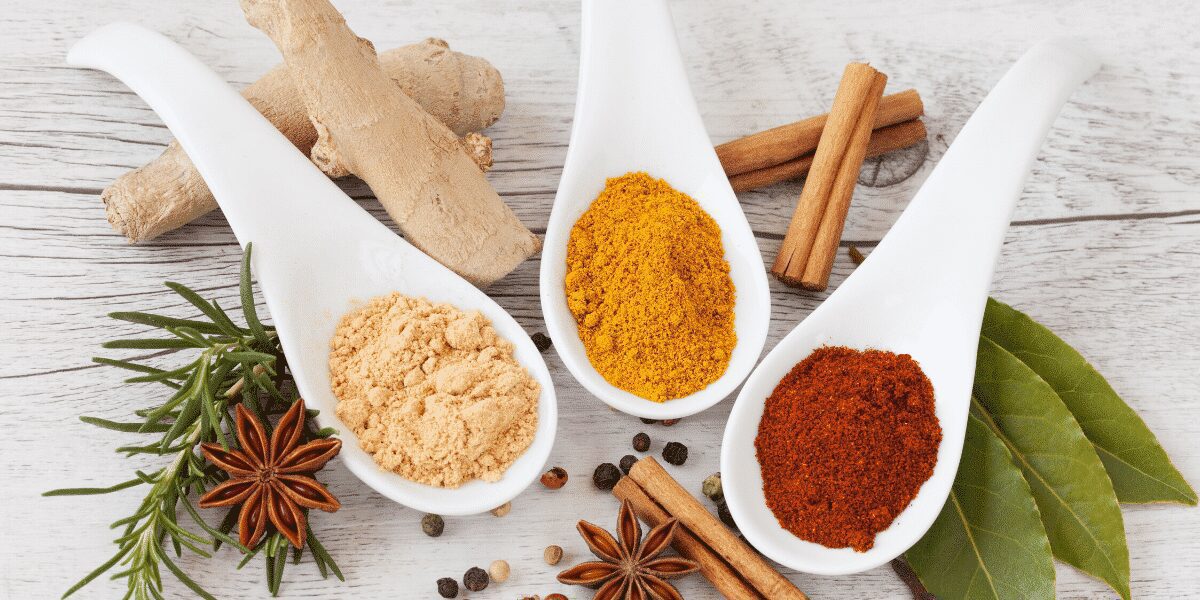
African spices vary dramatically by region, making the continent home to some of the world’s most exciting and underexplored flavor traditions. North Africa brings the complex warmth of ras el hanout and harissa. West Africa showcases the rare heat of grains of paradise. East Africa is known for the bold, complex berbere blend. And Southern Africa weaves together indigenous ingredients with Cape Malay and Portuguese influences.
That’s four distinct culinary worlds on a single continent and most home cooks have barely scratched the surface.
Africa is the second-largest continent on Earth, spanning 54 countries and hosting over 3,000 distinct ethnic groups (African Union, 2023). Each of those cultures has developed its own relationship with spice, shaped by local agriculture, ancient trade routes, and centuries of culinary tradition. Treating African cuisine as a single entity is like saying all European food tastes the same. It simply doesn’t hold up.
This guide breaks down the major spice traditions by region so you can start cooking with more intention and more flavor.
Understanding African Spice Traditions
The Diversity of African Cuisine
The sheer variety of African spice culture begins with geography. The Sahara Desert, the tropical rainforests of Central Africa, the Great Rift Valley, the Mediterranean coastline these wildly different landscapes produce wildly different ingredients. Teff grows in the Ethiopian highlands. Grains of paradise thrive along West Africa’s coast. Fenugreek and coriander flourish in North African gardens.
According to the Food and Agriculture Organization (FAO), Africa accounts for approximately 70% of the world’s arable land, yet hosts some of the most biodiverse crop ecosystems on the planet (FAO, 2022). That biodiversity feeds directly into spice culture. Ingredients that couldn’t survive elsewhere grow here in abundance, giving African cuisines access to flavors completely unavailable in other parts of the world.
“Africa’s spice traditions are among the oldest and most sophisticated on the planet, rooted in thousands of years of cultivation, trade, and culinary innovation,” says Peter Bahlawanian, founder of Spice Station Silver Lake, who has spent decades sourcing herbs and spices from African producers. “When people start exploring these flavors, they’re often surprised by how bold and complex they are.”
Trade Routes and Spice Exchange
African spice history is inseparable from trade. The Indian Ocean trade routes connected East Africa to Arabia, India, and Southeast Asia for over 2,000 years, bringing cardamom, cloves, and cinnamon into Swahili Coast cooking. North African traders carried cumin, caraway, and saffron across the Sahara. Arab merchants introduced fenugreek and black pepper into Ethiopian cooking.
The spice trade’s long history shaped the flavor profiles we recognize today. Many of the spices you associate with African cooking arrived via trade rather than native cultivation but were then adopted, adapted, and transformed into something entirely new.
Indigenous Spices vs. Adopted Spices
Some African spices are found nowhere else. Grains of paradise (Aframomum melegueta) grow only along West Africa’s coast and were so prized during the 14th and 15th centuries that the region was named the Grain Coast. Mitmita, a fiery Ethiopian chile blend, uses birds eye chiles that have been cultivated in that region for centuries. Sichuan-like numbing heat from Ethiopian spices predates European contact.
Others, like paprika, cumin, and coriander, arrived via trade or colonial contact but became so integrated into African cooking that they now define regional cuisines. Understanding both categories helps you appreciate how living and adaptive these traditions really are.
North African Spices and Blends
North African spice culture sits at the crossroads of the Mediterranean, the Middle East, and Sub-Saharan Africa. Cumin, coriander, turmeric, and caraway show up throughout the region, but the blends that bring them together are where things get interesting.
Ras el Hanout: Morocco’s Complex Masterpiece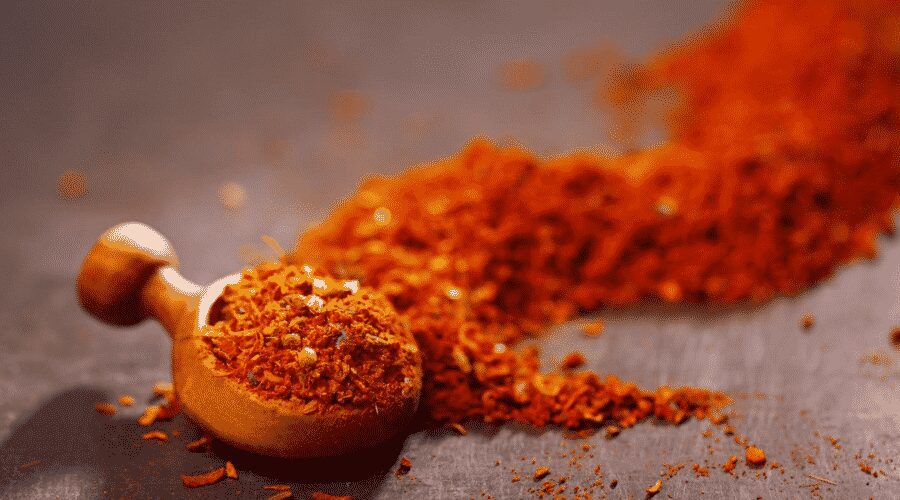
Ras el hanout translates roughly from Arabic as “head of the shop” meaning the best the spice merchant has to offer. And it earns that name. Traditional ras el hanout can contain anywhere from 10 to over 30 spices, depending on the maker. Common components include cumin, coriander, cinnamon, ginger, turmeric, cardamom, black pepper, paprika, and cloves, often with additions like rose petals, lavender, or mace.
The result is warm, fragrant, and deeply aromatic without being fiery. It pairs beautifully with lamb tagines, chicken dishes, root vegetables, and slow-braised meats. If you’ve never cooked with ras el hanout before, start with a simple roasted chicken — rub the whole bird generously before it goes into the oven and prepare for something special.
A 2021 survey by the International Spice Association found that North African spice blends are among the fastest-growing categories in the U.S. specialty food market, with consumer awareness rising 34% over five years (ISA, 2021).
Harissa: Tunisian Chile Paste
Harissa is North Africa’s essential chile paste a fiery, fragrant condiment made from dried red chiles, garlic, caraway, coriander, and olive oil. It originated in Tunisia but spread across the Maghreb, taking on regional variations wherever it landed. Moroccan harissa tends to be smoother and milder. Tunisian versions are bolder and more pungent.
The peri-peri and chile traditions that appear further south share DNA with harissa’s philosophy: build heat with complexity, not just raw fire. Harissa works brilliantly as a marinade for grilled meats, stirred into couscous, spooned over eggs, or mixed into yogurt for a quick dipping sauce.
Cumin, Coriander, and Caraway in Maghreb Cooking
These three seeds form the backbone of North African spice culture. Cumin brings its signature earthy warmth — you’ll find it in everything from merguez sausage spice blends to tagine-style braises. Coriander seed offers a citrusy, slightly floral counterpoint. Caraway has a more anise-forward character and shows up in Tunisian harissa and Algerian stews.
Learning to use these three together toasted whole before grinding opens up an entire tier of North African flavor that pre-ground spices simply can’t match.
West African Spice Traditions
West African spice culture is older than most people realize. Long before European explorers arrived on the continent, West African trade routes moved spices, gold, and salt across vast distances. The spice traditions that developed here are bold, aromatic, and built around ingredients you won’t find anywhere else in the world.
Grains of Paradise: The West African Pepper
Grains of paradise (Aframomum melegueta) may be the most underused spice available today. Native to the Gulf of Guinea coast, these small seeds deliver a complex heat with notes of citrus, cardamom, and black pepper but without the harsh burn of chiles. During the 14th and 15th centuries, they were more valuable than black pepper in European markets. The stretch of West African coast where they grew was literally called the “Grain Coast” in European trade records.
Today, you can find grains of paradise referenced in unusual spices worth trying alongside sumac and other underknown gems. Use them wherever you’d use black pepper, but expect a more aromatic, complex result. They’re exceptional in spice rubs for lamb, stirred into grain salads, or used to finish a pan sauce.
Suya Spice: Nigeria’s Street Food Seasoning
Suya is one of West Africa’s most beloved street foods thin slices of beef or chicken skewered and grilled over open coals, coated in a peanut-based spice rub. The suya spice blend typically includes ground peanuts or peanut powder, ginger, paprika, garlic, onion powder, and a range of ground dried chiles. The result is nutty, smoky, and deeply savory.
According to the Nigerian Tourism Development Corporation, suya culture is present in virtually every major Nigerian city, with thousands of roadside suya vendors serving the dish as a daily staple (NTDC, 2022). Bringing suya spice home is as simple as making your own seasoning blend and using it as a dry rub for anything you’re putting on the grill.
African Bird’s Eye Chile
The African bird’s eye chile is small, fiery, and responsible for much of the heat in West and Central African cooking. At roughly 100,000 to 225,000 Scoville heat units, it packs a punch that has earned it a reputation across the continent and beyond. It’s also the primary ingredient in piri-piri (or peri-peri), the Portuguese-African fusion sauce that became a staple across Mozambique and South Africa.
The piri-piri chicken tradition that spread through Southern Africa traces its roots directly to this chile — introduced by Portuguese colonizers but built on the base of an African ingredient. That cross-cultural exchange is a recurring story in African spice history.
East African Spice Heritage
East Africa’s spice culture has two distinct layers: the ancient highland traditions of Ethiopia and Eritrea, and the coastal Swahili tradition shaped by centuries of Indian Ocean trade. Both are extraordinary, and both remain largely unexplored in Western home kitchens.
Berbere: Ethiopia’s National Spice Blend
Berbere is Ethiopia’s most important spice blend, and one of the most complex spice mixes anywhere in the world. The word itself means “hot” in Amharic, but berbere is far more than simple heat. A well-made berbere contains dried red chiles, fenugreek, coriander, black pepper, korarima (Ethiopian cardamom), rue, ajwain, and often a dozen or more additional spices, all blended in proportions that vary by region and family tradition.
The full story of berbere and its uses deserves its own reading but in brief, it’s the spice base for doro wat (Ethiopian chicken stew), siga wat (beef stew), and countless vegetable dishes served with injera flatbread. A recent market research study found that Ethiopian cuisine is the fastest-growing African food category in the U.S., with restaurant openings increasing 18% between 2019 and 2024 (Statista, 2024). Berbere is the flavor at the heart of that growth.
“Berbere isn’t one recipe,” Peter Bahlawanian notes. “It’s a living tradition. Every household in Ethiopia has its own version, and that’s what makes it so compelling to explore.”
To use berbere at home, try it as a dry rub for ribs or chicken before grilling or follow all about spice rubs for technique tips. You can also stir a tablespoon into lentil soup or simmer it into a tomato-based sauce for pasta.
Mitmita: Ethiopia’s Fiery Chile Powder
Where berbere is complex and layered, mitmita is direct and explosive. This Ethiopian spice blend is built on bird’s eye chiles ground with cardamom, cloves, and salt. The result is bright orange, searingly hot, and deeply aromatic. It’s traditionally used as a finishing spice — sprinkled over raw beef (kitfo), grilled meats, or scrambled eggs at the table.
The origins and preparation techniques of mitmita and kitfo are worth exploring if you want to go deeper into Ethiopian spice culture. As a starting point, think of mitmita as an Ethiopian alternative to dried chile flakes use it anywhere you’d add heat as a finishing touch.
The Swahili Coast: Indian Ocean Trade Impact
Along Kenya’s and Tanzania’s coastline, a spice culture developed over 2,000 years of Indian Ocean trade that looks and tastes unlike anything else in Africa. Cardamom, cinnamon, cloves, black pepper, and turmeric arrived via Arab and Indian merchants and became woven into Swahili cooking. The result is a coastal cuisine that bridges East African and South Asian flavor traditions.
Pilau rice a Swahili staple made with long-grain rice cooked in spiced broth uses a blend of cinnamon, cumin, cardamom, and cloves that reads almost like an Indian biryani spice set. That connection isn’t coincidental. It reflects centuries of cultural exchange that left permanent marks on how this region seasons its food.
Southern African Flavors
Southern African spice culture is shaped by a remarkable set of intersecting influences: indigenous Khoisan and Bantu traditions, Cape Malay heritage brought by enslaved people from Indonesia and Malaysia, Portuguese colonial contact through Mozambique, and the culinary traditions of Indian indentured workers who arrived in South Africa in the 19th century.
Peri-Peri Across Mozambique and South Africa
Peri-peri sauce made from African bird’s eye chiles, garlic, lemon, and herbs became one of the defining flavors of Southern African cooking through Portuguese contact in Mozambique. The chiles were already present; the Portuguese cooking method of marinating and grilling gave rise to a style of chicken preparation that has now spread globally.
At its core, peri-peri is about building heat through chile character rather than raw Scoville units. The health benefits of chile peppers are well-documented, and peri-peri’s bird’s eye chiles are among the richer sources of capsaicin compounds that support metabolism and circulation. More importantly, the flavor is addictive in the best way.
Cape Malay Curry Influences
Cape Malay cuisine, developed by enslaved and immigrant workers from Southeast Asia brought to the Cape Colony by Dutch colonizers in the 17th and 18th centuries, created one of South Africa’s most distinctive food traditions. Cape Malay curries use cinnamon, cardamom, coriander, cumin, turmeric, and dried chiles in combinations that reflect Indonesian and Malaysian origins, adapted over generations to South African ingredients.
The spice blends used in Cape Malay cooking are sweet, warm, and aromatic rather than fiercely hot making them an accessible entry point for home cooks new to African spice traditions. If you’re familiar with garam masala and Indian spice traditions, Cape Malay blends will feel familiar while being distinctly their own thing.
Essential African Spice Blends to Try
| Blend | Origin | Key Spices | Heat Level | Best Used With |
|---|---|---|---|---|
| Berbere | Ethiopia/Eritrea | Chiles, fenugreek, korarima, coriander | Medium-Hot | Stews, meat rubs, lentils |
| Ras el Hanout | Morocco | 10-30 spices incl. cinnamon, cumin, rose | Mild-Medium | Tagines, roasted meats, couscous |
| Suya Spice | Nigeria | Peanuts, ginger, paprika, chiles | Medium | Grilled meats, skewers |
| Mitmita | Ethiopia | Bird’s eye chile, cardamom, cloves | Very Hot | Finishing spice for meat, eggs |
| Harissa | Tunisia | Red chiles, caraway, coriander, garlic | Medium-Hot | Marinades, condiment, sauces |
| Durban Curry | South Africa | Cumin, coriander, chiles, turmeric | Medium-Hot | Meat curries, vegetables |
Dukkah: Egypt’s Nut and Spice Mix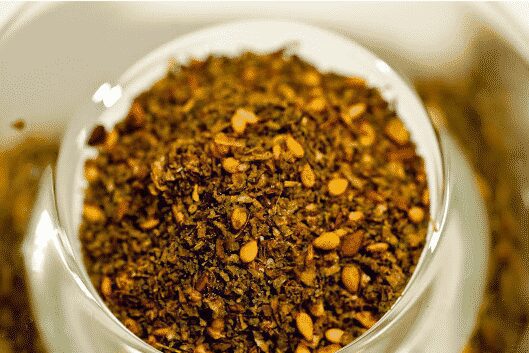
Dukkah (also spelled duqqa) is an Egyptian blend of coarsely ground nuts, seeds, and spices typically hazelnuts or chickpeas, sesame seeds, coriander, cumin, and salt. It’s less of a cooking spice and more of a finishing condiment: served with olive oil and bread for dipping, scattered over salads, or pressed onto grilled fish before cooking.
Dukkah has spread well beyond Egypt and is now used by chefs worldwide as a textural finishing element. If you’re comfortable adding heat and complexity to your condiments, dukkah is an easy and crowd-pleasing place to start.
How to Cook With African Spices
Building Flavor Layers in Tagines and Stews
The most important technique for cooking with North and East African spices is blooming heating your spices briefly in oil or butter before adding liquid. This releases fat-soluble flavor compounds that water alone can’t extract. Start by warming a few tablespoons of oil over medium heat, add your spice blend, and stir for 30 to 60 seconds until fragrant. Then add aromatics (onion, garlic, ginger), followed by your protein or vegetables.
Good spice management — storing, mixing, and measuring correctly makes this technique work reliably. Fresh, properly stored spices bloom beautifully. Old, stale spices turn bitter instead.
Dry Rubs for Grilled Meats
West and Southern African spice traditions shine as dry rubs. Suya spice pressed onto beef skewers. Berbere coating lamb chops before they hit the grill. Peri-peri powder mixed with salt as a seasoning for chicken wings. The essential grilling spices philosophy applies directly here: coat generously, let the meat rest so the spices can penetrate, and don’t rush the cooking.
Research from the American Meat Science Association suggests that dry-rubbing proteins at least 40 minutes before cooking produces significantly deeper flavor than applying rubs immediately before heat exposure (AMSA, 2022). For overnight rubs, African spice blends like berbere develop even more complex, integrated flavor.
Spice Pastes and Marinades
Harissa, chermoula (a North African herb-and-spice paste), and peri-peri sauce all work brilliantly as wet marinades. Combine your spice paste with a fat (olive oil works for North African blends, coconut oil for some West African applications), an acid (lemon juice, vinegar), and let proteins sit for at least two hours before cooking.
For storing your African spice blends, follow the same principles as any other spice collection. Keeping spices fresh comes down to airtight containers, cool dark storage, and buying in quantities you’ll use within six months. Ground spices degrade faster than whole — a consideration worth keeping in mind as you build your collection.
Where to Source Authentic African Spices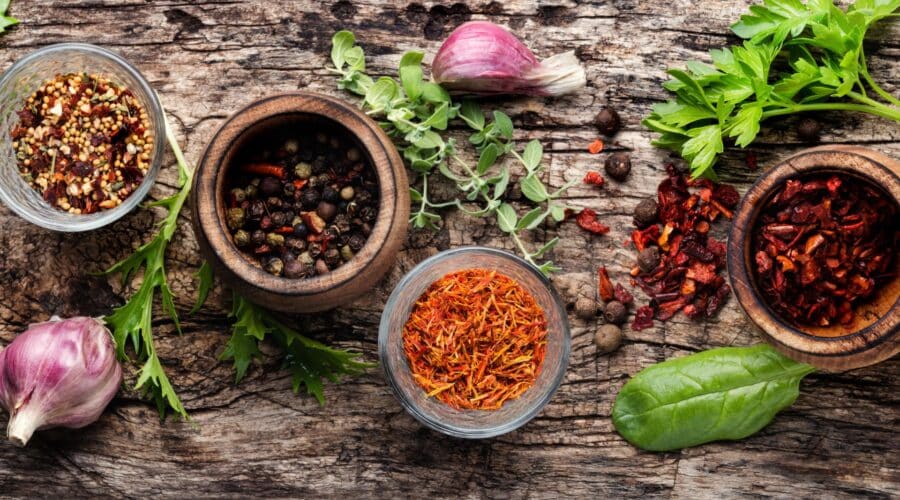
Finding real African spices not generic supermarket versions makes a measurable difference in flavor. Berbere sourced from Ethiopian producers will taste dramatically different from a generic spice-aisle “African blend.” Grains of paradise from the Gulf of Guinea have a brightness and complexity that simply don’t exist in imitation versions.
Spice Station carries a curated selection of African spice blends and individual spices, including authentic berbere, grains of paradise, and Durban curry masala, sourced with attention to origin and quality. Browse our full African spice collection at the shop to see what’s available, or explore our blends collection for ready-to-use options.
If you’re new to cooking with these flavors, our spices around the world guide is a good companion piece — it maps out what makes each major regional cuisine tick.
Frequently Asked Questions About African Spices
What are the most common spices used in African cooking?
Cumin, coriander, chiles, ginger, and turmeric appear across multiple African regions, though each region uses them differently. North Africa relies heavily on cumin and coriander. East Africa builds with chiles and fenugreek. West Africa incorporates peanuts, grains of paradise, and ginger. Southern Africa blends all of the above with Cape Malay and Portuguese influences. The commonality is bold, intentional use of spice African cooking doesn’t treat seasoning as an afterthought.
Is berbere very spicy?
Berbere carries moderate heat more than most people expect but less than something like a pure bird’s eye chile powder. The complexity of the blend means the heat is layered with other flavors (earthy fenugreek, floral cardamom, warm cinnamon) rather than just burning straight through. Most cooks find it very manageable, especially when used in stews or braises where the liquid moderates the intensity. If you’re heat-sensitive, start with a small amount and build from there.
Can I make African spice blends at home?
Yes, and it’s one of the most rewarding things you can do in the kitchen. Berbere, ras el hanout, and suya spice all come together quickly if you have the individual spices on hand. Start by sourcing quality individual components the difference between fresh and dried herbs and spices applies here, and using properly stored whole spices that you toast and grind yourself produces superior results. That said, a well-made pre-blended berbere or ras el hanout from a quality source is a legitimate shortcut.
What’s the difference between North and West African spice traditions?
North African spice culture is heavily influenced by Arab and Mediterranean trade and tends toward fragrant, warming blends like ras el hanout and harissa, built around cumin, coriander, cinnamon, and dried chiles. West African spice traditions are older and more insular, with indigenous ingredients like grains of paradise and African bird’s eye chiles playing central roles. West African cooking also incorporates peanuts and dried seafood as flavor bases in ways North African cooking doesn’t.
Is African cuisine as spicy as people assume?
Not uniformly. North African cuisine tends toward aromatic warmth rather than fire. Ethiopian and Eritrean cooking can be intensely spicy (especially mitmita), but berbere-based dishes are more complex than brutally hot. West African cuisine varies enormously. Cape Malay cooking from South Africa is often mild and fragrant. The range across the continent is at least as wide as the range between, say, Thai and Japanese cooking.
Where can I buy authentic African spices in the US?
Specialty spice retailers like Spice Station Silver Lake carry authentic African spices sourced from named producers — a meaningful difference from grocery store generic versions. Specialty African and Ethiopian grocery stores in major cities are another excellent option. For online purchasing, look for retailers who list specific origins (Ethiopian berbere, not just “berbere spice”) and provide real sourcing information. Quality matters enormously with African spice blends, where the character of individual components drives the final result.
What is the best African spice blend to start with?
Berbere is the most versatile entry point. It works as a dry rub, a stew base, and a marinade component. It’s complex enough to be interesting and forgiving enough to use in a range of applications. If you’re more drawn to North African cooking, ras el hanout is equally rewarding and pairs well with familiar proteins like chicken and lamb that most home cooks already know how to handle.
Final Thoughts
Africa’s spice traditions deserve far more attention than they typically receive in Western kitchens. From the ancient warmth of Moroccan ras el hanout to the fiery complexity of Ethiopian berbere, from the peanut-forward richness of Nigerian suya spice to the aromatic refinement of Cape Malay curry blends, there’s a lifetime of flavor to work through here.
Start with one region. Pick a blend that sounds compelling. Cook something simple a roasted chicken, a pot of lentils, a grilled skewer and let the spices do the work. That’s how most great culinary adventures begin: one dish at a time.
Spice Station carries a growing selection of African spice blends and individual ingredients. Visit our shop to find authentic berbere, grains of paradise, Durban curry masala, and more. If you have questions about which spice to try first, reach out we’re always happy to talk flavor.