Spice Station Silver Lake Hit the Screen on Santa Monica City TV : Here’s Why It Mattered

Spread the love

Spice Station Silver Lake’s appearance on Santa Monica City TV captured what made this LA spice shop special world-class sourcing, founder-crafted blends, and a mission to bring quality spices to every neighborhood. Here’s the full story.
HealthSpices
Spread the love

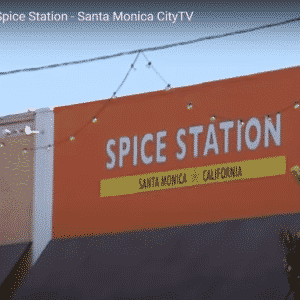
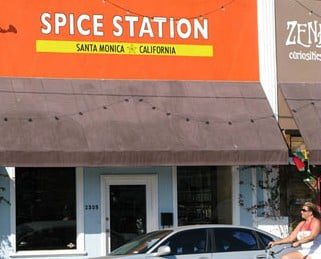
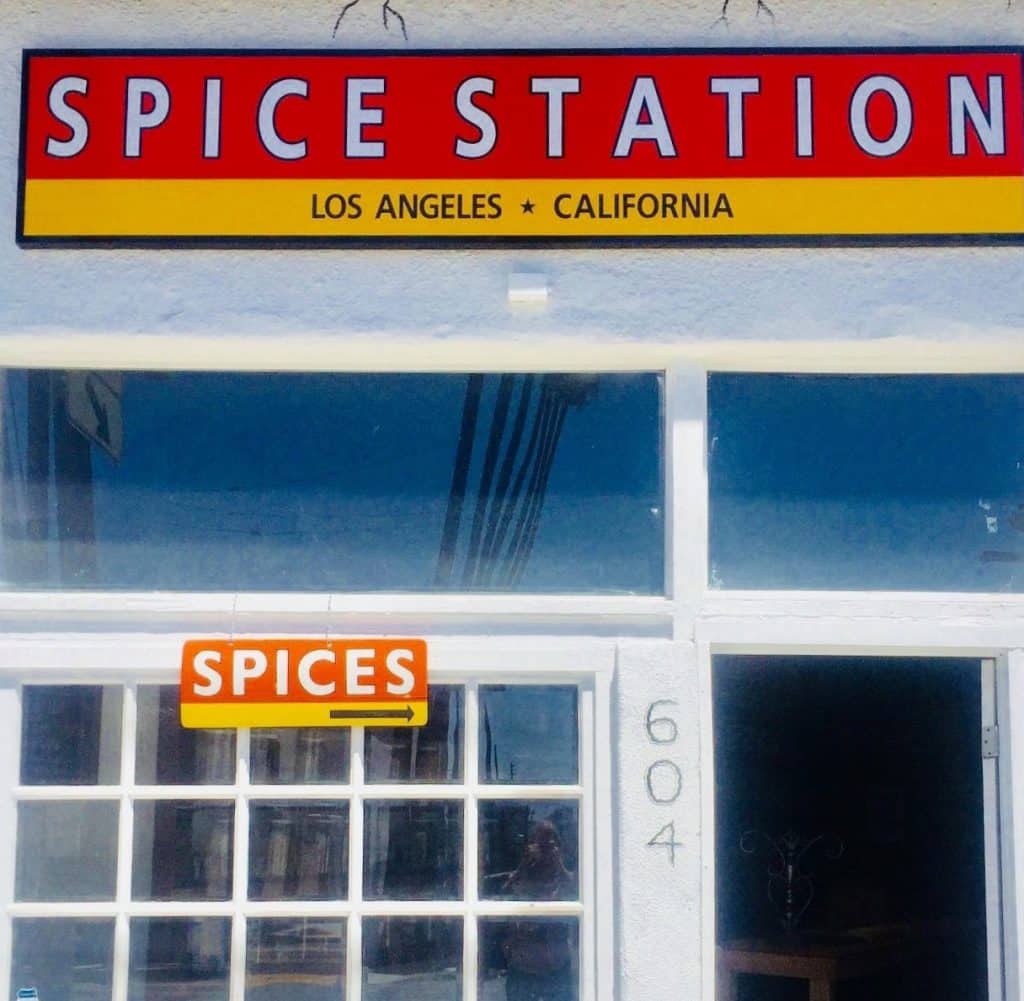
When a small, courtyard spice shop in Silver Lake gets invited onto local television, it’s not just a nice moment for the owner. It’s proof that something real is happening. Spice Station Silver Lake’s appearance on Santa Monica City TV was exactly that — a signal that what founder Peter Bahlawanian had been building since 2009 was striking a genuine chord with home cooks, food lovers, and curious eaters across Los Angeles.

This wasn’t a polished national broadcast. It was local TV doing what local TV does best: shining a light on the people and places that make a neighborhood worth living in. And Spice Station, with its brick-path entrance, glass jars of bulk spices from around the world, and a founder who could talk for hours about the flavor difference between Korintje and Ceylon cinnamon, was a natural fit.

A Shop Built on Passion, Not a Business Plan

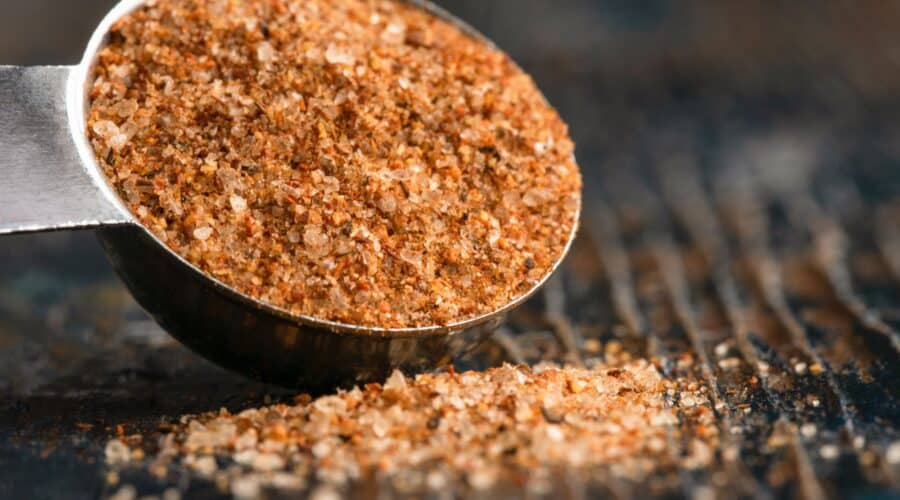
Peter didn’t open Spice Station because he spotted a market gap. He opened it because Silver Lake needed a great spice shop, and he was the person willing to make it happen. His background as an entertainment producer meant he understood storytelling  and spices, it turns out, have remarkable stories to tell. Ways to Use Cajun Spice
By sourcing directly from named origins like Syria, Madagascar, India, and California, and by mixing over 300 custom spice blends himself, Peter built a shop where every jar on the wall had something to say. The LA Weekly noted that Spice Station’s prices were noticeably lower than grocery store alternatives, where customers are largely paying for the packaging. That combination  quality sourcing, personal expertise, and accessible pricing  caught the attention of food critic Jonathan Gold and earned coverage in The New York Times, The Wall Street Journal, and Food & Wine Magazine.

A Santa Monica City TV appearance fit right into that story.

What Local TV Coverage Actually Does for a Small Business

There’s something a local television feature accomplishes that even a major newspaper mention can’t quite replicate. It puts a face to the name. Viewers see Peter standing among his jars, explaining why Aleppo pepper from Syria carries a fruity, oily heat that sets it apart from every other chile on the shelf. They hear his voice, watch his enthusiasm, and suddenly a small spice shop becomes a place they want to visit.

According to BrightLocal research, 98% of consumers use the internet to find local businesses. But trust often starts somewhere more tangible — a story a neighbor shares, a segment that plays during the evening news, a feature on a community channel that confirms: this place is worth your time.

Santa Monica City TV reached exactly the kind of audience Spice Station was built for: curious Los Angeles home cooks who care about what goes into their food and want to understand the ingredients they’re using. It was a good match.

The Silver Lake Spice Shop That Became a Los Angeles Institution

Spice Station opened quietly in December 2009. Within a few years, the shop had become what the About Us page describes as the “go to” place for new and exciting culinary seasonings across Los Angeles. Chefs sought out hard-to-find ingredients. Home cooks came in asking for spices for beginner cooking and left with a bag of Urfa biber and a new understanding of smoked paprika. Regulars browsed blends organized by global cuisine regions — African, Caribbean, Japanese, Mediterranean, South American, and more.

Peter’s willingness to talk, educate, and share his knowledge freely is what turned first-time visitors into loyal customers. That same quality made him a compelling subject for local media.

What Spice Station Carried Into Every Segment and FeatureContact Spice Station
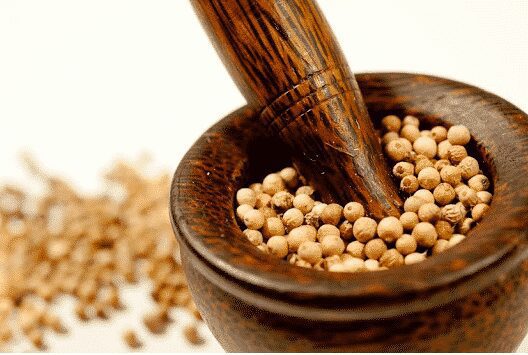
Whether on Santa Monica City TV or in a print feature, Spice Station carried a consistent message: spices should be accessible to everyone. Not just trained chefs. Not just foodies with expense accounts. Anyone who cooks at home deserves to know the difference between smoked and sweet paprika, why turmeric deserves a regular spot in the pantry, or how to use garam masala beyond a standard curry.

That’s the mission Peter has stated plainly: “Every neighborhood should have access to purchasing the highest quality herbs and spices at affordable prices.”

It’s a straightforward idea. But in practice, pulling it off requires knowing your sources, understanding flavor profiles across dozens of culinary traditions, and being willing to teach rather than just sell. Those qualities made for good television. They also built a loyal following that extended well beyond Silver Lake.

From Brick and Mortar to Wholesale and Online

The retail store that appeared on Santa Monica City TV is no longer there  rising Silver Lake rents eventually forced the shop to close. But Spice Station didn’t disappear. It shifted to a wholesale model and built out its online shop, making it possible to order everything from finishing salts to DIY seasoning blend components without leaving home.

The brand appeared at farmers markets around LA  Echo Park on Fridays, Pasadena on Saturdays, Silver Lake on Tuesdays  carrying that same personal, educational approach to new audiences week after week. Smorgasburg LA brought it to a whole new crowd.

The transition from charming courtyard shop to digital-first operation could have cost the brand its personality. It didn’t. Peter still discusses new imports with the same enthusiasm, still recommends blends based on what his customers are actually cooking, and still approaches the spice world with the curiosity of someone who hasn’t stopped learning.

Knowing how to keep spices fresh, understanding when to buy online versus at a store, and learning how to store, mix, and measure your spices properly — these are the kinds of practical topics the Spice Station blog covers, the same topics Peter would have walked customers through in the shop.

Why Moments Like This Still MatterCooking Spices Blog
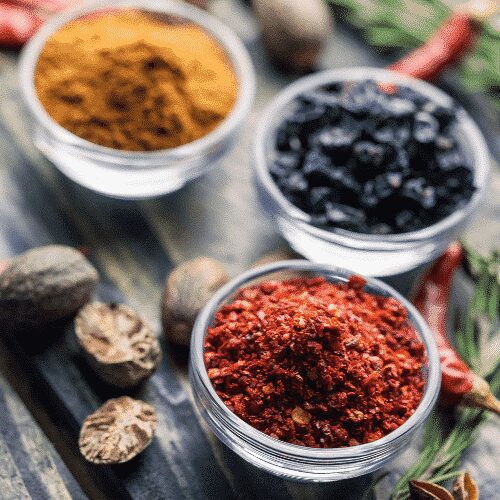
A local TV segment might feel small compared to a viral social post or a national magazine feature. But it represents something that doesn’t scale easily: community recognition. Spice Station earned its Santa Monica City TV moment not through a PR campaign but through years of doing exactly what it said it would do  bringing exceptional spices to the neighborhood at prices that made sense.

The spice trade has moved goods across continents for thousands of years. Spice Station’s contribution to that long story is modest in scale but meaningful in spirit: a Silver Lake founder who believed quality ingredients should be within reach, and who built something that Los Angeles  and eventually a television crew  noticed.

If you want to see what the shop was about, start cooking with one of Peter’s custom blends. The story is in the jar.

Frequently Asked Questions

Where is Spice Station Silver Lake located?

Spice Station Silver Lake originally operated as a retail shop in the Silver Lake neighborhood of Los Angeles. After closing its physical storefront due to rising rents, the business shifted to a wholesale model and an active e-commerce shop at spicestationsilverlake.com. Products are also available at select Los Angeles farmers markets.

Who founded Spice Station Silver Lake?

Peter Bahlawanian founded Spice Station in December 2009. An entertainment producer and passionate home cook, Peter personally mixes over 300 custom spice blends and sources ingredients from named origins around the world, including Syria, Madagascar, India, and California.

Has Spice Station been featured in major media?

Yes. Spice Station has been featured in Food & Wine Magazine, The New York Times, The Wall Street Journal, and was regularly highlighted by the late James Beard Award-winning food critic Jonathan Gold. The shop has also appeared on Santa Monica City TV.

Can I still buy Spice Station spices?

Yes. Spice Station operates an online shop at spicestationsilverlake.com with over 700 products including individual spices, custom blends, herbs, chiles, salts, sugars, and teas. Free shipping is available on orders over $35.

What makes Spice Station’s blends different?

Peter Bahlawanian mixes each of the 300+ blends himself, drawing on deep knowledge of global flavor traditions and specific regional sourcing. These are not factory-produced generic mixes — they reflect years of research, experimentation, and direct relationships with suppliers around the world.

Does Spice Station carry organic spices?

Yes. Spice Station carries a selection of certified organic spices, including California-grown organic Aleppo pepper and organic options across several other categories. Product pages on the website indicate organic certification and country of origin.

Last Updated: March 2026

Tags: buy spices online Los Angeles, custom spice blends Los Angeles, gourmet spices Silver Lake, local spice shop LA, Los Angeles spice shop, Peter Bahlawanian, Santa Monica City TV, Silver Lake spices, spice station silver lake, wholesale spices Los Angeles
Previous Post
Asian Spices: A Regional Guide to the Flavors of the Continent
Next Post
Spice Station on Santa Monica City TV: The Story Behind the Segment
Spread the love

When a small, courtyard spice shop in Silver Lake gets invited onto local television, it’s not just a nice moment for the owner. It’s proof that something real is happening. Spice Station Silver Lake’s appearance on Santa Monica City TV was exactly that — a signal that what founder Peter Bahlawanian had been building since 2009 was striking a genuine chord with home cooks, food lovers, and curious eaters across Los Angeles.

This wasn’t a polished national broadcast. It was local TV doing what local TV does best: shining a light on the people and places that make a neighborhood worth living in. And Spice Station, with its brick-path entrance, glass jars of bulk spices from around the world, and a founder who could talk for hours about the flavor difference between Korintje and Ceylon cinnamon, was a natural fit.

A Shop Built on Passion, Not a Business Plan

Peter didn’t open Spice Station because he spotted a market gap. He opened it because Silver Lake needed a great spice shop, and he was the person willing to make it happen. His background as an entertainment producer meant he understood storytelling  and spices, it turns out, have remarkable stories to tell. Ways to Use Cajun Spice

By sourcing directly from named origins like Syria, Madagascar, India, and California, and by mixing over 300 custom spice blends himself, Peter built a shop where every jar on the wall had something to say. The LA Weekly noted that Spice Station’s prices were noticeably lower than grocery store alternatives, where customers are largely paying for the packaging. That combination  quality sourcing, personal expertise, and accessible pricing  caught the attention of food critic Jonathan Gold and earned coverage in The New York Times, The Wall Street Journal, and Food & Wine Magazine.

A Santa Monica City TV appearance fit right into that story.

What Local TV Coverage Actually Does for a Small Business

There’s something a local television feature accomplishes that even a major newspaper mention can’t quite replicate. It puts a face to the name. Viewers see Peter standing among his jars, explaining why Aleppo pepper from Syria carries a fruity, oily heat that sets it apart from every other chile on the shelf. They hear his voice, watch his enthusiasm, and suddenly a small spice shop becomes a place they want to visit.

According to BrightLocal research, 98% of consumers use the internet to find local businesses. But trust often starts somewhere more tangible — a story a neighbor shares, a segment that plays during the evening news, a feature on a community channel that confirms: this place is worth your time.

Santa Monica City TV reached exactly the kind of audience Spice Station was built for: curious Los Angeles home cooks who care about what goes into their food and want to understand the ingredients they’re using. It was a good match.

The Silver Lake Spice Shop That Became a Los Angeles Institution

Spice Station opened quietly in December 2009. Within a few years, the shop had become what the About Us page describes as the “go to” place for new and exciting culinary seasonings across Los Angeles. Chefs sought out hard-to-find ingredients. Home cooks came in asking for spices for beginner cooking and left with a bag of Urfa biber and a new understanding of smoked paprika. Regulars browsed blends organized by global cuisine regions — African, Caribbean, Japanese, Mediterranean, South American, and more.

Peter’s willingness to talk, educate, and share his knowledge freely is what turned first-time visitors into loyal customers. That same quality made him a compelling subject for local media.

What Spice Station Carried Into Every Segment and FeatureContact Spice Station

Whether on Santa Monica City TV or in a print feature, Spice Station carried a consistent message: spices should be accessible to everyone. Not just trained chefs. Not just foodies with expense accounts. Anyone who cooks at home deserves to know the difference between smoked and sweet paprika, why turmeric deserves a regular spot in the pantry, or how to use garam masala beyond a standard curry.

That’s the mission Peter has stated plainly: “Every neighborhood should have access to purchasing the highest quality herbs and spices at affordable prices.”

It’s a straightforward idea. But in practice, pulling it off requires knowing your sources, understanding flavor profiles across dozens of culinary traditions, and being willing to teach rather than just sell. Those qualities made for good television. They also built a loyal following that extended well beyond Silver Lake.

From Brick and Mortar to Wholesale and Online

The retail store that appeared on Santa Monica City TV is no longer there  rising Silver Lake rents eventually forced the shop to close. But Spice Station didn’t disappear. It shifted to a wholesale model and built out its online shop, making it possible to order everything from finishing salts to DIY seasoning blend components without leaving home.

The brand appeared at farmers markets around LA  Echo Park on Fridays, Pasadena on Saturdays, Silver Lake on Tuesdays  carrying that same personal, educational approach to new audiences week after week. Smorgasburg LA brought it to a whole new crowd.

The transition from charming courtyard shop to digital-first operation could have cost the brand its personality. It didn’t. Peter still discusses new imports with the same enthusiasm, still recommends blends based on what his customers are actually cooking, and still approaches the spice world with the curiosity of someone who hasn’t stopped learning.

Knowing how to keep spices fresh, understanding when to buy online versus at a store, and learning how to store, mix, and measure your spices properly — these are the kinds of practical topics the Spice Station blog covers, the same topics Peter would have walked customers through in the shop.

Why Moments Like This Still MatterCooking Spices Blog

A local TV segment might feel small compared to a viral social post or a national magazine feature. But it represents something that doesn’t scale easily: community recognition. Spice Station earned its Santa Monica City TV moment not through a PR campaign but through years of doing exactly what it said it would do  bringing exceptional spices to the neighborhood at prices that made sense.

The spice trade has moved goods across continents for thousands of years. Spice Station’s contribution to that long story is modest in scale but meaningful in spirit: a Silver Lake founder who believed quality ingredients should be within reach, and who built something that Los Angeles  and eventually a television crew  noticed.

If you want to see what the shop was about, start cooking with one of Peter’s custom blends. The story is in the jar.

Frequently Asked Questions

Where is Spice Station Silver Lake located?

Spice Station Silver Lake originally operated as a retail shop in the Silver Lake neighborhood of Los Angeles. After closing its physical storefront due to rising rents, the business shifted to a wholesale model and an active e-commerce shop at spicestationsilverlake.com. Products are also available at select Los Angeles farmers markets.

Who founded Spice Station Silver Lake?

Peter Bahlawanian founded Spice Station in December 2009. An entertainment producer and passionate home cook, Peter personally mixes over 300 custom spice blends and sources ingredients from named origins around the world, including Syria, Madagascar, India, and California.

Has Spice Station been featured in major media?

Yes. Spice Station has been featured in Food & Wine Magazine, The New York Times, The Wall Street Journal, and was regularly highlighted by the late James Beard Award-winning food critic Jonathan Gold. The shop has also appeared on Santa Monica City TV.

Can I still buy Spice Station spices?

Yes. Spice Station operates an online shop at spicestationsilverlake.com with over 700 products including individual spices, custom blends, herbs, chiles, salts, sugars, and teas. Free shipping is available on orders over $35.

What makes Spice Station’s blends different?

Peter Bahlawanian mixes each of the 300+ blends himself, drawing on deep knowledge of global flavor traditions and specific regional sourcing. These are not factory-produced generic mixes — they reflect years of research, experimentation, and direct relationships with suppliers around the world.

Does Spice Station carry organic spices?

Yes. Spice Station carries a selection of certified organic spices, including California-grown organic Aleppo pepper and organic options across several other categories. Product pages on the website indicate organic certification and country of origin.

Last Updated: March 2026
Tags: buy spices online Los Angeles, custom spice blends Los Angeles, gourmet spices Silver Lake, local spice shop LA, Los Angeles spice shop, Peter Bahlawanian, Santa Monica City TV, Silver Lake spices, spice station silver lake, wholesale spices Los Angeles
Previous Post
Asian Spices: A Regional Guide to the Flavors of the Continent
Next Post
Dried Herbs: A Complete Guide to Buying, Using, and Storing Them