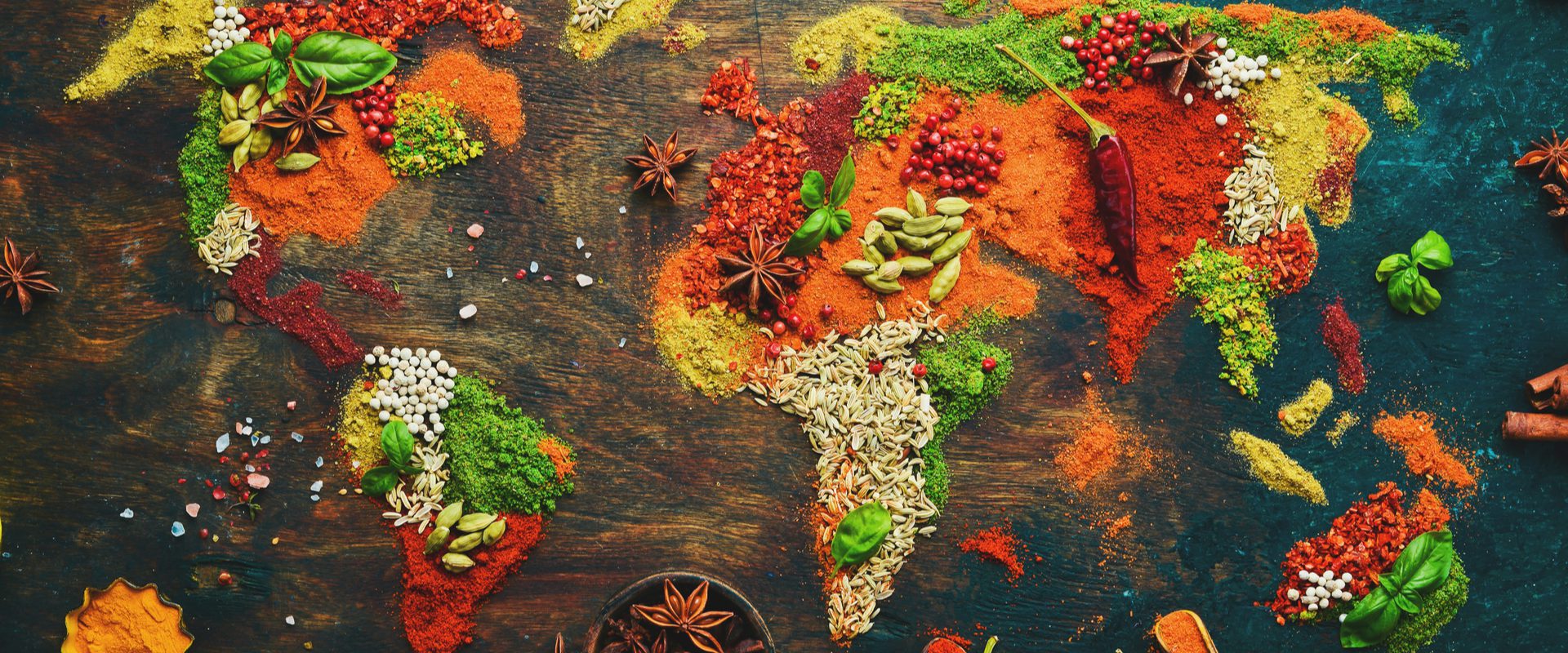
Asian Spices: A Regional Guide to the Flavors of the Continent

Spread the love

Explore Asian spices by region with this complete guide to South, East, Southeast, and West Asian spice traditions, including key blends, flavor profiles, and cooking techniques.

HealthSpices
Spread the love

Last Updated: March 2026

Asia is the birthplace of the global spice trade. Long before grocery store shelves existed, spice merchants crossed deserts and sailed oceans to move turmeric from India, star anise from China, and saffron from Persia to kitchens across the world. Today, Asian spices remain the backbone of some of the most exciting cooking on the planet. According to the International Trade Centre, Asia accounts for more than 70% of global spice production, with India alone supplying nearly half the world’s spice exports.

But “Asian spices” covers an enormous amount of ground. The continent stretches from the Turkish border to the Japanese coast, from the Himalayas to the islands of Indonesia. Each region has its own distinct spice culture, its own signature blends, and its own way of layering flavor. This guide breaks it all down, region by region, so you know exactly what you’re working with and how to bring it to your cooking.

What Makes Asian Spices So Distinctive?
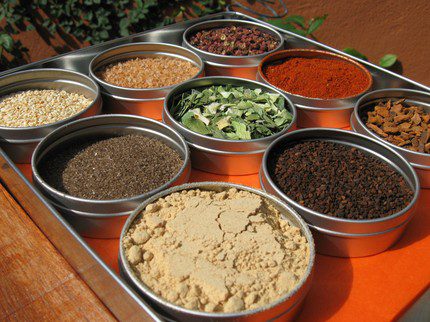
Asian spice traditions share one common thread: building depth through layering. Rather than using a single seasoning, cooks across Asia combine multiple spices to create complex, balanced flavor profiles where heat, warmth, bitterness, earthiness, and brightness all play a role. According to a 2022 study published in PLOS ONE, Indian recipes use the highest number of distinct flavor-active spice compounds of any cuisine studied globally, with an average of 7 spices per dish.

That approach to layering is exactly why learning about regional Asian spices pays off so well in the kitchen. Once you understand which spices belong to which tradition, you can start building those layers yourself. If you want to get started right away, you can browse Spice Station’s full collection of spice blends to find region-specific options curated for home cooks.

South Asian Spices: India, Sri Lanka, and Nepal

South Asia is probably the first region that comes to mind when someone says “Asian spices,” and for good reason. Indian cooking alone draws from more than 30 commonly used spices. The subcontinent’s tropical climate, ancient trade networks, and diversity of regional cuisines have made it the most spice-rich food culture in the world.

Turmeric: The Golden Spice

Turmeric is the defining spice of South Asian cooking. Its earthy, slightly bitter flavor provides the golden color in curries, rice dishes, and lentils. According to a 2021 report by Grand View Research, the global turmeric market is valued at over $200 million annually and continues to grow as Western interest in its culinary and wellness applications increases.

In Indian cooking, turmeric is rarely used alone. It gets paired with cumin, coriander, and chili to build the base of a curry. Just a half teaspoon transforms a simple dish of lentils into something aromatic and deeply savory. Sri Lankan cooks tend to use raw turmeric root more frequently, which carries a brighter, more pungent flavor than the dried ground version.

Cardamom: Fragrant and Floral

Green cardamom is the third most expensive spice in the world by weight, behind saffron and vanilla. That price comes with good reason. The pods are harvested by hand, and their fragrance, a mix of citrus, floral, and menthol notes, is unlike anything else in the spice world. Indian desserts like kheer, masala chai, and biryani all depend on cardamom for their signature perfume.

Black cardamom, which is different from green and carries a smokier, more camphor-like flavor, is used primarily in North Indian and Nepali savory dishes. The two are not interchangeable, so it’s worth having both on hand. You can read more about how cardamom and other warm spices work in sweet applications to get a sense of its range.

Fenugreek: Bitter and Bold

Fenugreek seeds and leaves are used throughout South Asia, and while the bitterness can catch first-timers off guard, it’s an essential element in many dishes. The seeds, toasted in oil at the start of cooking, temper into a warm, maple-like bitterness that anchors spice blends and pickles. Fenugreek is a key component in many commercial curry powders and is particularly prominent in Sri Lankan cuisine.

Garam Masala and Curry Powder: The Essential Blends Garam Masala
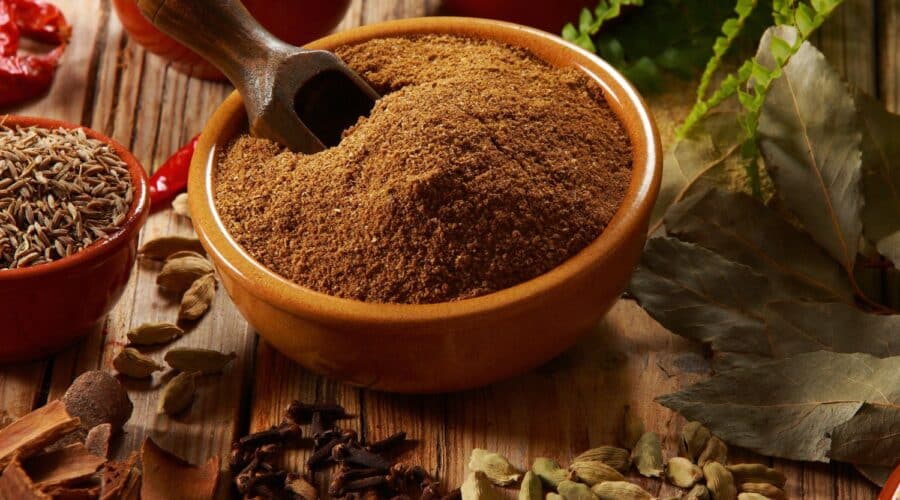
No discussion of South Asian spices is complete without garam masala, the warm, aromatic finishing blend made from cinnamon, cardamom, cloves, black pepper, and cumin. Unlike curry powder, which is typically added early in cooking, garam masala goes in at the end to preserve its fragrant punch. Spice Station has a detailed guide to garam masala and Indian spice traditions worth reading before you start cooking Indian food at home.

East Asian Spices: China, Japan, and Korea

East Asian spice traditions are more restrained than South Asian ones, but no less sophisticated. The emphasis shifts from heat and pungency toward fermented flavors, subtle aromatics, and the interplay between spice and umami.

Chinese Five Spice: A Study in Balance

Chinese five spice is one of the most perfectly constructed spice blends in the world. It combines star anise, cloves, Chinese cinnamon (cassia), Sichuan pepper, and fennel seeds to create a profile that covers all five flavor dimensions of traditional Chinese cooking: sweet, sour, bitter, salty, and savory. According to Mintel’s 2023 Global Food and Drink Trends report, Asian-inspired flavor blends have seen a 34% increase in Western consumer interest over the past five years, with five spice among the top-cited examples.

Five spice is the foundation of Cantonese roast duck, char siu pork, and braised beef. It also works beautifully in baked goods, marinades, and even cocktail bitters. Spice Station carries a high-quality Chinese five spice blend that’s a great starting point if this region is new territory for you.

Sichuan Pepper: The Tingle Factor

Sichuan pepper is not technically a pepper at all. It’s the dried husk of the prickly ash tree, and it creates a unique numbing, tingling sensation on the tongue that Chinese cooks call “ma,” which translates roughly as “numbing spice.” That sensation opens the palate to heat in a way that regular chili can’t match. Sichuan cuisine relies on the combination of this numbing quality with dried red chiles to create the famous “ma la” flavor profile.

Sichuan pepper is best bought whole and toasted briefly before grinding. The aroma fades quickly once ground, so keeping it whole and processing small amounts as needed gives you much better results. Learn how to keep your spices fresher for longer to get the most out of this and other aromatic spices.

Shichimi Togarashi: Japan’s Seven-Spice Blend

Japanese cuisine is not typically associated with spicy food, but shichimi togarashi, the traditional seven-spice blend, adds exactly the kind of layered, nuanced heat that Japanese cooks prize. The blend brings together red chili, Sansho (Japanese pepper), roasted orange peel, black and white sesame seeds, hemp seeds, and nori. It goes on noodles, soups, grilled meats, and rice dishes with equal ease. Spice Station has a full guide to shichimi togarashi and its history if you want to understand this blend in depth before adding it to your cabinet.

Gochugaru: Korean Chile Flakes
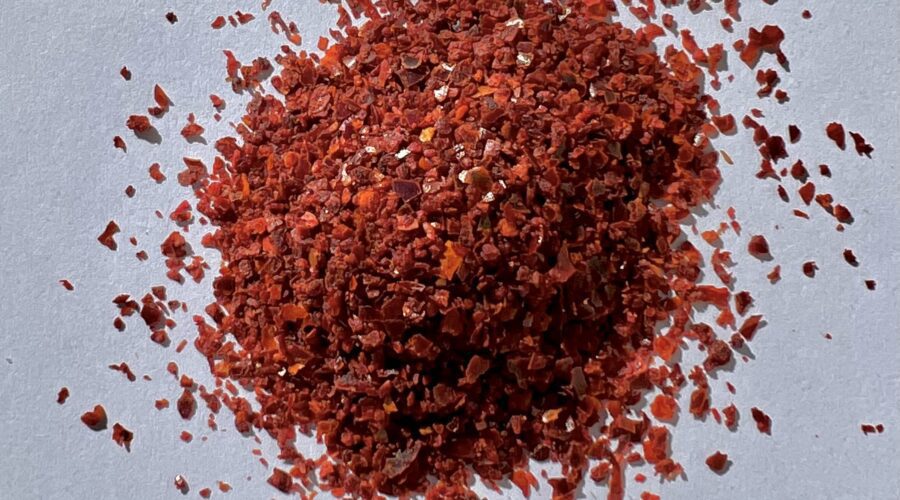
Korean cooking has become one of the fastest-growing global food trends, and gochugaru, the coarse-ground dried Korean chile, is at the center of it. It’s what gives kimchi its distinctive red color and its balance of mild heat with fruity sweetness. Gochugaru is not as hot as cayenne, but it has more complexity. According to Mintel’s 2024 flavor report, Korean flavors, particularly gochujang and gochugaru, saw the second-highest rate of menu growth of any global cuisine in U.S. restaurants last year.

The coarser grind of gochugaru matters here. Fine chile powder won’t give you the same texture in kimchi or Korean stews. You’ll find it in Spice Station’s chiles category alongside a wide range of other dried peppers from around the world.

Southeast Asian Spices: Thailand, Vietnam, and Indonesia

Southeast Asian cooking relies heavily on fresh aromatics alongside dried spices, which gives dishes a brightness and lift that sets the region apart. Lemongrass, galangal, fresh turmeric, and kaffir lime leaves work alongside dried spices to create complex curries, soups, and stir-fries.

Lemongrass: Citrus Without the Fruit

Lemongrass is a stalky grass with a fragrant citrus flavor that forms the backbone of Thai curries, Vietnamese pho broth, and Indonesian satay marinades. The lower, paler part of the stalk carries most of the flavor. Dried and powdered lemongrass works well in spice blends and rubs where fresh is impractical. According to the Specialty Food Association, lemongrass appeared on 22% more U.S. restaurant menus in 2023 than five years prior, reflecting how mainstream Southeast Asian flavors have become.

Lemongrass pairs beautifully with galangal, another rhizome from the same botanical family as ginger. Galangal is sharper and more piney than ginger, and the two are often used together in Thai and Indonesian cooking to create a layered, warm-citrus foundation. If you want to try vegan dishes that highlight these aromatic spices, Southeast Asian recipes are an excellent place to start.

Star Anise: The Backbone of Pho and Five Spice

Star anise is the dried fruit of a Chinese evergreen tree, and its licorice flavor is one of the most recognizable in Asian cooking. In Vietnamese pho, a whole star anise is toasted with cinnamon, cloves, coriander seeds, and cardamom to create the broth’s distinctive perfume. In Chinese cooking, it’s a central element of five spice and is used to braise pork, duck, and beef.

It’s worth noting that star anise is a completely different plant from anise seed, despite the similar flavor. Star anise is native to southern China and northern Vietnam, while anise seed comes from the Mediterranean. They can sometimes substitute for each other in recipes, but the flavor intensity differs significantly. If you want a closer look at how to use star anise in cooking, Spice Station’s broader world spice content is a good resource.

Turmeric in Southeast Asia Turmeric
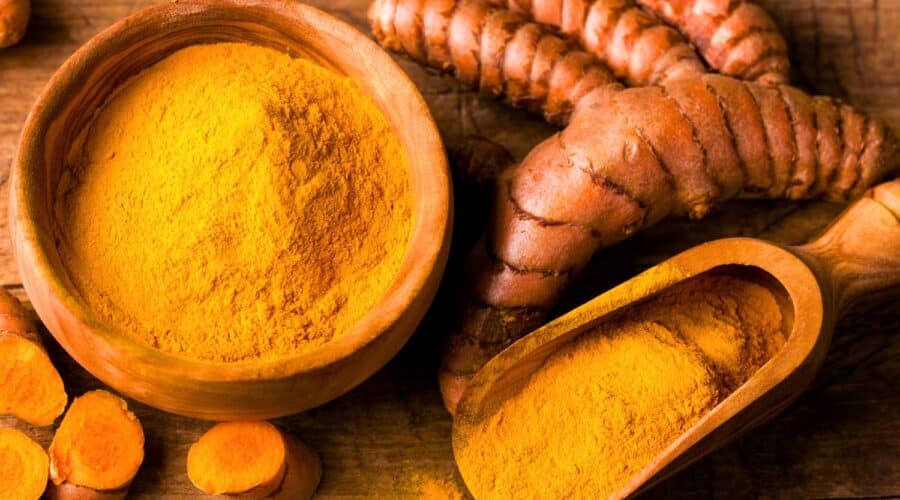
While South Asian cooks usually use dried turmeric powder, Southeast Asian cooks often work with fresh turmeric root. In Thai cuisine, fresh turmeric is pounded into curry pastes alongside galangal, lemongrass, and chili. In Indonesian cooking, it flavors rice, soups, and satay. The fresh root has a brighter, more vibrant flavor than dried powder, slightly more bitter and less earthy, though both forms have their place depending on the dish.

Central and West Asian Spices: Persia, Turkey, and the Caucasus

The spice traditions of Central and West Asia are deeply intertwined with ancient trade routes and are closely related to what many Western cooks know as Middle Eastern flavors. These are the spices that traveled from Asia to Europe, shaping the history of global commerce along the way.

Saffron: The World’s Most Valuable Spice

Saffron comes from the dried stigmas of the Crocus sativus flower, and it takes around 75,000 flowers to produce a single pound of dried saffron. Iran produces approximately 90% of the world’s saffron supply, according to the Food and Agriculture Organization of the United Nations. That scarcity and labor intensity make it the most expensive spice in the world by weight.

In Persian cooking, saffron is non-negotiable. It gives the golden hue to tahdig, the beloved crispy-bottomed rice dish, and perfumes everything from rice pilafs to lamb stews. A small pinch, bloomed in warm water before using, is enough to transform an entire pot of rice. Quality matters enormously with saffron. Pale, yellow-tipped threads are often adulterated or low-grade. Deep red threads with minimal yellow are the mark of authentic, high-quality product.

Sumac: Tart and Bright

Sumac is ground from the dried berries of the Rhus coriaria shrub and carries a tart, fruity sourness that makes it one of the most useful spices in the entire Asian pantry. It’s the key ingredient in za’atar, the classic herb and spice blend used across the Levant, and it works as a finishing seasoning sprinkled over hummus, grilled chicken, or roasted vegetables. For cooks who want citrus brightness without adding actual liquid, sumac is the answer. Spice Station covers unusual and hard-to-find spices like sumac in more detail in their spice exploration content.

Za’atar: The Levantine Herb Blend

Za’atar the blend, as opposed to za’atar the wild thyme herb it’s named after, typically contains dried thyme, sumac, sesame seeds, and salt. It’s used across Turkey, Lebanon, Syria, Israel, and Palestine, and is one of the most versatile spice blends in the world. Mix it into olive oil for a dipping sauce, rub it on chicken before roasting, or stir it into labneh for a quick spread. Understanding how to use za’atar as part of a broader spice repertoire is one of the better investments you can make in your cooking.

How to Cook with Asian Spices

Getting the most out of Asian spices comes down to a few key techniques.

Toast whole spices before grinding. Dry-toasting cumin seeds, coriander seeds, or Sichuan pepper in a hot pan for 60 to 90 seconds releases volatile oils that dramatically intensify flavor. Let them cool before grinding to avoid steaming, which creates moisture and clumping.

Bloom ground spices in fat. When a recipe calls for ground spice added to hot oil, that step is called blooming. The fat carries fat-soluble flavor compounds deeper into the dish in a way that water can’t. This is why Indian curries start by frying spices in ghee or oil before adding onions and other ingredients.

Layer spices at different stages. The most complex Asian dishes add spices at multiple points in the cooking process. Some go in the oil at the beginning, some are added mid-cook, and some, like garam masala, are stirred in at the very end. Each addition builds another dimension of flavor.

Match your spice format to the dish. Whole spices work best in braises, stocks, and slow-cooked dishes where they have time to release flavor. Ground spices are better for quick-cooking dishes, rubs, and marinades. Knowing when to reach for which form is as important as knowing which spice to use. For more tips on working with spice rubs specifically, Spice Station’s guide to spice rubs covers technique in practical detail.

Building Your Asian Spice Cabinet Winter Spices to Fight Cold and Flu
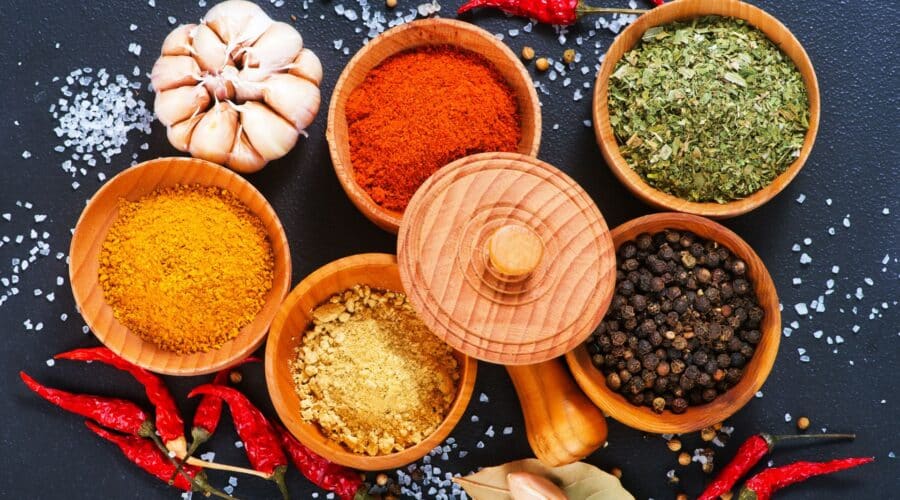
You don’t need to own every spice in this guide to start cooking seriously from across Asia. A well-chosen core set gives you access to the majority of recipes you’ll want to make.

The essential starter set would include ground turmeric, cumin (whole seeds and ground), coriander (whole seeds and ground), green cardamom pods, star anise, Chinese five spice, gochugaru or another dried red chile, and garam masala. With those eight items, you can cook meaningful dishes from India, China, Korea, Vietnam, and beyond.

Intermediate additions worth adding next: Sichuan pepper, saffron, sumac, shichimi togarashi, fenugreek seeds, and dried galangal.

When buying, origin specificity matters. Tellicherry black pepper from India’s Malabar coast tastes noticeably different from generic black pepper. Vietnamese cinnamon has more intensity than average cassia. Seeking out named-origin spices, the kind Spice Station sources specifically, consistently outperforms generic alternatives in the kitchen. If you want a curated introduction, Spice Station’s global gift sets offer a well-organized way to start exploring multiple regions at once.

If you’re focused on building a plant-based kitchen, Asian spice traditions are a natural fit. The boldness of cumin, turmeric, and gochugaru can bring life to vegetables and legumes in ways that other culinary traditions rarely match. You can explore how to build flavor in vegan cooking using spices for practical starting points.

Frequently Asked Questions About Asian Spices

What are the most commonly used Asian spices?

The most widely used Asian spices include turmeric, cumin, coriander, ginger, cardamom, star anise, cinnamon, and chili in various forms. These appear across South, East, and Southeast Asian cuisines and form the foundation of most regional spice blends.

What is the difference between Chinese five spice and Indian curry powder?

Chinese five spice combines star anise, cloves, cassia cinnamon, Sichuan pepper, and fennel seeds for a warm, anise-forward flavor used in savory and sweet applications. Indian curry powder typically blends turmeric, coriander, cumin, and chili for a brighter, more pungent profile. The two are quite different in flavor and not interchangeable.

Are Asian spices generally spicy hot?

Not necessarily. Heat is one element, but Asian spice traditions prioritize balance. Japanese shichimi togarashi is mild. Chinese five spice has no heat at all. Even Indian cooking, which can be intensely hot, uses chili as one element within a broader flavor framework that includes warm, floral, and earthy notes.

What is the best way to store Asian spices?

Whole spices last significantly longer than ground. Store all spices in airtight containers away from heat, light, and moisture. Whole spices kept properly can retain potency for 2 to 4 years. Ground spices are best replaced every 12 to 18 months. For more detailed guidance, Spice Station’s storage guide covers everything you need to know.

Which Asian spices work well for grilling?

Cumin, coriander, turmeric, gochugaru, and Chinese five spice all work excellently as rub components for grilled meats and vegetables. Lemongrass-based marinades are ideal for chicken and shrimp. The key is using dried spices in rubs so they create a flavorful crust rather than burning. You can find specific grilling spice ideas for vegetables and proteins on the Spice Station blog.

Where can I buy authentic Asian spices online?

Look for retailers who specify origin information on their products. Generic labels like “cinnamon” without origin details often indicate commodity-grade product with little flavor distinction. Spice Station sources named-origin spices, such as Vietnamese cinnamon and Indian turmeric, and carries a wide range of regional Asian spices and blends available for order online.

Can I make Asian spice blends at home? restricted diet
Yes, and many home cooks find it rewarding. Chinese five spice, garam masala, and shichimi togarashi can all be assembled from individual components. The advantage of making your own is freshness and the ability to adjust ratios to your taste. The advantage of buying pre-made from a quality source like Spice Station is consistency and the expertise behind the proportions.

Asia’s spice traditions represent thousands of years of culinary discovery, trade, and creativity. From the heat of Sichuan pepper to the floral depth of green cardamom, from the tang of sumac to the golden warmth of saffron, these ingredients have the power to completely change how you cook. Start with one region, get comfortable with a handful of spices, and let your curiosity take it from there. Spice Station’s full online shop carries authentic, named-origin spices from across the continent to help you build the Asian spice cabinet your cooking deserves.
Tags: asian spice blends, asian spices, buy asian spices online, Chinese Five Spice, Chinese spices, garam masala guide, indian spices, japanese spices, saffron guide, Shichimi Togarashi, southeast asian spices, turmeric uses
Previous Post
Spicy Pork Tenderloin Wrap with Smoky Rub and Creamy Coleslaw
Next Post
Spice Station Silver Lake Hit the Screen on Santa Monica City TV : Here’s Why It Mattered

Leave a Reply

Your email address will not be published. Required fields are marked *

Fill out this field
Fill out this field
Please enter a valid email address.

Spread the love

Last Updated: March 2026

Asia is the birthplace of the global spice trade. Long before grocery store shelves existed, spice merchants crossed deserts and sailed oceans to move turmeric from India, star anise from China, and saffron from Persia to kitchens across the world. Today, Asian spices remain the backbone of some of the most exciting cooking on the planet. According to the International Trade Centre, Asia accounts for more than 70% of global spice production, with India alone supplying nearly half the world’s spice exports.

But “Asian spices” covers an enormous amount of ground. The continent stretches from the Turkish border to the Japanese coast, from the Himalayas to the islands of Indonesia. Each region has its own distinct spice culture, its own signature blends, and its own way of layering flavor. This guide breaks it all down, region by region, so you know exactly what you’re working with and how to bring it to your cooking.

What Makes Asian Spices So Distinctive?

Asian spice traditions share one common thread: building depth through layering. Rather than using a single seasoning, cooks across Asia combine multiple spices to create complex, balanced flavor profiles where heat, warmth, bitterness, earthiness, and brightness all play a role. According to a 2022 study published in PLOS ONE, Indian recipes use the highest number of distinct flavor-active spice compounds of any cuisine studied globally, with an average of 7 spices per dish.

That approach to layering is exactly why learning about regional Asian spices pays off so well in the kitchen. Once you understand which spices belong to which tradition, you can start building those layers yourself. If you want to get started right away, you can browse Spice Station’s full collection of spice blends to find region-specific options curated for home cooks.

South Asian Spices: India, Sri Lanka, and Nepal

South Asia is probably the first region that comes to mind when someone says “Asian spices,” and for good reason. Indian cooking alone draws from more than 30 commonly used spices. The subcontinent’s tropical climate, ancient trade networks, and diversity of regional cuisines have made it the most spice-rich food culture in the world.

Turmeric: The Golden Spice

Turmeric is the defining spice of South Asian cooking. Its earthy, slightly bitter flavor provides the golden color in curries, rice dishes, and lentils. According to a 2021 report by Grand View Research, the global turmeric market is valued at over $200 million annually and continues to grow as Western interest in its culinary and wellness applications increases.

In Indian cooking, turmeric is rarely used alone. It gets paired with cumin, coriander, and chili to build the base of a curry. Just a half teaspoon transforms a simple dish of lentils into something aromatic and deeply savory. Sri Lankan cooks tend to use raw turmeric root more frequently, which carries a brighter, more pungent flavor than the dried ground version.

Cardamom: Fragrant and Floral

Green cardamom is the third most expensive spice in the world by weight, behind saffron and vanilla. That price comes with good reason. The pods are harvested by hand, and their fragrance, a mix of citrus, floral, and menthol notes, is unlike anything else in the spice world. Indian desserts like kheer, masala chai, and biryani all depend on cardamom for their signature perfume.

Black cardamom, which is different from green and carries a smokier, more camphor-like flavor, is used primarily in North Indian and Nepali savory dishes. The two are not interchangeable, so it’s worth having both on hand. You can read more about how cardamom and other warm spices work in sweet applications to get a sense of its range.

Fenugreek: Bitter and Bold

Fenugreek seeds and leaves are used throughout South Asia, and while the bitterness can catch first-timers off guard, it’s an essential element in many dishes. The seeds, toasted in oil at the start of cooking, temper into a warm, maple-like bitterness that anchors spice blends and pickles. Fenugreek is a key component in many commercial curry powders and is particularly prominent in Sri Lankan cuisine.

Garam Masala and Curry Powder: The Essential Blends Garam Masala

No discussion of South Asian spices is complete without garam masala, the warm, aromatic finishing blend made from cinnamon, cardamom, cloves, black pepper, and cumin. Unlike curry powder, which is typically added early in cooking, garam masala goes in at the end to preserve its fragrant punch. Spice Station has a detailed guide to garam masala and Indian spice traditions worth reading before you start cooking Indian food at home.

East Asian Spices: China, Japan, and Korea

East Asian spice traditions are more restrained than South Asian ones, but no less sophisticated. The emphasis shifts from heat and pungency toward fermented flavors, subtle aromatics, and the interplay between spice and umami.

Chinese Five Spice: A Study in Balance

Chinese five spice is one of the most perfectly constructed spice blends in the world. It combines star anise, cloves, Chinese cinnamon (cassia), Sichuan pepper, and fennel seeds to create a profile that covers all five flavor dimensions of traditional Chinese cooking: sweet, sour, bitter, salty, and savory. According to Mintel’s 2023 Global Food and Drink Trends report, Asian-inspired flavor blends have seen a 34% increase in Western consumer interest over the past five years, with five spice among the top-cited examples.

Five spice is the foundation of Cantonese roast duck, char siu pork, and braised beef. It also works beautifully in baked goods, marinades, and even cocktail bitters. Spice Station carries a high-quality Chinese five spice blend that’s a great starting point if this region is new territory for you.

Sichuan Pepper: The Tingle Factor

Sichuan pepper is not technically a pepper at all. It’s the dried husk of the prickly ash tree, and it creates a unique numbing, tingling sensation on the tongue that Chinese cooks call “ma,” which translates roughly as “numbing spice.” That sensation opens the palate to heat in a way that regular chili can’t match. Sichuan cuisine relies on the combination of this numbing quality with dried red chiles to create the famous “ma la” flavor profile.

Sichuan pepper is best bought whole and toasted briefly before grinding. The aroma fades quickly once ground, so keeping it whole and processing small amounts as needed gives you much better results. Learn how to keep your spices fresher for longer to get the most out of this and other aromatic spices.

Shichimi Togarashi: Japan’s Seven-Spice Blend

Japanese cuisine is not typically associated with spicy food, but shichimi togarashi, the traditional seven-spice blend, adds exactly the kind of layered, nuanced heat that Japanese cooks prize. The blend brings together red chili, Sansho (Japanese pepper), roasted orange peel, black and white sesame seeds, hemp seeds, and nori. It goes on noodles, soups, grilled meats, and rice dishes with equal ease. Spice Station has a full guide to shichimi togarashi and its history if you want to understand this blend in depth before adding it to your cabinet.

Gochugaru: Korean Chile Flakes

Korean cooking has become one of the fastest-growing global food trends, and gochugaru, the coarse-ground dried Korean chile, is at the center of it. It’s what gives kimchi its distinctive red color and its balance of mild heat with fruity sweetness. Gochugaru is not as hot as cayenne, but it has more complexity. According to Mintel’s 2024 flavor report, Korean flavors, particularly gochujang and gochugaru, saw the second-highest rate of menu growth of any global cuisine in U.S. restaurants last year.

The coarser grind of gochugaru matters here. Fine chile powder won’t give you the same texture in kimchi or Korean stews. You’ll find it in Spice Station’s chiles category alongside a wide range of other dried peppers from around the world.

Southeast Asian Spices: Thailand, Vietnam, and Indonesia

Southeast Asian cooking relies heavily on fresh aromatics alongside dried spices, which gives dishes a brightness and lift that sets the region apart. Lemongrass, galangal, fresh turmeric, and kaffir lime leaves work alongside dried spices to create complex curries, soups, and stir-fries.

Lemongrass: Citrus Without the Fruit

Lemongrass is a stalky grass with a fragrant citrus flavor that forms the backbone of Thai curries, Vietnamese pho broth, and Indonesian satay marinades. The lower, paler part of the stalk carries most of the flavor. Dried and powdered lemongrass works well in spice blends and rubs where fresh is impractical. According to the Specialty Food Association, lemongrass appeared on 22% more U.S. restaurant menus in 2023 than five years prior, reflecting how mainstream Southeast Asian flavors have become.

Lemongrass pairs beautifully with galangal, another rhizome from the same botanical family as ginger. Galangal is sharper and more piney than ginger, and the two are often used together in Thai and Indonesian cooking to create a layered, warm-citrus foundation. If you want to try vegan dishes that highlight these aromatic spices, Southeast Asian recipes are an excellent place to start.

Star Anise: The Backbone of Pho and Five Spice

Star anise is the dried fruit of a Chinese evergreen tree, and its licorice flavor is one of the most recognizable in Asian cooking. In Vietnamese pho, a whole star anise is toasted with cinnamon, cloves, coriander seeds, and cardamom to create the broth’s distinctive perfume. In Chinese cooking, it’s a central element of five spice and is used to braise pork, duck, and beef.

It’s worth noting that star anise is a completely different plant from anise seed, despite the similar flavor. Star anise is native to southern China and northern Vietnam, while anise seed comes from the Mediterranean. They can sometimes substitute for each other in recipes, but the flavor intensity differs significantly. If you want a closer look at how to use star anise in cooking, Spice Station’s broader world spice content is a good resource.

Turmeric in Southeast Asia Turmeric

While South Asian cooks usually use dried turmeric powder, Southeast Asian cooks often work with fresh turmeric root. In Thai cuisine, fresh turmeric is pounded into curry pastes alongside galangal, lemongrass, and chili. In Indonesian cooking, it flavors rice, soups, and satay. The fresh root has a brighter, more vibrant flavor than dried powder, slightly more bitter and less earthy, though both forms have their place depending on the dish.

Central and West Asian Spices: Persia, Turkey, and the Caucasus

The spice traditions of Central and West Asia are deeply intertwined with ancient trade routes and are closely related to what many Western cooks know as Middle Eastern flavors. These are the spices that traveled from Asia to Europe, shaping the history of global commerce along the way.

Saffron: The World’s Most Valuable Spice

Saffron comes from the dried stigmas of the Crocus sativus flower, and it takes around 75,000 flowers to produce a single pound of dried saffron. Iran produces approximately 90% of the world’s saffron supply, according to the Food and Agriculture Organization of the United Nations. That scarcity and labor intensity make it the most expensive spice in the world by weight.

In Persian cooking, saffron is non-negotiable. It gives the golden hue to tahdig, the beloved crispy-bottomed rice dish, and perfumes everything from rice pilafs to lamb stews. A small pinch, bloomed in warm water before using, is enough to transform an entire pot of rice. Quality matters enormously with saffron. Pale, yellow-tipped threads are often adulterated or low-grade. Deep red threads with minimal yellow are the mark of authentic, high-quality product.

Sumac: Tart and Bright

Sumac is ground from the dried berries of the Rhus coriaria shrub and carries a tart, fruity sourness that makes it one of the most useful spices in the entire Asian pantry. It’s the key ingredient in za’atar, the classic herb and spice blend used across the Levant, and it works as a finishing seasoning sprinkled over hummus, grilled chicken, or roasted vegetables. For cooks who want citrus brightness without adding actual liquid, sumac is the answer. Spice Station covers unusual and hard-to-find spices like sumac in more detail in their spice exploration content.

Za’atar: The Levantine Herb Blend

Za’atar the blend, as opposed to za’atar the wild thyme herb it’s named after, typically contains dried thyme, sumac, sesame seeds, and salt. It’s used across Turkey, Lebanon, Syria, Israel, and Palestine, and is one of the most versatile spice blends in the world. Mix it into olive oil for a dipping sauce, rub it on chicken before roasting, or stir it into labneh for a quick spread. Understanding how to use za’atar as part of a broader spice repertoire is one of the better investments you can make in your cooking.

How to Cook with Asian Spices

Getting the most out of Asian spices comes down to a few key techniques.

Toast whole spices before grinding. Dry-toasting cumin seeds, coriander seeds, or Sichuan pepper in a hot pan for 60 to 90 seconds releases volatile oils that dramatically intensify flavor. Let them cool before grinding to avoid steaming, which creates moisture and clumping.

Bloom ground spices in fat. When a recipe calls for ground spice added to hot oil, that step is called blooming. The fat carries fat-soluble flavor compounds deeper into the dish in a way that water can’t. This is why Indian curries start by frying spices in ghee or oil before adding onions and other ingredients.

Layer spices at different stages. The most complex Asian dishes add spices at multiple points in the cooking process. Some go in the oil at the beginning, some are added mid-cook, and some, like garam masala, are stirred in at the very end. Each addition builds another dimension of flavor.

Match your spice format to the dish. Whole spices work best in braises, stocks, and slow-cooked dishes where they have time to release flavor. Ground spices are better for quick-cooking dishes, rubs, and marinades. Knowing when to reach for which form is as important as knowing which spice to use. For more tips on working with spice rubs specifically, Spice Station’s guide to spice rubs covers technique in practical detail.

Building Your Asian Spice Cabinet Winter Spices to Fight Cold and Flu

You don’t need to own every spice in this guide to start cooking seriously from across Asia. A well-chosen core set gives you access to the majority of recipes you’ll want to make.

The essential starter set would include ground turmeric, cumin (whole seeds and ground), coriander (whole seeds and ground), green cardamom pods, star anise, Chinese five spice, gochugaru or another dried red chile, and garam masala. With those eight items, you can cook meaningful dishes from India, China, Korea, Vietnam, and beyond.

Intermediate additions worth adding next: Sichuan pepper, saffron, sumac, shichimi togarashi, fenugreek seeds, and dried galangal.

When buying, origin specificity matters. Tellicherry black pepper from India’s Malabar coast tastes noticeably different from generic black pepper. Vietnamese cinnamon has more intensity than average cassia. Seeking out named-origin spices, the kind Spice Station sources specifically, consistently outperforms generic alternatives in the kitchen. If you want a curated introduction, Spice Station’s global gift sets offer a well-organized way to start exploring multiple regions at once.

If you’re focused on building a plant-based kitchen, Asian spice traditions are a natural fit. The boldness of cumin, turmeric, and gochugaru can bring life to vegetables and legumes in ways that other culinary traditions rarely match. You can explore how to build flavor in vegan cooking using spices for practical starting points.

Frequently Asked Questions About Asian Spices

What are the most commonly used Asian spices?

The most widely used Asian spices include turmeric, cumin, coriander, ginger, cardamom, star anise, cinnamon, and chili in various forms. These appear across South, East, and Southeast Asian cuisines and form the foundation of most regional spice blends.

What is the difference between Chinese five spice and Indian curry powder?

Chinese five spice combines star anise, cloves, cassia cinnamon, Sichuan pepper, and fennel seeds for a warm, anise-forward flavor used in savory and sweet applications. Indian curry powder typically blends turmeric, coriander, cumin, and chili for a brighter, more pungent profile. The two are quite different in flavor and not interchangeable.

Are Asian spices generally spicy hot?

Not necessarily. Heat is one element, but Asian spice traditions prioritize balance. Japanese shichimi togarashi is mild. Chinese five spice has no heat at all. Even Indian cooking, which can be intensely hot, uses chili as one element within a broader flavor framework that includes warm, floral, and earthy notes.

What is the best way to store Asian spices?

Whole spices last significantly longer than ground. Store all spices in airtight containers away from heat, light, and moisture. Whole spices kept properly can retain potency for 2 to 4 years. Ground spices are best replaced every 12 to 18 months. For more detailed guidance, Spice Station’s storage guide covers everything you need to know.

Which Asian spices work well for grilling?

Cumin, coriander, turmeric, gochugaru, and Chinese five spice all work excellently as rub components for grilled meats and vegetables. Lemongrass-based marinades are ideal for chicken and shrimp. The key is using dried spices in rubs so they create a flavorful crust rather than burning. You can find specific grilling spice ideas for vegetables and proteins on the Spice Station blog.

Where can I buy authentic Asian spices online?

Look for retailers who specify origin information on their products. Generic labels like “cinnamon” without origin details often indicate commodity-grade product with little flavor distinction. Spice Station sources named-origin spices, such as Vietnamese cinnamon and Indian turmeric, and carries a wide range of regional Asian spices and blends available for order online.

Can I make Asian spice blends at home? restricted diet

Yes, and many home cooks find it rewarding. Chinese five spice, garam masala, and shichimi togarashi can all be assembled from individual components. The advantage of making your own is freshness and the ability to adjust ratios to your taste. The advantage of buying pre-made from a quality source like Spice Station is consistency and the expertise behind the proportions.

Asia’s spice traditions represent thousands of years of culinary discovery, trade, and creativity. From the heat of Sichuan pepper to the floral depth of green cardamom, from the tang of sumac to the golden warmth of saffron, these ingredients have the power to completely change how you cook. Start with one region, get comfortable with a handful of spices, and let your curiosity take it from there. Spice Station’s full online shop carries authentic, named-origin spices from across the continent to help you build the Asian spice cabinet your cooking deserves.
Tags: asian spice blends, asian spices, buy asian spices online, Chinese Five Spice, Chinese spices, garam masala guide, indian spices, japanese spices, saffron guide, Shichimi Togarashi, southeast asian spices, turmeric uses
Previous Post
Spicy Pork Tenderloin Wrap with Smoky Rub and Creamy Coleslaw
Next Post
Spice Station Silver Lake Hit the Screen on Santa Monica City TV : Here’s Why It Mattered

Leave a Reply

Your email address will not be published. Required fields are marked *

Fill out this field
Fill out this field
Please enter a valid email address.