
Turmeric Health Benefits: Science-Backed Ways This Golden Spice Supports Wellness
Turmeric Health Benefits: Science-Backed Ways This Golden Spice Supports Wellness
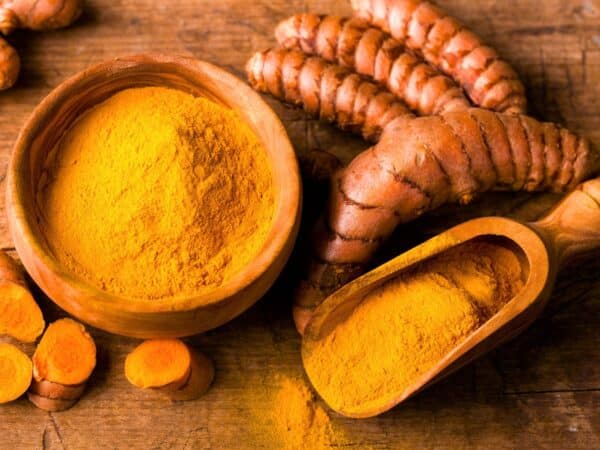 Turmeric offers powerful anti-inflammatory, antioxidant, and immune-supporting properties primarily through its active compound curcumin. According to research published in Traditional Chinese Medicine (2025), turmeric modulates key molecular pathways including NF-κB and Nrf2, reducing inflammation and oxidative stress throughout the body. Recent clinical studies show promising results for managing conditions like arthritis, metabolic health, and cognitive function.
This golden-yellow spice has been a cornerstone of Indian and Chinese traditional medicine for over 2,000 years, and modern science continues to validate what ancient healers knew instinctively. With over 19,000 published studies on curcumin alone, turmeric stands as one of the most thoroughly researched natural compounds in medical literature.
What Makes Turmeric So Powerful?
Turmeric comes from the rhizome (underground stem) of Curcuma longa, a plant in the ginger family. The spice contains over 200 different compounds, but curcumin accounts for 60-70% of the bioactive components that give turmeric its distinctive yellow color and medicinal properties. According to Harvard Health (2024), one 2020 study found Curcuma associated with anti-inflammatory, anticancer, antidiabetic, antimicrobial, antiviral, and antioxidant properties.
The root typically contains 3-8% curcumin by weight, depending on growing conditions. A single teaspoon of turmeric powder contains roughly 30-90 mg of curcumin, though the exact amount varies based on quality and origin. When you cook with high-quality turmeric from regions like India or Southeast Asia, you’re accessing centuries of agricultural wisdom about cultivating this remarkable plant.
Inflammation Management Through Natural Pathways
Chronic inflammation underlies many modern health concerns, from joint discomfort to metabolic challenges. A 2025 umbrella review published in Frontiers in Pharmacology analyzed multiple clinical trials and found that curcumin supplements significantly reduced inflammatory markers across various conditions. The compound works by inhibiting specific enzymes and proteins that trigger inflammatory responses in the body.
Research demonstrates curcumin’s ability to block NF-κB, a molecule that travels into cell nuclei and activates genes related to inflammation. By modulating this pathway, turmeric can complement other anti-inflammatory spices in your cooking routine. According to the European Journal of Clinical Pharmacology (2025), curcumin shows particular promise as complementary support during oncological treatments, though always consult healthcare providers before using supplements alongside medical treatments.
The spice’s anti-inflammatory effects work best when consumed regularly rather than sporadically. Traditional Ayurvedic medicine recognized this centuries ago, incorporating turmeric into daily meals rather than using it occasionally.
Joint Health and Mobility Support
For those experiencing joint discomfort, turmeric offers research-backed benefits. A 2022 systematic review in BMC Complementary Medicine and Therapies found that curcuminoids alone effectively reduced pain and improved function in knee osteoarthritis patients. The National Center for Complementary and Integrative Health reports that clinical practice guidelines now acknowledge curcumin’s therapeutic value for osteoarticular pain management.
Traditional Indian cuisine naturally combines turmeric with black pepper in recipes, which enhances absorption. Piperine, the compound in black pepper, can increase curcumin bioavailability by up to 2,000%. This traditional pairing demonstrates the wisdom embedded in culinary practices developed over generations.
Study participants taking curcumin supplements reported improvements in joint comfort within 4-8 weeks of consistent use. The compound appears to work by reducing inflammatory enzymes that contribute to cartilage breakdown while supporting the body’s natural repair processes.
Metabolic Health and Blood Sugar Balance
Research published in Phytotherapy Research (2024) shows turmeric supplementation positively affects liver enzymes, lipid profiles, and glycemic control in patients with non-alcoholic fatty liver disease. According to findings in Frontiers in Pharmacology (2025), curcumin reduces α-glucosidase activity and inhibits aminopeptidase B activity, potentially supporting healthy blood sugar metabolism.
The spice works through multiple mechanisms to support metabolic health. Curcumin activates PPARγ receptors, increases circulating adiponectin levels, and regulates genes involved in fat and glucose metabolism. Studies show it can improve insulin sensitivity and support glucose homeostasis when combined with a balanced diet.
For home cooks interested in metabolic wellness, incorporating turmeric into everyday meals provides a flavorful way to access these benefits. A 2024 clinical trial found that participants consuming curcumin-rich foods alongside healthy fats showed improved metabolic markers compared to control groups.
Antioxidant Protection for Cellular Health
Free radicals are unstable molecules that damage cells through oxidative stress, contributing to aging and various health challenges. Turmeric functions as both a direct antioxidant and an indirect one by stimulating the body’s own antioxidant defenses. According to research in the Advances in Experimental Medicine and Biology (2021), curcumin’s chemical structure makes it particularly effective at neutralizing free radicals.
The compound activates Nrf2, a protein that regulates antioxidant enzymes throughout the body. This means turmeric not only directly scavenges harmful molecules but also upregulates your cells’ natural defense systems. A 2025 study in the Journal of Traditional Chinese Medicine found this dual-action mechanism particularly valuable for protecting against oxidative damage.
Combining turmeric with other antioxidant-rich spices like cinnamon and ginger creates synergistic effects. Many traditional spice blends naturally incorporate these combinations, suggesting that culinary traditions developed sophisticated approaches to antioxidant protection long before modern science could explain them.
Cognitive Function and Brain Health Support
While more research is needed, preliminary studies suggest turmeric may support cognitive function through several pathways. The spice crosses the blood-brain barrier, where it can potentially influence neurological processes. According to Frontiers in Nutrition (2024), curcumin demonstrates neuroprotective properties by reducing oxidative stress and supporting healthy inflammatory responses in brain tissue.
Traditional Chinese Medicine has prescribed turmeric for cognitive support for centuries, often combining it with other herbs in formulations designed to support mental clarity. Modern research is beginning to understand the biological mechanisms behind these traditional applications.
A 2023 review noted that curcumin appears to support the clearance of certain proteins in the brain while promoting healthy neurotransmitter function. However, researchers emphasize that high-quality, bioavailability-enhanced formulations are necessary for measurable effects, as standard curcumin has limited absorption.
Cardiovascular and Liver Function
Studies examining turmeric’s effects on cardiovascular health show encouraging results. Research in Complementary Therapies in Medicine (2024) found that curcumin supplementation reduced blood alanine aminotransferase and aspartate aminotransferase levels in adults, indicating improved liver enzyme function. According to the Canadian Liver Journal (2024), curcumin supplementation positively affected lipid profiles in patients with non-alcoholic fatty liver disease.
The compound appears to support healthy endothelial function, which affects blood vessel health. A 2022 meta-analysis found that curcumin supplementation improved vascular function markers in participants with metabolic syndrome. Traditional Ayurvedic medicine classified turmeric as “heating” and circulatory-supporting, descriptions that align with modern cardiovascular research findings.
Pairing turmeric with heart-healthy cooking methods like gentle sautéing or steaming preserves its beneficial compounds. The fat-soluble nature of curcumin means it works best when consumed with healthy oils or fatty foods.
Immune System Support Through Multiple Pathways

A 2025 study in Frontiers in Pharmacology demonstrated that curcumin exhibits antiviral properties against both DNA and RNA viruses by disrupting viral replication mechanisms. The compound shows antimicrobial activity while supporting the body’s natural immune responses. According to research compiled in 2024, turmeric’s immunomodulatory effects work by balancing pro-inflammatory and anti-inflammatory signals.
During cold and flu season, many traditional medicine systems increase turmeric consumption. Combining it with immune-supporting spices like ginger and black pepper creates warming beverages that have sustained populations through harsh winters for centuries.
The spice supports immune function without over-stimulating inflammatory responses, which distinguishes it from some immune supplements that can trigger excessive reactions. This balanced approach aligns with holistic medicine principles of supporting rather than forcing bodily processes.
Digestive Health and Gut Comfort
Traditional medicine systems used turmeric extensively for digestive support, and modern research validates many of these applications. The spice stimulates bile production, which aids fat digestion and nutrient absorption. According to studies on turmeric’s effects on gastrointestinal health, the compound may support healthy gut barrier function and promote beneficial bacterial populations.
Curcumin appears to support the gut microbiome, the ecosystem of bacteria that plays a crucial role in overall health. Preliminary research suggests it selectively supports beneficial bacteria while limiting problematic strains. This prebiotic-like effect distinguishes turmeric from antibiotics that indiscriminately affect all bacterial populations.
Using turmeric in everyday cooking provides gentle, consistent digestive support. Indian cuisine traditionally includes turmeric in lentil dishes and curries partly for its digestive properties, combining it with other spices like cumin and coriander that also support gastrointestinal function.
Understanding Bioavailability: Getting the Most from Turmeric
The primary challenge with turmeric supplementation is bioavailability. Curcumin is poorly absorbed from the intestinal tract and rapidly metabolized by the liver, meaning much of it never reaches the bloodstream. According to Harvard Health (2024), incorporating turmeric into meals with fats such as oils significantly increases curcumin absorption by the gastrointestinal tract.
Traditional preparations solved this problem intuitively. Golden Milk, the traditional Ayurvedic beverage, combines turmeric with milk fat and black pepper, creating an ideal delivery system for curcumin. Modern supplements often include piperine (black pepper extract) or phospholipids to enhance absorption, mimicking these traditional approaches.
For cooking applications, heating turmeric briefly in oil before adding other ingredients maximizes bioavailability. Many Indian recipes begin by blooming spices in ghee or oil, a technique that both releases aromatic compounds and improves nutrient absorption.
Practical Ways to Use Turmeric Daily
Incorporating turmeric into your routine doesn’t require drastic changes. Start your morning with golden milk or turmeric-spiced coffee, both of which provide bioavailable curcumin in delicious formats. The warming beverage combines turmeric with complementary spices like cinnamon, cardamom, and ginger.
For savory applications, add turmeric to rice during cooking, blend it into salad dressings with olive oil, or use it in marinades for grilled proteins. The spice pairs beautifully with eggs, roasted vegetables, and soups. A pinch in scrambled eggs provides both color and nutrition without overwhelming other flavors.
Indian cuisine offers countless turmeric-rich recipes that naturally balance the spice with complementary flavors. Dal (lentil stew), curry dishes, and rice preparations all provide templates for incorporating turmeric alongside black pepper and healthy fats. Even simple preparations like turmeric tea with a squeeze of lemon and honey deliver meaningful amounts of this powerful compound.
Quality Matters: Choosing Your Turmeric
Not all turmeric provides equal benefits. High-quality turmeric should have a vibrant golden-yellow color and a slightly bitter, earthy aroma. According to NCCIH warnings updated in 2024, ground turmeric has occasionally been identified as a source of lead contamination in the United States, making source verification important.
When purchasing spices online or in stores, look for turmeric from reputable suppliers who test for contaminants and verify authenticity. Indian, Bangladeshi, and Southeast Asian sources typically provide the highest curcumin content, with some regions producing turmeric with curcumin levels exceeding 8%.
Fresh turmeric root, increasingly available in specialty markets, offers an alternative to powder. The fresh rhizome contains the same beneficial compounds in a less processed form. Peel and grate it like ginger, using it in smoothies, juices, or cooked dishes. Store fresh turmeric root in the refrigerator wrapped in paper towels for up to three weeks.
Safety Considerations and Interactions
The FDA classifies turmeric and curcumin supplements as “generally recognized as safe,” with most people tolerating up to 8 grams daily without adverse effects. However, high doses may cause digestive discomfort, including abdominal pain, nausea, or diarrhea. According to Harvard Health guidelines, people with diabetes should monitor blood sugar carefully when using turmeric, as it can lower glucose levels.
Turmeric may interact with blood-thinning medications, diabetes drugs, and certain other pharmaceuticals. Anyone taking prescription medications should consult their healthcare provider before adding turmeric supplements to their routine. Culinary amounts used in cooking generally pose no concerns, but therapeutic doses require professional guidance.
Pregnant women should limit turmeric to culinary quantities rather than supplement doses. While the spice is traditionally considered safe in food amounts during pregnancy, concentrated supplements haven’t been adequately studied for safety during gestation and lactation.
The Cultural Significance of Turmeric
Beyond its health properties, turmeric holds profound cultural importance across South and Southeast Asia. Hindu ceremonies use turmeric paste in wedding rituals, symbolizing prosperity and purification. The spice appears in traditional folk medicine, religious practices, and daily cuisine, forming a bridge between spiritual and physical wellness.
This cultural integration explains why populations consuming turmeric-rich diets for generations developed sophisticated preparation methods that maximize its benefits. The traditional wisdom embedded in recipes like curry blends or golden milk reflects centuries of experimentation and observation about how turmeric works best in the human body.
Modern research increasingly validates traditional applications, from turmeric’s use in wound healing to its role in supporting respiratory health. The convergence of ancient knowledge and contemporary science creates exciting possibilities for understanding how this remarkable spice supports human wellness.
 Storage and Preservation for Maximum Potency
Proper spice storage preserves turmeric’s beneficial compounds. Store ground turmeric in an airtight container away from light, heat, and moisture. Under ideal conditions, turmeric powder maintains potency for about 12-18 months, though it remains safe to use beyond this period even as flavor and color fade.
Exposure to light degrades curcumin, which is why quality suppliers package turmeric in opaque containers. Heat also breaks down beneficial compounds, so avoid storing turmeric near the stove or in direct sunlight. A cool, dark cupboard provides ideal conditions for maintaining the spice’s therapeutic properties.
For maximum freshness, purchase smaller quantities that you’ll use within six months. Whole dried turmeric root lasts longer than ground powder, though it requires grinding before use. Organizing your spice collection with rotation in mind ensures you’re always using the freshest, most potent turmeric available.
Frequently Asked Questions
How much turmeric should I consume for health benefits?
Research suggests 500-2,000 mg of curcumin daily for therapeutic effects, but most studies use bioavailability-enhanced formulations. For culinary use, 1-3 teaspoons of turmeric powder daily provides meaningful amounts of beneficial compounds. According to the National Center for Complementary and Integrative Health (2024), consuming turmeric with black pepper and fats significantly improves absorption, making even smaller amounts more effective.
Can I take turmeric if I’m on medication?
Turmeric may interact with blood thinners, diabetes medications, and drugs that reduce stomach acid. People taking prescription medications should consult their healthcare provider before adding turmeric supplements. According to Harvard Health (2024), culinary amounts are generally safe, but therapeutic doses require medical supervision, especially for individuals with gallbladder disease or those on anticoagulant therapy.
What’s the difference between turmeric and curcumin supplements?
Turmeric is the whole spice containing curcumin plus over 200 other compounds, while curcumin supplements contain isolated or concentrated curcumin. Some researchers suggest whole turmeric may offer synergistic benefits from multiple compounds working together. Curcumin supplements typically use enhanced formulations with piperine or phospholipids to improve absorption, potentially delivering higher bioavailable doses than turmeric powder alone.
Does cooking destroy turmeric’s health benefits?
Brief cooking enhances turmeric’s bioavailability by breaking down cell walls and releasing curcumin. A 2023 study found that lightly heating turmeric in oil for 5-10 minutes actually improves curcumin absorption. However, prolonged high-heat cooking or boiling may reduce some beneficial compounds. Traditional preparations like curry blends and spice rubs use gentle heating methods that preserve nutritional value while developing flavor.
Can turmeric help with specific health conditions?
According to peer-reviewed research published in 2024-2025, curcumin shows promise for managing osteoarthritis pain, supporting metabolic health, and providing antioxidant protection. The National Center for Complementary and Integrative Health notes that while research is promising, more large-scale clinical trials are needed. Turmeric should complement, not replace, medical treatment for health conditions. Anyone considering turmeric for specific health concerns should discuss it with their healthcare provider.
Why does turmeric stain everything yellow?
Curcumin, the compound responsible for turmeric’s health benefits, is also an extremely powerful natural dye. It binds readily to fabrics, plastics, and skin. According to traditional Ayurvedic texts, this staining property was historically valued for dyeing cloth and creating ceremonial body markings. To remove turmeric stains, try rubbing alcohol, lemon juice, or diluted bleach for fabrics, and oil-based cleansers for skin and plastic surfaces.
Is fresh turmeric better than dried powder?
Both forms provide beneficial compounds, though in slightly different concentrations. Fresh turmeric contains moisture and volatile oils that diminish during drying but may also have slightly lower curcumin concentration by weight. A 2024 study found that gram-for-gram, quality dried turmeric powder delivers more curcumin than fresh root. However, fresh turmeric offers a brighter, more complex flavor profile that some prefer for certain applications like juices or smoothies.
How long does it take to notice health benefits from turmeric?
Response times vary based on the health concern and formulation used. Clinical studies on joint comfort typically report improvements within 4-8 weeks of consistent use. Antioxidant effects begin immediately, though cumulative benefits develop over time. According to research published in BMC Complementary Medicine (2022), most participants in osteoarthritis trials noticed meaningful changes by the 6-week mark when using bioavailability-enhanced curcumin formulations with proper dosing.


