
Aleppo Pepper FAQ: 25 Questions Answered
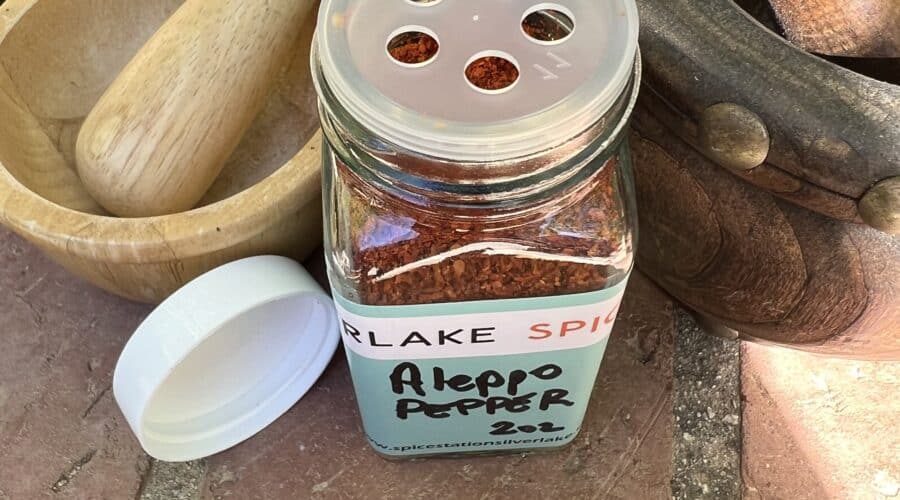 Aleppo pepper is a moderately spicy dried chili flake from Syria and Turkey, known for its fruity, raisin-like sweetness and slow-building heat of approximately 10,000 Scoville Heat Units. These deep burgundy flakes have become a pantry essential for home cooks seeking more flavor complexity than standard crushed red pepper provides. Below, we answer the 25 most common questions about this versatile Middle Eastern spice.
Whether you’re encountering Aleppo pepper for the first time in a recipe or looking to master its many applications, this comprehensive FAQ covers everything from basic identification to advanced culinary techniques.
Basic Identification Questions
1. What is Aleppo pepper?
Aleppo pepper is a dried chili pepper (Capsicum annuum) traditionally grown in the Aleppo region of northern Syria and now primarily cultivated in Turkey. The peppers are sun-dried, de-seeded, and coarsely crushed, then mixed with salt and olive oil during processing. This creates the characteristic slightly moist, oily flakes with deep burgundy color. Also known as Halaby pepper, pul biber, or Turkish red pepper flakes, it has become popular worldwide as an alternative to standard crushed red pepper because of its superior flavor complexity.
2. Is Aleppo pepper the same as crushed red pepper?
No. While both are dried chili flakes, they differ significantly in heat, flavor, and texture. Aleppo pepper measures approximately 10,000 SHU compared to crushed red pepper’s 30,000 to 50,000 SHU, making it roughly three to five times milder. Aleppo pepper offers fruity, raisin-like sweetness with sun-dried tomato notes, while crushed red pepper delivers straightforward heat with minimal complexity. Aleppo pepper flakes are also slightly oily and contain no seeds, unlike dry, seed-heavy standard red pepper flakes.
3. What does Aleppo pepper taste like?
Aleppo pepper tastes like a complex blend of fruity sweetness, sun-dried tomato brightness, and raisin-like tartness wrapped in gentle warmth. Wikipedia describes it as having “sweetness, roundness and perfume of the best kind of sundried tomatoes, but with a substantial kick behind it.” You’ll also notice earthy cumin undertones, subtle saltiness from traditional processing, and an oily richness that coats the palate. The heat builds slowly rather than hitting immediately.
4. Is Aleppo pepper the same as pul biber?
Not exactly. “Pul biber” is Turkish for “flake pepper” and refers to a category of Turkish chili flakes that includes several varieties: Aleppo (Halep biberi), Urfa biber, Marash pepper, and Antebi pepper. While Aleppo pepper is a type of pul biber, not all pul biber is Aleppo pepper. In Turkey, pul biber is the third most commonly used spice after salt and black pepper.
5. Why is it called Aleppo pepper?
The pepper is named after Aleppo, one of the oldest continuously inhabited cities in the world, located along the ancient Silk Road in northern Syria. The Aleppo region was historically the center of production and trade for these peppers. Since the Syrian civil war began in 2011, most production has shifted to southern Turkey, though the name remains.
Heat and Spiciness Questions
6. Is Aleppo pepper spicy?
Moderately. At approximately 10,000 Scoville Heat Units, Aleppo pepper delivers noticeable warmth without being painful for most people. For comparison, jalapeño peppers average about 5,000 SHU, making Aleppo pepper roughly twice as hot. However, the heat builds slowly and fades gently, which many find more pleasant than the immediate burn of hotter chiles.
7. What is Aleppo pepper’s Scoville rating?
Most authoritative sources cite approximately 10,000 SHU for Aleppo pepper. However, you’ll find widely varying numbers from 2,500 to 30,000 SHU depending on the source. This variation reflects differences in growing conditions, the degree of seed removal during processing, and inconsistencies in testing methodology. Processed flakes with seeds thoroughly removed tend toward the lower end of this range.
8. Is Aleppo pepper hotter than jalapeño?
Yes, slightly. Aleppo pepper at approximately 10,000 SHU is about twice as hot as an average jalapeño (5,000 SHU). However, the slow-building heat profile and absence of seeds in processed Aleppo pepper often make it feel comparable to or even milder than fresh jalapeño in actual use.
9. Can kids eat Aleppo pepper?
In small amounts, yes. The moderate heat and slow-building warmth make Aleppo pepper more accessible than many chili products. Start with a small sprinkle and observe the child’s reaction before adding more. The fruity sweetness often appeals to children more than the straightforward heat of standard crushed red pepper.
Dietary and Health Questions
10. Is Aleppo pepper gluten free?
Yes. Aleppo pepper in its natural state contains no gluten. It consists only of dried chili peppers, salt, and sometimes olive oil. However, Casa de Sante notes that cross-contamination can occur if the product is processed in facilities that also handle wheat or other gluten-containing grains. Check packaging for allergen statements if you have celiac disease or severe gluten sensitivity.
11. Is Aleppo pepper vegan?
Yes. Traditional Aleppo pepper contains only plant-based ingredients: dried chili peppers, salt, and olive oil. No animal products are used in production.
12. Is Aleppo pepper keto friendly?
Yes. Aleppo pepper contains minimal carbohydrates per serving (typically less than 1 gram per teaspoon) and fits comfortably within ketogenic diet parameters. The product is also compatible with Whole30, paleo, and low-carb eating plans.
13. Does Aleppo pepper contain sodium?
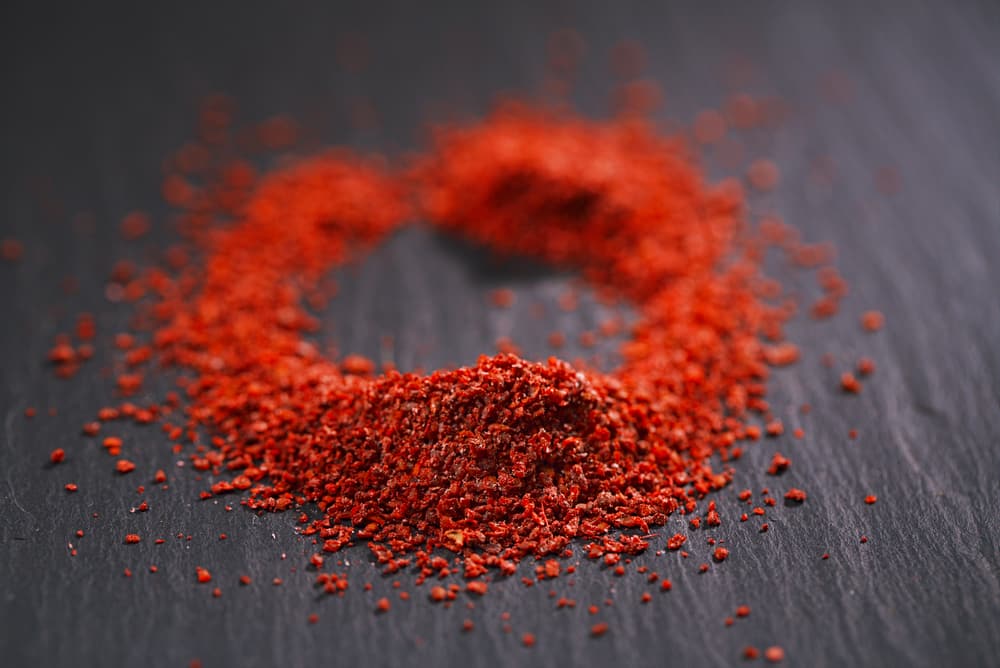
Yes. Traditional processing includes salt, typically comprising less than 15% of the final product by weight. The inherent saltiness is part of Aleppo pepper’s characteristic flavor profile. If you’re monitoring sodium intake, account for this when seasoning dishes, though the amount per teaspoon is modest (roughly 50-100mg depending on the brand).
14. Are there health benefits to Aleppo pepper?
Aleppo pepper contains capsaicin, the compound responsible for chili heat, which research has associated with potential metabolic and anti-inflammatory benefits. A 2023 study in Frontiers in Nutrition found capsaicin may support healthy circulation. However, the amounts consumed in typical culinary use are small, and no clinical studies have examined Aleppo pepper specifically. Enjoy it for flavor rather than as a health supplement.
Storage and Shelf Life Questions
15. How long does Aleppo pepper last?
When stored properly in an airtight container away from heat and light, Aleppo pepper maintains peak quality for 12 to 18 months. It remains safe to use longer but gradually loses potency. Some sources cite shelf life up to 3 years, though flavor degradation becomes noticeable well before then, especially given the oil content that can turn rancid.
16. How should I store Aleppo pepper?
Store in an airtight container in a cool, dark place like a cabinet or pantry away from the stove. The natural oils in Aleppo pepper can turn rancid when exposed to heat, light, or air. Avoid storing in clear glass jars on countertops where light can reach them. Transfer from paper bags to proper containers immediately after purchase.
17. Can I freeze Aleppo pepper?
Yes, for long-term storage of bulk purchases. Use airtight, freezer-safe containers and allow the pepper to reach room temperature before opening to prevent condensation. Divide into smaller portions to avoid repeated freeze-thaw cycles. Frozen Aleppo pepper maintains quality for 6 to 12 months.
18. How can I tell if Aleppo pepper has gone bad?
Signs of degradation include color fading from vibrant burgundy to dull brown, weak or absent aroma, completely dry texture (the slight oiliness should remain), and off-flavors that taste rancid, musty, or stale. The simple smell test works best: fresh Aleppo pepper releases immediate fruity, sweet aroma when rubbed between fingers.
Substitution Questions
19. What can I substitute for Aleppo pepper?
The closest substitutes are other Turkish peppers: Marash pepper (slightly smokier and hotter) or Urfa biber (darker, more raisin-like, and hotter). For a DIY substitute, celebrity chef Nigella Lawson recommends combining sweet paprika with a small amount of crushed red pepper flakes in a 4:1 ratio. You can also add a pinch of salt and a drop of olive oil to better approximate Aleppo pepper’s texture.
20. Can I use paprika instead of Aleppo pepper?
Partially. Sweet paprika replicates the color but lacks Aleppo pepper’s heat, tanginess, and complex fruity notes. For closer approximation, combine 4 parts sweet paprika with 1 part cayenne, then add a pinch of salt. This provides similar heat but still lacks the distinctive fruity depth of real Aleppo pepper.
Usage and Cooking Questions
21. What dishes use Aleppo pepper?
Aleppo pepper excels in Middle Eastern and Mediterranean cooking: Turkish eggs (çılbır), muhammara (Syrian red pepper and walnut dip), hummus, grilled kebabs, and fattoush salad. Beyond traditional uses, it works beautifully on eggs, avocado toast, roasted vegetables, pasta, pizza, popcorn, and grilled meats. The versatile flavor complements almost any savory dish.
22. When should I add Aleppo pepper during cooking?
For brighter, fruitier notes, add Aleppo pepper at the end of cooking or as a finishing spice. For deeper, more savory flavors, add earlier in the cooking process. Avoid adding during high-heat frying above 350°F (177°C), which can burn the delicate fruit notes. Many chefs keep a dish of Aleppo pepper at the table as a condiment.
23. How much Aleppo pepper should I use?
Start with 1/2 teaspoon per serving and adjust upward based on your heat preference. Because Aleppo pepper is milder than standard crushed red pepper, you can use it more generously. For dishes that call for crushed red pepper, use 1.5 to 2 times as much Aleppo pepper to achieve similar heat. The forgiving nature of this spice means imprecise measurements rarely ruin dishes.
24. Can I use Aleppo pepper in desserts?
Yes. The fruity sweetness pairs surprisingly well with chocolate (brownies, truffles, hot cocoa), honey, fresh fruit, and spice cakes. The mild heat adds intrigue without overwhelming sweet flavors. The Spice House notes that “the savory-fruity flavor of Aleppo pepper goes surprisingly well with chocolate.”
25. Where can I buy Aleppo pepper?
Aleppo pepper is available at specialty spice shops, Middle Eastern markets, well-stocked grocery stores, and online retailers. Spice Station Silver Lake offers high-quality Aleppo pepper in multiple sizes, from 2oz bottles to 1lb bulk bags. When buying, look for deep burgundy color, slightly oily texture, and strong fruity aroma. Avoid products that appear powdery, uniformly bright red (may contain fillers), or that lack characteristic oiliness.
Quick Reference Summary
| Question | Short Answer |
|---|---|
| Is it spicy? | Moderately (10,000 SHU) |
| Is it gluten free? | Yes |
| Is it vegan? | Yes |
| Is it keto friendly? | Yes |
| Shelf life? | 12-18 months |
| Best substitute? | Marash pepper or Urfa biber |
| DIY substitute? | 4:1 paprika to cayenne + salt |
| How much to use? | Start with 1/2 tsp per serving |