Chinese Five Spice: The Ultimate Guide to Wu Xiang Fen

Spread the love

Chinese five spice is a 2,000-year-old blend of star anise, cassia, cloves, Sichuan pepper, and fennel seeds. Learn its history, ingredients, uses, and how to make your own.

HealthSpices
chinese five spice blend
Spread the love

Chinese five spice is a bold, aromatic spice blend built from five core ingredients: star anise, cloves, Chinese cinnamon (cassia), Sichuan pepper, and fennel seeds. Used for over 2,000 years in Chinese cooking, it balances all five fundamental flavor profiles — sweet, sour, bitter, savory, and salty  in a single pinch. Whether you’re braising pork belly, glazing duck, or building a marinade, this blend does more heavy lifting than almost any other combination in your spice cabinet.

If you’ve spotted it in a recipe and wondered what it actually is, where it comes from, or how to use it beyond the obvious, you’re in the right place. This guide covers everything.

What Is Chinese Five Spice?

Chinese five spice  known in Mandarin as wu xiang fen  is one of the most recognized spice blends in Asian cuisine. The name can be a little misleading; some versions use more than five spices, while others stick strictly to the traditional five. What matters is the result: a warm, complex blend that hits multiple flavor notes at once. tonics
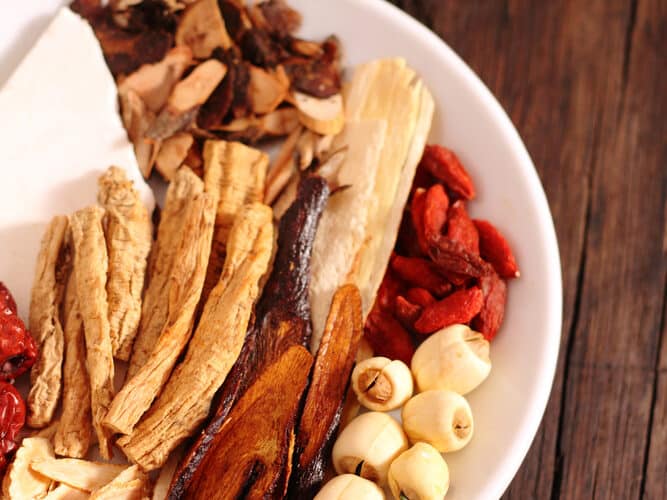
According to food historian Andrew Dalby, Chinese spice blending traditions date back to at least the Han Dynasty (206 BCE – 220 CE), when spices were understood as both culinary and medicinal tools. The goal was always balance, not just flavor.

The blend works because each ingredient fills a different role. Star anise brings deep licorice warmth. Cloves add intensity and a faint numbing quality. Cassia cinnamon provides sweetness and spice. Sichuan pepper contributes a citrusy tingle that makes your tongue buzz. Fennel seed rounds everything out with a gentle anise note. Together, they create a flavor that feels complete.

The Five Key Ingredients (and What Each One Does)

Understanding the components helps you use the blend more confidently and troubleshoot if something tastes off.

Star Anise

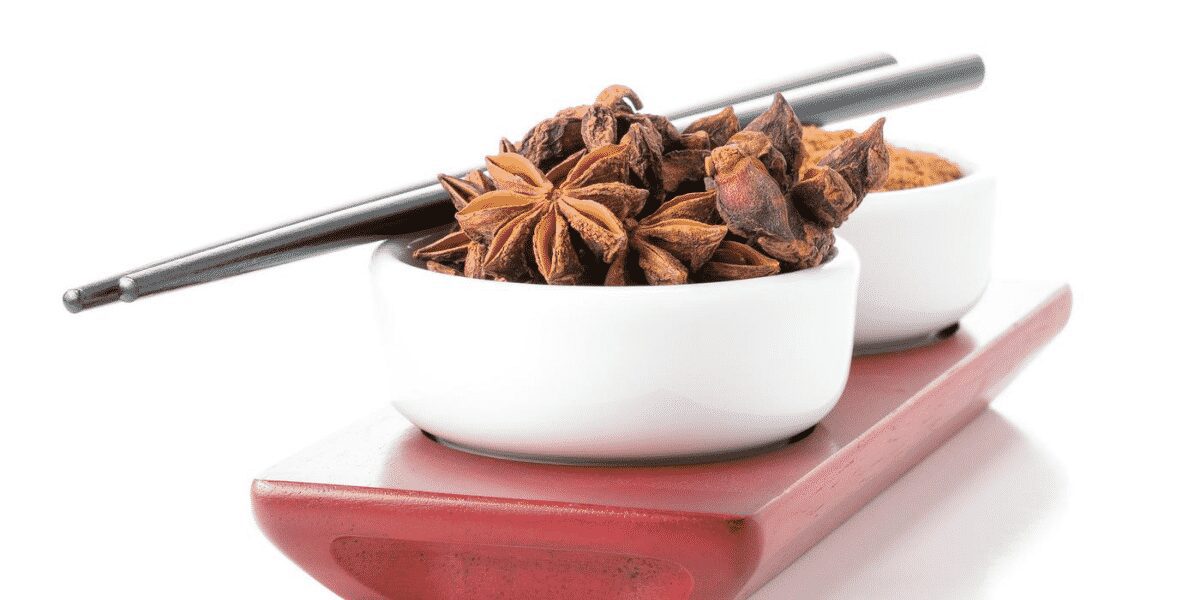
Star anise is the backbone of the blend. These beautiful star-shaped pods come from an evergreen tree native to southern China and northern Vietnam. The flavor is intensely licorice-like, warm, and slightly sweet. Star anise contains anethole, the same compound found in true anise seed, though the two plants are botanically unrelated.

Star anise is always the dominant presence in five spice. Too little and the blend loses its depth. Too much and it becomes medicinal.

Chinese Cinnamon (Cassia)

Chinese five spice uses cassia cinnamon, not the milder Ceylon variety common in Western baking. Cassia is darker, stronger, and more assertive. It brings a bold, sweet-spicy warmth that stands up to the other powerful ingredients. If you want to learn more about choosing the right type of cinnamon for your cooking, including the differences between cassia and Ceylon, that’s worth a read on its own.

Sichuan Pepper (Szechuan Pepper)

Sichuan pepper is arguably the most unique ingredient in the blend. It’s not a true pepper at all — it’s the dried husk of a berry from the prickly ash tree. It creates a distinctive numbing, tingling sensation on your tongue called málà, which translates roughly to “numbing spice.” It also adds a citrusy, floral note that lifts the whole blend.

You can find Sichuan pepper in Spice Station’s Szechuan Umami blend if you want to explore that flavor profile further.

Cloves

Cloves add intensity, depth, and a faint sweetness. They’re one of the most potent spices by volume, which is why they appear in relatively small amounts in five spice blends. Too much clove overwhelms everything else. The medicinal properties of cloves have been recognized across Asian cultures for centuries, and their inclusion in five spice reflects that dual culinary-medicinal tradition.

Fennel Seeds Fennel Seed
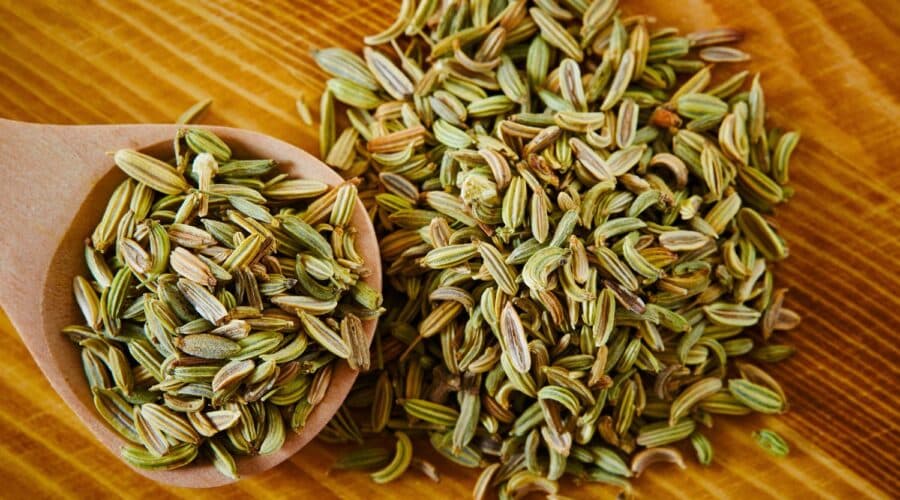
Fennel seeds provide a softer anise-like note that balances the intensity of star anise and clove. They’re also the ingredient most commonly swapped out in regional variations. Some blenders substitute Chinese licorice root, dried tangerine peel, or ginger. The fennel keeps the blend from going too sharp or too heavy.

The History Behind the Blend

The origins of Chinese five spice sit at the intersection of Taoist philosophy and ancient trade routes. According to research published in the Journal of Ethnopharmacology, traditional Chinese medicine organized flavor into five categories, each corresponding to an organ system in the body. Blending all five flavors into a single preparation was believed to support overall health and harmony.

This philosophy made five spice more than a seasoning it was a wellness tool. Traders and herbalists who traveled the ancient spice routes carried the blend throughout East and Southeast Asia, which is why variations appear in Vietnamese, Malaysian, and Cantonese cuisines today.

When Chinese immigrants arrived in the United States during the 19th century, they brought their spice traditions with them. Five spice became an early introduction point for American cooks curious about Chinese flavors long before takeout containers became a cultural fixture.

Regional Variations of Chinese Five Spice

The “five” in five spice is flexible across regions. Here’s how the blend shifts:

Region Common Substitutions Flavor Profile Shift
Cantonese Licorice root replaces fennel Sweeter, milder
Sichuan Extra Sichuan pepper More numbing, more heat
Vietnamese Dried tangerine peel added Brighter, citrusy
Taiwanese White pepper sometimes added Sharper, more savory
Western adapted Allspice or regular pepper added Less authentic, broader

If you want to experiment, try adjusting the ratios before swapping ingredients entirely. A little more star anise deepens the sweetness. A little more Sichuan pepper shifts things toward heat.

How to Use Chinese Five Spice in Your Cooking

Five spice is more versatile than most home cooks realize. Here are the main ways it shows up in kitchens around the world.

Braised and Slow-Cooked Meats

This is where five spice absolutely shines. The blend is built for long, low cooking. Chinese red-braised pork belly (hong shao rou) typically starts with star anise, cassia cinnamon, and sometimes the full five spice mix simmered in soy sauce, rice wine, and sugar. The result is deeply savory, slightly sweet, and incredibly aromatic.

Duck is another classic pairing. Peking-style preparations often use five spice in both the dry rub and the braising liquid. The clove and star anise cut through the richness of duck fat in a way that lighter spices simply can’t.

For home cooking, try rubbing five spice directly onto pork ribs or a pork shoulder before slow-roasting. The spice crust that forms in the oven is something special.

Marinades and Dry Rubs

Five spice works well as a dry rub component. It pairs naturally with soy sauce, sesame oil, garlic, and ginger in a wet marinade for chicken, beef, or tofu. Because it’s already balanced, you don’t need much else.

A simple combination: 1 teaspoon five spice powder, 2 tablespoons soy sauce, 1 tablespoon honey, 1 teaspoon sesame oil. That’s enough to marinate chicken thighs for a weeknight dinner that tastes like you put in far more effort than you did.

For those already exploring DIY seasoning blends, five spice is a natural building block for creating your own Asian-inspired rubs.

Stir-Fries
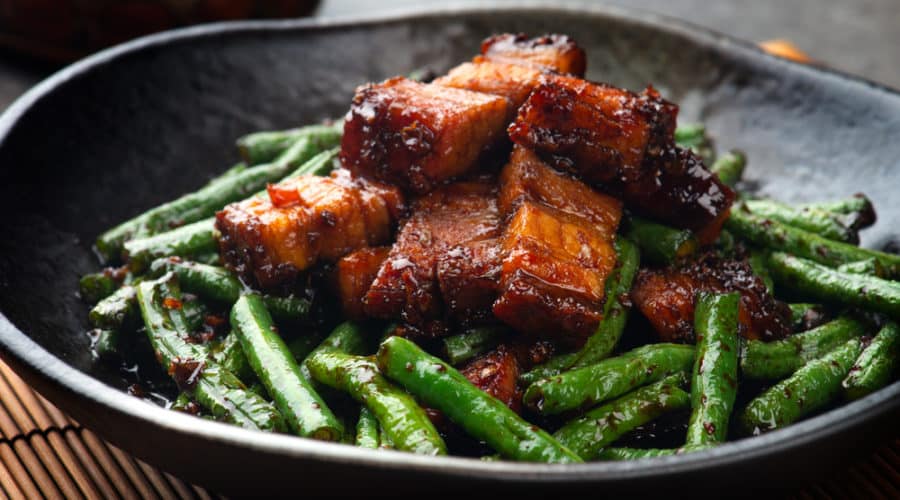
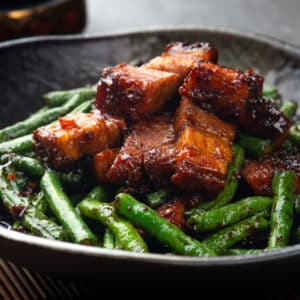
Spicy Pork Stir Fry with Green Beans Recipe

Five spice goes into stir-fries more subtly than you might expect. A quarter teaspoon added to the sauce of a spicy pork stir-fry with green beans adds a depth that soy sauce alone can’t provide. The key is restraint just enough to feel it in the background without having it announce itself.

Noodle Soups and Broth

Vietnamese pho famously uses star anise and cassia cinnamon in its broth, which is essentially a simplified version of the five spice flavor profile. Using the full blend in a noodle soup broth adds warmth and complexity. It works especially well in beef-based soups where the spice can simmer for an hour or more and mellow into the liquid.

Baked Goods and Desserts

Five spice in baking is underused in Western kitchens. A small amount in a spiced cake, shortbread cookies, or a fruit tart filling adds a layer of warmth that’s more interesting than cinnamon alone. It pairs well with pears, apples, chocolate, and caramel.

If you’ve been experimenting with spices for sweets, adding a half teaspoon of five spice to your next apple pie filling is a small change worth trying.

Cocktails and Infusions

Bartenders use five spice to infuse spirits. Star anise and cassia translate beautifully into bourbon, rum, and even vodka-based cocktails. A five spice simple syrup  made by simmering the blend in equal parts water and sugar for 15 minutes, then straining — adds a sophisticated warmth to autumn and winter drinks.

Dosage Guide: How Much Five Spice to Use

Five spice is potent. A little goes a very long way.

Application Recommended Amount
Dry rub for 1 lb. meat 1/2 to 1 teaspoon
Marinade (serves 4) 1/2 teaspoon
Braise or stew (serves 4-6) 1/2 to 1 teaspoon
Stir-fry sauce 1/4 teaspoon
Baked goods (per loaf or 12 cookies) 1/4 to 1/2 teaspoon
Infused syrup (1 cup water/sugar) 1 teaspoon

Start at the lower end if you’re new to the blend. You can always add more, but you can’t take it back.

Chinese Five Spice vs. Similar Blends

Five spice often gets compared to other global blends. Here’s how it stacks up:

Five spice vs. garam masala: Garam masala is warmer and more complex, typically featuring cumin, coriander, cardamom, and black pepper. Five spice is more assertive, with the numbing quality of Sichuan pepper setting it apart entirely.

Five spice vs. Shichimi Togarashi: Japanese Shichimi Togarashi also has seven components and a regional identity, but it’s built around chili heat and sesame rather than the warm, sweet-spice profile of five spice. The two represent very different flavor philosophies.

Five spice vs. pumpkin pie spice: Pumpkin spice is gentler and sweeter. Five spice is bolder and includes the Sichuan pepper bite that pumpkin spice never would. They share cinnamon and clove DNA, but that’s where the similarity ends.

Making Your Own Chinese Five Spice at Homechinese five spice blend
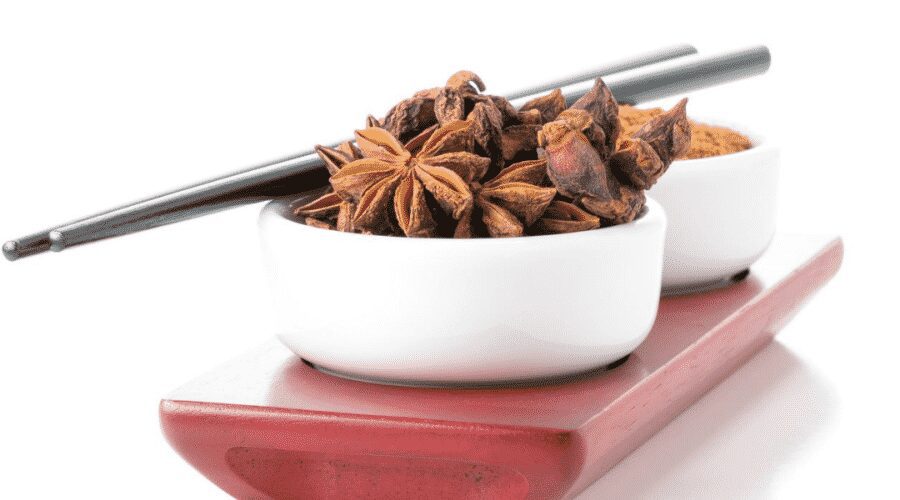
Buying pre-ground five spice is convenient, but grinding your own from whole spices produces a noticeably fresher result. The aroma difference is immediate.

Basic whole-spice five spice recipe:

  • 2 tablespoons whole star anise (roughly 8-10 pods)
  • 1 teaspoon whole cloves
  • 1 tablespoon cassia cinnamon bark (broken pieces)
  • 1 tablespoon Sichuan peppercorns
  • 1 tablespoon fennel seeds

Toast each spice separately in a dry pan over medium-low heat until fragrant (about 2-3 minutes). Let them cool, then grind together in a spice grinder. Sift to remove any large pieces and store in an airtight container away from heat and light.

If you want tips on how to grind spices properly to get the most flavor from whole ingredients, that process applies directly here.

This recipe makes roughly 4 tablespoons. Freshly ground, it will be noticeably more vivid than any pre-packaged version.

How to Store Chinese Five Spice

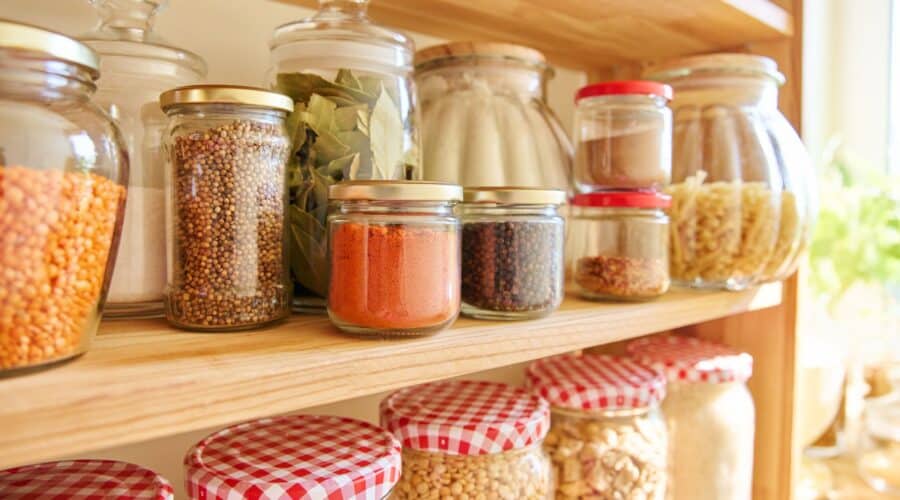
Whether you buy it pre-ground or make it yourself, proper storage makes a real difference in how long it stays potent. Ground spice blends lose their punch faster than whole spices because the aromatic oils are exposed to air. For keeping your spices fresh longer, the rules are the same: airtight container, away from heat, away from direct light.

Pre-ground five spice stays good for 6 to 12 months. Freshly ground will typically stay vivid for 3 to 6 months. You can also check whether your spices have expired by rubbing a small amount between your fingers — if the aroma is faint, it’s time for a fresh batch.

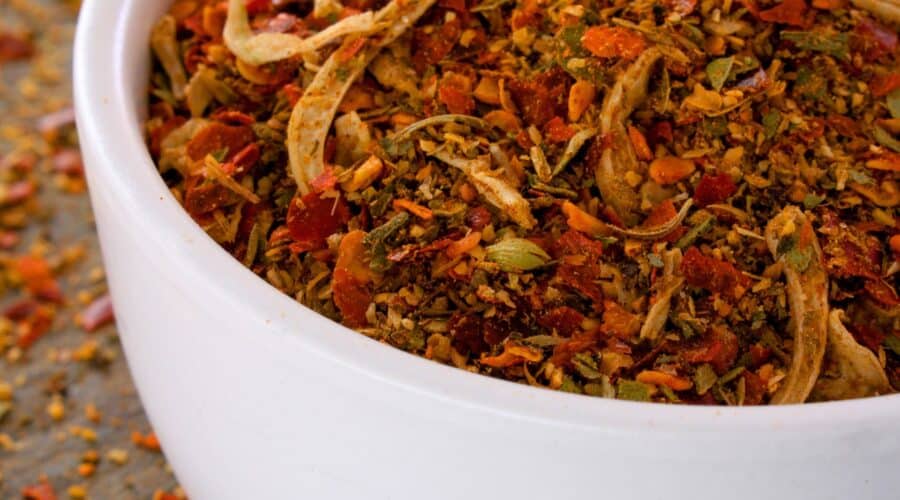
Health Benefits of Chinese Five Spice Montreal Steak Spice
The traditional Chinese view of five spice as a health-supporting blend has real grounding in modern research.

Star anise is a source of shikimic acid, a compound used in the synthesis of antiviral medications including some influenza treatments (according to research published in Phytochemistry). Sichuan pepper contains hydroxy-alpha-sanshool, the compound responsible for the numbing sensation, which has been studied for potential pain-relieving effects. Cloves rank among the highest antioxidant-containing spices by ORAC (Oxygen Radical Absorbance Capacity) score, according to data from the U.S. Department of Agriculture. Cassia cinnamon contains cinnamaldehyde, which research from the University of Copenhagen suggests may help with blood sugar regulation when consumed regularly. Fennel seed has long been used as a digestive aid across multiple medical traditions.

Used as a cooking spice rather than a supplement, five spice won’t transform your health overnight. But it’s a genuinely functional blend that brings more than just flavor to your table.

Frequently Asked Questions About Chinese Five Spice

What does Chinese five spice taste like?

Chinese five spice tastes warm, slightly sweet, intensely aromatic, and mildly numbing. The star anise and fennel bring licorice notes; cassia cinnamon adds sweetness and warmth; clove contributes depth and intensity; Sichuan pepper creates a citrusy tingle. Together they’re complex without being sharp.

Is Chinese five spice spicy hot?

No, not in the way chili peppers are. Sichuan pepper creates a numbing sensation rather than burning heat, and the other four ingredients are warming rather than hot. Five spice is more aromatic than spicy.

Can I substitute Chinese five spice with something else?

A close approximation: equal parts ground star anise and cinnamon, with a small amount of clove and black pepper. You won’t get the Sichuan pepper tingle, but you’ll get the general warmth and sweetness. It’s a workable substitute in most recipes.

What proteins does Chinese five spice work best with?

Pork and duck are the most classic pairings. The richness of both meats absorbs the blend well and stands up to its intensity. Chicken, beef brisket, and firm tofu are all excellent choices too. It works less well with delicate fish, where the aroma can overpower the dish.

How is five spice different in Cantonese vs. Sichuan cooking?

Cantonese five spice tends to be sweeter and milder, often substituting licorice root for fennel and using less Sichuan pepper. Sichuan versions lean into the numbing heat of Sichuan pepper more heavily. Both are worth exploring  they’ll feel quite different even though they share the same name.

Where can I find authentic Chinese five spice?

Spice Station carries Chinese five spice powder as well as the individual whole spices if you want to build your own blend. Having access to high-quality whole ingredients makes a meaningful difference in the final flavor. Visit the Spice Station shop to explore the full selection.

A Spice Blend Worth Understanding Best Practices for Storing Spices
Chinese five spice rewards home cooks who take the time to learn it. Once you understand what each component contributes, you start to see where it belongs  and where it doesn’t. You’ll reach for it with confidence when you’re braising, building a marinade, or looking to add something unexpected to a baked good.

If you’re new to cooking with global spice blends, exploring spices from around the world is one of the most rewarding ways to expand your cooking range. Five spice is a perfect place to start.

Spice Station carries a carefully selected range of spices, herbs, and custom blends sourced from quality growers worldwide. If you want to try five spice or any of the individual ingredients used to make it, visit the shop and see what’s available.
Tags: asian spice blends, Chinese Five Spice, chinese five spice recipe, chinese spice blend, five spice ingredients, five spice powder, five spice uses, sichuan pepper blend, what is five spice, wu xiang fen
Previous Post
Mango Mukwas Raita: The Indian Yogurt Sauce That Cools Your Plate and Freshens Your Palate
Next Post
Panch Pooran Potatoes: The Bengali Five-Spice Technique That Changes How You Cook Vegetables

Related Articles

chinese five spice blend
Spread the love

Chinese five spice is a bold, aromatic spice blend built from five core ingredients: star anise, cloves, Chinese cinnamon (cassia), Sichuan pepper, and fennel seeds. Used for over 2,000 years in Chinese cooking, it balances all five fundamental flavor profiles — sweet, sour, bitter, savory, and salty  in a single pinch. Whether you’re braising pork belly, glazing duck, or building a marinade, this blend does more heavy lifting than almost any other combination in your spice cabinet.

If you’ve spotted it in a recipe and wondered what it actually is, where it comes from, or how to use it beyond the obvious, you’re in the right place. This guide covers everything.

What Is Chinese Five Spice?

Chinese five spice  known in Mandarin as wu xiang fen  is one of the most recognized spice blends in Asian cuisine. The name can be a little misleading; some versions use more than five spices, while others stick strictly to the traditional five. What matters is the result: a warm, complex blend that hits multiple flavor notes at once. tonics

According to food historian Andrew Dalby, Chinese spice blending traditions date back to at least the Han Dynasty (206 BCE – 220 CE), when spices were understood as both culinary and medicinal tools. The goal was always balance, not just flavor.

The blend works because each ingredient fills a different role. Star anise brings deep licorice warmth. Cloves add intensity and a faint numbing quality. Cassia cinnamon provides sweetness and spice. Sichuan pepper contributes a citrusy tingle that makes your tongue buzz. Fennel seed rounds everything out with a gentle anise note. Together, they create a flavor that feels complete.

The Five Key Ingredients (and What Each One Does)

Understanding the components helps you use the blend more confidently and troubleshoot if something tastes off.

Star Anise

Star anise is the backbone of the blend. These beautiful star-shaped pods come from an evergreen tree native to southern China and northern Vietnam. The flavor is intensely licorice-like, warm, and slightly sweet. Star anise contains anethole, the same compound found in true anise seed, though the two plants are botanically unrelated.

Star anise is always the dominant presence in five spice. Too little and the blend loses its depth. Too much and it becomes medicinal.

Chinese Cinnamon (Cassia)

Chinese five spice uses cassia cinnamon, not the milder Ceylon variety common in Western baking. Cassia is darker, stronger, and more assertive. It brings a bold, sweet-spicy warmth that stands up to the other powerful ingredients. If you want to learn more about choosing the right type of cinnamon for your cooking, including the differences between cassia and Ceylon, that’s worth a read on its own.

Sichuan Pepper (Szechuan Pepper)

Sichuan pepper is arguably the most unique ingredient in the blend. It’s not a true pepper at all — it’s the dried husk of a berry from the prickly ash tree. It creates a distinctive numbing, tingling sensation on your tongue called málà, which translates roughly to “numbing spice.” It also adds a citrusy, floral note that lifts the whole blend.

You can find Sichuan pepper in Spice Station’s Szechuan Umami blend if you want to explore that flavor profile further.

Cloves

Cloves add intensity, depth, and a faint sweetness. They’re one of the most potent spices by volume, which is why they appear in relatively small amounts in five spice blends. Too much clove overwhelms everything else. The medicinal properties of cloves have been recognized across Asian cultures for centuries, and their inclusion in five spice reflects that dual culinary-medicinal tradition.

Fennel Seeds Fennel Seed

Fennel seeds provide a softer anise-like note that balances the intensity of star anise and clove. They’re also the ingredient most commonly swapped out in regional variations. Some blenders substitute Chinese licorice root, dried tangerine peel, or ginger. The fennel keeps the blend from going too sharp or too heavy.

The History Behind the Blend

The origins of Chinese five spice sit at the intersection of Taoist philosophy and ancient trade routes. According to research published in the Journal of Ethnopharmacology, traditional Chinese medicine organized flavor into five categories, each corresponding to an organ system in the body. Blending all five flavors into a single preparation was believed to support overall health and harmony.

This philosophy made five spice more than a seasoning it was a wellness tool. Traders and herbalists who traveled the ancient spice routes carried the blend throughout East and Southeast Asia, which is why variations appear in Vietnamese, Malaysian, and Cantonese cuisines today.

When Chinese immigrants arrived in the United States during the 19th century, they brought their spice traditions with them. Five spice became an early introduction point for American cooks curious about Chinese flavors long before takeout containers became a cultural fixture.

Regional Variations of Chinese Five Spice

The “five” in five spice is flexible across regions. Here’s how the blend shifts:

Region Common Substitutions Flavor Profile Shift
Cantonese Licorice root replaces fennel Sweeter, milder
Sichuan Extra Sichuan pepper More numbing, more heat
Vietnamese Dried tangerine peel added Brighter, citrusy
Taiwanese White pepper sometimes added Sharper, more savory
Western adapted Allspice or regular pepper added Less authentic, broader

If you want to experiment, try adjusting the ratios before swapping ingredients entirely. A little more star anise deepens the sweetness. A little more Sichuan pepper shifts things toward heat.

How to Use Chinese Five Spice in Your Cooking

Five spice is more versatile than most home cooks realize. Here are the main ways it shows up in kitchens around the world.

Braised and Slow-Cooked Meats

This is where five spice absolutely shines. The blend is built for long, low cooking. Chinese red-braised pork belly (hong shao rou) typically starts with star anise, cassia cinnamon, and sometimes the full five spice mix simmered in soy sauce, rice wine, and sugar. The result is deeply savory, slightly sweet, and incredibly aromatic.

Duck is another classic pairing. Peking-style preparations often use five spice in both the dry rub and the braising liquid. The clove and star anise cut through the richness of duck fat in a way that lighter spices simply can’t.

For home cooking, try rubbing five spice directly onto pork ribs or a pork shoulder before slow-roasting. The spice crust that forms in the oven is something special.

Marinades and Dry Rubs

Five spice works well as a dry rub component. It pairs naturally with soy sauce, sesame oil, garlic, and ginger in a wet marinade for chicken, beef, or tofu. Because it’s already balanced, you don’t need much else.

A simple combination: 1 teaspoon five spice powder, 2 tablespoons soy sauce, 1 tablespoon honey, 1 teaspoon sesame oil. That’s enough to marinate chicken thighs for a weeknight dinner that tastes like you put in far more effort than you did.

For those already exploring DIY seasoning blends, five spice is a natural building block for creating your own Asian-inspired rubs.

Stir-Fries

Spicy Pork Stir Fry with Green Beans Recipe

Five spice goes into stir-fries more subtly than you might expect. A quarter teaspoon added to the sauce of a spicy pork stir-fry with green beans adds a depth that soy sauce alone can’t provide. The key is restraint just enough to feel it in the background without having it announce itself.

Noodle Soups and Broth

Vietnamese pho famously uses star anise and cassia cinnamon in its broth, which is essentially a simplified version of the five spice flavor profile. Using the full blend in a noodle soup broth adds warmth and complexity. It works especially well in beef-based soups where the spice can simmer for an hour or more and mellow into the liquid.

Baked Goods and Desserts

Five spice in baking is underused in Western kitchens. A small amount in a spiced cake, shortbread cookies, or a fruit tart filling adds a layer of warmth that’s more interesting than cinnamon alone. It pairs well with pears, apples, chocolate, and caramel.

If you’ve been experimenting with spices for sweets, adding a half teaspoon of five spice to your next apple pie filling is a small change worth trying.

Cocktails and Infusions

Bartenders use five spice to infuse spirits. Star anise and cassia translate beautifully into bourbon, rum, and even vodka-based cocktails. A five spice simple syrup  made by simmering the blend in equal parts water and sugar for 15 minutes, then straining — adds a sophisticated warmth to autumn and winter drinks.

Dosage Guide: How Much Five Spice to Use

Five spice is potent. A little goes a very long way.

Application Recommended Amount
Dry rub for 1 lb. meat 1/2 to 1 teaspoon
Marinade (serves 4) 1/2 teaspoon
Braise or stew (serves 4-6) 1/2 to 1 teaspoon
Stir-fry sauce 1/4 teaspoon
Baked goods (per loaf or 12 cookies) 1/4 to 1/2 teaspoon
Infused syrup (1 cup water/sugar) 1 teaspoon

Start at the lower end if you’re new to the blend. You can always add more, but you can’t take it back.

Chinese Five Spice vs. Similar Blends

Five spice often gets compared to other global blends. Here’s how it stacks up:

Five spice vs. garam masala: Garam masala is warmer and more complex, typically featuring cumin, coriander, cardamom, and black pepper. Five spice is more assertive, with the numbing quality of Sichuan pepper setting it apart entirely.

Five spice vs. Shichimi Togarashi: Japanese Shichimi Togarashi also has seven components and a regional identity, but it’s built around chili heat and sesame rather than the warm, sweet-spice profile of five spice. The two represent very different flavor philosophies.

Five spice vs. pumpkin pie spice: Pumpkin spice is gentler and sweeter. Five spice is bolder and includes the Sichuan pepper bite that pumpkin spice never would. They share cinnamon and clove DNA, but that’s where the similarity ends.

Making Your Own Chinese Five Spice at Homechinese five spice blend

Buying pre-ground five spice is convenient, but grinding your own from whole spices produces a noticeably fresher result. The aroma difference is immediate.

Basic whole-spice five spice recipe:

  • 2 tablespoons whole star anise (roughly 8-10 pods)
  • 1 teaspoon whole cloves
  • 1 tablespoon cassia cinnamon bark (broken pieces)
  • 1 tablespoon Sichuan peppercorns
  • 1 tablespoon fennel seeds

Toast each spice separately in a dry pan over medium-low heat until fragrant (about 2-3 minutes). Let them cool, then grind together in a spice grinder. Sift to remove any large pieces and store in an airtight container away from heat and light.

If you want tips on how to grind spices properly to get the most flavor from whole ingredients, that process applies directly here.

This recipe makes roughly 4 tablespoons. Freshly ground, it will be noticeably more vivid than any pre-packaged version.

How to Store Chinese Five Spice

Whether you buy it pre-ground or make it yourself, proper storage makes a real difference in how long it stays potent. Ground spice blends lose their punch faster than whole spices because the aromatic oils are exposed to air. For keeping your spices fresh longer, the rules are the same: airtight container, away from heat, away from direct light.

Pre-ground five spice stays good for 6 to 12 months. Freshly ground will typically stay vivid for 3 to 6 months. You can also check whether your spices have expired by rubbing a small amount between your fingers — if the aroma is faint, it’s time for a fresh batch.

Health Benefits of Chinese Five Spice Montreal Steak Spice

The traditional Chinese view of five spice as a health-supporting blend has real grounding in modern research.

Star anise is a source of shikimic acid, a compound used in the synthesis of antiviral medications including some influenza treatments (according to research published in Phytochemistry). Sichuan pepper contains hydroxy-alpha-sanshool, the compound responsible for the numbing sensation, which has been studied for potential pain-relieving effects. Cloves rank among the highest antioxidant-containing spices by ORAC (Oxygen Radical Absorbance Capacity) score, according to data from the U.S. Department of Agriculture. Cassia cinnamon contains cinnamaldehyde, which research from the University of Copenhagen suggests may help with blood sugar regulation when consumed regularly. Fennel seed has long been used as a digestive aid across multiple medical traditions.

Used as a cooking spice rather than a supplement, five spice won’t transform your health overnight. But it’s a genuinely functional blend that brings more than just flavor to your table.

Frequently Asked Questions About Chinese Five Spice

What does Chinese five spice taste like?

Chinese five spice tastes warm, slightly sweet, intensely aromatic, and mildly numbing. The star anise and fennel bring licorice notes; cassia cinnamon adds sweetness and warmth; clove contributes depth and intensity; Sichuan pepper creates a citrusy tingle. Together they’re complex without being sharp.

Is Chinese five spice spicy hot?

No, not in the way chili peppers are. Sichuan pepper creates a numbing sensation rather than burning heat, and the other four ingredients are warming rather than hot. Five spice is more aromatic than spicy.

Can I substitute Chinese five spice with something else?

A close approximation: equal parts ground star anise and cinnamon, with a small amount of clove and black pepper. You won’t get the Sichuan pepper tingle, but you’ll get the general warmth and sweetness. It’s a workable substitute in most recipes.

What proteins does Chinese five spice work best with?

Pork and duck are the most classic pairings. The richness of both meats absorbs the blend well and stands up to its intensity. Chicken, beef brisket, and firm tofu are all excellent choices too. It works less well with delicate fish, where the aroma can overpower the dish.

How is five spice different in Cantonese vs. Sichuan cooking?

Cantonese five spice tends to be sweeter and milder, often substituting licorice root for fennel and using less Sichuan pepper. Sichuan versions lean into the numbing heat of Sichuan pepper more heavily. Both are worth exploring  they’ll feel quite different even though they share the same name.

Where can I find authentic Chinese five spice?

Spice Station carries Chinese five spice powder as well as the individual whole spices if you want to build your own blend. Having access to high-quality whole ingredients makes a meaningful difference in the final flavor. Visit the Spice Station shop to explore the full selection.

A Spice Blend Worth Understanding Best Practices for Storing Spices

Chinese five spice rewards home cooks who take the time to learn it. Once you understand what each component contributes, you start to see where it belongs  and where it doesn’t. You’ll reach for it with confidence when you’re braising, building a marinade, or looking to add something unexpected to a baked good.

If you’re new to cooking with global spice blends, exploring spices from around the world is one of the most rewarding ways to expand your cooking range. Five spice is a perfect place to start.

Spice Station carries a carefully selected range of spices, herbs, and custom blends sourced from quality growers worldwide. If you want to try five spice or any of the individual ingredients used to make it, visit the shop and see what’s available.
Tags: asian spice blends, Chinese Five Spice, chinese five spice recipe, chinese spice blend, five spice ingredients, five spice powder, five spice uses, sichuan pepper blend, what is five spice, wu xiang fen
Previous Post
Mango Mukwas Raita: The Indian Yogurt Sauce That Cools Your Plate and Freshens Your Palate
Next Post
Panch Pooran Potatoes: The Bengali Five-Spice Technique That Changes How You Cook Vegetables