Authentic Jerk Seasoning Recipe with Traditional Jamaican Spices
Spread the love
jerk seasoning recipe

Key Takeaways

Traditional jerk seasoning combines scotch bonnet peppers, allspice berries, thyme, and aromatics to create Jamaica’s signature fiery-sweet flavor profile that transforms grilled meats and vegetables into authentic Caribbean cuisine.

  • Authentic jerk seasoning requires whole allspice berries and scotch bonnet peppers for traditional heat and flavor
  • The spice blend works as both a dry rub and wet marinade depending on preparation method
  • Fresh thyme, ginger, and garlic create the aromatic foundation that balances the heat
  • Proper grinding techniques preserve essential oils that deliver authentic Caribbean flavor intensity
  • The seasoning improves with aging, developing deeper complexity after 24-48 hours

The Ancient Roots of Jamaica’s Fiery Signature Blend

Jerk seasoning emerged from Jamaica’s Maroon communities in the 17th century, where escaped enslaved people developed this preservation and flavoring technique using indigenous Taíno cooking methods combined with African spice knowledge. The word “jerk” likely derives from the Spanish “charqui,” meaning dried meat, though some food historians trace it to the Quechua word “ch’arki.” According to research from the University of the West Indies, traditional jerk combines antimicrobial spices like allspice and thyme with capsaicin-rich scotch bonnet peppers to create a preservation system that allowed meat to survive tropical heat without refrigeration. This technique spread throughout the Caribbean, but Jamaica’s unique combination of indigenous allspice trees and scotch bonnet cultivation created the distinctive flavor profile we recognize today.

Essential Spices for Authentic Jerk Seasoning

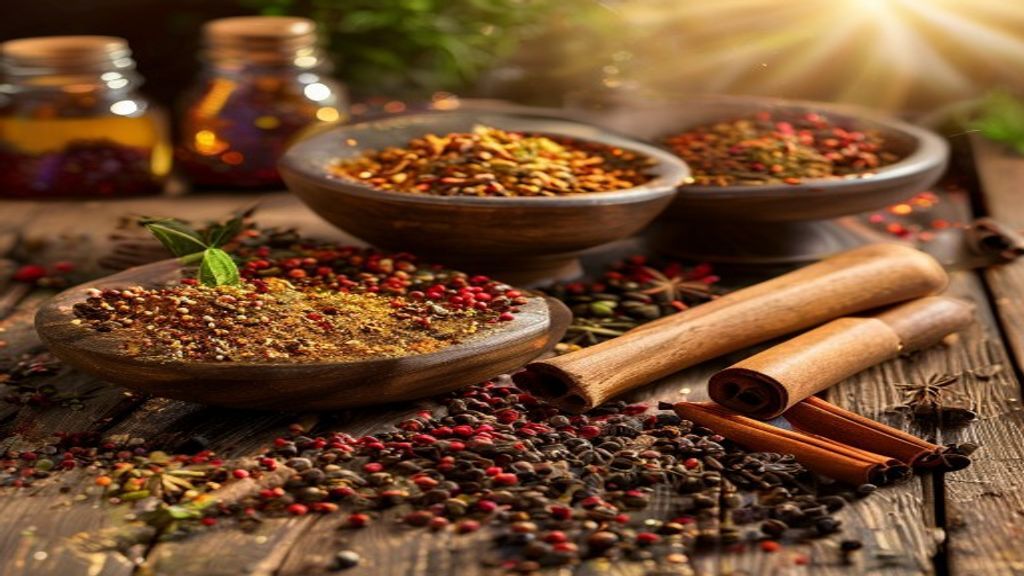
Creating authentic jerk seasoning starts with understanding the core spices that define this complex blend. Whole allspice berries form the foundation, providing the warming notes of cinnamon, nutmeg, and clove that characterize Caribbean cuisine. These berries must be freshly ground to preserve their volatile oils, which dissipate rapidly once exposed to air. Scotch bonnet peppers deliver the signature heat, ranging from 100,000 to 350,000 Scoville units with a fruity sweetness that balances the fire. Fresh thyme provides earthy, lemony notes that complement the pepper’s intensity, while ground ginger adds warmth and digestive benefits. According to food science research from Cornell University, the combination of allspice’s eugenol compounds with capsaicin from scotch bonnets creates synergistic antimicrobial effects that historically made jerk seasoning effective for meat preservation in tropical climates.
jerk seasoning recipe

Traditional Jerk Seasoning Recipe and Technique

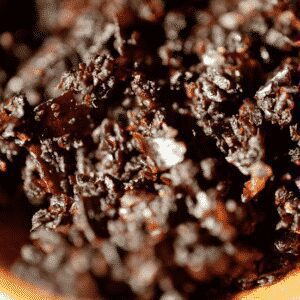
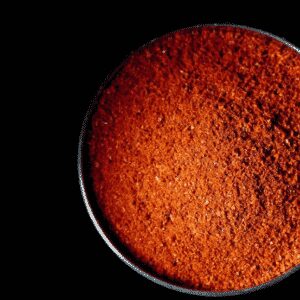
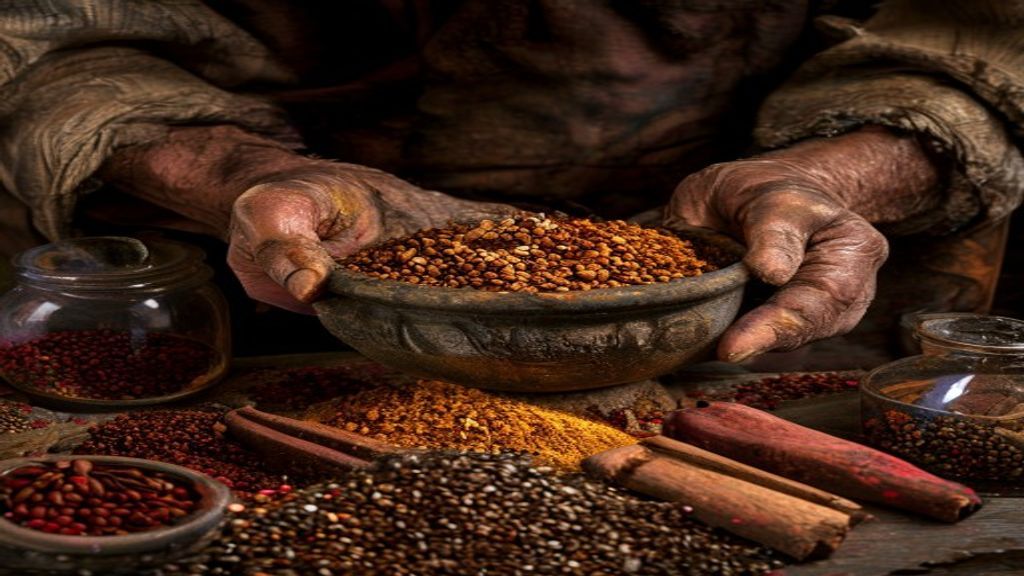
Start with 2 tablespoons whole allspice berries, toasted in a dry skillet for 30 seconds until fragrant, then ground in a spice grinder. Add 1 tablespoon dried thyme, 1 teaspoon ground ginger, 1 teaspoon garlic powder, 1 teaspoon onion powder, 1/2 teaspoon cinnamon, 1/2 teaspoon nutmeg, and 1/4 teaspoon ground cloves. For heat, incorporate 1-2 teaspoons scotch bonnet powder or 1 tablespoon cayenne pepper as a substitute. The key lies in grinding spices in small batches to preserve essential oils and achieve consistent particle size. Mix thoroughly and store in an airtight container for up to six months. For wet jerk marinade, combine the dry blend with 1/4 cup soy sauce, 2 tablespoons brown sugar, 2 tablespoons lime juice, and 2 tablespoons olive oil. This creates the traditional paste consistency that penetrates meat fibers while forming a caramelized crust during grilling.

Modern Applications and Cooking Techniques

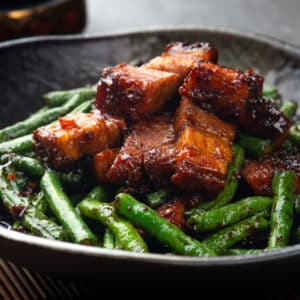
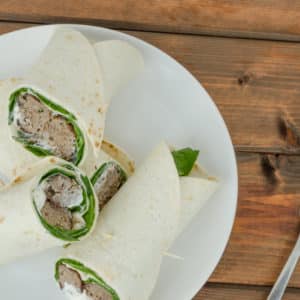
While traditionally used for pork and chicken, jerk seasoning enhances vegetables, seafood, and plant-based proteins with equal effectiveness. Research from the Jamaica Agricultural Society shows that the blend’s high antioxidant content from allspice and thyme helps prevent lipid oxidation in marinated meats, extending shelf life while improving flavor development. For optimal results, apply jerk seasoning 2-24 hours before cooking, allowing the spices to penetrate protein structure. The sugar content in traditional recipes creates excellent caramelization at high heat, making it perfect for grilling, roasting, or pan-searing. Professional chefs often bloom the dry spices in oil before adding to marinades, which activates fat-soluble compounds and intensifies flavor. The seasoning also works beautifully in slow-cooked applications, where extended cooking time allows complex flavors to meld and develop depth that quick cooking methods cannot achieve.

Frequently Asked Questions

What makes jerk seasoning different from other Caribbean spice blends?

Jerk seasoning uniquely combines allspice berries with scotch bonnet peppers and thyme, creating a balance of warming spices and intense heat that other Caribbean blends don’t replicate. The specific ratio of sweet warming spices to fiery peppers defines authentic jerk flavor.

Can I substitute other peppers for scotch bonnet in jerk seasoning?

Habanero peppers work as the closest substitute, offering similar heat levels and fruity notes. Cayenne pepper provides heat but lacks the fruity sweetness, while jalapeños offer insufficient heat for authentic jerk flavor. Scotch bonnet powder provides the most authentic taste.

How long should I marinate meat with jerk seasoning?

Marinate chicken and pork for 2-24 hours for optimal flavor penetration. Fish requires only 30 minutes to 2 hours to prevent acid from cooking the protein. Beef can handle longer marination periods of 4-48 hours due to its denser muscle structure.

Should I toast whole spices before grinding for jerk seasoning?

Toast allspice berries and whole cinnamon briefly in a dry pan to enhance their aromatic compounds. Avoid toasting ground spices, which can become bitter. Fresh whole spices always produce superior flavor compared to pre-ground alternatives in this blend.

What’s the best way to store homemade jerk seasoning?

Store dry jerk seasoning in airtight containers away from light and heat for up to six months. Whole spices maintain potency longer than ground versions. Wet jerk marinades should be refrigerated and used within one week for food safety.

Can jerk seasoning be used on vegetables?

Jerk seasoning enhances grilled vegetables, particularly root vegetables, bell peppers, and eggplant. The spice blend’s complexity adds depth to plant-based proteins like tofu and tempeh. Reduce marination time for delicate vegetables to prevent overpowering their natural flavors.

How hot is traditional jerk seasoning?

Authentic jerk seasoning ranges from moderately hot to very hot depending on scotch bonnet content. Traditional recipes create heat levels between 10,000-50,000 Scoville units in the finished dish, though individual tolerance varies significantly based on pepper concentration.

Master Authentic Caribbean Flavors in Your Kitchen

Creating authentic jerk seasoning connects your kitchen to centuries of Caribbean culinary tradition while delivering complex flavors that transform ordinary proteins into extraordinary meals. The careful balance of warming allspice, fiery scotch bonnets, and aromatic herbs creates a seasoning blend that works year-round, not just for summer grilling. Understanding the traditional techniques behind this iconic spice mixture allows home cooks to appreciate both its historical significance and modern versatility. Whether you’re preparing traditional jerk chicken or experimenting with vegetables and seafood, this time-tested combination delivers the authentic taste of Jamaica. Shop the Collection to discover premium allspice berries, scotch bonnet powder, and other essential Caribbean spices that bring authentic island flavors to your home kitchen.
Leave a Reply

Your email address will not be published. Required fields are marked *

Fill out this field
Fill out this field
Please enter a valid email address.

Related Articles

Spread the love
jerk seasoning recipe

Key Takeaways

Traditional jerk seasoning combines scotch bonnet peppers, allspice berries, thyme, and aromatics to create Jamaica’s signature fiery-sweet flavor profile that transforms grilled meats and vegetables into authentic Caribbean cuisine.

  • Authentic jerk seasoning requires whole allspice berries and scotch bonnet peppers for traditional heat and flavor
  • The spice blend works as both a dry rub and wet marinade depending on preparation method
  • Fresh thyme, ginger, and garlic create the aromatic foundation that balances the heat
  • Proper grinding techniques preserve essential oils that deliver authentic Caribbean flavor intensity
  • The seasoning improves with aging, developing deeper complexity after 24-48 hours

The Ancient Roots of Jamaica’s Fiery Signature Blend

Jerk seasoning emerged from Jamaica’s Maroon communities in the 17th century, where escaped enslaved people developed this preservation and flavoring technique using indigenous Taíno cooking methods combined with African spice knowledge. The word “jerk” likely derives from the Spanish “charqui,” meaning dried meat, though some food historians trace it to the Quechua word “ch’arki.” According to research from the University of the West Indies, traditional jerk combines antimicrobial spices like allspice and thyme with capsaicin-rich scotch bonnet peppers to create a preservation system that allowed meat to survive tropical heat without refrigeration. This technique spread throughout the Caribbean, but Jamaica’s unique combination of indigenous allspice trees and scotch bonnet cultivation created the distinctive flavor profile we recognize today.

Essential Spices for Authentic Jerk Seasoning

Creating authentic jerk seasoning starts with understanding the core spices that define this complex blend. Whole allspice berries form the foundation, providing the warming notes of cinnamon, nutmeg, and clove that characterize Caribbean cuisine. These berries must be freshly ground to preserve their volatile oils, which dissipate rapidly once exposed to air. Scotch bonnet peppers deliver the signature heat, ranging from 100,000 to 350,000 Scoville units with a fruity sweetness that balances the fire. Fresh thyme provides earthy, lemony notes that complement the pepper’s intensity, while ground ginger adds warmth and digestive benefits. According to food science research from Cornell University, the combination of allspice’s eugenol compounds with capsaicin from scotch bonnets creates synergistic antimicrobial effects that historically made jerk seasoning effective for meat preservation in tropical climates.

jerk seasoning recipe

Traditional Jerk Seasoning Recipe and Technique

Start with 2 tablespoons whole allspice berries, toasted in a dry skillet for 30 seconds until fragrant, then ground in a spice grinder. Add 1 tablespoon dried thyme, 1 teaspoon ground ginger, 1 teaspoon garlic powder, 1 teaspoon onion powder, 1/2 teaspoon cinnamon, 1/2 teaspoon nutmeg, and 1/4 teaspoon ground cloves. For heat, incorporate 1-2 teaspoons scotch bonnet powder or 1 tablespoon cayenne pepper as a substitute. The key lies in grinding spices in small batches to preserve essential oils and achieve consistent particle size. Mix thoroughly and store in an airtight container for up to six months. For wet jerk marinade, combine the dry blend with 1/4 cup soy sauce, 2 tablespoons brown sugar, 2 tablespoons lime juice, and 2 tablespoons olive oil. This creates the traditional paste consistency that penetrates meat fibers while forming a caramelized crust during grilling.

Modern Applications and Cooking Techniques

While traditionally used for pork and chicken, jerk seasoning enhances vegetables, seafood, and plant-based proteins with equal effectiveness. Research from the Jamaica Agricultural Society shows that the blend’s high antioxidant content from allspice and thyme helps prevent lipid oxidation in marinated meats, extending shelf life while improving flavor development. For optimal results, apply jerk seasoning 2-24 hours before cooking, allowing the spices to penetrate protein structure. The sugar content in traditional recipes creates excellent caramelization at high heat, making it perfect for grilling, roasting, or pan-searing. Professional chefs often bloom the dry spices in oil before adding to marinades, which activates fat-soluble compounds and intensifies flavor. The seasoning also works beautifully in slow-cooked applications, where extended cooking time allows complex flavors to meld and develop depth that quick cooking methods cannot achieve.

Frequently Asked Questions

What makes jerk seasoning different from other Caribbean spice blends?

Jerk seasoning uniquely combines allspice berries with scotch bonnet peppers and thyme, creating a balance of warming spices and intense heat that other Caribbean blends don’t replicate. The specific ratio of sweet warming spices to fiery peppers defines authentic jerk flavor.

Can I substitute other peppers for scotch bonnet in jerk seasoning?

Habanero peppers work as the closest substitute, offering similar heat levels and fruity notes. Cayenne pepper provides heat but lacks the fruity sweetness, while jalapeños offer insufficient heat for authentic jerk flavor. Scotch bonnet powder provides the most authentic taste.

How long should I marinate meat with jerk seasoning?

Marinate chicken and pork for 2-24 hours for optimal flavor penetration. Fish requires only 30 minutes to 2 hours to prevent acid from cooking the protein. Beef can handle longer marination periods of 4-48 hours due to its denser muscle structure.

Should I toast whole spices before grinding for jerk seasoning?

Toast allspice berries and whole cinnamon briefly in a dry pan to enhance their aromatic compounds. Avoid toasting ground spices, which can become bitter. Fresh whole spices always produce superior flavor compared to pre-ground alternatives in this blend.

What’s the best way to store homemade jerk seasoning?

Store dry jerk seasoning in airtight containers away from light and heat for up to six months. Whole spices maintain potency longer than ground versions. Wet jerk marinades should be refrigerated and used within one week for food safety.

Can jerk seasoning be used on vegetables?

Jerk seasoning enhances grilled vegetables, particularly root vegetables, bell peppers, and eggplant. The spice blend’s complexity adds depth to plant-based proteins like tofu and tempeh. Reduce marination time for delicate vegetables to prevent overpowering their natural flavors.

How hot is traditional jerk seasoning?

Authentic jerk seasoning ranges from moderately hot to very hot depending on scotch bonnet content. Traditional recipes create heat levels between 10,000-50,000 Scoville units in the finished dish, though individual tolerance varies significantly based on pepper concentration.

Master Authentic Caribbean Flavors in Your Kitchen

Creating authentic jerk seasoning connects your kitchen to centuries of Caribbean culinary tradition while delivering complex flavors that transform ordinary proteins into extraordinary meals. The careful balance of warming allspice, fiery scotch bonnets, and aromatic herbs creates a seasoning blend that works year-round, not just for summer grilling. Understanding the traditional techniques behind this iconic spice mixture allows home cooks to appreciate both its historical significance and modern versatility. Whether you’re preparing traditional jerk chicken or experimenting with vegetables and seafood, this time-tested combination delivers the authentic taste of Jamaica. Shop the Collection to discover premium allspice berries, scotch bonnet powder, and other essential Caribbean spices that bring authentic island flavors to your home kitchen.
Previous Post
What is Sumac: The Tangy Middle Eastern Spice That Transforms
Next Post
Egyptian Dukkah Recipe: Aromatic Nut and Spice Blend Guide

Leave a Reply

Your email address will not be published. Required fields are marked *

Fill out this field
Fill out this field
Please enter a valid email address.

Related Articles