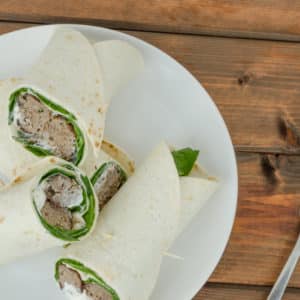
Sweet Heat Pork Tenderloin Wraps with Smoked Salt Coleslaw
Last Updated: February 2026
A well-seasoned pork tenderloin wrap with creamy coleslaw is one of those meals that works for everything: a quick weeknight dinner, a weekend cookout spread, or a crowd-pleasing appetizer platter. This recipe builds a bold dry rub from brown sugar, cayenne, dry mustard, Salish smoked salt, and Aleppo pepper — a combination that delivers sweet heat and savory depth in every bite. According to the National Pork Board, pork tenderloin is one of the leanest cuts of meat available, making it a protein-forward choice that doesn’t sacrifice flavor
Why This Spicy Pork Wrap Recipe Works
The secret is the rub. When you combine the gentle sweetness of brown sugar with the slow-building heat of cayenne and the smoky complexity of Salish smoked salt, you get a crust that caramelizes beautifully in a hot oven or cast iron pan. The Aleppo pepper — a Syrian-origin chile with a moderate Scoville rating and a fruity, slightly oily quality — adds an earthy warmth that cayenne alone cannot replicate.
Pork tenderloin takes a dry rub especially well. Unlike fattier cuts that rely on long, slow cooking for flavor, tenderloin is naturally tender and absorbs surface seasonings quickly. According to USDA food safety guidelines, pork tenderloin should reach an internal temperature of 145°F (63°C) before resting, which keeps it juicy rather than dried out. That 10-minute rest after pulling it from the oven is not optional — it’s what keeps every slice moist.
The buttermilk coleslaw that rounds out this wrap is not an afterthought. It’s the cooling counterpoint to the spiced pork. Buttermilk adds a slight tang that plain mayo cannot, and a pinch of Aleppo pepper ties the coleslaw back to the rub so every bite reads as one cohesive dish.
The Spice Lineup: What Each Ingredient Does
Understanding your ingredients makes you a better cook. Here is what each spice brings to this recipe:
Brown Sugar — Creates the caramelized crust. It draws moisture to the surface during the initial sear and then chars slightly in the oven for color and sweet complexity.
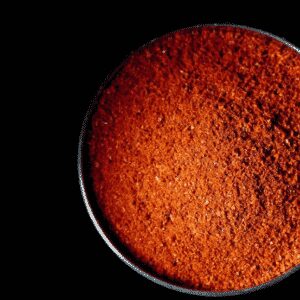
Chili Cayenne — Pure, clean heat. Cayenne registers around 30,000–50,000 Scoville Heat Units (SHU) according to the American Spice Trade Association, making it a reliable heat source that doesn’t muddy other flavors.
Dry Mustard — Adds a sharp, peppery backbone. It also acts as an emulsifier in the rub, helping the other spices bind to the meat’s surface. If you’re curious about using mustard beyond rubs, Spice Station’s guide to cooking with spice blends shows how mustard seed works across global cuisines.
Salish Smoked Salt — This Pacific Northwest finishing salt is cold-smoked over red alder wood, giving it a delicate woodsmoke aroma that behaves very differently from smoked paprika or liquid smoke. It seasons AND infuses. Read more about choosing the right salt for your cooking in Spice Station’s breakdown of finishing salts.
Oregano — Provides an herbal, slightly bitter note that keeps the rub from reading as purely “sweet and spicy.” Oregano is a workhorse seasoning with an underrated savory depth. Spice Station’s deep-dive into what oregano is used for is worth a read if you use it only for pizza and pasta.
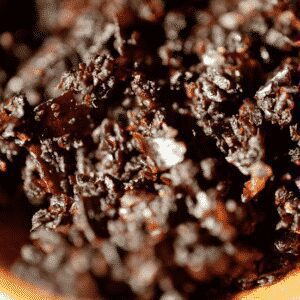
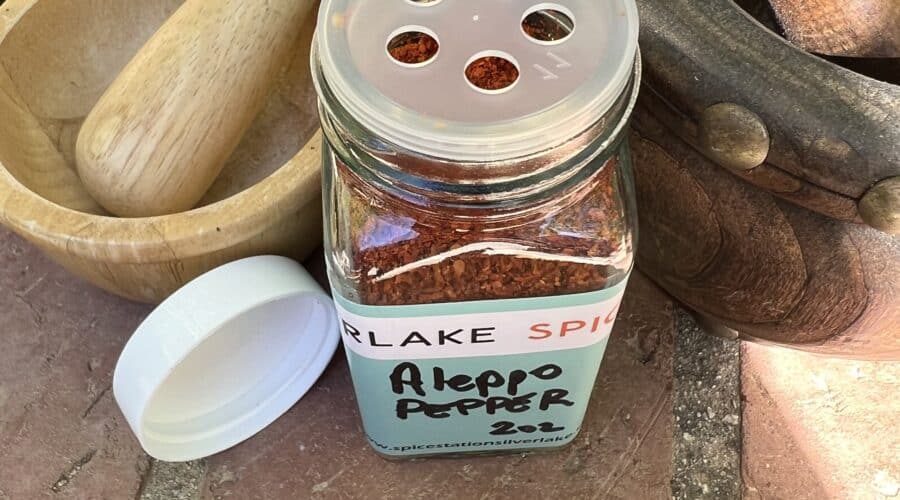 Aleppo Pepper — A mild-to-medium chile (around 10,000 SHU) originally from Syria, Aleppo pepper is oil-rich with notes of sun-dried tomato and mild fruitiness. It layers into both the pork rub and the coleslaw to tie the whole dish together. The history of Aleppo pepper and its significance in the spice world is a fascinating read.
Ingredients
Pork Tenderloin Rub
- 2 tbsp light brown sugar
- 1 tbsp chili cayenne
- 2 tsp dry mustard
- 2 tsp Salish smoked salt
- ¾ tsp dried oregano
- ¾ tsp Aleppo pepper
- 2 lbs boneless pork tenderloin
- 2 tbsp olive oil (for searing)
Buttermilk Coleslaw
- 1 head of cabbage, finely shredded (green, red, or a mix)
- ⅓ cup buttermilk
- ¼ cup mayonnaise
- ½ tsp Salish smoked salt
- ¼ tsp Aleppo pepper
For Assembly
- 4–6 large flour tortillas (burrito-size works best)
- Optional garnishes: pickled jalapeños, fresh cilantro, sliced avocado, hot sauce
Step-by-Step Instructions
Step 1: Mix the Dry Rub
Combine brown sugar, cayenne, dry mustard, Salish smoked salt, oregano, and Aleppo pepper in a small bowl. Mix thoroughly. The rub should smell sweet, smoky, and slightly sharp. If your pork tenderloin has a thin silver membrane (silverskin) on one side, remove it — it won’t break down during cooking and creates a tough, chewy layer.
Step 2: Apply the Rub and Sear
Pat the tenderloin completely dry with paper towels — moisture on the surface prevents a good sear. Coat all sides generously with the dry rub and press it in firmly. Heat 2 tablespoons of olive oil in an oven-safe skillet or cast iron pan over medium-high heat until shimmering. Sear the tenderloin on all sides, about 2–3 minutes per side, until a deep brown crust forms.
A proper sear does two things: it locks in flavor compounds and creates the Maillard reaction — the browning process that produces hundreds of new taste and aroma molecules. According to a 2019 study published in Comprehensive Reviews in Food Science and Food Safety, the Maillard reaction is responsible for much of what we perceive as “roasted” or “grilled” flavor in meat.
Step 3: Roast to Temperature
Transfer the skillet directly to a preheated 400°F (204°C) oven. Roast until the internal temperature reaches 145°F (63°C) — typically 15–20 minutes depending on thickness. Always use a meat thermometer. Visual cues alone are unreliable for pork tenderloin.
Step 4: Rest the Meat
Remove the pork and let it rest uncovered on a cutting board for 10 full minutes. This is non-negotiable. During cooking, proteins contract and push moisture toward the center. Resting allows those proteins to relax and redistribute the juices throughout the meat. Skip it and you’ll lose all that liquid on the cutting board instead of in your mouth.
Step 5: Make the Coleslaw
While the pork rests, whisk together the buttermilk, mayonnaise, Salish smoked salt, and Aleppo pepper in a large bowl. Toss in the shredded cabbage and mix until evenly coated. Taste and adjust — if it needs more tang, add a small squeeze of apple cider vinegar. If you want more heat, add a pinch of extra cayenne. The coleslaw can be made up to 24 hours ahead and refrigerated. It actually improves as the cabbage softens slightly.
Step 6: Warm the Tortillas
Wrap the tortillas in foil and place them in the still-warm oven for 5 minutes, or heat them directly on a gas burner for 20–30 seconds per side until lightly charred and pliable. Cold tortillas crack when you roll them.
Step 7: Slice and Assemble
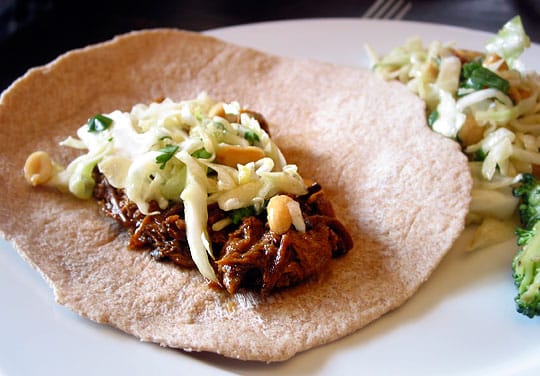
Cut the rested pork tenderloin against the grain into thin strips (about ¼-inch). Lay a handful of coleslaw down the center of each tortilla, top with sliced pork, and add any optional garnishes. Fold the sides inward and roll tightly from the bottom up. Serve immediately, or wrap in foil to hold for up to an hour.
Flavor Variations to Try
Once you have the base recipe down, it’s easy to riff on it. A few directions worth exploring:
Smoky-Sweet BBQ Style — Swap the Aleppo pepper for smoked paprika and finish the assembled wrap with a drizzle of Spice Station’s Texas Honey Glaze BBQ. This plays off the same sweet-heat combination but leans harder into Southern US BBQ territory. Check out Spice Station’s ultimate guide to backyard barbecues for more rub ideas in this direction.
Caribbean-Spiced Wrap — Replace the dry mustard with allspice and add a pinch of ground clove to the rub. The result is closer to a jerk-inspired profile. Pair with a mango slaw instead of the buttermilk version. Spice Station’s Caribbean cuisine collection has everything you’d need.
Herb-Forward Mediterranean Riff — Replace the cayenne with a Mediterranean herb blend, skip the brown sugar, and use a lemon-herb slaw instead of the buttermilk base. The Mediterranean spice collection from Spice Station offers a range of blends suited to this version.
Make It a Meal: What to Serve Alongside
This wrap holds up on its own, but if you’re building it into a full spread, these pairings work well:
- Grilled corn seasoned with smoked salt and Aleppo pepper
- Black bean salad with cumin and lime (Spice Station’s cumin deep-dive is a great companion read)
- Chilled cucumber soup with dill and Peruvian pink salt
- Spiced lemonade with a pinch of cayenne and fresh mint — a nod to Spice Station’s summertime lemonade recipes
Pro Tips for Getting This Recipe Right
Getting a good result on pork tenderloin comes down to a few consistent habits:
- Always dry the meat before seasoning. Wet surfaces steam instead of sear, and you lose the crust entirely.
- Don’t skip the rest. Ten minutes of patience means a noticeably juicier result.
- Cut against the grain. Pork tenderloin has visible muscle fibers. Cutting across them shortens those fibers, making each bite feel more tender in your mouth.
- Make the coleslaw ahead. It tastes better after 30–60 minutes in the fridge. The salt in the dressing draws a little moisture from the cabbage, which loosens the texture and mellows any raw bite.
- Taste the rub before you apply it. Rub a small pinch on your fingertip. It should be bold — salty, slightly sweet, with a building heat. If it seems flat, add more Aleppo pepper or a tiny bit more salt.
Frequently Asked Questions
 What cut of pork works best for wraps?
Pork tenderloin is the top choice for wraps because it’s lean, cooks quickly, and slices cleanly into strips. Pork loin (a different, larger cut) also works but requires longer roasting time. Avoid shoulder or butt cuts for wraps — they’re excellent braised but too fatty and shredded for this application.
Can I grill the pork tenderloin instead of roasting it?
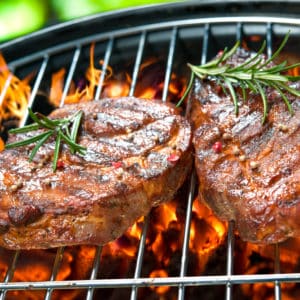
Yes. Sear over direct high heat for 2–3 minutes per side, then move to indirect heat and cook with the lid closed until you hit 145°F. Grilling adds a charred smokiness that pairs especially well with the Salish smoked salt in the rub. Check out Spice Station’s guide to essential grilling spices for more techniques.
How do I keep the tortillas from getting soggy?
Two strategies: first, make sure the pork has rested and the coleslaw is well-drained (not swimming in liquid). Second, don’t over-fill. A generous but restrained amount of coleslaw prevents the wrap from collapsing or soaking through.
What is Aleppo pepper and can I substitute it?
Aleppo pepper is a semi-dried Syrian chile with a fruity, moderately spicy profile. It’s not as sharp as cayenne and much more complex than standard paprika. In a pinch, you can substitute an equal part of mild paprika plus a tiny pinch of cayenne, though the result won’t be identical. Spice Station carries Aleppo pepper in multiple sizes.
Can I meal prep these wraps?
The pork and coleslaw both store well separately. Slice and refrigerate the pork for up to 4 days. Keep the coleslaw refrigerated for up to 2 days. Assemble wraps to order rather than pre-rolling them — they hold for about an hour wrapped tightly in foil but go soggy after that.
Is Salish smoked salt necessary, or can I use regular salt?
Regular kosher salt works as a substitute for the baseline salt function, but it won’t replicate the subtle wood-smoke aroma that Salish smoked salt brings to the rub and coleslaw. If you enjoy the flavor in this recipe, Spice Station’s broader specialty salts collection is worth exploring — the variety of flavored and regional salts available is genuinely eye-opening for home cooks.
How spicy is this recipe?
With the ratios as written, this sits at a medium heat level — noticeable warmth that builds over a few bites but won’t overwhelm. If you’re cooking for heat-sensitive guests, cut the cayenne in half and increase the Aleppo pepper proportionally. If you want it hotter, add a pinch of Bird’s Eye chile to the rub.
Where to Get the Spices
All the spices in this recipe — Aleppo pepper, Salish smoked salt, cayenne, dry mustard, and oregano — are available at Spice Station Silver Lake’s online shop. Spice Station has been sourcing high-quality herbs and spices since 2009 and offers over 700 products organized by type and regional cuisine. Free shipping applies to orders over $35.
If you want to keep experimenting beyond this recipe, the spice rubs collection and the Southern US regional spice selection are both excellent starting points for building your next bold main dish.
Have a recipe of your own to share? Spice Station welcomes submissions — get in touch here.