Spicy Pork and Green Bean Stir-Fry: A Complete Guide to Wok-Perfect Heat at Home
Spicy Pork and Green Bean Stir-Fry: Wok-Perfect Heat at Home
| Quick Answer
A spicy pork and green bean stir-fry is a high-heat weeknight dish built on three core elements: a well-seasoned wok, a balanced heat source (chili flakes, fresh chili, or chili paste), and a sauce that ties sweet, salty, and savory notes together. The whole dish cooks in under 15 minutes once your mise en place is set. |
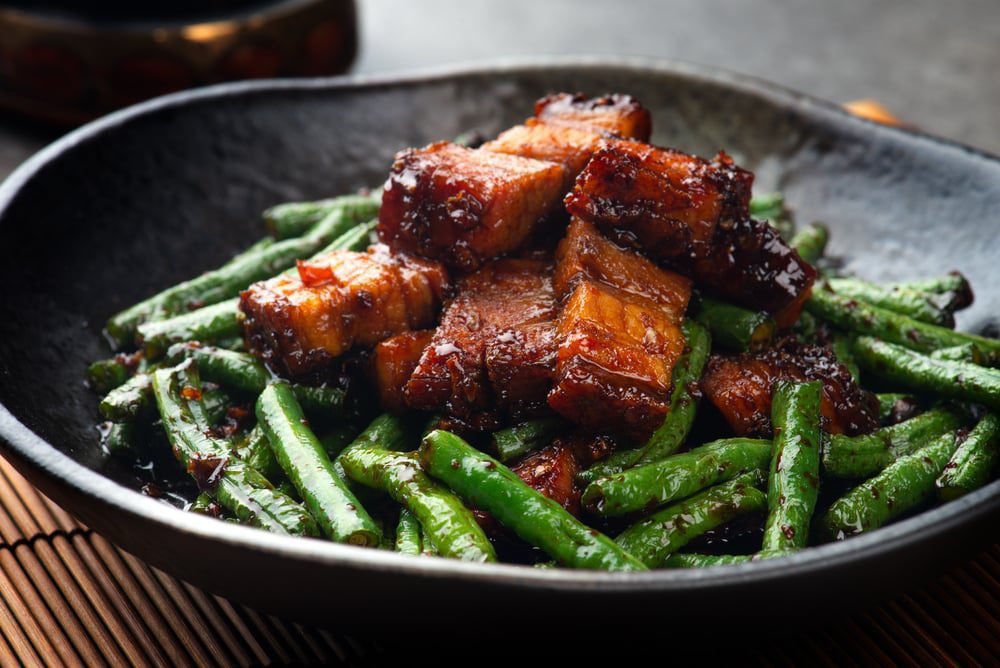
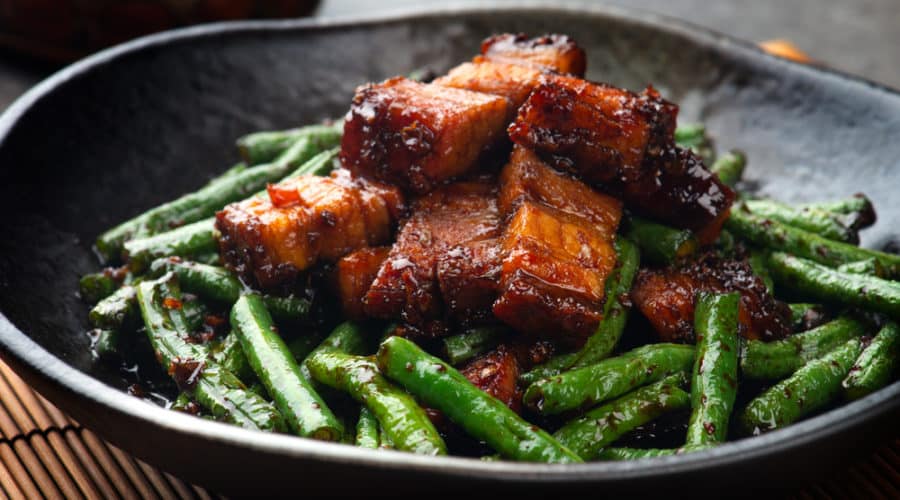
Stir-fries get a reputation as easy weeknight food, and they are. But easy does not mean flat. The best version of a spicy pork and green bean stir-fry hits multiple notes at once: smoky char on the beans, savory depth in the pork, a clean bite of heat that lingers without overwhelming, and a glossy sauce that holds everything together.
This guide covers the full picture. You will find the reasoning behind each ingredient choice, how to dial heat up or down, the technique details that make the wok work for you, and answers to the questions home cooks ask most. Whether this is your first stir-fry or your fiftieth, there is something here to sharpen your approach.
Stir-frying is one of the oldest high-heat cooking methods in the world. According to food historians, wok cooking dates back at least 2,000 years in China, with the technique spreading through Southeast Asia along trade routes. Today, it is among the most popular cooking methods globally, with the global spice market supporting these flavor traditions projected to reach $22.7 billion by 2028 (Grand View Research, 2024). At Spice Station Silver Lake, we have been helping home cooks build exactly this kind of cooking confidence through quality spices since 2009.
Why Green Beans Work So Well in a Pork Stir-Fry
Green beans bring textural contrast that few vegetables can match. They stay firm under high heat, char lightly on the outside, and absorb sauce without turning to mush. Their mild, grassy flavor does not compete with assertive seasonings.
From a culinary science standpoint, green beans have low moisture content compared to zucchini, mushrooms, or leafy greens. Less moisture means less steam in the wok, which means better browning on both the beans and the pork. That browning is the Maillard reaction at work: the chemical process responsible for hundreds of flavor compounds that simply do not exist in steamed or boiled food.
For the best results, use fresh green beans trimmed at both ends, dried thoroughly before they hit the wok. Moisture is the enemy of char. If you are using frozen beans, thaw completely and pat dry with paper towels. According to the USDA Economic Research Service, green beans remain one of the most consistently purchased fresh vegetables by US home cooks, which makes them an accessible, reliable backbone for this dish.
The Pork: Cut, Prep, and Why It Matters
Ground pork or thinly sliced pork shoulder are the two most common choices here. Each produces a different texture and eating experience worth understanding before you shop.
Ground pork gives you crumbled, caramelized bits that distribute heat evenly throughout the dish. It cooks fast and requires minimal prep. Thinly sliced pork shoulder (cut against the grain, no thicker than 1/4 inch) gives you longer strips that pick up more char and create a chewier, more substantial bite. Both options benefit from a short marinade using soy sauce, a small amount of cornstarch, and white pepper. The cornstarch creates a light coating that helps the meat brown rather than steam and keeps the pork tender under high heat. For more on building layered spice profiles with pork, take a look at our spice rub techniques, which apply equally well to stir-fried proteins.
Velveting is a classic Chinese technique where pork is marinated in a mixture of egg white, cornstarch, and rice wine before a brief parboil or oil blanch. Restaurant kitchens use it to achieve that silky, tender texture on stir-fried meat. For a home cook, a simplified version (skip the parboil, marinate for 20 minutes, cook in batches over very high heat) gets you most of the way there.
Building the Right Heat: Chili Options and How to Use Them
Heat is the heart of this dish, and it is worth being intentional rather than just adding whatever chili product is closest to hand. Different heat sources behave differently in a hot wok, and understanding that behavior is what separates a controlled, pleasant burn from a one-dimensional fire.
Compare the main heat options below:
| Heat Source | Flavor Profile | Scoville Range | Best For |
| Fresh Chili | Bright, sharp, grassy | 1,000-100,000 SHU | Finishing heat |
| Chili Flakes | Fruity, dried depth | 5,000-50,000 SHU | Bloom in oil |
| Chili Paste | Fermented, umami-rich | 1,000-20,000 SHU | Sauce base |
| White Pepper | Earthy, clean heat | 10-500 SHU | Background warmth |
| Sichuan Pepper | Tingly, citrusy, numbing | Non-capsaicin | Mala-style dishes |
For this dish, a combination approach works best. Start with dried chili flakes bloomed in oil at the beginning, which extracts fat-soluble capsaicin and builds a warm base. Add fresh sliced chili near the end for brightness. Our chiles collection includes options ranging from mild Ancho to the intensely fruity Bird’s Eye, so you can match heat level precisely to your preference.
According to the American Spice Trade Association, chili pepper use in US home cooking increased 37% between 2018 and 2023, driven by growing interest in global cuisines. That trend lines up with what we see at Spice Station: home cooks are less afraid of heat than they used to be, and they want more control over it.
“Heat in cooking is not just about intensity, it is about placement and timing,” says culinary educator Grace Young, author of The Breath of a Wok. “Adding chili to hot oil early creates a different flavor effect than adding it raw at the end. Each method has its place.”
The Sauce: Sweet, Salty, and Savory in Balance
A stir-fry sauce does three jobs: it carries flavor into the food, it glosses the ingredients visually, and it ties the entire dish together at the end. For spicy pork and green beans, a six-ingredient sauce covers all three.
Core Sauce Formula
Combine these before you start cooking. Everything in a stir-fry moves fast, and a pre-mixed sauce means you never have to measure over a screaming-hot wok:
- Soy sauce (2 tablespoons): the salt and umami foundation
- Oyster sauce (1 tablespoon): sweet, thick depth
- Rice wine or dry sherry (1 tablespoon): cuts richness and adds aroma
- Sesame oil (1 teaspoon): finishing fragrance, added off heat
- Sugar (1/2 teaspoon): balances the salt
- Cornstarch (1 teaspoon) dissolved in 2 tablespoons water: creates the glossy, clingy finish
Hoisin sauce makes a good addition for a sweeter, more complex sauce base. You can also experiment with our Asian Cajun Beef blend as a dry seasoning component alongside the wet sauce. The Sichuan pepper and smoked salt elements in that blend add a layer of complexity that works beautifully in a wok.
If you want a cleaner, lighter sauce, reduce oyster sauce and increase rice wine. For a bolder, saltier profile, reduce sugar and increase soy. The ratios are guidelines, not rules.
Wok Technique: Getting Real High Heat at Home
The single biggest challenge home cooks face with stir-frying is heat. Professional wok burners run at 100,000 to 300,000 BTU. A standard US home gas burner produces 10,000 to 18,000 BTU. That gap is real, and pretending it does not exist produces steamed, pale food instead of charred, fragrant food.
The way to close the gap is to work in small batches. A standard 12-inch wok or large skillet holds enough food for one portion at a time without crowding. Crowding drops the pan temperature below the threshold needed for the Maillard reaction, and the food starts to steam in its own moisture. Cook the green beans first in a single layer until charred and blistered (3 to 4 minutes without stirring much), remove them, cook the pork in batches, then combine everything with the sauce at the end.
A cast iron skillet, while not traditional, retains heat better than a standard nonstick pan and can get closer to wok performance on a home burner. Carbon steel woks are the professional recommendation and heat more quickly than cast iron. For ingredients that work well in high-heat cooking across different global traditions, our browse by cuisine tool shows how Chinese, Japanese, and Southeast Asian flavor profiles overlap and differ.
“The secret to wok hei is not the wok itself, it is the combination of high heat, constant movement, and not overloading the pan,” says Chef Martin Yan, host of Yan Can Cook, a show that has introduced millions of Americans to wok cooking since 1982. “At home you can get 80 percent of the way there with the right technique.”
According to a 2024 survey by the National Culinary Institute, 68% of home cooks who regularly prepare Asian-inspired dishes cite wok technique as the skill they most want to improve. The good news: batch cooking and proper heat management solve most of the problem without any special equipment.
Step-by-Step Recipe
Serves 2-3. Prep time: 20 minutes. Cook time: 12 minutes.
Ingredients
Protein:
- 450g (1 lb) ground pork or thinly sliced pork shoulder
- 1 tablespoon soy sauce (marinade)
- 1 teaspoon cornstarch (marinade)
- 1/2 teaspoon white pepper
Vegetables and Aromatics:
- 350g (12 oz) fresh green beans, trimmed and dried
- 4 garlic cloves, minced
- 1 tablespoon fresh ginger, grated
- 2-3 dried red chilis or 1 teaspoon chili flakes
- 2 scallions, white and green parts separated
Sauce (pre-mixed):
- 2 tablespoons soy sauce
- 1 tablespoon oyster sauce
- 1 tablespoon rice wine or dry sherry
- 1/2 teaspoon sugar
- 1 teaspoon cornstarch dissolved in 2 tablespoons water
- 1 teaspoon sesame oil (add off heat)
Method
- Mix pork with soy sauce, cornstarch, and white pepper. Let sit 15-20 minutes at room temperature.
- Pre-mix all sauce ingredients in a small bowl. Set aside.
- Heat wok or large skillet over highest heat for 2 minutes until smoking. Add 1.5 tablespoons neutral oil.
- Add green beans in a single layer. Leave undisturbed for 90 seconds until charred. Toss and cook another 60-90 seconds. Remove from wok.
- Add another tablespoon of oil. Add dried chilis and bloom 30 seconds until fragrant and darkening.
- Add pork in a single layer. Do not stir for 60 seconds. Break apart and cook until browned (2-3 minutes). If using sliced pork, cook in two batches.
- Add garlic, ginger, and scallion whites. Toss 30 seconds.
- Return green beans to wok. Pour sauce around the edges (not directly on food, this prevents steam from dropping temperature).
- Toss everything together for 60 seconds until sauce thickens and coats all ingredients.
- Remove from heat. Stir in sesame oil. Garnish with scallion greens. Serve immediately over steamed rice.
Spice Variations: How to Customize Heat and Flavor
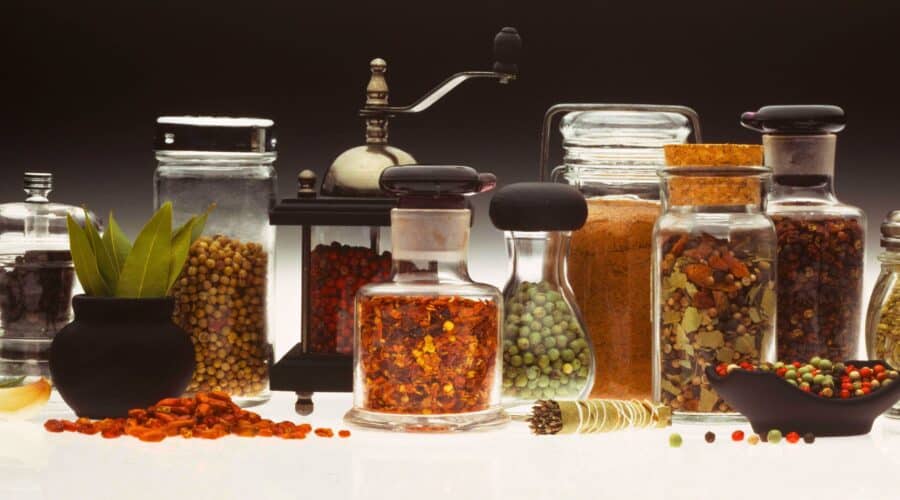 The recipe above uses a relatively classic combination of dried chili and white pepper. Once you have made it once, you have a reliable base to vary. Here are four directions worth exploring, each drawing on specific products from our specialty blends collection:
Mala Style (Numbing Heat)
Add 1 teaspoon of ground Sichuan peppercorn to the chili oil bloom stage. Sichuan pepper contains hydroxy-alpha-sanshool, a compound that creates a distinctive tingling, numbing sensation on the tongue that is separate from the burn of capsaicin. Our Chinese Five Spice blend adds star anise, clove, and cassia bark complexity on top of the Sichuan pepper base.
Japanese-Inspired Version
Replace the standard chili flakes with Shichimi Togarashi, Japan’s seven-flavor chili blend, which adds sesame, nori, sansho pepper, and orange peel alongside the heat. Use as a finishing spice rather than cooking the blend in oil. The result is lighter and more aromatic than a Chinese-style version.
Middle Eastern Heat Profile
Substitute the soy-oyster sauce base with pomegranate molasses and lemon juice. Add 1 teaspoon of Aleppo pepper for its distinctive fruity, oily, moderate heat. At approximately 10,000 Scoville units, Aleppo pepper delivers warmth without overwhelming the other flavors. This version pairs well with flatbread rather than rice.
Smoky Southwestern Version
Use ancho and arbol chiles from our chiles category. Ancho adds raisin-like sweetness at low heat, arbol brings a sharp, grassy fire. Swap oyster sauce for a small amount of apple cider vinegar and honey for a tangier profile that works well over polenta or cornbread.
Make It a Meal: What to Serve Alongside
Spicy pork and green bean stir-fry is genuinely complete as a main over steamed jasmine rice. But if you are feeding a crowd or want to build a more substantial spread, a few additions round out the meal without competing with the main dish.
A simple egg drop soup or miso soup adds warmth and contrasts the char-forward stir-fry. A cold cucumber salad dressed with rice vinegar, sesame oil, and a pinch of sugar (and optionally a small amount of Shichimi Togarashi) provides a cooling counterpoint to the heat. For a more filling spread, a batch of steamed or pan-fried dumplings and plain steamed broccoli round out the table.
For a complete dinner party menu inspired by Chinese regional cooking, our browse by Chinese cuisine section has the spice building blocks for multiple dishes.
Health and Nutrition Context
Pork is a lean, protein-dense meat when you use loin or trimmed shoulder. A 100g serving of cooked ground pork provides approximately 26g of protein, 10g of fat, and a range of B vitamins including B12, B6, and niacin, according to USDA FoodData Central. Green beans add fiber, vitamin C, and vitamin K without adding significant calories.
The chili components in this dish also carry functional nutrition. Research published in the journal Nutrients (2022) found that capsaicin, the active compound in chili peppers, supports metabolic rate and has demonstrated anti-inflammatory properties in multiple studies. Garlic and ginger, both featured prominently in this recipe, have long-established associations with immune support and digestive health in traditional medicine systems and are subjects of ongoing clinical research.
Spice Station founder Peter Bahlawanian has always been interested in the holistic health dimensions of the spices he stocks. “The best spices do two things at once,” he says. “They make food taste better, and they give you something nutritionally. That combination is why these ingredients have been traded across the world for centuries.” Read more about the health angles of specific spices on the Spice Talk blog.
Frequently Asked Questions
What is the best cut of pork for a stir-fry with green beans?
Ground pork and thinly sliced pork shoulder are both strong choices. Ground pork cooks faster and distributes evenly through the dish. Sliced shoulder has more texture and picks up more char. Pork tenderloin works for a leaner option but requires careful attention to avoid overcooking, since it dries out faster than fattier cuts.
Can I make this recipe less spicy without losing flavor?
Yes. Remove the seeds from fresh chilis before adding them (most capsaicin lives in the seeds and inner membrane). Reduce chili flakes by half and increase garlic and ginger instead. You will keep the aromatic, savory depth while dropping the heat significantly. Alternatively, swap standard chili flakes for Aleppo pepper, which delivers flavor complexity at much lower heat.
What can I substitute for oyster sauce?
Hoisin sauce is the closest substitute for a similar sweet-savory depth. Soy sauce plus a small amount of brown sugar and a few drops of fish sauce also approximates the profile. For a vegetarian version, mushroom oyster sauce (available at most Asian grocery stores) is a direct swap that is nearly identical in flavor.
How do I store and reheat leftovers?
Store leftovers in an airtight container in the refrigerator for up to 3 days. For reheating, a hot skillet or wok with a small amount of oil works better than a microwave. The microwave steams the dish, which softens the green beans and removes the char. A hot pan revives some of the original texture in about 2 minutes.
Can I use frozen green beans?
Yes, with preparation. Thaw completely and dry thoroughly on paper towels before cooking. Frozen beans have higher moisture content than fresh, so give them extra time in the wok and work in smaller batches. The final texture will be softer than fresh, but the flavor is still good.
What type of oil should I use for stir-frying?
Use a neutral, high-smoke-point oil. Avocado oil (smoke point 500 degrees F), refined peanut oil (450 degrees F), and canola oil (400 degrees F) are all good choices. Avoid extra-virgin olive oil (low smoke point, dominant flavor) and unrefined coconut oil (burns at wok temperatures). A small amount of sesame oil can be added at the very end as a finishing element, but it should never be used as the cooking fat.
How do I get wok hei at home without a commercial burner?
Wok hei, the smoky, charred quality of restaurant stir-fry, comes from very high heat and the combustion of oil vapor in the wok. At home, maximize pan temperature before adding ingredients, work in small batches, and do not overcrowd. Occasionally tilting the wok slightly toward the burner flame can briefly ignite oil droplets. Carbon steel woks outperform nonstick and stainless for this reason.
What spices from Spice Station work best in this dish?
Beyond standard chili flakes, white pepper and Aleppo pepper are both excellent additions. White pepper delivers a clean, earthy heat without the visual impact of black pepper flakes. Aleppo brings fruity warmth and mild oil. For a bolder direction, our Asian Cajun Beef blend adds Sichuan pepper, smoked salt, and urfa biber for a fusion direction that surprises people.
Putting It All Together
A great spicy pork and green bean stir-fry is less about following a precise recipe and more about understanding the principles underneath it. Get the wok hot. Work in batches. Build your heat in layers rather than dumping everything at once. Pre-mix your sauce. And pay attention to what each ingredient is doing while it cooks. That understanding transfers to every stir-fry you will ever make.
At Spice Station, we carry everything you need to take this recipe in any direction, from classic Chinese dried chilis to Japanese Shichimi Togarashi to Middle Eastern Aleppo pepper. Browse our full spice shop and find the ingredient that takes your version somewhere new.
Have a specific spice question? Reach out through our contact page and we are happy to help.
Last Updated: February 2026