Tourtière: The Québécois Spiced Meat Pie That Belongs on Every Holiday Table

Spread the love

Tourtière is the classic French-Canadian spiced meat pie made with ground pork, potatoes, and a warm blend of nutmeg, cinnamon, cloves, and savory. Get the complete recipe including a vegetarian version plus the history and spice guide.
SpicesTourtière Blend
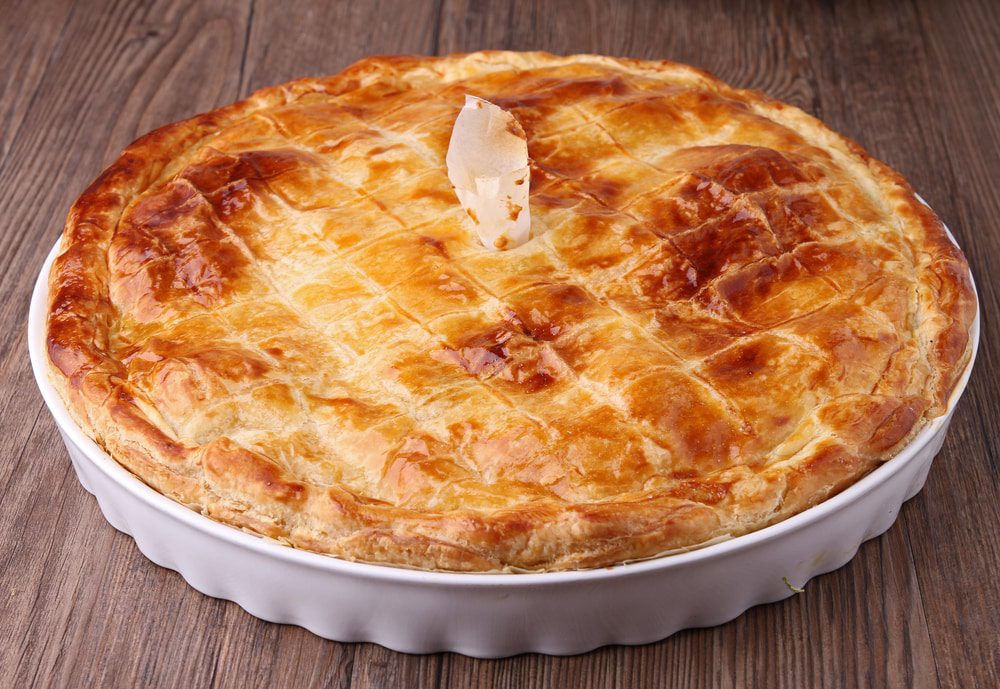
Tourtière is the classic holiday meat pie
Spread the love

Last Updated: March 2026

Tourtière is a double-crusted meat pie seasoned with nutmeg, cinnamon, cloves, and savory  four spices that together create one of the most distinctive, deeply comforting aromas in all of holiday cooking. It comes from Québec, where it has been central to Christmas and New Year’s celebrations for centuries, and it is the kind of dish that fills a house with warmth long before it comes out of the oven.

This is the full guide: the history, the spices, the classic recipe, a vegetarian version that actually holds its own, and everything you need to make it well.

What Is Tourtière and Where Does It Come From?

Tourtière is the defining dish of French-Canadian holiday cooking. In Québec, it is the centerpiece of Réveillon — the festive meal that follows midnight Mass on Christmas Eve  and it appears again at New Year’s gatherings, family dinners, and any occasion that calls for something hearty and celebratory.
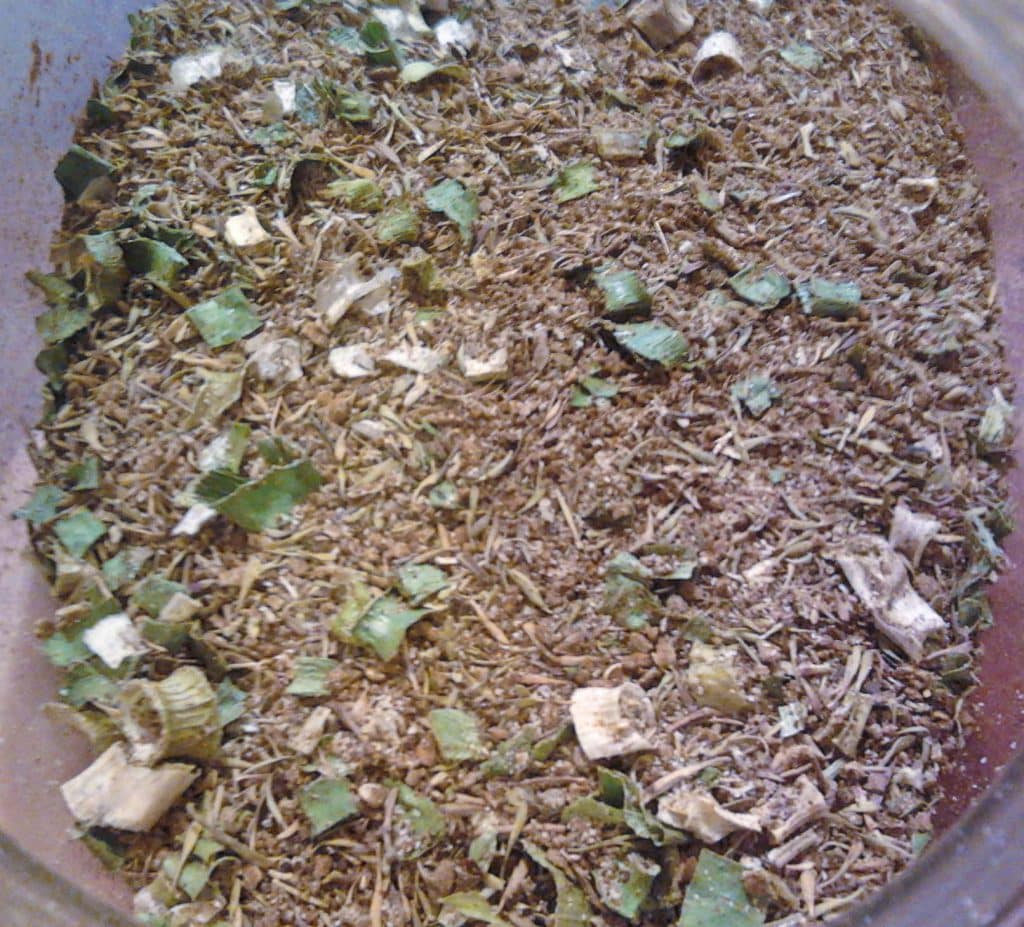
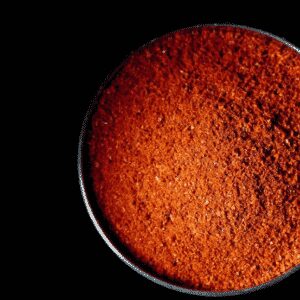
Spice Station's Tourtiere Blend

The name itself is thought to come from the tourte, a now-extinct passenger pigeon that was once used to fill the pie, though modern versions rely on ground pork, beef, veal, or a combination of all three. The recipe stretches back to the earliest French settlers in New France, who adapted European meat pie traditions to the ingredients, climate, and Catholic calendar of their new home. According to culinary historians, written references to tourtière in Québec date to at least the 17th century, making it one of North America’s oldest surviving regional recipes.

What sets tourtière apart from a generic meat pie is entirely the spice blend. A version made with salt and pepper alone is just ground meat in pastry. The version made with the traditional quartet of warming holiday spices  nutmeg, cinnamon, cloves, and savory  is something else entirely: aromatic, complex, and unmistakably festive. That spice profile is what Spice Station’s Tourtière Blend captures in a single, balanced mix, taking the guesswork out of proportioning four potent spices that need to work together without any one dominating.

The Spices That Make Tourtière What It Is

Understanding what each spice brings to this recipe is worth a moment before you start cooking. These are not interchangeable warming spices — each one plays a specific role.

Nutmeg

Nutmeg is the thread that runs through the whole dish, providing a warm, slightly sweet earthiness that rounds out the meat without sharpening it. It’s the same spice that appears in béchamel, eggnog, and rice pudding  always in the background, always making things taste more complete. What nutmeg is and how it’s processed makes a genuine difference in flavor: freshly grated whole nutmeg is noticeably more aromatic and complex than pre-ground. Because nutmeg is so potent, a little goes a long way  too much tips the balance toward medicinal, which is why a properly calibrated blend is useful here.

Cinnamon Cinnamon Saigon
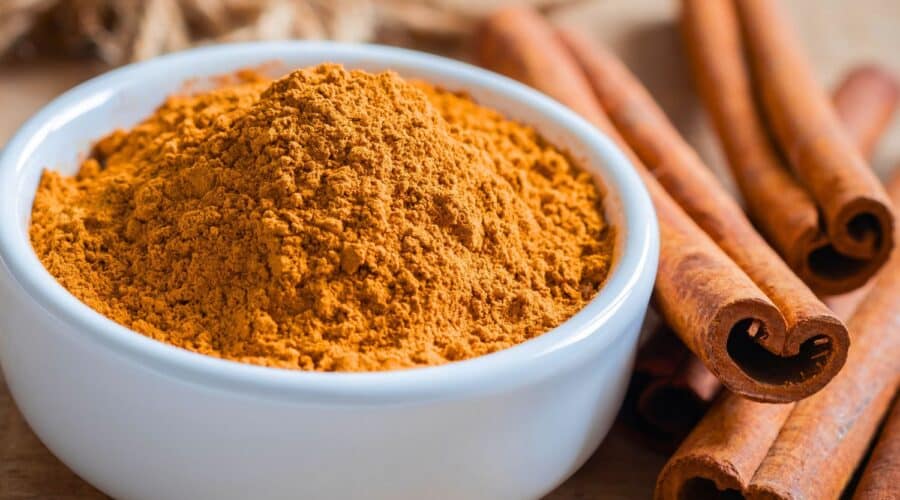
Cinnamon adds sweetness and warmth that softens the savory intensity of the pork. In savory cooking, cinnamon works as a bridge between sweet and salty  the same way it functions in Moroccan tagines, Greek pastitsio, and Lebanese spiced meat dishes. The type of cinnamon matters too: Ceylon cinnamon is delicate and floral, while Korintje (the most common variety in North American kitchens) is more robustly sweet and slightly spicy. Either works in tourtière, though Ceylon’s softer character is a natural fit for a dish that already has plenty of assertive flavors.

Cloves

Cloves are the most powerful of the four. Even a small amount adds significant depth and a slightly sweet-peppery warmth that gives tourtière its distinctive character. They’re also the spice most likely to overwhelm a dish if used with a heavy hand, which is another reason a pre-balanced blend removes the risk. The medicinal and culinary properties of cloves have been documented for thousands of years  they were among the most valuable traded spices in the world for centuries.

Savory

Winter savory (Satureja montana) is the less-familiar member of this group for many North American cooks, but it is essential to tourtière’s authentic flavor profile. Related to thyme but with a more peppery, slightly bitter edge, savory is used extensively in French-Canadian cooking  particularly with pork and game meats. It’s what gives tourtière its herbal backbone and prevents the sweeter spices from making the filling feel like dessert. You’ll find it in Spice Station’s dried herbs collection alongside thyme, oregano, and other workhorse herbs.

The Classic Tourtière Recipe

Makes: 1 large deep-dish pie or 2 to 3 smaller pies Serves: 6 to 8

Ingredients

For the filling:

  • 2 lbs (900g) lean ground pork  or substitute half beef, half pork for a richer result
  • 2 medium yellow onions, finely diced
  • 3 cloves garlic, minced
  • 2 cups (500ml) peeled russet potatoes, diced into ½-inch pieces
  • ¾ cup (175ml) chicken or pork stock
  • 1½ tablespoons Spice Station Tourtière Blend (start here; adjust to taste)
  • ½ teaspoon fine sea salt, plus more to taste
  • Black pepper to taste

For the pastry:

  • 1 large, deep double-crust pie shell (homemade or store-bought)
  • 1 egg, beaten with 1 tablespoon of water for egg wash

Step-by-Step Instructions
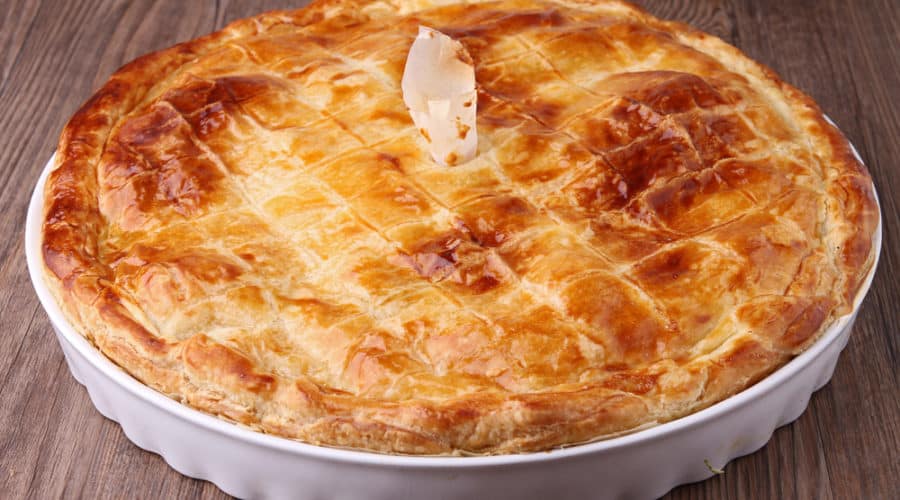
Tourtière is the classic holiday meat pie

Step 1: Brown the meat. Heat a Dutch oven or large heavy-bottomed skillet over medium-high heat. Add the ground pork (no oil needed  the fat renders quickly) and cook, breaking it apart with a wooden spoon, until fully browned and no pink remains. This takes about 8 to 10 minutes. Drain most of the rendered fat, leaving just a thin film in the pan.

Step 2: Build the base. Reduce heat to medium. Add the diced onions and cook, stirring occasionally, until softened and translucent  about 5 minutes. Add the minced garlic and cook for another minute until fragrant.

Step 3: Add potatoes, stock, and spices. Add the diced potatoes, stock, Tourtière Blend, and salt. Stir to combine. The potatoes absorb the stock and spices during cooking, which thickens the filling and distributes flavor evenly throughout.

Step 4: Simmer low and slow. Reduce heat to low, cover, and simmer for 25 to 30 minutes, stirring every 8 to 10 minutes, until the potatoes are fully cooked and almost all the liquid has been absorbed. The filling should be moist but not wet  it should hold its shape when scooped. Taste and adjust salt, pepper, and spice. This is the moment to add the final ½ tablespoon of Tourtière Blend if you want a more pronounced spice presence.

Step 5: Cool completely. This step matters more than most recipes acknowledge. Filling that goes into the pie shell while still hot will steam the bottom crust from the inside and produce a soggy base. Spread the filling on a sheet tray or transfer to a bowl and refrigerate for at least 30 minutes, or until fully cooled to room temperature. The filling can be made a day ahead and refrigerated overnight — the flavor actually improves.

Step 6: Assemble the pie. Preheat your oven to 400°F (200°C). Fit the bottom crust into a deep 9-inch pie dish. Spoon in the cooled filling, mounding it slightly in the center. Wet the edges of the bottom crust with a little water, then lay the top crust over the filling. Press the edges together firmly, trim any overhang to about ¾ inch, then crimp or flute to seal.

Step 7: Finish and bake. Cut several small vents in the top crust to allow steam to escape  a small X in the center works well. If you want to decorate with pastry cutouts (stars, leaves, or simple shapes cut from the trimmings), press them onto the top crust now. Brush the entire surface generously with egg wash. Bake for 40 to 50 minutes, until the crust is deep golden brown and the filling is heated through.

Step 8: Rest before slicing. Let the pie rest for at least 15 minutes before cutting. This allows the filling to firm up slightly so it holds clean slices rather than collapsing.

Vegetarian Tourtière

The vegetarian version of tourtière works better than most people expect. TVP (textured vegetable protein) absorbs the spiced cooking liquid in a way that closely mimics the texture of ground meat, and the spice blend does exactly what it does in the original — it’s the dominant flavor, so the base protein matters less than you’d think.

Ingredients

  • 2 cups (about 180g) TVP (textured vegetable protein)
  • 3 cups (750ml) hot vegetable broth
  • 2 teaspoons soy sauce or tamari
  • 2 medium yellow onions, finely diced
  • 3 cloves garlic, minced
  • 2 cups peeled russet potatoes, diced into ½-inch pieces
  • 1 tablespoon Spice Station Tourtière Blend
  • ½ teaspoon fine sea salt
  • 2 tablespoons olive oil or butter

Instructions

Heat olive oil or butter in a Dutch oven over medium heat. Add the onions and cook, stirring occasionally, until they begin to soften and turn golden at the edges  about 8 minutes. A longer, slower cook here develops more flavor than a quick sauté.

Add the garlic and cook for one more minute. Add the diced potatoes, Tourtière Blend, and salt. Stir to coat everything in the oil and spices.

Add the TVP, soy sauce, and hot vegetable broth. Stir well to combine. Bring to a boil, then reduce heat to low, cover, and simmer for 20 to 25 minutes, stirring every 5 minutes, until the potatoes are cooked through and most of the liquid has been absorbed. The TVP swells as it hydrates and produces a filling with a dense, meaty texture.

Taste and adjust seasoning. Continue with assembly as in the classic version above.

Tips for Making Tourtière Well

Use russet potatoes, not waxy ones. Russets break down slightly during the simmer and act as a natural thickener, binding the filling together. Waxy potatoes hold their shape too firmly and leave the filling loose.

Don’t skip the cooling step. A warm filling in a cold pastry shell means a soggy bottom. Cool the filling all the way down before you build the pie. Difference Between Herbs and Spices
Make it ahead. Tourtière holds beautifully in the refrigerator for up to three days after baking, and the flavor deepens noticeably on the second day. It also freezes well  baked or unbaked  for up to two months. This is why Québécois families have always made tourtière in batches. For a dish this well-suited to advance preparation, it’s one of the smartest additions to a holiday cooking plan.

Serve it with something acidic. The richness of the spiced pork filling benefits from a bright counterpoint. Pickled beets, a sharp green salad with a vinegar-forward dressing, or a simple cranberry sauce all cut through the fat and spice in a way that makes each bite of the next slice taste as good as the first.

Adjust the spice blend to your household. The recipe calls for 1½ tablespoons of Tourtière Blend, which produces a clearly spiced pie with warm, aromatic character. If you’re feeding anyone who is sensitive to strong spice profiles, start with 1 tablespoon and taste the filling before adding more. The spices bloom during the simmer, so the filling will taste more intensely spiced once cooked than the raw mixture suggests.

Why the Spice Blend Is the Key to This Recipe

Tourtière could be made with the four component spices measured individually. Many recipes do exactly that. But the challenge is that nutmeg, cinnamon, cloves, and savory are all highly potent in their own right, and the ratio between them determines whether the result tastes authentically Québécois or just vaguely spiced. Too much clove and the pie smells like a dentist’s office. Too much nutmeg tips it toward eggnog. Too little savory and you lose the herbal backbone that makes the filling savory rather than sweet.

Spice Station’s Tourtière Blend handles that calibration, drawing on the same attention to balance that goes into all of the shop’s custom spice blends. It’s a single-ingredient solution to a genuine recipe problem, which is exactly what a well-made blend should be.

If you’re interested in building a deeper understanding of how spices work together in blends  why ratios matter, how to taste and adjust, what makes certain combinations work across cultures  the guide to all about spice rubs and the post on five global spice blends worth knowing are both worth reading.

Tourtière Beyond the Holidays

The classic association with Christmas and New Year’s is real, but tourtière is too good to restrict to six weeks a year. The spiced pork filling works just as well in cold-weather months generally  February, March, any night when something warm and substantial sounds better than a salad. The spice blend is one of the more interesting winter spices combinations in North American cooking, and it deserves a longer season.

Individual small pies made in muffin tins or ramekins work well as a party appetizer or a portable lunch. The filling is also excellent stuffed into a baked potato, spooned over egg noodles, or used as the basis for a shepherd’s pie-style bake topped with mashed potatoes instead of pastry.

Frequently Asked Questions

What does tourtière taste like?

Tourtière tastes like seasoned ground pork encased in buttery pastry, with a warm, aromatic spice profile built from nutmeg, cinnamon, cloves, and savory. The overall impression is savory and deeply comforting, with a faint sweetness from the cinnamon and a herbal backbone from the savory. It does not taste like dessert  the balance of the spice blend keeps it clearly in savory territory while giving it a holiday character that plain meat pie lacks.

What is the difference between tourtière and a regular meat pie?

The difference is entirely in the spices. A plain meat pie seasoned with salt, pepper, and perhaps some thyme is a good, straightforward dish. Tourtière’s signature is the four-spice blend  nutmeg, cinnamon, cloves, and savory  which gives the filling a warm, aromatic complexity associated specifically with French-Canadian holiday cooking. Without those spices, you have ground pork in pastry. With them, you have tourtière.

Can I use ground beef instead of pork?

Yes. Ground beef works well and produces a slightly richer, less sweet filling. A 50/50 blend of pork and beef is also very common in Québec and produces excellent results. Some traditional recipes include ground veal as a third meat in the mix. The spice blend performs equally well with any combination.

Can tourtière be made ahead and frozen?

Yes, and this is one of its great practical advantages. Tourtière freezes well both before and after baking. To freeze unbaked, assemble the pie completely, wrap tightly in plastic wrap and foil, and freeze for up to two months. Bake from frozen at 375°F, adding 20 to 25 minutes to the usual cooking time. Baked tourtière can be frozen, thawed overnight in the refrigerator, and reheated in a 350°F oven for 20 minutes.

What do you serve with tourtière?

Pickled beets are the most traditional accompaniment in Québec  the acidity and sweetness of the pickled beets cut through the rich, spiced filling perfectly. Other good options include a sharp green salad with a mustard vinaigrette, cranberry sauce, chutney, or applesauce. A light soup as a starter and tourtière as the main makes for a complete and satisfying winter meal.

Where can I buy the Tourtière Blend?

Spice Station Silver Lake carries the Tourtière Blend in its online shop, along with the full range of individual component spices  nutmeg, cinnamon, cloves, and winter savory  if you prefer to mix your own. Browse the spices collection or the blends collection to find what you need. Questions about the blend or the recipe? Reach out through the contact page   the team is always happy to talk through it.

Is the vegetarian version as good as the original?

It’s genuinely very good, which is not what most people expect. The TVP absorbs the spiced cooking liquid thoroughly and produces a filling that holds together in the same way ground meat does. The spice blend does the heavy lifting in terms of flavor  and since the blend is the heart of tourtière, the vegetarian version tastes recognizably like the real thing. If you’re cooking for a mixed crowd, making one of each is the smart move.
Tags: buy tourtière spice blend, French Canadian meat pie, holiday meat pie, Quebec tourtière, spiced pork pie, tourtière recipe, tourtière Silver Lake, tourtière spice blend, tourtière with nutmeg and cloves, vegetarian tourtière recipe
Previous Post
Aleppo Pepper: Syria’s Ancient Spice, a Disrupted Supply Chain, and How to Cook with It Today
Next Post
Middle Eastern Spice Blends: The Complete Guide to the Region’s Essential Seasonings
Tourtière is the classic holiday meat pie
Spread the love

Last Updated: March 2026

Tourtière is a double-crusted meat pie seasoned with nutmeg, cinnamon, cloves, and savory  four spices that together create one of the most distinctive, deeply comforting aromas in all of holiday cooking. It comes from Québec, where it has been central to Christmas and New Year’s celebrations for centuries, and it is the kind of dish that fills a house with warmth long before it comes out of the oven.

This is the full guide: the history, the spices, the classic recipe, a vegetarian version that actually holds its own, and everything you need to make it well.

What Is Tourtière and Where Does It Come From?

Tourtière is the defining dish of French-Canadian holiday cooking. In Québec, it is the centerpiece of Réveillon — the festive meal that follows midnight Mass on Christmas Eve  and it appears again at New Year’s gatherings, family dinners, and any occasion that calls for something hearty and celebratory.

Spice Station's Tourtiere Blend

The name itself is thought to come from the tourte, a now-extinct passenger pigeon that was once used to fill the pie, though modern versions rely on ground pork, beef, veal, or a combination of all three. The recipe stretches back to the earliest French settlers in New France, who adapted European meat pie traditions to the ingredients, climate, and Catholic calendar of their new home. According to culinary historians, written references to tourtière in Québec date to at least the 17th century, making it one of North America’s oldest surviving regional recipes.

What sets tourtière apart from a generic meat pie is entirely the spice blend. A version made with salt and pepper alone is just ground meat in pastry. The version made with the traditional quartet of warming holiday spices  nutmeg, cinnamon, cloves, and savory  is something else entirely: aromatic, complex, and unmistakably festive. That spice profile is what Spice Station’s Tourtière Blend captures in a single, balanced mix, taking the guesswork out of proportioning four potent spices that need to work together without any one dominating.

The Spices That Make Tourtière What It Is

Understanding what each spice brings to this recipe is worth a moment before you start cooking. These are not interchangeable warming spices — each one plays a specific role.

Nutmeg

Nutmeg is the thread that runs through the whole dish, providing a warm, slightly sweet earthiness that rounds out the meat without sharpening it. It’s the same spice that appears in béchamel, eggnog, and rice pudding  always in the background, always making things taste more complete. What nutmeg is and how it’s processed makes a genuine difference in flavor: freshly grated whole nutmeg is noticeably more aromatic and complex than pre-ground. Because nutmeg is so potent, a little goes a long way  too much tips the balance toward medicinal, which is why a properly calibrated blend is useful here.

Cinnamon Cinnamon Saigon

Cinnamon adds sweetness and warmth that softens the savory intensity of the pork. In savory cooking, cinnamon works as a bridge between sweet and salty  the same way it functions in Moroccan tagines, Greek pastitsio, and Lebanese spiced meat dishes. The type of cinnamon matters too: Ceylon cinnamon is delicate and floral, while Korintje (the most common variety in North American kitchens) is more robustly sweet and slightly spicy. Either works in tourtière, though Ceylon’s softer character is a natural fit for a dish that already has plenty of assertive flavors.

Cloves

Cloves are the most powerful of the four. Even a small amount adds significant depth and a slightly sweet-peppery warmth that gives tourtière its distinctive character. They’re also the spice most likely to overwhelm a dish if used with a heavy hand, which is another reason a pre-balanced blend removes the risk. The medicinal and culinary properties of cloves have been documented for thousands of years  they were among the most valuable traded spices in the world for centuries.

Savory

Winter savory (Satureja montana) is the less-familiar member of this group for many North American cooks, but it is essential to tourtière’s authentic flavor profile. Related to thyme but with a more peppery, slightly bitter edge, savory is used extensively in French-Canadian cooking  particularly with pork and game meats. It’s what gives tourtière its herbal backbone and prevents the sweeter spices from making the filling feel like dessert. You’ll find it in Spice Station’s dried herbs collection alongside thyme, oregano, and other workhorse herbs.

The Classic Tourtière Recipe

Makes: 1 large deep-dish pie or 2 to 3 smaller pies Serves: 6 to 8

Ingredients

For the filling:

  • 2 lbs (900g) lean ground pork  or substitute half beef, half pork for a richer result
  • 2 medium yellow onions, finely diced
  • 3 cloves garlic, minced
  • 2 cups (500ml) peeled russet potatoes, diced into ½-inch pieces
  • ¾ cup (175ml) chicken or pork stock
  • 1½ tablespoons Spice Station Tourtière Blend (start here; adjust to taste)
  • ½ teaspoon fine sea salt, plus more to taste
  • Black pepper to taste

For the pastry:

  • 1 large, deep double-crust pie shell (homemade or store-bought)
  • 1 egg, beaten with 1 tablespoon of water for egg wash

Step-by-Step Instructions

Tourtière is the classic holiday meat pie

Step 1: Brown the meat. Heat a Dutch oven or large heavy-bottomed skillet over medium-high heat. Add the ground pork (no oil needed  the fat renders quickly) and cook, breaking it apart with a wooden spoon, until fully browned and no pink remains. This takes about 8 to 10 minutes. Drain most of the rendered fat, leaving just a thin film in the pan.

Step 2: Build the base. Reduce heat to medium. Add the diced onions and cook, stirring occasionally, until softened and translucent  about 5 minutes. Add the minced garlic and cook for another minute until fragrant.

Step 3: Add potatoes, stock, and spices. Add the diced potatoes, stock, Tourtière Blend, and salt. Stir to combine. The potatoes absorb the stock and spices during cooking, which thickens the filling and distributes flavor evenly throughout.

Step 4: Simmer low and slow. Reduce heat to low, cover, and simmer for 25 to 30 minutes, stirring every 8 to 10 minutes, until the potatoes are fully cooked and almost all the liquid has been absorbed. The filling should be moist but not wet  it should hold its shape when scooped. Taste and adjust salt, pepper, and spice. This is the moment to add the final ½ tablespoon of Tourtière Blend if you want a more pronounced spice presence.

Step 5: Cool completely. This step matters more than most recipes acknowledge. Filling that goes into the pie shell while still hot will steam the bottom crust from the inside and produce a soggy base. Spread the filling on a sheet tray or transfer to a bowl and refrigerate for at least 30 minutes, or until fully cooled to room temperature. The filling can be made a day ahead and refrigerated overnight — the flavor actually improves.

Step 6: Assemble the pie. Preheat your oven to 400°F (200°C). Fit the bottom crust into a deep 9-inch pie dish. Spoon in the cooled filling, mounding it slightly in the center. Wet the edges of the bottom crust with a little water, then lay the top crust over the filling. Press the edges together firmly, trim any overhang to about ¾ inch, then crimp or flute to seal.

Step 7: Finish and bake. Cut several small vents in the top crust to allow steam to escape  a small X in the center works well. If you want to decorate with pastry cutouts (stars, leaves, or simple shapes cut from the trimmings), press them onto the top crust now. Brush the entire surface generously with egg wash. Bake for 40 to 50 minutes, until the crust is deep golden brown and the filling is heated through.

Step 8: Rest before slicing. Let the pie rest for at least 15 minutes before cutting. This allows the filling to firm up slightly so it holds clean slices rather than collapsing.

Vegetarian Tourtière

The vegetarian version of tourtière works better than most people expect. TVP (textured vegetable protein) absorbs the spiced cooking liquid in a way that closely mimics the texture of ground meat, and the spice blend does exactly what it does in the original — it’s the dominant flavor, so the base protein matters less than you’d think.

Ingredients

  • 2 cups (about 180g) TVP (textured vegetable protein)
  • 3 cups (750ml) hot vegetable broth
  • 2 teaspoons soy sauce or tamari
  • 2 medium yellow onions, finely diced
  • 3 cloves garlic, minced
  • 2 cups peeled russet potatoes, diced into ½-inch pieces
  • 1 tablespoon Spice Station Tourtière Blend
  • ½ teaspoon fine sea salt
  • 2 tablespoons olive oil or butter

Instructions

Heat olive oil or butter in a Dutch oven over medium heat. Add the onions and cook, stirring occasionally, until they begin to soften and turn golden at the edges  about 8 minutes. A longer, slower cook here develops more flavor than a quick sauté.

Add the garlic and cook for one more minute. Add the diced potatoes, Tourtière Blend, and salt. Stir to coat everything in the oil and spices.

Add the TVP, soy sauce, and hot vegetable broth. Stir well to combine. Bring to a boil, then reduce heat to low, cover, and simmer for 20 to 25 minutes, stirring every 5 minutes, until the potatoes are cooked through and most of the liquid has been absorbed. The TVP swells as it hydrates and produces a filling with a dense, meaty texture.

Taste and adjust seasoning. Continue with assembly as in the classic version above.

Tips for Making Tourtière Well

Use russet potatoes, not waxy ones. Russets break down slightly during the simmer and act as a natural thickener, binding the filling together. Waxy potatoes hold their shape too firmly and leave the filling loose.

Don’t skip the cooling step. A warm filling in a cold pastry shell means a soggy bottom. Cool the filling all the way down before you build the pie. Difference Between Herbs and Spices

Make it ahead. Tourtière holds beautifully in the refrigerator for up to three days after baking, and the flavor deepens noticeably on the second day. It also freezes well  baked or unbaked  for up to two months. This is why Québécois families have always made tourtière in batches. For a dish this well-suited to advance preparation, it’s one of the smartest additions to a holiday cooking plan.

Serve it with something acidic. The richness of the spiced pork filling benefits from a bright counterpoint. Pickled beets, a sharp green salad with a vinegar-forward dressing, or a simple cranberry sauce all cut through the fat and spice in a way that makes each bite of the next slice taste as good as the first.

Adjust the spice blend to your household. The recipe calls for 1½ tablespoons of Tourtière Blend, which produces a clearly spiced pie with warm, aromatic character. If you’re feeding anyone who is sensitive to strong spice profiles, start with 1 tablespoon and taste the filling before adding more. The spices bloom during the simmer, so the filling will taste more intensely spiced once cooked than the raw mixture suggests.

Why the Spice Blend Is the Key to This Recipe

Tourtière could be made with the four component spices measured individually. Many recipes do exactly that. But the challenge is that nutmeg, cinnamon, cloves, and savory are all highly potent in their own right, and the ratio between them determines whether the result tastes authentically Québécois or just vaguely spiced. Too much clove and the pie smells like a dentist’s office. Too much nutmeg tips it toward eggnog. Too little savory and you lose the herbal backbone that makes the filling savory rather than sweet.

Spice Station’s Tourtière Blend handles that calibration, drawing on the same attention to balance that goes into all of the shop’s custom spice blends. It’s a single-ingredient solution to a genuine recipe problem, which is exactly what a well-made blend should be.

If you’re interested in building a deeper understanding of how spices work together in blends  why ratios matter, how to taste and adjust, what makes certain combinations work across cultures  the guide to all about spice rubs and the post on five global spice blends worth knowing are both worth reading.

Tourtière Beyond the Holidays

The classic association with Christmas and New Year’s is real, but tourtière is too good to restrict to six weeks a year. The spiced pork filling works just as well in cold-weather months generally  February, March, any night when something warm and substantial sounds better than a salad. The spice blend is one of the more interesting winter spices combinations in North American cooking, and it deserves a longer season.

Individual small pies made in muffin tins or ramekins work well as a party appetizer or a portable lunch. The filling is also excellent stuffed into a baked potato, spooned over egg noodles, or used as the basis for a shepherd’s pie-style bake topped with mashed potatoes instead of pastry.

Frequently Asked Questions

What does tourtière taste like?

Tourtière tastes like seasoned ground pork encased in buttery pastry, with a warm, aromatic spice profile built from nutmeg, cinnamon, cloves, and savory. The overall impression is savory and deeply comforting, with a faint sweetness from the cinnamon and a herbal backbone from the savory. It does not taste like dessert  the balance of the spice blend keeps it clearly in savory territory while giving it a holiday character that plain meat pie lacks.

What is the difference between tourtière and a regular meat pie?

The difference is entirely in the spices. A plain meat pie seasoned with salt, pepper, and perhaps some thyme is a good, straightforward dish. Tourtière’s signature is the four-spice blend  nutmeg, cinnamon, cloves, and savory  which gives the filling a warm, aromatic complexity associated specifically with French-Canadian holiday cooking. Without those spices, you have ground pork in pastry. With them, you have tourtière.

Can I use ground beef instead of pork?

Yes. Ground beef works well and produces a slightly richer, less sweet filling. A 50/50 blend of pork and beef is also very common in Québec and produces excellent results. Some traditional recipes include ground veal as a third meat in the mix. The spice blend performs equally well with any combination.

Can tourtière be made ahead and frozen?

Yes, and this is one of its great practical advantages. Tourtière freezes well both before and after baking. To freeze unbaked, assemble the pie completely, wrap tightly in plastic wrap and foil, and freeze for up to two months. Bake from frozen at 375°F, adding 20 to 25 minutes to the usual cooking time. Baked tourtière can be frozen, thawed overnight in the refrigerator, and reheated in a 350°F oven for 20 minutes.

What do you serve with tourtière?

Pickled beets are the most traditional accompaniment in Québec  the acidity and sweetness of the pickled beets cut through the rich, spiced filling perfectly. Other good options include a sharp green salad with a mustard vinaigrette, cranberry sauce, chutney, or applesauce. A light soup as a starter and tourtière as the main makes for a complete and satisfying winter meal.

Where can I buy the Tourtière Blend?

Spice Station Silver Lake carries the Tourtière Blend in its online shop, along with the full range of individual component spices  nutmeg, cinnamon, cloves, and winter savory  if you prefer to mix your own. Browse the spices collection or the blends collection to find what you need. Questions about the blend or the recipe? Reach out through the contact page   the team is always happy to talk through it.

Is the vegetarian version as good as the original?

It’s genuinely very good, which is not what most people expect. The TVP absorbs the spiced cooking liquid thoroughly and produces a filling that holds together in the same way ground meat does. The spice blend does the heavy lifting in terms of flavor  and since the blend is the heart of tourtière, the vegetarian version tastes recognizably like the real thing. If you’re cooking for a mixed crowd, making one of each is the smart move.
Tags: buy tourtière spice blend, French Canadian meat pie, holiday meat pie, Quebec tourtière, spiced pork pie, tourtière recipe, tourtière Silver Lake, tourtière spice blend, tourtière with nutmeg and cloves, vegetarian tourtière recipe
Previous Post
True Cinnamon: The Complete Guide to Ceylon Cinnamon and Why It Matters
Next Post
Middle Eastern Spice Blends: The Complete Guide to the Region’s Essential Seasonings