Medicinal Plants: The Healing History Behind Your Everyday Spices
Explore the medicinal history of common culinary spices including turmeric, ginger, garlic, cinnamon, and more. Learn what traditional healers knew and what modern research confirms about medicinal plants in your kitchen.
Medicinal Plants: The Healing History Behind Your Everyday Spices
Last Updated: March 2026
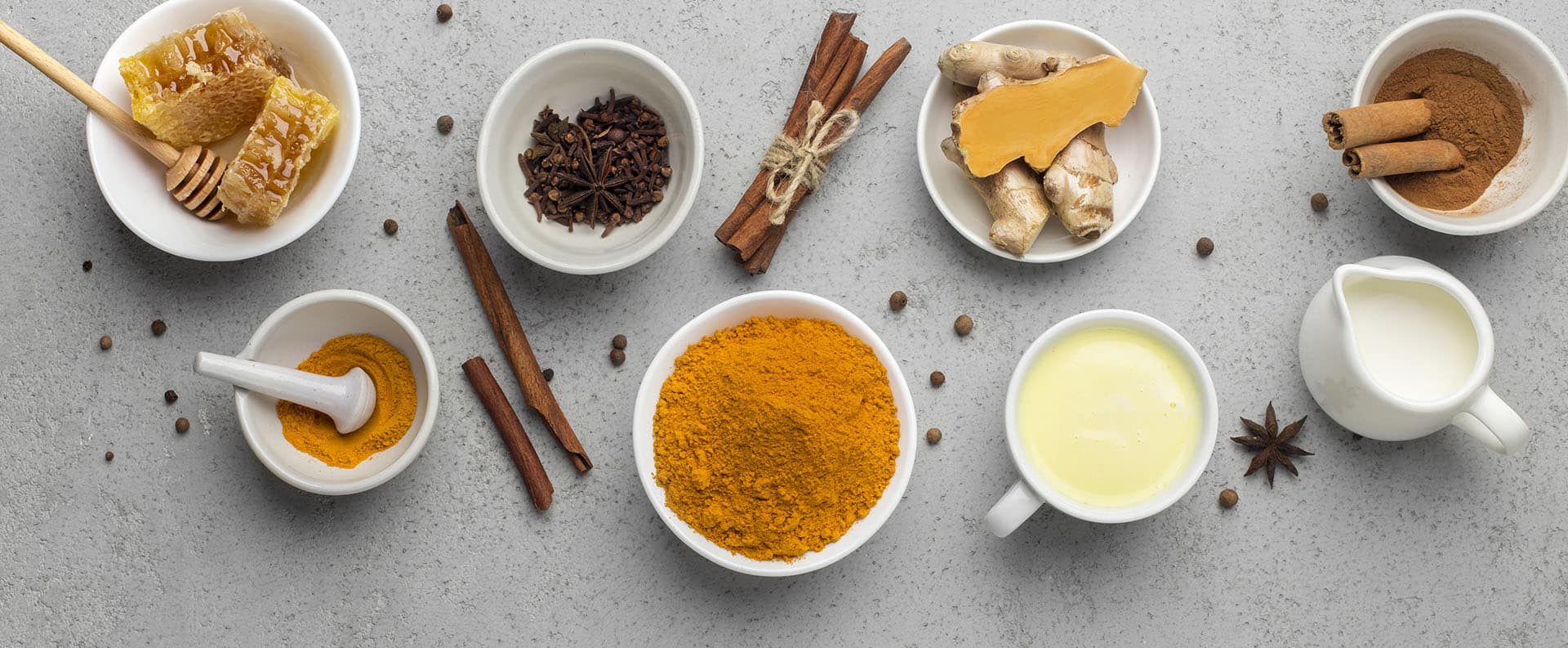
The spice rack in your kitchen holds more history than you might expect. For most of human civilization, there was no clear line between the spice cabinet and the medicine chest. The herbs and spices used to season food were the same ones trusted to support health, ease digestion, and treat common ailments. Healers in ancient Egypt, Ayurvedic physicians in India, and herbalists across medieval Europe all drew from the same set of aromatic plants.
Today, modern research is beginning to explain what traditional healers observed through centuries of practice. According to a 2021 review published in the journal Foods, more than 180 biologically active compounds have been identified across commonly used culinary spices, with documented antioxidant, anti-inflammatory, and antimicrobial properties in laboratory and clinical settings. The science is still developing, but the underlying tradition is ancient and remarkably consistent across cultures.
This guide walks through the most significant medicinal plants that also happen to be everyday kitchen spices, covering their traditional uses, what contemporary research says about them, and how to bring them into your cooking in ways that let you enjoy both the flavor and the history.
What Are Medicinal Plants?
Medicinal plants are any plants that have been used historically or scientifically studied for their potential to support health and treat illness. This category is broad. It includes rainforest botanicals used by indigenous healers, pharmaceutical compounds derived from plant extracts, and the ginger, turmeric, and garlic sitting in your spice drawer right now.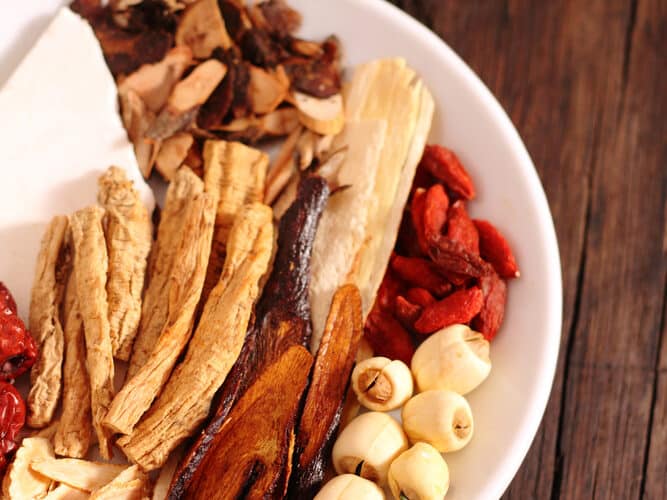
The overlap between medicinal plants and culinary spices is substantial. According to ethnobotanist Dr. Gary Nabhan’s research on traditional food systems, an estimated 80% of the world’s population still relies primarily on plant-based remedies for basic healthcare, most of which overlap directly with culinary traditions. Understanding this dual history changes how you think about cooking. Every time you add cinnamon to oatmeal or stir turmeric into a curry, you’re participating in a tradition that stretches back thousands of years.
Spice Station founder Peter Bahlawanian has long been interested in the holistic dimension of herbs and spices alongside their culinary applications. You’ll find that interest reflected in Spice Station’s broad selection, which includes dedicated wellness herbs like ashwagandha and marshmallow root alongside everyday cooking spices. You can browse the full herbs collection to see just how wide that range is.
Turmeric: The Golden Root with Ancient Roots
Turmeric is the most researched spice in the world for its health properties, and for good reason. The bright yellow rhizome has been used in Ayurvedic medicine for over 4,000 years, primarily as an anti-inflammatory and digestive aid. Its active compound, curcumin, has been the subject of more than 12,500 peer-reviewed studies as of 2024, according to the National Institutes of Health PubMed database.
Modern research confirms what Ayurvedic healers observed: curcumin has significant antioxidant activity and inhibits several molecular pathways associated with inflammation in laboratory studies. Clinical trials have explored its use in conditions ranging from osteoarthritis to metabolic disorders, though results remain preliminary and bioavailability remains a challenge without pairing it with piperine from black pepper.
How to Use Turmeric for Both Flavor and Wellness
In Indian cooking, turmeric is the backbone of most curry blends, used in quantities large enough to genuinely contribute its bioactive compounds alongside its flavor. Golden milk, the traditional Ayurvedic preparation of turmeric with warm milk and black pepper, has become one of the most popular wellness beverages in the West for good reason: the fat in the milk and the piperine in the pepper both increase curcumin absorption.
A simple approach: add half a teaspoon of ground turmeric and a pinch of black pepper to scrambled eggs, lentil dishes, or rice. The pairing with black pepper isn’t optional for wellness purposes; research from the journal Planta Medica shows piperine increases curcumin bioavailability by up to 2,000%. Spice Station carries turmeric sourced from its origin regions in India, where higher curcumin content is the standard. Learning about Indian spice traditions is a good starting point for understanding how turmeric fits into the broader Ayurvedic spice system.
Ginger: The Universal Digestive Plant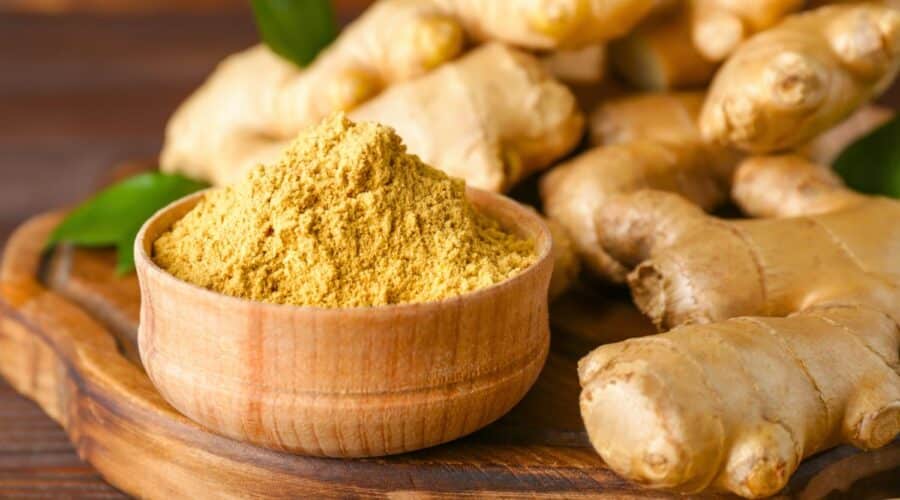
Ginger (Zingiber officinale) appears in the traditional medicine systems of more cultures than almost any other plant. Chinese medicine has used it for over 2,500 years. Ayurveda regards it as a core warming herb. Ancient Greek physicians prescribed it for digestion, and medieval European herbalists kept it in constant supply.
Contemporary research backs up the digestive tradition most clearly. A 2014 meta-analysis published in the British Journal of Anesthesia found that ginger was significantly more effective than placebo at reducing postoperative nausea and vomiting. A review in the Journal of Gastrointestinal Motility found that ginger accelerates gastric emptying, which explains its traditional use for bloating and sluggish digestion.
Fresh vs. Ground: Which Form Works Best?
Fresh ginger and dried ground ginger have different chemical profiles. Fresh ginger is higher in gingerols, the compounds most associated with digestive effects. Ground ginger is higher in shogaols, which form when gingerols dry and concentrate, and which have stronger antioxidant activity. Both forms have their place.
For digestive support, a simple ginger tea made by simmering a few slices of fresh root in water for ten minutes has been used across Asia and South Asia for centuries. For baking, ground ginger provides a more consistent, concentrated warmth. Ginger pairs beautifully with turmeric, cinnamon, and cardamom in both culinary and wellness applications. Spice Station’s guide to spices for sweets explores how ginger works in baked goods alongside these complementary aromatics.
Cinnamon: Warmth with a Wellness History
Cinnamon was one of the most prized spices in the ancient world, valuable enough to be offered as tribute to kings and gods. Its traditional medicinal uses are extensive across Chinese, Ayurvedic, and Middle Eastern medicine, where it was used primarily as a warming digestive herb and antimicrobial agent.
Modern research has focused particularly on cinnamon’s effects on blood sugar regulation. A 2003 study published in Diabetes Care found that daily cinnamon consumption was associated with reduced fasting blood glucose in people with type 2 diabetes. Subsequent research has produced mixed results, but a 2019 systematic review in Pharmacological Research found a consistent, modest blood-glucose-lowering effect across multiple trials.
Ceylon vs. Cassia: The Type Matters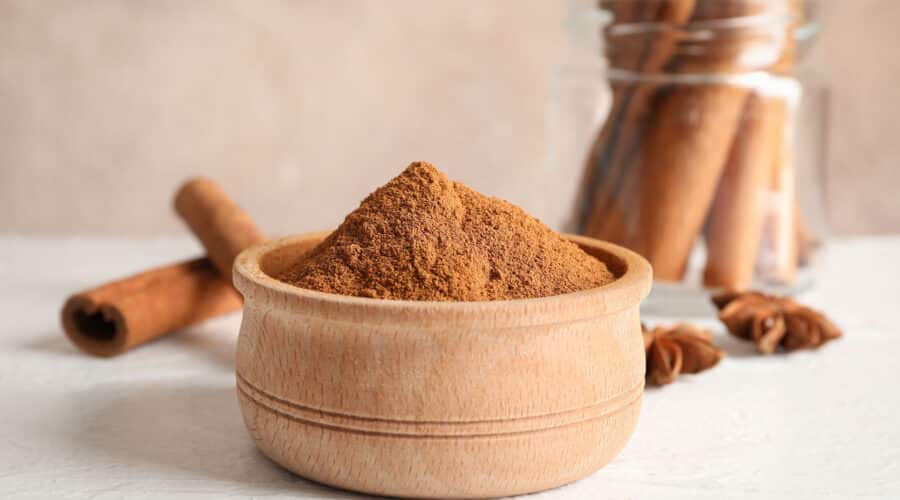
There are two main types of cinnamon: Ceylon (true cinnamon, Cinnamomum verum) and cassia (Cinnamomum cassia), which is what most supermarket cinnamon actually is. For culinary use, both are fine. For wellness purposes, Ceylon cinnamon is generally considered preferable because it contains significantly lower levels of coumarin, a naturally occurring compound that can affect liver function in large quantities. Cassia contains up to 63 times more coumarin than Ceylon cinnamon, according to research from the German Federal Institute for Risk Assessment.
If you’re using cinnamon regularly for its wellness properties, choosing Ceylon matters. It has a milder, more delicate flavor than cassia and is worth seeking out from a quality source. Understanding the difference between true cinnamon and the commodity product is exactly the kind of knowledge that makes sourcing from a specialist worthwhile.
Garlic: History’s Most Documented Medicinal Spice
Garlic has more documented medicinal use across more cultures and more centuries than any other culinary plant. The Ebers Papyrus, one of the oldest known medical texts dating to around 1550 BCE in ancient Egypt, lists garlic in 22 separate remedies. Ancient Greek athletes ate it before competition. Hippocrates recommended it for respiratory conditions. It appears in the traditional medicine of China, India, Rome, and medieval Europe with remarkable consistency.
Contemporary research confirms significant antimicrobial, cardiovascular, and antioxidant activity. A 2016 meta-analysis in the Journal of Nutrition found that garlic supplementation reduced total cholesterol and LDL cholesterol in people with elevated levels. Allicin, the sulfur compound responsible for garlic’s distinctive smell and many of its health properties, forms only when the clove is crushed or chopped and allowed to rest for a few minutes before cooking.
Getting the Most From Garlic in Cooking
For maximum allicin production, crush or mince garlic and let it sit for 5 to 10 minutes before adding heat. Brief exposure to high heat destroys some allicin, so finishing dishes with raw or lightly cooked garlic preserves more of the active compounds. Garlic powder and granules, while excellent for flavor, have a different chemical profile from fresh since allicin doesn’t survive the drying process fully intact. Both still contain other beneficial sulfur compounds, just in different concentrations.
Black Pepper: The Spice That Activates Everything Else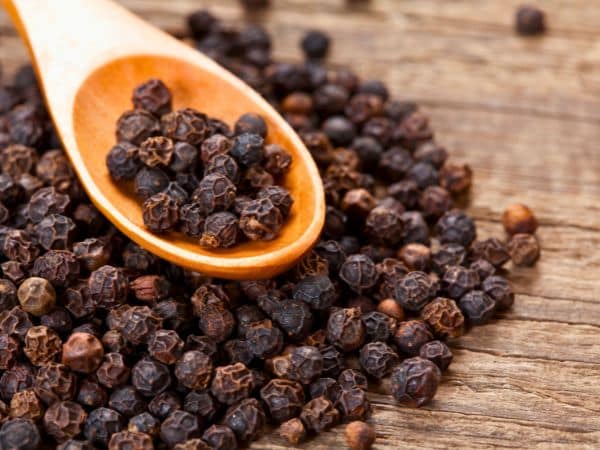
Black pepper is the most traded spice in the world, and it has been used medicinally across Asia for over 2,000 years. In Ayurvedic practice, black pepper is valued specifically as a carrier compound, something that enhances the absorption and effectiveness of other botanical medicines. Modern biochemistry has validated this: piperine, the compound that gives black pepper its heat, inhibits certain liver enzymes that would otherwise break down other plant compounds before they reach the bloodstream.
Beyond its role as a bioavailability enhancer, piperine has demonstrated antioxidant and anti-inflammatory properties in laboratory studies. According to research published in Critical Reviews in Food Science and Nutrition, piperine also enhances the absorption of selenium, beta-carotene, and B vitamins from food.
The practical takeaway: black pepper is worth using generously, and not just for flavor. Freshly ground whole peppercorns deliver significantly more piperine than pre-ground pepper that has been sitting in a jar for months. Spice Station carries multiple origin-specific peppercorns, including Tellicherry black peppercorn from India’s Malabar coast, which is consistently rated among the highest quality peppercorns in the world for both flavor and active compound content. For tips on keeping your peppercorns and other spices at peak potency, proper storage is the single most important factor.
Cardamom: The Queen of Spices
Cardamom has been called the “queen of spices” in India, where it has been cultivated for over 3,000 years. In Ayurvedic medicine, it’s primarily a digestive herb, used to ease gas, bloating, and sluggish digestion. Traditional Chinese medicine uses it similarly. Medieval Arab physicians considered it a warming herb for the stomach and prescribed it for bad breath, an application that actually has modern support: cardamom’s volatile oils are genuinely antimicrobial against several oral bacteria.
Contemporary research has explored cardamom’s effects on blood pressure. A 2009 study published in the Indian Journal of Biochemistry and Biophysics found that participants who consumed three grams of cardamom powder daily for twelve weeks showed significant reductions in blood pressure. More research is needed, but the traditional use as a cardiovascular tonic may have a biochemical basis.
Green cardamom, which is the variety used in most Indian cooking and the one available at Spice Station, has the richest concentration of the relevant aromatic compounds. Whole pods preserve the volatile oils far better than pre-ground powder. Cardamom features prominently in dessert applications as well, where its floral character pairs with cinnamon and ginger in baked goods.
Clove: Centuries of Antimicrobial Use
Cloves are the dried flower buds of Syzygium aromaticum, a tree native to Indonesia’s Maluku Islands. Clove oil has been used as a topical antimicrobial and analgesic for centuries, most famously as a dental remedy for toothache. The active compound, eugenol, is still an ingredient in some dental preparations today.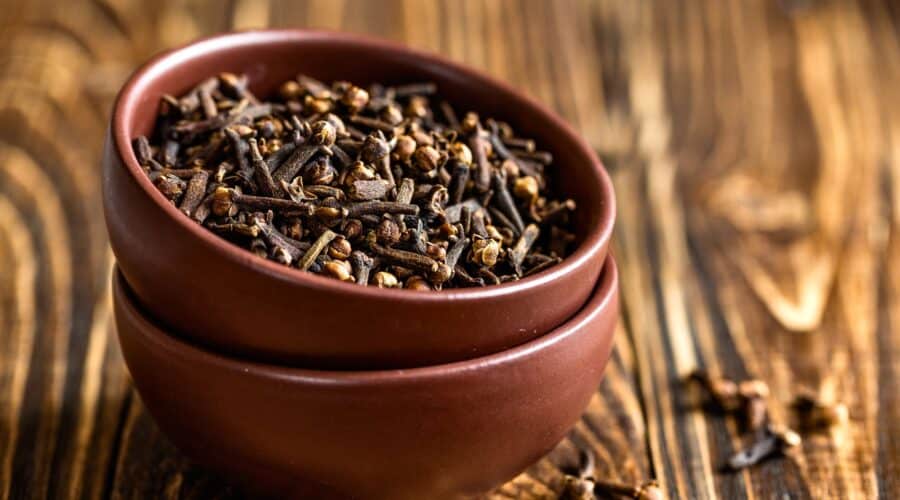
Eugenol has among the highest antioxidant activity of any compound found in common culinary spices. According to data from the USDA Oxygen Radical Absorbance Capacity database, ground cloves have one of the highest measured antioxidant values of any food tested. Beyond antioxidant activity, laboratory research has found eugenol to have antimicrobial properties against a range of bacteria and fungi, which aligns with its traditional use as a food preservative in hot climates where spoilage was a constant challenge.
In cooking, cloves should be used sparingly given their intensity. They anchor winter spice blends and work beautifully in both sweet and savory applications, from holiday baked goods to braised meats and rice dishes. All About Spice Rubs covers how cloves fit into complex spice rub blends where their preservative properties do double duty.
Ashwagandha: The Adaptogen in Your Pantry
Ashwagandha (Withania somnifera) sits at the intersection of traditional medicine and modern interest in adaptogens, plants that are believed to help the body manage stress. In Ayurvedic medicine, it’s classified as a rasayana, a rejuvenating herb, and has been used for over 3,000 years to support energy, endurance, and resilience.
Clinical research on ashwagandha has produced some of the most promising results for any traditional botanical. A 2012 study in the Indian Journal of Psychological Medicine found that participants who took ashwagandha root extract reported significantly lower stress and anxiety scores than the placebo group, with corresponding reductions in cortisol levels. A 2019 study in Medicine found improvements in sleep quality, and several trials have found positive effects on physical performance and recovery.
Unlike most spices on this list, ashwagandha isn’t typically used as a culinary seasoning in Western cooking. It has a slightly bitter, earthy flavor and is most commonly consumed as a powder blended into warm milk, smoothies, or teas. Spice Station carries ashwagandha root in its herbs section, sourced from India where the plant has been cultivated for millennia. It’s one of several botanical wellness herbs Spice Station offers beyond the traditional culinary spice lineup.
Fennel: Digestive Support from the Mediterranean
Fennel (Foeniculum vulgare) has been a digestive remedy in Mediterranean and Middle Eastern cultures for at least 2,000 years. The Romans gave it to soldiers for digestion and strength. Indian restaurants often provide fennel seeds after meals as a digestive and breath freshener, a tradition that is backed up by modern understanding of fennel’s carminative properties.
The volatile oils in fennel seeds, particularly anethole and fenchone, relax the smooth muscle of the gastrointestinal tract, reducing cramping and helping move gas through the digestive system. A 2016 review in the Journal of Ethnopharmacology found consistent evidence for fennel’s traditional use as an antispasmodic and digestive support herb.
Fennel seed pairs well with coriander in Mediterranean-style spice blends, as well as with anise and star anise in braises, sausage seasonings, and tea blends. Fennel also goes beautifully with fish.
Thyme and Rosemary: Kitchen Herbs with Serious Credentials
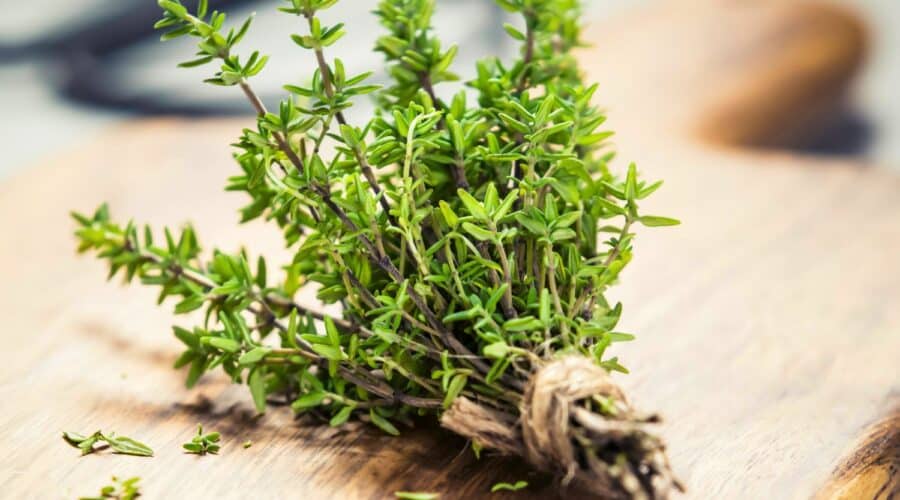
These two herbs are so common in Western cooking that their medicinal history is easy to overlook. Thyme has been used as an antimicrobial herb since ancient Greece, and thymol, its primary active compound, is still used in commercial antiseptic preparations today. A 2011 study in Arzneimittelforschung found that a thyme and ivy combination product was as effective as a synthetic expectorant for treating acute bronchitis.
Rosemary’s medicinal reputation centers on its antioxidant and cognitive properties. Carnosic acid and rosmarinic acid, two of its main compounds, have among the highest antioxidant activity of any plant compounds. Traditional use as a memory herb has led to clinical investigation; a 2016 study published in Therapeutic Advances in Psychopharmacology found that simply inhaling rosemary essential oil was associated with improved speed and accuracy in cognitive tests.
Both herbs are at their most aromatic when fresh, but dried versions retain meaningful levels of active compounds if stored properly. They work particularly well in plant-forward cooking where bold seasoning does the heavy lifting in flavor-building.
Marshmallow Root: The Soothing Botanical
Marshmallow root (Althaea officinalis) is one of the oldest recorded medicinal plants, with use documented in ancient Syrian and Egyptian texts going back more than 3,000 years. Its high mucilage content, the gel-like compound that forms when the root is steeped in water, has been used to soothe irritated mucous membranes throughout the digestive and respiratory system.
Traditional use as a throat-soothing and digestive-calming herb has reasonable biological plausibility given its mucilage content. It’s also one of the plants that gave the modern marshmallow candy its name, since confectioners once used the root’s gel as a base for the sweet. Today, marshmallow root is used primarily as a tea or supplement, and you’ll find it in Spice Station’s marshmallow root product page as part of the broader botanical herbs selection.
Building a Wellness-Oriented Spice Cabinet
You don’t need to choose between flavor and tradition. Most of the medicinal plants covered here are also outstanding culinary spices. Cooking with turmeric, ginger, garlic, cinnamon, and black pepper daily means you’re consistently incorporating some of the most studied botanical compounds in the world, alongside genuinely delicious food.
A few practical principles:
Freshness matters more here than in purely flavor-focused cooking. Active compounds degrade faster than flavor compounds. A jar of turmeric that’s been open for two years has likely lost much of its curcumin content even if it still colors a dish yellow. Buy smaller quantities more frequently, and store them properly to protect both flavor and active compounds.
Whole spices typically preserve active compounds better than pre-ground. Grinding whole cinnamon, cardamom, and pepper fresh releases volatile oils at the moment of use rather than weeks before.
Combination and context matter. The Ayurvedic practice of combining turmeric with black pepper and fat isn’t arbitrary. It reflects centuries of observation that certain spice combinations work better together than alone, something modern biochemistry has validated.
Spice Station’s collection includes not just culinary spices but dedicated wellness herbs like ashwagandha root, St. John’s Wort, calendula petals, and marshmallow root. If you want to explore the full range of wellness botanicals available, the herbs section is the best place to start. And if you’re curious about unusual and lesser-known botanicals that cross the boundary between culinary and medicinal use, Spice Station’s guide to unusual spices covers several that belong in both categories.
For those interested in Peter Bahlawanian’s ongoing philosophy around spice exploration and the holistic dimension of his sourcing work, the About Us page explains how his interest in the health benefits of herbs and spices has shaped the direction of Spice Station’s inventory over time. The full online shop is the best place to explore everything available, from familiar culinary staples to the more specialized wellness herbs.
Frequently Asked Questions About Medicinal Plants and Spices
Which culinary spice has the most scientific evidence for health benefits?
Turmeric has the most extensive research base of any culinary spice, with more than 12,500 peer-reviewed studies on its active compound curcumin as of 2024. Ginger, garlic, cinnamon, and black pepper also have significant bodies of clinical research supporting traditional uses. That said, most research is at an early stage, and anyone using spices therapeutically should consult a healthcare professional.
Is there a difference between medicinal herbs and culinary spices?
The categories overlap significantly. Most culinary spices are derived from plants with long medicinal traditions. The practical difference is typically a matter of concentration and dosage: therapeutic herbal preparations use higher concentrations of plant material than typical culinary use. Cooking with these spices regularly provides meaningful but generally modest exposure to their active compounds.
Can I get therapeutic benefits from simply cooking with these spices?
Regular culinary use of spices like turmeric, ginger, and garlic contributes meaningful quantities of bioactive compounds to your diet, especially compared to a diet without them. Dedicated therapeutic preparations typically deliver higher doses. Cooking is the most enjoyable and sustainable way to consume these plants daily, which matters for consistency.
What is an adaptogen, and which spices qualify?
Adaptogens are a class of plants traditionally used to help the body resist physical and mental stress. Ashwagandha is the most clinically studied adaptogen in the Ayurvedic tradition. Other botanicals with adaptogenic properties that Spice Station carries include tulsi (holy basil) and certain mushrooms used in traditional Chinese medicine. The category is not a formal medical classification but reflects a consistent pattern of traditional use across multiple healing systems.
Is it safe to consume large amounts of these spices daily?
Most culinary spices are safe in food amounts, but concentrated supplemental doses of some can cause side effects or interact with medications. Cassia cinnamon in large amounts can be problematic due to coumarin content. Garlic in large amounts can affect blood clotting. Black pepper in very high doses can irritate the stomach lining. As always, consult a healthcare professional if you have existing health conditions or take medications.
Which spices are best for digestive health?
Ginger, fennel, cardamom, and coriander are consistently identified across Ayurvedic, Chinese, and Mediterranean herbal traditions as the most effective digestive spices. Garlic and thyme have documented antimicrobial properties relevant to gut health. Adding these to regular cooking is one of the most straightforward applications of traditional botanical wisdom.
Where can I find wellness herbs beyond typical cooking spices?
Spice Station carries a range of wellness-focused botanicals beyond everyday culinary spices, including ashwagandha root, marshmallow root, calendula petals, and St. John’s Wort. The herbs category on the Spice Station website is the most complete place to explore what’s available.
The line between the spice cabinet and the medicine chest has always been thinner than we tend to assume. The same plants that make food more flavorful, aromatic, and complex are often the ones with the most compelling wellness histories. Whether you approach that through the lens of culinary tradition, curiosity about Ayurvedic or Chinese medicine, or simply an interest in cooking with more intention, the spice rack is a remarkably good place to start.