True Cinnamon: The Complete Guide to Ceylon Cinnamon and Why It Matters
Spread the love
Learn the real difference between true Ceylon cinnamon and cassia, including flavor, coumarin content, how to identify genuine Ceylon, and how to cook with it for best results.
Most people have been cooking with the wrong cinnamon their whole lives, and they don’t know it.
The cinnamon on the average American grocery store shelf is not true cinnamon. It’s cassia, a related but distinct bark that tastes sharper, burns hotter, and contains compounds that can be genuinely problematic in large amounts. True cinnamon, known as Ceylon cinnamon after its origin in Sri Lanka, is something different entirely: sweeter, more delicate, layered with floral and citrus notes, and with a mellow warmth that lingers without any bite.
This isn’t a minor distinction. According to the Food and Agriculture Organization of the United Nations, Ceylon cinnamon (Cinnamomum verum) and cassia cinnamon (Cinnamomum cassia) are botanically separate species with meaningfully different chemical profiles. The European Food Safety Authority has issued guidance on cassia’s coumarin content, a naturally occurring compound that in significant quantities raises liver safety concerns. Ceylon cinnamon contains only trace levels of coumarin by comparison.
Understanding the difference changes how you shop, how you cook, and what you’re actually tasting. This guide covers everything: what true cinnamon is, where it comes from, how it differs from cassia, how to cook with it well, and why sourcing matters more with this spice than almost any other in your cabinet.
What Is True Cinnamon?
True cinnamon is the dried inner bark of Cinnamomum verum, a tree native to Sri Lanka, historically called Ceylon. It is also grown in parts of southern India, Madagascar, the Seychelles, and the Caribbean, though Sri Lankan Ceylon cinnamon is considered the gold standard. The bark is harvested by hand: skilled workers cut the outer bark away, then carefully peel and roll the thin inner bark into the characteristic tight quills, or “sticks,” that are then dried.
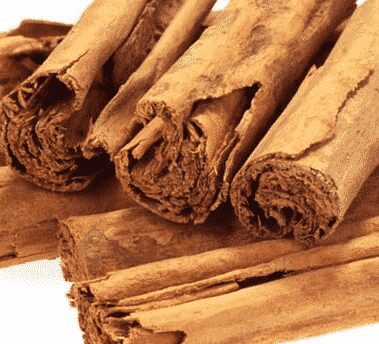
The result is a multi-layered quill made of many thin sheets of bark, noticeably different in appearance from the thick, single-layered rolls of cassia sold in most supermarkets. Ceylon cinnamon quills are tan to light brown, soft enough to grind easily in a spice grinder, and highly fragrant with a complex, almost tea-like aroma. They splinter rather than snap.
According to a 2020 study published in the Journal of Agricultural and Food Chemistry, Ceylon cinnamon contains significantly higher concentrations of volatile aromatic compounds responsible for its complex flavor, particularly eugenol and linalool, which are the same compounds found in clove and lavender respectively. This chemistry explains why true cinnamon tastes so different from cassia: it’s genuinely more complex at the molecular level.
Ceylon Cinnamon vs. Cassia: The Full Breakdown
This is the most important comparison to understand, so it deserves thorough treatment.
Botanical Origin
Ceylon cinnamon comes from Cinnamomum verum, grown primarily in Sri Lanka. Cassia is a group of related species: Chinese cassia (Cinnamomum cassia), Vietnamese/Saigon cassia (Cinnamomum loureiroi), and Indonesian cassia (Cinnamomum burmannii) are the most common types sold in the United States. All three are significantly sharper and spicier than Ceylon.
Vietnamese (Saigon) cassia is the most pungent and has the highest cinnamon oil content of any variety, which is why it’s prized for cinnamon rolls and other applications where bold, immediate cinnamon flavor is the point. Chinese cassia is milder than Vietnamese but still dramatically stronger than Ceylon. Indonesian cassia is the mildest of the cassia group and is often what ends up in the cheapest supermarket ground cinnamon.
Flavor and Aroma
Ceylon (True Cinnamon)
Vietnamese Cassia
Chinese Cassia
Heat level
Mild, mellow
Bold, spicy
Moderate
Sweetness
High, complex
Moderate
Moderate
Aroma
Floral, citrusy, tea-like
Intensely spicy
Warm, woody
Finish
Clean, lingering
Sharp, slightly bitter
Warm
Best use
Delicate desserts, beverages, finishing
Baked goods, oatmeal
All-purpose cooking
The Coumarin Difference
Coumarin is a naturally occurring aromatic compound found in many plants. In high concentrations, it has demonstrated hepatotoxic (liver-damaging) effects in animal studies. The German Federal Institute for Risk Assessment (BfR) published findings showing that cassia cinnamon contains between 1 and 12 milligrams of coumarin per gram, while Ceylon cinnamon contains only 0.017 milligrams per gram. That’s a difference of up to 700 times.
The European Food Safety Authority (EFSA) set a tolerable daily intake of 0.1 mg of coumarin per kilogram of body weight. For a 150-pound adult, that translates to roughly 6.8 mg per day. A single teaspoon of cassia cinnamon can contain 5 to 12 mg of coumarin. For someone using cinnamon daily for blood sugar regulation, wellness purposes, or simply heavy baking, Ceylon cinnamon is the meaningful choice.
This isn’t reason for alarm about occasional cassia use in normal cooking. But if you’re using cinnamon regularly in large amounts, knowing the difference matters. It’s also why spices used for wellness purposes deserve more sourcing attention than those used purely for occasional flavor.
Visual Identification
You can identify Ceylon cinnamon in stick form by its quill structure: multiple thin layers of bark rolled together into a softer, more brittle stick with a tan-brown color. Cassia sticks are darker, thicker, harder, and typically single-layered, curling inward from both sides. Ground cinnamon cannot be visually distinguished once processed, which is exactly why buying from a named-origin source matters.
The History of True Cinnamon
Ceylon cinnamon has one of the most storied histories of any spice in the world. Ancient Egyptian records dating to approximately 2000 BCE document its use in religious ceremonies and embalming. It appears in the Hebrew Bible, in ancient Chinese texts, and in the records of Arab traders who controlled the cinnamon trade routes for centuries before European powers arrived.
When Portuguese sailors reached Sri Lanka in 1505, they found the island producing most of the world’s true cinnamon, and they established a trading monopoly that made Ceylon cinnamon one of the most valuable commodities on earth. The Dutch eventually took control of the trade in 1658, followed by the British in 1796. The value of cinnamon drove colonial conquest in ways that shaped modern geopolitics.
Throughout this period, cinnamon and cassia were often traded together under the same name. The confusion between the two species is centuries old and has been economically convenient for spice traders, since cassia is significantly cheaper to produce. What you buy as “cinnamon” today depends almost entirely on your source.
Sri Lanka produces approximately 90% of the world’s true Ceylon cinnamon, according to the Sri Lanka Export Development Board. A small amount comes from Madagascar and the Seychelles, but Sri Lankan Ceylon is the benchmark against which all other cinnamon is measured.
What Does True Cinnamon Taste Like?
Ceylon cinnamon tastes sweeter, more delicate, and more complex than cassia. The heat is minimal; it warms the palate gently rather than building to any sharpness. The aroma carries distinct floral notes alongside the familiar cinnamon warmth, and there’s a citrusy, almost bergamot-like quality that runs through both the smell and taste.
In direct comparison, most people who taste Ceylon cinnamon for the first time describe it as “softer” or “cleaner” than what they expected. If you’ve only ever used supermarket cassia, the difference is somewhat like comparing fresh-ground nutmeg to the pre-ground version that’s been sitting in a jar: categorically better in a way that’s hard to describe without experiencing it.
This delicacy means true cinnamon performs differently in cooking. It shines in applications where its subtlety can be appreciated: custards, rice puddings, delicate pastries, beverages, and finishing applications. In high-heat, bold-flavored applications like cinnamon rolls where you want an aggressive punch, Vietnamese cassia still has its place. Both types deserve a spot in a well-stocked spice cabinet, but for distinct purposes. Knowing what each spice does in your cooking is the foundation of using them well.
How to Cook with Ceylon Cinnamon
Sweet Applications
Ceylon cinnamon is at its best in desserts where texture and delicacy matter. Rice puddings, panna cotta, crème brûlée, and custards benefit from its floral warmth without the sharp edge that cassia brings. Stirred into hot beverages, it dissolves beautifully from a stick simmered in milk or water, infusing a gentleness that makes chai and golden milk more nuanced.
For baking, Ceylon cinnamon works best in recipes where cinnamon is a background note rather than the dominant flavor: spiced shortbreads, cardamom and cinnamon cookies, financiers, and cake layers where you want warm spice without aggression. How warm spices like cinnamon layer in desserts is worth understanding before you substitute Ceylon for cassia, since you may want to increase the quantity slightly to account for the milder intensity.
Savory Applications
True cinnamon has a broader savory history than most Western cooks realize. In Moroccan tagines, Persian rice dishes, and Indian biryanis, cinnamon plays a crucial aromatic role in spice blends where its sweetness balances the heat of chiles and the earthiness of cumin and coriander. The floral quality of Ceylon cinnamon makes it particularly well-suited to these applications compared to sharper cassia.
In Moroccan cooking, cinnamon is a key component of ras el hanout, the complex spice blend used in tagines and couscous. In Persian cooking, it appears in the spice mix for rice dishes alongside cardamom and dried fruit. The broader world of global spice blends consistently features cinnamon as an anchor spice in warm, aromatic mixtures, and Ceylon delivers a more integrated result in those contexts.
Cinnamon also pairs beautifully with lamb, chicken, and root vegetables when used in a dry rub or marinade alongside cumin, coriander, and black pepper. Adding cinnamon to grilled meats and vegetables is a Middle Eastern tradition that translates surprisingly well to backyard cooking.
Beverages
Ceylon cinnamon is the best cinnamon for beverages, full stop. A single stick simmered in oat milk for ten minutes creates a gently spiced base for golden milk or chai that cassia can’t match for refinement. Mulled cider and wine benefit from its delicacy. Cold brew with a Ceylon cinnamon stick steeped overnight has a floral warmth that elevates the coffee without overwhelming it.
The stick form is particularly valuable for beverages because it infuses flavor slowly and cleanly, without the gritty texture that ground cinnamon can leave.
Whole vs. Ground Ceylon Cinnamon
Both forms have their place, but the choice matters more with Ceylon than with most spices.
Whole sticks are ideal for infusing into liquids: hot beverages, braises, rice, sauces, and poaching liquids. Ceylon cinnamon sticks are soft enough to grind in a standard spice grinder or even a good coffee grinder, which is a real advantage over cassia sticks that can damage blades. Grinding your own from whole sticks gives you the freshest possible flavor.
Ground Ceylon cinnamon is convenient for baking and dry rubs. Because the volatile oils that carry Ceylon’s distinctive floral character degrade relatively quickly once ground, buying from a source with good turnover and storing properly makes a significant difference in quality. Ground cinnamon stored in a warm kitchen drawer for two years has lost most of what made it worth buying in the first place.
For the best results: buy whole Ceylon cinnamon sticks, grind small amounts as needed for baking, and use the whole sticks for beverages and slow-cooked dishes. Proper spice storage extends shelf life significantly for both forms, but whole spices consistently outlast pre-ground.
Ceylon Cinnamon and Wellness
Ceylon cinnamon has attracted significant research interest for its potential effects on blood glucose regulation. A 2019 systematic review in Pharmacological Research found consistent, modest blood-sugar-lowering effects across multiple clinical trials. Because most of this research has been conducted with cassia rather than Ceylon, and because coumarin in large amounts creates liver concerns with cassia, Ceylon cinnamon is generally considered the more appropriate choice for anyone using cinnamon regularly for wellness purposes.
The distinction matters: regular daily use of cassia at therapeutic amounts (1 to 6 grams per day, as used in several studies) can approach coumarin levels that German food safety authorities have flagged as potentially problematic for sensitive individuals. Ceylon cinnamon at the same amounts contains negligible coumarin.
Beyond blood sugar, cinnamon has demonstrated antioxidant activity in laboratory studies, with ground cinnamon showing high ORAC (Oxygen Radical Absorbance Capacity) values. It also has documented antimicrobial properties, which is consistent with its historical use as a food preservative in hot climates.
As always with spice wellness applications: these are culinary-level exposures in the context of food, not pharmaceutical doses, and anyone using cinnamon therapeutically should consult a healthcare professional. The traditional medicinal use of culinary spices is a rich tradition worth understanding alongside the modern research.
Buying and Sourcing True Cinnamon
The most important thing to know when buying cinnamon is this: if a label just says “cinnamon” without specifying Ceylon or the origin country, assume it’s cassia. U.S. labeling requirements don’t mandate distinguishing between the two species.
What to look for:
Labels that specifically state “Ceylon cinnamon,” “true cinnamon,” or “Sri Lanka origin”
For sticks: tan-brown color, multi-layered quill structure, soft enough to dent with a fingernail
For ground: a lighter, more sand-colored powder rather than the red-brown of typical cassia ground cinnamon
Aroma: floral and sweet rather than sharp and spicy
The price difference is real. Ceylon cinnamon costs more than cassia because it’s more labor-intensive to harvest and produces a more delicate product that requires careful handling. Buying quality spices from a named-origin source is the most reliable approach for something like this where mislabeling is genuinely common.
Spice Station sources Ceylon cinnamon with origin specificity, giving you confidence that what you’re buying is what the label says. You can find it in the spices section of the shop, where the product descriptions specify origin and form.
Frequently Asked Questions About True Cinnamon
What is the difference between Ceylon and cassia cinnamon?
Ceylon cinnamon (Cinnamomum verum) is true cinnamon from Sri Lanka, with a delicate, sweet, floral flavor and very low coumarin content. Cassia refers to several related species (Chinese, Vietnamese, and Indonesian) that are sharper, spicier, and contain significantly more coumarin. Most supermarket cinnamon is cassia. Ceylon cinnamon costs more and requires named-origin sourcing to ensure you’re getting the real thing.
Is Ceylon cinnamon better than regular cinnamon?
For regular culinary use, Ceylon cinnamon is more complex and refined, with a flavor that performs particularly well in delicate desserts, beverages, and savory spice blends. For bold baking applications like cinnamon rolls where an assertive punch is the goal, Vietnamese cassia has its own merits. For wellness use where large amounts are consumed regularly, Ceylon is preferable due to its dramatically lower coumarin content.
Can I substitute Ceylon cinnamon for regular cinnamon in recipes?
Yes, with one adjustment: because Ceylon cinnamon is milder than cassia, you may want to increase the quantity by roughly 25 to 50% to achieve comparable intensity in recipes originally developed with cassia. In recipes where cinnamon is a background note, this adjustment may not be necessary. In recipes like cinnamon rolls where cinnamon is the star, you’ll notice the character difference regardless of quantity.
How do I identify real Ceylon cinnamon?
In stick form: look for multiple thin layers of bark rolled together into a soft, tan-brown quill that can be scratched with a fingernail. Cassia sticks are harder, darker, thicker, and typically curl inward from both sides. In ground form, Ceylon is lighter in color than typical cassia. The most reliable approach is buying from a named-origin retailer that specifies Ceylon or Sri Lanka on the label.
How should I store Ceylon cinnamon?
Store whole Ceylon cinnamon sticks in an airtight container away from heat and light. Properly stored, sticks retain full flavor and aroma for 2 to 4 years. Ground Ceylon cinnamon has a shorter peak-quality window of 12 to 18 months because volatile aromatic compounds degrade faster after grinding. Buying whole sticks and grinding small amounts as needed is the best approach for maximum freshness. Spice Station’s freshness guide covers storage best practices for all spice forms.
Why does Ceylon cinnamon cost more than regular cinnamon?
Ceylon cinnamon is more expensive because it requires significantly more skilled hand labor to harvest. The thin inner bark must be carefully peeled and rolled by experienced workers, a process that can’t be easily mechanized without damaging the delicate layers. Cassia bark is thicker, easier to harvest, and grows faster. The quality difference is real, and the price reflects it.
Is Ceylon cinnamon safe for daily use?
Ceylon cinnamon is generally considered safe at culinary and even supplemental amounts due to its negligible coumarin content, in contrast to cassia. However, as with any spice or supplement, consult a healthcare professional if you plan to use large amounts regularly for health purposes, particularly if you take medications that affect blood sugar or have liver conditions.
True cinnamon is one of those spices where the investment in sourcing pays off in two ways at once: better flavor and greater peace of mind about what you’re actually consuming. Once you’ve cooked with genuine Ceylon cinnamon, the difference is clear enough that going back to generic supermarket cassia feels like a step backwards. Spice Station carries Ceylon cinnamon sourced to its Sri Lanka origin in both stick and ground form, available through the full online shop.
Most people have been cooking with the wrong cinnamon their whole lives, and they don’t know it.
The cinnamon on the average American grocery store shelf is not true cinnamon. It’s cassia, a related but distinct bark that tastes sharper, burns hotter, and contains compounds that can be genuinely problematic in large amounts. True cinnamon, known as Ceylon cinnamon after its origin in Sri Lanka, is something different entirely: sweeter, more delicate, layered with floral and citrus notes, and with a mellow warmth that lingers without any bite.
This isn’t a minor distinction. According to the Food and Agriculture Organization of the United Nations, Ceylon cinnamon (Cinnamomum verum) and cassia cinnamon (Cinnamomum cassia) are botanically separate species with meaningfully different chemical profiles. The European Food Safety Authority has issued guidance on cassia’s coumarin content, a naturally occurring compound that in significant quantities raises liver safety concerns. Ceylon cinnamon contains only trace levels of coumarin by comparison.
Understanding the difference changes how you shop, how you cook, and what you’re actually tasting. This guide covers everything: what true cinnamon is, where it comes from, how it differs from cassia, how to cook with it well, and why sourcing matters more with this spice than almost any other in your cabinet.
What Is True Cinnamon?
True cinnamon is the dried inner bark of Cinnamomum verum, a tree native to Sri Lanka, historically called Ceylon. It is also grown in parts of southern India, Madagascar, the Seychelles, and the Caribbean, though Sri Lankan Ceylon cinnamon is considered the gold standard. The bark is harvested by hand: skilled workers cut the outer bark away, then carefully peel and roll the thin inner bark into the characteristic tight quills, or “sticks,” that are then dried.
The result is a multi-layered quill made of many thin sheets of bark, noticeably different in appearance from the thick, single-layered rolls of cassia sold in most supermarkets. Ceylon cinnamon quills are tan to light brown, soft enough to grind easily in a spice grinder, and highly fragrant with a complex, almost tea-like aroma. They splinter rather than snap.
According to a 2020 study published in the Journal of Agricultural and Food Chemistry, Ceylon cinnamon contains significantly higher concentrations of volatile aromatic compounds responsible for its complex flavor, particularly eugenol and linalool, which are the same compounds found in clove and lavender respectively. This chemistry explains why true cinnamon tastes so different from cassia: it’s genuinely more complex at the molecular level.
Ceylon Cinnamon vs. Cassia: The Full Breakdown
This is the most important comparison to understand, so it deserves thorough treatment.
Botanical Origin
Ceylon cinnamon comes from Cinnamomum verum, grown primarily in Sri Lanka. Cassia is a group of related species: Chinese cassia (Cinnamomum cassia), Vietnamese/Saigon cassia (Cinnamomum loureiroi), and Indonesian cassia (Cinnamomum burmannii) are the most common types sold in the United States. All three are significantly sharper and spicier than Ceylon.
Vietnamese (Saigon) cassia is the most pungent and has the highest cinnamon oil content of any variety, which is why it’s prized for cinnamon rolls and other applications where bold, immediate cinnamon flavor is the point. Chinese cassia is milder than Vietnamese but still dramatically stronger than Ceylon. Indonesian cassia is the mildest of the cassia group and is often what ends up in the cheapest supermarket ground cinnamon.
Flavor and Aroma
Ceylon (True Cinnamon)
Vietnamese Cassia
Chinese Cassia
Heat level
Mild, mellow
Bold, spicy
Moderate
Sweetness
High, complex
Moderate
Moderate
Aroma
Floral, citrusy, tea-like
Intensely spicy
Warm, woody
Finish
Clean, lingering
Sharp, slightly bitter
Warm
Best use
Delicate desserts, beverages, finishing
Baked goods, oatmeal
All-purpose cooking
The Coumarin Difference
Coumarin is a naturally occurring aromatic compound found in many plants. In high concentrations, it has demonstrated hepatotoxic (liver-damaging) effects in animal studies. The German Federal Institute for Risk Assessment (BfR) published findings showing that cassia cinnamon contains between 1 and 12 milligrams of coumarin per gram, while Ceylon cinnamon contains only 0.017 milligrams per gram. That’s a difference of up to 700 times.
The European Food Safety Authority (EFSA) set a tolerable daily intake of 0.1 mg of coumarin per kilogram of body weight. For a 150-pound adult, that translates to roughly 6.8 mg per day. A single teaspoon of cassia cinnamon can contain 5 to 12 mg of coumarin. For someone using cinnamon daily for blood sugar regulation, wellness purposes, or simply heavy baking, Ceylon cinnamon is the meaningful choice.
This isn’t reason for alarm about occasional cassia use in normal cooking. But if you’re using cinnamon regularly in large amounts, knowing the difference matters. It’s also why spices used for wellness purposes deserve more sourcing attention than those used purely for occasional flavor.
Visual Identification
You can identify Ceylon cinnamon in stick form by its quill structure: multiple thin layers of bark rolled together into a softer, more brittle stick with a tan-brown color. Cassia sticks are darker, thicker, harder, and typically single-layered, curling inward from both sides. Ground cinnamon cannot be visually distinguished once processed, which is exactly why buying from a named-origin source matters.
The History of True Cinnamon
Ceylon cinnamon has one of the most storied histories of any spice in the world. Ancient Egyptian records dating to approximately 2000 BCE document its use in religious ceremonies and embalming. It appears in the Hebrew Bible, in ancient Chinese texts, and in the records of Arab traders who controlled the cinnamon trade routes for centuries before European powers arrived.
When Portuguese sailors reached Sri Lanka in 1505, they found the island producing most of the world’s true cinnamon, and they established a trading monopoly that made Ceylon cinnamon one of the most valuable commodities on earth. The Dutch eventually took control of the trade in 1658, followed by the British in 1796. The value of cinnamon drove colonial conquest in ways that shaped modern geopolitics.
Throughout this period, cinnamon and cassia were often traded together under the same name. The confusion between the two species is centuries old and has been economically convenient for spice traders, since cassia is significantly cheaper to produce. What you buy as “cinnamon” today depends almost entirely on your source.
Sri Lanka produces approximately 90% of the world’s true Ceylon cinnamon, according to the Sri Lanka Export Development Board. A small amount comes from Madagascar and the Seychelles, but Sri Lankan Ceylon is the benchmark against which all other cinnamon is measured.
What Does True Cinnamon Taste Like?
Ceylon cinnamon tastes sweeter, more delicate, and more complex than cassia. The heat is minimal; it warms the palate gently rather than building to any sharpness. The aroma carries distinct floral notes alongside the familiar cinnamon warmth, and there’s a citrusy, almost bergamot-like quality that runs through both the smell and taste.
In direct comparison, most people who taste Ceylon cinnamon for the first time describe it as “softer” or “cleaner” than what they expected. If you’ve only ever used supermarket cassia, the difference is somewhat like comparing fresh-ground nutmeg to the pre-ground version that’s been sitting in a jar: categorically better in a way that’s hard to describe without experiencing it.
This delicacy means true cinnamon performs differently in cooking. It shines in applications where its subtlety can be appreciated: custards, rice puddings, delicate pastries, beverages, and finishing applications. In high-heat, bold-flavored applications like cinnamon rolls where you want an aggressive punch, Vietnamese cassia still has its place. Both types deserve a spot in a well-stocked spice cabinet, but for distinct purposes. Knowing what each spice does in your cooking is the foundation of using them well.
How to Cook with Ceylon Cinnamon
Sweet Applications
Ceylon cinnamon is at its best in desserts where texture and delicacy matter. Rice puddings, panna cotta, crème brûlée, and custards benefit from its floral warmth without the sharp edge that cassia brings. Stirred into hot beverages, it dissolves beautifully from a stick simmered in milk or water, infusing a gentleness that makes chai and golden milk more nuanced.
For baking, Ceylon cinnamon works best in recipes where cinnamon is a background note rather than the dominant flavor: spiced shortbreads, cardamom and cinnamon cookies, financiers, and cake layers where you want warm spice without aggression. How warm spices like cinnamon layer in desserts is worth understanding before you substitute Ceylon for cassia, since you may want to increase the quantity slightly to account for the milder intensity.
Savory Applications
True cinnamon has a broader savory history than most Western cooks realize. In Moroccan tagines, Persian rice dishes, and Indian biryanis, cinnamon plays a crucial aromatic role in spice blends where its sweetness balances the heat of chiles and the earthiness of cumin and coriander. The floral quality of Ceylon cinnamon makes it particularly well-suited to these applications compared to sharper cassia.
In Moroccan cooking, cinnamon is a key component of ras el hanout, the complex spice blend used in tagines and couscous. In Persian cooking, it appears in the spice mix for rice dishes alongside cardamom and dried fruit. The broader world of global spice blends consistently features cinnamon as an anchor spice in warm, aromatic mixtures, and Ceylon delivers a more integrated result in those contexts.
Cinnamon also pairs beautifully with lamb, chicken, and root vegetables when used in a dry rub or marinade alongside cumin, coriander, and black pepper. Adding cinnamon to grilled meats and vegetables is a Middle Eastern tradition that translates surprisingly well to backyard cooking.
Beverages
Ceylon cinnamon is the best cinnamon for beverages, full stop. A single stick simmered in oat milk for ten minutes creates a gently spiced base for golden milk or chai that cassia can’t match for refinement. Mulled cider and wine benefit from its delicacy. Cold brew with a Ceylon cinnamon stick steeped overnight has a floral warmth that elevates the coffee without overwhelming it.
The stick form is particularly valuable for beverages because it infuses flavor slowly and cleanly, without the gritty texture that ground cinnamon can leave.
Whole vs. Ground Ceylon Cinnamon
Both forms have their place, but the choice matters more with Ceylon than with most spices.
Whole sticks are ideal for infusing into liquids: hot beverages, braises, rice, sauces, and poaching liquids. Ceylon cinnamon sticks are soft enough to grind in a standard spice grinder or even a good coffee grinder, which is a real advantage over cassia sticks that can damage blades. Grinding your own from whole sticks gives you the freshest possible flavor.
Ground Ceylon cinnamon is convenient for baking and dry rubs. Because the volatile oils that carry Ceylon’s distinctive floral character degrade relatively quickly once ground, buying from a source with good turnover and storing properly makes a significant difference in quality. Ground cinnamon stored in a warm kitchen drawer for two years has lost most of what made it worth buying in the first place.
For the best results: buy whole Ceylon cinnamon sticks, grind small amounts as needed for baking, and use the whole sticks for beverages and slow-cooked dishes. Proper spice storage extends shelf life significantly for both forms, but whole spices consistently outlast pre-ground.
Ceylon Cinnamon and Wellness
Ceylon cinnamon has attracted significant research interest for its potential effects on blood glucose regulation. A 2019 systematic review in Pharmacological Research found consistent, modest blood-sugar-lowering effects across multiple clinical trials. Because most of this research has been conducted with cassia rather than Ceylon, and because coumarin in large amounts creates liver concerns with cassia, Ceylon cinnamon is generally considered the more appropriate choice for anyone using cinnamon regularly for wellness purposes.
The distinction matters: regular daily use of cassia at therapeutic amounts (1 to 6 grams per day, as used in several studies) can approach coumarin levels that German food safety authorities have flagged as potentially problematic for sensitive individuals. Ceylon cinnamon at the same amounts contains negligible coumarin.
Beyond blood sugar, cinnamon has demonstrated antioxidant activity in laboratory studies, with ground cinnamon showing high ORAC (Oxygen Radical Absorbance Capacity) values. It also has documented antimicrobial properties, which is consistent with its historical use as a food preservative in hot climates.
As always with spice wellness applications: these are culinary-level exposures in the context of food, not pharmaceutical doses, and anyone using cinnamon therapeutically should consult a healthcare professional. The traditional medicinal use of culinary spices is a rich tradition worth understanding alongside the modern research.
Buying and Sourcing True Cinnamon
The most important thing to know when buying cinnamon is this: if a label just says “cinnamon” without specifying Ceylon or the origin country, assume it’s cassia. U.S. labeling requirements don’t mandate distinguishing between the two species.
What to look for:
Labels that specifically state “Ceylon cinnamon,” “true cinnamon,” or “Sri Lanka origin”
For sticks: tan-brown color, multi-layered quill structure, soft enough to dent with a fingernail
For ground: a lighter, more sand-colored powder rather than the red-brown of typical cassia ground cinnamon
Aroma: floral and sweet rather than sharp and spicy
The price difference is real. Ceylon cinnamon costs more than cassia because it’s more labor-intensive to harvest and produces a more delicate product that requires careful handling. Buying quality spices from a named-origin source is the most reliable approach for something like this where mislabeling is genuinely common.
Spice Station sources Ceylon cinnamon with origin specificity, giving you confidence that what you’re buying is what the label says. You can find it in the spices section of the shop, where the product descriptions specify origin and form.
Frequently Asked Questions About True Cinnamon
What is the difference between Ceylon and cassia cinnamon?
Ceylon cinnamon (Cinnamomum verum) is true cinnamon from Sri Lanka, with a delicate, sweet, floral flavor and very low coumarin content. Cassia refers to several related species (Chinese, Vietnamese, and Indonesian) that are sharper, spicier, and contain significantly more coumarin. Most supermarket cinnamon is cassia. Ceylon cinnamon costs more and requires named-origin sourcing to ensure you’re getting the real thing.
Is Ceylon cinnamon better than regular cinnamon?
For regular culinary use, Ceylon cinnamon is more complex and refined, with a flavor that performs particularly well in delicate desserts, beverages, and savory spice blends. For bold baking applications like cinnamon rolls where an assertive punch is the goal, Vietnamese cassia has its own merits. For wellness use where large amounts are consumed regularly, Ceylon is preferable due to its dramatically lower coumarin content.
Can I substitute Ceylon cinnamon for regular cinnamon in recipes?
Yes, with one adjustment: because Ceylon cinnamon is milder than cassia, you may want to increase the quantity by roughly 25 to 50% to achieve comparable intensity in recipes originally developed with cassia. In recipes where cinnamon is a background note, this adjustment may not be necessary. In recipes like cinnamon rolls where cinnamon is the star, you’ll notice the character difference regardless of quantity.
How do I identify real Ceylon cinnamon?
In stick form: look for multiple thin layers of bark rolled together into a soft, tan-brown quill that can be scratched with a fingernail. Cassia sticks are harder, darker, thicker, and typically curl inward from both sides. In ground form, Ceylon is lighter in color than typical cassia. The most reliable approach is buying from a named-origin retailer that specifies Ceylon or Sri Lanka on the label.
How should I store Ceylon cinnamon?
Store whole Ceylon cinnamon sticks in an airtight container away from heat and light. Properly stored, sticks retain full flavor and aroma for 2 to 4 years. Ground Ceylon cinnamon has a shorter peak-quality window of 12 to 18 months because volatile aromatic compounds degrade faster after grinding. Buying whole sticks and grinding small amounts as needed is the best approach for maximum freshness. Spice Station’s freshness guide covers storage best practices for all spice forms.
Why does Ceylon cinnamon cost more than regular cinnamon?
Ceylon cinnamon is more expensive because it requires significantly more skilled hand labor to harvest. The thin inner bark must be carefully peeled and rolled by experienced workers, a process that can’t be easily mechanized without damaging the delicate layers. Cassia bark is thicker, easier to harvest, and grows faster. The quality difference is real, and the price reflects it.
Is Ceylon cinnamon safe for daily use?
Ceylon cinnamon is generally considered safe at culinary and even supplemental amounts due to its negligible coumarin content, in contrast to cassia. However, as with any spice or supplement, consult a healthcare professional if you plan to use large amounts regularly for health purposes, particularly if you take medications that affect blood sugar or have liver conditions.
True cinnamon is one of those spices where the investment in sourcing pays off in two ways at once: better flavor and greater peace of mind about what you’re actually consuming. Once you’ve cooked with genuine Ceylon cinnamon, the difference is clear enough that going back to generic supermarket cassia feels like a step backwards. Spice Station carries Ceylon cinnamon sourced to its Sri Lanka origin in both stick and ground form, available through the full online shop.