
What is Oregano? Your Guide to This Mediterranean Herb
What is oregano? Discover this beloved Mediterranean herb’s flavor, varieties, and culinary uses. From pizza to chimichurri, learn everything about oregano.

Oregano is a perennial herb native to the Mediterranean basin whose name translates to “mountain joy” in Greek. This aromatic member of the mint family, scientifically known as Origanum vulgare, carries a fascinating history that stretches from ancient Greek mountainsides to modern American kitchens. While many know oregano as the “pizza herb” thanks to American GIs who fell in love with Italian cuisine during World War II, this versatile herb offers far more than a simple pizza topping.
What is Oregano Exactly?
At its core, oregano is a hardy perennial herb that thrives in Mediterranean climates. The plant produces small, oval leaves that pack an incredible punch of flavor, whether used fresh or dried. Oregano belongs to the Lamiaceae family, making it a cousin to mint, basil, and thyme. Wild oregano grows naturally across Greece, Turkey, and other Mediterranean regions, where locals have harvested it for thousands of years.
The herb’s botanical name, Origanum vulgare, literally means “common marjoram,” though true oregano differs significantly from sweet marjoram in both flavor and intensity. Ancient Greeks and Romans prized oregano not just for cooking but for its medicinal properties, using it to treat everything from digestive issues to respiratory problems. Today, we understand that oregano’s powerful compounds give it natural antimicrobial and antioxidant properties.
What makes oregano truly special is its ability to intensify in flavor when dried, unlike many herbs that lose their potency. The drying process concentrates oregano’s essential oils, creating that distinctive warm, slightly bitter, and beautifully aromatic taste that defines Mediterranean cuisine.
What Does Oregano Taste Like?
Oregano delivers a complex flavor profile that unfolds in layers on your palate. The initial taste hits you with a warm, slightly peppery bite, followed by subtle bitter notes that give way to a cooling, minty finish. This progression happens because oregano contains many of the same compounds found in its mint family relatives, but in different concentrations.
Fresh oregano tends to be more delicate and grassy, with pronounced herbal notes and less of the concentrated intensity you find in dried oregano. When you crush fresh oregano leaves between your fingers, you release oils that smell simultaneously earthy and bright, with hints of lemon and pine.
Dried oregano, on the other hand, becomes more robust and assertive. The drying process concentrates the herb’s essential oils, particularly carvacrol and thymol, which give oregano its characteristic warmth and slight medicinal quality. This is why dried oregano works so beautifully in cooked dishes where its flavor can stand up to tomatoes, garlic, and other bold Mediterranean ingredients.
Different oregano varieties offer their own unique taste experiences. Greek oregano tends to be more intense and slightly floral, while Mexican oregano (technically not a true oregano but often used similarly) brings citrusy, almost smoky notes to dishes.
Is Oregano Spicy or Bitter?
Oregano walks a fascinating line between spicy and bitter, offering both sensations without being overwhelming in either direction. The “spiciness” in oregano isn’t the same heat you’d get from chili peppers. Instead, it’s a warm, tingling sensation that comes from compounds like carvacrol and thymol. These same compounds create oregano’s slightly medicinal, almost numbing quality that you might notice if you chew fresh oregano leaves.
The bitterness in oregano is subtle and actually quite pleasant when used in proper amounts. This slight bitter edge helps oregano cut through rich, fatty foods like cheese and olive oil, which is why it pairs so beautifully with dishes like pizza and Greek salads. The bitterness becomes more pronounced when oregano is used in large quantities or when the herb is old and has lost its essential oils.
Fresh oregano tends to be less bitter than dried, with more emphasis on its bright, herbal qualities. As oregano dries and ages, the bitter compounds become more concentrated while some of the fresh, grassy notes fade. This is why using high-quality, recently dried oregano makes such a difference in your cooking.
The key to enjoying oregano’s complex flavor is understanding that both its spiciness and bitterness serve important culinary purposes. These qualities help oregano enhance other flavors rather than mask them, making it an excellent supporting player in Mediterranean cuisine.
What Dishes Can You Use Oregano In?
Oregano’s versatility extends far beyond pizza, though that classic pairing remains one of the most beloved ways to enjoy this herb. In Greece, oregano appears in nearly every traditional dish, from simple village salads dressed with olive oil and vinegar to complex braised lamb dishes that simmer for hours.
Greek cuisine showcases oregano’s affinity for feta cheese beautifully. Marinated feta combines oregano with thyme, garlic, and chili flakes, all slowly infusing olive oil with their aromatic essence. Both dried and fresh oregano work wonderfully in this preparation, helping to balance feta’s tangy saltiness with earthy, herbal notes.
In South American cuisine, oregano plays a starring role in chimichurri, that bright green sauce that transforms grilled meats into something magical. Unlike Italian applications that often use dried oregano, chimichurri relies on fresh oregano to provide a grassy, slightly bitter counterpoint to the sauce’s garlic and vinegar. The herb’s natural ability to cut through rich, fatty foods makes it perfect for accompanying grilled steak and chorizo.
Italian cooking uses oregano beyond tomato sauces too. Fresh oregano pesto with tagliatelle showcases how the herb pairs beautifully with lemon, parmesan, and good olive oil. This preparation lets oregano’s bright, slightly floral notes shine without the distraction of tomatoes or heavy sauces.
Oregano also enhances roasted vegetables, especially Mediterranean varieties like eggplant, zucchini, and bell peppers. The herb’s warm, slightly bitter edge complements the natural sweetness that develops when vegetables caramelize in the oven.
What are Oregano’s Health Benefits?

Beyond its culinary appeal, oregano contains an impressive array of beneficial compounds that have caught the attention of researchers worldwide. Oregano’s essential oils are rich in carvacrol, thymol, and linalool, powerful compounds that give the herb its distinctive aroma and potential health benefits.
Carvacrol, oregano’s most abundant active compound, has demonstrated remarkable properties in laboratory studies. Research suggests this compound possesses analgesic, antioxidant, antimicrobial, antitumor, anti-inflammatory, and antispasmodic properties. Studies have shown carvacrol’s effectiveness against common foodborne pathogens like E. coli and salmonella, which helps explain why Mediterranean cultures have long used oregano as both a flavor enhancer and natural preservative.
Oregano also provides meaningful amounts of essential minerals. A tablespoon of dried oregano contains notable levels of potassium for heart health, iron for oxygen transport, magnesium for muscle function, and phosphorus for bone health. While you typically use oregano in small amounts, these minerals add up when the herb becomes a regular part of your cooking routine.
The herb’s traditional use for digestive health makes sense given its antispasmodic properties. Many Mediterranean families still prepare oregano tea for stomach upset, drawing on generations of folk wisdom that modern science is beginning to validate. The antimicrobial compounds in oregano may help maintain healthy gut bacteria balance, supporting overall digestive wellness.
Different Types of Oregano You Should Know
Not all oregano is created equal, and understanding the different varieties can elevate your cooking dramatically. Greek oregano, considered the gold standard by many chefs, offers the most intense, almost floral flavor with pronounced bitter notes that define authentic Greek cuisine. This variety thrives in Greece’s rocky, mountainous terrain, where the harsh growing conditions concentrate its essential oils.
Turkish oregano provides a slightly milder alternative to Greek oregano, with more emphasis on warm, earthy notes and less bitterness. This variety works beautifully in dishes where you want oregano’s warmth without overpowering other delicate flavors.
Mexican oregano isn’t technically true oregano at all, but rather a member of the verbena family. However, its citrusy, slightly smoky flavor makes it irreplaceable in Mexican and Southwestern cuisine. Mexican oregano pairs beautifully with chilies, cumin, and lime, offering a brightness that complements spicy foods.
Wild oregano, sometimes called oregano oil, contains the highest concentrations of beneficial compounds like carvacrol. This type is often used medicinally rather than culinarily due to its intense potency.
Italian oregano tends to be milder than Greek varieties, making it perfect for delicate applications where you want oregano’s herbal notes without overwhelming other ingredients. This type works particularly well in fresh preparations and lighter dishes.
How to Store and Use Oregano
Proper storage keeps oregano’s essential oils intact and maintains its flavor potency. Dried oregano should live in an airtight container away from light and heat. Whole dried oregano leaves maintain their flavor longer than pre-ground oregano, so consider buying whole leaves and crushing them as needed.
Fresh oregano requires different handling. Store fresh sprigs in the refrigerator with stems in water, covered loosely with a plastic bag. This method keeps oregano fresh for up to a week. For longer storage, you can freeze fresh oregano in ice cube trays with olive oil, creating convenient flavor bombs for future cooking.
When cooking with oregano, timing matters. Add dried oregano early in the cooking process to allow its flavors to bloom and integrate with other ingredients. Fresh oregano, however, works best added near the end of cooking or as a fresh garnish to preserve its delicate, bright notes.
The classic advice to crush dried oregano between your palms before adding it to dishes isn’t just tradition. This technique releases essential oils and creates better flavor distribution throughout your food. You should smell a burst of aroma when you crush good quality oregano.
Where Can I Buy High-Quality Oregano?
Finding exceptional oregano can transform your Mediterranean cooking from good to extraordinary. Quality oregano should smell intensely aromatic when you open the container, with clear notes of warmth and slight bitterness. Avoid oregano that smells dusty or lacks aroma, as these are signs of age or poor quality.
Spice Station Silverlake offers several carefully sourced oregano varieties, each selected for maximum flavor and freshness. Whether you’re drawn to the intense character of Greek oregano, the citrusy complexity of Mexican oregano, or the balanced warmth of Turkish oregano, each variety brings its own personality to your cooking.
When selecting oregano, consider how you plan to use it. Greek oregano works beautifully in traditional Mediterranean dishes, tomato sauces, and anywhere you want oregano to take center stage. Mexican oregano shines in salsas, bean dishes, and spicy preparations. Turkish oregano offers versatility for cooks who want oregano’s warmth without overpowering delicate ingredients.




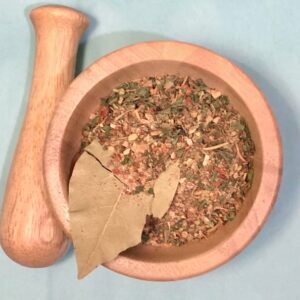

Oregano is a perennial herb native to the Mediterranean basin whose name translates to “mountain joy” in Greek. This aromatic member of the mint family, scientifically known as Origanum vulgare, carries a fascinating history that stretches from ancient Greek mountainsides to modern American kitchens. While many know oregano as the “pizza herb” thanks to American GIs who fell in love with Italian cuisine during World War II, this versatile herb offers far more than a simple pizza topping.
What is Oregano Exactly?
At its core, oregano is a hardy perennial herb that thrives in Mediterranean climates. The plant produces small, oval leaves that pack an incredible punch of flavor, whether used fresh or dried. Oregano belongs to the Lamiaceae family, making it a cousin to mint, basil, and thyme. Wild oregano grows naturally across Greece, Turkey, and other Mediterranean regions, where locals have harvested it for thousands of years.
The herb’s botanical name, Origanum vulgare, literally means “common marjoram,” though true oregano differs significantly from sweet marjoram in both flavor and intensity. Ancient Greeks and Romans prized oregano not just for cooking but for its medicinal properties, using it to treat everything from digestive issues to respiratory problems. Today, we understand that oregano’s powerful compounds give it natural antimicrobial and antioxidant properties.
What makes oregano truly special is its ability to intensify in flavor when dried, unlike many herbs that lose their potency. The drying process concentrates oregano’s essential oils, creating that distinctive warm, slightly bitter, and beautifully aromatic taste that defines Mediterranean cuisine.
What Does Oregano Taste Like?
Oregano delivers a complex flavor profile that unfolds in layers on your palate. The initial taste hits you with a warm, slightly peppery bite, followed by subtle bitter notes that give way to a cooling, minty finish. This progression happens because oregano contains many of the same compounds found in its mint family relatives, but in different concentrations.
Fresh oregano tends to be more delicate and grassy, with pronounced herbal notes and less of the concentrated intensity you find in dried oregano. When you crush fresh oregano leaves between your fingers, you release oils that smell simultaneously earthy and bright, with hints of lemon and pine.
Dried oregano, on the other hand, becomes more robust and assertive. The drying process concentrates the herb’s essential oils, particularly carvacrol and thymol, which give oregano its characteristic warmth and slight medicinal quality. This is why dried oregano works so beautifully in cooked dishes where its flavor can stand up to tomatoes, garlic, and other bold Mediterranean ingredients.
Different oregano varieties offer their own unique taste experiences. Greek oregano tends to be more intense and slightly floral, while Mexican oregano (technically not a true oregano but often used similarly) brings citrusy, almost smoky notes to dishes.
Is Oregano Spicy or Bitter?
Oregano walks a fascinating line between spicy and bitter, offering both sensations without being overwhelming in either direction. The “spiciness” in oregano isn’t the same heat you’d get from chili peppers. Instead, it’s a warm, tingling sensation that comes from compounds like carvacrol and thymol. These same compounds create oregano’s slightly medicinal, almost numbing quality that you might notice if you chew fresh oregano leaves.
The bitterness in oregano is subtle and actually quite pleasant when used in proper amounts. This slight bitter edge helps oregano cut through rich, fatty foods like cheese and olive oil, which is why it pairs so beautifully with dishes like pizza and Greek salads. The bitterness becomes more pronounced when oregano is used in large quantities or when the herb is old and has lost its essential oils.
Fresh oregano tends to be less bitter than dried, with more emphasis on its bright, herbal qualities. As oregano dries and ages, the bitter compounds become more concentrated while some of the fresh, grassy notes fade. This is why using high-quality, recently dried oregano makes such a difference in your cooking.
The key to enjoying oregano’s complex flavor is understanding that both its spiciness and bitterness serve important culinary purposes. These qualities help oregano enhance other flavors rather than mask them, making it an excellent supporting player in Mediterranean cuisine.
What Dishes Can You Use Oregano In?
Oregano’s versatility extends far beyond pizza, though that classic pairing remains one of the most beloved ways to enjoy this herb. In Greece, oregano appears in nearly every traditional dish, from simple village salads dressed with olive oil and vinegar to complex braised lamb dishes that simmer for hours.
Greek cuisine showcases oregano’s affinity for feta cheese beautifully. Marinated feta combines oregano with thyme, garlic, and chili flakes, all slowly infusing olive oil with their aromatic essence. Both dried and fresh oregano work wonderfully in this preparation, helping to balance feta’s tangy saltiness with earthy, herbal notes.
In South American cuisine, oregano plays a starring role in chimichurri, that bright green sauce that transforms grilled meats into something magical. Unlike Italian applications that often use dried oregano, chimichurri relies on fresh oregano to provide a grassy, slightly bitter counterpoint to the sauce’s garlic and vinegar. The herb’s natural ability to cut through rich, fatty foods makes it perfect for accompanying grilled steak and chorizo.
Italian cooking uses oregano beyond tomato sauces too. Fresh oregano pesto with tagliatelle showcases how the herb pairs beautifully with lemon, parmesan, and good olive oil. This preparation lets oregano’s bright, slightly floral notes shine without the distraction of tomatoes or heavy sauces.
Oregano also enhances roasted vegetables, especially Mediterranean varieties like eggplant, zucchini, and bell peppers. The herb’s warm, slightly bitter edge complements the natural sweetness that develops when vegetables caramelize in the oven.
What are Oregano’s Health Benefits?
Beyond its culinary appeal, oregano contains an impressive array of beneficial compounds that have caught the attention of researchers worldwide. Oregano’s essential oils are rich in carvacrol, thymol, and linalool, powerful compounds that give the herb its distinctive aroma and potential health benefits.
Carvacrol, oregano’s most abundant active compound, has demonstrated remarkable properties in laboratory studies. Research suggests this compound possesses analgesic, antioxidant, antimicrobial, antitumor, anti-inflammatory, and antispasmodic properties. Studies have shown carvacrol’s effectiveness against common foodborne pathogens like E. coli and salmonella, which helps explain why Mediterranean cultures have long used oregano as both a flavor enhancer and natural preservative.
Oregano also provides meaningful amounts of essential minerals. A tablespoon of dried oregano contains notable levels of potassium for heart health, iron for oxygen transport, magnesium for muscle function, and phosphorus for bone health. While you typically use oregano in small amounts, these minerals add up when the herb becomes a regular part of your cooking routine.
The herb’s traditional use for digestive health makes sense given its antispasmodic properties. Many Mediterranean families still prepare oregano tea for stomach upset, drawing on generations of folk wisdom that modern science is beginning to validate. The antimicrobial compounds in oregano may help maintain healthy gut bacteria balance, supporting overall digestive wellness.
Different Types of Oregano You Should Know
Not all oregano is created equal, and understanding the different varieties can elevate your cooking dramatically. Greek oregano, considered the gold standard by many chefs, offers the most intense, almost floral flavor with pronounced bitter notes that define authentic Greek cuisine. This variety thrives in Greece’s rocky, mountainous terrain, where the harsh growing conditions concentrate its essential oils.
Turkish oregano provides a slightly milder alternative to Greek oregano, with more emphasis on warm, earthy notes and less bitterness. This variety works beautifully in dishes where you want oregano’s warmth without overpowering other delicate flavors.
Mexican oregano isn’t technically true oregano at all, but rather a member of the verbena family. However, its citrusy, slightly smoky flavor makes it irreplaceable in Mexican and Southwestern cuisine. Mexican oregano pairs beautifully with chilies, cumin, and lime, offering a brightness that complements spicy foods.
Wild oregano, sometimes called oregano oil, contains the highest concentrations of beneficial compounds like carvacrol. This type is often used medicinally rather than culinarily due to its intense potency.
Italian oregano tends to be milder than Greek varieties, making it perfect for delicate applications where you want oregano’s herbal notes without overwhelming other ingredients. This type works particularly well in fresh preparations and lighter dishes.
How to Store and Use Oregano
Proper storage keeps oregano’s essential oils intact and maintains its flavor potency. Dried oregano should live in an airtight container away from light and heat. Whole dried oregano leaves maintain their flavor longer than pre-ground oregano, so consider buying whole leaves and crushing them as needed.
Fresh oregano requires different handling. Store fresh sprigs in the refrigerator with stems in water, covered loosely with a plastic bag. This method keeps oregano fresh for up to a week. For longer storage, you can freeze fresh oregano in ice cube trays with olive oil, creating convenient flavor bombs for future cooking.
When cooking with oregano, timing matters. Add dried oregano early in the cooking process to allow its flavors to bloom and integrate with other ingredients. Fresh oregano, however, works best added near the end of cooking or as a fresh garnish to preserve its delicate, bright notes.
The classic advice to crush dried oregano between your palms before adding it to dishes isn’t just tradition. This technique releases essential oils and creates better flavor distribution throughout your food. You should smell a burst of aroma when you crush good quality oregano.
Where Can I Buy High-Quality Oregano?
Finding exceptional oregano can transform your Mediterranean cooking from good to extraordinary. Quality oregano should smell intensely aromatic when you open the container, with clear notes of warmth and slight bitterness. Avoid oregano that smells dusty or lacks aroma, as these are signs of age or poor quality.
Spice Station Silverlake offers several carefully sourced oregano varieties, each selected for maximum flavor and freshness. Whether you’re drawn to the intense character of Greek oregano, the citrusy complexity of Mexican oregano, or the balanced warmth of Turkish oregano, each variety brings its own personality to your cooking.
When selecting oregano, consider how you plan to use it. Greek oregano works beautifully in traditional Mediterranean dishes, tomato sauces, and anywhere you want oregano to take center stage. Mexican oregano shines in salsas, bean dishes, and spicy preparations. Turkish oregano offers versatility for cooks who want oregano’s warmth without overpowering delicate ingredients.