Mango Mukwas Raita: The Indian Yogurt Sauce That Cools Your Plate and Freshens Your Palate
Mango Mukwas Raita is a fragrant Indian yogurt sauce made with mukwas seed blend, ripe mango, and Greek yogurt. Learn the recipe, the history of raita and mukwas in Indian cooking, and all the ways to use this versatile sauce at your table.
Mango Mukwas Raita: Cooling Yogurt Sauce for Your Palate
Last Updated: March 2026
Raita is one of the most useful things to know how to make a spiced yogurt sauce that cools spicy dishes, balances bold flavors, and works as a dip, a condiment, or a standalone snack. This version goes further than the standard cucumber raita by introducing mukwas: the traditional Indian seed mix best known as an after-dinner digestive and breath freshener. Stirred into yogurt with ripe mango or banana, mukwas turns a simple raita into something fragrant, slightly sweet, and genuinely surprising.
This guide covers what mukwas is, the history and role of raita in Indian cooking, the full recipe with technique detail, variations worth exploring, and a complete breakdown of every place this sauce belongs on your table.
What Is Mukwas?
Mukwas (sometimes spelled mukhwas) is a traditional Indian seed and spice mix served at the end of a meal to freshen the breath and aid digestion. The name comes from the Sanskrit mukha, meaning mouth. Walk out of almost any Indian restaurant and you’ll find a small bowl of mukwas by the door a mixture of fennel seeds, sesame seeds, coconut, sugar-coated seeds, sometimes dried fruit, and aromatic spices intended to cleanse the palate and signal the natural end of a meal.
It’s one of those Indian culinary traditions that has existed for centuries without ever quite crossing over into Western food culture, even as Indian cooking has become one of the most popular and widely cooked cuisines on earth. According to a 2023 YouGov survey, Indian food consistently ranks among the top five most popular ethnic cuisines in the United States yet most home cooks who make curry regularly have never encountered mukwas.
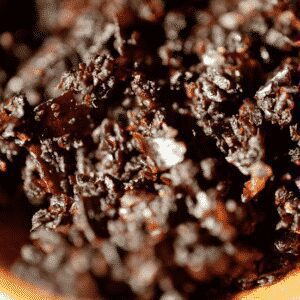
The flavor profile of mukwas is distinctive: sweet, aromatic, slightly cooling from the fennel, with warm seed notes from sesame and sometimes anise. Linda’s Mukwas blend at Spice Station captures this balance, combining high-quality seeds and aromatics in a blend that works equally well as a traditional after-dinner palate cleanser or as this recipe demonstrates as a fragrant addition to yogurt-based sauces.
Mukwas belongs to the broader world of Indian cuisine spice traditions where digestive function and culinary pleasure are treated as the same thing rather than separate concerns. This practical wisdom runs through much of Indian spice culture: the spices that taste good at the end of a rich meal also happen to be the ones that support comfortable digestion.
What Is Raita and Why Does It Matter?
Raita is a yogurt-based condiment that appears across South Asian cooking as a cooling counterpoint to spiced food. While specific recipes vary enormously by region, household, and season, the underlying logic is consistent: thick, tangy yogurt provides a mild, creamy backdrop that tempers the heat of chili-forward dishes and refreshes the palate between bites of intensely flavored food.
In northern India, raita often features cucumber, cumin, and fresh mint. In Maharashtra, cooked vegetables like beets or pumpkin get stirred into spiced yogurt. In Gujarat and Rajasthan — where mukwas culture is strongest fruit-based raitas with fennel, cardamom, and sweet seeds are common. This Mango Mukwas Raita sits squarely in that sweeter, more aromatic tradition.
The functional role of raita in an Indian meal is significant. Yogurt contains casein protein, which physically binds to capsaicin molecules the compound responsible for chile heat and helps carry them away from the heat receptors in your mouth. A glass of water doesn’t do this (capsaicin is oil-soluble and largely water-resistant), which is why raita genuinely cools a spicy dish in a way that water doesn’t. This is why every serious Indian spread includes a raita of some kind: it isn’t just a condiment, it’s an active part of how the meal is designed to be eaten.
Understanding how spices interact with the body and with other foods is part of what makes Indian cuisine’s spice traditions so sophisticated. A meal designed with raita in mind is a meal where the spice levels of the main dishes can be pushed further, with confidence that the yogurt will provide balance.
The Key Ingredients and What They Each Bring
Mukwas Blend
The starring ingredient. Linda’s Mukwas is a balanced blend of aromatic seeds built around fennel as the primary note, with supporting seeds and spices that add warmth, sweetness, and mild anise character. Fennel seeds contain anethole, the compound responsible for their licorice-adjacent aroma and their long history as a digestive aid. Research published in the Journal of Ethnopharmacology has documented fennel’s traditional use across South Asian, Mediterranean, and Middle Eastern cultures specifically as a carminative a substance that relieves gas and bloating after heavy meals.
The other seeds commonly found in mukwas blends include sesame, anise, ajwain (carom seeds), and sometimes sugar-coated fennel seeds or dried coconut. Each adds its own aromatic layer. Sesame contributes a toasty, nutty richness. Ajwain is sharply thyme-like and notably effective at easing digestive discomfort. Together, these seeds create a blend that genuinely earns its reputation as a digestive — not through marketing but through generations of practical use.
Greek-Style Strained Yogurt
Full-fat Greek yogurt is the right base here it’s thick enough to hold the seeds and fruit without becoming watery, tangy enough to balance the sweetness of the mango, and rich enough to carry the fragrance of the mukwas. The straining process removes much of the whey, concentrating both the protein and the fat, which is why Greek yogurt coats the palate differently than regular yogurt and why it pairs more effectively with intensely flavored spices.
If you have access to traditional Indian dahi (homemade or store-bought cultured yogurt), it works beautifully in place of Greek yogurt — it tends to be slightly less thick and more sour, which adds complexity. Labneh (strained to the consistency of soft cheese) makes for a thicker, richer version better suited as a spread than a sauce.
Mango or Banana
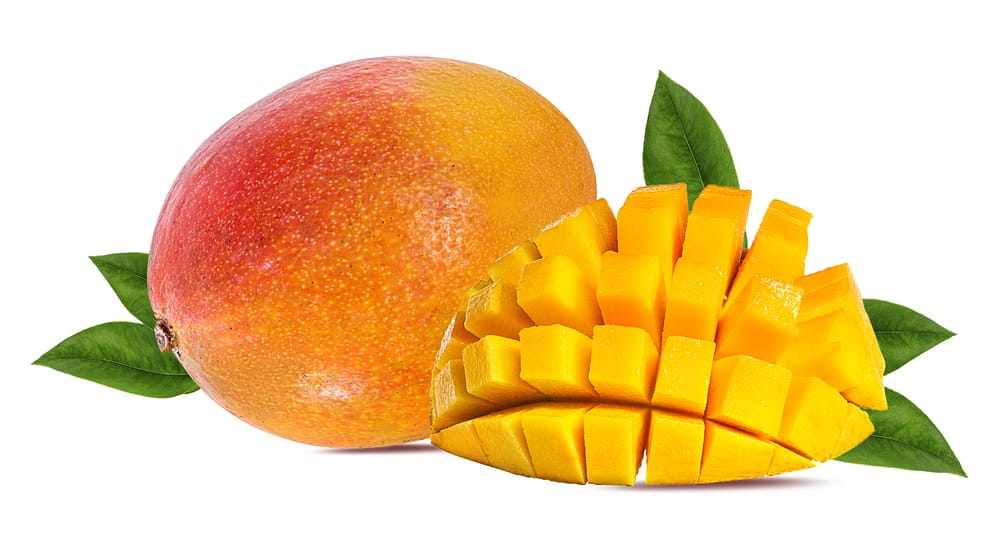
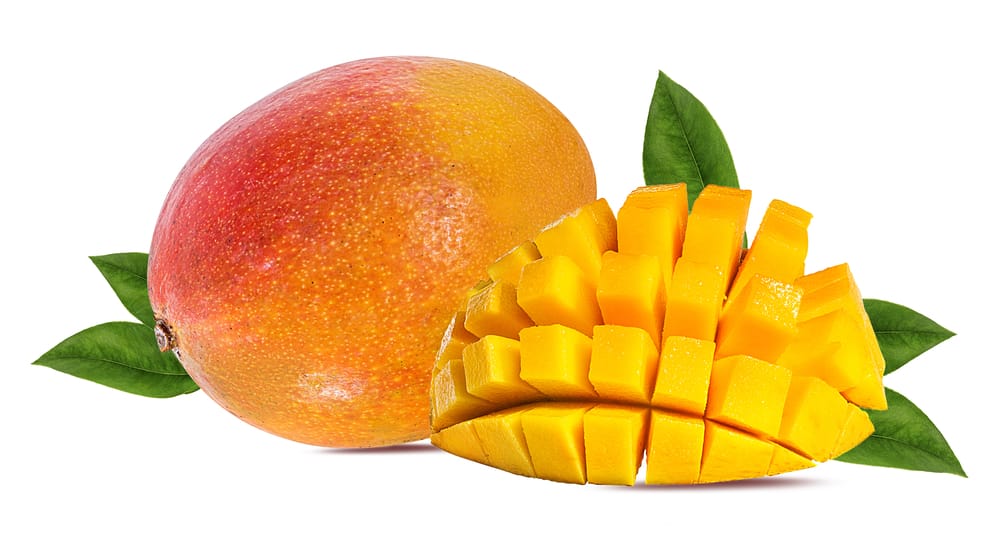
Both fruits work, and both bring something different. Mango adds tropical sweetness and a bright, fruity acidity that amplifies the fennel’s aromatic quality. Ripe banana contributes a deeper, starchier sweetness that makes the raita more substantial and slightly more calming. Using both together a common choice in this style of raita provides a more complex, layered sweetness.
The fruit is always added just before serving rather than during the resting period, because both mango and banana release water as they sit and will make the raita thin and somewhat watery if added too early.
Salt
A small addition, but an important one. Salt deepens every other flavor in the raita it amplifies the fennel’s aromatic notes, sharpens the yogurt’s tang, and makes the fruit’s sweetness pop more clearly. Start with a very small pinch (less than you think you need) and taste before adding more.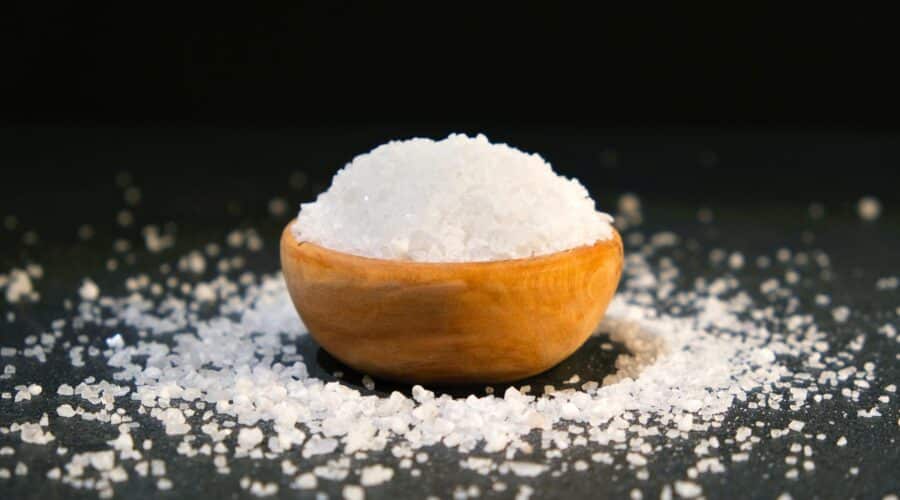
The Recipe: Mango Mukwas Raita
Serves: 4 to 6 as a condiment Time: 10 minutes active, plus optional 2-hour rest
Ingredients
- 2 cups (500ml) full-fat Greek-style strained yogurt
- 1 tablespoon Linda’s Mukwas blend, plus more to taste
- 1 ripe mango, peeled and cut into small dice or 1 ripe banana, sliced or half of each
- Pinch of fine sea salt (optional)
Step-by-Step Instructions
Step 1: Toast the mukwas (optional but recommended). Warm a small dry skillet over medium-low heat. Add the mukwas and stir constantly for 60 to 90 seconds until the seeds are fragrant and just beginning to color. Remove from heat immediately. Toasting activates the volatile oils in the fennel and sesame, deepening the aroma and adding a warm, nutty note that works particularly well when the raita is served alongside richer dishes like curry or biryani. Skip this step if you prefer the lighter, cooler flavor profile of untoasted seeds.
Step 2: Stir the mukwas into the yogurt. If you toasted the seeds, let them cool for two minutes before adding. Stir the mukwas into the yogurt until evenly distributed. The seeds won’t dissolve they stay whole and provide texture throughout the raita.
Step 3: Add salt and taste. Add a very small pinch of salt, stir, and taste. Adjust to preference. The raita should taste fresh and aromatic at this stage, with the fennel clearly present.
Step 4: Rest for best results. This is the most important technique note in the original recipe and it holds absolutely true: the raita improves significantly with time. Cover and refrigerate for at least two hours or overnight if you’re planning ahead. The yogurt absorbs the seed oils fully, and what starts as a simple mixture develops into something notably more complex. The fennel flavor becomes rounder, the other seed notes emerge, and the whole sauce tastes like it has been carefully made rather than assembled at the last minute.
Step 5: Add fruit just before serving. Remove the raita from the refrigerator and stir it once to reincorporate any separation. Fold in the diced mango and/or banana right before bringing it to the table. Garnish with a light extra sprinkle of mukwas on top for visual appeal and an extra burst of aroma when the bowl arrives.
What to Serve with Mango Mukwas Raita
This raita is versatile enough to appear at almost any point in an Indian-inspired meal, and genuinely useful at the Western table too.
With spicy curries. This is the classic function of raita a cooling contrast to dishes built around chili heat and warming spices. A lamb vindaloo, chicken tikka masala, or a spiced lentil dal all benefit from a bowl of this raita alongside. The sweetness of the mango works particularly well next to dishes that carry some heat, because it provides the same relief as the dairy while adding its own aromatic counterpoint.
With biryani or spiced rice. Raita is the traditional accompaniment to biryani across South Asia. The yogurt sauce provides moisture and contrast alongside the dense, spiced rice, making each bite more complete. Try it with a range of Indian curries and rice dishes for a full spread.
With flatbreads. Naan, roti, paratha any Indian flatbread works here. The raita functions as a dipping sauce, a spread, and a palate reset between bites. It’s also genuinely good with pita or warm sourdough if you’re using this as a condiment beyond the Indian meal context.
As a dip for vegetables or chips. The mukwas flavor profile sweet, aromatic, slightly cooling works surprisingly well as a dip for raw vegetables, roasted papadums, or even tortilla chips. The yogurt base gives it enough body to cling to a chip without running off.
Alongside grilled meats. The sweet, cooling character of this raita makes it an excellent accompaniment to spiced grilled chicken, lamb kebabs, or any meat preparation that carries chile heat. It does the same work here as a cooling yogurt sauce would in a Middle Eastern grilled meat spread.
As a light snack on its own. A small bowl of this raita with a piece of flatbread is a perfectly satisfying light meal. The protein from the Greek yogurt, the fruit sugars from the mango, and the digestive-friendly seeds make it a nourishing snack that happens to taste like dessert.
Variations Worth Exploring
Cucumber and Mint Mukwas Raita. Replace the mango and banana with half a grated and squeezed English cucumber (squeeze out excess moisture in a towel) and a small handful of chopped fresh mint. This version is cooler and more savory closer to a traditional cucumber raita but with the fragrant seed character of mukwas running through it. It’s the natural partner for very spicy dishes.
Pomegranate Mukwas Raita. Fold in the seeds of half a pomegranate instead of mango. The jewel-like seeds add color, crunch, and a tart brightness that balances the sweetness of the mukwas. This version is visually striking on a spread and works particularly well at a dinner party.
Roasted Beet Raita. Roast two small beets until tender, let cool, then dice small and fold into the mukwas yogurt base. The earthy sweetness of the beet is a natural partner for the fennel and seed notes. This version turns a striking deep magenta color and works beautifully on a mezze-style spread alongside Indian and Middle Eastern spiced dishes.
Banana and Cardamom Raita. Use banana as the fruit and add a pinch of freshly ground cardamom to the yogurt along with the mukwas. Cardamom and banana are a classic South Asian pairing the floral, citrusy spice amplifies the banana’s sweetness in a way that makes this version feel almost dessert-like. For more on this remarkable spice, the green cardamom guide covers its flavor and uses in depth.
Raita as a Salad Dressing. Thin the raita with a tablespoon of cold water or a squeeze of lime juice, and use it as a pourable dressing over a simple green salad or sliced tomatoes. The mukwas seeds add texture and the yogurt base makes for a far more interesting dressing than a standard vinaigrette. This is a natural bridge to the tomato cucumber salad with chaat masala — both share Indian spice logic applied to fresh vegetables.
The Digestive Wisdom Behind Mukwas
The tradition of ending an Indian meal with mukwas isn’t arbitrary. Ayurvedic medicine the ancient Indian system of health that has deeply influenced the country’s culinary traditions assigns digestive properties to specific seeds and spices with a precision that modern food science has increasingly been able to verify.
Fennel seeds are carminative, meaning they help prevent gas and bloating by relaxing the smooth muscle tissue of the intestine. Anise seeds share this property and add a mild antibacterial effect. Ajwain (carom seed), another common mukwas component, is one of the most potent digestive seeds in the Ayurvedic pharmacopeia used specifically for relief from indigestion, acidity, and stomach cramping. Sesame seeds contribute healthy fats and fiber that slow digestion gently and provide a sense of satiation.
When these seeds are added to yogurt, their benefits combine with yogurt’s own probiotic properties. Full-fat yogurt contains live bacterial cultures Lactobacillus species that support gut microbiome health and have been studied for their role in digestion and immunity. A mango mukwas raita served at the end of a rich, spiced meal is, in effect, a functional food: something that tastes good and actively supports the body’s processing of the meal it just had.
This is the kind of practical food wisdom embedded in Indian spice traditions that tends to surprise Western cooks the idea that a condiment can be specifically designed to make the rest of the meal easier on the body. It’s also a reminder that spices have always done more than add flavor. For a deeper look at how herbs and spices support wellbeing, the post on spices and mental and emotional well-being explores this territory thoughtfully.
Tips for Making This Raita Well
Use the best yogurt you can find. The quality of the yogurt is the quality of the sauce. Full-fat, freshly made or recently packaged Greek yogurt with live cultures produces a measurably better result than low-fat or long-shelf-life alternatives. The fat carries the seed flavors and provides the creamy body that makes raita satisfying.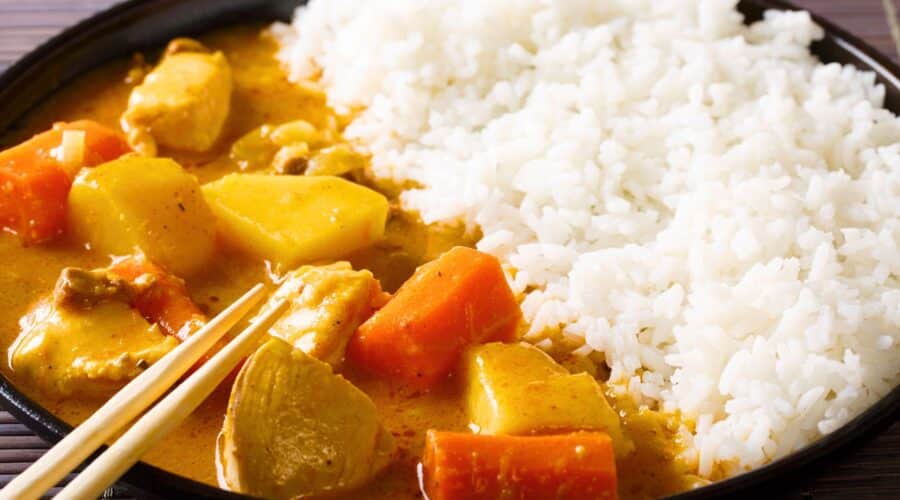
Taste the mukwas blend before committing to a quantity. Mukwas blends vary in intensity depending on the proportion of anise and ajwain. Start with 1 tablespoon, stir, taste, and add more in half-tablespoon increments if you want a more pronounced seed flavor. The overnight rest amplifies the intensity noticeably, so err slightly conservative when making it ahead.
Don’t skip the rest period. Two hours minimum, overnight if possible. The difference between a freshly made mukwas raita and one that has rested overnight is not subtle. The seeds release their oils into the yogurt, the flavors merge, and the whole sauce deepens from something pleasant into something genuinely memorable.
Add fruit at the last moment. Mango and banana both release water and oxidize (banana browns quickly) as they sit. Adding them at the table rather than during preparation keeps the raita looking fresh and prevents it from thinning.
Keep the raita cold until serving. Yogurt sauces should be served cold or at most at cool room temperature. A warm raita loses its cooling function and develops an unpleasant texture. If you’re serving outdoors, keep it in a bowl set over ice.
For more on storing and preserving the freshness of your spice collection, the guide to keeping spices fresh covers everything from container choice to temperature management. And the broader spice management guide is worth reading if you’re building out a more serious spice pantry.
Frequently Asked Questions
What is mukwas exactly?
Mukwas is a traditional Indian seed and spice blend served at the end of a meal as a breath freshener and digestive aid. It typically contains fennel seeds, sesame seeds, anise, and sometimes sugar-coated seeds, dried coconut, or ajwain (carom seeds). The blend is served loose in small dishes at the exit of Indian restaurants and shared after home-cooked meals across much of India, particularly in Gujarat and Rajasthan.
What does mango mukwas raita taste like?
The raita is creamy, cool, and tangy from the yogurt, sweet and tropical from the mango, and fragrant with the fennel and seed notes of the mukwas blend. It is mild rather than spicy the mukwas brings aromatic warmth rather than heat with a clean, refreshing finish that makes it genuinely palate-cleansing.
Can I use regular yogurt instead of Greek yogurt?
Yes, though the texture will be thinner. Regular full-fat yogurt produces a pourable sauce rather than a thick dip. If you prefer the thicker consistency, strain regular yogurt through a cheesecloth or coffee filter over a bowl in the refrigerator for two to three hours before using — this removes the whey and concentrates the yogurt. The result is functionally identical to Greek yogurt.
How long does mango mukwas raita keep?
The yogurt base keeps for up to three days refrigerated. The fruit component mango or banana is best added fresh each time you serve. Without the fruit, the seasoned yogurt base stores well overnight and actually improves in flavor. With banana added, use within a few hours as banana browns and softens quickly.
Is this recipe vegan?
Not in its standard form, as it’s built on dairy yogurt. However, it works well with unsweetened, full-fat coconut yogurt or other thick plant-based yogurts. The mukwas blend itself is entirely plant-based. Choose a coconut yogurt rather than an almond or oat base — the fat content is closer to dairy yogurt and holds the spice flavors better.
What is the difference between raita and tzatziki?
Both are yogurt-based condiments designed to cool spiced food, but they come from different culinary traditions and taste quite different. Tzatziki is Greek built on cucumber, garlic, olive oil, and fresh dill or mint, with no sweetness. Raita is South Asian and spans a wide range from savory and cooling (cucumber raita with cumin) to sweet and aromatic (fruit raita with mukwas). Both share the functional logic of using yogurt’s casein proteins to buffer chile heat, but the flavor profiles reflect entirely different spice traditions.
Where can I buy Linda’s Mukwas blend?
Spice Station Silver Lake carries Linda’s Mukwas blend in the online shop, along with a full range of Indian spice blends and individual spices. If you have questions about the blend or want guidance on how to use it beyond this recipe, reach out through the contact page the team is always glad to talk through it.