Coriander Leaves vs. Cilantro: The Complete Guide to One Plant with Two Names

Spread the love

Coriander leaves and cilantro are the same thing here’s why they have different names, how they differ from coriander seeds, and how to use every part of this remarkable plant.
HealthholidaysMain IngredientSpices
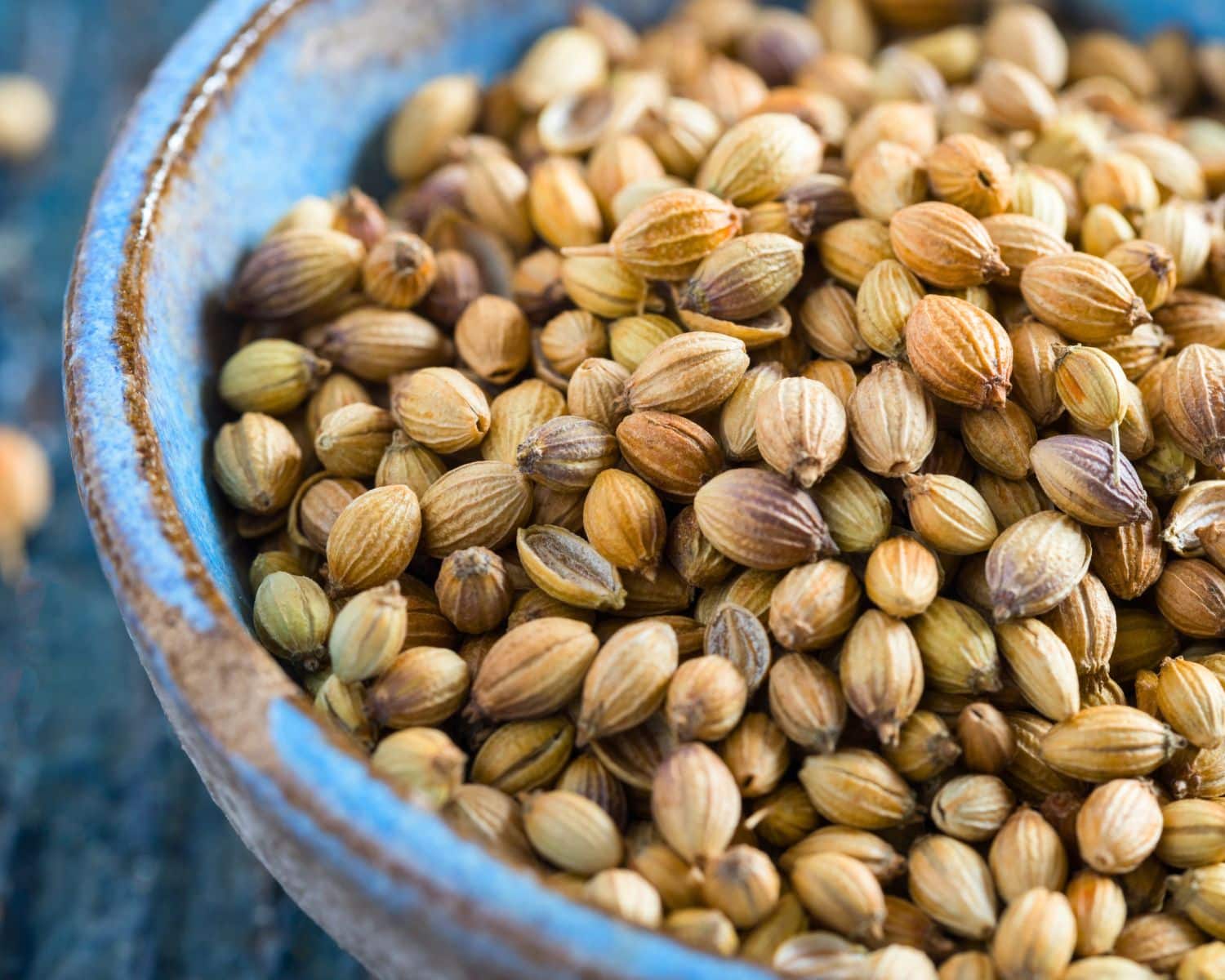
Indian coriander seed
Spread the love

Coriander leaves and cilantro are the same thing. Completely, botanically, definitively the same thing. Both names refer to the fresh green leaves of Coriandrum sativum, the same plant whose dried seeds are sold as coriander seed. The confusion comes entirely from geography: in the United States and most of Latin America, the fresh herb is called cilantro. In the United Kingdom, Australia, India, and most of the rest of the world, those same leaves are called coriander or coriander leaves.

That’s the short answer. But the full picture is more interesting, because the plant itself is genuinely fascinating: one species that produces two completely different flavors from its leaves versus its seeds, used across more culinary traditions than almost any other plant in the world, and divisive in a way that has a documented genetic explanation. This guide covers all of it, from the naming confusion to the flavor science to how to cook with every part of this one remarkable plant.

Why Does One Plant Have Two Names?

Coriandrum sativum arrived in the English-speaking world through two different cultural pathways, and each one brought its own vocabulary.

The seeds arrived first. European cooks had used dried coriander seed since ancient times, brought back from the Middle East and Mediterranean through trade. “Coriander” comes from the Latin coriandrum, itself derived from Greek koríannon. When English speakers encountered the dried seed spice, they called it coriander and have done so ever since.

The fresh herb came to American English through Spanish. Spanish explorers and colonizers in Latin America encountered the fresh herb being used extensively in indigenous and mestizo cooking, where it was called cilantro, the Spanish word for the fresh leaves of the same plant. That name stuck in the United States, where Latin American culinary influence shaped the terminology.
The result is a vocabulary split: Americans say “cilantro” for the leaves and “coriander” for the seeds. British, Australian, Indian, and most other English speakers say “coriander” or “coriander leaves” for the herb and “coriander seeds” for the dried spice. When an Indian recipe calls for fresh coriander and an American recipe calls for cilantro, they mean the same ingredient.

This is not just a trivia point. It’s a practical kitchen problem. According to a 2022 analysis of recipe translation errors published in the Journal of Culinary Science and Technology, fresh herb terminology mismatches  particularly “coriander vs. cilantro”  rank among the most common sources of recipe confusion for home cooks following international recipes. Understanding this equivalence opens up an enormous range of global recipe resources.

Coriander the Plant: Understanding the Full Picture

Coriandrum sativum is an annual herb in the Apiaceae family, related to parsley, carrot, dill, and fennel. It originated in the Mediterranean and Middle East and has been cultivated for at least 7,000 years, making it one of the oldest documented spice and herb plants. Archaeological evidence of coriander seed has been found at multiple Bronze Age sites across the Near East and Aegean.

The plant is unusual in that every part of it is edible and useful, but the different parts taste remarkably different from each other:

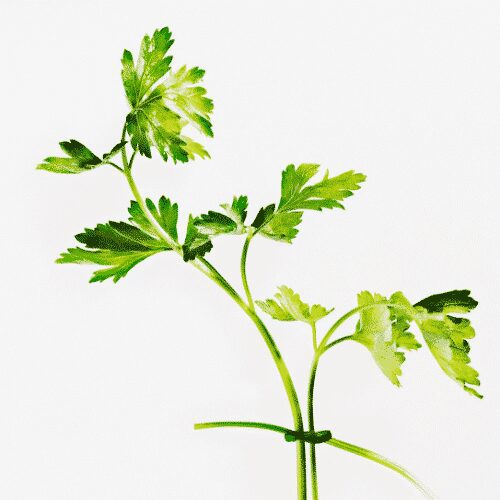
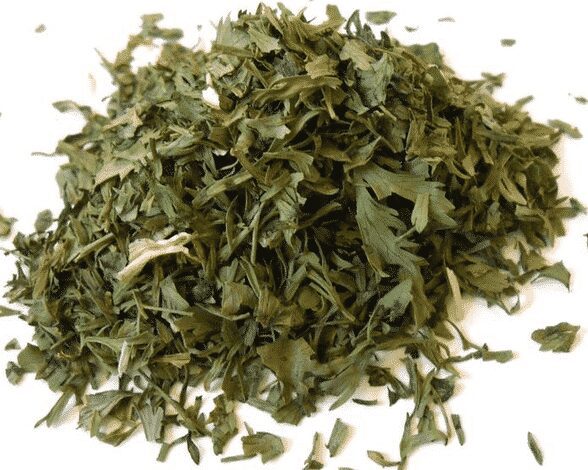
Fresh leaves (cilantro / coriander leaves): Bright, citrusy, slightly soapy, with green herbal freshness. Used in Mexican, Thai, Vietnamese, Indian, Middle Eastern, and many other cuisines as a finishing herb.

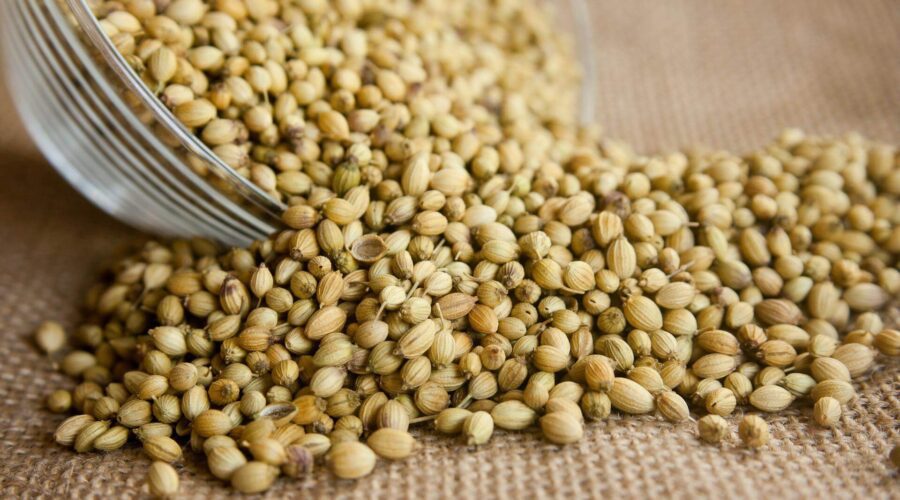
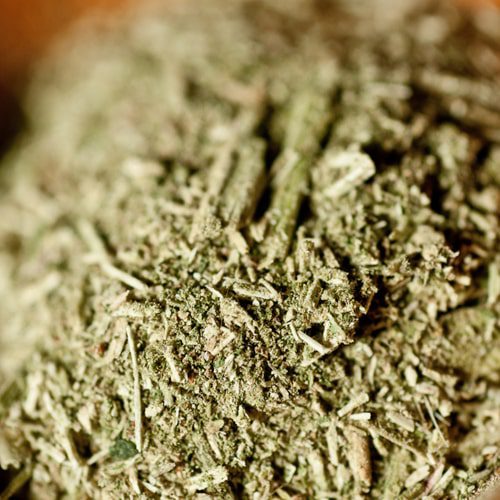
Dried seeds (coriander seeds): Warm, nutty, citrusy, and earthy. Used as a spice in cooking across South Asian, Middle Eastern, African, and European cuisines. One of the most widely used spices in the world.

Roots: Intensely flavored, earthy, and aromatic. Used primarily in Thai cooking as a paste ingredient.

Stems: Often used along with the leaves, particularly in Southeast Asian cooking where the more intensely flavored stems are valued in curry pastes and soups.

The flavor difference between the fresh leaves and dried seeds is substantial enough that someone unfamiliar with the plant’s taxonomy might not guess they came from the same source. This is partly chemistry: the dominant flavor compounds in fresh leaves are different from those in the seeds. The leaves are rich in aldehydes (the same compounds found in soap, which explains the “soapy” descriptor), while the seeds are dominated by linalool, a compound also found in lavender, creating their warm, floral-citrus character.

The Flavor of Coriander Leaves (Cilantro): Why Some People Love It and Others Don’t

Cilantro is one of the most divisive herbs in the culinary world, and unlike most food preference debates, this one has a documented genetic basis. A 2012 genome-wide association study published in the journal Flavour found that a variant in the OR6A2 gene  an olfactory receptor gene  is strongly associated with the perception of cilantro as soapy or unpleasant rather than bright and fresh. The study estimated that between 4% and 14% of people in various populations carry this variant, with the highest rates in populations with historically low cilantro exposure, including European and Caucasian populations. Indian Coriander Seed
This means the “cilantro tastes like soap” experience is a legitimate sensory phenomenon with a biological explanation, not simply a preference difference. People who dislike cilantro are often genuinely perceiving it differently at the receptor level. For recipes that use cilantro generously, parsley is the most practical substitute for people with this sensitivity, though it lacks the distinctive citrusy freshness that cilantro provides.

For those who love it, cilantro’s brightness is irreplaceable. It has a unique quality of making other flavors feel cleaner and more defined, which is why it appears as a finishing herb in so many cuisines. Spice Station’s full herb collection includes dried cilantro alongside coriander seed, covering both forms of this remarkable plant.

Coriander Seeds vs. Coriander Leaves: A Complete Comparison

Coriander Leaves (Cilantro) Coriander Seeds
Plant part Fresh leaves and stems Dried whole fruit
Flavor Bright, citrusy, fresh, slightly soapy Warm, nutty, floral-citrus, earthy
Form Fresh herb, dried flakes Whole seeds, ground powder
Best used Raw as finishing herb, blended into sauces Cooked into dishes, dry-roasted, ground for spice blends
Shelf life Fresh: 1-2 weeks. Dried: 1-2 years Whole: 3-4 years. Ground: 1-2 years
Substitutes Parsley, Thai basil (in some applications) Cumin (partial), caraway (partial)
Primary cuisines Mexican, Thai, Vietnamese, Indian, Middle Eastern Indian, Middle Eastern, African, Mexican, European

This difference is crucial in recipe reading. When a Thai green curry recipe calls for “coriander,” it almost certainly means the fresh leaves used as a garnish, not the seeds. When a garam masala recipe calls for “coriander,” it means the seeds. Context and cuisine are your guides when the recipe isn’t specific.

Culinary Uses of Fresh Coriander Leaves (Cilantro)

Fresh cilantro belongs to a specific category of herbs used primarily raw or added at the very end of cooking, because heat rapidly destroys its volatile aromatic compounds. This distinguishes it from dried herbs like oregano or thyme, which are often added early in cooking and actually improve with heat exposure.

Mexican and Latin American Cooking
In Mexican cooking, cilantro is one of the most essential fresh herbs. It goes into salsas fresca, guacamole, and street-food toppings like the garnish on tacos and soups. Salsa verde, the tangy tomatillo sauce, would be unrecognizable without cilantro’s bright citrus note cutting through the acidity. Caldo de pollo, the simple chicken soup, is finished generously with fresh cilantro leaves. Chiles and cilantro are one of the most fundamental flavor combinations in the Mexican pantry  understanding that relationship is part of understanding how specialty chiles and fresh herbs interact in Latin American cooking.

South and Southeast Asian Cooking

Indian, Thai, Vietnamese, and Cambodian cuisines all use fresh coriander leaves extensively as a garnish and finishing herb. In Indian cooking, “fresh coriander” appears at the end of almost every dal, curry, and rice dish, scattered generously to add brightness to dishes that have developed complexity through long cooking. Thai cooking uses the roots and stems as much as the leaves; pounded into curry pastes, the roots provide an intense, concentrated coriander flavor that the leaves don’t deliver.

Vietnamese cooking uses cilantro alongside mint, Thai basil, and other fresh herbs in the plate of raw accompaniments served with pho and other noodle soups. This fresh herb plate is characteristic of Vietnamese food culture and represents a fundamentally different approach to herbs than most Western cuisines: the herbs are not garnishes but full ingredients added by each diner to their own bowl. Understanding Asian cooking traditions and how herbs fit into them helps contextualize how cilantro/coriander fits into these cuisines.

Middle Eastern Cooking

Across the Levant, Persia, and North Africa, fresh coriander leaves appear in herb-forward preparations: Persian herb rice (sabzi polo), Lebanese tabbouleh variations, and as a component in herb-based condiments alongside parsley and mint. Chermoula, the North African herb and spice paste for fish, often includes fresh coriander as one of its two base herbs. The broader Middle Eastern spice blend tradition relies on coriander seed as a key spice component, making the plant significant across both fresh and dried applications in this culinary tradition.

Culinary Uses of Coriander Seeds

Coriander seed is one of the most versatile spices in the world. Unlike the fresh herb, it benefits from heat and works best when cooked. Dry-toasting whole coriander seeds before grinding releases their volatile oils dramatically and produces a warmer, nuttier flavor than the raw seed.

In Spice Blends
Coriander seed is a foundation spice in most of the world’s great spice blends. It’s a key component in Indian garam masala, baharat, ras el hanout, berbere, and curry powder. Its mild, rounded character provides a base note that holds other, more aggressive spices together without competing for dominance. It’s also one of the primary spices in pickling blends, where its citrusy warmth complements vinegar and dill.

In Middle Eastern and North African Cooking

In Moroccan and North African cooking, coriander seed is used alongside cumin as the two most essential warm spices. They appear together in chermoula, kefta (spiced ground meat), tagines, and couscous seasonings. The combination of cumin and coriander creates a savory, earthy warmth that is one of the defining flavor signatures of North African cuisine. Cumin and its role in cooking connects directly to understanding how coriander seed functions as its natural companion.

In European Cooking

Coriander seed is common in European cooking in ways that many home cooks may not realize, since it’s often a background spice rather than a prominent one. It appears in charcuterie (particularly Belgian and Flemish preparations), in many European pickling recipes, in German and Scandinavian rye bread, and as a bittering agent in some beer styles. It’s also one of the flavoring botanicals in gin, alongside juniper berries and angelica root.

Whole vs. Ground

Whole coriander seeds can be dry-toasted before use to intensify flavor dramatically. Toast in a dry pan over medium heat for 60 to 90 seconds until fragrant, then cool before grinding. Pre-ground coriander is convenient but loses potency relatively quickly after grinding. Keeping ground coriander fresh requires airtight storage away from heat and light, and replacing it annually gives noticeably better results than using old stock.

How to Store Fresh Coriander Leaves (Cilantro)

Fresh cilantro is more perishable than most fresh herbs and requires some care to stay usable for more than a few days. Two methods work well:

The jar method: Trim the stems slightly and place the bunch in a jar with an inch of water, like cut flowers. Cover loosely with a plastic bag and refrigerate. Properly done, cilantro stored this way lasts up to two weeks.

The damp paper towel method: Wrap the bunch loosely in a barely damp paper towel, place in a zip-lock bag with some air in it, and refrigerate. Lasts 5 to 7 days.

Avoid washing fresh cilantro until right before use. Moisture accelerates decay. Dried cilantro is a reasonable shelf-stable alternative for cooking applications where the fresh herb would be added early in the process, though it doesn’t substitute well in raw applications like salsa or as a garnish. Maximizing the lifespan of all your spices and herbs is covered in detail in Spice Station’s freshness guide.

Substitutes for Coriander Leaves (Cilantro)

For people who genuinely dislike cilantro or can’t find it fresh, substitutes work imperfectly but reasonably well:

Parsley is the most commonly recommended substitute. It provides green herbal freshness without the distinctive citrus-soapy quality of cilantro. It works in any application where cilantro is used raw as a garnish or in sauces.

Thai basil substitutes well in Southeast Asian applications where cilantro’s citrus note is what matters. The anise quality of Thai basil reads differently, but it shares the same fresh, slightly sweet brightness.
Culantro (not cilantro, but Eryngium foetidum) is a related herb used in Caribbean, Southeast Asian, and some Latin American cooking that has a more intense coriander flavor than cilantro. It’s sometimes called “long coriander” and works as a flavor-amplified substitute where fresh cilantro is unavailable.

For coriander seed substitutes, the options are more limited. Caraway seed shares some structural flavor similarity. Cumin provides savory warmth but with a very different character. In most spice blend recipes, the best answer is simply to use less of a strong substitute rather than trying for a direct 1:1 swap.

Frequently Asked Questions About Coriander Leaves and Cilantro

Are coriander leaves and cilantro the same thing?

Yes, completely. Both names refer to the fresh leaves of Coriandrum sativum. “Cilantro” is used in the United States and Latin America; “coriander” or “coriander leaves” is used in the United Kingdom, Australia, India, and most other English-speaking countries. When a recipe from any part of the world calls for either term, they mean the same fresh green herb.

Are coriander seeds and coriander leaves interchangeable in recipes?

No. They taste completely different and function differently in cooking. Coriander seeds are a warm, nutty spice used in cooking, best added early in the process. Coriander leaves (cilantro) are a fresh herb used as a garnish or finishing ingredient, damaged by prolonged heat. A recipe calling for one cannot substitute the other.

Why do coriander seeds and coriander leaves taste so different?

The flavor difference comes from their different chemistry. Fresh leaves contain primarily aldehydes (which create the fresh, citrusy, and sometimes soapy aroma) and linalool. Seeds develop different compounds during drying and maturation, with linalool becoming the dominant compound alongside monoterpenes, creating the warm, floral-citrus flavor of dried coriander. They’re the same plant but genuinely different flavor profiles.

Why does cilantro taste like soap to some people?

A genetic variant in the OR6A2 olfactory receptor gene causes some people to perceive the aldehydes in fresh cilantro as soapy rather than bright and citrusy. This affects between 4% and 14% of people depending on the population, with higher rates in groups with historically low cilantro exposure. It’s a real biological difference in sensory perception, not simply a preference.

What is the best way to use dried coriander leaves vs. fresh?

Dried coriander (cilantro) flakes work reasonably well in cooked dishes where fresh isn’t available, added midway through cooking to allow some rehydration. They don’t substitute well in raw applications like salsa, guacamole, or as a table garnish, where the fresh herb’s brightness is essential. For cooking applications like soups and stews, dried coriander at roughly one-third the quantity of fresh is a workable approximation.

Can I use coriander seed in place of cumin?

These two spices are often used together precisely because they taste different but complementary, not interchangeable. Coriander has a lighter, more floral and citrusy character; cumin is earthier, warmer, and more savory. Substituting one for the other changes a dish significantly. In a pinch, a mix of the two can approximate the profile that either contributes within a spice blend, but as individual substitutes they fall short. Understanding how cumin works in cooking alongside coriander makes both spices more useful.

Where can I buy quality coriander seeds?

Quality coriander seed should be whole, fragrant, and sourced with origin specificity. Commodity coriander seed sold in supermarkets is often from mixed origins with no transparency. Spice Station carries named-origin coriander seed alongside the full range of spices available through the online shop, allowing you to work with genuinely fresh, traceable product.

One plant, two names, two completely different flavors from different parts, used across almost every major cuisine in the world. That’s the full story of coriander and cilantro. The naming confusion dissolves the moment you know both words point to the same thing, and then what opens up is a much more interesting question: how does one plant produce something so fresh and herbaceous in its leaves and something so warm and earthy in its seeds? The answer is chemistry, and it’s a reminder that the spice world rewards curiosity.
Tags: are coriander and cilantro the same, buy coriander spice online, cilantro coriander difference, cooking with coriander, coriander herb Silver Lake Los Angeles, coriander leaves vs cilantro, coriander seed vs fresh coriander, fresh coriander herb guide, what is coriander leaves
Previous Post
Tomato Cucumber Salad with Chaat Masala: A Simple Salad Made Extraordinary by India’s Most Exciting Finishing Spice
Next Post
Mango Mukwas Raita: The Indian Yogurt Sauce That Cools Your Plate and Freshens Your Palate
Indian coriander seed
Spread the love

Coriander leaves and cilantro are the same thing. Completely, botanically, definitively the same thing. Both names refer to the fresh green leaves of Coriandrum sativum, the same plant whose dried seeds are sold as coriander seed. The confusion comes entirely from geography: in the United States and most of Latin America, the fresh herb is called cilantro. In the United Kingdom, Australia, India, and most of the rest of the world, those same leaves are called coriander or coriander leaves.

That’s the short answer. But the full picture is more interesting, because the plant itself is genuinely fascinating: one species that produces two completely different flavors from its leaves versus its seeds, used across more culinary traditions than almost any other plant in the world, and divisive in a way that has a documented genetic explanation. This guide covers all of it, from the naming confusion to the flavor science to how to cook with every part of this one remarkable plant.

Why Does One Plant Have Two Names?

Coriandrum sativum arrived in the English-speaking world through two different cultural pathways, and each one brought its own vocabulary.

The seeds arrived first. European cooks had used dried coriander seed since ancient times, brought back from the Middle East and Mediterranean through trade. “Coriander” comes from the Latin coriandrum, itself derived from Greek koríannon. When English speakers encountered the dried seed spice, they called it coriander and have done so ever since.

The fresh herb came to American English through Spanish. Spanish explorers and colonizers in Latin America encountered the fresh herb being used extensively in indigenous and mestizo cooking, where it was called cilantro, the Spanish word for the fresh leaves of the same plant. That name stuck in the United States, where Latin American culinary influence shaped the terminology.

The result is a vocabulary split: Americans say “cilantro” for the leaves and “coriander” for the seeds. British, Australian, Indian, and most other English speakers say “coriander” or “coriander leaves” for the herb and “coriander seeds” for the dried spice. When an Indian recipe calls for fresh coriander and an American recipe calls for cilantro, they mean the same ingredient.

This is not just a trivia point. It’s a practical kitchen problem. According to a 2022 analysis of recipe translation errors published in the Journal of Culinary Science and Technology, fresh herb terminology mismatches  particularly “coriander vs. cilantro”  rank among the most common sources of recipe confusion for home cooks following international recipes. Understanding this equivalence opens up an enormous range of global recipe resources.

Coriander the Plant: Understanding the Full Picture

Coriandrum sativum is an annual herb in the Apiaceae family, related to parsley, carrot, dill, and fennel. It originated in the Mediterranean and Middle East and has been cultivated for at least 7,000 years, making it one of the oldest documented spice and herb plants. Archaeological evidence of coriander seed has been found at multiple Bronze Age sites across the Near East and Aegean.

The plant is unusual in that every part of it is edible and useful, but the different parts taste remarkably different from each other:

Fresh leaves (cilantro / coriander leaves): Bright, citrusy, slightly soapy, with green herbal freshness. Used in Mexican, Thai, Vietnamese, Indian, Middle Eastern, and many other cuisines as a finishing herb.

Dried seeds (coriander seeds): Warm, nutty, citrusy, and earthy. Used as a spice in cooking across South Asian, Middle Eastern, African, and European cuisines. One of the most widely used spices in the world.

Roots: Intensely flavored, earthy, and aromatic. Used primarily in Thai cooking as a paste ingredient.

Stems: Often used along with the leaves, particularly in Southeast Asian cooking where the more intensely flavored stems are valued in curry pastes and soups.

The flavor difference between the fresh leaves and dried seeds is substantial enough that someone unfamiliar with the plant’s taxonomy might not guess they came from the same source. This is partly chemistry: the dominant flavor compounds in fresh leaves are different from those in the seeds. The leaves are rich in aldehydes (the same compounds found in soap, which explains the “soapy” descriptor), while the seeds are dominated by linalool, a compound also found in lavender, creating their warm, floral-citrus character.

The Flavor of Coriander Leaves (Cilantro): Why Some People Love It and Others Don’t

Cilantro is one of the most divisive herbs in the culinary world, and unlike most food preference debates, this one has a documented genetic basis. A 2012 genome-wide association study published in the journal Flavour found that a variant in the OR6A2 gene  an olfactory receptor gene  is strongly associated with the perception of cilantro as soapy or unpleasant rather than bright and fresh. The study estimated that between 4% and 14% of people in various populations carry this variant, with the highest rates in populations with historically low cilantro exposure, including European and Caucasian populations. Indian Coriander Seed

This means the “cilantro tastes like soap” experience is a legitimate sensory phenomenon with a biological explanation, not simply a preference difference. People who dislike cilantro are often genuinely perceiving it differently at the receptor level. For recipes that use cilantro generously, parsley is the most practical substitute for people with this sensitivity, though it lacks the distinctive citrusy freshness that cilantro provides.

For those who love it, cilantro’s brightness is irreplaceable. It has a unique quality of making other flavors feel cleaner and more defined, which is why it appears as a finishing herb in so many cuisines. Spice Station’s full herb collection includes dried cilantro alongside coriander seed, covering both forms of this remarkable plant.

Coriander Seeds vs. Coriander Leaves: A Complete Comparison

Coriander Leaves (Cilantro) Coriander Seeds
Plant part Fresh leaves and stems Dried whole fruit
Flavor Bright, citrusy, fresh, slightly soapy Warm, nutty, floral-citrus, earthy
Form Fresh herb, dried flakes Whole seeds, ground powder
Best used Raw as finishing herb, blended into sauces Cooked into dishes, dry-roasted, ground for spice blends
Shelf life Fresh: 1-2 weeks. Dried: 1-2 years Whole: 3-4 years. Ground: 1-2 years
Substitutes Parsley, Thai basil (in some applications) Cumin (partial), caraway (partial)
Primary cuisines Mexican, Thai, Vietnamese, Indian, Middle Eastern Indian, Middle Eastern, African, Mexican, European

This difference is crucial in recipe reading. When a Thai green curry recipe calls for “coriander,” it almost certainly means the fresh leaves used as a garnish, not the seeds. When a garam masala recipe calls for “coriander,” it means the seeds. Context and cuisine are your guides when the recipe isn’t specific.

Culinary Uses of Fresh Coriander Leaves (Cilantro)

Fresh cilantro belongs to a specific category of herbs used primarily raw or added at the very end of cooking, because heat rapidly destroys its volatile aromatic compounds. This distinguishes it from dried herbs like oregano or thyme, which are often added early in cooking and actually improve with heat exposure.

Mexican and Latin American Cooking

In Mexican cooking, cilantro is one of the most essential fresh herbs. It goes into salsas fresca, guacamole, and street-food toppings like the garnish on tacos and soups. Salsa verde, the tangy tomatillo sauce, would be unrecognizable without cilantro’s bright citrus note cutting through the acidity. Caldo de pollo, the simple chicken soup, is finished generously with fresh cilantro leaves. Chiles and cilantro are one of the most fundamental flavor combinations in the Mexican pantry  understanding that relationship is part of understanding how specialty chiles and fresh herbs interact in Latin American cooking.

South and Southeast Asian Cooking

Indian, Thai, Vietnamese, and Cambodian cuisines all use fresh coriander leaves extensively as a garnish and finishing herb. In Indian cooking, “fresh coriander” appears at the end of almost every dal, curry, and rice dish, scattered generously to add brightness to dishes that have developed complexity through long cooking. Thai cooking uses the roots and stems as much as the leaves; pounded into curry pastes, the roots provide an intense, concentrated coriander flavor that the leaves don’t deliver.

Vietnamese cooking uses cilantro alongside mint, Thai basil, and other fresh herbs in the plate of raw accompaniments served with pho and other noodle soups. This fresh herb plate is characteristic of Vietnamese food culture and represents a fundamentally different approach to herbs than most Western cuisines: the herbs are not garnishes but full ingredients added by each diner to their own bowl. Understanding Asian cooking traditions and how herbs fit into them helps contextualize how cilantro/coriander fits into these cuisines.

Middle Eastern Cooking

Across the Levant, Persia, and North Africa, fresh coriander leaves appear in herb-forward preparations: Persian herb rice (sabzi polo), Lebanese tabbouleh variations, and as a component in herb-based condiments alongside parsley and mint. Chermoula, the North African herb and spice paste for fish, often includes fresh coriander as one of its two base herbs. The broader Middle Eastern spice blend tradition relies on coriander seed as a key spice component, making the plant significant across both fresh and dried applications in this culinary tradition.

Culinary Uses of Coriander Seeds

Coriander seed is one of the most versatile spices in the world. Unlike the fresh herb, it benefits from heat and works best when cooked. Dry-toasting whole coriander seeds before grinding releases their volatile oils dramatically and produces a warmer, nuttier flavor than the raw seed.

In Spice Blends

Coriander seed is a foundation spice in most of the world’s great spice blends. It’s a key component in Indian garam masala, baharat, ras el hanout, berbere, and curry powder. Its mild, rounded character provides a base note that holds other, more aggressive spices together without competing for dominance. It’s also one of the primary spices in pickling blends, where its citrusy warmth complements vinegar and dill.

In Middle Eastern and North African Cooking

In Moroccan and North African cooking, coriander seed is used alongside cumin as the two most essential warm spices. They appear together in chermoula, kefta (spiced ground meat), tagines, and couscous seasonings. The combination of cumin and coriander creates a savory, earthy warmth that is one of the defining flavor signatures of North African cuisine. Cumin and its role in cooking connects directly to understanding how coriander seed functions as its natural companion.

In European Cooking

Coriander seed is common in European cooking in ways that many home cooks may not realize, since it’s often a background spice rather than a prominent one. It appears in charcuterie (particularly Belgian and Flemish preparations), in many European pickling recipes, in German and Scandinavian rye bread, and as a bittering agent in some beer styles. It’s also one of the flavoring botanicals in gin, alongside juniper berries and angelica root.

Whole vs. Ground

Whole coriander seeds can be dry-toasted before use to intensify flavor dramatically. Toast in a dry pan over medium heat for 60 to 90 seconds until fragrant, then cool before grinding. Pre-ground coriander is convenient but loses potency relatively quickly after grinding. Keeping ground coriander fresh requires airtight storage away from heat and light, and replacing it annually gives noticeably better results than using old stock.

How to Store Fresh Coriander Leaves (Cilantro)

Fresh cilantro is more perishable than most fresh herbs and requires some care to stay usable for more than a few days. Two methods work well:

The jar method: Trim the stems slightly and place the bunch in a jar with an inch of water, like cut flowers. Cover loosely with a plastic bag and refrigerate. Properly done, cilantro stored this way lasts up to two weeks.

The damp paper towel method: Wrap the bunch loosely in a barely damp paper towel, place in a zip-lock bag with some air in it, and refrigerate. Lasts 5 to 7 days.

Avoid washing fresh cilantro until right before use. Moisture accelerates decay. Dried cilantro is a reasonable shelf-stable alternative for cooking applications where the fresh herb would be added early in the process, though it doesn’t substitute well in raw applications like salsa or as a garnish. Maximizing the lifespan of all your spices and herbs is covered in detail in Spice Station’s freshness guide.

Substitutes for Coriander Leaves (Cilantro)

For people who genuinely dislike cilantro or can’t find it fresh, substitutes work imperfectly but reasonably well:

Parsley is the most commonly recommended substitute. It provides green herbal freshness without the distinctive citrus-soapy quality of cilantro. It works in any application where cilantro is used raw as a garnish or in sauces.

Thai basil substitutes well in Southeast Asian applications where cilantro’s citrus note is what matters. The anise quality of Thai basil reads differently, but it shares the same fresh, slightly sweet brightness.

Culantro (not cilantro, but Eryngium foetidum) is a related herb used in Caribbean, Southeast Asian, and some Latin American cooking that has a more intense coriander flavor than cilantro. It’s sometimes called “long coriander” and works as a flavor-amplified substitute where fresh cilantro is unavailable.

For coriander seed substitutes, the options are more limited. Caraway seed shares some structural flavor similarity. Cumin provides savory warmth but with a very different character. In most spice blend recipes, the best answer is simply to use less of a strong substitute rather than trying for a direct 1:1 swap.

Frequently Asked Questions About Coriander Leaves and Cilantro

Are coriander leaves and cilantro the same thing?

Yes, completely. Both names refer to the fresh leaves of Coriandrum sativum. “Cilantro” is used in the United States and Latin America; “coriander” or “coriander leaves” is used in the United Kingdom, Australia, India, and most other English-speaking countries. When a recipe from any part of the world calls for either term, they mean the same fresh green herb.

Are coriander seeds and coriander leaves interchangeable in recipes?

No. They taste completely different and function differently in cooking. Coriander seeds are a warm, nutty spice used in cooking, best added early in the process. Coriander leaves (cilantro) are a fresh herb used as a garnish or finishing ingredient, damaged by prolonged heat. A recipe calling for one cannot substitute the other.

Why do coriander seeds and coriander leaves taste so different?

The flavor difference comes from their different chemistry. Fresh leaves contain primarily aldehydes (which create the fresh, citrusy, and sometimes soapy aroma) and linalool. Seeds develop different compounds during drying and maturation, with linalool becoming the dominant compound alongside monoterpenes, creating the warm, floral-citrus flavor of dried coriander. They’re the same plant but genuinely different flavor profiles.

Why does cilantro taste like soap to some people?

A genetic variant in the OR6A2 olfactory receptor gene causes some people to perceive the aldehydes in fresh cilantro as soapy rather than bright and citrusy. This affects between 4% and 14% of people depending on the population, with higher rates in groups with historically low cilantro exposure. It’s a real biological difference in sensory perception, not simply a preference.

What is the best way to use dried coriander leaves vs. fresh?

Dried coriander (cilantro) flakes work reasonably well in cooked dishes where fresh isn’t available, added midway through cooking to allow some rehydration. They don’t substitute well in raw applications like salsa, guacamole, or as a table garnish, where the fresh herb’s brightness is essential. For cooking applications like soups and stews, dried coriander at roughly one-third the quantity of fresh is a workable approximation.

Can I use coriander seed in place of cumin?

These two spices are often used together precisely because they taste different but complementary, not interchangeable. Coriander has a lighter, more floral and citrusy character; cumin is earthier, warmer, and more savory. Substituting one for the other changes a dish significantly. In a pinch, a mix of the two can approximate the profile that either contributes within a spice blend, but as individual substitutes they fall short. Understanding how cumin works in cooking alongside coriander makes both spices more useful.

Where can I buy quality coriander seeds?

Quality coriander seed should be whole, fragrant, and sourced with origin specificity. Commodity coriander seed sold in supermarkets is often from mixed origins with no transparency. Spice Station carries named-origin coriander seed alongside the full range of spices available through the online shop, allowing you to work with genuinely fresh, traceable product.

One plant, two names, two completely different flavors from different parts, used across almost every major cuisine in the world. That’s the full story of coriander and cilantro. The naming confusion dissolves the moment you know both words point to the same thing, and then what opens up is a much more interesting question: how does one plant produce something so fresh and herbaceous in its leaves and something so warm and earthy in its seeds? The answer is chemistry, and it’s a reminder that the spice world rewards curiosity.

Tags: are coriander and cilantro the same, buy coriander spice online, cilantro coriander difference, cooking with coriander, coriander herb Silver Lake Los Angeles, coriander leaves vs cilantro, coriander seed vs fresh coriander, fresh coriander herb guide, what is coriander leaves
Previous Post
Tomato Cucumber Salad with Chaat Masala: A Simple Salad Made Extraordinary by India’s Most Exciting Finishing Spice
Next Post
Mango Mukwas Raita: The Indian Yogurt Sauce That Cools Your Plate and Freshens Your Palate