
Cooking With Habanero Chiles: Tips for Every Heat Level
Habanero chiles are not as difficult to cook with as their reputation suggests. The trick is treating them as a flavor ingredient that happens to bring serious heat, not as a challenge to endure. Once you have that mental shift, every technique becomes intuitive: add less when you want the flavor without the fire, add more when you want both.
This guide covers the practical side of cooking with habanero chiles, whether you are working with dried whole chiles, ground powder, or rehydrated chiles going into a sauce.
Start With the Right Form
Habanero comes in several forms, and the right one depends on what you are making.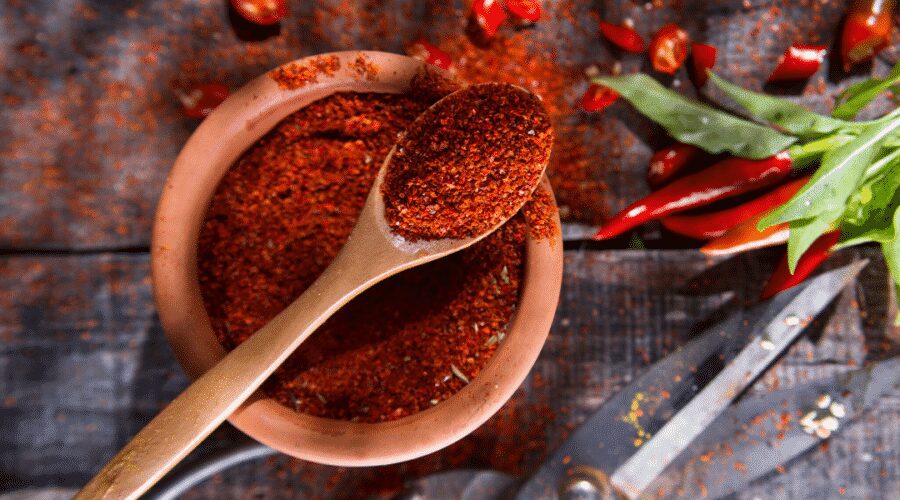
Dried whole chiles are the most versatile. Rehydrate them in hot water for 10 to 15 minutes, then blend into sauces, salsas, or marinades. The rehydrated flesh gives texture and the soaking liquid carries flavor worth adding in small amounts to sauces. Our habanero salsa recipe uses this method.
Ground habanero powder disperses heat evenly through a dish without adding texture. It is ideal for dry rubs, spice blends, and applications where you want consistent heat throughout. See our guide on making your own seasoning blends for how to build habanero into a custom blend.
Whole dried in oil infusions let you steep the habanero’s fruity flavor into oil at low heat, then remove the chile before it dominates. Habanero-infused oil works well drizzled over tacos, grain bowls, or grilled fish.
How to Manage Heat Level
Heat in habanero is concentrated in two places: the seeds and the white membrane (placenta) surrounding them. The flesh itself carries the flavor. This gives you real control.
For maximum flavor, minimum fire: Remove seeds and membrane entirely. Use the rehydrated flesh only. You still get the fruity, citrusy habanero character with significantly reduced heat.
For moderate heat: Remove the seeds but leave some membrane. Or use half the number of chiles a recipe calls for.
For full heat: Leave everything intact. Use the full quantity and add the soaking liquid to the sauce as well.
Building heat gradually: When cooking for a group with mixed heat tolerance, make the base dish mild and serve habanero hot sauce on the side. Everyone adjusts to their level.
Essential Techniques
Rehydrating Dried Habaneros
Place stemmed dried habanero chiles in a small heatproof bowl. Pour boiling water over them and set a small plate on top to keep them submerged. Let soak for 10 to 15 minutes. The chiles should feel soft and pliable. Drain and use immediately, or refrigerate in the soaking liquid for up to three days.
If you want to learn more about working with dried chiles broadly, our post on cooking with ancho peppers covers the same rehydration technique applied to a milder pepper. The approach transfers directly to habanero.
Toasting for Depth
Place a dried habanero on a dry skillet over medium heat. Press it flat with a spatula for 15 to 20 seconds per side until you can smell the aroma rise and the skin just begins to blister. Toasting wakes up aromatic compounds and adds a faint smokiness without much additional heat. This is a good step before rehydration when making habanero hot sauce from scratch.
In Marinades
Habanero integrates beautifully into acid-based marinades because the citrus and vinegar amplify its fruity character. Add rehydrated or powdered habanero to citrus steak marinades, or combine it with lime juice, garlic, and oil for a simple chicken or fish marinade. Our detailed habanero marinade guide has three protein-specific recipes.
In Rubs
Combine habanero powder with salt, garlic powder, cumin, and a touch of brown sugar for a dry rub. Apply it to meat 30 minutes before grilling or at least four hours before low-and-slow cooking. The sugar creates a caramelized crust that balances the heat. Our all about spice rubs guide covers the broader technique.
Flavor Pairings That Work
Habanero’s fruity, citrusy profile pairs well with:
- Mango and pineapple: Tropical fruits amplify habanero’s natural sweetness
- Lime juice and vinegar: Acid brightens the floral notes
- Coconut milk: Fat softens the burn while the sweetness plays off habanero’s fruitiness
- Garlic and cumin: Savory grounding for habanero’s brightness
- Smoked salt: Adds depth without competing flavors. Browse our specialty salts for smoked and finishing salt options.
- Pork and fish: The richness of fatty proteins balances the sharp heat
- Dark chocolate: A pinch of habanero in a chocolate sauce or mousse adds complexity
Safety and Handling
Capsaicin binds to skin receptors and does not wash off easily with water. Follow these rules every time:
- Wear disposable gloves when handling whole dried or fresh habaneros
- Avoid touching your face, especially eyes and nose
- Wash hands with soap and cool water after handling. Hot water opens pores and makes absorption worse
- If your hands burn after exposure, rub with oil first to break down the capsaicin, then wash with soap and water
- Store dried chiles properly. See our guide on keeping spices fresh for storage best practices that preserve both flavor and heat intensity
Frequently Asked Questions
How much habanero should I use for a pot of chili?
Start with one whole dried habanero (stemmed and seeded) for a pot serving six to eight people. That gives noticeable heat without overwhelming the dish. Taste after 20 minutes of simmering and add more if needed.
Can I use habanero powder in place of whole chiles?
Yes. Use approximately half a teaspoon of habanero powder per whole dried chile. Powder is easier to control in small quantities and distributes more evenly through a dish.
Do habanero chiles work with vegetables?
Absolutely. Try adding a pinch of habanero powder to roasted sweet potatoes or corn, or blend a rehydrated chile into a carrot or butternut squash soup. The sweetness in root vegetables and squash plays off habanero’s fruity heat very well. Our spices for grilled veggies post has more ideas.
How do I cool down a dish that got too hot?
Add dairy (cream, sour cream, yogurt, coconut milk), sweetness (honey, fruit, sugar), or starch (potato, bread, rice) to the dish. Acid can also help in some contexts. Do not add more liquid without adding one of these elements, as water does not dilute capsaicin effectively.
Habanero rewards cooks who pay attention to it. Buy dried habanero chiles from Spice Station, read the full habanero chile guide for context, and pick one recipe from this silo to start. The whole chiles category is worth exploring once you find your heat level.