The complete guide to habanero chiles. Learn about heat levels, flavor notes, origins, and how to cook with them. Plus recipes for hot sauce, salsa, and marinades from Spice Station.
The habanero chile packs 100,000 to 350,000 Scoville Heat Units, making it one of the hottest chiles you will ever cook with. But heat alone does not explain why chefs and home cooks keep reaching for it. Behind that fire sits a flavor that no other pepper quite matches: fruity, floral, and citrusy with notes of mango, orange blossom, and stone fruit. Once you understand what the habanero actually tastes like, you start adding it to everything.
You can shop dried habanero chiles at Spice Station and start experimenting right away. This guide covers everything you need to know about the pepper before you do.
What Is Habanero Chile?
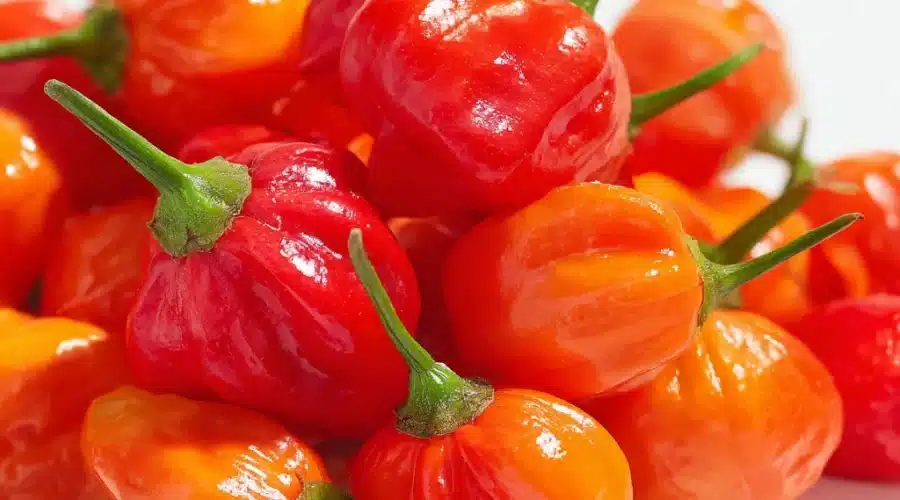
The habanero (Capsicum chinense) is a small, lantern-shaped chile pepper that starts green and ripens to orange, red, or yellow. It belongs to the same species as the scotch bonnet pepper and shares a heat range, though the two have distinct flavor profiles and come from different culinary traditions.
Origins and Regional Significance
The habanero originated in the Amazon basin, which is where Capsicum chinense species first developed. From there, the pepper spread north through Central America and into Mexico. Today, the Yucatán Peninsula is the world’s largest commercial producer of habaneros, and the pepper has been woven into Yucatecan cooking for centuries.
It also became a staple in Caribbean cooking, particularly in Jamaica, where it shares influence with the closely related scotch bonnet. When you browse Caribbean and South American spices and blends, habanero-forward preparations show up throughout the region.
How It Looks
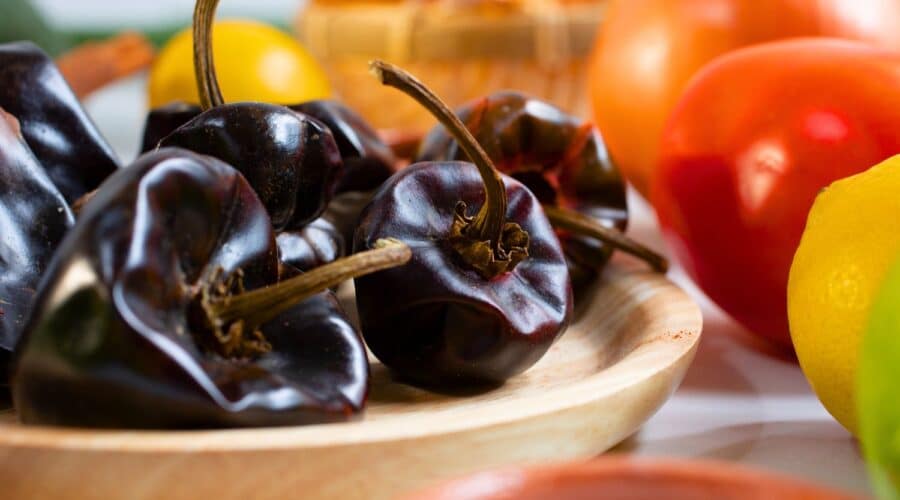
Fresh habaneros are 1 to 2.5 inches long with a wrinkled, lantern-like shape. Dried habaneros shrivel and deepen in color. The most common form in cooking is dried whole or ground into powder. Dried, the citrus aroma concentrates and the fruity character becomes even more pronounced.
How Hot Is a Habanero? Understanding the Scoville Scale
The Scoville scale measures chile heat in Scoville Heat Units (SHU). Here is how the habanero compares to other chiles you might know:
Chile
Scoville Range
Bell pepper
0 SHU
Jalapeño
2,500 to 8,000 SHU
Cayenne
30,000 to 50,000 SHU
Habanero
100,000 to 350,000 SHU
Ghost pepper
800,000 to 1,000,000 SHU
The habanero sits in a serious heat tier. It is roughly 40 times hotter than a jalapeño at the high end of the scale. That said, the heat from habanero is short-lived compared to some extreme peppers. It hits fast and bright rather than lingering for minutes. Our deeper look at the Scoville scale and where habanero ranks explains why heat intensity varies batch to batch.
What Does Habanero Taste Like?
This is where the habanero gets interesting. Most hot peppers taste like heat with a one-note burn. The habanero tastes like fruit first, heat second.
Flavor notes to expect:
Fresh citrus and orange peel
Tropical fruit: mango, nectarine, passionfruit
Light floral character, almost like a citrus blossom
Stone fruit in dried or rehydrated form
Subtle smokiness in some dried varieties
This flavor complexity is why habanero belongs in fruit-based salsas, mango hot sauces, and tropical marinades rather than just chili. The fruity heat pairs beautifully with acidic ingredients like lime juice and vinegar, and it holds its own against rich, fatty proteins like pork belly or salmon.
Dried habanero has a more concentrated, slightly smoky citrus character than fresh. If you use whole dried chiles from our chiles collection, rehydrate them in hot water for 10 minutes before using in a sauce or salsa.
How to Use Habanero Chiles in Cooking
Sauces and Hot Sauces
Habanero is the defining ingredient in many craft hot sauces. Its fruity flavor makes it compatible with vinegar-based and fruit-based sauce formats. Try our habanero hot sauce recipe for a step-by-step approach to building heat from scratch.
Salsas
Habanero salsa is a staple of Yucatecan cuisine. The pepper’s citrusy character makes it work particularly well with roasted tomato, white onion, and fresh lime. See our habanero salsa recipe for a straightforward version you can make in 20 minutes.
Marinades and Rubs
The fruity heat penetrates meat well, especially when combined with citrus juice and oil. Habanero marinades work brilliantly on chicken, pork, and fish. Our habanero marinade guide covers three protein-specific recipes. You can also check out all about spice rubs for techniques that work alongside habanero in dry applications.
Everyday Heat
Start small. Use a quarter of a dried habanero in a pot of chili or beans. Add a pinch of habanero powder to scrambled eggs or guacamole. Build up from there once you know how your batch reads. Heat levels vary based on growing conditions, so the first time with a new batch, go conservative.
Habanero vs. Scotch Bonnet
These two peppers belong to the same species but taste and behave differently in the kitchen. Scotch bonnets are rounder, sweeter, and slightly more candy-like in flavor. Habaneros are more tapered, more citrusy, and tend to be slightly more intensely floral. Both sit in the same heat range.
In Caribbean cooking, scotch bonnet dominates. In Mexican and Yucatecan cooking, the habanero is the standard. A detailed habanero vs. scotch bonnet comparison walks through when to use each one and whether they can substitute for each other.
Tips for Handling and Storing Habanero Chiles
Capsaicin is an oil, and it sticks. Wear gloves when handling whole fresh or dried habaneros, and avoid touching your face. Wash hands with soap and cold water after handling, as hot water opens pores and worsens absorption.
For storage, keep dried habanero chiles in an airtight container away from heat, light, and moisture. Our guide to keeping spices fresh covers the best storage methods for dried chiles and spices in general. Properly stored dried habaneros hold their flavor and heat for up to a year.
Frequently Asked Questions
How hot is a habanero compared to a jalapeño?
At the high end, a habanero is up to 140 times hotter than a jalapeño. A typical jalapeño sits around 5,000 SHU. A typical habanero sits around 150,000 to 200,000 SHU. The heat style is also different: habanero heat is brighter and faster, while jalapeño heat is more sustained.
Can I substitute habanero powder for whole dried chiles?
Yes. Use about half a teaspoon of habanero powder per whole dried chile in a recipe. The powder distributes heat more evenly but loses some of the textural complexity you get from a rehydrated whole chile. For sauces and marinades, powder works well. For salsas with visible pepper pieces, whole chiles are worth the extra step.
What does habanero pair well with?
Mango, pineapple, citrus fruits, coconut milk, lime juice, and vinegar all work beautifully with habanero. In savory applications, it pairs especially well with pork, shrimp, and fish. Fatty ingredients like avocado and sour cream help tame the heat without losing the flavor.
The habanero rewards cooks who treat it as a flavor ingredient first and a heat source second. Start with our dried habanero chiles, pick one of the recipes in this silo, and see what this pepper can do in your kitchen. For more ideas, browse cooking with hot peppers or explore the full chiles category for inspiration.