Citrus Steak Marinade Recipe: Science-Backed Guide to Tender, Flavorful Beef

Citrus Steak Marinade Recipe
Spread the love

Citrus marinades combine acidic fruit juices with aromatic spices to tenderize meat while infusing bold flavor. Research from Bursa Uludag University shows that a citrus marinade (31% orange juice, 31% lemon juice, 38% water) reduces Warner-Bratzler shear force from 178 to 44 N cm⁻², while increasing soluble collagen from 9% to 29% in marinated beef samples (Foods journal, 2024). This citrus steak marinade recipe delivers restaurant-quality results in just 30 minutes to 24 hours, depending on your timeline and preferred tenderness level.

Citrus Steak Marinade Recipe
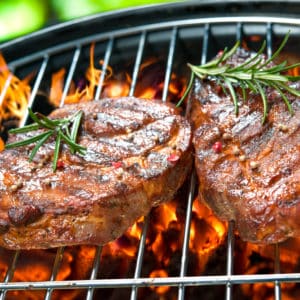
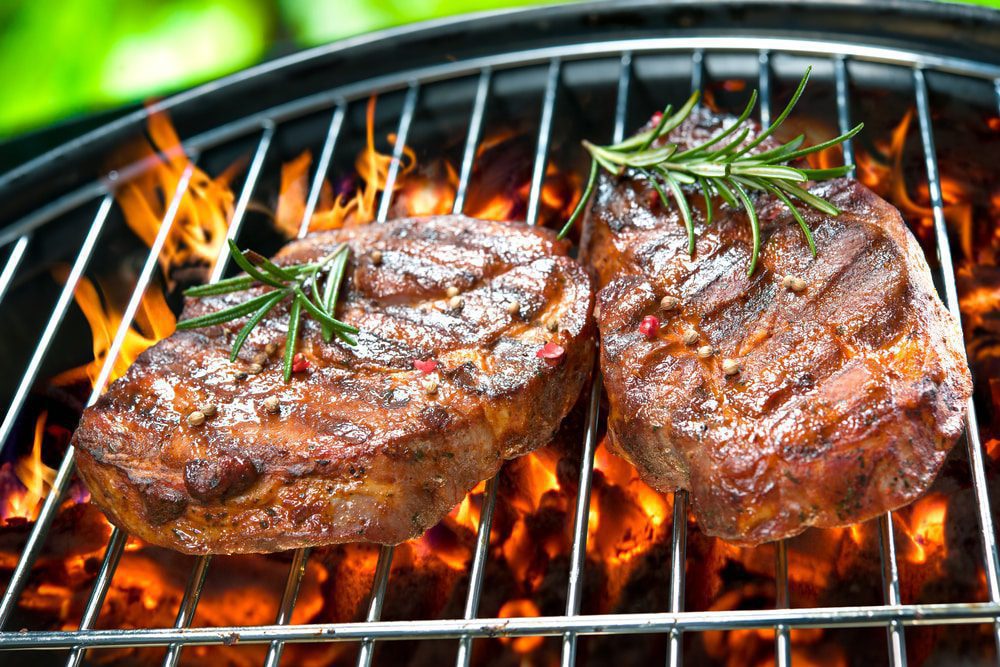
Assorted delicious grilled meat with vegetable over the coals on a barbecue

Understanding How Citrus Marinades Work

Citrus-based marinades transform tough cuts of beef through three primary mechanisms. The citric acid in orange and lime juice denatures meat proteins by unraveling their molecular structure, creating a more tender texture throughout the muscle fibers. According to a 2002 study published in Meat Science, citric acid proves more effective as a tenderizing agent than acetic or lactic acid at comparable concentrations, demonstrating superior protein breakdown capacity.

The acid component also weakens connective tissue structures through swelling of the meat, while simultaneously increasing proteolysis by cathepsins and boosting conversion of collagen to gelatin at low pH levels during thermal treatment (PMC Natural Products, 2023). Beyond tenderization, the citrus juices provide bright, tangy flavors that complement beef’s natural umami richness. The combination of orange juice’s subtle sweetness and lime juice’s sharp acidity creates a balanced flavor profile that enhances rather than masks the meat’s taste.

Oil-soluble compounds in garlic, cumin, and oregano dissolve into any fat present in the marinade, allowing these aromatics to penetrate deeper into the meat’s surface. This creates layers of flavor that intensify during cooking as the Maillard reaction develops a caramelized crust.

The Science Behind Optimal Marinating Times

The effectiveness of citrus marinades depends heavily on marinating duration. Research from Bursa Uludag University’s 2024 study involving 192 beef samples found that 24-hour marination received the highest scores from sensory panels for both tenderness and juiciness across multiple muscle types (Foods journal, September 2024). However, marinating beyond 24 hours can create textural issues as excessive acid exposure begins breaking down proteins too far, resulting in a mushy surface.

For skirt steak specifically, the loosely packed muscle fibers allow marinades to penetrate more quickly than denser cuts. A minimum 30-minute marinade provides noticeable flavor improvement, while 4-6 hours delivers optimal tenderization for this cut. According to food scientist Kantha Shelke in a November 2024 Chowhound interview, marinades primarily affect the outer 1/8 inch of meat, making thickness and surface area critical factors in marination effectiveness.

The USDA Food Safety and Inspection Service confirms that marinades work predominantly on the surface, which is why thin cuts like skirt steak respond so well to this technique. Thicker cuts benefit from longer marination times, though diminishing returns set in after 24 hours for most applications.

Why This Citrus Steak Marinade Recipe Works

This recipe combines scientifically proven tenderizing agents with complementary flavor builders. The orange juice contributes fructose for caramelization during cooking while providing vitamins and natural sweetness. Lime juice delivers a higher concentration of citric acid for maximum tenderizing effect. Fresh garlic contains allicin, which provides antimicrobial properties and improves flavor retention according to a 2010 Journal of Food Quality study on garlic marinades.

Cumin adds earthy, warm notes that bridge the brightness of citrus with beef’s savory depth. Turkish oregano offers phenolic compounds with antioxidant properties that help preserve meat quality during marination. Chili japones (chile de árbol) provides controlled heat that doesn’t overwhelm the citrus notes. The lemon salt seasons throughout while adding another citrus dimension.

Cilantro’s fresh, herbaceous character brightens the finished dish while contributing additional aromatic compounds. According to research published in PMC Natural Products (2023), the combination of organic acids from citrus and phenolic compounds from herbs creates synergistic antimicrobial effects that extend shelf life while enhancing safety.

Best Cuts of Beef for Citrus Marinades

Skirt Steak (Most Recommended)

Skirt steak stands as the ideal candidate for citrus marinades. This cut comes from the diaphragm muscle with pronounced muscle fibers running widthwise and significant marbling that provides rich flavor. The loosely woven accordion of coarse muscle fibers absorbs marinade flavors more quickly than almost any other beef cut, according to multiple culinary sources reviewed in late 2024.

Two varieties exist: outside skirt (from the outer side of ribs, more tender and uniform) and inside skirt (tougher, suitable for longer marination). According to Hines Meat Company’s October 2024 steak comparison guide, skirt steak averages $15.49 per pound and benefits most from acidic marinades that include citrus and herbs.

Flank Steak

Flank steak offers a leaner alternative from the cow’s abdominal muscle with clearly pronounced muscle grain running lengthwise. While denser than skirt steak, flank still benefits from citrus marination, though it requires 6-12 hours for optimal results versus skirt’s 30 minutes to 6 hours. A Farmgirl’s Kitchen notes in their 2020 citrus flank steak recipe that longer marination makes this inexpensive cut increasingly tender and flavorful.

Tri-Tip

Tri-tip, a triangular cut from the bottom sirloin, works well with citrus marinades when sliced thin before marinating. Its moderate marbling and relatively tender texture mean shorter marination times (2-4 hours) suffice for excellent results.

Hanger Steak

Hanger steak, sometimes called “butcher’s steak,” has similar properties to skirt steak with loose muscle fibers that readily absorb marinades. This cut benefits from 2-6 hour marination periods and pairs beautifully with citrus-based preparations.

Complete Citrus Steak Marinade Recipe

Ingredients

For the Marinade:

  • 1/2 cup fresh orange juice (from 1-2 oranges)
  • 1/4 cup fresh lime juice (from 2-3 limes)
  • 3 cloves garlic, minced
  • 1/4 cup fresh cilantro, finely chopped
  • 1 teaspoon lemon salt
  • 1 teaspoon ground cumin
  • 1/2 teaspoon dried oregano
  • 1/4 teaspoon chili japones (chile de árbol), crushed
  • 2 tablespoons olive oil (optional, for moisture retention)

For the Steak:

  • 1 1/4 pounds skirt steak (or flank steak, tri-tip, or hanger steak)

Equipment Needed

  • Glass or stainless steel container or large resealable plastic bag (never aluminum, which reacts with acids)
  • Citrus juicer
  • Sharp knife for mincing garlic and cilantro
  • Whisk for combining marinade ingredients
  • Meat thermometer for precise cooking
  • Tongs for handling meat
  • Cutting board designated for raw meat

Step-by-Step Instructions

1. Prepare the Marinade (5 minutes)

Juice fresh oranges and limes into a medium bowl. Using fresh citrus rather than bottled juice provides superior flavor and higher acid content for better tenderization. Peel and mince garlic cloves finely to maximize surface area for flavor extraction. Wash and thoroughly dry fresh cilantro, then chop finely, using both stems and leaves for maximum flavor.

Combine orange juice, lime juice, minced garlic, chopped cilantro, lemon salt, cumin, oregano, and crushed chili japones in your bowl. Whisk thoroughly to distribute spices evenly. If using olive oil, add it now and whisk vigorously to create a temporary emulsion that will coat the meat more effectively.

2. Prepare the Steak (3 minutes)

Remove skirt steak from refrigeration. If using outside skirt, check for and remove the membrane (similar to rib membrane) by sliding a knife underneath and pulling it away. Pat the steak completely dry with paper towels—this step is crucial as excess surface moisture dilutes the marinade and prevents proper absorption.

For steaks thicker than 3/4 inch, consider scoring the surface in a crosshatch pattern (shallow 1/8-inch deep cuts spaced 1 inch apart) to allow marinade penetration beyond the surface layer. This technique is particularly effective for flank steak.

3. Marinate the Steak (30 minutes to 24 hours)

Place the steak in your glass container or resealable bag. Pour the marinade over the meat, ensuring complete coverage on all surfaces. If using a bag, press out excess air before sealing to maximize marinade contact. If using a container, turn the steak several times to coat thoroughly.

Refrigerate immediately—never marinate at room temperature due to bacterial growth concerns. Marinate for:

  • Minimum: 30 minutes for basic flavor
  • Recommended: 4-6 hours for skirt steak
  • Maximum: 24 hours for maximum tenderness

Turn the steak every 2-4 hours during marination to ensure even exposure to the acidic mixture.

4. Prepare for Cooking (20 minutes before cooking)

Remove the marinated steak from refrigerator 15-20 minutes before cooking to allow it to approach room temperature, which promotes even cooking. Remove the steak from the marinade and discard the used marinade (never reuse marinade that has contacted raw meat).

Pat the steak completely dry with fresh paper towels. This critical step ensures proper searing and crust development. Any surface moisture will steam rather than sear, preventing the Maillard reaction that creates complex flavors and attractive color.

5. Cook the Steak

The cooking method significantly impacts final results. Select based on equipment available and desired outcome.

Optimal Cooking Methods for Marinated Steak

High-Heat Grilling (Recommended)

Preheat your grill to 450-500°F, allowing 15 minutes for proper heat distribution. Oil the grill grates lightly with a paper towel dipped in neutral oil (not the marinade). Place the dried steak directly over high heat.

Cook skirt steak for 3-4 minutes per side without moving it, allowing proper crust formation. For medium-rare, target an internal temperature of 130-135°F. Use an instant-read thermometer inserted into the thickest part. Close the grill lid to maintain temperature but monitor closely to prevent overcooking.

According to Savory Experiments’ September 2025 testing, skirt steak should be cooked from rare to medium but no more, as it becomes tough when overcooked. The combination of high heat and short cooking time preserves the tender texture achieved through marination.

Cast Iron Pan Searing (Indoor Option)

Heat a 12-inch cast iron skillet over medium-high heat for 5 minutes until smoking. This extended preheat is essential for proper searing. Add the steak without any additional oil (the marinade’s oil component and the steak’s fat provide sufficient lubrication).

Press the steak firmly into the pan surface using tongs to ensure maximum contact for even searing. Cook undisturbed for 6 minutes, then flip and continue cooking for 5-10 minutes depending on thickness and desired doneness. The longer second-side cook compensates for the pan temperature drop after adding the meat.

For optimal results with cast iron, ensure proper ventilation as high-heat searing generates significant smoke. Consider opening windows or activating exhaust fans.

Broiler Method (Alternative)

Position the oven rack 3-4 inches from the broiler element. Preheat the broiler on high for 10 minutes. Place the dried steak on a broiler pan or wire rack over a baking sheet.

Broil for 4-5 minutes per side for medium-rare, watching carefully to prevent burning. The intense overhead heat mimics grilling’s top-down cooking, though it won’t develop quite the same char as direct flame contact.

Resting and Slicing for Maximum Tenderness

Critical Resting Period

After cooking, transfer the steak to a cutting board and let it rest for 5-10 minutes. During this time, residual heat continues cooking the interior (carryover cooking adds 5-10°F), while muscle fibers relax and reabsorb juices. Cutting immediately causes these juices to run out onto the cutting board rather than staying in the meat.

Cover loosely with aluminum foil during resting to maintain temperature without steaming the crust. Never wrap tightly, as trapped moisture softens the exterior.

Proper Slicing Technique

Skirt steak’s grain runs widthwise (like short, wide stripes), requiring a specific cutting approach. First, cut the long steak into 3-4 inch sections across the width. Rotate each section 90 degrees so the grain now runs left to right.

Hold your knife at a 45-degree angle and slice thinly (1/4 inch thick) against the grain. This technique shortens the muscle fibers from several inches to just 1/4 inch, creating maximum tenderness in each bite. According to One Stop Halal’s November 2024 guide on steak alternatives, cutting against the grain is one of the most critical steps for achieving tender results with any cut.

For flank steak, the grain runs lengthwise, so slice directly across the width of the steak at a 45-degree angle for the most tender results.

Recipe Variations and Customizations

Citrus Combinations

Classic Orange-Lime: The base recipe (1/2 cup orange, 1/4 cup lime)

Grapefruit Variation: Replace orange juice with fresh grapefruit juice for a more bitter, complex profile. Use pink grapefruit for subtle sweetness or white grapefruit for pronounced bitterness.

Lemon-Forward: Substitute lime juice with lemon juice and reduce to 3 tablespoons total (lemon’s higher acidity requires less volume)

Triple Citrus: Use 1/4 cup each of orange, lime, and lemon juice for layered citrus notes

Heat Level Adjustments

Mild: Omit chili japones entirely; add 1/2 teaspoon smoked paprika for color without heat

Medium: Use the base recipe’s 1/4 teaspoon chili japones

Hot: Increase chili japones to 1/2 teaspoon, or add 1 fresh jalapeño (seeded and minced)

Extra Hot: Add 1/4 teaspoon cayenne pepper plus the chili japones, or use 1 habanero pepper (proceed with caution)

Herb Variations

Mexican-Inspired: Replace oregano with Mexican oregano and increase cilantro to 1/3 cup

Mediterranean Style: Swap cilantro for fresh parsley, add 1 tablespoon fresh thyme, include 2 tablespoons olive oil

Asian Fusion: Add 2 tablespoons soy sauce, 1 tablespoon sesame oil, 1 tablespoon minced fresh ginger, and 2 teaspoons honey granules

South American: Increase cilantro to 1/2 cup, add 1 tablespoon chimichurri blend

Spice Blend Additions

Tex-Mex Style: Add 1 teaspoon chile powder, 1/2 teaspoon smoked paprika, 1/4 teaspoon black pepper

Moroccan Influence: Include 1/2 teaspoon ras el hanout or baharat

Indian Twist: Add 1 teaspoon garam masala and 1/4 teaspoon turmeric

Caribbean Jerk: Mix in 1 tablespoon jerk seasoning and reduce other spices by half

Citrus Steak Marinade Recipe: Science-Backed Guide to Tender, Flavorful Beef
Serving Suggestions and Accompaniments

Classic Presentations

Fajitas: Slice the cooked steak thinly and serve with sautéed bell peppers and onions, warm flour tortillas, guacamole, sour cream, and salsa

Tacos: Dice the steak into 1/2-inch cubes, serve in corn tortillas with fresh cilantro, diced onions, lime wedges, and salsa verde

Steak Salad: Slice thinly over mixed greens with avocado, cherry tomatoes, black beans, corn, and cilantro-lime vinaigrette

Rice Bowls: Serve over cilantro-lime rice with black beans, grilled vegetables, and chipotle aioli

Side Dish Pairings

Mexican-Style Rice: Tomato-based rice with cumin, garlic, and cilantro

Charred Corn: Fresh corn grilled and topped with cotija cheese, lime juice, and chili powder

Black Beans: Simmered with cumin, garlic salt, and bay leaves

Grilled Vegetables: Zucchini, bell peppers, and onions brushed with olive oil and seasoned with Mediterranean herbs

Street Corn Salad: Off-the-cob corn with mayo, lime juice, cotija, and chili powder

Cilantro-Lime Rice: Jasmine rice tossed with fresh cilantro, lime zest, and lime juice

Common Mistakes to Avoid

Using Bottled Citrus Juice

Bottled orange and lime juice contain preservatives that alter flavor and often have reduced acid content compared to fresh fruit. Fresh citrus provides superior flavor brightness and more effective tenderization. According to Deep Fried Honey’s September 2024 skirt steak recipe testing, fresh orange juice makes a noticeable difference in final marinade quality.

Over-Marinating

Marinating beyond 24 hours, particularly with high-acid marinades, breaks down proteins excessively and creates a mushy texture on the surface. The muscle fibers essentially become “cooked” by the acid (like ceviche), then double-cook during heat application, resulting in dry, stringy texture. For skirt steak, 6 hours represents the sweet spot between flavor and texture.

Marinating at Room Temperature

Room temperature marination accelerates bacterial growth, particularly in the “danger zone” of 40-140°F. The USDA requires all marination to occur under refrigeration (below 40°F) to prevent foodborne illness. Never leave marinating meat on the counter for more than 30 minutes total.

Not Drying Before Cooking

Excess surface moisture prevents proper searing and crust development. Wet meat steams in the pan or on the grill rather than developing the Maillard reaction’s complex flavors and attractive color. Always pat meat completely dry immediately before cooking.

Cutting With the Grain

Skirt and flank steak have pronounced muscle grain that, if cut parallel, creates long, chewy fibers that are difficult to bite through. Always identify grain direction and slice perpendicular to those fibers. For skirt steak specifically, cut the long piece into shorter sections first, then rotate 90 degrees before slicing across the grain.

Overcooking

Citrus-marinated steaks cook faster than unmarinated meat due to the acid’s protein-denaturing effect. The meat structure has already begun breaking down, so it requires less heat exposure to reach desired doneness. Aim for rare to medium doneness (120-145°F internal temperature) to avoid tough, dry results.

Using Reactive Containers

Aluminum pans or containers react with acidic marinades, creating metallic flavors and potentially harmful compounds. Always use glass, stainless steel, or food-grade plastic containers for marinating. This also applies to aluminum foil—never wrap marinating meat in foil.

Food Safety Guidelines for Marinating

Refrigeration Requirements

All marination must occur at refrigerator temperature (35-40°F). Remove meat from refrigeration only 15-20 minutes before cooking to approach room temperature for even cooking. According to USDA guidelines, meat should never remain in the temperature danger zone (40-140°F) for more than 2 hours total.

Marinade Handling

Never reuse marinade that has contacted raw meat without first bringing it to a rolling boil for at least 1 minute to kill potential bacteria. For serving as a sauce alongside cooked meat, reserve a portion of fresh marinade before it contacts raw meat. This reserved portion can be used safely without boiling.

If you want to use used marinade as a sauce, transfer it to a saucepan and boil vigorously for 5 minutes, which both kills bacteria and reduces the liquid to concentrate flavors.

Cross-Contamination Prevention

Designate separate cutting boards, containers, and utensils for raw and cooked meat. Wash hands thoroughly with soap and hot water after handling raw meat. Clean and sanitize all surfaces that contacted raw meat or marinade using hot, soapy water followed by a sanitizing solution (1 tablespoon bleach per gallon of water).

Storage Duration

Marinating meat can be safely stored in the refrigerator for up to 5 days total, though quality declines after 24 hours due to excessive acid exposure. For best results, plan to cook marinated meat within 24 hours of initial marination.

Comparison: Citrus Marinade vs. Other Marinade Types

Marinade Type Primary Acid Tenderizing Power Flavor Profile Best For Marination Time
Citrus (This Recipe) Citric acid from oranges, limes High Bright, tangy, fresh Skirt, flank, tri-tip 30 min – 24 hours
Vinegar-Based Acetic acid Medium-High Sharp, acidic, sometimes harsh Tougher cuts needing strong flavor 2-24 hours
Wine-Based Tartaric/malic acids Medium Complex, fruity, sophisticated Beef, lamb, game meats 4-24 hours
Yogurt/Buttermilk Lactic acid Medium Creamy, tangy, mild Chicken, lamb 2-12 hours
Soy Sauce Amino acids Low-Medium Umami, salty, savory Asian preparations 30 min – 8 hours
Pineapple/Papaya Bromelain/papain enzymes Very High (caution) Sweet, tropical Quick marinades only 15-30 min max
Oil & Herb None None Herbal, aromatic Adding flavor only 1-24 hours
Beer Carbonic acid Low Malty, slightly bitter Pork, beef ribs 2-8 hours

Why Citrus Excels for Steak

Citric acid from fresh citrus provides more effective tenderization than acetic acid (vinegar) or lactic acid (yogurt) at comparable concentrations, according to the 2002 Meat Science study. The natural sugars in orange juice support caramelization during cooking, creating attractive color and complex flavor. Fresh citrus’s vitamin C content also acts as an antioxidant, helping preserve meat color and freshness during marination.

Unlike enzymatic tenderizers (pineapple, papaya), citrus marinades are harder to over-marinate and provide more control over final texture. The bright, clean flavors complement rather than mask beef’s natural taste, making citrus ideal for quality cuts where you want to enhance, not hide, the meat’s flavor.

Nutritional Information and Health Considerations

Per Serving (Based on 4 Servings)

Marinated 5oz Skirt Steak (cooked):

  • Calories: 280-320
  • Protein: 32-35g
  • Fat: 15-18g (varies by trimming)
  • Carbohydrates: 3-4g (from marinade absorption)
  • Sodium: 280-350mg (depending on lemon salt amount)
  • Iron: 3-4mg (20-22% DV)
  • Zinc: 6-7mg (55-64% DV)
  • Vitamin C: 15-20mg (from citrus absorption)

Health Benefits

Skirt steak provides high-quality complete protein with all essential amino acids necessary for muscle maintenance and repair. According to Cuso Cuts’ February 2025 nutritional analysis, a 4-ounce serving provides 26 grams of protein at just 200 calories, making it an excellent choice for lean protein intake.

The citrus components contribute vitamin C, which aids iron absorption from the beef. Fresh garlic provides allicin, a sulfur compound with antimicrobial and potential cardiovascular benefits. Cumin contains antioxidants and may support digestive health according to traditional medicine applications.

Cilantro contributes vitamins A and K, along with potentially chelating heavy metals, though this effect requires significantly higher consumption than used in this recipe. The minimal oil in this marinade keeps added fat low while enhancing nutrient absorption of fat-soluble vitamins.

Dietary Considerations

Gluten-Free: Naturally gluten-free when using pure spices (verify lemon salt contains no wheat-based anticaking agents)

Dairy-Free: Completely dairy-free

Low-Carb/Keto: Minimal carbohydrates from citrus and spices make this suitable for low-carb diets

Paleo: Compliant with paleo guidelines using natural ingredients

Whole30: Approved when using compliant lemon salt (no sugar, additives)

For Sodium Restriction: Reduce or eliminate lemon salt; use fresh lemon zest for citrus flavor without sodium

Frequently Asked Questions

How long can I marinate steak in citrus juice?

Marinate skirt steak for 30 minutes minimum and 24 hours maximum. The optimal range is 4-6 hours for skirt steak, which balances flavor absorption with texture maintenance. Beyond 24 hours, the citric acid over-tenderizes the surface, creating a mushy texture similar to ceviche. Thicker cuts like flank steak can handle up to 24 hours, while very thin cuts should not exceed 6 hours.

Can I freeze meat in the marinade?

Yes, freezing meat in marinade is an excellent meal prep strategy. Place meat and marinade in a freezer-safe bag, remove excess air, and freeze for up to 3 months. The marinade protects against freezer burn while the meat gradually marinates as it thaws. To use, transfer to the refrigerator 24 hours before cooking, allowing the meat to thaw and marinate simultaneously. Never refreeze previously frozen marinated meat.

What if I don’t have fresh citrus juice?

Fresh citrus provides superior results, but in a pinch, use 100% pure bottled juice (not from concentrate). Increase the amount by 25% as bottled juice has lower acidity. The flavor will be less bright, but tenderization still occurs. Avoid citrus juices with added sugar or preservatives. For best results, add 1 teaspoon fresh citrus zest to boost flavor when using bottled juice.

Can I use this marinade on chicken or pork?

Absolutely. This marinade works excellently on chicken (boneless breasts, thighs, or whole pieces) and pork (chops, tenderloin, or shoulder). For chicken, marinate 2-4 hours maximum as poultry’s delicate proteins break down faster than beef. For pork chops, use 4-8 hours; for pork shoulder, marinate up to 24 hours. Adjust cooking methods and temperatures according to USDA guidelines: chicken to 165°F internal, pork to 145°F with 3-minute rest.

My steak turned gray after marinating—is it still safe to eat?

Gray color development during marination results from the acid denaturing myoglobin (the protein responsible for meat’s red color). This is normal and safe. The gray surface will brown properly during cooking through the Maillard reaction. If the meat smells sour, slimy, or off, discard it as it has spoiled. Proper refrigeration throughout marination prevents spoilage—grayness alone does not indicate spoilage.

Can I add more garlic to make it stronger?

Yes, increase garlic up to 6 cloves for more pronounced garlic flavor. Fresh garlic’s pungency varies by variety and freshness, so adjust to preference. For very strong garlic flavor, let minced garlic sit in lime juice for 30 minutes before adding other ingredients—this creates a quick “pickle” effect that intensifies and slightly mellows the garlic’s sharpness. Roasted garlic provides sweeter, milder flavor if preferred.

Do I need to add oil to the marinade?

Oil is optional but recommended. While acids and aromatics provide tenderization and flavor, oil serves two purposes: it acts as a carrier for fat-soluble flavor compounds in garlic, cumin, and oregano, helping them penetrate the meat; and it provides moisture during cooking, reducing risk of the surface drying out. Two tablespoons of olive oil adds minimal calories (about 30 per serving after cooking) while improving moisture retention.

What’s the difference between skirt and flank steak for this recipe?

Skirt steak has looser muscle fibers that absorb marinades faster (30 min – 6 hours optimal), costs approximately $15.49/lb, and has more marbling for richer flavor. Flank steak is denser, requires longer marination (6-12 hours), costs approximately $11.99/lb, and is leaner. According to Hines Meat’s October 2024 comparison, skirt steak better absorbs citrus marinades and is more forgiving during cooking, while flank provides a leaner option that must be sliced thinner against the grain for optimal tenderness.

Conclusion

This citrus steak marinade combines scientific tenderizing principles with complementary flavors to transform affordable cuts like skirt steak into restaurant-quality meals. The research-backed combination of citric acid, aromatic herbs, and complementary spices creates measurable improvements in both tenderness and flavor complexity.

The versatility of this basic recipe allows endless customization while maintaining the core science that makes it effective. Whether preparing quick weeknight fajitas or marinating overnight for weekend entertaining, this marinade delivers consistent, impressive results. The key lies in using fresh citrus, properly timing your marination, and following correct cooking techniques for your chosen method.

Ready to create perfectly marinated steak? Gather your fresh spices from Spice Station, select a quality cut of beef, and start marinating. Your family and guests will taste the difference that science-backed technique makes.

Meta Description:

Meta Keywords: citrus steak marinade, citrus marinade for beef, skirt steak marinade citrus, orange lime steak marinade, best steak marinade recipe, how to marinate skirt steak, tenderizing steak marinade, Mexican steak marinade, grilled steak marinade citrus, homemade steak marinade

Related Articles

Citrus Steak Marinade Recipe
Spread the love

Citrus marinades combine acidic fruit juices with aromatic spices to tenderize meat while infusing bold flavor. Research from Bursa Uludag University shows that a citrus marinade (31% orange juice, 31% lemon juice, 38% water) reduces Warner-Bratzler shear force from 178 to 44 N cm⁻², while increasing soluble collagen from 9% to 29% in marinated beef samples (Foods journal, 2024). This citrus steak marinade recipe delivers restaurant-quality results in just 30 minutes to 24 hours, depending on your timeline and preferred tenderness level.
Citrus Steak Marinade Recipe
Assorted delicious grilled meat with vegetable over the coals on a barbecue

Understanding How Citrus Marinades Work

Citrus-based marinades transform tough cuts of beef through three primary mechanisms. The citric acid in orange and lime juice denatures meat proteins by unraveling their molecular structure, creating a more tender texture throughout the muscle fibers. According to a 2002 study published in Meat Science, citric acid proves more effective as a tenderizing agent than acetic or lactic acid at comparable concentrations, demonstrating superior protein breakdown capacity.

The acid component also weakens connective tissue structures through swelling of the meat, while simultaneously increasing proteolysis by cathepsins and boosting conversion of collagen to gelatin at low pH levels during thermal treatment (PMC Natural Products, 2023). Beyond tenderization, the citrus juices provide bright, tangy flavors that complement beef’s natural umami richness. The combination of orange juice’s subtle sweetness and lime juice’s sharp acidity creates a balanced flavor profile that enhances rather than masks the meat’s taste.

Oil-soluble compounds in garlic, cumin, and oregano dissolve into any fat present in the marinade, allowing these aromatics to penetrate deeper into the meat’s surface. This creates layers of flavor that intensify during cooking as the Maillard reaction develops a caramelized crust.

The Science Behind Optimal Marinating Times

The effectiveness of citrus marinades depends heavily on marinating duration. Research from Bursa Uludag University’s 2024 study involving 192 beef samples found that 24-hour marination received the highest scores from sensory panels for both tenderness and juiciness across multiple muscle types (Foods journal, September 2024). However, marinating beyond 24 hours can create textural issues as excessive acid exposure begins breaking down proteins too far, resulting in a mushy surface.

For skirt steak specifically, the loosely packed muscle fibers allow marinades to penetrate more quickly than denser cuts. A minimum 30-minute marinade provides noticeable flavor improvement, while 4-6 hours delivers optimal tenderization for this cut. According to food scientist Kantha Shelke in a November 2024 Chowhound interview, marinades primarily affect the outer 1/8 inch of meat, making thickness and surface area critical factors in marination effectiveness.

The USDA Food Safety and Inspection Service confirms that marinades work predominantly on the surface, which is why thin cuts like skirt steak respond so well to this technique. Thicker cuts benefit from longer marination times, though diminishing returns set in after 24 hours for most applications.

Why This Citrus Steak Marinade Recipe Works

This recipe combines scientifically proven tenderizing agents with complementary flavor builders. The orange juice contributes fructose for caramelization during cooking while providing vitamins and natural sweetness. Lime juice delivers a higher concentration of citric acid for maximum tenderizing effect. Fresh garlic contains allicin, which provides antimicrobial properties and improves flavor retention according to a 2010 Journal of Food Quality study on garlic marinades.

Cumin adds earthy, warm notes that bridge the brightness of citrus with beef’s savory depth. Turkish oregano offers phenolic compounds with antioxidant properties that help preserve meat quality during marination. Chili japones (chile de árbol) provides controlled heat that doesn’t overwhelm the citrus notes. The lemon salt seasons throughout while adding another citrus dimension.

Cilantro’s fresh, herbaceous character brightens the finished dish while contributing additional aromatic compounds. According to research published in PMC Natural Products (2023), the combination of organic acids from citrus and phenolic compounds from herbs creates synergistic antimicrobial effects that extend shelf life while enhancing safety.

Best Cuts of Beef for Citrus Marinades

Skirt Steak (Most Recommended)

Skirt steak stands as the ideal candidate for citrus marinades. This cut comes from the diaphragm muscle with pronounced muscle fibers running widthwise and significant marbling that provides rich flavor. The loosely woven accordion of coarse muscle fibers absorbs marinade flavors more quickly than almost any other beef cut, according to multiple culinary sources reviewed in late 2024.

Two varieties exist: outside skirt (from the outer side of ribs, more tender and uniform) and inside skirt (tougher, suitable for longer marination). According to Hines Meat Company’s October 2024 steak comparison guide, skirt steak averages $15.49 per pound and benefits most from acidic marinades that include citrus and herbs.

Flank Steak

Flank steak offers a leaner alternative from the cow’s abdominal muscle with clearly pronounced muscle grain running lengthwise. While denser than skirt steak, flank still benefits from citrus marination, though it requires 6-12 hours for optimal results versus skirt’s 30 minutes to 6 hours. A Farmgirl’s Kitchen notes in their 2020 citrus flank steak recipe that longer marination makes this inexpensive cut increasingly tender and flavorful.

Tri-Tip

Tri-tip, a triangular cut from the bottom sirloin, works well with citrus marinades when sliced thin before marinating. Its moderate marbling and relatively tender texture mean shorter marination times (2-4 hours) suffice for excellent results.

Hanger Steak

Hanger steak, sometimes called “butcher’s steak,” has similar properties to skirt steak with loose muscle fibers that readily absorb marinades. This cut benefits from 2-6 hour marination periods and pairs beautifully with citrus-based preparations.

Complete Citrus Steak Marinade Recipe

Ingredients

For the Marinade:

  • 1/2 cup fresh orange juice (from 1-2 oranges)
  • 1/4 cup fresh lime juice (from 2-3 limes)
  • 3 cloves garlic, minced
  • 1/4 cup fresh cilantro, finely chopped
  • 1 teaspoon lemon salt
  • 1 teaspoon ground cumin
  • 1/2 teaspoon dried oregano
  • 1/4 teaspoon chili japones (chile de árbol), crushed
  • 2 tablespoons olive oil (optional, for moisture retention)

For the Steak:

  • 1 1/4 pounds skirt steak (or flank steak, tri-tip, or hanger steak)

Equipment Needed

  • Glass or stainless steel container or large resealable plastic bag (never aluminum, which reacts with acids)
  • Citrus juicer
  • Sharp knife for mincing garlic and cilantro
  • Whisk for combining marinade ingredients
  • Meat thermometer for precise cooking
  • Tongs for handling meat
  • Cutting board designated for raw meat

Step-by-Step Instructions

1. Prepare the Marinade (5 minutes)

Juice fresh oranges and limes into a medium bowl. Using fresh citrus rather than bottled juice provides superior flavor and higher acid content for better tenderization. Peel and mince garlic cloves finely to maximize surface area for flavor extraction. Wash and thoroughly dry fresh cilantro, then chop finely, using both stems and leaves for maximum flavor.

Combine orange juice, lime juice, minced garlic, chopped cilantro, lemon salt, cumin, oregano, and crushed chili japones in your bowl. Whisk thoroughly to distribute spices evenly. If using olive oil, add it now and whisk vigorously to create a temporary emulsion that will coat the meat more effectively.

2. Prepare the Steak (3 minutes)

Remove skirt steak from refrigeration. If using outside skirt, check for and remove the membrane (similar to rib membrane) by sliding a knife underneath and pulling it away. Pat the steak completely dry with paper towels—this step is crucial as excess surface moisture dilutes the marinade and prevents proper absorption.

For steaks thicker than 3/4 inch, consider scoring the surface in a crosshatch pattern (shallow 1/8-inch deep cuts spaced 1 inch apart) to allow marinade penetration beyond the surface layer. This technique is particularly effective for flank steak.

3. Marinate the Steak (30 minutes to 24 hours)

Place the steak in your glass container or resealable bag. Pour the marinade over the meat, ensuring complete coverage on all surfaces. If using a bag, press out excess air before sealing to maximize marinade contact. If using a container, turn the steak several times to coat thoroughly.

Refrigerate immediately—never marinate at room temperature due to bacterial growth concerns. Marinate for:

  • Minimum: 30 minutes for basic flavor
  • Recommended: 4-6 hours for skirt steak
  • Maximum: 24 hours for maximum tenderness

Turn the steak every 2-4 hours during marination to ensure even exposure to the acidic mixture.

4. Prepare for Cooking (20 minutes before cooking)

Remove the marinated steak from refrigerator 15-20 minutes before cooking to allow it to approach room temperature, which promotes even cooking. Remove the steak from the marinade and discard the used marinade (never reuse marinade that has contacted raw meat).

Pat the steak completely dry with fresh paper towels. This critical step ensures proper searing and crust development. Any surface moisture will steam rather than sear, preventing the Maillard reaction that creates complex flavors and attractive color.

5. Cook the Steak

The cooking method significantly impacts final results. Select based on equipment available and desired outcome.

Optimal Cooking Methods for Marinated Steak

High-Heat Grilling (Recommended)

Preheat your grill to 450-500°F, allowing 15 minutes for proper heat distribution. Oil the grill grates lightly with a paper towel dipped in neutral oil (not the marinade). Place the dried steak directly over high heat.

Cook skirt steak for 3-4 minutes per side without moving it, allowing proper crust formation. For medium-rare, target an internal temperature of 130-135°F. Use an instant-read thermometer inserted into the thickest part. Close the grill lid to maintain temperature but monitor closely to prevent overcooking.

According to Savory Experiments’ September 2025 testing, skirt steak should be cooked from rare to medium but no more, as it becomes tough when overcooked. The combination of high heat and short cooking time preserves the tender texture achieved through marination.

Cast Iron Pan Searing (Indoor Option)

Heat a 12-inch cast iron skillet over medium-high heat for 5 minutes until smoking. This extended preheat is essential for proper searing. Add the steak without any additional oil (the marinade’s oil component and the steak’s fat provide sufficient lubrication).

Press the steak firmly into the pan surface using tongs to ensure maximum contact for even searing. Cook undisturbed for 6 minutes, then flip and continue cooking for 5-10 minutes depending on thickness and desired doneness. The longer second-side cook compensates for the pan temperature drop after adding the meat.

For optimal results with cast iron, ensure proper ventilation as high-heat searing generates significant smoke. Consider opening windows or activating exhaust fans.

Broiler Method (Alternative)

Position the oven rack 3-4 inches from the broiler element. Preheat the broiler on high for 10 minutes. Place the dried steak on a broiler pan or wire rack over a baking sheet.

Broil for 4-5 minutes per side for medium-rare, watching carefully to prevent burning. The intense overhead heat mimics grilling’s top-down cooking, though it won’t develop quite the same char as direct flame contact.

Resting and Slicing for Maximum Tenderness

Critical Resting Period

After cooking, transfer the steak to a cutting board and let it rest for 5-10 minutes. During this time, residual heat continues cooking the interior (carryover cooking adds 5-10°F), while muscle fibers relax and reabsorb juices. Cutting immediately causes these juices to run out onto the cutting board rather than staying in the meat.

Cover loosely with aluminum foil during resting to maintain temperature without steaming the crust. Never wrap tightly, as trapped moisture softens the exterior.

Proper Slicing Technique

Skirt steak’s grain runs widthwise (like short, wide stripes), requiring a specific cutting approach. First, cut the long steak into 3-4 inch sections across the width. Rotate each section 90 degrees so the grain now runs left to right.

Hold your knife at a 45-degree angle and slice thinly (1/4 inch thick) against the grain. This technique shortens the muscle fibers from several inches to just 1/4 inch, creating maximum tenderness in each bite. According to One Stop Halal’s November 2024 guide on steak alternatives, cutting against the grain is one of the most critical steps for achieving tender results with any cut.

For flank steak, the grain runs lengthwise, so slice directly across the width of the steak at a 45-degree angle for the most tender results.

Recipe Variations and Customizations

Citrus Combinations

Classic Orange-Lime: The base recipe (1/2 cup orange, 1/4 cup lime)

Grapefruit Variation: Replace orange juice with fresh grapefruit juice for a more bitter, complex profile. Use pink grapefruit for subtle sweetness or white grapefruit for pronounced bitterness.

Lemon-Forward: Substitute lime juice with lemon juice and reduce to 3 tablespoons total (lemon’s higher acidity requires less volume)

Triple Citrus: Use 1/4 cup each of orange, lime, and lemon juice for layered citrus notes

Heat Level Adjustments

Mild: Omit chili japones entirely; add 1/2 teaspoon smoked paprika for color without heat

Medium: Use the base recipe’s 1/4 teaspoon chili japones

Hot: Increase chili japones to 1/2 teaspoon, or add 1 fresh jalapeño (seeded and minced)

Extra Hot: Add 1/4 teaspoon cayenne pepper plus the chili japones, or use 1 habanero pepper (proceed with caution)

Herb Variations

Mexican-Inspired: Replace oregano with Mexican oregano and increase cilantro to 1/3 cup

Mediterranean Style: Swap cilantro for fresh parsley, add 1 tablespoon fresh thyme, include 2 tablespoons olive oil

Asian Fusion: Add 2 tablespoons soy sauce, 1 tablespoon sesame oil, 1 tablespoon minced fresh ginger, and 2 teaspoons honey granules

South American: Increase cilantro to 1/2 cup, add 1 tablespoon chimichurri blend

Spice Blend Additions

Tex-Mex Style: Add 1 teaspoon chile powder, 1/2 teaspoon smoked paprika, 1/4 teaspoon black pepper

Moroccan Influence: Include 1/2 teaspoon ras el hanout or baharat

Indian Twist: Add 1 teaspoon garam masala and 1/4 teaspoon turmeric

Caribbean Jerk: Mix in 1 tablespoon jerk seasoning and reduce other spices by half
Citrus Steak Marinade Recipe: Science-Backed Guide to Tender, Flavorful Beef

Serving Suggestions and Accompaniments

Classic Presentations

Fajitas: Slice the cooked steak thinly and serve with sautéed bell peppers and onions, warm flour tortillas, guacamole, sour cream, and salsa

Tacos: Dice the steak into 1/2-inch cubes, serve in corn tortillas with fresh cilantro, diced onions, lime wedges, and salsa verde

Steak Salad: Slice thinly over mixed greens with avocado, cherry tomatoes, black beans, corn, and cilantro-lime vinaigrette

Rice Bowls: Serve over cilantro-lime rice with black beans, grilled vegetables, and chipotle aioli

Side Dish Pairings

Mexican-Style Rice: Tomato-based rice with cumin, garlic, and cilantro

Charred Corn: Fresh corn grilled and topped with cotija cheese, lime juice, and chili powder

Black Beans: Simmered with cumin, garlic salt, and bay leaves

Grilled Vegetables: Zucchini, bell peppers, and onions brushed with olive oil and seasoned with Mediterranean herbs

Street Corn Salad: Off-the-cob corn with mayo, lime juice, cotija, and chili powder

Cilantro-Lime Rice: Jasmine rice tossed with fresh cilantro, lime zest, and lime juice

Common Mistakes to Avoid

Using Bottled Citrus Juice

Bottled orange and lime juice contain preservatives that alter flavor and often have reduced acid content compared to fresh fruit. Fresh citrus provides superior flavor brightness and more effective tenderization. According to Deep Fried Honey’s September 2024 skirt steak recipe testing, fresh orange juice makes a noticeable difference in final marinade quality.

Over-Marinating

Marinating beyond 24 hours, particularly with high-acid marinades, breaks down proteins excessively and creates a mushy texture on the surface. The muscle fibers essentially become “cooked” by the acid (like ceviche), then double-cook during heat application, resulting in dry, stringy texture. For skirt steak, 6 hours represents the sweet spot between flavor and texture.

Marinating at Room Temperature

Room temperature marination accelerates bacterial growth, particularly in the “danger zone” of 40-140°F. The USDA requires all marination to occur under refrigeration (below 40°F) to prevent foodborne illness. Never leave marinating meat on the counter for more than 30 minutes total.

Not Drying Before Cooking

Excess surface moisture prevents proper searing and crust development. Wet meat steams in the pan or on the grill rather than developing the Maillard reaction’s complex flavors and attractive color. Always pat meat completely dry immediately before cooking.

Cutting With the Grain

Skirt and flank steak have pronounced muscle grain that, if cut parallel, creates long, chewy fibers that are difficult to bite through. Always identify grain direction and slice perpendicular to those fibers. For skirt steak specifically, cut the long piece into shorter sections first, then rotate 90 degrees before slicing across the grain.

Overcooking

Citrus-marinated steaks cook faster than unmarinated meat due to the acid’s protein-denaturing effect. The meat structure has already begun breaking down, so it requires less heat exposure to reach desired doneness. Aim for rare to medium doneness (120-145°F internal temperature) to avoid tough, dry results.

Using Reactive Containers

Aluminum pans or containers react with acidic marinades, creating metallic flavors and potentially harmful compounds. Always use glass, stainless steel, or food-grade plastic containers for marinating. This also applies to aluminum foil—never wrap marinating meat in foil.

Food Safety Guidelines for Marinating

Refrigeration Requirements

All marination must occur at refrigerator temperature (35-40°F). Remove meat from refrigeration only 15-20 minutes before cooking to approach room temperature for even cooking. According to USDA guidelines, meat should never remain in the temperature danger zone (40-140°F) for more than 2 hours total.

Marinade Handling

Never reuse marinade that has contacted raw meat without first bringing it to a rolling boil for at least 1 minute to kill potential bacteria. For serving as a sauce alongside cooked meat, reserve a portion of fresh marinade before it contacts raw meat. This reserved portion can be used safely without boiling.

If you want to use used marinade as a sauce, transfer it to a saucepan and boil vigorously for 5 minutes, which both kills bacteria and reduces the liquid to concentrate flavors.

Cross-Contamination Prevention

Designate separate cutting boards, containers, and utensils for raw and cooked meat. Wash hands thoroughly with soap and hot water after handling raw meat. Clean and sanitize all surfaces that contacted raw meat or marinade using hot, soapy water followed by a sanitizing solution (1 tablespoon bleach per gallon of water).

Storage Duration

Marinating meat can be safely stored in the refrigerator for up to 5 days total, though quality declines after 24 hours due to excessive acid exposure. For best results, plan to cook marinated meat within 24 hours of initial marination.

Comparison: Citrus Marinade vs. Other Marinade Types

Marinade Type Primary Acid Tenderizing Power Flavor Profile Best For Marination Time
Citrus (This Recipe) Citric acid from oranges, limes High Bright, tangy, fresh Skirt, flank, tri-tip 30 min – 24 hours
Vinegar-Based Acetic acid Medium-High Sharp, acidic, sometimes harsh Tougher cuts needing strong flavor 2-24 hours
Wine-Based Tartaric/malic acids Medium Complex, fruity, sophisticated Beef, lamb, game meats 4-24 hours
Yogurt/Buttermilk Lactic acid Medium Creamy, tangy, mild Chicken, lamb 2-12 hours
Soy Sauce Amino acids Low-Medium Umami, salty, savory Asian preparations 30 min – 8 hours
Pineapple/Papaya Bromelain/papain enzymes Very High (caution) Sweet, tropical Quick marinades only 15-30 min max
Oil & Herb None None Herbal, aromatic Adding flavor only 1-24 hours
Beer Carbonic acid Low Malty, slightly bitter Pork, beef ribs 2-8 hours

Why Citrus Excels for Steak

Citric acid from fresh citrus provides more effective tenderization than acetic acid (vinegar) or lactic acid (yogurt) at comparable concentrations, according to the 2002 Meat Science study. The natural sugars in orange juice support caramelization during cooking, creating attractive color and complex flavor. Fresh citrus’s vitamin C content also acts as an antioxidant, helping preserve meat color and freshness during marination.

Unlike enzymatic tenderizers (pineapple, papaya), citrus marinades are harder to over-marinate and provide more control over final texture. The bright, clean flavors complement rather than mask beef’s natural taste, making citrus ideal for quality cuts where you want to enhance, not hide, the meat’s flavor.

Nutritional Information and Health Considerations

Per Serving (Based on 4 Servings)

Marinated 5oz Skirt Steak (cooked):

  • Calories: 280-320
  • Protein: 32-35g
  • Fat: 15-18g (varies by trimming)
  • Carbohydrates: 3-4g (from marinade absorption)
  • Sodium: 280-350mg (depending on lemon salt amount)
  • Iron: 3-4mg (20-22% DV)
  • Zinc: 6-7mg (55-64% DV)
  • Vitamin C: 15-20mg (from citrus absorption)

Health Benefits

Skirt steak provides high-quality complete protein with all essential amino acids necessary for muscle maintenance and repair. According to Cuso Cuts’ February 2025 nutritional analysis, a 4-ounce serving provides 26 grams of protein at just 200 calories, making it an excellent choice for lean protein intake.

The citrus components contribute vitamin C, which aids iron absorption from the beef. Fresh garlic provides allicin, a sulfur compound with antimicrobial and potential cardiovascular benefits. Cumin contains antioxidants and may support digestive health according to traditional medicine applications.

Cilantro contributes vitamins A and K, along with potentially chelating heavy metals, though this effect requires significantly higher consumption than used in this recipe. The minimal oil in this marinade keeps added fat low while enhancing nutrient absorption of fat-soluble vitamins.

Dietary Considerations

Gluten-Free: Naturally gluten-free when using pure spices (verify lemon salt contains no wheat-based anticaking agents)

Dairy-Free: Completely dairy-free

Low-Carb/Keto: Minimal carbohydrates from citrus and spices make this suitable for low-carb diets

Paleo: Compliant with paleo guidelines using natural ingredients

Whole30: Approved when using compliant lemon salt (no sugar, additives)

For Sodium Restriction: Reduce or eliminate lemon salt; use fresh lemon zest for citrus flavor without sodium

Frequently Asked Questions

How long can I marinate steak in citrus juice?

Marinate skirt steak for 30 minutes minimum and 24 hours maximum. The optimal range is 4-6 hours for skirt steak, which balances flavor absorption with texture maintenance. Beyond 24 hours, the citric acid over-tenderizes the surface, creating a mushy texture similar to ceviche. Thicker cuts like flank steak can handle up to 24 hours, while very thin cuts should not exceed 6 hours.

Can I freeze meat in the marinade?

Yes, freezing meat in marinade is an excellent meal prep strategy. Place meat and marinade in a freezer-safe bag, remove excess air, and freeze for up to 3 months. The marinade protects against freezer burn while the meat gradually marinates as it thaws. To use, transfer to the refrigerator 24 hours before cooking, allowing the meat to thaw and marinate simultaneously. Never refreeze previously frozen marinated meat.

What if I don’t have fresh citrus juice?

Fresh citrus provides superior results, but in a pinch, use 100% pure bottled juice (not from concentrate). Increase the amount by 25% as bottled juice has lower acidity. The flavor will be less bright, but tenderization still occurs. Avoid citrus juices with added sugar or preservatives. For best results, add 1 teaspoon fresh citrus zest to boost flavor when using bottled juice.

Can I use this marinade on chicken or pork?

Absolutely. This marinade works excellently on chicken (boneless breasts, thighs, or whole pieces) and pork (chops, tenderloin, or shoulder). For chicken, marinate 2-4 hours maximum as poultry’s delicate proteins break down faster than beef. For pork chops, use 4-8 hours; for pork shoulder, marinate up to 24 hours. Adjust cooking methods and temperatures according to USDA guidelines: chicken to 165°F internal, pork to 145°F with 3-minute rest.

My steak turned gray after marinating—is it still safe to eat?

Gray color development during marination results from the acid denaturing myoglobin (the protein responsible for meat’s red color). This is normal and safe. The gray surface will brown properly during cooking through the Maillard reaction. If the meat smells sour, slimy, or off, discard it as it has spoiled. Proper refrigeration throughout marination prevents spoilage—grayness alone does not indicate spoilage.

Can I add more garlic to make it stronger?

Yes, increase garlic up to 6 cloves for more pronounced garlic flavor. Fresh garlic’s pungency varies by variety and freshness, so adjust to preference. For very strong garlic flavor, let minced garlic sit in lime juice for 30 minutes before adding other ingredients—this creates a quick “pickle” effect that intensifies and slightly mellows the garlic’s sharpness. Roasted garlic provides sweeter, milder flavor if preferred.

Do I need to add oil to the marinade?

Oil is optional but recommended. While acids and aromatics provide tenderization and flavor, oil serves two purposes: it acts as a carrier for fat-soluble flavor compounds in garlic, cumin, and oregano, helping them penetrate the meat; and it provides moisture during cooking, reducing risk of the surface drying out. Two tablespoons of olive oil adds minimal calories (about 30 per serving after cooking) while improving moisture retention.

What’s the difference between skirt and flank steak for this recipe?

Skirt steak has looser muscle fibers that absorb marinades faster (30 min – 6 hours optimal), costs approximately $15.49/lb, and has more marbling for richer flavor. Flank steak is denser, requires longer marination (6-12 hours), costs approximately $11.99/lb, and is leaner. According to Hines Meat’s October 2024 comparison, skirt steak better absorbs citrus marinades and is more forgiving during cooking, while flank provides a leaner option that must be sliced thinner against the grain for optimal tenderness.

Conclusion

This citrus steak marinade combines scientific tenderizing principles with complementary flavors to transform affordable cuts like skirt steak into restaurant-quality meals. The research-backed combination of citric acid, aromatic herbs, and complementary spices creates measurable improvements in both tenderness and flavor complexity.

The versatility of this basic recipe allows endless customization while maintaining the core science that makes it effective. Whether preparing quick weeknight fajitas or marinating overnight for weekend entertaining, this marinade delivers consistent, impressive results. The key lies in using fresh citrus, properly timing your marination, and following correct cooking techniques for your chosen method.

Ready to create perfectly marinated steak? Gather your fresh spices from Spice Station, select a quality cut of beef, and start marinating. Your family and guests will taste the difference that science-backed technique makes.

Meta Description:

Meta Keywords: citrus steak marinade, citrus marinade for beef, skirt steak marinade citrus, orange lime steak marinade, best steak marinade recipe, how to marinate skirt steak, tenderizing steak marinade, Mexican steak marinade, grilled steak marinade citrus, homemade steak marinade


Previous Post
The Complete Guide to Za’atar: The Middle Eastern Spice Blend That Belongs in Every Kitchen
Next Post
Chile Tepin: The Tiny Wild Pepper Behind All the Heat

Related Articles