Year-Round Uses for Winter Spices: Transform Holiday Favorites Into Everyday Essentials
Year-Round Uses for Winter Spices: Everyday Essentials
 Holiday baking left you with nearly-full jars of nutmeg, cinnamon, cloves, and allspice? These warming spices offer far more than seasonal appeal. According to research published in Food Research International (2025), winter spices like nutmeg contain over 50 bioactive compounds with antimicrobial, anti-inflammatory, and antioxidant properties that support year-round wellness. From savory dinners to immune support, these aromatic spices deserve a permanent place in your kitchen rotation.
The spices traditionally associated with winter holidays actually shine brightest when used throughout the year. Their complex flavor profiles and health-supporting properties make them valuable cooking companions regardless of season. Whether you’re looking to reduce food waste, add depth to everyday meals, or take advantage of their wellness benefits, these four spices offer countless applications beyond eggnog and pumpkin pie.
Understanding Winter Spices Beyond the Holidays
Winter spices earned their seasonal association through centuries of use in preserved foods, warming beverages, and celebratory dishes during colder months. However, their origins tell a different story. According to Johns Hopkins Medicine (2024), cinnamon provides heart-healthy benefits including lowering LDL cholesterol and triglyceride levels while supporting healthy blood sugar regulation. These properties prove valuable year-round, not just during December festivities.
The term “winter spices” encompasses four primary aromatics: nutmeg, cinnamon, cloves, and allspice. Each originates from tropical regions where they grow year-round. Nutmeg comes from Indonesia’s Maluku Islands, cinnamon from Sri Lanka and Southeast Asia, cloves from Indonesia’s Spice Islands, and allspice from Jamaica and Central America. Their “winter” designation reflects Western culinary traditions rather than their growing seasons or optimal use periods.
The Health Properties Shared by Winter Spices
Research published in the European Medicines Agency herbal monograph (2024) confirms that these spices share common therapeutic properties. All four contain high concentrations of antioxidant compounds, demonstrate antimicrobial activity against common foodborne pathogens, and support healthy inflammatory responses. A 2024 study analyzing 26 spices found that cloves rank second only to oregano in antioxidant capacity, while cinnamon follows closely behind.
The bioactive compounds responsible for these benefits remain stable when spices are properly stored. According to USDA FoodData Central stability tests, whole spices retain 90% of their beneficial compounds for up to two years, while ground spices maintain 60% potency for 12-18 months. This means those holiday spices sitting in your cabinet still offer significant health benefits well into the following year.
Nutmeg: The Versatile Aromatic for Savory and Sweet
Nutmeg delivers more than holiday nostalgia. According to research published in Food Research International (2025), nutmeg contains myristicin, sabinene, and over 200 other phytochemicals with documented antimicrobial, anti-inflammatory, and neuroprotective properties. These compounds remain active whether you’re grating nutmeg over morning oatmeal or incorporating it into evening comfort food.
The spice’s warm, slightly sweet profile with peppery undertones makes it extraordinarily adaptable. Fresh-grated nutmeg offers the most vibrant flavor, as volatile oils escape rapidly once the seed is ground. A microplane or dedicated nutmeg grater transforms whole seeds into aromatic wisps that elevate both simple and complex dishes.
Savory Applications for Nutmeg
Cream-based dishes provide the perfect canvas for nutmeg’s complexity. The spice’s fat-soluble compounds bind to dairy proteins, creating rounded, complete flavor profiles. A classic béchamel sauce requires just a pinch of freshly grated nutmeg to balance the butter and flour base. This simple addition transforms pasta dishes, lasagna, and gratins from good to exceptional.
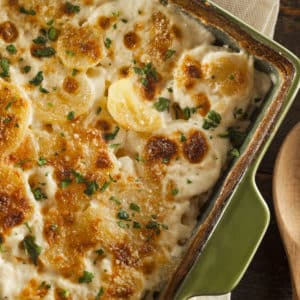
Potatoes prepared in countless ways benefit from nutmeg’s presence. Scalloped potatoes gain sophistication when nutmeg joins the cream sauce. Mashed potatoes develop unexpected depth with a quarter teaspoon stirred in during final mixing. Even roasted root vegetables shine when tossed with olive oil and a whisper of nutmeg before hitting the oven.
Nutmeg pairings for savory cooking:
- Spinach and nutmeg create one of cooking’s classic partnerships
- Brussels sprouts roasted with nutmeg and balsamic vinegar
- Butternut squash soup enhanced with nutmeg and sage
- Lamb dishes seasoned with nutmeg and garam masala blend
- White sauces for pasta, fish, or vegetables
- Cheese-based dishes from fondue to mac and cheese
Ground nutmeg works well in marinades and dry rubs for proteins. Mix it with black pepper, garlic powder, and paprika for a warming rub on pork chops. Combine it with cumin and coriander for lamb preparations. The spice’s subtle heat complements rather than overwhelms meat’s natural flavors.
Health Benefits of Regular Nutmeg Use
News-Medical research published in November 2025 documents nutmeg’s potential neuroprotective properties. The volatile oils extracted from nutmeg seeds alter specific neurotransmitter levels in the hippocampus, the brain region associated with memory formation. While most evidence comes from animal studies, traditional medicine systems have long recommended nutmeg for cognitive support.
According to WebMD’s 2024 nutritional analysis, nutmeg provides manganese, copper, and fiber in concentrated amounts. One teaspoon of ground nutmeg contains 8% of the daily recommended manganese intake. This trace mineral supports bone health, wound healing, and carbohydrate metabolism. The fiber content aids digestive health when nutmeg is consumed in typical culinary quantities.
A 2024 study published in the Saudi Pharmaceutical Journal found that nutmeg exhibits potent antimicrobial properties against various bacteria and fungi. This natural preservation quality explains why nutmeg appears in traditional recipes for preserved foods and why adding it to home-cooked meals may offer subtle food safety benefits.
Cinnamon: The Blood Sugar Supporting Powerhouse
Cinnamon stands as the most researched winter spice, with hundreds of clinical studies examining its effects on metabolic health. According to research compiled by Johns Hopkins Medicine, cinnamon demonstrates consistent effects on lowering blood sugar levels, making it particularly valuable for people managing Type 2 diabetes. The compounds responsible for these effects remain active in both sweet and savory applications.
Two main cinnamon varieties dominate the market: Ceylon cinnamon (Cinnamomum verum) from Sri Lanka and Cassia cinnamon (Cinnamomum cassia) from China and Southeast Asia. Ceylon cinnamon offers a more delicate, complex flavor with lower coumarin content, while Cassia provides the bold, sweet-spicy profile most Americans recognize. Both varieties deliver health benefits, though Ceylon cinnamon is preferred for regular, therapeutic use due to its lower coumarin levels.
Beyond Baked Goods: Cinnamon’s Savory Side
Cinnamon enhances savory dishes across global cuisines, particularly in Middle Eastern, North African, and South Asian cooking. Moroccan tagines rely on cinnamon’s warmth to balance savory meats with sweet dried fruits. Persian rice dishes incorporate cinnamon for aromatic complexity. Indian curries use cinnamon sticks in the initial spice bloom to create foundational flavors.
Try these year-round cinnamon applications:
- Morning boost: Sprinkle cinnamon on coffee grounds before brewing to infuse the entire pot with warming aromatics without added sweeteners.
- Roasted proteins: Rub pork tenderloin or chicken with cinnamon-based spice blends before roasting for unexpected depth.
- Rice and grains: Add a cinnamon stick to rice, quinoa, or farro during cooking for subtle background sweetness.
- Smoothies and breakfast: Blend cinnamon into morning smoothies or stir into oatmeal with sliced apples.
- Vegetable preparations: Toss roasted carrots, sweet potatoes, or squash with cinnamon and olive oil.
- Tomato-based sauces: A quarter teaspoon of cinnamon in marinara or chili adds unexpected warmth and balances acidity.
The Science Behind Cinnamon’s Health Benefits
 Dr. Nadia Parr, internal medicine physician at Scripps Coastal Medical Center, explains: “Cinnamon is an anti-inflammatory and has been shown to slightly lower blood sugar. Adding cinnamon to drinks and dishes can also help you cut down on your overall sugar intake.”
Research published in Healthline’s 2024 analysis of cinnamon’s health impacts identified cinnamaldehyde as the primary bioactive compound. This essential oil demonstrates potent antioxidant activity, ranking cinnamon among the spices richest in polyphenol antioxidants. Studies comparing 26 spices found cinnamon outranked only by cloves and oregano in total antioxidant capacity.
A 2019 study examining cinnamon tea found it increases total antioxidant capacity (TAC), the body’s measure of free radical fighting ability. Regular cinnamon consumption may support cardiovascular health by reducing blood pressure and triglyceride levels in some individuals. The anti-inflammatory compounds in cinnamon may benefit those with chronic inflammatory conditions, though more human research is needed to establish specific therapeutic protocols.
Cloves: Antimicrobial Power in a Tiny Package
Cloves pack extraordinary potency into their small dried flower buds. According to research published in Healthline’s 2024 comprehensive analysis, cloves rank at the top of spices for antioxidant capacity, delivering more protective compounds per gram than any other common spice. This makes cloves valuable not just for flavor but for their ability to support overall wellness when used regularly.
The compound eugenol gives cloves their distinctive aroma and accounts for many health properties. According to the European Medicines Agency’s herbal monograph (2024), eugenol demonstrates significant antimicrobial activity against oral pathogens, explaining cloves’ traditional use for dental health. Modern research validates this application while revealing additional benefits.
Culinary Applications Beyond Holiday Ham
Whole cloves offer different applications than ground cloves. Studding an onion with whole cloves creates an aromatic bouquet for soups and stews. The Latin derivation of “clove” from “clavus” (nail) perfectly describes both their shape and how they’re used. Pierce the onion several times and press whole cloves into the holes, then simmer in broths to infuse deep, warming flavor.
Year-round cooking with cloves:
- Pickles and preserves: Add 3-4 whole cloves to each jar when pickling vegetables for antimicrobial properties and complex flavor.
- Rice dishes: Toast 6-8 whole cloves in oil before adding rice for Indian-inspired preparations.
- Braised meats: Include whole cloves in braising liquids for pot roasts, short ribs, or pork shoulder.
- Baked beans: Traditional Boston baked beans rely on cloves for their distinctive flavor.
- Mulled beverages: Create warming drinks year-round by simmering apple juice or tea with cloves and cinnamon.
- Spice rubs: Ground cloves add depth to barbecue rubs and jerk seasoning blends.
Ground cloves require restraint. Their intensity can quickly overwhelm dishes, so start with one-eighth teaspoon and adjust upward. The spice pairs beautifully with cinnamon and nutmeg in both sweet and savory contexts, creating the classic warm spice profile that defines countless comfort foods.
Cloves and Digestive Health
Traditional medicine systems across cultures used cloves to support digestive comfort. Research published in Dr. Farrah MD’s 2025 analysis of pumpkin spice health benefits confirms that cloves possess carminative effects, meaning they help reduce gas and bloating. The compounds in cloves may stimulate digestive enzyme production while reducing inflammation in the gastrointestinal tract.
A 2022 study published in the Journal of Functional Foods found that clove polyphenols help establish intracellular redox homeostasis and support glucose metabolism. Participants consuming clove bud polyphenol extract showed improvements in metabolic markers over the study period. While these therapeutic doses exceed typical culinary amounts, regular cooking with cloves may offer cumulative wellness benefits.
The antimicrobial properties of cloves extend to food preservation. Adding cloves when pickling or preserving foods isn’t merely traditional practice but science-backed food safety. Research shows cloves inhibit bacterial and fungal growth in food preparations, naturally extending shelf life while contributing distinctive flavor.
Allspice: The Multi-Dimensional Wonder Spice
Despite its name suggesting a blend, allspice is a single spice from the dried berries of Pimenta dioica. According to research published in StyleCraze (2025), allspice earned its name because tasters detected notes of cinnamon, nutmeg, cloves, pepper, and ginger all in one berry. This complex flavor profile makes allspice extraordinarily versatile for year-round cooking.
Jamaica produces the majority of the world’s allspice, where the spice is known as pimento. The berries are harvested green and unripe, then sun-dried until they turn reddish-brown and resemble large peppercorns. Both whole berries and ground powder offer culinary applications, with whole berries retaining potency longer.
Creative Uses for Allspice Throughout the Year
Allspice shines in Caribbean and Latin American cuisines, but its applications extend far beyond jerk chicken. The spice’s unique flavor profile bridges sweet and savory effortlessly, making it valuable in unexpected contexts.
Savory allspice applications:
- Meat preparations: Add to marinades for lamb, pork, or beef to create depth without identifiable spice notes.
- Soup bases: Drop 3-4 whole allspice berries into bean soups, split pea soup, or beef stew during simmering.
- Sausage making: Traditional sausage recipes often include allspice for its preservative properties and flavor.
- Middle Eastern cuisine: Some recipes for Middle Eastern spice blends incorporate allspice for complexity.
- Tomato sauces: A pinch of ground allspice in tomato sauce adds unexpected warmth.
- Vegetable pickling: Use whole allspice berries when pickling cucumbers, carrots, or beets.
Sweet applications:
- Quick breads and muffins
- Fruit compotes and preserves
- Apple and pear desserts
- Spice cake variations
- Chai tea blends
- Chocolate preparations
Health Benefits of Allspice
Research published in StyleCraze’s 2025 comprehensive review documents allspice’s antimicrobial properties. Studies show allspice kills bacteria and inhibits fungal growth in food, making cooking with this spice a form of natural food preservation. This explains its historical use in preserved meats and pickled vegetables before modern refrigeration.
According to the nutritional analysis, allspice contains vitamins, minerals, and plant compounds including potassium, iron, calcium, magnesium, and vitamin C. These micronutrients support various body systems when allspice is consumed regularly in culinary quantities. The essential oil of allspice demonstrates antibacterial properties that may support immune function.
A 2024 study examining fall spices found allspice offers anti-inflammatory properties that may help with joint pain and stiffness. While most research focuses on concentrated extracts, regular culinary use provides gentler support for inflammatory responses over time. Traditional medicine recognized allspice as a digestive aid and mild pain reliever, applications supported by modern phytochemical analysis.
Creating Your Own Year-Round Spice Blends
Combining winter spices into custom blends extends their usefulness while simplifying cooking. According to research on global spice blend traditions, home cooks who prepare their own spice mixtures report using them more frequently than individual spices. The convenience factor combined with balanced flavor profiles encourages regular use.
Basic Warming Spice Blend
This versatile mixture works equally well in sweet and savory applications:
- 3 tablespoons ground cinnamon
- 2 teaspoons ground ginger
- 1 teaspoon ground nutmeg
- 1 teaspoon ground cloves
- 1 teaspoon ground allspice
Combine all ingredients in an airtight container. Store in a cool, dark place for up to six months. Use this blend in:
- Morning coffee or tea (1/4 teaspoon)
- Oatmeal or yogurt bowls
- Smoothies with banana and almond butter
- Roasted squash or sweet potatoes
- Pork or chicken rubs before grilling
- Apple or pear desserts
Savory Warming Blend for Proteins
This meat-focused mixture emphasizes nutmeg and allspice while moderating cinnamon’s sweetness:
- 2 tablespoons ground black pepper
- 1 tablespoon ground allspice
- 1 tablespoon ground nutmeg
- 2 teaspoons ground cinnamon
- 1 teaspoon ground cloves
- 1 teaspoon smoked paprika
Apply this rub to lamb chops, pork tenderloin, or chicken thighs before roasting or grilling. The combination creates complexity without obvious spice identification, allowing meat’s natural flavors to shine while adding depth.
Proper Storage for Maximum Potency and Flavor
According to USDA stability tests, proper storage dramatically affects spice longevity. Ground nutmeg loses 40% of volatile compounds within 14 days when stored improperly, while properly stored spices maintain quality for 12-18 months. Following professional spice storage practices protects your investment and ensures consistent results.
Storage Best Practices
Light protection: Store spices in opaque containers away from direct sunlight. UV light degrades aromatic compounds rapidly. If your spices sit in clear glass jars, keep them in a closed cabinet rather than on open shelving.
Temperature control: Heat accelerates chemical breakdown in spices. Never store spice jars near the stove, oven, or dishwasher. A cool pantry or cabinet away from heat sources provides ideal conditions.
Moisture prevention: Humidity causes clumping and can introduce mold spores. Always use dry measuring spoons when portioning spices. Never shake spices directly over steaming pots where moisture can enter the container.
Air exposure: Oxygen causes oxidation that diminishes flavor and health properties. Transfer spices to containers with tight-fitting lids. Squeeze excess air from bags before resealing.
Whole Versus Ground Spices
| Characteristic | Whole Spices | Ground Spices |
|---|---|---|
| Shelf Life | 2-4 years | 1-2 years |
| Flavor Intensity | Moderate when whole, intense when freshly ground | Strong initially, fades quickly |
| Convenience | Requires grinding or removal after cooking | Ready to use immediately |
| Best For | Long simmering, broths, mulled drinks | Quick cooking, baking, dry rubs |
| Volatile Compound Retention | 90% at 2 years | 60% at 1 year |
| Cost per Use | Lower over time | Higher due to shorter life |
| Storage Requirements | Cool, dark, dry location | Cool, dark, dry, airtight container |
| Versatility | Can be ground fresh as needed | Single format limits applications |
For maximum economy and quality, purchase nutmeg, allspice, and cloves whole. Invest in an inexpensive spice grinder or use a mortar and pestle to grind small amounts as needed. The flavor difference between freshly ground and pre-ground spices is dramatic, particularly with nutmeg.
Pairing Winter Spices with Other Flavors
Understanding which flavors complement winter spices helps you use them confidently in improvised cooking. These spices work through both contrast and reinforcement, brightening some flavors while rounding out others.
Complementary Ingredient Pairings
Nutmeg pairs with:
- Dairy products (cream, milk, cheese, butter)
- Dark leafy greens (spinach, chard, kale)
- Squash and pumpkin
- Potatoes in all forms
- Pasta and béchamel sauces
- Eggs and custards
- Chai tea blends with cardamom and ginger
Cinnamon pairs with:
- Apples, pears, and stone fruits
- Citrus (oranges, lemons)
- Chocolate and coffee
- Tomatoes in savory sauces
- Root vegetables (carrots, sweet potatoes)
- Lamb and pork
- Yogurt and fresh cheese
Cloves pair with:
- Citrus fruits (especially oranges)
- Dark meats (beef, venison, duck)
- Onions and garlic
- Tomatoes and tomato sauces
- Stone fruits for preserves
- Ginger and other warming spices
Allspice pairs with:
- Tropical fruits (pineapple, mango, papaya)
- Pork and ham
- Root vegetables
- Chocolate and molasses
- Peppers and chiles
- Caribbean seasonings
- Winter squash
Safety Considerations and Proper Dosing
While winter spices offer numerous benefits, proper dosing matters. According to research published in the Saudi Pharmaceutical Journal (2024), nutmeg can cause toxicity at doses exceeding 10 grams (approximately 1.5 teaspoons). Typical culinary use ranges from a pinch to one-quarter teaspoon, well below concerning levels.
Safe Usage Guidelines
 Nutmeg: Keep culinary doses below one-quarter teaspoon per serving. The compound myristicin can cause adverse effects at high doses, but normal cooking amounts pose no risk. Grate nutmeg fresh for best flavor while using less overall.
Cinnamon: Ceylon cinnamon can be used liberally. Cassia cinnamon contains coumarin, a compound that may affect liver function at very high doses. Limit Cassia cinnamon to 1-2 teaspoons daily if consuming regularly. Most people alternate between various spices naturally, avoiding excess.
Cloves: Ground cloves are intensely flavored. Start with one-eighth teaspoon in recipes serving 4-6 people. Whole cloves should be removed before serving or clearly visible so diners can avoid biting them directly. Clove oil is significantly more concentrated than whole or ground cloves and requires different handling.
Allspice: Generally recognized as safe in culinary quantities. Some individuals may experience contact dermatitis from handling allspice frequently. Use standard culinary amounts without concern.
Special Populations
Pregnant women should limit spices to typical culinary amounts. According to MotherToBaby guidelines, cooking with these spices poses no documented risks, but concentrated supplements or therapeutic doses require medical supervision. The same applies during breastfeeding.
People taking anticoagulant medications should consult healthcare providers before consuming large amounts of cinnamon or cloves, as both may have mild blood-thinning effects. Normal cooking amounts rarely cause interactions, but therapeutic doses might.
Creative Recipe Ideas for Every Season
The following recipes demonstrate how winter spices enhance everyday cooking across all seasons, from summer grilling to spring vegetables to fall comfort food.
Nutmeg-Spiced Cream Sauce for Pasta
This versatile sauce works year-round with whatever vegetables are in season. In spring, toss with asparagus and peas. Summer calls for zucchini and cherry tomatoes. Fall suits mushrooms and kale. Winter loves butternut squash and Brussels sprouts.
Ingredients:
- 2 tablespoons butter
- 2 tablespoons flour
- 2 cups whole milk
- 1/2 teaspoon freshly grated nutmeg
- 1/2 teaspoon salt
- 1/4 teaspoon white pepper
- 1 bay leaf
Melt butter in a saucepan over medium heat. Whisk in flour and cook 2 minutes. Gradually add milk while whisking constantly. Add nutmeg, salt, pepper, and bay leaf. Simmer until thickened, about 5 minutes. Remove bay leaf. Toss with cooked pasta and seasonal vegetables.
Cinnamon-Rubbed Grilled Chicken
Perfect for summer grilling with flavors that work any time of year.
Dry rub:
- 1 tablespoon ground cinnamon
- 1 tablespoon smoked paprika
- 2 teaspoons garlic powder
- 1 teaspoon cumin
- 1 teaspoon salt
- 1/2 teaspoon black pepper
Combine spices and rub generously over chicken pieces. Let sit 30 minutes at room temperature. Grill over medium heat until cooked through. The cinnamon creates a subtle sweetness that caramelizes beautifully while the other spices balance with savory notes.
Clove and Allspice Pickled Vegetables
Make these in any season with whatever vegetables are abundant. Cucumbers, carrots, green beans, cauliflower, and pearl onions all work beautifully.
Pickling liquid (makes enough for 2 quarts):
- 2 cups water
- 2 cups white vinegar
- 1/4 cup sugar
- 2 tablespoons salt
- 10 whole cloves
- 10 whole allspice berries
- 4 bay leaves
- 1 teaspoon black peppercorns
Bring all ingredients to a boil. Pour over prepared vegetables packed in clean jars. Seal and refrigerate. Ready to eat in 24 hours, best after one week.
Economic Benefits of Using Year-Round Spices
Reducing food waste saves money while supporting sustainability. According to guidance on buying quality spices, purchasing larger quantities of spices you’ll actually use throughout the year costs less per ounce than buying new small jars seasonally.
Calculate the savings:
- Single jar of holiday nutmeg: $8 for 2 ounces (lasts one season)
- Bulk nutmeg for year-round use: $18 for 8 ounces (lasts 18-24 months)
- Annual savings: $32-48 per spice when buying once instead of repeatedly
Multiply this across four spices and the annual savings exceeds $100. More importantly, having spices readily available encourages creative cooking and reduces reliance on expensive pre-made seasonings and condiments. A well-stocked spice collection represents an investment in long-term culinary capability.
Frequently Asked Questions
Can winter spices really be used in warm weather cooking?
Yes, winter spices work excellently in warm weather applications. Their designation as “winter” spices reflects Western holiday traditions rather than seasonal limitations. In tropical regions where these spices originate, they’re used year-round in everything from grilled meats to cold beverages. Try cinnamon in marinades for summer grilling, nutmeg in chilled gazpacho, or allspice in tropical fruit salsas. The key is using lighter amounts and pairing with fresh, bright ingredients to avoid creating heavy-tasting dishes.
How do I know if my spices have gone bad?
According to USDA guidelines, spices rarely “go bad” in the sense of becoming unsafe, but they lose potency over time. Check for these signs: faded color (vibrant cinnamon turns dull brown), weak aroma when rubbed between fingers, or stale smell instead of distinctive spice fragrance. Ground spices typically maintain quality for 1-2 years, while whole spices last 2-4 years when properly stored. If your nutmeg or cinnamon doesn’t smell strongly aromatic, it may still be safe but won’t deliver the intended flavor impact.
What’s the difference between using whole versus ground spices?
Whole spices retain volatile compounds longer and offer fresher flavor when ground just before use. However, they require grinding equipment and advance planning. Ground spices provide convenience for quick cooking and baking. For simmered dishes like soups and stews, whole spices can be added during cooking and removed before serving, infusing flavor without texture. Ground spices disperse immediately throughout dishes. Keep both forms on hand: whole for long-cooking applications and grinding fresh, ground for quick preparations.
Can I substitute one winter spice for another?
In many cases, yes, though results vary. Allspice works as an emergency substitute for all winter spices combined since it contains similar flavor notes. If missing nutmeg, try mace (the outer covering of nutmeg seeds) or combine equal parts cinnamon and a tiny pinch of cloves. Missing cinnamon? Combine nutmeg with a bit of allspice. These substitutions won’t replicate the original exactly but provide acceptable alternatives in a pinch. For best results, note which substitutions worked in specific recipes.
How much cinnamon is too much for daily consumption?
According to Johns Hopkins Medicine, Ceylon cinnamon can be consumed more liberally than Cassia cinnamon. Cassia contains coumarin, which may affect liver function at very high doses. For regular daily use, stick to 1-2 teaspoons of Cassia cinnamon or up to 1 tablespoon of Ceylon cinnamon. Most people naturally vary their spice consumption and don’t approach these limits. If consuming cinnamon supplements or therapeutic amounts, choose Ceylon cinnamon and consult a healthcare provider.
What’s the best way to introduce winter spices to children?
Start with small amounts in familiar foods. Cinnamon in applesauce or on buttered toast provides a gentle introduction. Nutmeg in mac and cheese or mashed potatoes adds subtle complexity without obvious “spice” taste. Baked goods offer excellent introduction opportunities since the spices are balanced with familiar sweet flavors. Let children smell spices before tasting them. Explain that these spices make food more interesting without making it “spicy” (hot). Avoid forcing kids to eat heavily spiced food, as negative associations can last years.
Do these spices lose nutritional value when cooked?
Some compounds are affected by heat, but many beneficial components remain stable through normal cooking. According to research, antioxidant capacity may actually increase in some cases when spices are heated briefly in oil, as this helps release fat-soluble compounds. Long, high-heat cooking (over 30 minutes at high temperatures) degrades some volatile oils, but the majority of beneficial compounds persist. For maximum nutritional impact, add a portion of ground spices toward the end of cooking while using whole spices throughout for flavor development.
Can I use these spices if I have food allergies?
Pure spices are naturally free from common food allergens like gluten, dairy, eggs, and nuts. However, cross-contamination can occur during processing. If you have severe allergies, purchase from suppliers who test for allergen cross-contamination. Check labels for “may contain” warnings. Some blended spice products include allergens like wheat (as anti-caking agents) or milk powder. Single-ingredient spices purchased from reputable sources like specialty spice retailers offer the safest option for those with food allergies.