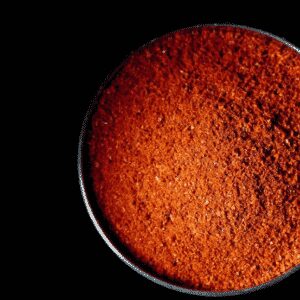
What Is Kashmiri Chili Powder: The Mild Red Spice for Color
Spread the love

“`html

what is kashmiri chili powder

Key Takeaways

Kashmiri chili powder delivers vibrant red color with minimal heat, making it perfect for dishes requiring rich visual appeal without overwhelming spiciness. This prized spice contains unique capsanthin compounds that create its signature deep crimson hue.

  • Kashmiri chilies measure only 1,000-2,000 Scoville units, significantly milder than cayenne
  • The deep red color comes from high levels of capsanthin and capsorubin pigments
  • Traditional uses include tandoori marinades, biryanis, and Kashmiri curries
  • Fresh grinding preserves both color intensity and subtle fruity flavor notes
  • Premium quality shows no artificial coloring or adulterants when mixed with oil

Understanding Kashmiri Chili Powder Origins

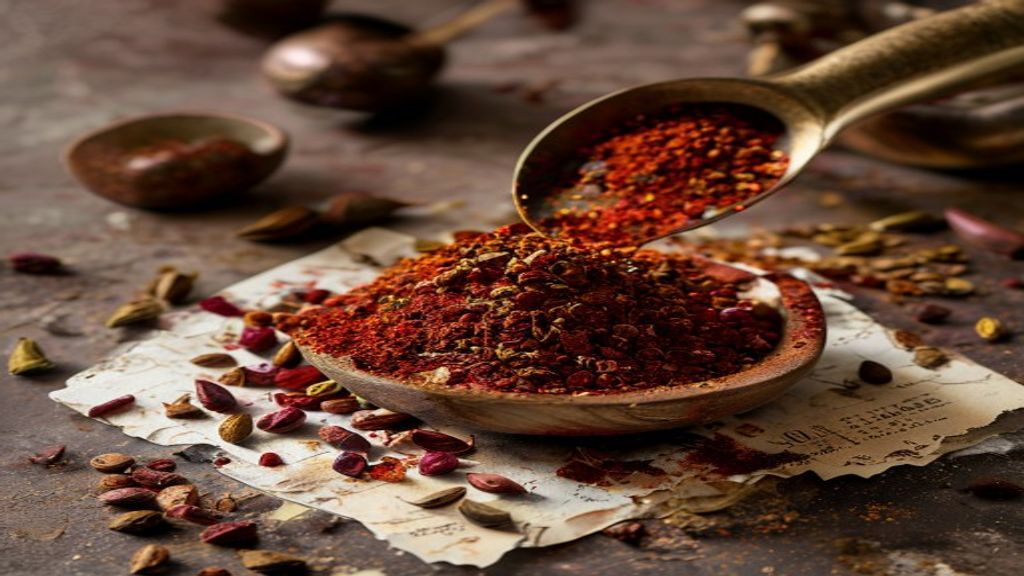
Kashmiri chili powder comes from specific red chili varieties grown in the Kashmir Valley of northern India, where cool temperatures and unique soil conditions create chilies prized for their brilliant color rather than heat intensity. These peppers, known locally as “Lal Mirch,” develop their characteristic deep red pigmentation through high concentrations of capsanthin and capsorubin compounds. According to research published in the Journal of Food Science and Technology, Kashmiri chilies contain capsanthin levels reaching 180-220 mg per 100g, nearly double that of standard red peppers. The grinding process traditionally occurs in small batches using stone mills, preserving the delicate cellular structure that maintains both color potency and subtle flavor complexity through proper toasting techniques. For more information on chili peppers and their nutritional compounds, see Wikipedia’s comprehensive guide on capsaicin.

Heat Level and Flavor Profile Characteristics

Unlike many chili powders that prioritize heat, Kashmiri chili powder registers remarkably low on the Scoville scale at 1,000-2,000 units, comparable to poblano peppers rather than cayenne or paprika. This mildness allows generous use without overwhelming dishes with capsaicin burn. The flavor profile combines gentle warmth with subtle fruity undertones and a hint of smokiness that develops during the sun-drying process. Food scientists at the Indian Institute of Spices Research note that Kashmiri chilies contain higher levels of volatile compounds like 2-methoxy-3-isobutylpyrazine, which contributes to their distinctive earthy-sweet aroma. When freshly ground, quality Kashmiri chili powder releases fragrant oils that add depth beyond mere coloring. The powder should feel silky between fingers, never gritty or artificially bright, indicating proper processing and authentic sourcing. Learn more about chili pepper varieties at Wikipedia’s chili pepper entry.
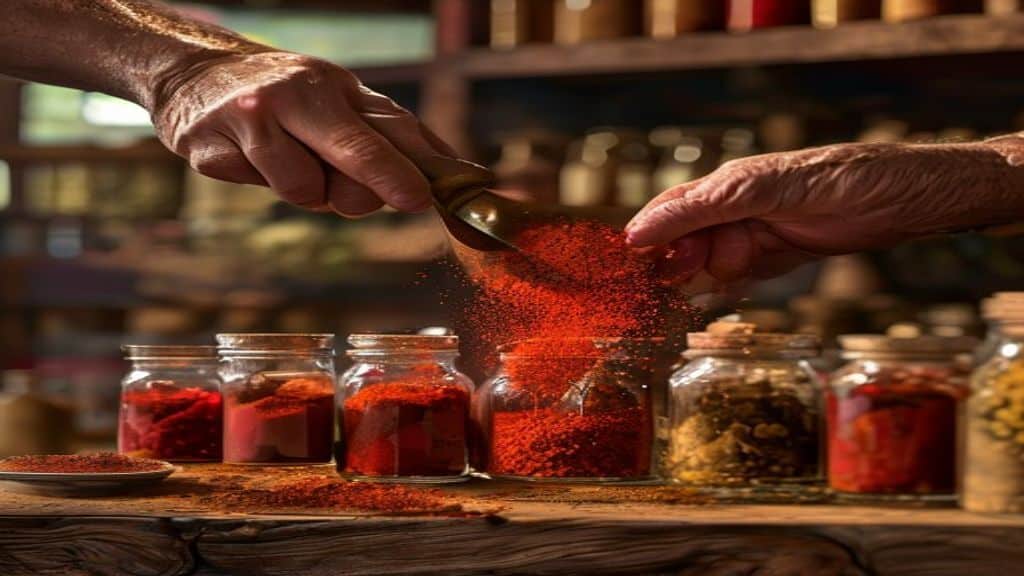
what is kashmiri chili powder

Culinary Applications and Traditional Uses

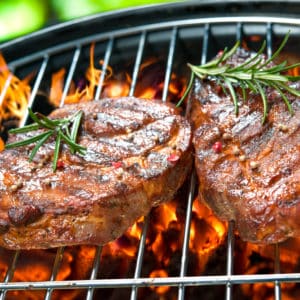
Kashmiri chili powder serves as the foundation spice for numerous Indian dishes where vibrant red appearance matters as much as flavor balance. Tandoori marinades rely on this powder to achieve the classic crimson coating on grilled meats and vegetables without excessive heat that would mask other spice notes. In biryani preparation, a pinch mixed with yogurt creates the signature orange-red rice layers that distinguish authentic preparations. Kashmiri curries like Rogan Josh depend entirely on this specific chili variety for their characteristic deep red sauce base. According to chef Madhur Jaffrey, author of multiple Indian cookbooks, “Kashmiri chili powder transforms ordinary dishes into visually stunning presentations while maintaining subtle heat that complements rather than dominates the spice blend.” Beyond traditional applications, contemporary cooks use Kashmiri chili powder in spice rub mixtures for barbecue, pasta sauces requiring color depth, and even chocolate desserts where mild spice enhances cocoa richness.

Quality Indicators and Selection Tips

Authentic Kashmiri chili powder displays specific characteristics that distinguish premium products from inferior substitutes or artificially colored alternatives. The color should appear deep burgundy-red rather than bright orange or artificially vivid crimson. When mixed with a small amount of oil, genuine Kashmiri powder creates a rich red paste without leaving artificial residue or stark color bleeding. The aroma should smell fruity and warm rather than harsh or overly pungent. Research from the Spices Board of India indicates that adulterated Kashmiri chili powder often contains synthetic colorants like Sudan dyes, which can be detected through simple oil tests. Premium grades feel fine and smooth when rubbed between fingers, indicating proper grinding techniques that preserve cellular integrity. Some producers blend Kashmiri chilies with other varieties to reduce costs, resulting in increased heat levels that mask the authentic mild character. Quality suppliers provide harvest date information, as Kashmiri chili powder maintains optimal color and flavor for 12-18 months when stored properly using proper storage methods away from light and moisture.

Health Benefits and Nutritional Properties

Kashmiri chili powder contains significant levels of carotenoids, vitamin C, and antioxidant compounds that support overall wellness beyond culinary applications. The high capsanthin content that creates the signature red color also functions as a powerful antioxidant, with studies showing these compounds may help reduce oxidative stress in cellular tissues. Research published in Food Chemistry demonstrates that capsanthin exhibits anti-inflammatory properties comparable to other science-backed anti-inflammatory spices used for wellness support. Dr. Krishnapura Srinivasan, a spice researcher at the Central Food Technological Research Institute in India, explains that “the low capsaicin levels in Kashmiri chilies make the beneficial carotenoids more bioavailable since they cause less digestive irritation than hotter varieties.” The powder also provides vitamin A precursors essential for eye health and immune function along with compounds found in other healing spices throughout history. Unlike synthetic food colorings, the natural pigments in Kashmiri chili powder offer nutritional value while enhancing visual appeal, making it both a functional ingredient and beneficial addition to regular cooking routines. For evidence-based nutritional information, consult the National Institutes of Health.

Frequently Asked Questions

How does Kashmiri chili powder differ from regular paprika?

Kashmiri chili powder offers deeper red color and subtle fruity notes compared to paprika’s sweeter, milder flavor. While both provide low heat levels, Kashmiri varieties contain higher capsanthin concentrations for more intense coloring power in dishes.

Can I substitute Kashmiri chili powder with cayenne or regular chili powder?

Direct substitution dramatically changes both heat level and color intensity. Use one-quarter the amount of cayenne mixed with sweet paprika for approximate heat balance, though the unique fruity notes cannot be replicated exactly.

Why does some Kashmiri chili powder look artificially bright red?

Artificially enhanced products often contain synthetic dyes to intensify color beyond natural levels. Authentic Kashmiri chili powder shows deep burgundy-red rather than electric or orange-red artificial coloring. The FDA maintains strict guidelines on food colorants and additives.

How should I store Kashmiri chili powder to maintain color potency?

Store in airtight containers away from direct light and heat sources. Refrigeration can extend color retention up to two years, while pantry storage maintains quality for 12-18 months maximum.

What dishes benefit most from Kashmiri chili powder?

Tandoori marinades, biryanis, and cream-based curries showcase the powder’s coloring ability best. Any recipe requiring vibrant red appearance without overwhelming heat benefits from this specific chili variety, including dishes that feature traditional Indian spice blend combinations.

Is Kashmiri chili powder safe for people sensitive to spicy foods?

The extremely low Scoville rating makes it suitable for most heat-sensitive individuals. However, those with severe capsaicin allergies should still exercise caution and test small amounts initially.

How can I tell if Kashmiri chili powder is pure or blended with other varieties?

Pure Kashmiri powder maintains consistent mild heat and deep color. Blended products often show increased spiciness or color variations that indicate mixing with hotter chili varieties for cost reduction, similar to issues found with other Asian spice authenticity concerns.

Discover Authentic Kashmiri Chili Powder Today

Understanding what makes Kashmiri chili powder unique empowers home cooks to create visually stunning dishes with authentic flavor profiles that honor traditional Indian cuisine. This remarkable spice transforms ordinary ingredients into restaurant-quality presentations through its unmatched coloring ability and subtle complexity. Whether preparing your first tandoori marinade or perfecting family biryani recipes, quality Kashmiri chili powder provides the essential foundation for dishes that delight both visually and culinarily.

“`

Leave a Reply

Your email address will not be published. Required fields are marked *

Fill out this field
Fill out this field
Please enter a valid email address.

Related Articles

Spread the love

“`html

what is kashmiri chili powder

Key Takeaways

Kashmiri chili powder delivers vibrant red color with minimal heat, making it perfect for dishes requiring rich visual appeal without overwhelming spiciness. This prized spice contains unique capsanthin compounds that create its signature deep crimson hue.

  • Kashmiri chilies measure only 1,000-2,000 Scoville units, significantly milder than cayenne
  • The deep red color comes from high levels of capsanthin and capsorubin pigments
  • Traditional uses include tandoori marinades, biryanis, and Kashmiri curries
  • Fresh grinding preserves both color intensity and subtle fruity flavor notes
  • Premium quality shows no artificial coloring or adulterants when mixed with oil

Understanding Kashmiri Chili Powder Origins

Kashmiri chili powder comes from specific red chili varieties grown in the Kashmir Valley of northern India, where cool temperatures and unique soil conditions create chilies prized for their brilliant color rather than heat intensity. These peppers, known locally as “Lal Mirch,” develop their characteristic deep red pigmentation through high concentrations of capsanthin and capsorubin compounds. According to research published in the Journal of Food Science and Technology, Kashmiri chilies contain capsanthin levels reaching 180-220 mg per 100g, nearly double that of standard red peppers. The grinding process traditionally occurs in small batches using stone mills, preserving the delicate cellular structure that maintains both color potency and subtle flavor complexity through proper toasting techniques. For more information on chili peppers and their nutritional compounds, see Wikipedia’s comprehensive guide on capsaicin.

Heat Level and Flavor Profile Characteristics

Unlike many chili powders that prioritize heat, Kashmiri chili powder registers remarkably low on the Scoville scale at 1,000-2,000 units, comparable to poblano peppers rather than cayenne or paprika. This mildness allows generous use without overwhelming dishes with capsaicin burn. The flavor profile combines gentle warmth with subtle fruity undertones and a hint of smokiness that develops during the sun-drying process. Food scientists at the Indian Institute of Spices Research note that Kashmiri chilies contain higher levels of volatile compounds like 2-methoxy-3-isobutylpyrazine, which contributes to their distinctive earthy-sweet aroma. When freshly ground, quality Kashmiri chili powder releases fragrant oils that add depth beyond mere coloring. The powder should feel silky between fingers, never gritty or artificially bright, indicating proper processing and authentic sourcing. Learn more about chili pepper varieties at Wikipedia’s chili pepper entry.

what is kashmiri chili powder

Culinary Applications and Traditional Uses

Kashmiri chili powder serves as the foundation spice for numerous Indian dishes where vibrant red appearance matters as much as flavor balance. Tandoori marinades rely on this powder to achieve the classic crimson coating on grilled meats and vegetables without excessive heat that would mask other spice notes. In biryani preparation, a pinch mixed with yogurt creates the signature orange-red rice layers that distinguish authentic preparations. Kashmiri curries like Rogan Josh depend entirely on this specific chili variety for their characteristic deep red sauce base. According to chef Madhur Jaffrey, author of multiple Indian cookbooks, “Kashmiri chili powder transforms ordinary dishes into visually stunning presentations while maintaining subtle heat that complements rather than dominates the spice blend.” Beyond traditional applications, contemporary cooks use Kashmiri chili powder in spice rub mixtures for barbecue, pasta sauces requiring color depth, and even chocolate desserts where mild spice enhances cocoa richness.

Quality Indicators and Selection Tips

Authentic Kashmiri chili powder displays specific characteristics that distinguish premium products from inferior substitutes or artificially colored alternatives. The color should appear deep burgundy-red rather than bright orange or artificially vivid crimson. When mixed with a small amount of oil, genuine Kashmiri powder creates a rich red paste without leaving artificial residue or stark color bleeding. The aroma should smell fruity and warm rather than harsh or overly pungent. Research from the Spices Board of India indicates that adulterated Kashmiri chili powder often contains synthetic colorants like Sudan dyes, which can be detected through simple oil tests. Premium grades feel fine and smooth when rubbed between fingers, indicating proper grinding techniques that preserve cellular integrity. Some producers blend Kashmiri chilies with other varieties to reduce costs, resulting in increased heat levels that mask the authentic mild character. Quality suppliers provide harvest date information, as Kashmiri chili powder maintains optimal color and flavor for 12-18 months when stored properly using proper storage methods away from light and moisture.

Health Benefits and Nutritional Properties

Kashmiri chili powder contains significant levels of carotenoids, vitamin C, and antioxidant compounds that support overall wellness beyond culinary applications. The high capsanthin content that creates the signature red color also functions as a powerful antioxidant, with studies showing these compounds may help reduce oxidative stress in cellular tissues. Research published in Food Chemistry demonstrates that capsanthin exhibits anti-inflammatory properties comparable to other science-backed anti-inflammatory spices used for wellness support. Dr. Krishnapura Srinivasan, a spice researcher at the Central Food Technological Research Institute in India, explains that “the low capsaicin levels in Kashmiri chilies make the beneficial carotenoids more bioavailable since they cause less digestive irritation than hotter varieties.” The powder also provides vitamin A precursors essential for eye health and immune function along with compounds found in other healing spices throughout history. Unlike synthetic food colorings, the natural pigments in Kashmiri chili powder offer nutritional value while enhancing visual appeal, making it both a functional ingredient and beneficial addition to regular cooking routines. For evidence-based nutritional information, consult the National Institutes of Health.

Frequently Asked Questions

How does Kashmiri chili powder differ from regular paprika?

Kashmiri chili powder offers deeper red color and subtle fruity notes compared to paprika’s sweeter, milder flavor. While both provide low heat levels, Kashmiri varieties contain higher capsanthin concentrations for more intense coloring power in dishes.

Can I substitute Kashmiri chili powder with cayenne or regular chili powder?

Direct substitution dramatically changes both heat level and color intensity. Use one-quarter the amount of cayenne mixed with sweet paprika for approximate heat balance, though the unique fruity notes cannot be replicated exactly.

Why does some Kashmiri chili powder look artificially bright red?

Artificially enhanced products often contain synthetic dyes to intensify color beyond natural levels. Authentic Kashmiri chili powder shows deep burgundy-red rather than electric or orange-red artificial coloring. The FDA maintains strict guidelines on food colorants and additives.

How should I store Kashmiri chili powder to maintain color potency?

Store in airtight containers away from direct light and heat sources. Refrigeration can extend color retention up to two years, while pantry storage maintains quality for 12-18 months maximum.

What dishes benefit most from Kashmiri chili powder?

Tandoori marinades, biryanis, and cream-based curries showcase the powder’s coloring ability best. Any recipe requiring vibrant red appearance without overwhelming heat benefits from this specific chili variety, including dishes that feature traditional Indian spice blend combinations.

Is Kashmiri chili powder safe for people sensitive to spicy foods?

The extremely low Scoville rating makes it suitable for most heat-sensitive individuals. However, those with severe capsaicin allergies should still exercise caution and test small amounts initially.

How can I tell if Kashmiri chili powder is pure or blended with other varieties?

Pure Kashmiri powder maintains consistent mild heat and deep color. Blended products often show increased spiciness or color variations that indicate mixing with hotter chili varieties for cost reduction, similar to issues found with other Asian spice authenticity concerns.

Discover Authentic Kashmiri Chili Powder Today

Understanding what makes Kashmiri chili powder unique empowers home cooks to create visually stunning dishes with authentic flavor profiles that honor traditional Indian cuisine. This remarkable spice transforms ordinary ingredients into restaurant-quality presentations through its unmatched coloring ability and subtle complexity. Whether preparing your first tandoori marinade or perfecting family biryani recipes, quality Kashmiri chili powder provides the essential foundation for dishes that delight both visually and culinarily.

“`
Previous Post
Science-Backed Anti-Inflammatory Spices for Daily Wellness

Leave a Reply

Your email address will not be published. Required fields are marked *

Fill out this field
Fill out this field
Please enter a valid email address.

Related Articles