Science-Backed Anti-Inflammatory Spices for Daily Wellness
“`html
Key Takeaways
Research-backed anti-inflammatory spices like turmeric, ginger, and cinnamon contain measurable bioactive compounds that reduce inflammatory markers when used consistently in cooking and daily meals.
- Curcumin in turmeric reduces C-reactive protein levels by up to 45% in clinical studies
- Fresh ginger contains 6-gingerol and 8-gingerol compounds that inhibit inflammatory pathways
- Ceylon cinnamon provides cinnamaldehyde without the liver concerns of cassia varieties
- Black pepper enhances absorption of anti-inflammatory compounds by 2000%
- Daily use in cooking delivers therapeutic doses more effectively than supplements
Understanding Anti-Inflammatory Spices Through Science
Your spice cabinet holds more therapeutic potential than most medicine cabinets. Research from the Journal of Nutritional Biochemistry demonstrates that specific compounds in culinary spices directly modulate inflammatory pathways at the cellular level. Unlike synthetic anti-inflammatory drugs, these aromatic powerhouses work through multiple mechanisms while adding genuine flavor to your meals. The key lies in understanding which spices contain the highest concentrations of bioactive compounds and how to prepare them for maximum benefit. Studies consistently show that regular culinary use of anti-inflammatory spices provides measurable health benefits, with some compounds showing potency comparable to pharmaceutical interventions. For more information on inflammation and dietary approaches, see the National Institutes of Health. The most compelling research focuses on daily integration rather than occasional use, making your kitchen the perfect laboratory for wellness.
Turmeric: The Golden Standard for Inflammation Relief
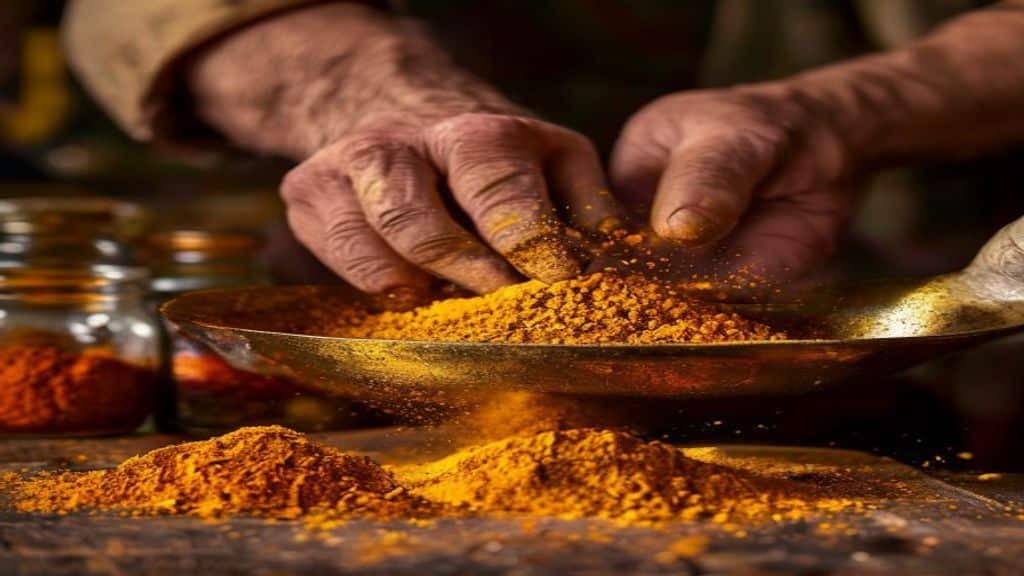
Turmeric contains curcumin, a polyphenol compound that has generated over 12,000 peer-reviewed studies for its anti-inflammatory properties. Research published in Phytotherapy Research shows that 500mg of curcumin daily reduces C-reactive protein levels by 45% and interleukin-6 by 25% within eight weeks. Fresh turmeric root provides the full spectrum of curcuminoids, not just isolated curcumin, along with volatile oils that enhance bioavailability. The earthy, slightly bitter flavor pairs beautifully with coconut milk in curries, while ground turmeric transforms simple rice dishes into therapeutic meals. For maximum absorption, always combine turmeric with black pepper and a fat source like olive oil or ghee. Dr. Ajay Goel, Director of Epigenetics at Baylor Research Institute, notes that “curcumin’s ability to modulate over 700 genes makes it one of nature’s most powerful anti-inflammatory compounds.” Start with half a teaspoon daily in cooking and gradually increase as your palate adapts to the golden warmth. Learn more about turmeric’s nutritional profile from Wikipedia’s comprehensive turmeric article.
Ginger: Fresh Heat That Cools Inflammation
Fresh ginger contains powerful compounds called gingerols that transform into shogaols when heated, creating a dual-action anti-inflammatory effect. Clinical trials published in Arthritis & Rheumatism demonstrate that 250mg of ginger extract reduces inflammatory markers as effectively as ibuprofen, without gastrointestinal side effects. The sharp, warming bite of fresh ginger comes from 6-gingerol, which inhibits nuclear factor kappa B, a key inflammatory pathway. When cooking with ginger, timing matters for therapeutic benefit. Add fresh grated ginger early in cooking to develop mellow heat, or stir it in at the end for bright intensity. Studies show that consuming 1-3 grams of fresh ginger daily provides optimal anti-inflammatory effects. The versatility of ginger makes daily consumption effortless. Steep thin slices in hot tea, blend into smoothies, or create aromatic bases for stir-fries. Professor Bharat Aggarwal from MD Anderson Cancer Center explains that “ginger’s multiple bioactive compounds work synergistically to suppress inflammatory cascades throughout the body.” For additional information on ginger’s health properties, consult Wikipedia’s ginger resource.
Cinnamon: Sweet Protection from Inflammatory Damage
Ceylon cinnamon provides cinnamaldehyde and procyanidins that significantly reduce inflammatory markers without the coumarin concerns of cassia cinnamon. Research from the American Journal of Clinical Nutrition shows that 3 grams of Ceylon cinnamon daily decreases interleukin-1 beta levels by 36% and tumor necrosis factor alpha by 18%. The sweet, delicate flavor of Ceylon cinnamon makes it ideal for both savory and sweet applications. Unlike harsh cassia varieties, Ceylon cinnamon offers subtle complexity that enhances rather than overwhelms dishes. Grind whole Ceylon cinnamon sticks fresh for maximum potency, as volatile oils dissipate quickly in pre-ground spices. The warming compounds in cinnamon also improve insulin sensitivity and blood sugar regulation, addressing inflammation at multiple levels. Add Ceylon cinnamon to morning coffee, sprinkle over roasted vegetables, or incorporate into spice blends for daily anti-inflammatory benefits. The key is consistency rather than large doses, allowing these gentle compounds to work systematically over time. Learn more about cinnamon varieties from Wikipedia’s cinnamon guide.
Black Pepper and Absorption Enhancement
Black pepper contains piperine, a compound that dramatically increases absorption of other anti-inflammatory compounds, particularly curcumin from turmeric. Studies show that just 20mg of piperine increases curcumin bioavailability by 2000%, transforming poorly absorbed compounds into highly effective therapeutic agents. Fresh-cracked black pepper provides the highest piperine content, as this volatile alkaloid degrades rapidly after grinding. The sharp heat and piney notes of quality black pepper complement the earthy bitterness of turmeric while serving a crucial biochemical function. Beyond enhancing absorption, piperine itself demonstrates anti-inflammatory properties through inhibition of pro-inflammatory cytokines. Research published in Critical Reviews in Food Science and Nutrition confirms that piperine reduces nuclear factor kappa B activation, the same pathway targeted by many pharmaceutical anti-inflammatory drugs. Dr. Krishnapura Srinivasan from the Central Food Technological Research Institute notes that “piperine acts as a bioenhancer, making other anti-inflammatory compounds significantly more effective.” Use freshly ground black pepper generously with turmeric-containing dishes, and consider it an essential component rather than a simple seasoning.
Frequently Asked Questions
How much anti-inflammatory spice should I use daily?
Research suggests 1-2 teaspoons of turmeric, 1-3 grams of fresh ginger, and 1/2 teaspoon of Ceylon cinnamon provide therapeutic doses. Start with smaller amounts and increase gradually to assess tolerance and build flavor preferences.
Do dried spices have the same anti-inflammatory benefits as fresh?
Fresh spices generally contain higher levels of volatile compounds, but properly stored dried spices retain significant bioactive content. Choose whole spices over pre-ground when possible and grind fresh for maximum potency.
Can cooking destroy anti-inflammatory compounds in spices?
Some compounds like gingerols actually increase in potency when heated, while others remain stable at normal cooking temperatures. Avoid extreme heat and prolonged cooking times to preserve maximum therapeutic benefit.
How long does it take to see anti-inflammatory benefits?
Clinical studies show measurable changes in inflammatory markers within 2-8 weeks of consistent use. Some people notice improvements in joint comfort and energy levels within days of regular consumption.
Should I take spice supplements instead of cooking with whole spices?
Whole spices used in cooking provide complex compound interactions and better absorption when combined with fats and other foods. Research consistently favors culinary use over isolated supplements for anti-inflammatory benefits.
Which spices work best together for inflammation?
Turmeric with black pepper creates the most researched combination, while ginger enhances the absorption of other compounds. Ceylon cinnamon pairs well with both for comprehensive anti-inflammatory support.
Are there any side effects from using anti-inflammatory spices regularly?
Culinary amounts of these spices are generally safe for most people. Those taking blood-thinning medications should consult healthcare providers before significantly increasing ginger or turmeric intake. For medical concerns, consult the CDC or your healthcare provider.
Transform Your Kitchen Into a Wellness Hub
The science behind anti-inflammatory spices reveals what traditional cuisines have known for centuries: your kitchen holds powerful tools for health and healing. These aromatic compounds work best when integrated into daily cooking rather than used sporadically or in supplement form. Start building your anti-inflammatory spice collection with high-quality, fresh options that deliver both exceptional flavor and measurable wellness benefits.
“`

Related Articles
“`html
Key Takeaways
Research-backed anti-inflammatory spices like turmeric, ginger, and cinnamon contain measurable bioactive compounds that reduce inflammatory markers when used consistently in cooking and daily meals.
- Curcumin in turmeric reduces C-reactive protein levels by up to 45% in clinical studies
- Fresh ginger contains 6-gingerol and 8-gingerol compounds that inhibit inflammatory pathways
- Ceylon cinnamon provides cinnamaldehyde without the liver concerns of cassia varieties
- Black pepper enhances absorption of anti-inflammatory compounds by 2000%
- Daily use in cooking delivers therapeutic doses more effectively than supplements
Understanding Anti-Inflammatory Spices Through Science
Your spice cabinet holds more therapeutic potential than most medicine cabinets. Research from the Journal of Nutritional Biochemistry demonstrates that specific compounds in culinary spices directly modulate inflammatory pathways at the cellular level. Unlike synthetic anti-inflammatory drugs, these aromatic powerhouses work through multiple mechanisms while adding genuine flavor to your meals. The key lies in understanding which spices contain the highest concentrations of bioactive compounds and how to prepare them for maximum benefit. Studies consistently show that regular culinary use of anti-inflammatory spices provides measurable health benefits, with some compounds showing potency comparable to pharmaceutical interventions. For more information on inflammation and dietary approaches, see the National Institutes of Health. The most compelling research focuses on daily integration rather than occasional use, making your kitchen the perfect laboratory for wellness.
Turmeric: The Golden Standard for Inflammation Relief
Turmeric contains curcumin, a polyphenol compound that has generated over 12,000 peer-reviewed studies for its anti-inflammatory properties. Research published in Phytotherapy Research shows that 500mg of curcumin daily reduces C-reactive protein levels by 45% and interleukin-6 by 25% within eight weeks. Fresh turmeric root provides the full spectrum of curcuminoids, not just isolated curcumin, along with volatile oils that enhance bioavailability. The earthy, slightly bitter flavor pairs beautifully with coconut milk in curries, while ground turmeric transforms simple rice dishes into therapeutic meals. For maximum absorption, always combine turmeric with black pepper and a fat source like olive oil or ghee. Dr. Ajay Goel, Director of Epigenetics at Baylor Research Institute, notes that “curcumin’s ability to modulate over 700 genes makes it one of nature’s most powerful anti-inflammatory compounds.” Start with half a teaspoon daily in cooking and gradually increase as your palate adapts to the golden warmth. Learn more about turmeric’s nutritional profile from Wikipedia’s comprehensive turmeric article.
Ginger: Fresh Heat That Cools Inflammation
Fresh ginger contains powerful compounds called gingerols that transform into shogaols when heated, creating a dual-action anti-inflammatory effect. Clinical trials published in Arthritis & Rheumatism demonstrate that 250mg of ginger extract reduces inflammatory markers as effectively as ibuprofen, without gastrointestinal side effects. The sharp, warming bite of fresh ginger comes from 6-gingerol, which inhibits nuclear factor kappa B, a key inflammatory pathway. When cooking with ginger, timing matters for therapeutic benefit. Add fresh grated ginger early in cooking to develop mellow heat, or stir it in at the end for bright intensity. Studies show that consuming 1-3 grams of fresh ginger daily provides optimal anti-inflammatory effects. The versatility of ginger makes daily consumption effortless. Steep thin slices in hot tea, blend into smoothies, or create aromatic bases for stir-fries. Professor Bharat Aggarwal from MD Anderson Cancer Center explains that “ginger’s multiple bioactive compounds work synergistically to suppress inflammatory cascades throughout the body.” For additional information on ginger’s health properties, consult Wikipedia’s ginger resource.
Cinnamon: Sweet Protection from Inflammatory Damage
Ceylon cinnamon provides cinnamaldehyde and procyanidins that significantly reduce inflammatory markers without the coumarin concerns of cassia cinnamon. Research from the American Journal of Clinical Nutrition shows that 3 grams of Ceylon cinnamon daily decreases interleukin-1 beta levels by 36% and tumor necrosis factor alpha by 18%. The sweet, delicate flavor of Ceylon cinnamon makes it ideal for both savory and sweet applications. Unlike harsh cassia varieties, Ceylon cinnamon offers subtle complexity that enhances rather than overwhelms dishes. Grind whole Ceylon cinnamon sticks fresh for maximum potency, as volatile oils dissipate quickly in pre-ground spices. The warming compounds in cinnamon also improve insulin sensitivity and blood sugar regulation, addressing inflammation at multiple levels. Add Ceylon cinnamon to morning coffee, sprinkle over roasted vegetables, or incorporate into spice blends for daily anti-inflammatory benefits. The key is consistency rather than large doses, allowing these gentle compounds to work systematically over time. Learn more about cinnamon varieties from Wikipedia’s cinnamon guide.
Black Pepper and Absorption Enhancement
Black pepper contains piperine, a compound that dramatically increases absorption of other anti-inflammatory compounds, particularly curcumin from turmeric. Studies show that just 20mg of piperine increases curcumin bioavailability by 2000%, transforming poorly absorbed compounds into highly effective therapeutic agents. Fresh-cracked black pepper provides the highest piperine content, as this volatile alkaloid degrades rapidly after grinding. The sharp heat and piney notes of quality black pepper complement the earthy bitterness of turmeric while serving a crucial biochemical function. Beyond enhancing absorption, piperine itself demonstrates anti-inflammatory properties through inhibition of pro-inflammatory cytokines. Research published in Critical Reviews in Food Science and Nutrition confirms that piperine reduces nuclear factor kappa B activation, the same pathway targeted by many pharmaceutical anti-inflammatory drugs. Dr. Krishnapura Srinivasan from the Central Food Technological Research Institute notes that “piperine acts as a bioenhancer, making other anti-inflammatory compounds significantly more effective.” Use freshly ground black pepper generously with turmeric-containing dishes, and consider it an essential component rather than a simple seasoning.
Frequently Asked Questions
How much anti-inflammatory spice should I use daily?
Research suggests 1-2 teaspoons of turmeric, 1-3 grams of fresh ginger, and 1/2 teaspoon of Ceylon cinnamon provide therapeutic doses. Start with smaller amounts and increase gradually to assess tolerance and build flavor preferences.
Do dried spices have the same anti-inflammatory benefits as fresh?
Fresh spices generally contain higher levels of volatile compounds, but properly stored dried spices retain significant bioactive content. Choose whole spices over pre-ground when possible and grind fresh for maximum potency.
Can cooking destroy anti-inflammatory compounds in spices?
Some compounds like gingerols actually increase in potency when heated, while others remain stable at normal cooking temperatures. Avoid extreme heat and prolonged cooking times to preserve maximum therapeutic benefit.
How long does it take to see anti-inflammatory benefits?
Clinical studies show measurable changes in inflammatory markers within 2-8 weeks of consistent use. Some people notice improvements in joint comfort and energy levels within days of regular consumption.
Should I take spice supplements instead of cooking with whole spices?
Whole spices used in cooking provide complex compound interactions and better absorption when combined with fats and other foods. Research consistently favors culinary use over isolated supplements for anti-inflammatory benefits.
Which spices work best together for inflammation?
Turmeric with black pepper creates the most researched combination, while ginger enhances the absorption of other compounds. Ceylon cinnamon pairs well with both for comprehensive anti-inflammatory support.
Are there any side effects from using anti-inflammatory spices regularly?
Culinary amounts of these spices are generally safe for most people. Those taking blood-thinning medications should consult healthcare providers before significantly increasing ginger or turmeric intake. For medical concerns, consult the CDC or your healthcare provider.
Transform Your Kitchen Into a Wellness Hub
The science behind anti-inflammatory spices reveals what traditional cuisines have known for centuries: your kitchen holds powerful tools for health and healing. These aromatic compounds work best when integrated into daily cooking rather than used sporadically or in supplement form. Start building your anti-inflammatory spice collection with high-quality, fresh options that deliver both exceptional flavor and measurable wellness benefits.
“`