Chile Piquin: The Tiny Wild Pepper With Massive Heat and Flavor
Key Takeaways
Chile piquin delivers concentrated heat and complex flavor in a tiny package, making it one of Mexico’s most prized wild chiles for adding authentic fire to traditional dishes.
- Measures 30,000-60,000 Scoville units with quick heat that builds and fades cleanly
- Wild-harvested from desert regions of northern Mexico and southwestern United States
- Essential for authentic Mexican salsas, marinades, and meat seasonings
- Contains high levels of capsaicin and vitamin C in concentrated form
- Requires careful handling due to intense potency per gram
The Wild Heat of Desert Landscapes
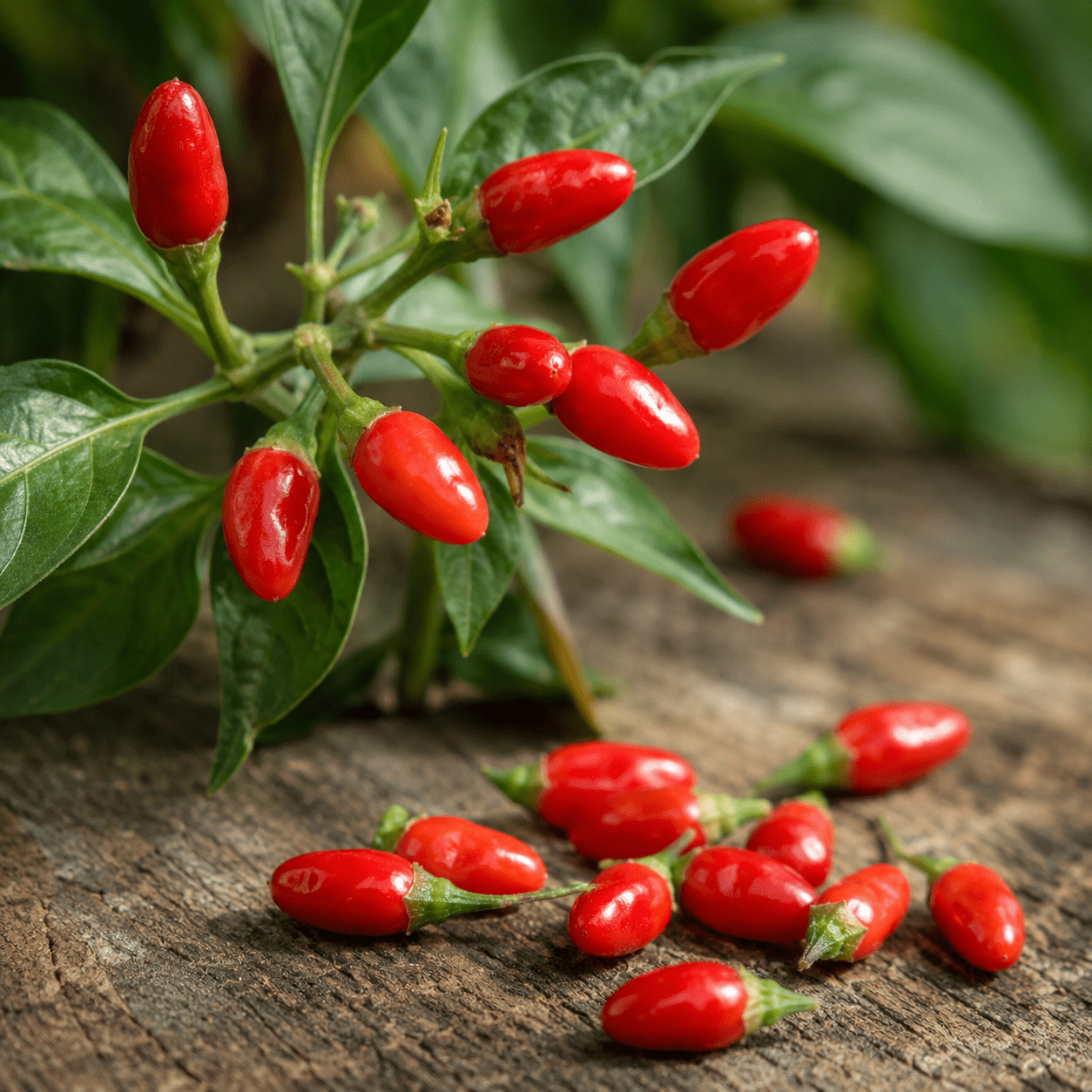
Chile piquin grows wild across the Sonoran and Chihuahuan deserts, thriving in harsh conditions that concentrate its fiery compounds. These thumbnail-sized peppers pack remarkable heat into their diminutive frame, measuring between 30,000 and 60,000 Scoville Heat Units. Unlike cultivated peppers, chile piquin maintains genetic diversity through wild pollination, creating subtle variations in heat and flavor profiles even within the same harvest region.
Research published in the Journal of Food Science demonstrates that wild chiles like piquin contain significantly higher capsaicin concentrations than their domesticated relatives. The desert environment forces these plants to develop intense chemical defenses, resulting in peppers that deliver maximum impact per unit weight.
Traditional Harvest and Cultural Significance
Indigenous communities in northern Mexico have harvested chile piquin for centuries, timing collection to coincide with peak ripeness in late summer. The peppers turn from green to deep red when ready, signaling optimal capsaicin development. Traditional harvesters work quickly, as the small peppers dry rapidly in desert heat.
“Chile piquin represents the pure essence of Mexican heat,” explains Dr. Maria Gonzalez, ethnobotanist at Universidad Nacional Autónoma de México. “Unlike hybrid varieties bred for size or mild heat, piquin maintains the genetic intensity developed over thousands of years of desert survival.” This wild heritage contributes to the chile’s complex flavor profile, which combines immediate heat with subtle fruity and earthy undertones.
Sustainable Wild Harvesting
Responsible piquin collection involves selective harvesting that preserves plant health and ensures future crops. Experienced harvesters take only fully ripe peppers while leaving immature pods to develop. This practice maintains the natural reproduction cycle and prevents over-harvesting of wild populations.
Culinary Applications and Preparation Methods
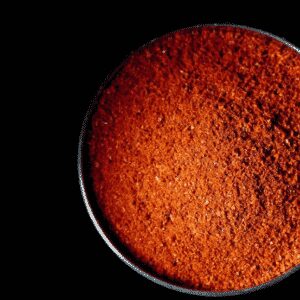
Chile piquin transforms ordinary dishes with minimal quantities due to its concentrated potency. Traditional Mexican cooks use whole dried piquin in slow-cooked stews, where the peppers release heat gradually while maintaining structural integrity. Ground piquin works exceptionally well in dry rubs for grilled meats, creating a spice blend that penetrates protein fibers without overwhelming other flavors.
The pepper’s quick heat release makes it ideal for finishing dishes rather than long cooking applications. A pinch of ground chile piquin added to completed salsas provides immediate fire without extended infusion time. Professional chefs appreciate piquin’s clean heat profile, which builds quickly but fades without lingering burn.
Heat Management Techniques
Working with chile piquin requires respect for its intensity. Start with tiny amounts, approximately one-eighth teaspoon per serving, then adjust upward. The pepper’s heat concentrates in seeds and inner membranes, so whole dried piquin can be removed after achieving desired spice levels in liquid preparations.
Nutritional Compounds and Health Benefits
Chile piquin contains exceptional concentrations of capsaicin, the compound responsible for pepper heat and various health benefits. Research from the American Journal of Clinical Nutrition shows that wild peppers like piquin contain 40% higher capsaicin levels than cultivated varieties. This concentration provides significant anti-inflammatory and metabolism-boosting effects in smaller serving sizes.
The pepper also delivers substantial vitamin C content, with studies indicating that dried piquin retains approximately 60% of fresh pepper vitamin levels. Dr. James Rodriguez, food scientist at Texas A&M University, notes that “the concentrated nature of chile piquin makes it an efficient source of both heat compounds and essential nutrients, particularly for traditional diets where small amounts provide maximum nutritional impact.”
Storage and Handling Guidelines
Proper storage maintains chile piquin’s potency and prevents contamination. Whole dried peppers store best in airtight containers away from light and moisture, maintaining peak heat levels for up to two years. Ground piquin loses potency more quickly, requiring refrigerated storage and use within six months for optimal flavor.
Handle chile piquin with clean, dry hands and avoid touching face or eyes during preparation. The concentrated oils can cause severe irritation even in trace amounts. Wash hands thoroughly with dish soap after handling, as water alone does not remove capsaicin oils effectively.
Frequently Asked Questions
How hot is chile piquin compared to jalapeño peppers?
Chile piquin measures 30,000-60,000 Scoville units while jalapeños range from 2,500-8,000 units, making piquin approximately 10 times hotter. The heat builds quickly but fades more cleanly than jalapeño’s lingering warmth.
Can you substitute chile piquin for cayenne pepper in recipes?
Yes, but reduce quantities significantly since piquin contains higher capsaicin concentrations. Use approximately half the amount called for cayenne and adjust upward gradually. Piquin provides more complex flavor than standard cayenne.
What dishes traditionally use chile piquin in Mexican cuisine?
Chile piquin appears in authentic salsas, meat marinades, pozole, and dried chile blends. Traditional cooks add whole dried piquin to beans and stews for background heat that develops during slow cooking.
Is chile piquin the same as chiltepin pepper?
Chile piquin and chiltepin are closely related wild varieties, often used interchangeably. Both grow wild in similar regions and provide comparable heat levels, though subtle flavor differences exist between specific populations.
How do you grind chile piquin safely at home?
Use a dedicated spice grinder and work in small batches to prevent overheating. Grind briefly in pulses, allowing cooling between sessions. Clean equipment thoroughly afterward and consider wearing gloves during handling.
Does chile piquin lose heat when cooked?
Extended high-heat cooking can reduce capsaicin levels slightly, but chile piquin maintains significant potency even after prolonged cooking. The heat perception may change as flavors meld but overall intensity remains substantial.
Where can you find authentic chile piquin?
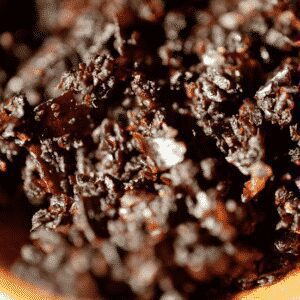
Look for suppliers specializing in traditional Mexican ingredients who source directly from harvest regions. Authentic piquin should appear small, wrinkled, and deep red with intense aroma even when dried.
How much chile piquin should beginners use in cooking?
Start with a tiny pinch, approximately 1/16 teaspoon, for an entire dish serving four people. Taste and adjust gradually, remembering that heat builds over several minutes after consumption.
Experience Authentic Mexican Fire
Chile piquin connects modern kitchens with centuries of traditional Mexican cooking, delivering concentrated heat and complex flavor that elevates ordinary meals into memorable experiences. This wild pepper demands respect but rewards careful use with unmatched authenticity and intensity. Whether finishing salsas, seasoning grilled meats, or adding fire to slow-cooked dishes, chile piquin provides the genuine taste of Mexico’s desert landscapes. Ready to bring authentic Mexican heat to your kitchen? Shop the Collection and discover the concentrated power of traditional chile piquin.