
What Is Aleppo Pepper? Everything You Need to Know

The global spices market reached $16.46 billion in 2024 and is projected to grow to $26.65 billion by 2033 at a 5.5% compound annual growth rate, according to Straits Research. Much of this growth stems from consumer demand for authentic global flavors, with ethnic cuisine adoption growing 29% in recent years per Global Growth Insights. Aleppo pepper sits at the intersection of these trends, offering home cooks an accessible gateway to Middle Eastern and Mediterranean cooking.
How Aleppo Pepper Tastes
The flavor of Aleppo pepper sets it apart from every other chili in your spice cabinet. Where standard crushed red pepper delivers one-dimensional heat, Aleppo pepper offers layers of complexity that build with each bite.
The initial impression brings fruity sweetness reminiscent of sun-dried tomatoes, followed by raisin-like tartness and subtle cumin earthiness. A gentle heat emerges slowly, warming the palate without overwhelming other flavors. The finish carries a hint of saltiness from traditional processing methods, which add salt and olive oil to the crushed flakes.
“It’s like having the flavor of sundried tomatoes, but with a substantial kick behind it,” notes the Chili Pepper Madness guide. This complexity makes Aleppo pepper useful across dishes where generic crushed red pepper would simply add heat without contributing depth.
The texture differs from typical red pepper flakes as well. Aleppo pepper flakes have a slightly oily, almost moist quality from the olive oil added during processing. This oiliness helps the spice adhere to foods and releases flavor more readily when added to dishes.
Aleppo Pepper Heat Level and Scoville Rating
The heat level of Aleppo pepper has created genuine confusion among cooks, with different sources citing wildly different Scoville ratings. Here is what reliable sources actually report.
Most authoritative references, including Wikipedia and PepperScale, place Aleppo pepper at approximately 10,000 Scoville Heat Units (SHU). This makes it roughly twice as hot as a typical jalapeño pepper, which averages 5,000 SHU.
However, some wholesale suppliers like Terra Spice cite ranges of 2,500 to 7,000 SHU, while Spices Inc. reports 2,500 to 5,000 SHU. This variation exists because Aleppo pepper heat depends on several factors: where the peppers were grown, weather conditions during cultivation, and how thoroughly the seeds were removed during processing.
The traditional preparation removes seeds entirely, which significantly reduces heat compared to whole-pod measurements. Seeds and the white membrane (placenta) contain the highest concentration of capsaicin, so their removal creates a milder product.
For practical cooking purposes, expect Aleppo pepper to deliver moderate heat that builds gradually rather than hitting immediately. This slow-building characteristic allows you to taste the complex flavors before the warmth arrives, making it suitable for people who typically avoid spicy foods.
Where Aleppo Pepper Comes From
Aleppo pepper takes its name from the city of Aleppo (Halab in Arabic), one of the oldest continuously inhabited cities in the world. Archaeological evidence suggests human settlement in Aleppo for at least 5,000 years, and its position along the Silk Road made it a natural hub for spice trading.
The peppers themselves belong to the Capsicum annuum species, the same family that includes bell peppers, jalapeños, and cayenne. Like all chili peppers, they originated in the Americas and reached the Middle East through Portuguese and Spanish traders after Columbus’s voyages in the late 15th century.
The Syrian Civil War’s Impact on Production
The Syrian civil war, beginning in 2011, fundamentally changed Aleppo pepper production. According to Grokipedia, the conflict caused an estimated $550 million in annual crop losses, including peppers, between 2011 and 2016. Syrian production dropped by more than 90% as farmland was destroyed and farmers fled.
Production shifted primarily to southeastern Turkey, where Syrian farmers and seed stock found new ground. Today, most Aleppo pepper sold internationally comes from Turkish cultivation using traditional Syrian seeds and processing methods.
Some domestic U.S. production has emerged as well. Seeds from the USDA seed bank have enabled small-scale cultivation in California, Virginia, and the Midwest. The organic Aleppo pepper grown in Southern California uses seeds imported from Syria, preserving the original genetic characteristics.
How Aleppo Pepper Is Made
Traditional Aleppo pepper production follows methods refined over centuries. The process begins with ripe burgundy-colored peppers harvested at peak maturity in late summer and early fall.
Farmers spread the harvested peppers on rooftops or drying racks to sun-dry for several days. Unlike some pepper processing methods, Aleppo peppers are never smoked. This distinguishes them from related varieties like Urfa biber, which undergoes an overnight “sweating” process that creates its characteristic smoky, chocolatey flavor.
Once dried, workers remove the stems and seeds. Seed removal is particularly important because seeds contain the highest capsaicin concentration and the bitterest compounds. Complete de-seeding creates the mellow heat profile that defines quality Aleppo pepper.
The dried, de-seeded pepper flesh is then coarsely crushed rather than finely ground. A small amount of salt (typically less than 15% by weight) and olive oil gets mixed into the crushed flakes. This addition serves multiple purposes: it preserves the vibrant red color, extends shelf life, and creates the slightly moist texture that helps the spice adhere to foods.
How to Cook with Aleppo Pepper
The versatility of Aleppo pepper makes it useful across virtually every category of cooking. Here are the primary applications where this spice excels.
As a Finishing Spice
Aleppo pepper works brilliantly as a table condiment. In Turkey and Syria, shakers of pul biber sit alongside salt and black pepper at dining tables. A sprinkle over finished dishes adds color, gentle heat, and flavor complexity without requiring any adjustment to cooking techniques.
Try it over scrambled eggs, avocado toast, hummus, or grilled vegetables. The fruity sweetness pairs particularly well with Mediterranean dishes and anything featuring olive oil, tomatoes, or grilled meats.
In Marinades and Rubs
The oil content in Aleppo pepper makes it adhere well to proteins. Combine it with cumin, garlic, and olive oil for a simple Mediterranean-style rub for chicken, lamb, or fish. The slow-building heat develops during cooking without becoming harsh or bitter.
Aleppo pepper forms the backbone of many traditional Middle Eastern spice blends. It appears in za’atar variations, various kebab seasonings, and regional curry blends.
In Soups and Stews
Adding Aleppo pepper during cooking infuses dishes with warmth throughout rather than just on the surface. It works particularly well in tomato-based soups, lentil stews, and bean dishes common to Middle Eastern cuisine.
Start with a teaspoon per four servings and adjust to taste. Remember that the heat builds slowly, so taste your dish after it has simmered for several minutes to judge the true heat level.
Classic Dishes Featuring Aleppo Pepper
Muhammara stands as perhaps the most famous Aleppo pepper dish. This Syrian roasted red pepper and walnut dip combines Aleppo pepper with roasted bell peppers, walnuts, breadcrumbs, pomegranate molasses, and olive oil. The result is a complex, slightly sweet spread that works as a dip or sauce.
Menemen, Turkish-style scrambled eggs with tomatoes and peppers, relies on Aleppo pepper for both color and warmth. The spice gets added during cooking and again as a finishing garnish.
Virtually any pizza or pasta that calls for crushed red pepper becomes more interesting with Aleppo pepper. The fruity complexity adds dimension that generic red pepper flakes simply cannot match.
Best Substitutes for Aleppo Pepper
When you cannot find Aleppo pepper, several alternatives can approximate its flavor, though none perfectly replicate the original.
Marash Pepper
Marash pepper (sometimes sold as “Silk Chili” by certain brands) comes from the same region and offers the closest flavor match. It shares the fruity, earthy profile with slightly higher heat at 4,000 to 8,000 SHU. Use it in a 1:1 ratio.
Antebi Pepper
Antebi pepper, another Syrian variety, provides similar flavor characteristics with comparable heat levels. It makes an excellent substitute when available.
Korean Gochugaru
Gochugaru (Korean red pepper flakes) shares the coarse texture and mild-to-moderate heat of Aleppo pepper. The flavor profile differs, leaning more toward sweet and smoky without the same cumin earthiness. Use it at a 1:1 ratio in dishes where the exact flavor match matters less than the heat level and texture.
DIY Blend
A common substitute combines sweet paprika and cayenne pepper in a 4:1 ratio, plus a pinch of salt and a few drops of olive oil. This approximates the heat level and texture but misses the fruity complexity. Spices Inc. notes that while this mixture works in a pinch, “Aleppo will still be sweeter and more complex.”
Health Benefits of Aleppo Pepper

Capsaicin triggers the TRPV1 receptor, which sends heat and pain signals to the brain. This same mechanism appears to influence metabolism. The journal Biomolecules (2022) published research showing capsaicin can affect energy metabolism and fat oxidation, though individual responses vary considerably.
Aleppo pepper provides meaningful amounts of vitamins A and C, both important for immune function. The vitamin A content supports eye health and skin integrity, while vitamin C acts as an antioxidant and supports collagen production.
The relatively mild heat level makes Aleppo pepper accessible to people who might otherwise avoid spicy foods but still want the potential benefits of capsaicin consumption. A sprinkle over food delivers flavor along with beneficial compounds without causing discomfort.
One caveat: health claims for any specific food should be viewed with appropriate skepticism. While capsaicin research shows promise, incorporating Aleppo pepper into an otherwise unhealthy diet will not produce meaningful health improvements. It works best as one component of a varied, nutrient-rich eating pattern.
How to Store Aleppo Pepper
Proper storage preserves both flavor and color in Aleppo pepper. The natural oils that give it distinctive character also make it more susceptible to rancidity than drier spices.
Store Aleppo pepper in an airtight container in a cool, dark location. A pantry or spice cabinet away from the stove works well. Exposure to heat, light, and air all accelerate degradation.
Under ideal conditions, Aleppo pepper maintains quality for 12 to 18 months. After that, the color may fade from vibrant burgundy toward brown, and the flavor becomes muted. The spice remains safe to eat but loses its distinctive character.
Some sources recommend refrigeration for extended storage. This can work, but the cold environment can cause the oil to solidify, temporarily affecting texture. If you refrigerate, allow the spice to come to room temperature before using.
Signs of degraded Aleppo pepper include:
- Color fading from deep burgundy to dull brown
- Loss of fruity aroma
- Stale or cardboard-like smell
- Dry, powdery texture (loss of characteristic oiliness)
When in doubt, taste a small amount. Fresh Aleppo pepper delivers immediate fruity flavor followed by building warmth. Stale product tastes flat and bitter.
Why Mediterranean Cuisine Has Grown So Popular
Understanding Aleppo pepper’s rise in popularity requires context about broader culinary trends. Mediterranean cuisine has experienced remarkable growth in the American market, driven by health consciousness and flavor exploration.
According to Nation’s Restaurant News, CAVA’s sales grew by more than 33% year-over-year in 2024, with the chain recently surpassing $1 billion in annual revenue. Other Mediterranean concepts showed similar strength, with Great Greek Mediterranean Grill up 44.2% and Nick the Greek up 30.5%.
Restaurant Business Online reports that 60% of consumers indicate they would likely order menu items featuring Mediterranean flavors and ingredients. The Mediterranean restaurants segment in the U.S. reached $33.4 billion in 2024, growing at 3.0% annually.
Among younger consumers, enthusiasm runs even higher. Rubix Foods reports that 73% of Gen Z consumers love or like Mediterranean food, and YouTube searches for “Mediterranean recipes” increased 50% since March 2025.
This growth creates natural demand for authentic ingredients like Aleppo pepper. Home cooks watching Mediterranean cooking content want to replicate the flavors they see, driving interest in specialty spices beyond what typical grocery stores stock.
Buying Quality Aleppo Pepper
Not all Aleppo pepper reaches the same quality standard. Understanding what to look for helps ensure you get the best product.
Visual Indicators
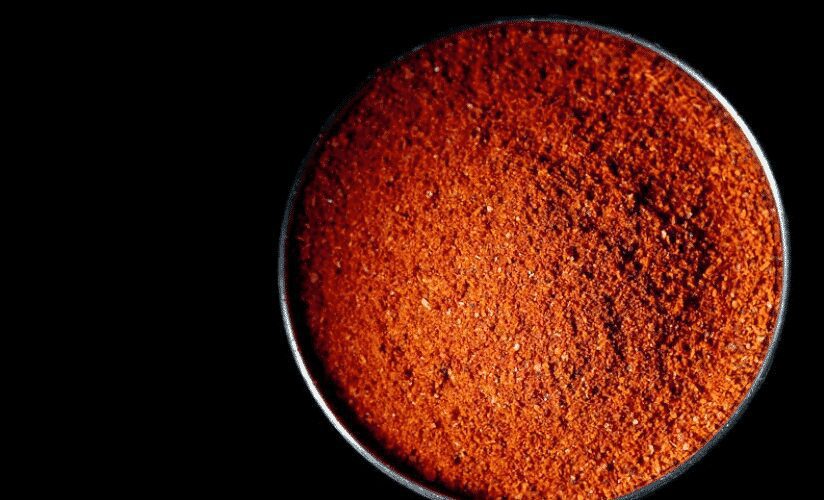
High-quality Aleppo pepper displays a deep burgundy to brick-red color with a glossy sheen from the oil content. The flakes should look relatively uniform in size, coarsely crushed rather than finely powdered.
Avoid products that appear:
- Bright red (may indicate immature peppers or artificial coloring)
- Dull brown (signs of age or improper storage)
- Powdery fine (suggests inferior processing)
- Dry without any oily sheen (may lack traditional oil addition)
Aroma Test
Fresh Aleppo pepper smells fruity and sweet with underlying warmth. The aroma should remind you of sun-dried tomatoes and raisins with a hint of spice. Stale product smells flat, dusty, or slightly rancid.
Source Considerations
Reputable spice merchants provide information about origin and sourcing. While most current production comes from Turkey, some specialty retailers offer organic Aleppo pepper grown domestically from original Syrian seed stock.
Price varies significantly. Bulk Aleppo pepper from wholesale suppliers costs less per ounce than small retail jars. Consider buying larger quantities if you cook frequently with this spice, as it stores well when kept properly.
Aleppo Pepper vs. Related Turkish Peppers
Aleppo pepper belongs to a family of Turkish chili varieties that often cause confusion. Understanding the differences helps you choose the right pepper for each application.
Aleppo Pepper vs. Urfa Biber
Urfa biber (also called Isot pepper) comes from the Urfa region of Turkey and undergoes a distinctive curing process. After sun-drying during the day, the peppers are wrapped tightly at night to “sweat,” creating fermentation-like effects that produce deep purple-black color and smoky, chocolate-like flavors.
Heat levels differ substantially: Urfa biber reaches 30,000 to 50,000 SHU compared to Aleppo pepper’s roughly 10,000 SHU. The texture also differs, with Urfa biber being slightly moist and chewy rather than oily and flaky.
Use Aleppo pepper when you want fruity brightness with mild heat. Choose Urfa biber for smokier, earthier applications or when you want more substantial heat.
Pul Biber: Understanding the Category
“Pul biber” translates simply to “flake pepper” in Turkish. While often used interchangeably with Aleppo pepper, pul biber technically refers to a category that includes several regional varieties.
According to Wikipedia, pul biber ranks as the third most commonly used spice in Turkish kitchens after salt and black pepper. The term encompasses Aleppo, Urfa, Marash, and other regional pepper flakes.
When buying “pul biber” at a Turkish grocery store, you may receive any of several varieties. For consistent results, look specifically for “Halep biberi” (Aleppo pepper) or specify the type you want.
Frequently Asked Questions
Is Aleppo pepper the same as crushed red pepper?
No. While both are red pepper flakes, Aleppo pepper differs significantly in flavor, heat level, and texture. Standard crushed red pepper comes from cayenne-type peppers, delivers sharper heat without complexity, and lacks the oily texture and fruity flavor of Aleppo pepper. You can substitute Aleppo pepper for crushed red pepper, but expect a different (many would say better) flavor profile.
 Is Aleppo pepper gluten free?
Yes. Pure Aleppo pepper contains only crushed peppers, salt, and oil, all of which are naturally gluten free. However, always check labels on pre-mixed spice blends, as some may contain additives or be processed in facilities that handle wheat products.
How spicy is Aleppo pepper compared to jalapeño?
Aleppo pepper measures approximately 10,000 SHU, roughly twice the heat of an average jalapeño (5,000 SHU). However, the heat in Aleppo pepper builds more slowly and feels less sharp, so many people find it more comfortable to eat despite the higher Scoville rating.
Can I grow Aleppo peppers at home?
Yes. Aleppo pepper plants grow similarly to other Capsicum annuum varieties. They prefer warm weather, full sun, and well-drained soil. Seeds are available from specialty seed suppliers and some spice retailers. The plants produce burgundy-colored peppers suitable for traditional sun-drying and crushing.
How long does Aleppo pepper last after opening?
Properly stored in an airtight container in a cool, dark place, opened Aleppo pepper maintains quality for 12 to 18 months. Signs of degradation include faded color, diminished aroma, and loss of the characteristic oily texture.
What dishes traditionally use Aleppo pepper?
Traditional dishes include muhammara (walnut and red pepper dip), menemen (Turkish scrambled eggs), various kebab preparations, and countless everyday dishes where Turkish and Syrian cooks add pul biber as a finishing spice. It also appears in spice blends like some za’atar variations and regional seasonings.
Can Aleppo pepper be used in desserts?
Yes. The fruity sweetness of Aleppo pepper pairs well with chocolate, honey, and stone fruits. Try a small pinch in brownies, chocolate truffles, or drizzled with honey over cheese. Start with less than you would use in savory applications and adjust to taste.
Where can I buy Aleppo pepper?
Specialty spice shops, Middle Eastern grocery stores, and online retailers carry Aleppo pepper. Quality varies considerably, so purchase from reputable sources that provide origin information and store their inventory properly. Spice Station offers multiple Aleppo pepper options, including organic and bulk sizes.
Getting Started with Aleppo Pepper
Adding Aleppo pepper to your kitchen opens up new dimensions of flavor in everyday cooking. The mild heat and complex taste make it approachable for spice novices while offering enough depth to interest experienced cooks.
Start simply. Sprinkle Aleppo pepper over your morning eggs, add it to pizza alongside (or instead of) crushed red pepper, or mix it into a basic olive oil dressing for salad. These low-risk applications let you learn the flavor profile before committing it to more complex dishes.
As you become familiar with its characteristics, try incorporating Aleppo pepper into marinades, rubs, and longer-cooked dishes where the heat and flavor can develop fully. The fruity sweetness works particularly well with tomato-based sauces, grilled meats, roasted vegetables, and legume dishes.
The Spice Station shop offers premium Aleppo pepper alongside other essential Middle Eastern spices like sumac, za’atar, and baharat. Building a collection of these complementary flavors allows you to cook authentically across Mediterranean and Middle Eastern cuisines.