How to Toast Spices for Maximum Flavor and Aroma
Spread the love
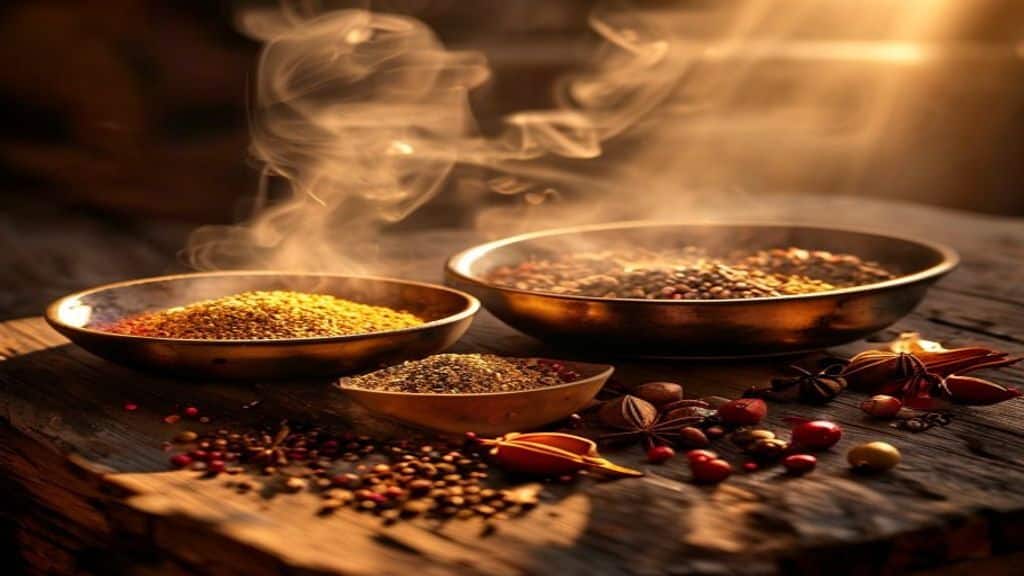
how to toast spices

Key Takeaways

Toasting spices awakens their essential oils, deepens flavors, and creates the aromatic foundation that separates good cooking from extraordinary cooking.

  • Dry pan toasting is the most controlled method for whole spices
  • Toast spices until fragrant, not until they change color dramatically
  • Different spices require different toasting times and heat levels
  • Freshly toasted spices should be ground immediately for peak potency
  • Store toasted spices properly to preserve their enhanced flavors

The Science Behind Toasting Spices

When you toast spices, you are essentially coaxing volatile oils from their cellular homes. Heat breaks down the rigid structures that hold these flavor compounds captive, releasing them into the air and concentrating what remains. This is why a kitchen filled with the scent of toasted cumin seeds or coriander feels so alive with possibility. The Maillard reaction also plays a role here, creating new flavor compounds through the interaction of proteins and sugars under heat.

Different spices respond to heat in unique ways. Seeds like fennel and mustard contain oils that become more pronounced with gentle warming, while dried chilies develop smoky, complex notes that their raw counterparts simply cannot offer. Understanding these individual personalities helps you coax the best from each spice.
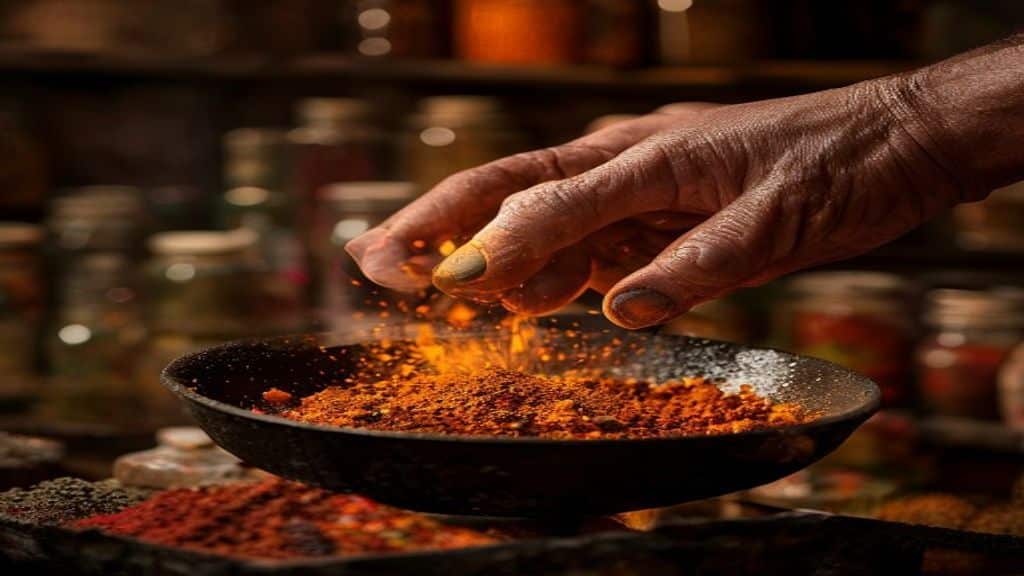
how to toast spices

Essential Techniques for Perfect Toasting

The dry pan method remains the gold standard for toasting whole spices. Start with a heavy-bottomed pan over medium-low heat. No oil, no butter, just clean metal and patient heat. Place your spices in a single layer, giving each seed or pod room to breathe. Shake the pan gently every thirty seconds, listening for the subtle popping sounds that signal the oils are warming.

Reading the Signs

Your nose will tell you when spices are properly toasted before your eyes do. Black peppercorns release a sharp, almost pine-like aroma when ready. Cardamom pods will smell intensely floral and warm. Seeds like sesame will develop a nutty fragrance that fills the kitchen. According to the Institute of Food Technologists, properly toasted spices can increase their flavor intensity by up to 40 percent compared to their raw state.

Temperature and Timing

Medium-low heat prevents scorching while allowing oils to warm gradually. Most whole spices need two to four minutes of gentle toasting. Delicate items like nigella seeds require barely a minute, while tougher specimens like fenugreek might need five minutes of patient warming. The key is staying present and trusting your senses rather than following rigid timing.

Spice-Specific Toasting Guidelines

Each spice family has its own toasting personality. Seeds generally toast more predictably than pods, while ground spices require entirely different treatment. Star anise pods should be toasted just until they release their licorice perfume, usually within two minutes. Sichuan peppercorns need gentle heat to awaken their famous numbing quality without burning their delicate husks.

Whole vs. Ground Considerations

Always toast whole spices when possible, then grind them immediately after cooling. Pre-ground spices burn easily and lose their oils quickly under heat. If you must toast ground spices, use the lowest heat setting and stir constantly. According to food scientist Dr. Ali Bouzari, “Ground spices have exponentially more surface area exposed to heat, making them prone to rapid degradation if not handled with extreme care.”

For custom spice blends, toast each component separately before combining. Different spices reach their optimal toasting point at different rates, so treating them individually ensures each contributes its best self to the final mixture.

Advanced Toasting Methods

Beyond the basic dry pan technique, several specialized methods can enhance specific spices. Oven toasting works beautifully for large quantities of dried chilies or nuts mixed with spices. Spread them on a baking sheet and toast at 350°F, checking every few minutes and shaking the pan to ensure even heating.

Oil Toasting for Specific Applications

Some recipes call for oil toasting, where spices bloom in hot oil rather than dry heat. This method works particularly well for mustard seeds in Indian cooking or red pepper flakes for pasta dishes. The oil captures and preserves the released oils, creating an intensely flavored base for cooking.

According to Chef Priya Krishna, author of “Indian-ish,” “Oil toasting creates a different flavor profile entirely. The spices infuse the oil while the oil protects them from direct heat damage, resulting in a more mellow but deeply penetrating flavor.” Use this technique when the spiced oil will become part of your final dish.

Storage and Grinding After Toasting

Timing matters crucially after toasting. Allow spices to cool completely before grinding, as heat can damage your spice grinder and create uneven textures. Toasted spices are at their peak immediately after cooling, so grind them within an hour when possible. The enhanced oils that toasting creates are volatile and will dissipate over time.

Store any leftover toasted whole spices in airtight containers away from light and heat. They will maintain their enhanced flavor for about two weeks, significantly less time than raw spices. Label containers with toasting dates to track freshness. Ground toasted spices should be used within a week for optimal impact.

Common Mistakes and How to Avoid Them

The most frequent error is using too much heat too quickly. Patience rewards you with evenly toasted spices, while rushing leads to burnt outsides and raw centers. Another common mistake is walking away from the pan. Spices can go from perfectly toasted to bitter and burnt in seconds.

Overcrowding the pan prevents even heating and makes it difficult to monitor individual spices. Toast in small batches rather than trying to handle large quantities at once. According to culinary instructor Michael Ruhlman, “Toasting spices is like making a perfect omelet. The technique is simple, but attention to detail makes the difference between adequate and extraordinary results.”

Never toast spices while distracted or multitasking. The brief window between perfectly toasted and ruined requires your full attention. Keep a cool plate nearby to immediately transfer spices when they reach the right point, stopping the cooking process instantly.

Frequently Asked Questions

Can you toast pre-ground spices safely?

Yes, but with extreme caution. Use the lowest heat setting and stir constantly. Pre-ground spices burn much faster than whole ones due to increased surface area. Toast for 30-60 seconds maximum, just until fragrant.

How do you know when spices are perfectly toasted?

Trust your nose over your eyes. Properly toasted spices will release their characteristic aromas intensely. They may darken slightly but should never become black or smell burnt. The fragrance should be rich and inviting, not sharp or acrid.

Should you toast spices for spice blends separately?

Absolutely. Different spices reach their optimal toasting point at different rates. Coriander seeds might need four minutes while fennel seeds are perfect after two minutes. Toast separately, then combine after cooling.

How long do toasted spices stay fresh?

Whole toasted spices maintain peak flavor for about two weeks when stored properly in airtight containers. Ground toasted spices are best used within one week. The enhanced oils from toasting are more volatile than those in raw spices.

Can you re-toast spices that have lost their potency?

Not effectively. Once spices have been toasted and lost their enhanced flavors, re-toasting typically creates bitter, burnt flavors rather than restoring the original aromatic qualities. Start with fresh spices for best results.

What pan works best for toasting spices?

A heavy-bottomed stainless steel or cast iron pan distributes heat most evenly. Avoid non-stick pans, which can release harmful fumes at the temperatures needed for proper spice toasting. A light-colored pan makes it easier to monitor browning.

Master the Art of Spice Toasting Today

Learning to toast spices properly transforms your cooking from good to extraordinary, but it requires practice and high-quality ingredients to achieve consistent results. When you work with inferior spices, even perfect technique cannot create the deep, complex flavors that come naturally from properly sourced, fresh whole spices. Waiting to upgrade your spice collection means missing countless opportunities to create those memorable aromatic moments that make cooking truly rewarding. Shop the Collection to discover the difference that quality makes in your spice toasting journey.
Leave a Reply

Your email address will not be published. Required fields are marked *

Fill out this field
Fill out this field
Please enter a valid email address.

Related Articles

Spread the love
how to toast spices

Key Takeaways

Toasting spices awakens their essential oils, deepens flavors, and creates the aromatic foundation that separates good cooking from extraordinary cooking.

  • Dry pan toasting is the most controlled method for whole spices
  • Toast spices until fragrant, not until they change color dramatically
  • Different spices require different toasting times and heat levels
  • Freshly toasted spices should be ground immediately for peak potency
  • Store toasted spices properly to preserve their enhanced flavors

The Science Behind Toasting Spices

When you toast spices, you are essentially coaxing volatile oils from their cellular homes. Heat breaks down the rigid structures that hold these flavor compounds captive, releasing them into the air and concentrating what remains. This is why a kitchen filled with the scent of toasted cumin seeds or coriander feels so alive with possibility. The Maillard reaction also plays a role here, creating new flavor compounds through the interaction of proteins and sugars under heat.

Different spices respond to heat in unique ways. Seeds like fennel and mustard contain oils that become more pronounced with gentle warming, while dried chilies develop smoky, complex notes that their raw counterparts simply cannot offer. Understanding these individual personalities helps you coax the best from each spice.

how to toast spices

Essential Techniques for Perfect Toasting

The dry pan method remains the gold standard for toasting whole spices. Start with a heavy-bottomed pan over medium-low heat. No oil, no butter, just clean metal and patient heat. Place your spices in a single layer, giving each seed or pod room to breathe. Shake the pan gently every thirty seconds, listening for the subtle popping sounds that signal the oils are warming.

Reading the Signs

Your nose will tell you when spices are properly toasted before your eyes do. Black peppercorns release a sharp, almost pine-like aroma when ready. Cardamom pods will smell intensely floral and warm. Seeds like sesame will develop a nutty fragrance that fills the kitchen. According to the Institute of Food Technologists, properly toasted spices can increase their flavor intensity by up to 40 percent compared to their raw state.

Temperature and Timing

Medium-low heat prevents scorching while allowing oils to warm gradually. Most whole spices need two to four minutes of gentle toasting. Delicate items like nigella seeds require barely a minute, while tougher specimens like fenugreek might need five minutes of patient warming. The key is staying present and trusting your senses rather than following rigid timing.

Spice-Specific Toasting Guidelines

Each spice family has its own toasting personality. Seeds generally toast more predictably than pods, while ground spices require entirely different treatment. Star anise pods should be toasted just until they release their licorice perfume, usually within two minutes. Sichuan peppercorns need gentle heat to awaken their famous numbing quality without burning their delicate husks.

Whole vs. Ground Considerations

Always toast whole spices when possible, then grind them immediately after cooling. Pre-ground spices burn easily and lose their oils quickly under heat. If you must toast ground spices, use the lowest heat setting and stir constantly. According to food scientist Dr. Ali Bouzari, “Ground spices have exponentially more surface area exposed to heat, making them prone to rapid degradation if not handled with extreme care.”

For custom spice blends, toast each component separately before combining. Different spices reach their optimal toasting point at different rates, so treating them individually ensures each contributes its best self to the final mixture.

Advanced Toasting Methods

Beyond the basic dry pan technique, several specialized methods can enhance specific spices. Oven toasting works beautifully for large quantities of dried chilies or nuts mixed with spices. Spread them on a baking sheet and toast at 350°F, checking every few minutes and shaking the pan to ensure even heating.

Oil Toasting for Specific Applications

Some recipes call for oil toasting, where spices bloom in hot oil rather than dry heat. This method works particularly well for mustard seeds in Indian cooking or red pepper flakes for pasta dishes. The oil captures and preserves the released oils, creating an intensely flavored base for cooking.

According to Chef Priya Krishna, author of “Indian-ish,” “Oil toasting creates a different flavor profile entirely. The spices infuse the oil while the oil protects them from direct heat damage, resulting in a more mellow but deeply penetrating flavor.” Use this technique when the spiced oil will become part of your final dish.

Storage and Grinding After Toasting

Timing matters crucially after toasting. Allow spices to cool completely before grinding, as heat can damage your spice grinder and create uneven textures. Toasted spices are at their peak immediately after cooling, so grind them within an hour when possible. The enhanced oils that toasting creates are volatile and will dissipate over time.

Store any leftover toasted whole spices in airtight containers away from light and heat. They will maintain their enhanced flavor for about two weeks, significantly less time than raw spices. Label containers with toasting dates to track freshness. Ground toasted spices should be used within a week for optimal impact.

Common Mistakes and How to Avoid Them

The most frequent error is using too much heat too quickly. Patience rewards you with evenly toasted spices, while rushing leads to burnt outsides and raw centers. Another common mistake is walking away from the pan. Spices can go from perfectly toasted to bitter and burnt in seconds.

Overcrowding the pan prevents even heating and makes it difficult to monitor individual spices. Toast in small batches rather than trying to handle large quantities at once. According to culinary instructor Michael Ruhlman, “Toasting spices is like making a perfect omelet. The technique is simple, but attention to detail makes the difference between adequate and extraordinary results.”

Never toast spices while distracted or multitasking. The brief window between perfectly toasted and ruined requires your full attention. Keep a cool plate nearby to immediately transfer spices when they reach the right point, stopping the cooking process instantly.

Frequently Asked Questions

Can you toast pre-ground spices safely?

Yes, but with extreme caution. Use the lowest heat setting and stir constantly. Pre-ground spices burn much faster than whole ones due to increased surface area. Toast for 30-60 seconds maximum, just until fragrant.

How do you know when spices are perfectly toasted?

Trust your nose over your eyes. Properly toasted spices will release their characteristic aromas intensely. They may darken slightly but should never become black or smell burnt. The fragrance should be rich and inviting, not sharp or acrid.

Should you toast spices for spice blends separately?

Absolutely. Different spices reach their optimal toasting point at different rates. Coriander seeds might need four minutes while fennel seeds are perfect after two minutes. Toast separately, then combine after cooling.

How long do toasted spices stay fresh?

Whole toasted spices maintain peak flavor for about two weeks when stored properly in airtight containers. Ground toasted spices are best used within one week. The enhanced oils from toasting are more volatile than those in raw spices.

Can you re-toast spices that have lost their potency?

Not effectively. Once spices have been toasted and lost their enhanced flavors, re-toasting typically creates bitter, burnt flavors rather than restoring the original aromatic qualities. Start with fresh spices for best results.

What pan works best for toasting spices?

A heavy-bottomed stainless steel or cast iron pan distributes heat most evenly. Avoid non-stick pans, which can release harmful fumes at the temperatures needed for proper spice toasting. A light-colored pan makes it easier to monitor browning.

Master the Art of Spice Toasting Today

Learning to toast spices properly transforms your cooking from good to extraordinary, but it requires practice and high-quality ingredients to achieve consistent results. When you work with inferior spices, even perfect technique cannot create the deep, complex flavors that come naturally from properly sourced, fresh whole spices. Waiting to upgrade your spice collection means missing countless opportunities to create those memorable aromatic moments that make cooking truly rewarding. Shop the Collection to discover the difference that quality makes in your spice toasting journey.
Previous Post
Turmeric Health Benefits That Make This Golden Spice Essential

Leave a Reply

Your email address will not be published. Required fields are marked *

Fill out this field
Fill out this field
Please enter a valid email address.

Related Articles