
How to Store Aleppo Pepper for Maximum Freshness
Store Aleppo pepper in an airtight container in a cool, dark place away from heat and light to maintain freshness for 12 to 18 months. The natural oils added during traditional processing make proper storage more important for Aleppo pepper than for drier spices, as these oils can turn rancid when exposed to heat, light, or air. Unlike standard dried chili flakes that last for years, Aleppo pepper requires slightly more attention to preserve its distinctive fruity flavor and vibrant burgundy color.
According to The Spice House, ground spices typically need replacement every one to two years when stored properly, but spices with added oils may degrade faster. The unique processing of Aleppo pepper, which includes salt and olive oil, creates both its characteristic moistness and its storage considerations.
Why Aleppo Pepper Needs Careful Storage
 Traditional Aleppo pepper processing adds salt (typically less than 15% by weight) and olive oil to the crushed flakes. This creates the slightly moist, oily texture that distinguishes quality Aleppo pepper from dry chili flakes.
The oil content that makes Aleppo pepper special also makes it vulnerable. SpiceJungle explains that “heat, humidity, air, and sunlight all have detrimental effects: they break down the chemical compounds (also known as essential oils) that give spices their flavors and aromas.” For oil-enriched spices like Aleppo pepper, these factors accelerate degradation even faster.
Rancidity becomes the primary concern. When oils oxidize from exposure to air, heat, or light, they develop off-flavors that range from stale to genuinely unpleasant. Rancid Aleppo pepper loses its fruity sweetness and can add bitter, cardboard-like notes to food.
The Ideal Storage Conditions
Temperature
Keep Aleppo pepper in a cool location, ideally below 70°F (21°C). RawSpiceBar advises storing spices away from stoves, ovens, and other heat-producing appliances.
The area above or beside your stove might seem convenient, but temperature fluctuations from cooking accelerate flavor loss. A cabinet or drawer away from heat sources works much better.
Light Exposure
Light degrades spices faster than most people realize. Nik Sharma notes that “sunlight is notorious for bleaching color; if dried spices are left exposed long enough, you might notice a visible color difference compared to a fresh batch.”
For Aleppo pepper, color fading signals flavor loss. The vibrant burgundy should remain rich and deep. If your Aleppo pepper has turned brown or dull, the flavor has likely deteriorated significantly.
Store in opaque containers or inside a closed cabinet where light cannot reach. That attractive spice rack on your counter may look nice, but it shortens the useful life of your spices.
Air Exposure
Oxygen causes oxidation, which degrades both the capsaicin (heat compounds) and the aromatic oils that give Aleppo pepper its distinctive flavor. Airtight containers are essential.
Transfer Aleppo pepper from paper bags or loosely sealed packaging into containers with tight-fitting lids. Glass jars with rubber gaskets, metal tins with snug lids, or quality plastic containers with silicone seals all work well.
Humidity
Moisture causes clumping and can promote mold growth. While Aleppo pepper already contains some oil that gives it a slightly moist texture, additional moisture from humid air creates problems.
Mrs. Dash advises against refrigerator storage for most spices because “a refrigerator has a higher level of humidity, which can alter the taste and freshness of your spices.”
Best Container Options
Glass Jars
Glass jars with airtight seals represent the gold standard for spice storage. They don’t absorb odors, allow you to see contents clearly, and create an effective barrier against air and moisture.
Look for jars with rubber-gasket seals rather than simple screw-on lids. The small investment in quality containers protects the larger investment in specialty spices.
Amber or dark glass provides additional protection from light if you store spices where they might receive indirect light exposure.
Metal Tins
Quality metal tins with tight-fitting lids offer excellent protection from light and air. They work particularly well for spices stored in drawers or other dark locations.
One caution: La Plantation notes that salt can corrode metal over time. Since Aleppo pepper contains added salt, consider glass if you plan to store for extended periods.
What to Avoid
Avoid thin plastic bags, which allow air exchange and can impart plastic flavors. The original packaging from some retailers may not be adequate for long-term storage.
Avoid containers previously used for strong-smelling foods unless thoroughly cleaned. Spices can absorb residual odors, affecting their flavor.
Shelf Life Expectations
Under ideal conditions, Aleppo pepper maintains peak quality for 12 to 18 months. After this period, the spice remains safe to use but gradually loses potency and complexity.
Signs of degradation include:
- Color change: Fresh Aleppo pepper displays deep burgundy-red color. Fading toward brown indicates aging.
- Aroma loss: Fresh Aleppo pepper smells fruity and sweet with underlying warmth. Weak or flat aroma suggests the volatile compounds have escaped.
- Texture change: The slightly oily, moist texture should remain consistent. Completely dry, powdery texture indicates the oils have evaporated.
- Off flavors: Rancid or stale taste means the oil has oxidized. Discard immediately.
Can You Refrigerate or Freeze Aleppo Pepper?
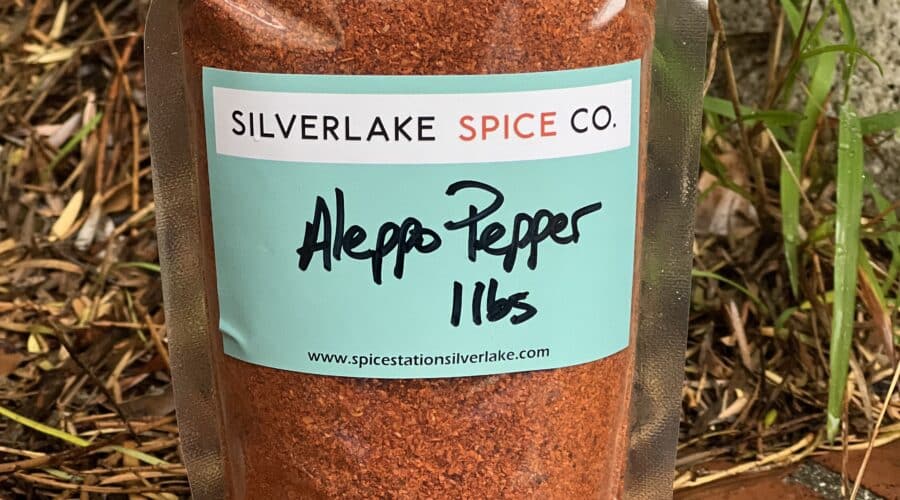 Refrigeration is generally not recommended. While cold temperatures slow oxidation, the high humidity in most refrigerators introduces moisture problems. The temperature changes when opening and closing the door can cause condensation inside containers.
Freezing works for long-term storage of bulk purchases, but requires careful handling. Cosmo Appliances advises using “airtight, freezer-safe containers, and make sure to bring the spice to room temperature before opening to prevent condensation.”
If you freeze Aleppo pepper, divide it into smaller portions you can use within a few months of thawing. Repeated freeze-thaw cycles degrade quality faster than simply storing at room temperature.
How to Tell When Aleppo Pepper Has Gone Bad
The simple smell test provides the best assessment. Rub a small amount of Aleppo pepper between your fingers and inhale. Fresh product releases immediate fruity, sweet, slightly spicy aroma.
If the aroma seems weak, the pepper has lost potency but remains usable with increased quantities. If it smells musty, rancid, or simply “off,” discard it. Degraded Aleppo pepper adds unpleasant flavors rather than enhancing dishes.
Taste provides the final confirmation. A small pinch should deliver recognizable Aleppo pepper flavor with fruity sweetness and gentle heat. Stale product tastes flat, bitter, or cardboard-like.
Buying Strategies for Optimal Freshness
Purchase Aleppo pepper in quantities you can use within 12 months. While bulk options offer better value, they only save money if you use the spice before it degrades.
Buy from retailers with high turnover. Spice Station and similar specialty shops move inventory regularly, meaning fresher product than mass-market retailers where jars may sit for months.
Check packaging dates when available. Some premium spice merchants include harvest or packing dates that help you assess freshness before purchase.
Frequently Asked Questions
How long does Aleppo pepper last after opening?
Properly stored in an airtight container away from heat and light, opened Aleppo pepper maintains peak quality for 12 to 18 months. It remains safe to use longer but gradually loses flavor intensity and complexity.
Should I keep Aleppo pepper in the refrigerator?
No. Refrigerator humidity can cause moisture problems that affect texture and promote clumping. Room temperature storage in a cool, dark cabinet works better for most home kitchens.
Why did my Aleppo pepper turn brown?
Color fading from vibrant burgundy to brown indicates exposure to light, heat, or extended aging. The pepper has lost some aromatic compounds and may taste less vibrant. It’s still usable but past peak quality.
Can I freeze Aleppo pepper?
Yes, for long-term storage of bulk purchases. Use airtight, freezer-safe containers and allow the pepper to reach room temperature before opening to prevent condensation. Divide into smaller portions to avoid repeated freeze-thaw cycles.
How can I tell if Aleppo pepper has gone rancid?
Rancid Aleppo pepper smells musty or stale rather than fruity and sweet. The taste becomes bitter or cardboard-like instead of complex and warming. If you detect these off-notes, discard the pepper and replace it.